

Disclosure: This article contains affiliate links. We may earn a commission from purchases at no extra cost to you, which helps our travel content.
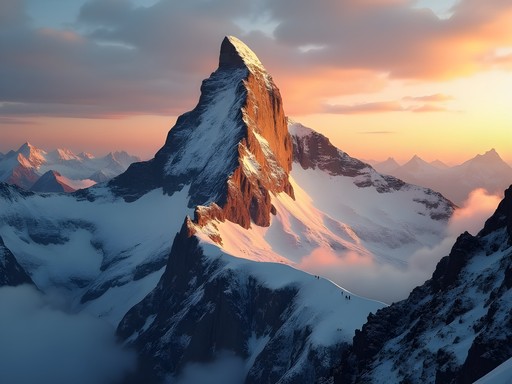
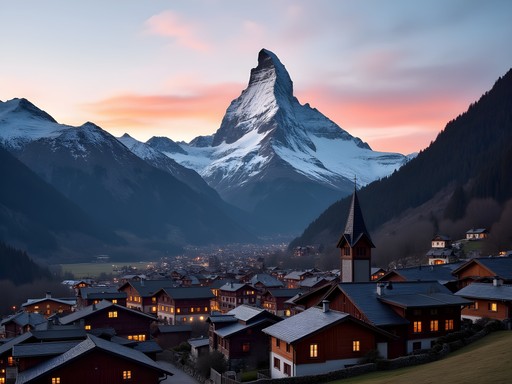
Standing beneath the Matterhorn for the first time is a humbling experience. This iconic pyramid-shaped peak has captivated mountaineers for centuries, its imposing silhouette both a challenge and a siren call. As someone who grew up studying the architectural marvels of Valencia, I've developed a profound appreciation for structures that defy expectations – and the Matterhorn, nature's own masterpiece of geological design, stands paramount among them. Two summers ago, I embarked on a solo journey to conquer this 4,478-meter Alpine giant, and the experience transformed me in ways I'm still discovering.

Preparing Body and Mind: The Architectural Blueprint of Matterhorn Success
Climbing the Matterhorn solo isn't a spontaneous weekend adventure – it's a project that requires meticulous planning, much like developing a complex real estate property. My preparation began six months before setting foot in Zermatt, with a training regimen focused on building cardiovascular endurance, upper body strength, and technical climbing skills.
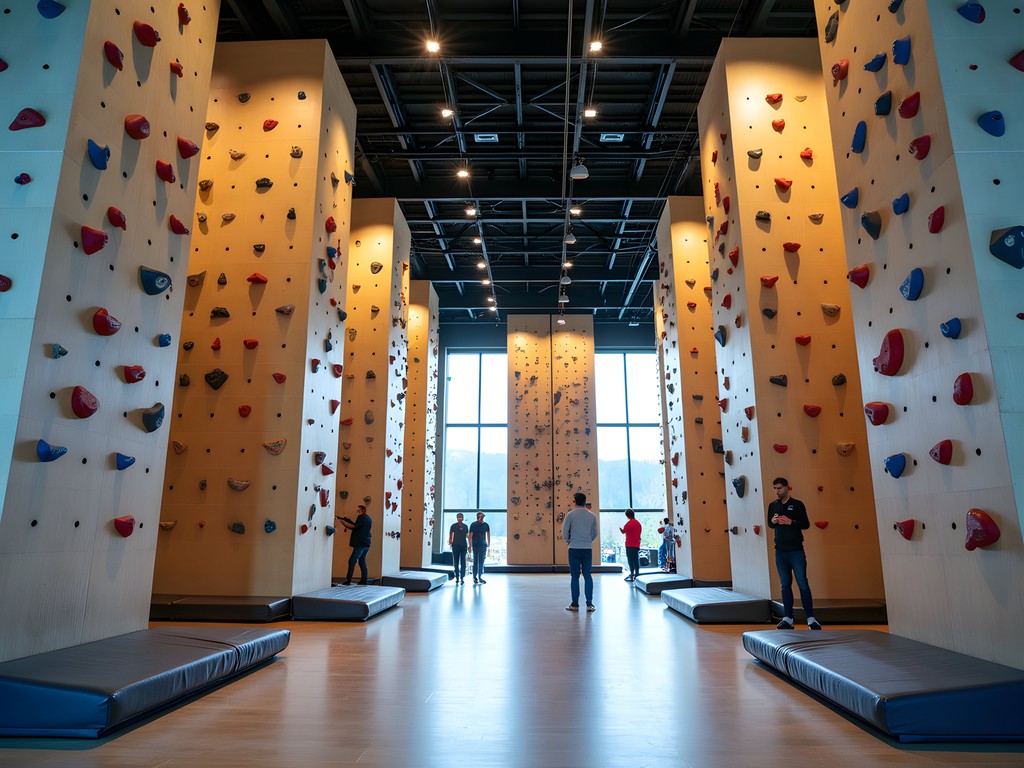
I committed to weekly sessions at my local climbing gym, gradually progressing to outdoor rock faces with increasing difficulty. The climbing hangboard I installed in my home office doorway became my daily companion, strengthening my finger grip for those crucial moments on the mountain.
Beyond physical preparation, mental conditioning is equally vital. I practiced meditation focusing on breath control and visualization techniques. The mountain demands complete presence – one wandering thought at the wrong moment can be catastrophic. "Prepárate como si tu vida dependiera de ello, porque literalmente así es" (Prepare as if your life depends on it, because literally it does) became my mantra.
I also spent evenings studying the mountain's history, geology, and notorious weather patterns. Understanding the Matterhorn's architectural composition – how its layers formed, where weaknesses might exist – gave me a deeper connection to what I would be climbing.
💡 Pro Tips
- Start training at least 6 months before your climb with focus on cardio, strength, and technical climbing
- Practice on similar terrain with a full pack to simulate climbing conditions
- Study weather patterns and be prepared to abandon your summit attempt if conditions deteriorate
Gear Essentials: Technical Tools for the Vertical Workspace
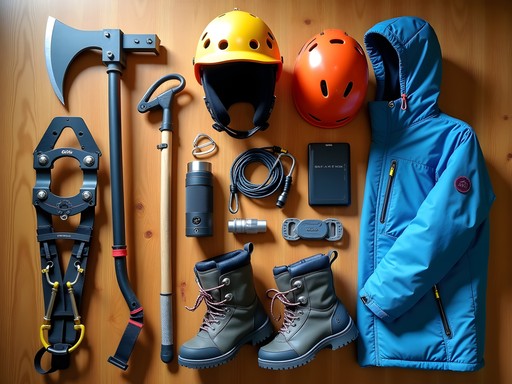
The right equipment can mean the difference between summit success and mountain rescue. My approach to gear mirrors my architectural philosophy: every element must serve a clear purpose, perform reliably under stress, and integrate seamlessly with the whole system.
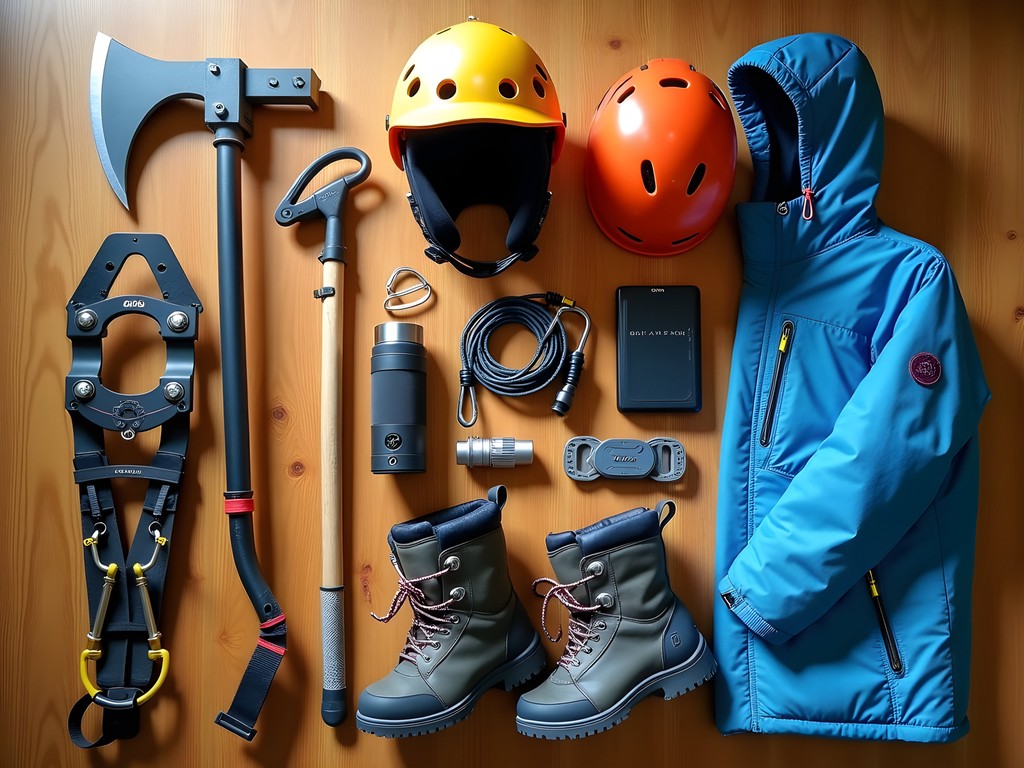
For the Matterhorn, weight considerations are paramount. After much research, I invested in the ultralight mountaineering helmet which offered exceptional protection while feeling practically weightless during long climbing days. For footwear, I chose technical mountaineering boots with semi-rigid crampons that provided the perfect balance between flexibility on rock sections and stability on ice.
My satellite messenger became my lifeline to the outside world. Despite climbing solo, this compact device allowed me to send pre-programmed messages to loved ones at key checkpoints and would enable emergency communication if needed. The peace of mind this small device provided was worth every gram it added to my pack.
One surprisingly essential item was my heated gloves which preserved dexterity in the predawn cold of summit day. When you're navigating exposed ridgelines with thousand-meter drops on either side, maintaining finger sensation isn't a luxury – it's a necessity.
💡 Pro Tips
- Invest in the highest quality technical gear you can afford – this is not the place to compromise
- Break in your mountaineering boots thoroughly before arrival
- Pack emergency bivouac equipment even for day climbs as weather can change rapidly
Route Selection: Navigating the Mountain's Architectural Lines
The Matterhorn offers several established routes, each with distinct characteristics and challenges. After consulting with local guides in Zermatt and assessing my skills honestly, I selected the Hörnli Ridge (Northeast Ridge) – the classic and most frequently climbed route.
While the Hörnli may be the "standard" route, make no mistake: it remains a serious undertaking with sustained difficulty. The route involves 1,200 meters of climbing from the Hörnli Hut (3,260m) to the summit (4,478m), with sections rated up to UIAA grade III. What makes it particularly challenging is not any single technical crux but the relentless exposure and length.
Before attempting the full ascent, I spent three days acclimatizing by climbing progressively higher peaks in the area. The Breithorn (4,164m) served as an excellent warm-up, allowing my body to adapt to altitude while practicing on similar terrain. I also hired a guide for a one-day reconnaissance climb on the lower section of the Hörnli Ridge, which proved invaluable for familiarizing myself with key route-finding challenges.
One tool that proved unexpectedly useful was my handheld GPS navigator preloaded with the route. While traditional navigation skills remain essential, having GPS confirmation at confusing junctions provided additional confidence, especially in the pre-dawn darkness of the early ascent.
💡 Pro Tips
- Consider hiring a guide for a preliminary day to learn the lower sections of your chosen route
- Study recent route conditions through the Alpine Club or online mountaineering forums
- Start your summit day extremely early (usually around 3:30-4:00 AM) to ensure enough daylight for the descent

The Ascent Experience: Where Architecture Meets Adventure
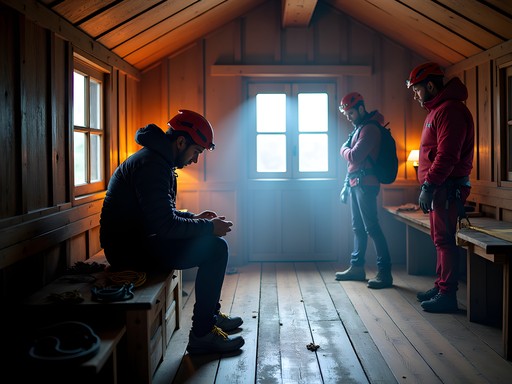
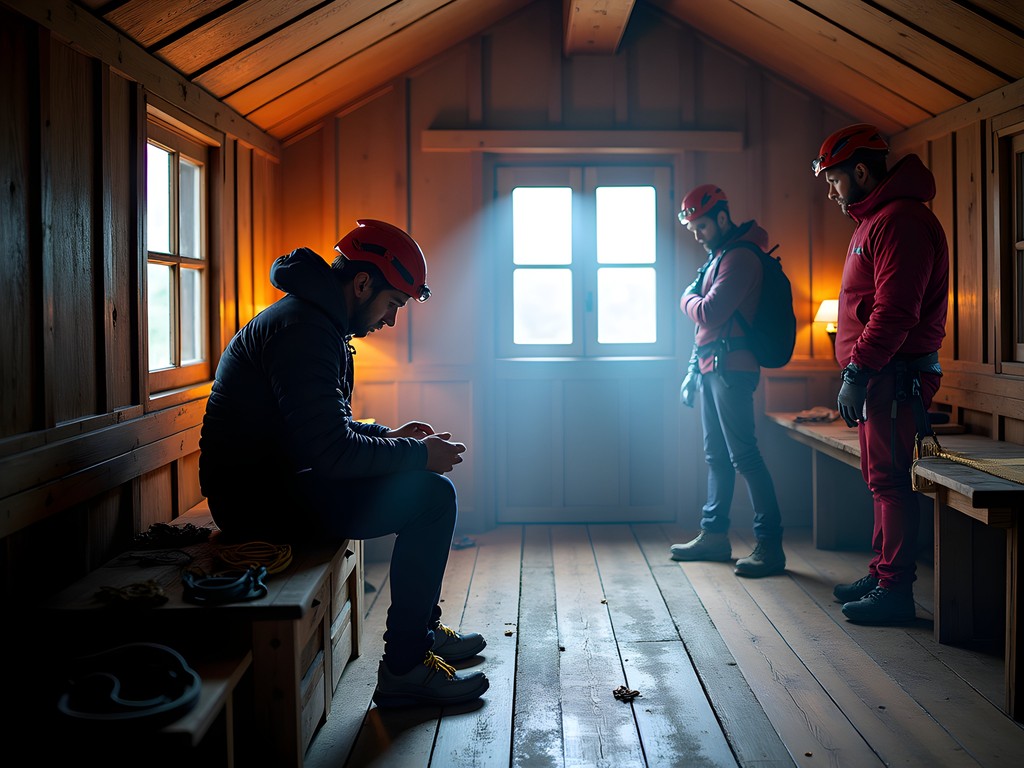
My summit day began at 3:45 AM in the Hörnli Hut, where the atmosphere was a mix of nervous anticipation and focused determination. After a light breakfast and equipment check, I stepped into the cold darkness, my headlamp illuminating just enough rock to navigate the initial scramble.
The lower third of the climb involves moderate scrambling that gradually increases in difficulty. By sunrise, I had reached the Solvay Hut emergency shelter at 4,003 meters, where the alpenglow painted the surrounding peaks in surreal orange and pink hues. This moment – watching dawn break across the Alps from a perch on the Matterhorn – remains etched in my memory as a perfect fusion of natural architecture and human aspiration.
Above the Solvay, the route becomes more technically demanding and exposed. Fixed ropes assist on some sections, but most of the climb requires careful route-finding and confident movement over rock and occasional snow. My climbing harness proved its worth here, allowing me to clip into safety lines while maintaining mobility.
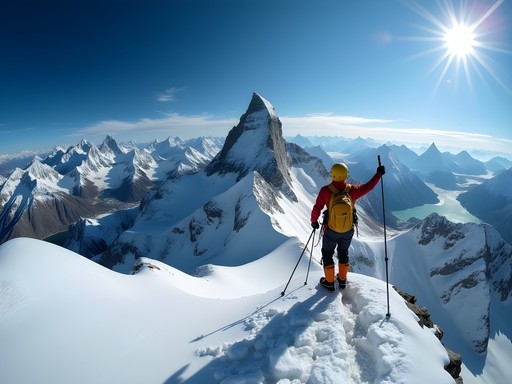
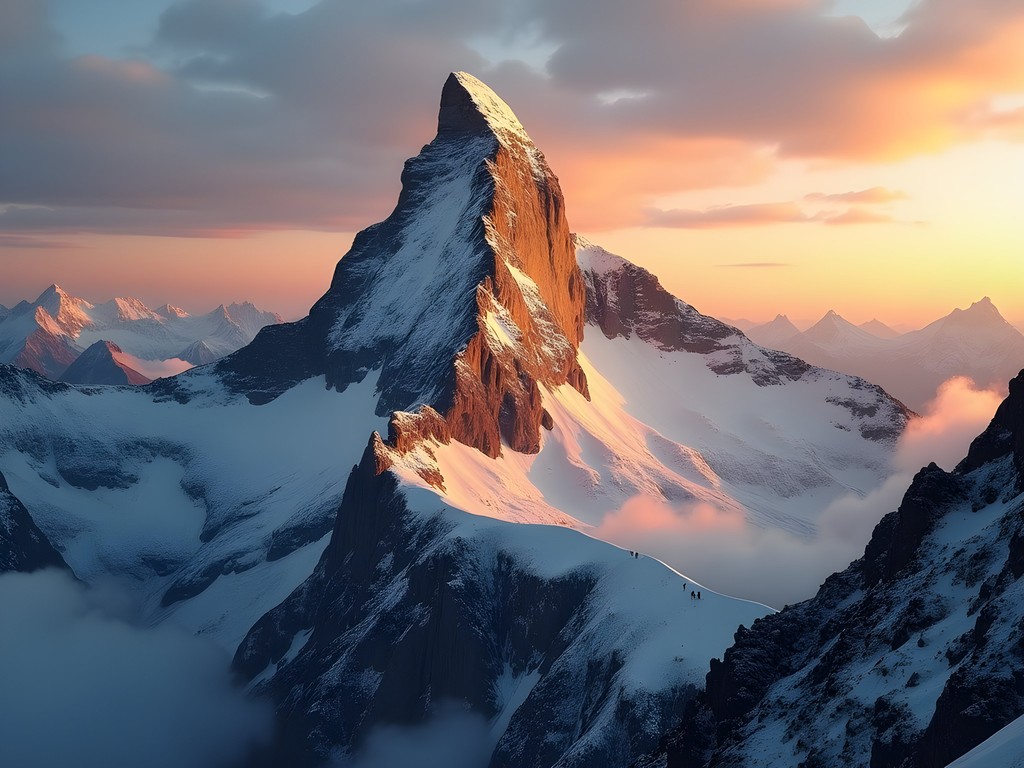
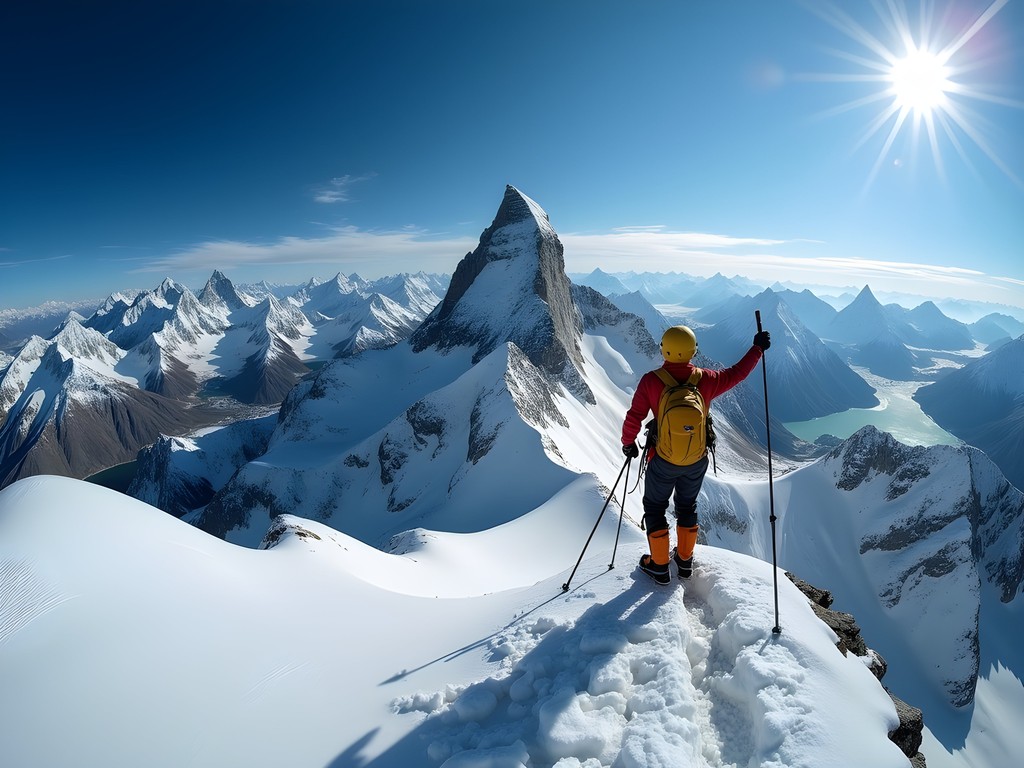
The final ridge to the summit is breathtakingly narrow – a perfect architectural line drawn against the sky. Reaching the summit at 10:17 AM, I experienced that rare moment of profound achievement mixed with humility. The 360-degree panorama revealed the architectural genius of the Alps – peaks, valleys, and glaciers forming a coherent, magnificent whole.
But as any experienced mountaineer knows, the summit is only halfway. The descent demands even greater focus, as fatigue sets in and the consequences of a misstep remain severe. I relied heavily on my trekking poles to reduce impact on my knees during the long descent back to the hut.
💡 Pro Tips
- Move methodically and never rush, even if other climbers are passing you
- Stay hydrated with an insulated water system to prevent freezing at higher altitudes
- Take brief but regular food breaks to maintain energy levels throughout the climb
Solo Safety: The Calculated Risks of Solitary Climbing
Climbing the Matterhorn solo carries inherent risks that must be acknowledged and mitigated through meticulous planning. My approach combined self-reliance with strategic safety measures.
First, I established a detailed communication plan with trusted contacts, including expected check-in times and clear emergency protocols. My personal locator beacon remained accessible at all times – a last-resort option that provides global satellite coverage even where cell phones fail.
I also invested in comprehensive mountain rescue insurance through Air Zermatt, recognizing that even minor injuries could necessitate helicopter evacuation. This coverage provides peace of mind, though the goal is obviously never to need it.
Perhaps most importantly, I cultivated what mountaineers call "the margins" – extra reserves of time, energy, and resources. This meant carrying additional emergency supplies, setting conservative turnaround times, and maintaining the discipline to abort the summit attempt if conditions deteriorated or I felt physically compromised.
One safety tool I particularly value is my weather station which provides hyperlocal atmospheric readings. Mountain weather can change dramatically within minutes, and having real-time data on wind speeds, temperature trends, and barometric pressure allowed me to make informed decisions about continuing or retreating.
Despite climbing solo, I was rarely completely alone on the mountain. I established rapport with other climbing parties at the hut the evening before, creating informal safety partnerships without compromising my independent journey. "Solo pero no solitario" – alone but not lonely – became my philosophy.
💡 Pro Tips
- Always inform someone of your detailed route plan and expected return time
- Consider climbing during peak season when more people are on the mountain in case of emergency
- Know your limits and be prepared to turn back – the mountain will still be there next year
Luxury Base: Zermatt's Architectural Gems and Recovery Sanctuaries
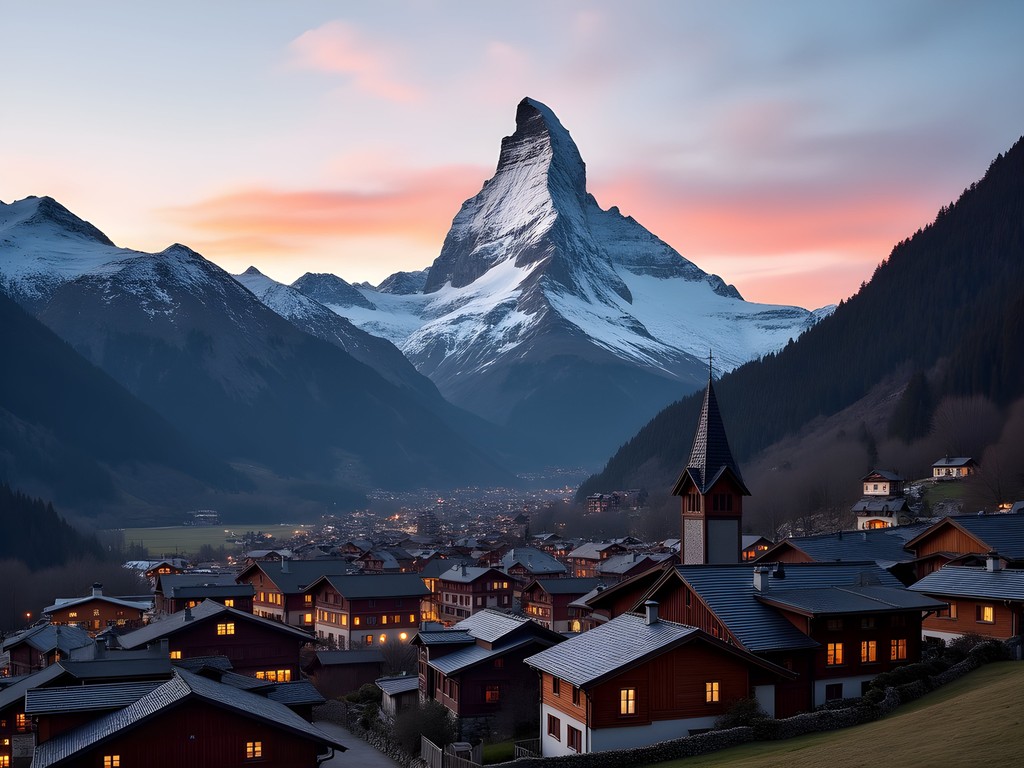
While the mountain demands austerity, Zermatt offers luxurious respite before and after your climb. As an architect and developer, I find Zermatt fascinating – a car-free alpine village that has maintained its traditional charm while incorporating sophisticated modern elements.
I chose to stay at the luxury hotel, a historic property that balances Alpine tradition with contemporary luxury. After my summit, their spa facilities provided the perfect recovery environment, with hot stone treatments specifically designed for mountaineers' fatigued muscles.
Beyond accommodations, Zermatt's culinary scene deserves exploration. At Chez Vrony, a 100-year-old mountain restaurant, I savored locally-sourced cuisine while gazing directly at the Matterhorn from their sun-drenched terrace. The slow-cooked lamb paired with Swiss wines created a sensory experience that complemented the visual feast.
For technical gear needs or last-minute supplies, Slalom Sport provided expert assistance from staff who are themselves experienced mountaineers. Their equipment rental options are particularly valuable for items you may need only for this specific climb.
One unexpected highlight was visiting the Matterhorn Museum, which chronicles the architectural and cultural evolution of Zermatt alongside the history of Matterhorn climbing. As someone who bridges cultures through design, I appreciated seeing how this iconic peak has shaped the identity and development of an entire region.
💡 Pro Tips
- Book accommodations well in advance, especially during peak summer climbing season
- Consider spending at least 2-3 days in Zermatt after your climb to properly recover and reflect
- Visit the Mountaineers' Cemetery for a sobering reminder of the mountain's dangers and a moment of respect
Final Thoughts
Conquering the Matterhorn solo represents far more than a physical achievement – it's an exercise in self-reliance, risk assessment, and harmony with natural architecture. The mountain stripped away pretense and revealed my true capabilities in ways that continue to influence my approach to both design and life.
As I stood on that summit, I couldn't help but see parallels between mountaineering and my work in architectural development. Both require vision tempered with pragmatism, bold ambition balanced with meticulous planning, and an appreciation for how humans can interact respectfully with existing structures – whether built by civilization or geological forces.
If you're considering a solo Matterhorn attempt, approach it with the seriousness it deserves. Build your skills progressively on less committing peaks, invest in proper training and equipment, and cultivate the wisdom to make conservative decisions when faced with uncertainty. The true achievement isn't standing on the summit – it's returning safely with a deeper understanding of both the mountain and yourself.
"Las montañas no son estadios donde satisfacer ambiciones, son templos donde practicar la devoción" – Mountains are not stadiums to satisfy ambitions, but temples where one practices devotion. This Spanish saying captures the spirit with which I approached the Matterhorn, and the reverence with which I departed.
Until the next peak calls, Morgan
✨ Key Takeaways
- Solo climbing the Matterhorn requires extensive preparation, both physical and mental
- Proper gear selection and safety protocols are non-negotiable for a successful attempt
- The Hörnli Ridge offers the most accessible route but remains a serious mountaineering challenge
- Zermatt provides excellent luxury accommodations for pre-climb preparation and post-climb recovery
- Understanding the mountain's 'architecture' – its formation, weather patterns, and history – enhances both safety and appreciation
📋 Practical Information
Best Time to Visit
Mid-July through early September
Budget Estimate
$5,000-$8,000 including luxury accommodation, equipment, and training
Recommended Duration
2 weeks (including acclimatization, weather contingency days, and recovery)
Difficulty Level
Challenging
Comments
ClimbingNewbie
Those photos of the final ridge made my palms sweat just looking at them! 😱
AlpineWanderer
Just summited via Hörnli last month! Your gear list was spot on. I'd add that microspikes were crucial for the early morning ice on the lower sections. The fixed ropes were more worn than I expected - definitely bring gloves with good grip. The mental preparation section of your article really resonated with me - being comfortable making decisions under pressure is everything up there. The moment at sunrise when the shadow of the Matterhorn stretched across Switzerland... unforgettable.
wildguide
This looks incredible but way beyond my current abilities. How many years of mountaineering experience would you recommend before attempting something like the Matterhorn? And is the Hörnli Ridge the only realistic route for someone looking to try it eventually?
Morgan Greene
Great question! I'd recommend at least 3-5 years of progressive alpine experience, including technical rock climbing (5.7-5.9 range) and comfort on exposed ridges. The Hörnli is the standard route, but the Lion Ridge from the Italian side is also popular. Before attempting either, try some 4000m peaks in the Alps like Breithorn or Allalinhorn for acclimatization and to build confidence. My go-to guide was incredibly helpful for preparation.
Timothy Jenkins
Fantastic write-up, Morgan! I attempted the Hörnli Ridge last summer and can confirm everything you've said about preparation being absolutely crucial. We had to turn back 400m from the summit due to deteriorating weather - a heartbreaking but necessary decision. Your section on risk assessment is spot-on. For anyone considering this climb, I'd emphasize spending at least 3-4 days acclimatizing in Zermatt beforehand and getting comfortable with the altitude. The local guides at the Alpine Centre are incredibly knowledgeable and can provide current conditions. Looking forward to trying again next season with your route tips in mind!
Morgan Greene
Thanks Timothy! So sorry to hear about having to turn back - but absolutely the right call. Weather changes so quickly there. When you go back, the Schwarzsee hotel makes a perfect base for early starts. Good luck on your next attempt!
wildhero
Wow Timothy, even attempting it is impressive! Did you hire a guide or go solo?
Timothy Jenkins
I went with a guide - wouldn't recommend solo for your first attempt unless you have extensive alpine experience. The route finding can be tricky even in good conditions!
wildhero
Wow, incredible post! The Matterhorn has been on my bucket list forever. Those photos are insane!
Timothy Jenkins
Same here! Morgan's photos really capture the intimidation factor. That final ridge looks terrifying!
Ahmed Palmer
Excellent breakdown of the preparation requirements, Morgan. I attempted Matterhorn in 2023 and had to turn back at the Solvay Hut due to weather deterioration. Your emphasis on fitness preparation is spot-on - I'd add that acclimatization is absolutely critical. I spent 5 days doing progressively higher climbs around Zermatt (Breithorn, then parts of Monte Rosa) before my attempt. The technical climbing isn't extraordinarily difficult for experienced mountaineers, but the altitude combined with exposure makes it psychologically demanding. Did you experience any altitude-related issues during your ascent?
Morgan Greene
Ahmed, your acclimatization strategy sounds ideal. I did similar prep - Breithorn definitely helped. Had mild headaches around 4000m but managed okay with hydration and pacing. The exposure was the real mental challenge for me!
nomadgal
Did you actually go solo or did you hire a guide? I've heard mixed things about whether they let you climb without one these days
Morgan Greene
Great question! I went with a guide for safety - the Hörnli route technically allows solo climbs but it's not recommended. The mountain authority strongly encourages hiring certified guides, especially for first-timers. Solo in my context meant traveling to Switzerland alone and doing the prep independently.
nomadgal
ah ok that makes sense! thanks
MikeAdventures
This is on my bucket list! Thanks for sharing
SarahK_Travels
Going to Zermatt in August but just for hiking. Any easier trails you'd recommend?
Jennifer Rodriguez
The Five Lakes Walk is stunning and pretty easy! Takes about 2.5 hours and you get amazing Matterhorn views the whole time.
alex_mountains
Love the photos! That view is incredible
Venture X
Premium card with 2X miles, $300 travel credit, Priority Pass