




Disclosure: This article contains affiliate links. We may earn a commission from purchases at no extra cost to you, which helps our travel content.
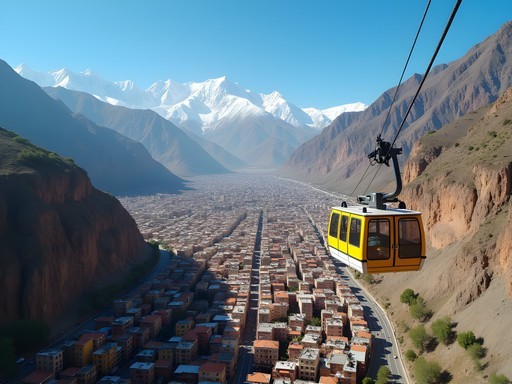
As I stood at El Alto airport, 4,150 meters above sea level, my lungs immediately registered the thin Andean air while my eyes absorbed the sprawling terracotta cityscape cascading down the canyon below. La Paz—a place where pre-colonial traditions and modern urbanism collide in the most fascinating ways. Having visited tech hubs across five continents, I was particularly intrigued by how Bolivia's economic center adapts technology to its unique geographical and cultural landscape. My two-week winter journey as a solo female traveler would prove to be one of the most challenging yet rewarding adventures I've undertaken.

Navigating Altitude and Acclimatization: Your First 48 Hours
The first rule of La Paz: respect the altitude. At 3,640 meters (11,942 ft), the city demands physical adaptation that no amount of fitness preparation can circumvent. My management consultant's analytical approach served me well here—I tracked my oxygen saturation with a handy pulse oximeter throughout my stay, particularly useful during those first crucial days.
I deliberately booked my first two nights in the lower-altitude Zona Sur district, specifically in Calacoto, where the elevation drops to approximately 3,200m. This strategic decision allowed my body to adjust more gradually. Each morning, I sipped coca tea (perfectly legal and widely consumed in Bolivia) while planning measured explorations that incrementally increased in altitude.
By day three, after experiencing mild headaches but avoiding serious altitude sickness, I relocated to a charming boutique hotel in Sopocachi, closer to the city center. The neighborhood's bohemian atmosphere and excellent connectivity made it an ideal base for a working traveler who needs reliable WiFi—something surprisingly robust in La Paz's central districts despite Bolivia's developing infrastructure.

💡 Pro Tips
- Schedule your arrival in La Paz for late afternoon/evening so your first sleep coincides with your body's natural rest cycle
- Pack altitude sickness medication (consult your doctor for Acetazolamide/Diamox before travel)
- Limit alcohol completely for the first 72 hours—it significantly worsens altitude symptoms
Safety Strategies: Navigating La Paz as a Solo Female Traveler
Let me be direct: La Paz requires vigilance, but it's far from the dangerous caricature often painted by outdated travel advisories. After living in Mumbai's dynamic chaos, I found La Paz's particular brand of urban energy familiar, if differently flavored.
My approach combines common sense with cultural adaptation. I invested in a anti-theft crossbody bag with RFID protection and slash-resistant straps—practical without screaming 'tourist.' This allowed me to navigate crowded areas like the Witches' Market and Mercado Rodriguez with confidence.
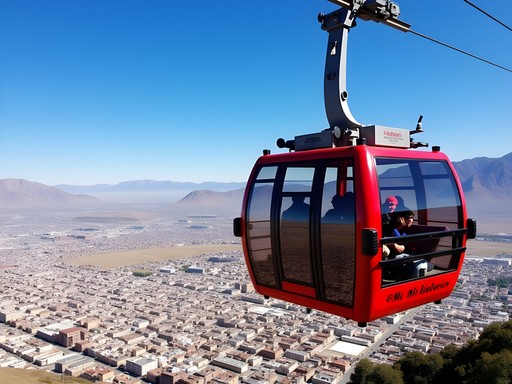
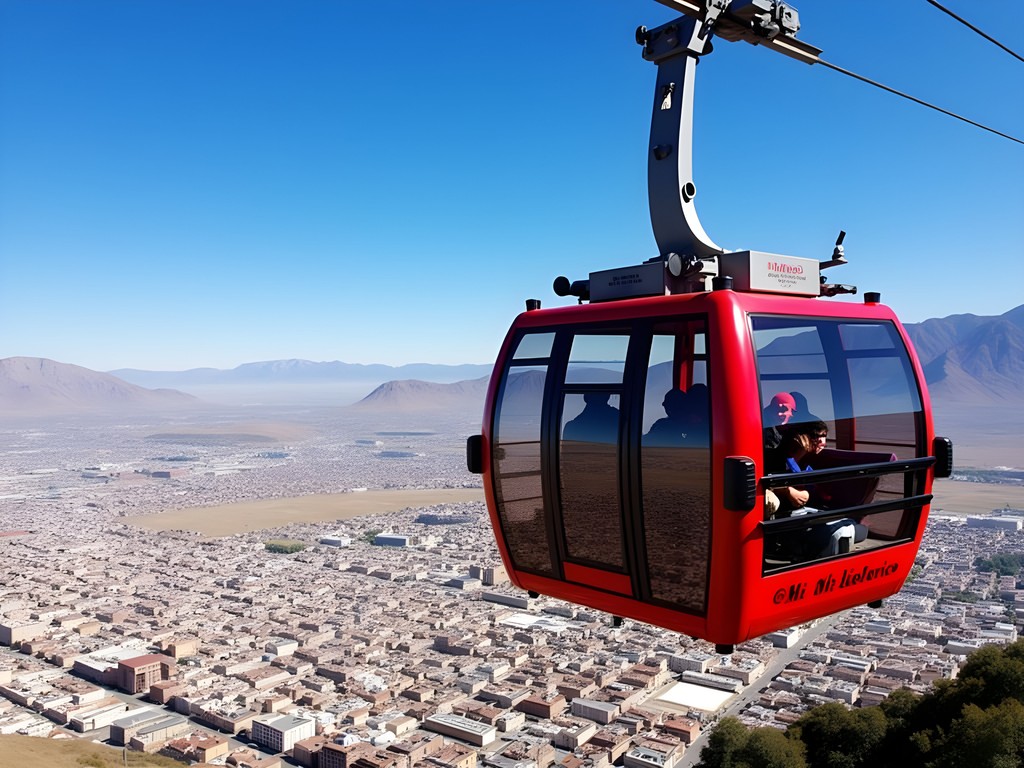
Transportation deserves special mention. The Mi Teleférico cable car system is not only La Paz's most iconic transport innovation but also its safest for solo travelers. This aerial network provides spectacular views while connecting disparate neighborhoods securely. I purchased a rechargeable card and used it extensively, particularly appreciating the Red Line for its panoramic city vistas.
For evening transportation, I relied exclusively on radio taxis arranged through my accommodation or the remarkably efficient Bolt app (Bolivia's equivalent to Uber). The modest premium over street taxis is a worthwhile investment in safety. When walking at night was unavoidable, I used a discrete personal alarm attached to my keychain—a small precaution that provided significant peace of mind.
💡 Pro Tips
- Memorize your walking routes before leaving your accommodation to avoid constantly checking your phone on the street
- Carry a photocopy of your passport rather than the original when exploring the city
- Learn basic Spanish phrases related to directions and emergencies—English proficiency is limited outside tourist establishments
Beyond Tourists Trails: La Paz's Emerging Tech Scene
Few travelers explore La Paz's nascent but fascinating technology ecosystem. As a management consultant with a particular interest in how seasonal changes affect innovation, winter in La Paz offered a unique perspective on how extreme environmental conditions shape technological adaptation.
My first discovery was Hub7, a coworking space in Sopocachi where local entrepreneurs leverage Bolivia's unique geographical and cultural assets into innovative startups. I spent a productive afternoon working alongside locals developing everything from alpaca textile e-commerce platforms to mining technology. Most were genuinely surprised—and delighted—to meet a foreign professional interested in their ecosystem rather than just Bolivia's tourist attractions.
For digital nomads requiring reliable connectivity, I recommend the portable WiFi hotspot, which proved invaluable during my stay. While La Paz's main districts have improving connectivity, signal strength varies dramatically across the city's extreme elevation changes.
The most illuminating experience came through attending a Tech Meetup Bolivia session (found via their Facebook group) where discussions about developing tech solutions for high-altitude agricultural challenges revealed how innovation here is necessarily tied to immediate environmental concerns rather than abstract market opportunities. This grounding in practical problem-solving feels refreshingly different from the speculative atmosphere of many Western tech hubs.

💡 Pro Tips
- Join the 'Tech Meetup Bolivia' Facebook group before arrival to find events coinciding with your visit
- Bring business cards if you're interested in professional connections—the tech community is small and formal introductions are appreciated
- Consider bringing small tech gadgets from abroad as gifts for local connections—certain components are difficult to source in Bolivia

Cultural Immersion: Markets, Fashion, and Seasonal Celebrations
Winter in La Paz (June-August) brings crisp, sunny days and frigid nights—a perfect backdrop for exploring how seasonal changes influence cultural expression. The city's fashion landscape particularly fascinated me, as traditional cholita style exists alongside contemporary urban trends.
The most authentic experience came through La Paz's vibrant market culture. At Mercado Rodriguez, I observed how winter affects produce availability and pricing, while the adjacent textile sections showcased how Bolivian fashion adapts to seasonal changes. The practical investment I made here was a merino wool buff from a local artisan—infinitely more stylish than mass-produced alternatives and perfect protection against La Paz's dramatic temperature fluctuations.
Winter also brings distinctive celebrations. I was fortunate to witness Alasitas Festival preparations (though the main event occurs in January), where miniature items are purchased as symbolic representations of desires for the coming year. The intricate craftsmanship of these tiny objects—from houses to laptops—reflects both traditional beliefs and contemporary aspirations.
For those seeking a deeper cultural understanding, I highly recommend the Bolivian travel guide which provided cultural context that transformed my market explorations from simple shopping to meaningful anthropological observations. The section on traditional textiles proved particularly valuable in appreciating the complex symbolism woven into seemingly decorative patterns.

💡 Pro Tips
- Visit markets before 10am for the freshest produce and most authentic local atmosphere
- Ask permission before photographing cholitas or market vendors—a small purchase often facilitates photography consent
- Learn basic bargaining phrases in Spanish, but remember that aggressive haggling is considered disrespectful
Practical Day Trips: Altitude Adventures Beyond the City
La Paz serves as an excellent base for remarkable day excursions that showcase Bolivia's extreme geographical diversity. After acclimating for several days, I ventured beyond the urban landscape to experience the region's natural wonders.
Tiwanaku archaeological site, just 72km from La Paz, offers fascinating insights into pre-Incan civilization. Winter brings fewer visitors and clearer skies, though temperatures drop significantly. I layered effectively with a packable down jacket that compressed easily in my daypack when afternoon sun warmed the stone ruins.
The most visually stunning excursion was undoubtedly to Valle de la Luna (Moon Valley), where erosion has created otherworldly landscapes just 10km from downtown La Paz. Winter's dry conditions enhance visibility of the intricate geological formations. Proper footwear is essential here—my hiking boots provided necessary ankle support on the uneven terrain while being comfortable enough for extended exploration.
For the more adventurous, cycling Death Road (Yungas Road) offers both adrenaline and dramatic climate transition as you descend from alpine conditions to subtropical warmth in just 64km. I booked with Gravity Bolivia, whose exceptional safety protocols and equipment maintenance standards justified their premium pricing. Their provision of proper protective gear, including full-face helmets and windproof gloves, proved essential for the variable winter conditions encountered during the descent.

💡 Pro Tips
- Book day trips that depart after 9am to avoid the coldest morning temperatures during winter
- Carry cash in small denominations for entrance fees and purchases at sites with limited card facilities
- Layer clothing strategically—temperature variations of 15°C between morning, midday, and evening are common
Final Thoughts
La Paz demands adaptation—to its altitude, its rhythms, its contradictions. As a solo female traveler accustomed to navigating global tech hubs, I found myself surprisingly challenged and ultimately transformed by this vertical city where traditional cholitas trade alongside tech entrepreneurs, and where centuries-old markets operate in the shadow of sleek cable car stations.
The city rewards those who approach it with respect, preparation, and genuine curiosity. Despite initial altitude challenges and safety concerns, La Paz revealed itself as a deeply layered destination where environmental extremes have shaped unique cultural and technological adaptations worth experiencing firsthand.
When you visit, resist the temptation to rush. La Paz's treasures unfold gradually as your body acclimatizes and your cultural understanding deepens. The question I'm most frequently asked is whether La Paz is 'worth it' for solo female travelers. My answer is unequivocal: absolutely yes—but only for those willing to embrace its complexities rather than merely observe its surface. Will you allow La Paz to challenge your preconceptions about South American travel, technology adoption in developing economies, and perhaps most importantly, your own adaptability?
✨ Key Takeaways
- Acclimatize gradually to La Paz's extreme altitude by starting in lower-elevation neighborhoods
- Utilize the Mi Teleférico cable car system for both transportation safety and spectacular city views
- Look beyond traditional tourist sites to engage with La Paz's emerging technology ecosystem
- Winter visits (June-August) offer clearer skies and fewer tourists but require proper cold-weather preparation
- Cultural immersion in markets and festivals provides insight into how seasonal changes influence Bolivian life
📋 Practical Information
Best Time to Visit
Winter (June-August) for clearer skies and fewer tourists, though temperatures drop significantly at night
Budget Estimate
£30-50 per day excluding flights (accommodation: £15-30, meals: £8-15, activities: £5-15)
Recommended Duration
Minimum 7 days (2 for acclimatization, 3 for La Paz exploration, 2 for day trips)
Difficulty Level
Challenging



Comments
journeyway
Great tips! The witches market was wild, definitely don't skip it
Douglas Bradley
Really appreciate the section on La Paz's tech scene - that's not something you typically see covered in travel guides. I spent three weeks there last year and was surprised by the number of coworking spaces and digital nomads in Sopocachi. The juxtaposition between traditional markets and emerging startup culture is fascinating from an anthropological perspective. One thing I'd add: the Mi Teleférico cable car system isn't just transportation, it's genuinely one of the best ways to understand the city's geography and social stratification. The red line especially gives you incredible perspective on how the city sprawls.
journeyway
the cable cars are SO cool! we spent like half a day just riding different lines lol
Douglas Bradley
Right? Best $0.50 you'll spend in the city. Did you make it up to El Alto?
islandguide
This looks amazing!! How bad was the altitude sickness really? Planning my first solo trip to Bolivia and kinda nervous about it
Naomi Bennett
Hey! It hit me pretty hard the first day - headache and shortness of breath. My advice: take it SUPER slow, drink coca tea constantly, and don't plan anything ambitious for day 1-2. Listen to your body!
islandguide
Thank you!! Will definitely grab some coca tea when I arrive
roammood
Just got back from La Paz and used many of your tips! The altitude hit me HARD even though I thought I was prepared. Definitely second your advice about taking it slow the first couple days. The teleferico was amazing and super cheap - best views of the city! As a solo female traveler, I felt pretty safe but did avoid certain areas at night like you suggested. The Witches Market was smaller than I expected but fascinating. One thing to add - the free walking tours that start at Plaza San Francisco are excellent for getting oriented on your first day. The guides really know their history and give great restaurant recommendations!
sunsetpro
How many days would you recommend staying? I'm planning a week but wondering if that's too long.
roammood
A week is perfect! Gives you time to adjust to the altitude, explore the city, and do day trips to places like Tiwanaku or Death Road if you're adventurous. I stayed 6 days and wished I had one more.
travelguy
Thanks for sharing! Bookmarking this for my trip
Marco Suzuki
Excellent breakdown of the safety considerations. I think what often gets missed in La Paz guides is the intersection of altitude and urban navigation - you're not just dealing with a new city, but doing it while potentially feeling unwell. Your point about the tech scene is spot on. I visited a co-working space in Sopocachi last year and was surprised by how vibrant the startup community is. It's a different side of Bolivia that most travelers never see. One practical tip: get a local SIM card immediately. Having Google Maps and Uber access made navigating so much easier, especially when my Spanish failed me in taxis.
vacationmood
Those market photos are incredible! The colors! 😍
springbackpacker
Did you feel safe walking around at night? I'm planning a solo trip (also female) and trying to figure out which neighborhoods to avoid after dark.
Naomi Bennett
Stuck to Sopocachi and Zona Sur at night, always took Uber after 8pm. Downtown can get sketchy after dark. Trust your instincts and you'll be fine!
journeybackpacker8115
Same experience. I walked around Sopocachi at night no problem but avoided El Alto and downtown after sunset. The locals I met were super helpful about pointing out which areas to skip.
travelguy
Which market did you like best?
Naomi Bennett
Rodriguez Market for authentic local vibes and food. Way less touristy than the Witch Market but still super interesting!
Bryce Diaz
Naomi, this really resonates with my experience there in 2023. I stayed in Sopocachi and felt completely safe the entire time. The witch market was fascinating but I wish I'd known about the tech scene you mentioned - would've loved to connect with local entrepreneurs. One thing I'd add: the cholita wrestling on Sundays is touristy but genuinely entertaining. Also, taking the cable car at sunset is absolutely magical. The way the city lights up as you glide above it... unforgettable.
Naomi Bennett
Yes! Sopocachi is perfect for solo travelers. And totally agree on the sunset cable car ride - should've emphasized that more in the post!
Venture X
Premium card with 2X miles, $300 travel credit, Priority Pass