

Disclosure: This article contains affiliate links. We may earn a commission from purchases at no extra cost to you, which helps our travel content.
While I'm neither solo nor female, my 22 years with the FBI have equipped me with a particular set of observational skills that prove useful when assessing safety in unfamiliar territories. During my recent archaeological survey trip to Indonesia last fall, I spent a week navigating Jakarta's sprawling metropolis alone, taking meticulous notes on security protocols and cultural considerations that would benefit solo travelers—particularly women. Jakarta presents a fascinating juxtaposition of Dutch colonial architecture, Islamic heritage, and rapid modernization that deserves more attention than it typically receives on the standard Indonesian itinerary. The city's archaeological museums house collections that rival those I've studied in Europe, yet they operate on a fraction of the budget and with a quarter of the visitors. This guide combines my law enforcement background with my passion for historical preservation to offer practical advice for those looking to explore Jakarta independently.

Pre-Departure Security Assessment
As someone who's conducted threat assessments professionally, I approach travel preparation methodically. For Jakarta, this means understanding three key security layers: documentation, communication, and situational awareness.
First, documentation. Beyond your passport (with at least six months validity), carry photocopies stored separately from originals. Register your travel with your country's embassy in Indonesia—a step many tourists skip but one I've seen prove crucial during evacuations. The Smart Traveler Enrollment Program (STEP) for U.S. citizens takes approximately four minutes to complete online.
For communication, Jakarta's cellular network is surprisingly robust. Purchase a local SIM card immediately upon arrival at Soekarno-Hatta International Airport—the Telkomsel counter in Terminal 3 offers the most comprehensive coverage for approximately 100,000 IDR ($6-7 USD). This ensures you can access ride-hailing apps, which are significantly safer than hailing street taxis.
Regarding situational awareness, Jakarta requires the same vigilance I recommend to female colleagues during domestic assignments. Maintain what we call in the Bureau a 'relaxed alert' status—appear confident while remaining observant. The city's crime rate against tourists is relatively low, but petty theft occurs in crowded areas like Tanah Abang market and along Jalan Jaksa.
I've found that a secure anti-theft crossbody bag is essential for urban exploration. Mine has accompanied me from Guatemala to Sicily, and its slash-proof construction and RFID-blocking technology have proven particularly valuable in Jakarta's bustling markets.

💡 Pro Tips
- Register with your embassy through their traveler program before departure
- Purchase a Telkomsel SIM card immediately upon arrival for reliable connectivity
- Avoid displaying expensive electronics or jewelry, particularly in markets and on public transportation
Navigating Jakarta's Transportation Matrix
Jakarta's transportation system initially presents as chaotic, but there's an underlying logic that becomes apparent after systematic observation. The city's notorious traffic congestion means planning movement requires tactical thinking.
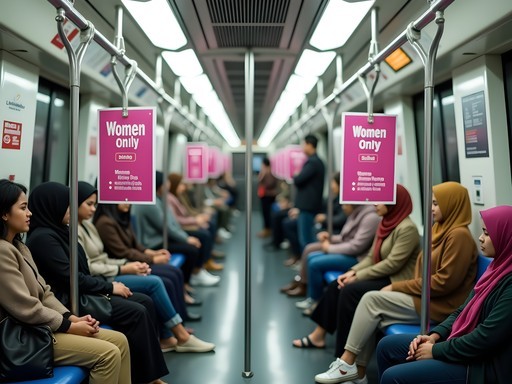
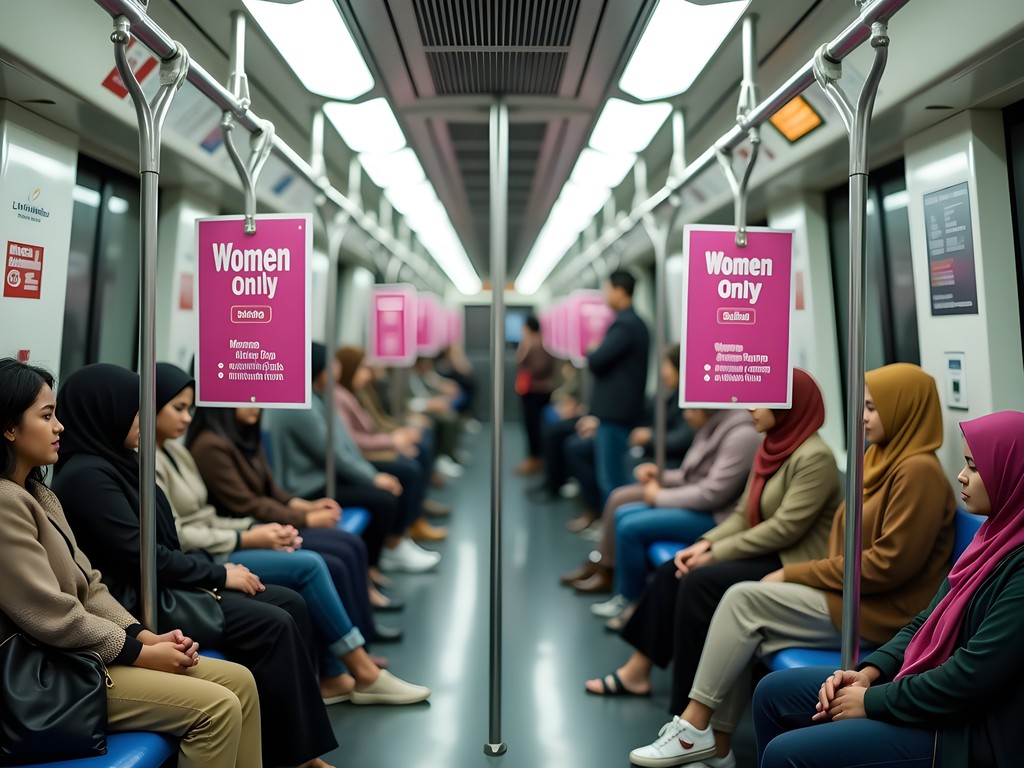
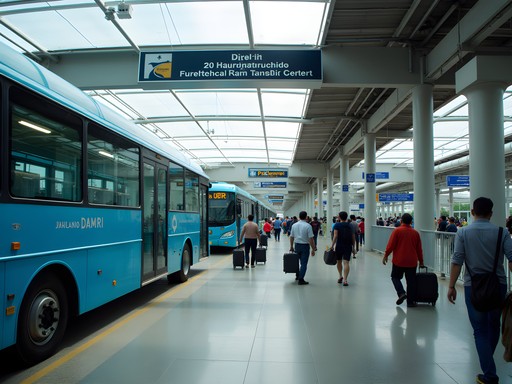
The MRT (Mass Rapid Transit) system, completed in 2019, provides the most efficient north-south corridor and operates with security standards comparable to European systems. Women-only cars are available during peak hours—a feature I noted several solo female travelers utilizing effectively. The TransJakarta bus network complements the MRT with dedicated lanes that bypass traffic, though it requires more local knowledge to navigate.
For point-to-point travel, ride-hailing apps like Grab and Gojek function as Jakarta's safety net for solo travelers. These services eliminate negotiation, provide driver identification, and track your journey—all crucial safety elements. During my investigations into archaeological site protection, I've documented numerous cases where digital footprints from ride-hailing services helped resolve security incidents.
When using these apps, implement what I call the 'verification protocol': confirm the driver's name, check the license plate, and ask who they're picking up before entering the vehicle. This simple 15-second procedure significantly reduces the risk of entering the wrong vehicle.
For longer day trips to archaeological sites outside the city center, I recommend hiring a driver through your accommodation rather than attempting public transportation. The cost (approximately 800,000-1,000,000 IDR or $50-65 USD for a full day) is reasonable when weighed against the time saved and the security provided.
A reliable portable power bank is non-negotiable for navigating Jakarta. The city's heat combined with constant use of navigation apps and ride-hailing services depletes phone batteries rapidly. My unit provides approximately three full phone charges—essential when your phone serves as both transportation lifeline and safety device.
💡 Pro Tips
- Use the women-only cars on the MRT during peak hours (7-9am and 5-7pm)
- Take screenshots of your accommodation address in Bahasa Indonesia to show drivers if needed
- Always verify driver identity and vehicle details before entering ride-share vehicles
Archaeological Treasures Hidden in Plain Sight
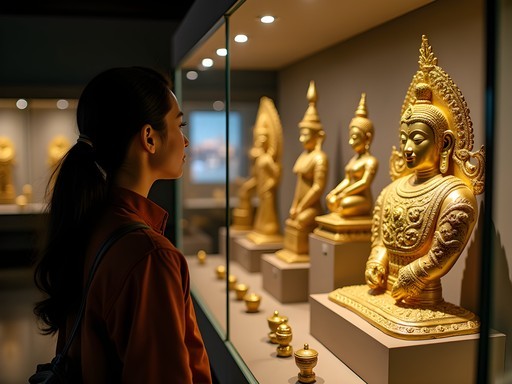
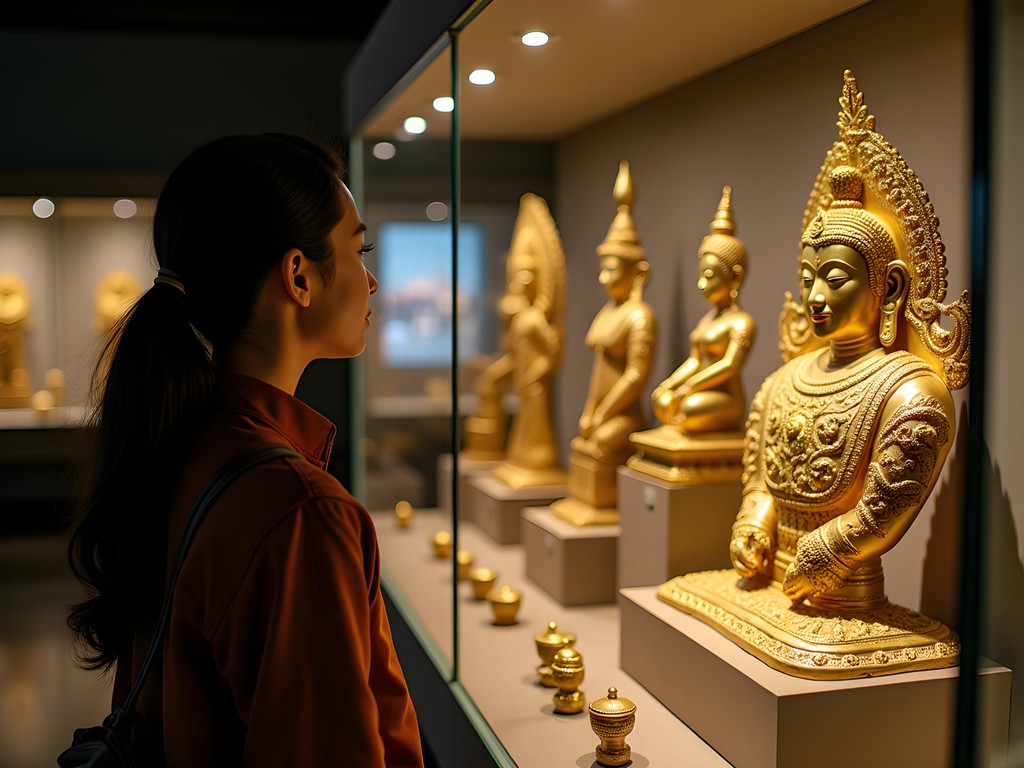
Jakarta houses archaeological collections that deserve significantly more international recognition than they receive. The Museum Nasional (National Museum), locally known as Museum Gajah due to the bronze elephant statue at its entrance, contains over 140,000 artifacts spanning Indonesia's prehistoric to colonial periods. Unlike crowded European museums, here you can often examine Javanese gold work from the 8th-10th centuries with no other visitors in sight.
My professional assessment: the museum's security protocols have improved substantially since my first visit in 2014. Bag checks are now standard, and the climate-controlled rooms housing the most valuable artifacts have surveillance comparable to mid-tier European institutions.
The museum's Hindu-Buddhist sculpture collection particularly warrants examination. The statuary shows clear stylistic progression from Indian influence to distinctly Javanese interpretations—a visual record of cultural transmission that parallels what I've documented at sites across Guatemala and Sicily.
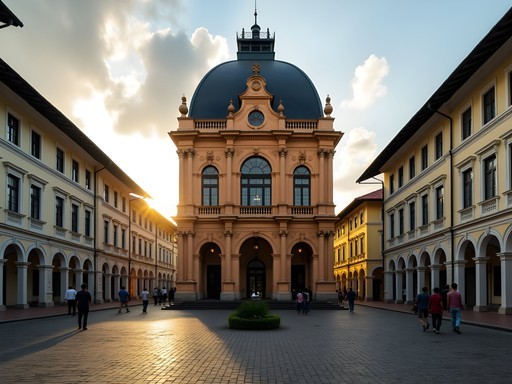
For those interested in colonial archaeology, the Jakarta History Museum (Fatahillah Museum) in the old town (Kota Tua) area occupies the former Batavia City Hall. The building itself, dating to 1710, serves as an artifact of Dutch colonial architecture. The museum's collection of maps and urban development documents provides invaluable context for understanding Jakarta's layered history.
When visiting these sites, I recommend carrying a compact binoculars for examining architectural details and ceiling decorations that are often overlooked. The compact size fits easily in a daypack but provides sufficient magnification to appreciate the intricate craftsmanship that might otherwise go unnoticed.
A methodical approach yields the best results: visit the National Museum first to understand the chronological development of Indonesian material culture, then explore specific periods in greater detail at specialized museums like the Maritime Museum or the Textile Museum. This provides crucial context that most tourists miss when they rush through collections.
💡 Pro Tips
- Visit the National Museum on weekday mornings to avoid school groups and enjoy near-private access to world-class collections
- Purchase the comprehensive English guidebook at the National Museum entrance—the detailed artifact descriptions aren't available on display cards
- Photograph museum exhibit information cards for later reference, as English translations are sometimes abbreviated

Volcanic Monitoring: Day Trip to Anak Krakatau
While not in Jakarta proper, the volcanic monitoring station for Anak Krakatau (Child of Krakatoa) is accessible as a day trip that combines my professional interest in security systems with my personal fascination with volcanology. The journey requires methodical planning but offers unparalleled insights into one of the world's most monitored volcanic systems.
The logistics: Depart Jakarta early (5:00 AM) by private car to Carita Beach in West Java (approximately 3 hours). From there, arrange a boat through a reputable operator—I used Java Banten Tour, which maintains vessels that meet basic safety standards and employs captains familiar with the exclusion zones around the volcano. The boat journey takes approximately 90 minutes each way.
The monitoring station itself is a testament to international scientific cooperation, with equipment from Japan, the United States, and Indonesia continuously measuring seismic activity. What fascinates me from an investigative perspective is how this technology has evolved since the devastating 2018 eruption and subsequent tsunami. The current early warning systems represent significant advances in predictive capabilities.
For female solo travelers, I recommend joining a scheduled tour rather than arranging private transportation, as this provides an additional security layer through group travel. Verify that your tour includes proper safety equipment (life jackets meeting international standards) and emergency communication devices.
The geological formations visible during this excursion illustrate volcanic processes with remarkable clarity. The layered pyroclastic deposits on the shoreline present a readable timeline of eruptions—not unlike the archaeological stratigraphy I've documented at excavation sites, though operating on a vastly different timescale.
Pack a waterproof dry bag for this excursion. Mine protected camera equipment and documentation during the occasionally rough boat journey. The volcano's location in the Sunda Strait means weather conditions can change rapidly, and spray from the boat is inevitable.

💡 Pro Tips
- Book volcano tours at least 48 hours in advance through your hotel concierge to ensure proper safety protocols
- Wear easily removable shoes for boarding the boat, as you'll need to wade through shallow water
- Apply sunscreen hourly—the combination of direct sun and reflection from water creates intense UV exposure
Urban Murals: Jakarta's Contemporary Archaeological Record
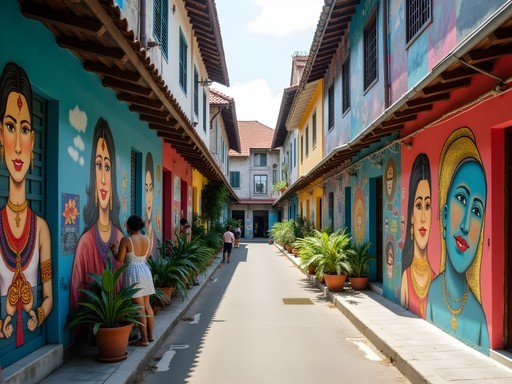
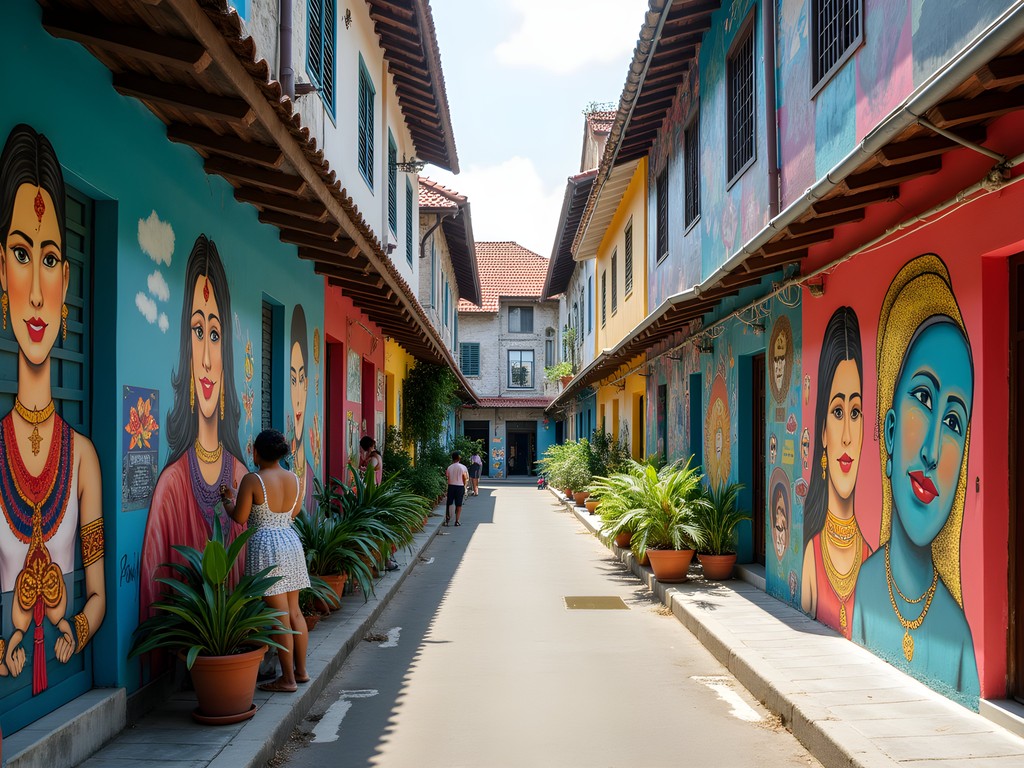
As an archaeologist who focuses on material culture as documentation of social change, Jakarta's urban art scene represents a contemporary archaeological record worth examining. The city's murals—particularly in the Cilandak and Kemang neighborhoods—provide visual documentation of political transitions, environmental concerns, and cultural identity that future archaeologists will undoubtedly study.
The most methodical approach to exploring this aspect of Jakarta involves combining guided expertise with independent investigation. I participated in a walking tour with Jakarta Good Guide (200,000 IDR, approximately $13 USD) that provided crucial historical context, then spent two additional days revisiting areas independently to document changes and additions to the murals.
For solo female travelers, these neighborhoods are relatively secure during daylight hours, with numerous cafes providing rest stops and observation points. The presence of international art students and local university crowds creates an environment where solo exploration rarely draws unwanted attention. However, I recommend the same precautions that apply throughout Jakarta: maintain awareness of surroundings and secure your belongings.
What makes Jakarta's mural scene particularly interesting from an investigative perspective is its semi-legal status. Unlike the sanctioned street art I've documented in Jogjakarta, Jakarta's murals exist in a regulatory gray area that results in frequent changes as pieces are removed or painted over. This creates an urgency to documentation that parallels archaeological salvage operations.
The M Bloc Space in South Jakarta represents a fascinating case study in adaptive reuse of historical structures. Formerly a complex of Dutch colonial-era mint buildings, it now houses numerous murals alongside creative businesses. The juxtaposition of colonial architecture and contemporary Indonesian artistic expression creates a visual dialogue between historical periods.
For photography in these areas, I rely on my compact travel tripod to capture steady images in variable lighting conditions. Its flexible legs can secure to unusual surfaces—particularly useful for documenting murals in narrow alleys where traditional tripods won't fit.
💡 Pro Tips
- Visit M Bloc Space on weekday afternoons when artists are often working on new pieces and available for conversation
- Document mural locations with GPS coordinates, as many aren't on standard maps and change frequently
- Respect artists at work by asking permission before photographing them or their in-progress pieces
Female-Specific Safety Protocols
While I can't speak from personal experience as a female traveler, my FBI career included developing security protocols for female personnel in various international contexts. Jakarta presents specific considerations that warrant attention.
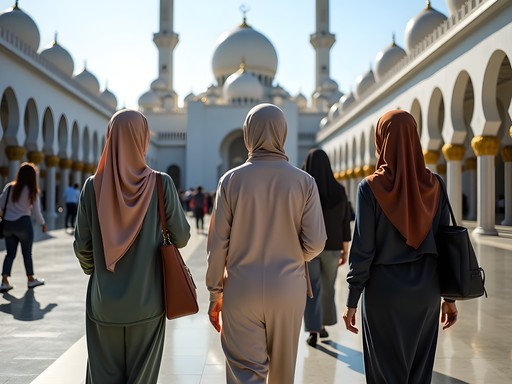
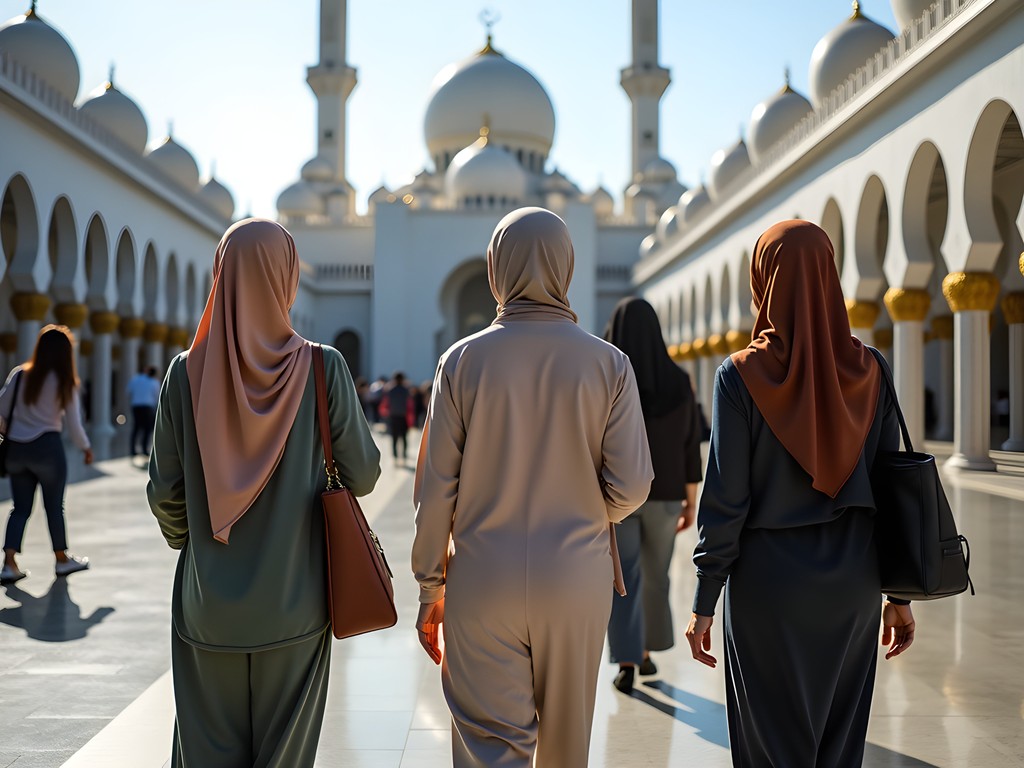
First, dress code matters significantly more in Jakarta than in Bali. The city's predominantly Muslim population appreciates modest attire, particularly when visiting religious sites or government buildings. Shoulders covered, pants or skirts below the knee, and avoiding tight-fitting clothing reduces unwanted attention and demonstrates cultural respect. This isn't merely about personal safety—it affects access to certain sites and the quality of interactions with locals.
Second, accommodation selection requires strategic thinking. My recommendation based on security assessments: mid-range hotels (600,000-1,000,000 IDR or $40-65 USD per night) often provide the optimal balance of security features and local authenticity. Look specifically for properties with 24-hour front desk staffing, in-room safes, and key card access to elevator floors—all security features I've found consistently in the Menteng and Kuningan districts.
Third, develop what we call in law enforcement a 'communication schedule.' This involves regular check-ins with someone who knows your itinerary, whether traveling companions elsewhere in Indonesia or contacts at home. Jakarta's time zone (GMT+7) makes this straightforward to coordinate with most Western countries.
Fourth, be prepared for Jakarta's unique environmental challenges. The city's air quality issues and extreme humidity create physical stress that can impair judgment. During my archaeological documentation work, I observed that dehydration and heat fatigue frequently preceded security incidents among researchers. A filtered water bottle proved invaluable during long days of urban exploration, eliminating both plastic waste and the need to constantly locate sealed water sources.
💡 Pro Tips
- Carry a lightweight scarf to cover shoulders or head when entering religious sites
- Use hotel business cards with address in Bahasa Indonesia to show drivers if you get lost
- Avoid displaying maps or appearing lost in public—step into a shop or cafe to consult directions
Final Thoughts
Jakarta reveals itself methodically to those willing to look beyond initial impressions. As with any archaeological assessment, the most valuable insights emerge from systematic observation rather than cursory examination. For solo female travelers, the city presents manageable challenges that, when approached with appropriate preparation, yield remarkable experiences unavailable elsewhere in Indonesia. The archaeological treasures, volcanic monitoring technologies, and evolving urban art scene provide intellectual engagement that complements the more sensory experiences found elsewhere in the archipelago. I encourage travelers—particularly women exploring independently—to allocate at least 3-4 days to Jakarta rather than treating it merely as a transit point. The security situation, while requiring standard urban precautions, shouldn't deter exploration of this complex, layered metropolis. After all, the most rewarding excavations often require working through multiple strata to reach the most valuable artifacts.
✨ Key Takeaways
- Jakarta's archaeological museums offer world-class collections with fraction of the crowds found at comparable European institutions
- Transportation safety hinges on using verified ride-hailing apps and public transit rather than street taxis
- Modest dress significantly improves both safety and quality of local interactions
- The city functions as an excellent preparation site before exploring other Indonesian destinations
📋 Practical Information
Best Time to Visit
May-September (dry season) or October-November (shoulder season with fewer crowds)
Budget Estimate
$40-70 USD per day including mid-range accommodation, transportation, meals, and entrance fees
Recommended Duration
3-4 days minimum, 1 week ideal
Difficulty Level
Intermediate
Comments
summerwanderer3079
This is exactly what I needed! I've been nervous about my first solo trip but the FBI perspective actually makes me feel more confident - like there are practical things I can do to stay safe rather than just worrying. Question: is it easy to find accommodation in Jakarta that's safe and budget-friendly? I'm looking at hostels but not sure which neighborhoods are best for first-timers.
Hunter Thompson
Check out hostels in the Cikini or Menteng areas - safe, central, and loads of other backpackers. You'll be fine!
oceanwanderer
Love this! The volcanic day trip sounds amazing!!
cityrider
Going there next month - any specific areas to avoid at night?
Anthony Snyder
Stick to well-lit main streets in central areas like Menteng or Kemang after dark. The usual urban awareness applies - trust your instincts.
oceangal1708
I always took Gojek after 9pm and never had issues. Just avoid walking alone in really quiet areas
Hunter Thompson
Mate, brilliant post! The Krakatau day trip sounds absolutely mental - I'm adding that to my Indonesia itinerary for sure. Quick question though: how long did the boat trip take from Jakarta? I'm trying to work out if it's doable in a day or if I need to budget for overnight accommodation. Also, for any solo female travelers reading this, I met loads of women traveling alone in Jakarta and they all felt pretty safe using Gojek for transport. The app tracks everything which gives extra peace of mind.
summerwanderer3079
Thanks for the Gojek tip! I'm planning my first solo trip and this is super helpful
oceangal1708
This is such a different take on Jakarta! I was there last year and honestly the transportation part is SO accurate. The TransJakarta buses saved me so much money compared to taxis. Did you make it to Kota Tua? I spent a whole afternoon there just wandering around the old Dutch buildings. Also curious about the FBI background - that must give you a totally different perspective on travel safety than most bloggers!
Anthony Snyder
Yes! Kota Tua is exactly what I mean by archaeological treasures. The Fatahillah Museum complex is fascinating. Glad the TransJakarta tips resonated with you.
oceanchamp
Love your security assessment approach! Wish I'd read this before my trip last year. The transportation section saved me so much hassle!
Timothy Jenkins
Anthony, your FBI background really shows in how thoroughly you've assessed Jakarta's security landscape. I particularly appreciated your section on 'Archaeological Treasures Hidden in Plain Sight' - the Museum Nasional is indeed underrated. I'd add that solo female travelers might also enjoy the textile markets in Tanah Abang (go with a guide) and the coffee scene in Kemang. For safety, I recommend visitors carry a portable door lock for extra security in accommodations. Your transportation matrix was spot-on - the TransJakarta bus system is surprisingly efficient once you understand it!
nomaddiver
That Anak Krakatau day trip was THE highlight of my Jakarta visit! The boat ride was a bit rough but totally worth it. I'd add that you should bring a good camera with zoom capabilities - the volcanic activity looks incredible up close in photos. Also, wear proper hiking shoes as the terrain is super uneven. I made the mistake of wearing sandals and regretted it immediately!
oceanchamp
Did you stay overnight or just do the day trip? I'm trying to decide if it's worth spending a night nearby.
nomaddiver
I just did the day trip, but honestly wished I'd stayed overnight. The sunset views would've been amazing. If you have time, do it!
roamblogger
Great post! I'm planning a solo trip to Jakarta next month. How safe is the public transportation at night for women? Any areas I should definitely avoid?
Timothy Jenkins
Not Anthony, but I was in Jakarta last year. I'd recommend using GoJek or Grab apps after dark rather than public transport. Much safer and still very affordable. The Kota Tua area can get a bit sketchy at night.
roamblogger
Thanks Timothy! Will definitely download those apps before my trip.
sunsetking
Just wanted to say thanks to Anthony for this guide! I'm not a solo female traveler either (traveling with my wife), but we used many of these tips during our Jakarta trip last week. The transportation matrix was super helpful - we stuck to TransJakarta and Grab apps and had zero issues. We also did the Anak Krakatau day trip and it was INCREDIBLE. Definitely worth the early start. One thing to note - the boat ride can be rough, so take motion sickness pills if you're sensitive. Our guide mentioned they're enhancing the volcano monitoring systems next year too.
Venture X
Premium card with 2X miles, $300 travel credit, Priority Pass