
Disclosure: This article contains affiliate links. We may earn a commission from purchases at no extra cost to you, which helps our travel content.
The first time I landed in Jakarta, the sensory overload hit me like a cardiac patient's spike on an ECG monitor—immediate and overwhelming. This sprawling metropolis of 10+ million souls thrums with a chaotic energy that can easily swallow the unprepared traveler. But beneath the concrete jungle and notorious macet (traffic jams) that most tourists complain about lies a Jakarta that few outsiders ever experience—a city of hidden sanctuaries, culinary revelations, and unexpected moments of transcendence. As someone who's spent years navigating emergency situations, I've developed a sixth sense for finding pockets of calm within chaos. Over my three visits to Indonesia's capital, I've compiled these 15 hidden gems that reveal Jakarta's beating heart, places where the wisdom of ancient traditions and the pulse of contemporary Indonesian life converge in fascinating ways. Forget the tourist traps—this is Jakarta as locals live it.

Sacred Spaces & Urban Sanctuaries
In emergency medicine, we talk about the 'golden hour'—that critical window where intervention makes all the difference. In Jakarta, the golden hour takes on new meaning at Kampung Pelangi Setu Babakan, a cultural microcosm in South Jakarta that most tourists never discover. This Mi'kmaq EMT found striking parallels between my people's connection to sacred spaces and how this Betawi cultural enclave preserves traditions within the urban sprawl.
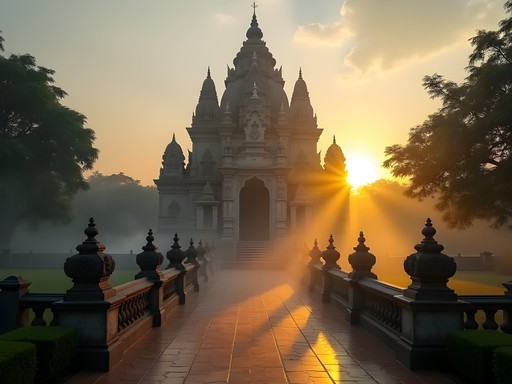
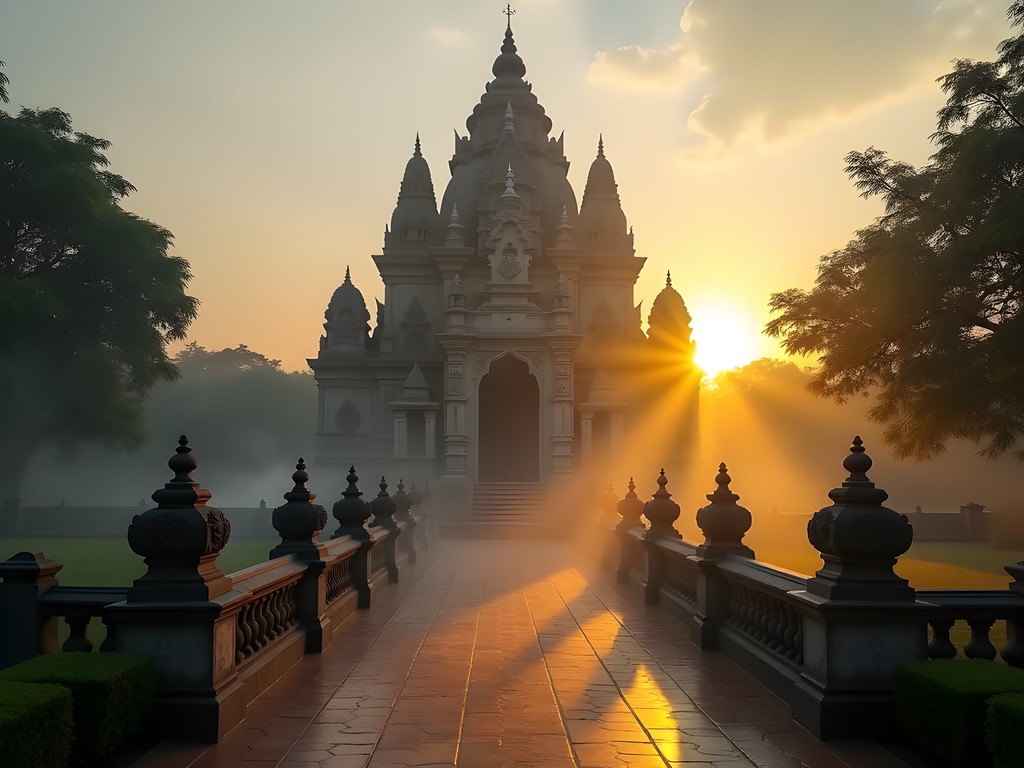
My most profound Jakarta experience came at dawn in Pura Adhitya Jaya, the city's largest Hindu temple tucked behind busy Blok M. While tourists flock to temples in Bali, here I watched locals perform morning rituals in solitude, the temple's sacred geometry creating energy patterns that felt palpably healing. The priest noticed my interest and invited me to participate in a blessing ceremony, explaining how the temple's design channels specific energies—not unlike how we position patients for optimal recovery.
For those seeking green sanctuary, bypass the crowded Menteng Park and head to Taman Suropati, where local musicians often practice among sculptures representing ASEAN friendship. I've spent mornings here journaling and watching tai chi practitioners harness energy in movements that remind me of the deliberate precision we use in emergency procedures. The park's sacred fig trees create natural energy vortexes—sit beneath them with your travel journal and feel Jakarta's frenetic pace melt away.
💡 Pro Tips
- Visit Pura Adhitya Jaya at sunrise (around 5:30am) when locals perform their morning rituals
- Bring modest clothing that covers shoulders and knees when visiting religious sites
- Taman Suropati is most peaceful on weekday mornings before 8am
Culinary Medicine: Hidden Food Havens
My EMT background has taught me that nourishment is fundamental to healing, and Jakarta's hidden food scenes offer medicine for both body and soul. Forget the sanitized mall food courts—Jakarta's true culinary identity thrives in places that would make most travel guides nervous.
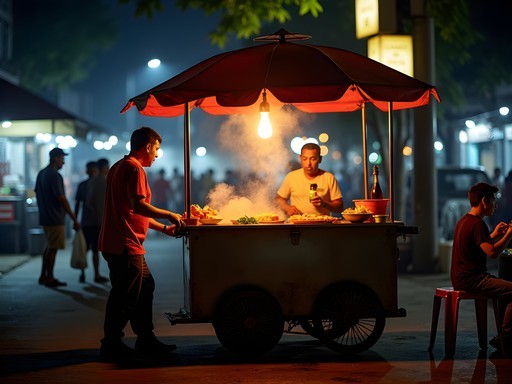
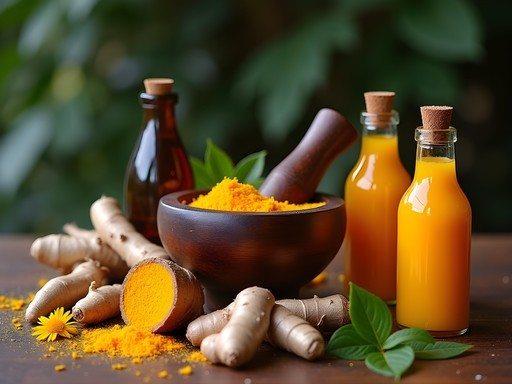
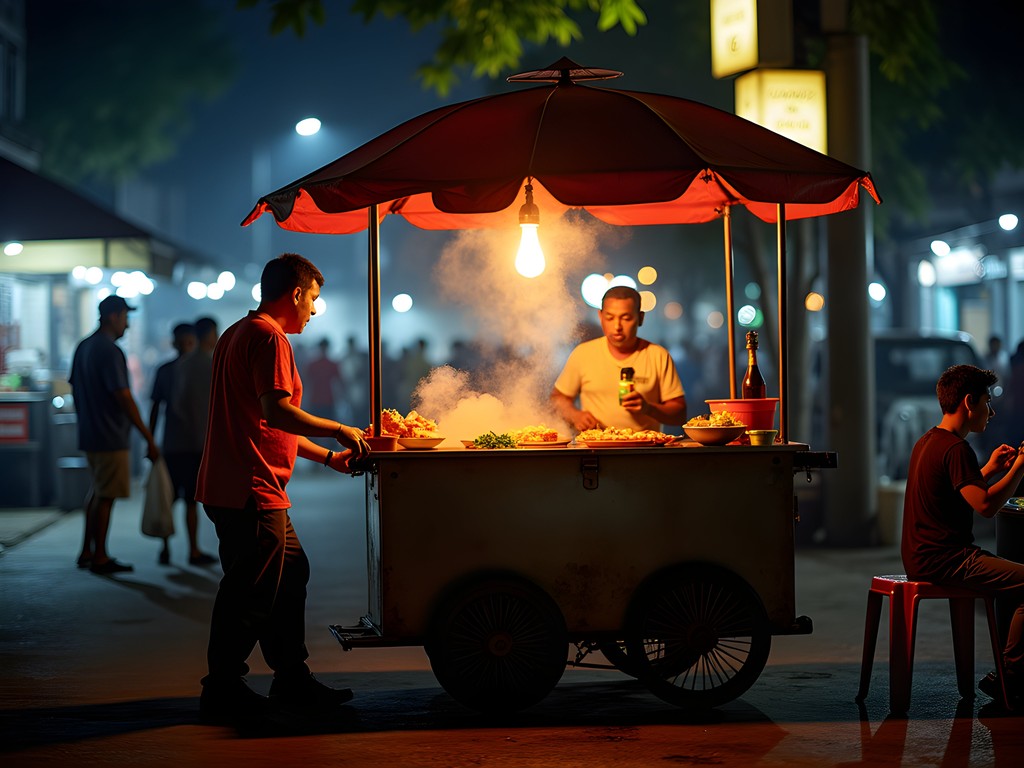
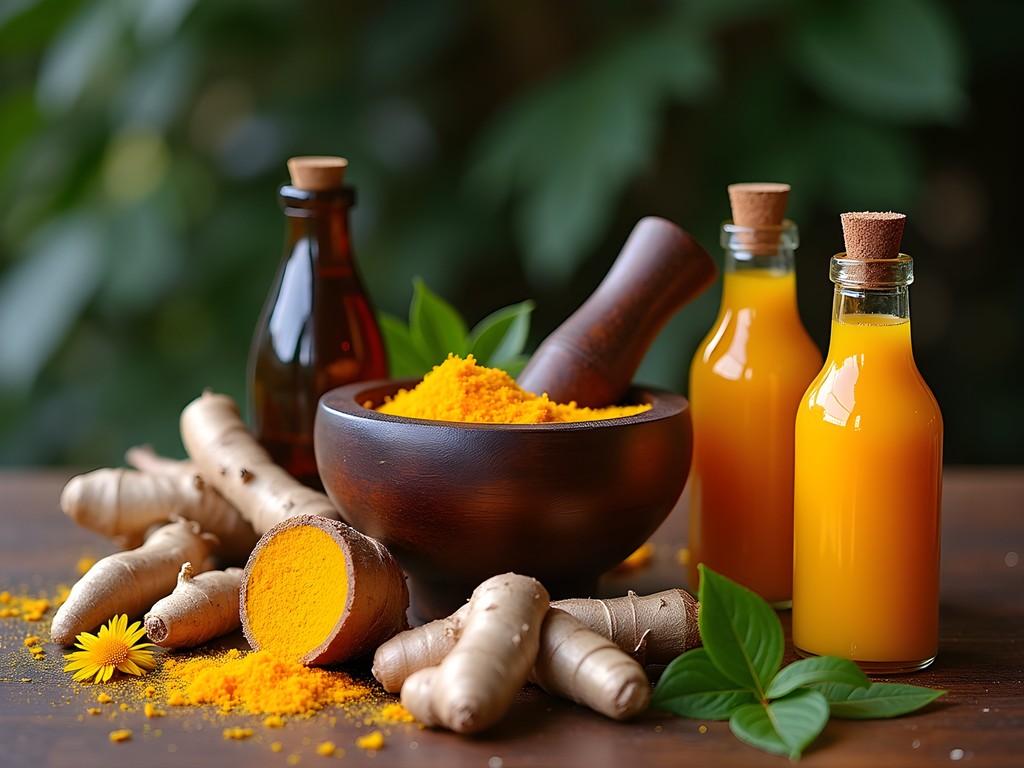
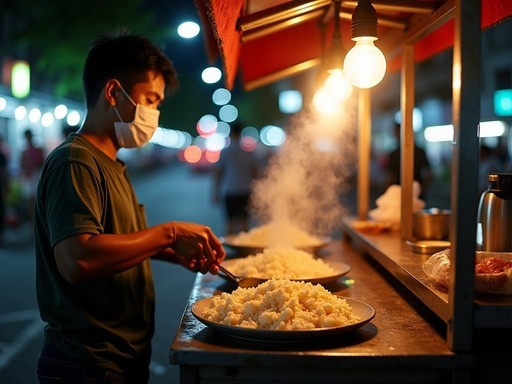
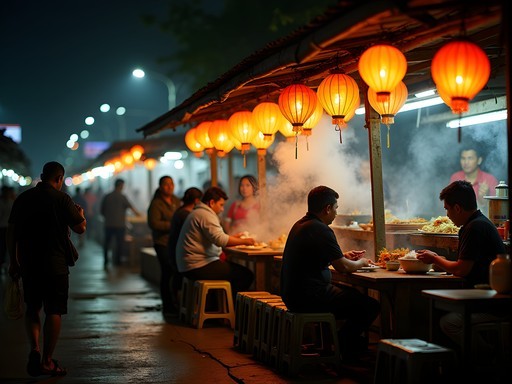
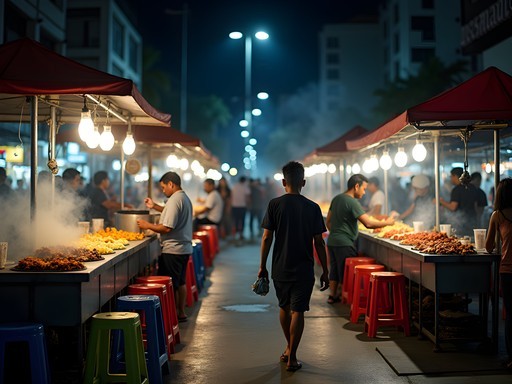
Kaki Lima (five legs) food carts create the city's most authentic dining experiences. My favorite discovery was Pak Gendut's cart, appearing nightly at the corner of Jalan Sabang after 10pm. His bubur ayam (chicken porridge) incorporates turmeric and ginger in proportions that any holistic healer would approve of. The first spoonful transported me back to my grandmother's Mi'kmaq healing broths—different ingredients but identical intention.
For those seeking Jakarta's legendary coffee culture, bypass the Starbucks clones and find Filosofi Kopi in Melawai. Hidden behind an unassuming facade, local baristas practice coffee preparation with ritual precision, explaining how different beans affect the body's systems—knowledge that parallels traditional medicine's understanding of stimulants and relaxants.
My most treasured food discovery came through an Indonesian EMT colleague who introduced me to Warung Ibu Imas in Tebet. This home-kitchen-turned-warung (small restaurant) serves Sundanese cuisine with healing properties. Ibu Imas herself explained how her papaya leaf and turmeric preparations help regulate blood pressure—something I've witnessed firsthand in traditional Mi'kmaq medicine. I now carry a spice kit inspired by her preparations for my own cooking adventures.
💡 Pro Tips
- Always look for food carts with the longest local lines—it's the best quality indicator
- Learn the phrase 'pedas sedang' (medium spicy) unless you're accustomed to serious heat
- Most authentic warungs close by 9pm, while the best street food often appears after 10pm
Urban Exploration: Jakarta's Forgotten Corners
My EMT training has conditioned me to notice what others miss—subtle signs that can mean the difference between life and death. This same attention to detail reveals Jakarta's hidden architectural and historical gems that exist just beyond the tourist radar.
Kota Tua (Old Town) appears in every guidebook, but few visitors venture beyond Fatahillah Square. Three blocks east lies Petak Sembilan, Jakarta's vibrant Chinatown where centuries of cultural fusion have created unique architectural hybrids. The Jin De Yuan temple here dates to 1650 and remains active—I spent a fascinating morning watching locals practice traditional medicine consultations in the temple's side chambers, their pulse-taking techniques remarkably similar to what we use in emergency assessment.
For urban explorers, Jakarta's abandoned Taman Mini Railway offers a post-apocalyptic journey through a forgotten amusement park. My paramedic's 'always be prepared' mindset meant bringing my headlamp for exploring the darkened tunnels where locals have created stunning graffiti art incorporating traditional Javanese mythology motifs.
My most unexpected discovery came when I followed a series of small red arrows painted on sidewalks in Kemang. These led to Rumah Jeruk, a colonial-era house transformed into an underground art collective. Here, I witnessed traditional batik techniques being reimagined as protest art, with patterns containing sacred geometric forms that practitioners explained were designed to 'heal social wounds'—a concept that resonated deeply with my understanding of how cultural preservation itself can be medicine for communities.

💡 Pro Tips
- Wear closed-toe shoes for urban exploration—Jakarta's hidden corners often have uneven surfaces
- Always carry small bills (Rp10,000-50,000) for unexpected entrance donations at community spaces
- Ask permission before photographing religious practices or ceremonies

Healing Waters: Jakarta's Secret Bathing Rituals
Water holds sacred significance in nearly every healing tradition I've encountered—from Mi'kmaq purification ceremonies to the emergency room's crucial saline solutions. Jakarta, despite its reputation for pollution, harbors remarkable water-based healing traditions that continue in hidden corners of the city.
Few tourists know about Ciliwung Condet, one of the last clean stretches of Jakarta's main river, where locals still perform traditional bathing rituals at dawn. My first visit happened by accident when I got lost jogging and stumbled upon elders teaching younger generations the proper way to collect specific river plants with medicinal properties. They explained how certain sections of the river create natural vortexes that enhance the water's healing properties—a concept that parallels indigenous understandings of sacred water sources worldwide.
For a more accessible experience, bypass the tourist-filled water parks and seek out Pemandian Cibulan in South Jakarta. This spring-fed bathing complex dates back to Dutch colonial times but incorporates much older Javanese bathing traditions. Local healers recommended I try the mineral-rich waters for a persistent shoulder injury from a rescue operation years ago. The specific mineral composition—high in sulfur and magnesium—provides legitimate therapeutic benefits I could recognize from my medical training.
Most surprising was my discovery of Rumah Air in Kemang, a contemporary wellness center where traditional jamu (herbal medicine) practitioners work alongside modern hydrotherapists. Here, I participated in a water meditation session where the instructor's understanding of how water pressure affects different bodily systems matched what we know from emergency medicine about fluid dynamics in the human body. Before visiting these water sites, I recommend packing a quick-dry travel towel that won't take up valuable space in your daypack.
💡 Pro Tips
- Visit water sites early morning (5-7am) when they're cleanest and most locals perform traditional practices
- Bring appropriate modest bathing attire—women should have shoulders covered
- Remove jewelry before entering mineral waters as some metals can react with the natural minerals
Community Connections: Local Gatherings & Rituals
As an EMT, I've learned that community support systems are as crucial to healing as any medical intervention. Jakarta reveals its soul through communal gatherings that few tourists witness but where locals forge the connections that make this megacity function as a collection of villages.
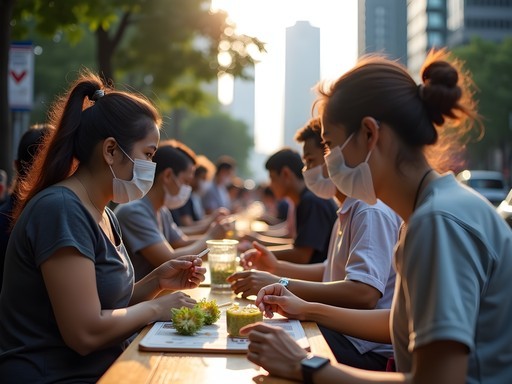
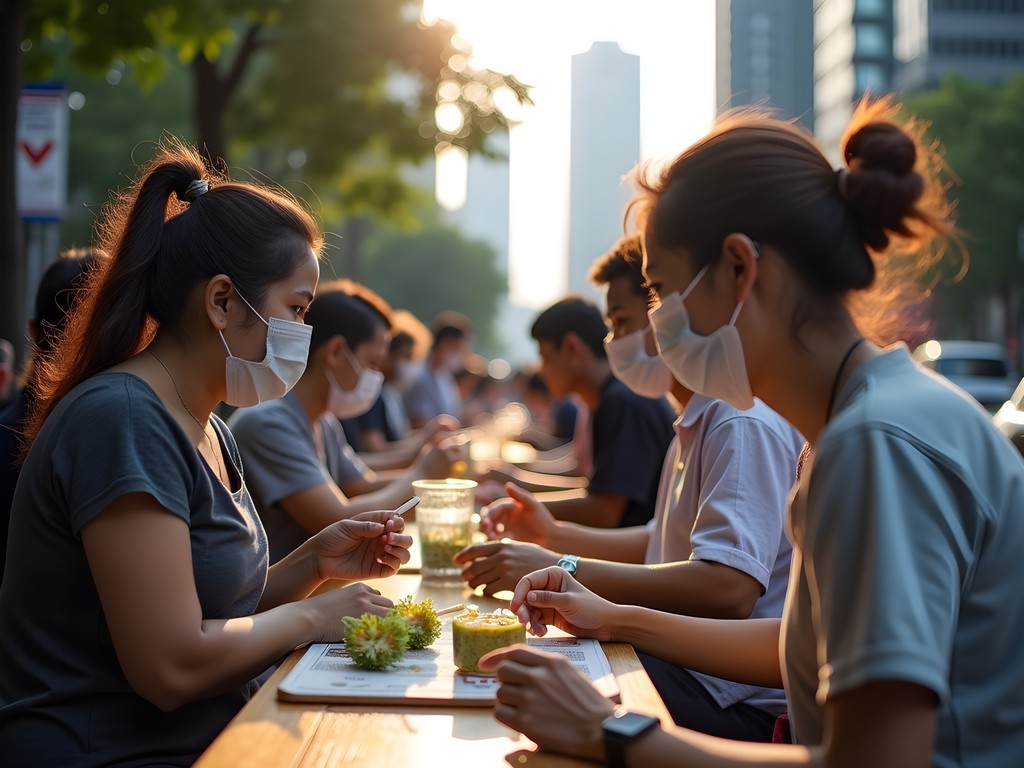
Every Sunday morning, Jalan Sudirman—normally Jakarta's busiest thoroughfare—transforms during Car Free Day. While tourists might stumble upon this event, they rarely venture to the section near Bundaran HI where an extraordinary gathering occurs: dozens of community health collectives offering everything from free blood pressure checks to traditional jamu tastings. As a medical professional, I was fascinated by how these groups blend modern health education with ancestral wisdom in a way that makes perfect sense but would be revolutionary in Western healthcare settings.
For spiritual seekers, the monthly Javanese Full Moon Meditation at Taman Menteng offers a window into how traditional practices adapt to urban settings. Led by a respected dukun (traditional healer), participants create a sacred geometry formation that maximizes energy flow—a practice that reminded me of Mi'kmaq circular healing formations. The leader explained how the city's electromagnetic fields can be harnessed rather than avoided, a perspective that bridges ancient wisdom and modern urban reality.
My most unexpected community connection came through Jakarta's underground music scene at Rossi Musik in Kemang. What appears to be a simple music store transforms on Wednesday nights into a gathering space where musicians blend traditional gamelan with contemporary sounds. The healing power of these sonic experiments was palpable—the specific frequencies created by traditional instruments have measurable effects on nervous system regulation, something I've observed in both emergency calming techniques and indigenous sound healing.
💡 Pro Tips
- Learn basic Indonesian greetings to break the ice with locals—'Selamat pagi' (good morning) goes a long way
- Bring small gifts from your home country to share when invited to community gatherings
- Always remove shoes before entering someone's home or sacred spaces
Navigating Jakarta's Hidden Geography
Every EMT develops an internal mapping system—knowing the fastest routes, alternative pathways, and hidden shortcuts can literally save lives. In Jakarta, this skill becomes essential for experiencing the city's hidden dimensions that exist between and beneath the congested main arteries.
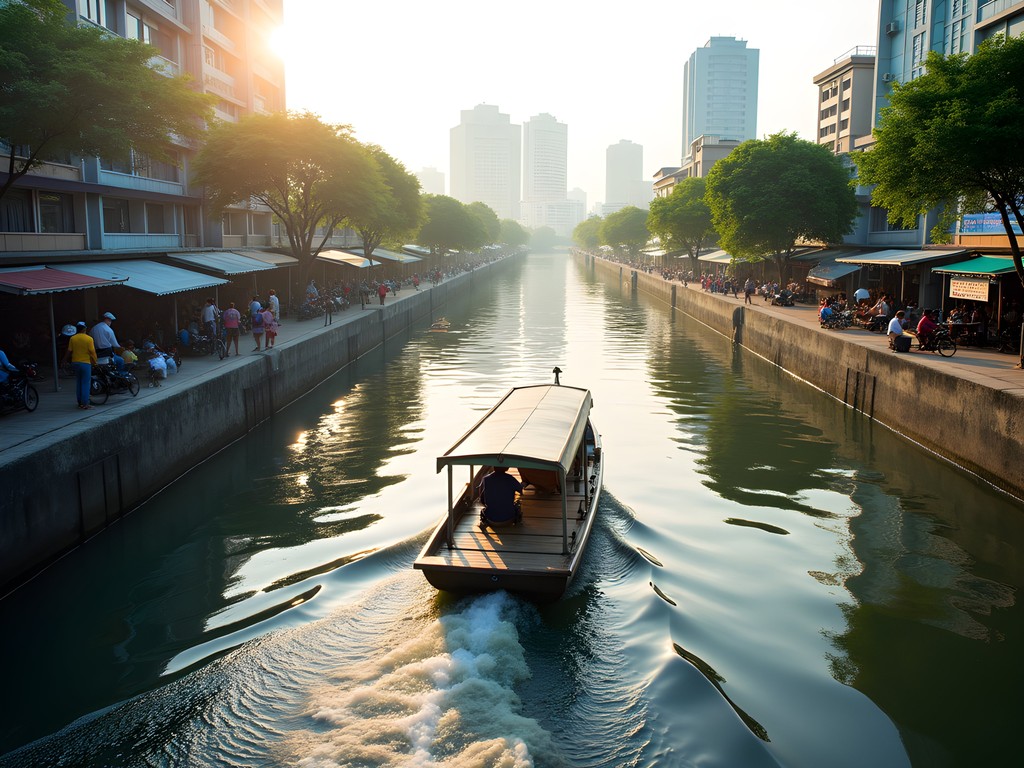
Jakarta's klong (canal) system creates a secondary city that runs parallel to the street grid. While some sections are admittedly polluted, locals showed me how to navigate the cleaner stretches by ojek perahu (small boat taxi) from Kota Tua to Pasar Baru. This water route bypasses hours of traffic while revealing communities built along the waterways where traditional fishing practices continue despite urbanization. The boatmen themselves are repositories of oral history, sharing stories of how Jakarta's sacred geography was mapped by their ancestors through water routes that followed energetic ley lines.
For land navigation, I discovered the informal network of gang (alleyways) that create pedestrian shortcuts through Jakarta's massive city blocks. My favorite is Gang Gloria near Cikini, where a narrow passage opens into a hidden courtyard where an elderly Javanese herbalist maintains a medicinal garden. She explained how certain plants are positioned according to sacred geometric principles to maximize their healing properties—a system that echoes indigenous planting wisdom across cultures.
The most practical hidden geography tip came from a local paramedic who showed me Jakarta's network of designated emergency routes—streets that are kept clearer during traffic jams. Walking these paths during rush hour provides a faster way to navigate while revealing how the city's emergency systems function. I tracked these routes using my GPS watch, which helped me build a mental map of this complex city's hidden pathways.
💡 Pro Tips
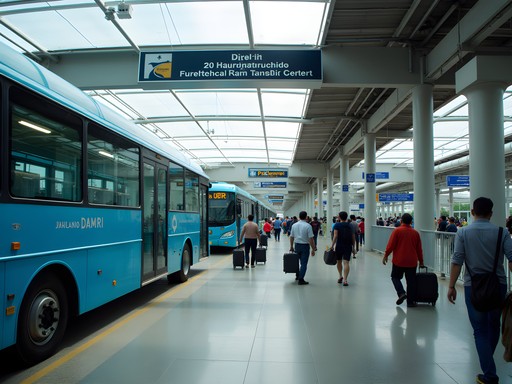
- Download the GoJek app for motorcycle taxis that can navigate traffic jams
- Learn to read the informal gang (alleyway) system—entrances often marked by small warung food stalls
- Travel with a physical map as backup—Jakarta's concrete canyons often interfere with GPS signals
Final Thoughts
Jakarta doesn't reveal its treasures easily—this sprawling megalopolis guards its secrets behind chaotic traffic and concrete facades. But for travelers willing to step beyond the air-conditioned malls and standard attractions, the city offers profound connections to Indonesia's living traditions and the wisdom they contain. As both an EMT and someone with indigenous heritage, I've found that Jakarta's hidden dimensions offer a masterclass in resilience, adaptation, and finding balance amid extremes. The sacred geometries embedded in temple architecture, the healing compounds in traditional jamu preparations, and the community rituals that transform urban spaces—all contain wisdom that transcends cultural boundaries. When you visit Jakarta, remember that the city's true soul exists in these in-between spaces where ancient knowledge and modern necessity create something entirely new yet timeless. This is the Jakarta that Indonesians know and love—a city of hidden sanctuaries, unexpected beauty, and human connections waiting just around the corner from the tourist trail.
✨ Key Takeaways
- Jakarta's authentic experiences exist in the spaces between major tourist attractions
- Local healing traditions blend seamlessly with urban life in unexpected corners of the city
- The fastest way to connect with locals is through food, particularly at street stalls and small warungs
- Sacred spaces exist throughout Jakarta but require early morning visits to experience their true atmosphere
📋 Practical Information
Best Time to Visit
May-September (dry season)
Budget Estimate
$30-50 per day excluding accommodation
Recommended Duration
5-7 days
Difficulty Level
Moderate
Comments
wanderway2105
Really cool post! Quick question - is the pollution as bad as people say? I have asthma and wondering if I should be worried
oceanpro
Those street food recommendations were spot on! My stomach and wallet thank you!
islandlife
Which ones did you try? I'm making my food hitlist for next week!
oceanpro
The martabak place near Blok M was incredible! And don't miss the soto betawi stand that only opens after 9pm. Just look for the crowd of locals!
sunsetdiver
Just got back from Jakarta and used this guide extensively! The bathing ritual at Cikarang was such a unique experience - I felt awkward at first being the only foreigner there, but an elderly lady took me under her wing and showed me the proper way to participate. Also tried the coffee shop hidden in that old Dutch colonial building (had to ask three different locals to find it!) and it was absolutely worth the hunt. The owner brews coffee using beans from his family's farm in Sulawesi. I bought some to take home and now I'm rationing it like gold. One tip for others: I found getting around much easier with offline maps since many of these spots don't show up on regular tourist maps.
Casey Andersson
This post brought back so many memories! When I visited Jakarta last year, I stumbled upon that hidden courtyard in Glodok you mentioned and it was magical. The elderly men playing chess, the tea vendor who didn't speak English but somehow we communicated through smiles and hand gestures... I ended up returning three times during my stay. One spot I'd add to your list is the rooftop garden at Pasar Baru - it's this unexpected oasis above the chaos of the market where local artists sometimes gather in the evenings. I captured some of my favorite sunset photos there while sipping on es cendol from a tiny stall run by an 80-year-old woman who's been making the same recipe for 60+ years.
sunsetdiver
That rooftop garden sounds amazing! Is it easy to find or kind of hidden? Planning my first trip to Jakarta and taking notes!
Casey Andersson
It's definitely hidden! Take the narrow staircase next to the fabric shop on the east side of the market. The entrance looks like it's staff-only, but locals use it all the time. Just walk confidently and nobody will question you!
islandlife
I'm heading to Jakarta next month for work but will have weekends free. Which of these hidden food spots would you say is absolutely unmissable for someone with limited time?
Sage Dixon
If you only have time for one, don't miss Warung Sepat Mak Nyak in Pasar Santa's hidden upper level. Go early (around 11am) before they sell out of their signature catfish curry. It's life-changing!
islandlife
Thanks Sage! Adding it to my list right now. Can't wait to try it!
winterpro
Love this!! Been to Jakarta 4 times and still finding new spots. That healing waters section got me curious - never heard of those bathing rituals. The food scene is absolutely unreal, you can eat like royalty for nothing. Pro tip: download the Gojek app before you go, makes life SO much easier
wanderway2105
Thanks for the tip! Going in March and getting nervous about getting around
winterpro
you'll be fine! everyone is super helpful. just have google maps downloaded offline too
coolpro
how many days do you need to see these places?
Taylor Moreau
Sage, excellent piece on Jakarta's lesser-known attractions. I've been travelling to Jakarta quarterly for business over the past decade, and you've captured locations even I hadn't discovered. The section on Sacred Spaces particularly resonated - the contrast between modern Jakarta and these quiet sanctuaries is quite remarkable. One addition: the old Portuguese church in Tugu is worth visiting if one has time. The traffic situation has improved somewhat with the MRT expansion, though I'd still recommend scheduling extra time for any appointments.
winterpro
the MRT is a game changer!! so much easier now
moonlife
YES!! Finally someone writing about the real Jakarta! I spent 3 weeks there last year and the hidden warungs in Menteng were absolutely incredible. The nasi uduk place near the old mosque - if you know you know 😍 Traffic is insane but so worth it
coolpro
which area is menteng? is it safe to walk around at night?
moonlife
It's central Jakarta, pretty safe! Just use common sense like anywhere. Grab/Gojek work great there too
dreamguy
Those street food pics are making me hungry! Bookmarked for my trip next month!
Venture X
Premium card with 2X miles, $300 travel credit, Priority Pass