

Disclosure: This article contains affiliate links. We may earn a commission from purchases at no extra cost to you, which helps our travel content.
The name Guantánamo Bay often conjures images far removed from tourism, but as someone who's spent decades seeking out the untold stories behind controversial destinations, I found myself drawn to exploring the broader region beyond the headlines. What I discovered was a corner of Cuba rich with colonial architecture, breathtaking landscapes, and some of the warmest people I've encountered in my travels. This guide shares my winter journey through an area that deserves to be known for more than just its notorious naval base.
Understanding Guantánamo: The Region vs. The Base
First things first—let's clear up some misconceptions. Guantánamo is both a province and a city in southeastern Cuba, while the naval base (GTMO) that dominates international headlines occupies just a small portion of Guantánamo Bay. As a solo traveler, you won't be visiting the military installation itself (it remains off-limits), but the surrounding province offers remarkable experiences.
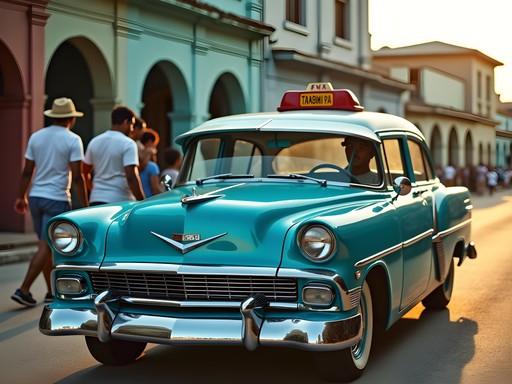
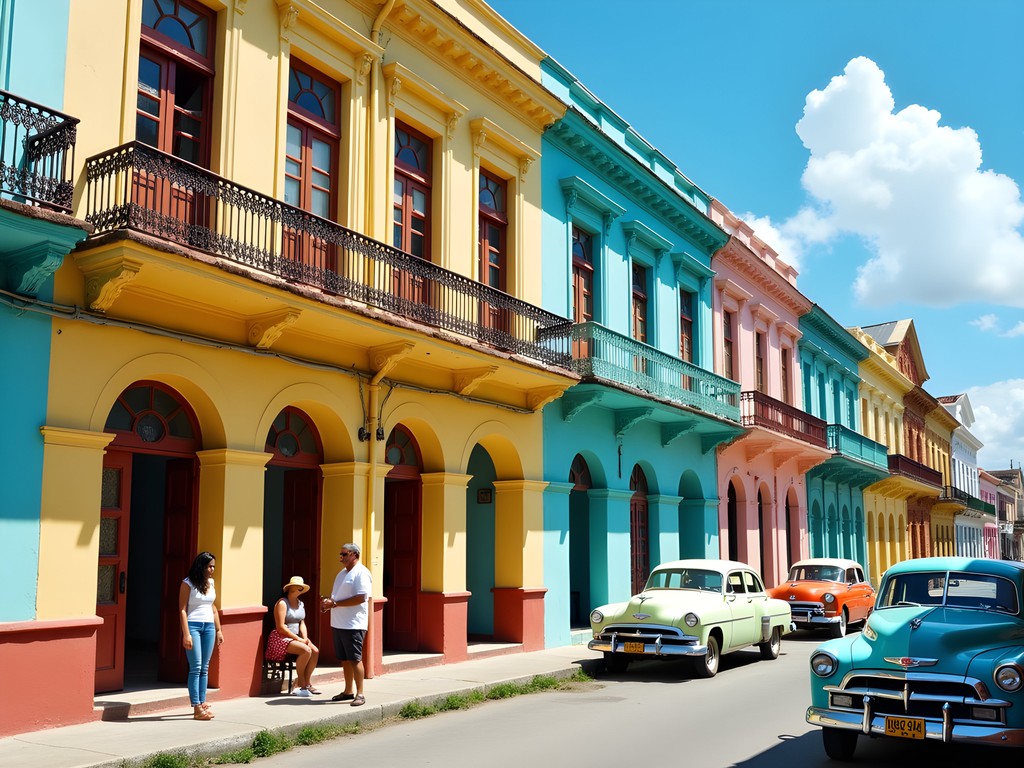
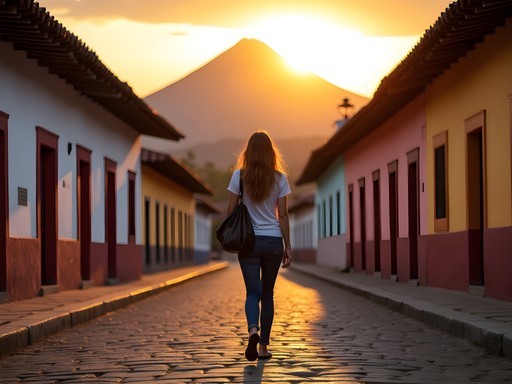
The city of Guantánamo sits about 25km inland from the bay and serves as an excellent base for exploration. Founded in 1797, it carries a distinctive architectural heritage that blends Spanish colonial influences with Caribbean elements. Walking its streets feels like stepping into a Cuba that exists beyond the more polished tourism of Havana.
Before my trip, I spent weeks researching with my Cuba travel guide, which proved invaluable for understanding the complex history and current realities of the region. The historical context it provided helped me appreciate the resilience of local communities who have lived in the shadow of international politics for generations.
💡 Pro Tips
- Always carry your passport and tourist visa—checkpoints are common in this region
- Learn basic Spanish phrases—English is less commonly spoken here than in Havana or Varadero
- Respect photography restrictions near any military or government facilities
Getting There & Navigating Solo
Reaching Guantánamo requires some logistical planning that my years in import/export management prepared me well for. Most international travelers fly into Havana or Santiago de Cuba, then connect via domestic flight to Antonio Maceo Airport in Santiago. From there, it's a 2-3 hour drive to Guantánamo city.
As a solo female traveler in my 50s, I opted for pre-arranged transportation rather than rental cars. The roads can be challenging, and signage is minimal. I booked through my casa particular host in Santiago, who arranged a reliable driver for about 60 CUC (approximately $60 USD).
Once in Guantánamo city, I navigated primarily on foot and by bicycle. The compact city center is walkable, while a bicycle rental allowed me to explore further afield. My anti-theft crossbody bag proved essential for keeping my valuables secure while maintaining easy access to my camera and travel documents.
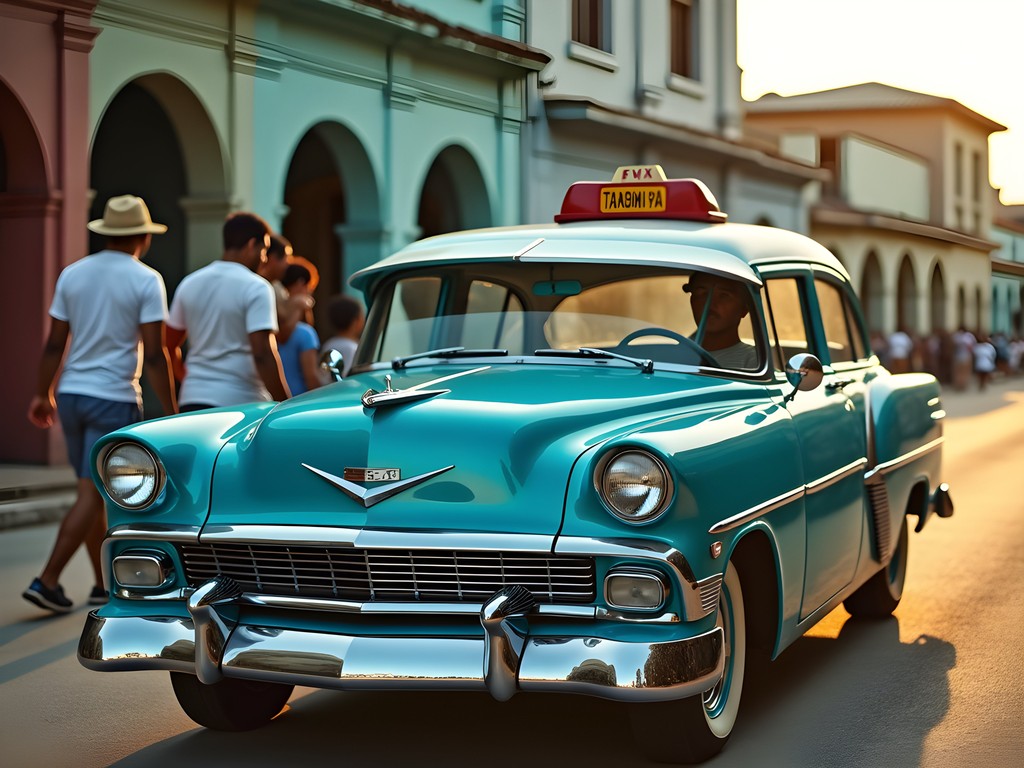
For day trips to surrounding areas, I used a combination of shared taxis (colectivos) and occasionally hired private drivers when venturing to more remote locations. While public transportation exists, schedules can be unpredictable and information is primarily in Spanish.
💡 Pro Tips
- Book accommodation through trusted platforms that verify hosts
- Download offline maps as internet access is limited
- Carry small denominations of both CUC (tourist currency) and CUP (local currency)
Unexpected Natural Wonders & Adventure
If you're like me and find solace in natural landscapes, Guantánamo province will surprise you. The eastern region houses some of Cuba's most dramatic and least-visited natural attractions.
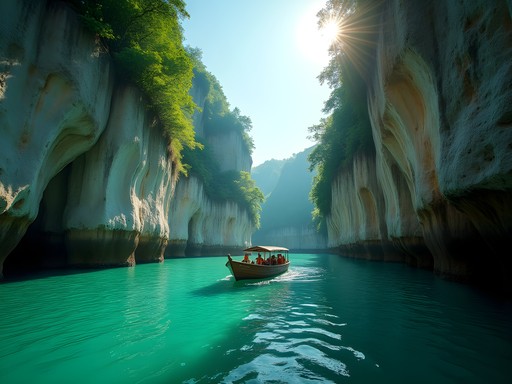
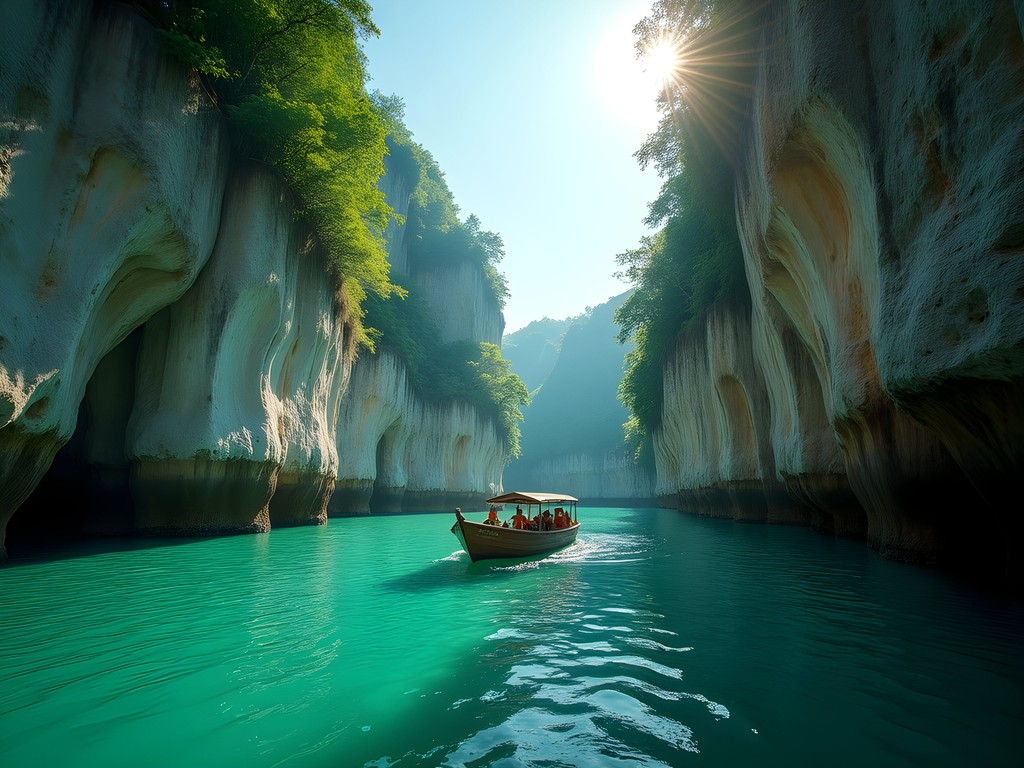
The highlight of my week was undoubtedly the day spent exploring the Yumurí Canyon, a limestone gorge carved by the Yumurí River. As someone who's rafted many of New Zealand's finest rivers, I was keen to experience this waterway. While true whitewater rafting isn't established here, I joined a boat tour through the canyon where emerald waters cut between 200-meter limestone cliffs.
For the tour, I was grateful I'd packed my water shoes, which protected my feet during our stops to swim and explore caves along the river. The local guide spoke limited English but compensated with enthusiasm, pointing out endemic bird species and sharing folklore about the canyon's formation.
Another natural wonder worth visiting is Alejandro de Humboldt National Park, a UNESCO World Heritage site partially located in Guantánamo province. The park boasts remarkable biodiversity and offers hiking trails through pristine rainforest. I spent a full day here with a guide, my compact binoculars proving invaluable for spotting the colorful Cuban tody and other endemic birds hiding in the dense foliage.
💡 Pro Tips
- Book nature excursions through your accommodation for the most reliable operators
- Pack reef-safe sunscreen for water activities—the tropical sun is intense year-round
- Bring insect repellent containing DEET for forest hikes, particularly in winter when mosquitoes remain active

Cultural Immersion & Local Connections
What truly sets Guantánamo apart is the opportunity for authentic cultural exchanges. With fewer tourists than western Cuba, locals are often curious about visitors and genuinely interested in conversation.
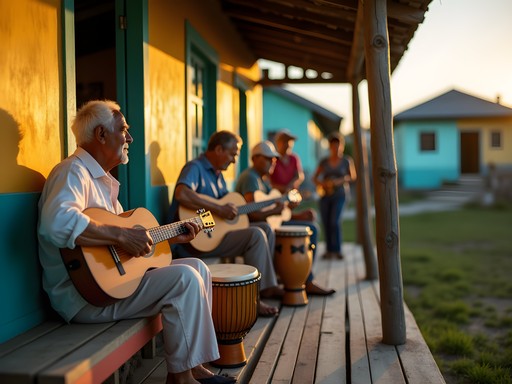
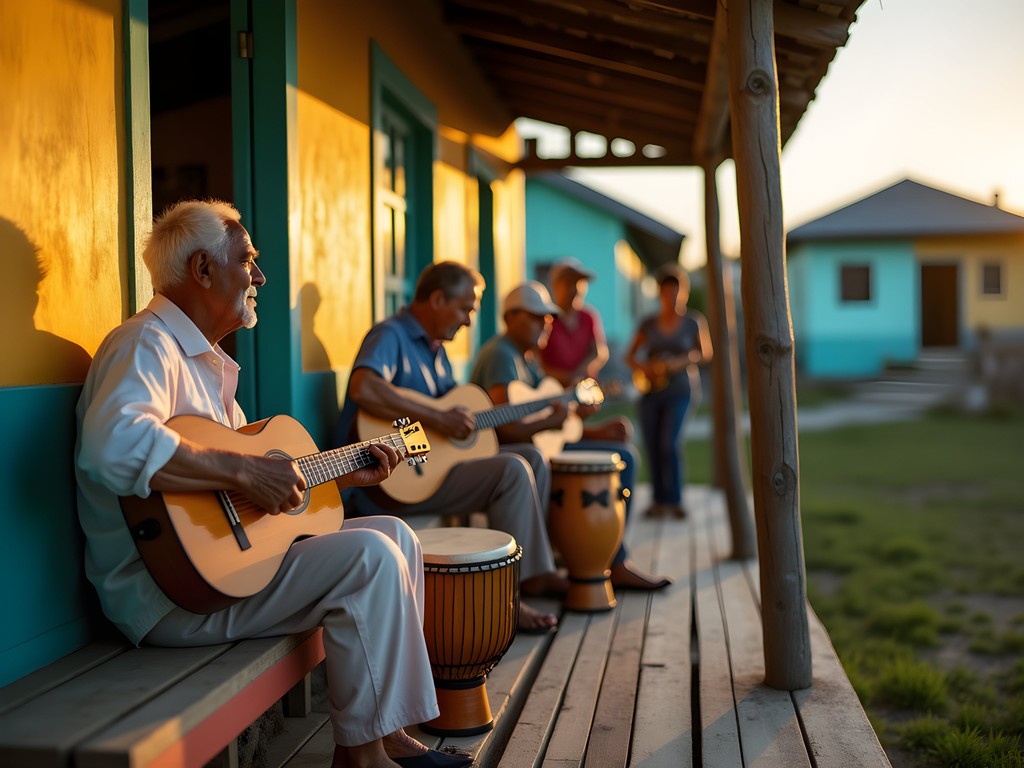
The province is famous as the birthplace of changüí music, a precursor to son and salsa that combines African and Spanish influences. One evening, I stumbled upon a community gathering where locals were playing traditional changüí on the porch of a modest home. Despite my limited Spanish, I was warmly invited to join, and spent hours listening to music and sharing stories through a mixture of broken Spanish, hand gestures, and the universal language of laughter.
Food in Guantánamo reflects both its Caribbean location and isolation from tourist centers. Expect simple but flavorful dishes heavy on root vegetables, rice, beans, and seafood. Restaurant La Ruñidera became my favorite spot for authentic Cuban cuisine at remarkably affordable prices.
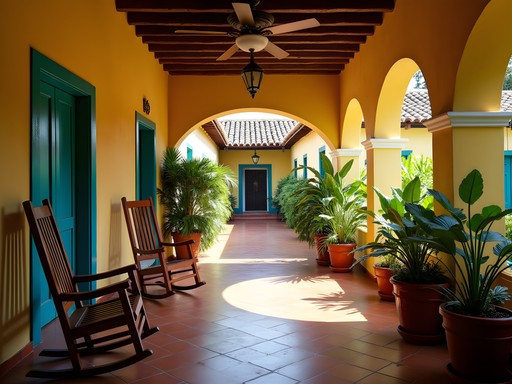
Staying in casas particulares (private homestays) rather than hotels provided deeper cultural immersion. My host Maritza not only prepared magnificent breakfasts featuring fresh tropical fruits and strong Cuban coffee but also introduced me to neighbors and offered insights into daily Cuban life far removed from political narratives.
I documented these cultural encounters with my mirrorless camera, whose discreet size didn't create barriers between myself and locals, allowing for natural portraits and candid moments that larger equipment might have inhibited.
💡 Pro Tips
- Learn basic changüí dance steps before your trip—locals appreciate the effort
- Bring small gifts like pencils or toiletries to thank hosts for special favors
- Ask permission before photographing people—a courtesy that usually results in more authentic images
Practical Considerations & Ethical Travel
Visiting Guantánamo requires additional consideration beyond typical Cuban travel planning. The military presence means security is heightened, and certain areas remain restricted. As someone who values responsible travel, I was conscious of how my presence might be perceived.
Internet access is even more limited than elsewhere in Cuba. I found connectivity only at specific WiFi hotspots in the main square, and even then, it was unreliable. My portable power bank became essential as power outages were common during my winter visit.
Accommodation options are primarily casas particulares, with very few hotels. I booked my first two nights in advance through a Cuban travel agency, then relied on host recommendations for subsequent stays. Prices ranged from 25-35 CUC per night including breakfast, significantly more affordable than Havana or Trinidad.
Regarding safety, I felt secure throughout my stay. The heightened military and police presence, while initially unsettling, actually contributes to low crime rates. As a solo female traveler, I experienced no harassment beyond the occasional friendly attention that's common throughout Cuba.
The ethical dimensions of visiting a region known primarily for its controversial detention facility weighed on me. I approached this by engaging respectfully with locals about their everyday lives rather than political matters, unless they initiated such discussions. Many residents expressed appreciation for tourists who see beyond the headlines to recognize the region's cultural and natural richness.

💡 Pro Tips
- Bring a high-quality headlamp for power outages
- Purchase bottled water rather than relying on tap sources
- Print all booking confirmations and important documents—digital access can't be guaranteed
Final Thoughts
My week in Guantánamo revealed a region that defies its one-dimensional portrayal in international media. Beyond the shadow of the naval base lies a province of remarkable natural beauty, rich cultural traditions, and communities eager to connect with respectful travelers willing to venture beyond Cuba's established tourist circuit.
As I boarded my return transport to Santiago, exchanging contact details with my casa hosts and promising to send photos once back in Bristol, I reflected on how travel to controversial destinations can challenge our preconceptions when approached thoughtfully. Guantánamo deserves to be known for its changüí rhythms, limestone canyons, and the resilience of its people.
This isn't a destination for first-time solo travelers or those seeking convenience and luxury. But if you value authentic cultural exchange, have some Spanish language skills, and possess the flexibility to navigate unpredictable circumstances—qualities I've developed through decades of independent travel—Guantánamo offers rewards that few other Cuban destinations can match. As we Kiwis say, 'She'll be right'—but in this case, preparation and cultural sensitivity will ensure your journey is much more than just alright.
✨ Key Takeaways
- Guantánamo province offers authentic cultural experiences with fewer tourists than western Cuba
- Natural attractions like Yumurí Canyon provide stunning landscapes for adventure seekers
- Staying in casas particulares creates meaningful connections with local families
- Winter visits offer pleasant temperatures but require preparation for occasional infrastructure challenges
- Responsible travel means engaging with the region's cultural heritage while respecting its complex political context
📋 Practical Information
Best Time to Visit
November through March (winter dry season)
Budget Estimate
$50-75 USD per day for mid-range solo travel
Recommended Duration
5-7 days
Difficulty Level
Challenging

Comments
nomadtime
This is wild!! Going to Cuba in April and honestly hadn't even considered this area. Is it safe for solo female travelers? And how's the accommodation situation - are there casas particulares like in other parts of Cuba or is it more limited? Thanks for opening my eyes to this!
photomood
following this! curious about safety too
dreamguide
Never would've thought to go here. Interesting perspective!
Kimberly Murphy
Amy, this is absolutely brilliant! I've been to Cuba three times but never made it out to Guantánamo province - it's always felt too intimidating given the associations. Your point about the region having its own identity beyond the base really resonates. The hiking around the Alejandro de Humboldt National Park looks incredible! How did you find the local attitudes toward foreign visitors? I imagine they don't get many solo travelers wandering through. And was Spanish essential or did you manage with basics? Adding this to my 2027 list for sure!
nomadtime
I'd love to know about the Spanish thing too! My Spanish is pretty rough
photomood
Really cool photos!
luckyblogger2612
wait you can actually visit there as a tourist?? i thought it was all off limits. how does that even work with the base being right there?
Kimberly Murphy
The city of Guantánamo is separate from the naval base! You can't visit the base itself obviously, but the surrounding region is absolutely accessible. I've been dying to get to this part of Cuba!
luckyblogger2612
ohh that makes sense, thanks!
mountainvibes
Going to Cuba in April - adding this to the itinerary now!
hikingbuddy
same here! never thought about going east
John Hart
Fascinating piece, Amy. I've been researching misunderstood destinations for my next project and this aligns perfectly with that theme. Your point about separating the geopolitical narrative from the actual lived experience of the region resonates deeply. The Alejandro de Humboldt National Park section particularly caught my attention - the biodiversity statistics you mentioned are remarkable. How did you find the infrastructure for solo trekking there? I'm considering a visit in spring and wondering about guide availability versus independent exploration options.
Amy Brown
Thanks John! For Humboldt, I'd definitely recommend hiring a local guide. The trails aren't well-marked and guides know where to spot the endemic species. I connected with mine through my casa particular host.
SoloWanderer
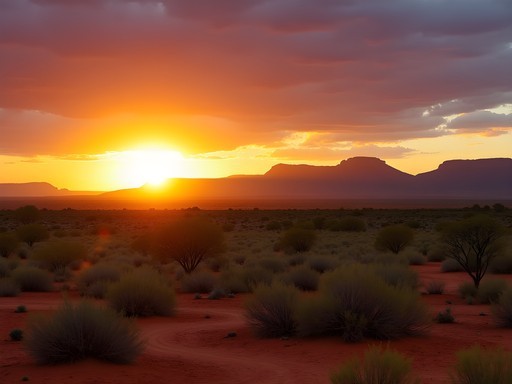
Love that sunset shot from Punta de Maisí! The colors are incredible.
hikingbuddy
Love the photos!
summervibes
Wait, you can actually visit there as a tourist?? I had no idea this was even possible. Did you feel safe traveling solo? This is wild, never would've thought to add this to my list but now I'm curious!
Amy Brown
Yes! The city of Guantánamo is totally separate from the naval base. It's a regular Cuban city with amazing people and nature. Felt completely safe the whole time.
summervibes
That's so cool, thanks for clarifying!
Venture X
Premium card with 2X miles, $300 travel credit, Priority Pass