Disclosure: This article contains affiliate links. We may earn a commission from purchases at no extra cost to you, which helps our travel content.
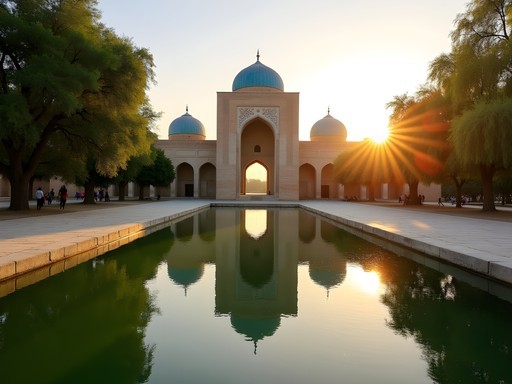
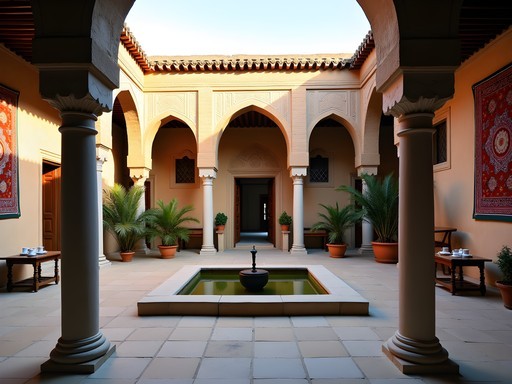
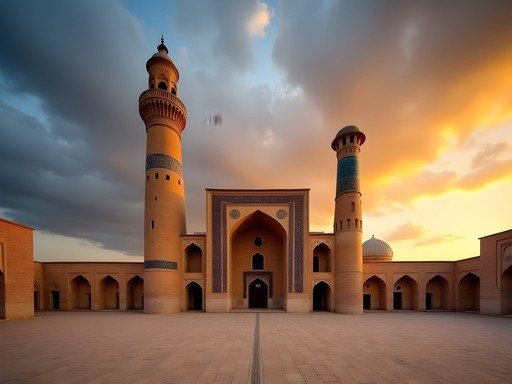
Standing beneath the turquoise dome of Mir-i-Arab Madrasa as the muezzin's call to prayer echoed across Bukhara's ancient skyline, I felt that familiar thrill of discovery that keeps drawing me to places off the typical tourist radar. Guten Tag aus Usbekistan, meine Freunde! After years of exploring houseboats in Kerala and rafting adventures in Colorado, my safety inspector instincts led me to this UNESCO treasure along the ancient Silk Road. Bukhara isn't just another stamp in my passport—it's a living museum where 2,000 years of history unfolds in labyrinthine alleys and magnificent Islamic architecture. As someone who grew up navigating between Frankfurt's precision and my mother's vibrant Mexican village, I've developed a knack for finding the authentic pulse of a place while keeping safety at the forefront. This past fall, I spent a transformative week exploring Bukhara solo on a modest budget, and I'm here to share how you can do the same—with all the practical tips my German half insists on providing and all the cultural immersion my Mexican heritage taught me to seek.

Preparing for Bukhara: Safety First, Adventure Second
My career as a safety inspector has taught me that proper preparation prevents poor performance—a mantra that applies perfectly to solo female travel in Central Asia. Before boarding my flight to Uzbekistan, I spent weeks researching Bukhara's customs, language basics, and safety situation.
Uzbekistan has undergone remarkable changes in recent years, becoming increasingly tourist-friendly with simplified visa processes (most Western passports now get 30 days visa-free) and improved infrastructure. As a solo female traveler, I found Bukhara surprisingly comfortable to navigate—the city feels genuinely safe, with minimal harassment and a respectful local attitude toward visitors.
Language can be a barrier, though. While Russian is widely spoken alongside Uzbek, English remains limited to the tourism industry. I downloaded the offline language app and learned basic phrases that opened countless doors. Just saying 'Rahmat' (thank you) earned me warm smiles and often, invitations for tea.
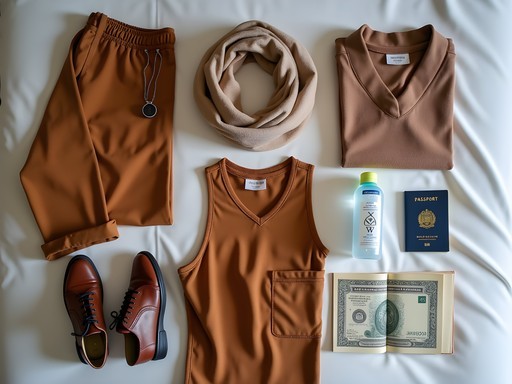
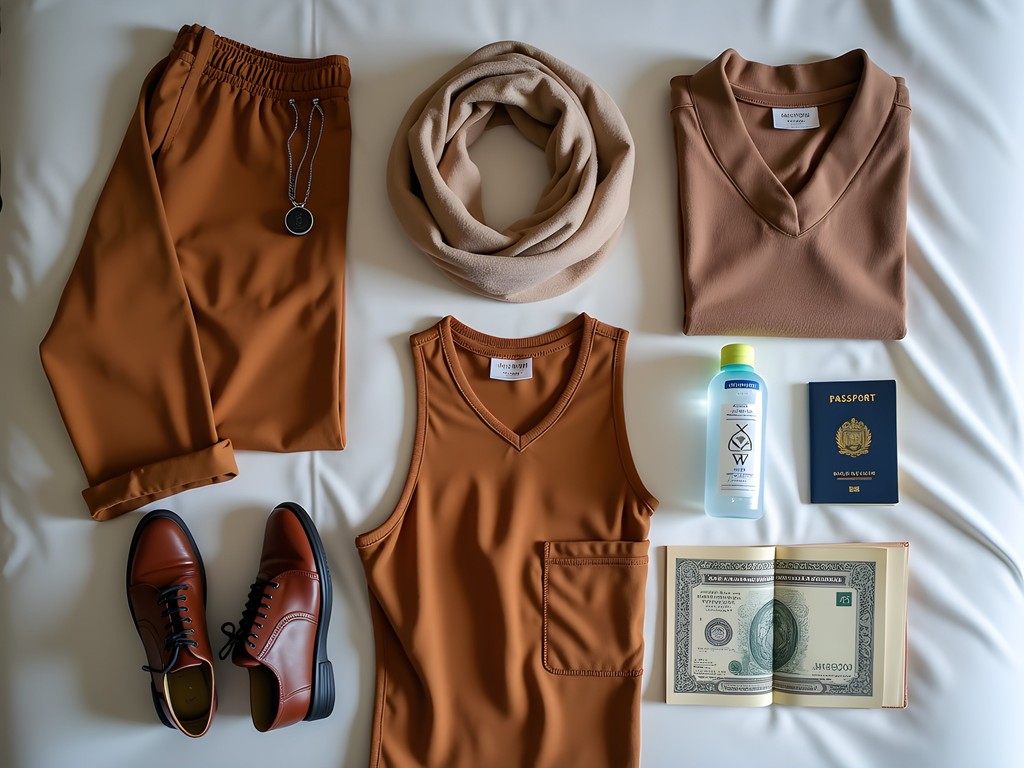
Packing smart is crucial for Bukhara's variable fall weather. Days can be pleasantly warm (18-25°C/65-77°F) while evenings cool dramatically. I relied on my trusty packing cubes to organize layers and modest clothing that respected local customs while keeping me comfortable.
Health precautions shouldn't be overlooked. Bukhara's tap water isn't potable, so I brought my water purifier bottle which saved me money while reducing plastic waste. The nearest quality medical facilities are in Tashkent, so comprehensive travel insurance is non-negotiable.
💡 Pro Tips
- Download offline maps and translation apps before arrival as internet can be spotty
- Register with your embassy upon arrival in Uzbekistan
- Carry a photocopy of your passport and keep the original locked in your accommodation safe
- Exchange money at official banks rather than black market dealers (the rates are now competitive and it's much safer)
Navigating Bukhara's Historic Core: A Safety Inspector's Perspective
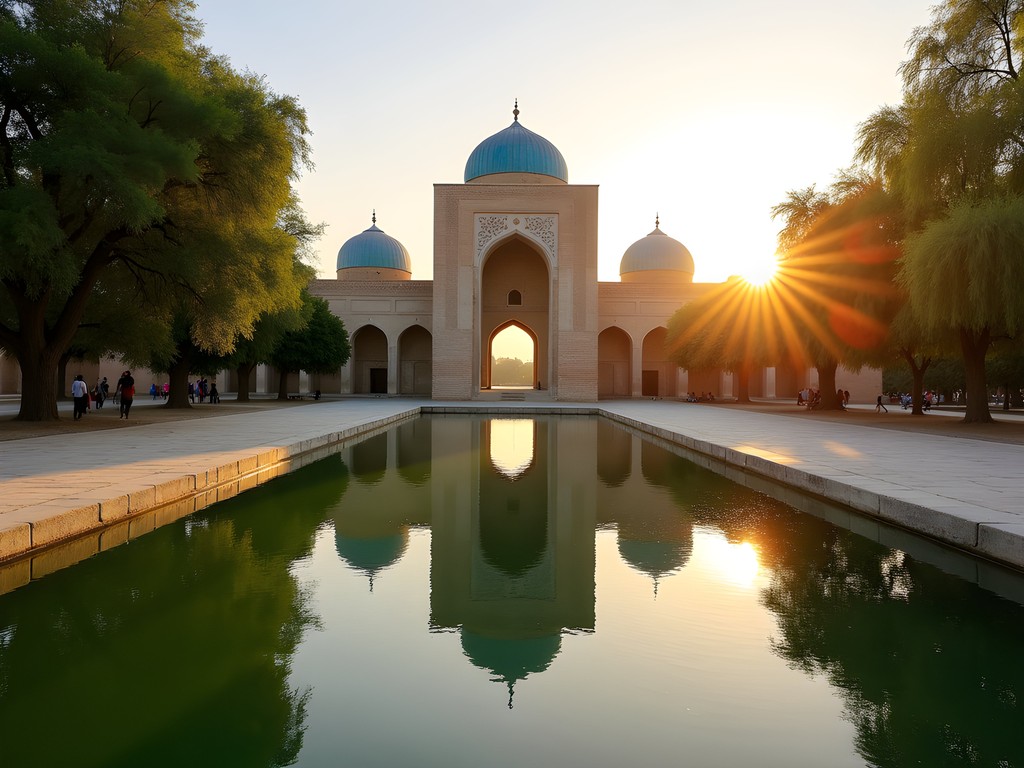
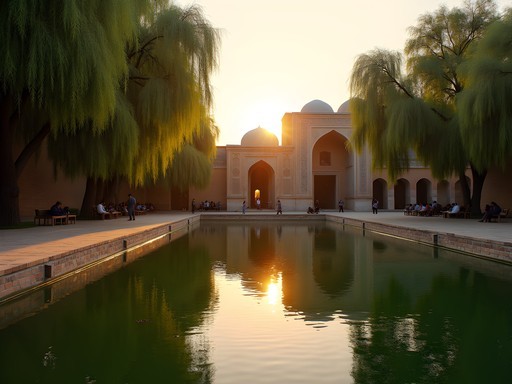
My first morning in Bukhara, I woke before sunrise to experience Lyabi-Hauz plaza without crowds. As dawn broke over the 16th-century pond surrounded by ancient mulberry trees, I conducted what I jokingly call my 'safety assessment'—a habit from my professional life that serves me well in travel.
Bukhara's historic core is remarkably walkable and compact, with most major sites within a 20-minute radius. The pedestrianized center means minimal traffic concerns, though watch for the occasional delivery vehicle. The stone pathways can be uneven—my walking shoes proved essential for stability and comfort during 8+ hour exploration days.
Orientation is surprisingly intuitive once you identify key landmarks. I used the towering Kalon Minaret as my North Star, visible from most points in the old city. When I did get wonderfully lost in the mahalla residential areas, locals were unfailingly helpful in pointing me back toward familiar territory, often with invitations for tea along the way.
Bukhara's trading domes follow a historical logic: each specialized in specific goods, from jewelry at Toki-Zargaron to hats at Toki-Tilpak Furushon. I created a self-guided walking route connecting these domes, allowing me to explore systematically while always knowing my approximate location.
As a solo female, I felt remarkably safe even after sunset when the monuments are beautifully illuminated. The main squares remain active until around 10 PM, with families and other travelers creating a comfortable atmosphere. For evening returns to my guesthouse, I stuck to well-lit main paths and kept my compact flashlight handy for dimmer residential streets.
💡 Pro Tips
- Use the Kalon Minaret as your orientation point when navigating the old city
- Photograph your guesthouse and surrounding landmarks to show taxi drivers for your return
- Visit major sites early morning (8-10 AM) or late afternoon (4-6 PM) to avoid both crowds and midday heat
- Purchase the combined ticket for all major monuments at your first site visit—it's significantly cheaper than individual entries
Cultural Immersion: Connecting Beyond the Tourist Circuit
My Mexican mother always told me, 'La comida es el camino al corazón'—food is the path to the heart—and nowhere is this truer than in Bukhara. While guidebooks direct travelers to restaurants around Lyabi-Hauz, I found authentic connections by venturing just two streets away into residential neighborhoods.
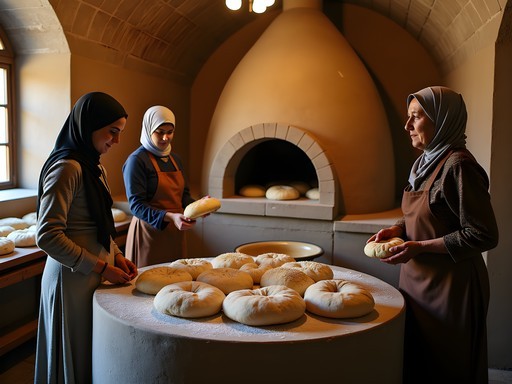
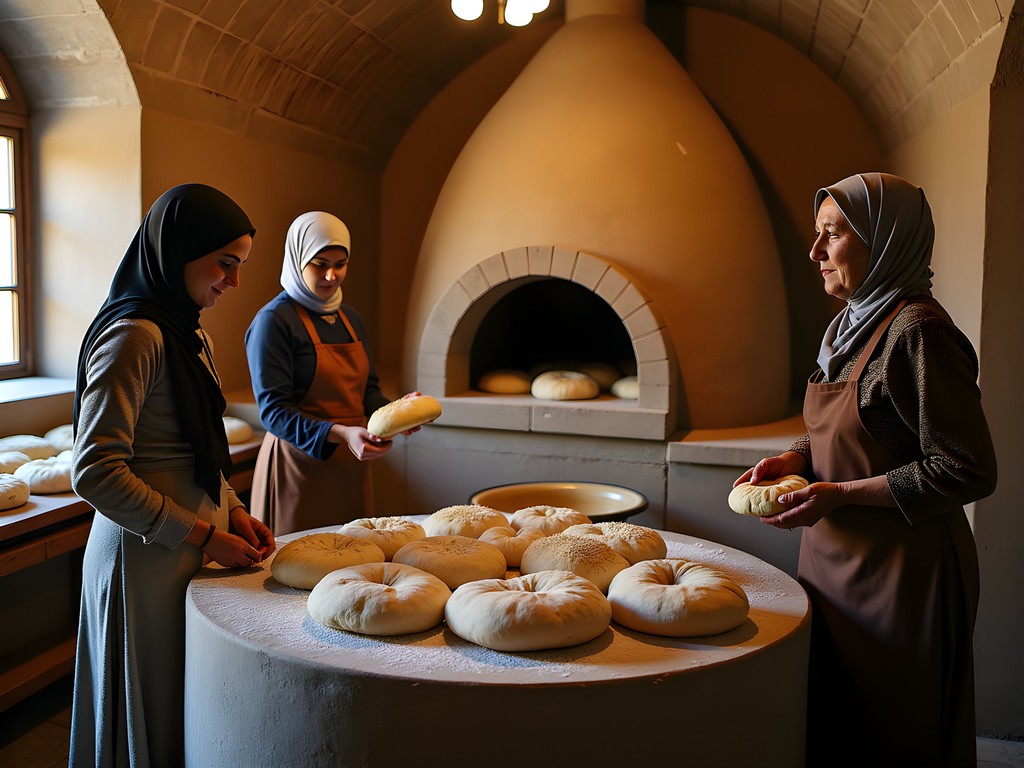
On my third evening, I followed the aroma of fresh bread to a local bakery where I watched women slap dough onto the walls of traditional tandoor ovens. My attempt to purchase a single non (round bread) turned into an impromptu baking lesson, with three generations of women laughing at my clumsy technique. This became a daily ritual—my Spanish-accented Russian and their limited English creating a peculiar but effective communication bridge.
Similarly, the hammam (bathhouse) experience provided cultural insights impossible to gain from monument-hopping. At the women-only morning session at Bozori Kord Hammam, I joined local women in ancient cleansing rituals. The initial awkwardness of communal bathing dissolved as an elderly woman motioned for me to sit while she demonstrated the proper technique for exfoliation. These shared moments of vulnerability created connections that transcended language.
Craftsmanship remains vibrantly alive in Bukhara's workshops. Skip the tourist shops and seek artisans like Master Davlat, whose mulberry paper workshop I discovered down an unmarked alley near Magoki-Attori Mosque. For two hours, he demonstrated the ancient technique while sharing stories of how this craft nearly disappeared during Soviet times. I left with a handmade journal that tells a story far more valuable than any souvenir shop purchase.
Perhaps my most meaningful connection came through music. At a small teahouse near Chor Minor, I noticed musicians setting up traditional instruments. When I mentioned my interest in their dotar (two-stringed lute), they invited me to try it—my years of guitar playing in Frankfurt giving me just enough skill to attempt a simple melody. This impromptu musical exchange attracted locals who shared stories of Bukhara's musical heritage until well past midnight.
💡 Pro Tips
- Learn basic phrases in Uzbek rather than Russian to show respect for the culture (though both are appreciated)
- Always ask permission before photographing people, especially older residents and women
- Remove shoes before entering homes and some historical sites—carry slip-on shoes for convenience
- Bring small gifts from your home country for meaningful exchanges—I brought Mexican chocolate which fascinated my hosts

Budget Accommodation: Finding Authentic Stays Without Compromising Safety
My safety inspector background makes me particularly choosy about accommodation, but my budget-conscious approach means I'm always seeking value. In Bukhara, this combination led me to family-run guesthouses that offered both authentic experiences and peace of mind.
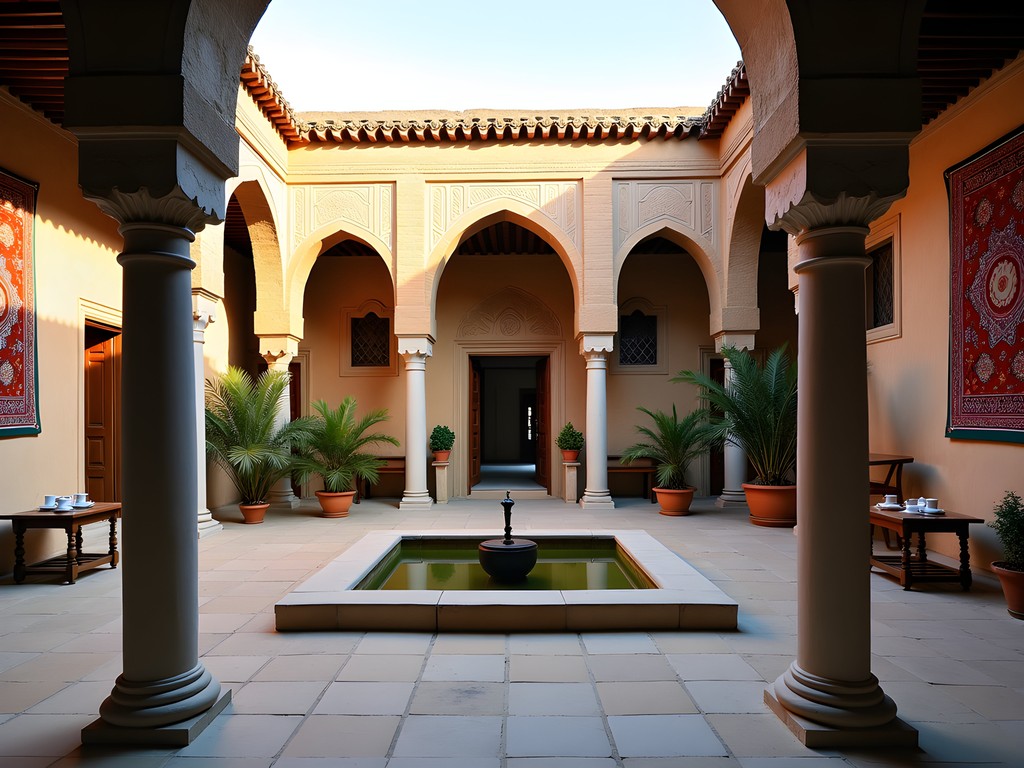
After extensive research, I selected Komil Bukhara Boutique Hotel, a restored 19th-century merchant's home in the historic Jewish quarter. At $30 per night including breakfast, it offered the perfect balance of local character (hand-painted ceilings, traditional courtyard) and practical necessities (reliable hot water, secure entry, in-room safes). The location just 7 minutes' walk from Lyabi-Hauz meant I could easily return midday when the heat became intense.
What made this stay exceptional was the family's involvement—three generations living on-site, with grandmother Zukhra preparing breakfast daily. When she learned of my interest in Uzbek cuisine, she invited me to help prepare breakfast for other guests, teaching me the proper way to serve Bukhara's distinctive green tea with cardamom.
For ultra-budget travelers, Bukhara's hostel scene is developing rapidly. Sarrafon Hostel offers clean dormitory beds from $10/night in another historic building. While I prefer private rooms, I visited for their evening cultural demonstrations and met several solo female travelers who praised the security measures and women-only dorm options.
The most authentic option—homestays—requires advance planning. Through the community tourism initiative Dolma Travel, I arranged a one-night homestay with a family in the nearby village of Gijduvan, famous for its ceramics. For $15, I experienced rural Uzbek life, sleeping on traditional kurpacha mattresses on the floor and using very basic facilities. While this pushed my comfort boundaries, the family's 14-year-old daughter spoke excellent English and ensured I understood cultural expectations.
Regardless of accommodation type, I always apply my safety checklist: secure entry system, emergency exits, working smoke detectors, and clear access paths. Sicherheit geht vor—safety comes first, as we say in German.
💡 Pro Tips
- Request rooms away from street noise and communal areas for better sleep quality
- Confirm in advance if your accommodation accepts credit cards—many smaller guesthouses are cash-only
- Pack a portable door lock for added security in budget accommodations
- Book your first 2-3 nights in advance but remain flexible afterward—negotiating in person often yields better rates for extended stays
Beyond the City: Day Trips for the Adventurous Solo Traveler
While Bukhara itself deserves your full attention, the surrounding Bukhara Region offers enriching day trips that showcase a different side of Uzbekistan. As someone who thrives on diverse experiences, I dedicated two days to exploring beyond the city walls.
My first excursion took me to the Sitorai Mokhi-Khosa, the 'Palace of the Moon and Stars,' located about 6km north of Bukhara. Rather than joining an organized tour, I negotiated with a taxi driver for a half-day rate of 100,000 UZS (approximately $9). The summer palace of the last Emir of Bukhara blends traditional Uzbek design with Russian Imperial influences—a fascinating architectural conversation between East and West that resonated with my own multicultural background.
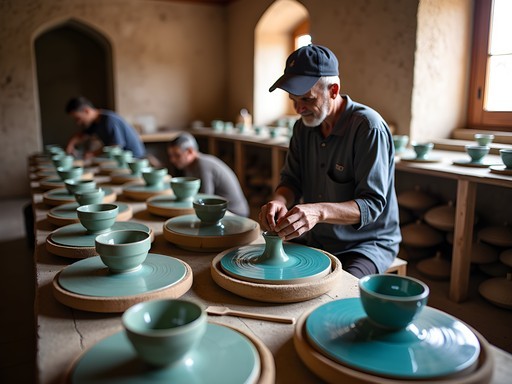
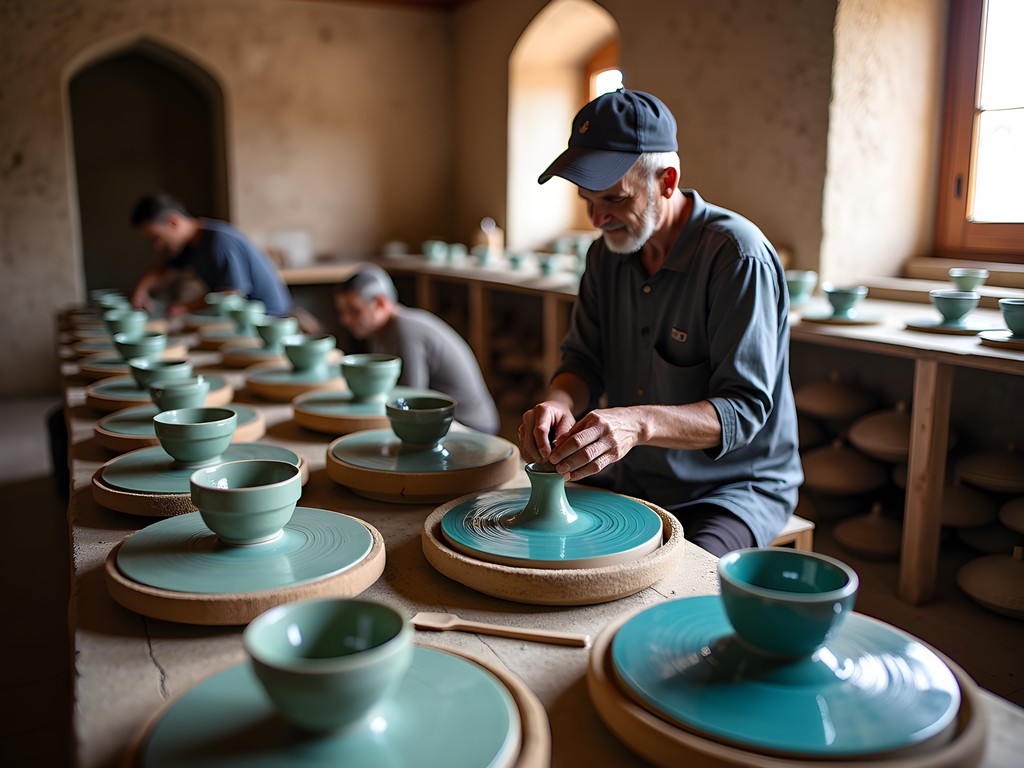
The highlight, however, was my day trip to Gijduvan, a ceramics center 45km from Bukhara. As someone who grew up watching my Mexican grandmother create pottery, I was eager to compare techniques. At the Narzullaev family workshop, sixth-generation master ceramicist Alisher demonstrated their distinctive style using natural pigments and techniques unchanged for centuries. For 150,000 UZS ($14), I participated in a hands-on workshop, creating a small bowl using their signature green and brown glazes.
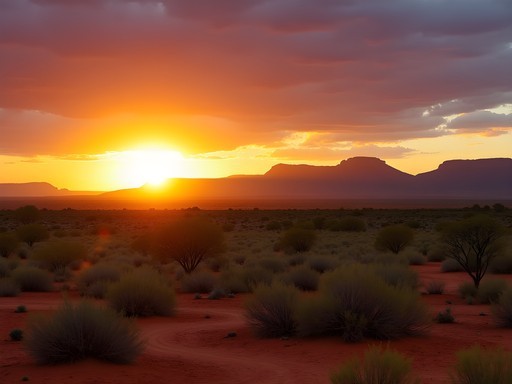
For those seeking nature, the Kyzylkum Desert lies just beyond the city. I arranged a sunset camel trek through my guesthouse (250,000 UZS, about $23) that included transportation to the desert edge and a simple dinner at a yurt camp. As the setting sun painted the dunes in golden hues, our small group of four travelers from different countries shared stories while our guide pointed out desert adaptations that allow life to thrive in this harsh environment.
Safety considerations for day trips require extra attention. I always share my itinerary with my accommodation, travel with sufficient water (the desert heat is unforgiving), and ensure my phone is fully charged with offline maps downloaded. For desert excursions, my sun protection hat with UPF 50+ protection was essential—the Uzbek sun shows no mercy, especially to those of us with mixed heritage skin that burns easily despite its olive tone.
💡 Pro Tips
- Negotiate taxi rates for day trips in advance and confirm whether the driver will wait or return at a specific time
- Combine Gijduvan with a visit to the nearby Vabkent Minaret for an efficient day trip
- Bring twice as much water as you think you'll need for desert excursions
- Consider sharing costs with other solo travelers you meet at your accommodation—I found willing companions through guesthouse bulletin boards
Final Thoughts
As my week in Bukhara drew to a close, I found myself lingering in Lyabi-Hauz plaza, watching the interplay of light on ancient stones that have witnessed centuries of travelers passing through. Bukhara isn't just a destination—it's a transformative experience that rewards the solo female traveler who approaches with respect, preparation, and an open heart. The city challenged my preconceptions about Central Asia and reinforced my belief that safety and adventure aren't mutually exclusive concepts. Whether you're sipping green tea beneath mulberry trees, learning ancient craft techniques from master artisans, or navigating the labyrinthine trading domes, Bukhara offers a journey through time that feels remarkably accessible even on a modest budget. Hasta la próxima, Bukhara—until we meet again. I'll be back, perhaps when the desert blooms in spring, to discover more layers of your ancient story.
✨ Key Takeaways
- Bukhara offers remarkable safety for solo female travelers with basic precautions
- Authentic cultural experiences are found just beyond the main tourist areas
- Budget accommodation options provide both safety and cultural immersion
- Learning basic Uzbek phrases opens doors to meaningful local connections
- The shoulder season (fall) provides ideal weather and fewer crowds
📋 Practical Information
Best Time to Visit
September-October or April-May
Budget Estimate
$30-50/day including accommodation, food, and activities
Recommended Duration
4-7 days
Difficulty Level
Moderate
Comments
freequeen
Really cool post!
vacationseeker
Thanks for this! Adding Bukhara to my list. Did you do the whole Silk Road route or just Uzbekistan? Trying to figure out if I should combine it with other countries in the region.
Jennifer Rodriguez
Just Uzbekistan this time - did Tashkent, Samarkand, and Bukhara over two weeks. But definitely want to add Kyrgyzstan next time!
Amit Sullivan
Wonderful write-up, Jennifer. Bukhara holds a special place in my heart - I've been fortunate enough to visit twice, most recently last autumn. Your emphasis on cultural immersion really resonates. I found that spending time in the smaller neighborhood teahouses, away from the main tourist areas, led to the most meaningful conversations. One elderly gentleman spent an entire afternoon teaching me about the symbolism in traditional suzani embroidery while we drank endless cups of green tea. The Silk Road history there is so tangible. For anyone visiting, I'd also recommend timing your trip for the spring navruz celebrations if possible - the city absolutely comes alive.
skyguide
Really helpful post! I'm planning my first solo trip (also female) and nervous about it. How did you handle the evenings? Did you feel safe walking around after dark or did you mostly stay in?
Jennifer Rodriguez
The historic center felt very safe in the evenings - lots of families out strolling, especially around Lyabi-Hauz. I'd walk to dinner and back without issues. Just used common sense like staying in well-lit areas and letting my guesthouse know where I was going.
freequeen
uzbekistan is super safe honestly, you'll be fine
wanderlustclimber
Love the photos! That blue dome is stunning
skytime
Going there next month!! Any specific guesthouse you'd recommend?
Savannah Walker
Jennifer, this brought back so many memories! I visited Bukhara three years ago and had a similar experience with the incredible hospitality. I stayed with a local family through a homestay arrangement and they invited me to their daughter's engagement party - one of those unexpected moments that makes solo travel so rewarding. The grandmother taught me how to make proper plov and I still use her technique! Your point about the madrasas at sunset is spot on. Did you make it to the Chor Minor? It's a bit off the main circuit but so worth it for that quirky Persian-influenced architecture.
Jennifer Rodriguez
Yes! Chor Minor was such a pleasant surprise. And that homestay experience sounds incredible - those unplanned invitations are truly the best part of traveling solo.
wanderqueen1750
this looks amazing!! quick question - how much russian or uzbek do you need to know to get around?
Jennifer Rodriguez
Honestly, very little! I used a translation app and lots of hand gestures. Most guesthouse owners speak some English, and younger people often do too. Learning hello (salom) and thank you (rahmat) goes a long way though!
wanderqueen1750
perfect thanks!
summerway
Which guesthouse did you stay at? Looking for recommendations with good safety reviews
Jennifer Rodriguez
I stayed at Minzifa and Amulet - both excellent with secure entrances and super helpful hosts. Mentioned more details in the accommodation section!
summerway
awesome thanks
Sophia Gomez
Jennifer, this brought back so many memories! I stayed at a family-run guesthouse near Lyabi-Hauz last year and had the exact same experience with evening tea conversations. The grandmother there taught me how to make proper plov and wouldn't let me leave until I'd eaten three servings. That authentic connection you mentioned - it's what makes Bukhara so special. One tip I'd add: try to time your visit for early morning at the Ark Fortress. The light is incredible and you'll have the ramparts almost to yourself for about an hour after opening.
Jennifer Rodriguez
Yes! Early morning at the Ark is magical. And homemade plov is the best - sounds like you found an amazing place to stay.
Venture X
Premium card with 2X miles, $300 travel credit, Priority Pass