Disclosure: This article contains affiliate links. We may earn a commission from purchases at no extra cost to you, which helps our travel content.
The moment my boat slipped away from Manaus, leaving behind the last vestiges of urban life, I felt that familiar mix of exhilaration and healthy fear that comes with true adventure. Two weeks in the Amazon, solo—no tour group safety net, no preset itinerary handed to me by a travel agent. Just me, my well-researched plan, and the world's largest rainforest stretching out before me like a living, breathing entity with secrets to share. This wasn't my first rodeo in challenging environments, but the Amazon demands a special kind of respect and preparation that I'm excited to share with fellow independent souls.

Preparation: Your Lifeline in the Jungle
I've traveled to over 30 countries, but preparing for the Amazon required a different level of meticulousness. Unlike my usual 'figure it out when I get there' approach that works fine in Berlin or Lisbon, the rainforest demands respect through preparation.
First, health precautions: I visited a travel clinic two months before departure for yellow fever vaccination (required for entry), malaria prophylaxis, and other recommended shots. Don't wait until the last minute—some vaccines need time to become effective.
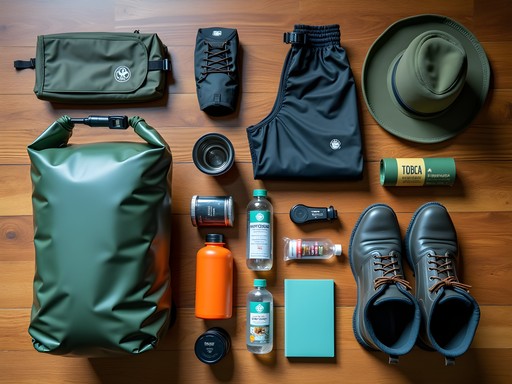
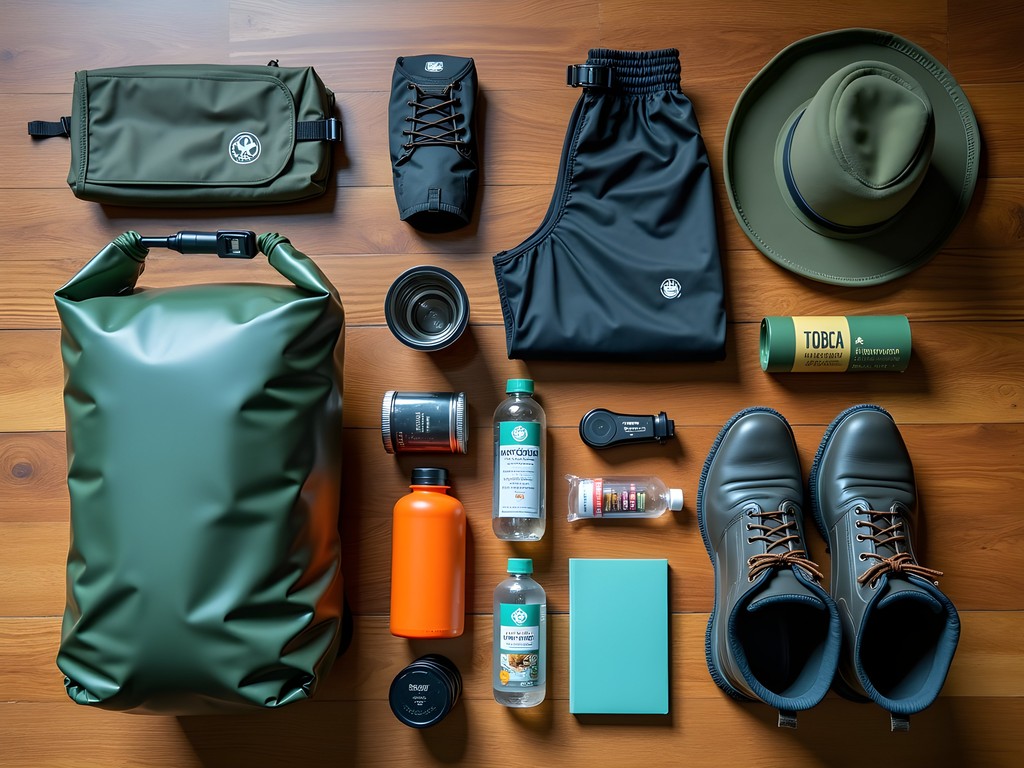
Second, gear selection: The Amazon's humidity will destroy electronics and clothing not designed for extreme conditions. My waterproof dry bag became my most valuable possession, protecting camera equipment and documents. For clothing, I abandoned cotton entirely in favor of quick-dry materials. The insect-repellent clothing was worth every penny—the built-in permethrin treatment kept mosquitoes at bay better than any spray alone.
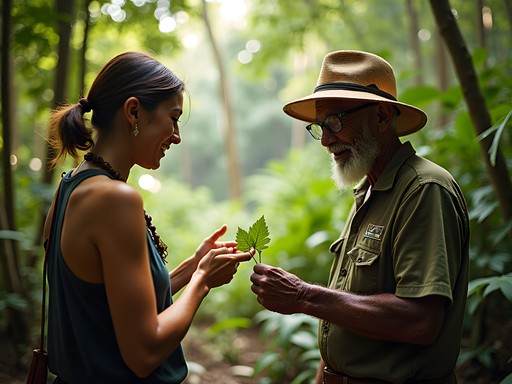
Third, research: I spent weeks connecting with local guides directly through social media rather than booking through large tour operators. This approach saved money and created more authentic connections. Jorge, my primary guide in Tefé, charged half what agencies quoted while providing more personalized experiences.
💡 Pro Tips
- Schedule vaccinations at least 8 weeks before departure
- Test all gear in humid conditions before packing
- Learn basic Portuguese phrases—English is limited outside tourist centers
Base Camps: Strategic Launching Points
Rather than attempting to see everything, I chose three strategic base camps for my Amazon expedition: Manaus, Tefé, and Alter do Chão. Each offered distinct ecosystems and experiences while providing enough infrastructure for solo travelers to regroup and resupply.
Manaus: The gateway to the Amazon and unavoidable starting point. I spent two days here acclimating and purchasing last-minute supplies. The Opera House is worth visiting, but the real highlight was the Meeting of Waters—where the dark Rio Negro and sandy-colored Solimões run side by side without mixing for nearly four miles. Stay at Local B&B for insider connections rather than international chains.
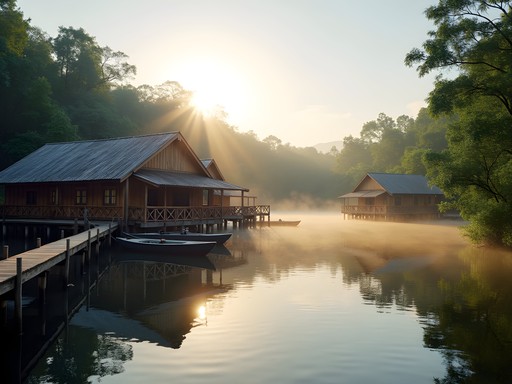
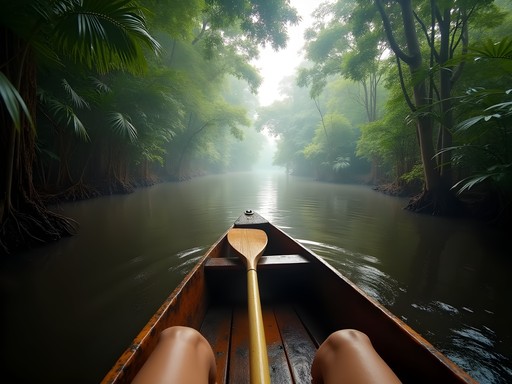
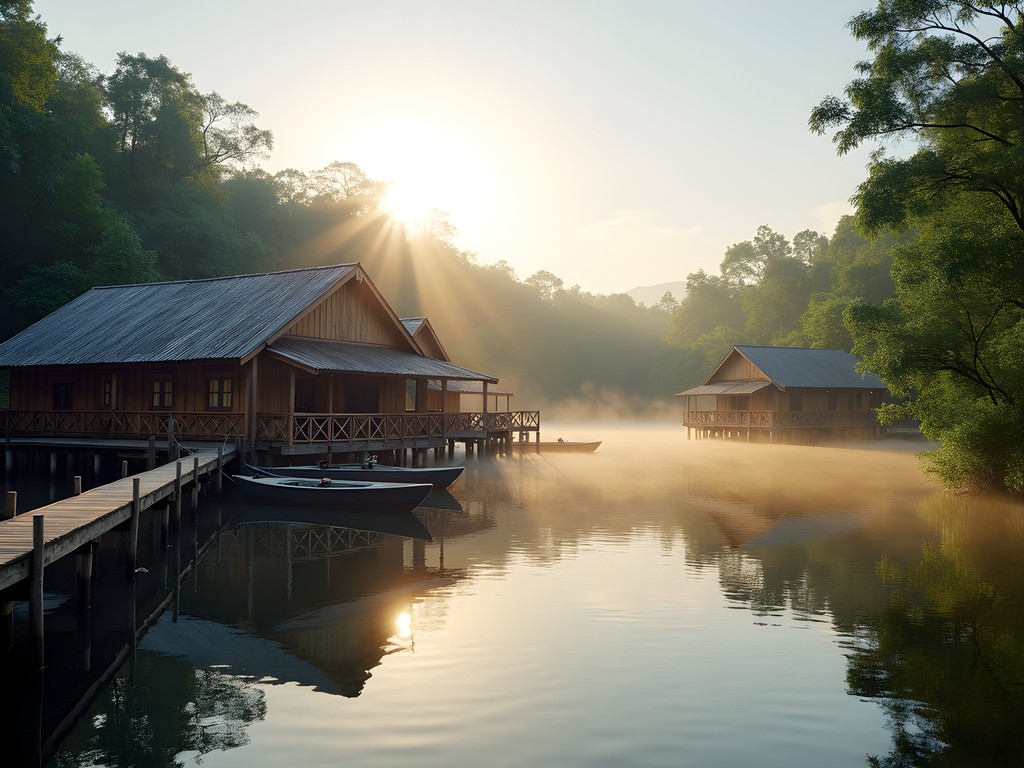
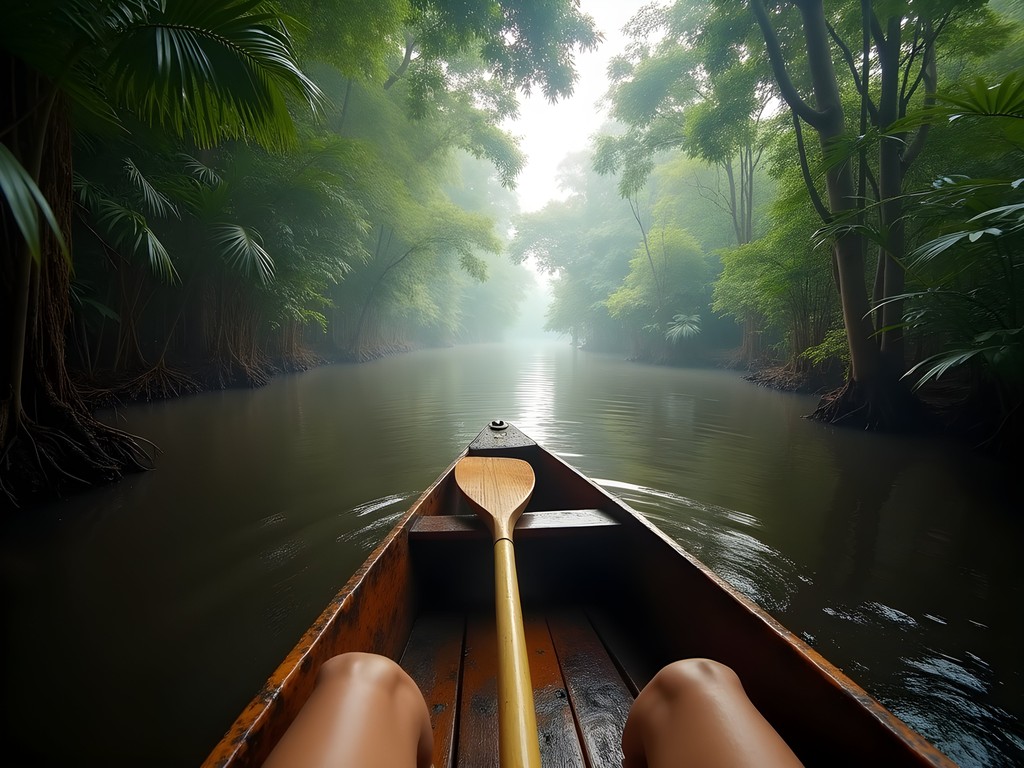
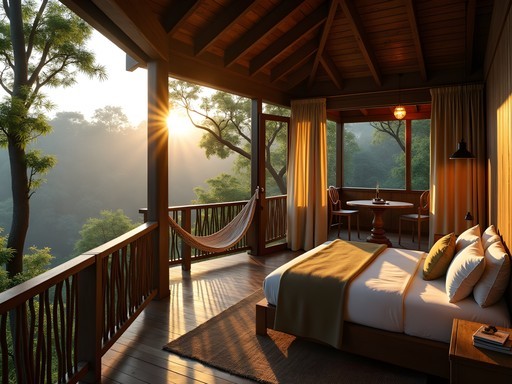
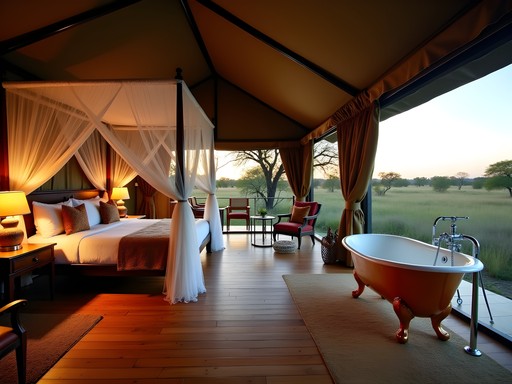
Tefé: This lesser-known town provided access to the Mamirauá Reserve, where I spent five days in a floating lodge watching pink river dolphins and exploring flooded forests by canoe. The remoteness meant fewer tourists and more authentic interactions with ribeirinhos (river dwellers). Here I discovered some of the most interesting coffee cultivation happening in small riverside communities—a delightful surprise for this coffee enthusiast.
Alter do Chão: Often called the 'Caribbean of the Amazon' for its white-sand beaches along the Tapajós River. This was my decompression zone before heading home, offering a gentler transition while still providing access to pristine forest through day trips.
💡 Pro Tips
- Book at least your first night's accommodation before arriving in Manaus
- Bring twice as many ziplock bags as you think you'll need for electronics protection
- Schedule at least one 'buffer day' between major location changes to account for transportation delays
Jungle Coffee Culture: The Amazon's Hidden Brew Scene
You might not associate the Amazon with specialty coffee, but this expedition revealed some of the most interesting coffee experiences I've had in my decades of global coffee exploration. The Amazon's microclimate creates unique growing conditions, and remote communities are developing fascinating cultivation methods adapted to the rainforest environment.
In a small community three hours by boat from Tefé, I discovered families growing coffee under the rainforest canopy—a sustainable agroforestry approach that preserves biodiversity while producing beans with distinctive flavor profiles. My portable coffee grinder allowed me to process these freshly acquired beans each morning, creating a ritual that grounded me throughout the journey.
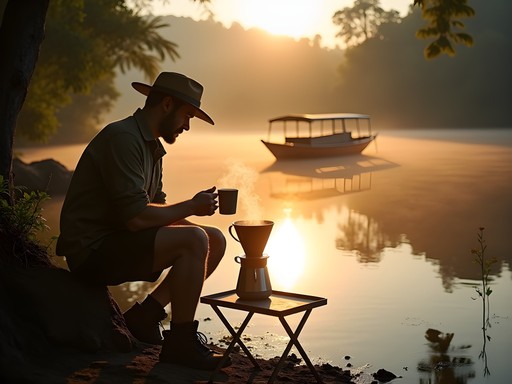
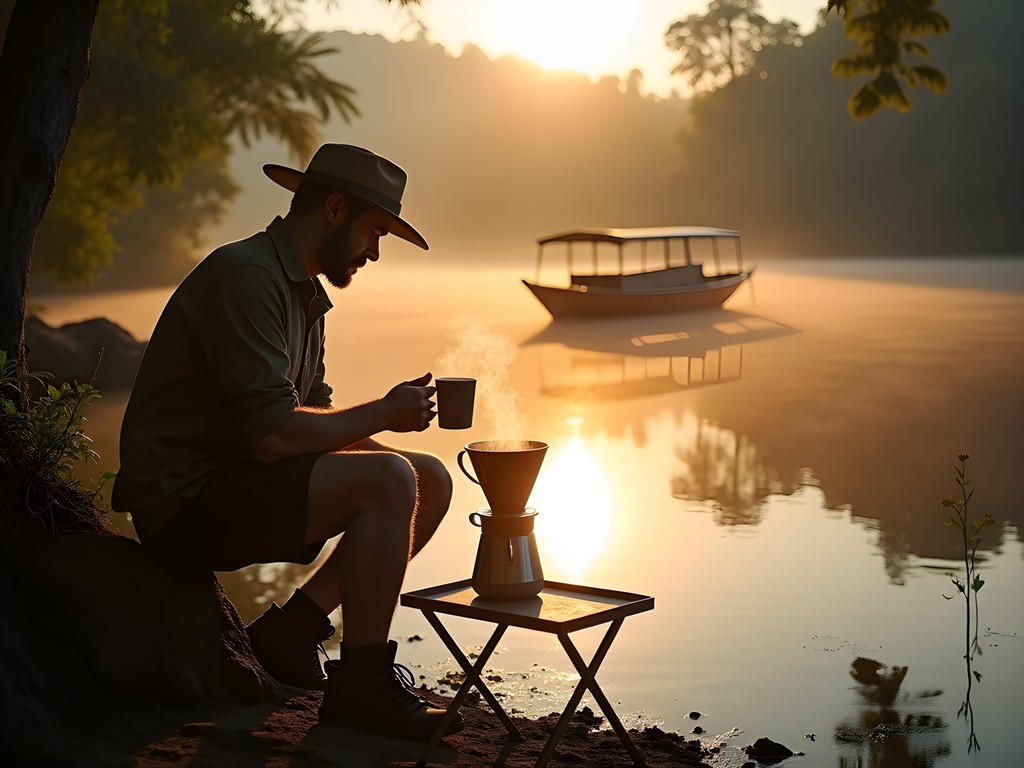
For brewing in remote locations, my compact brewing system proved invaluable—lightweight, nearly unbreakable, and capable of producing exceptional coffee with minimal water. I'd heat river water (after purification, of course) over small cooking fires and enjoy sunrise brewing sessions that attracted curious locals and created natural opportunities for cultural exchange.
The most surprising discovery was a small coffee cooperative near Alter do Chão where indigenous farmers are reviving heirloom varieties thought lost to commercial agriculture. Their beans carry flavor notes of wild berries and chocolate with an earthy undertone that perfectly captures the essence of the rainforest.
💡 Pro Tips
- Bring twice as much coffee as you think you'll need—finding quality beans in remote areas is challenging
- Purchase beans directly from small producers when possible to support sustainable farming
- Carry a water thermometer for optimal brewing—river water heated over fire can easily get too hot and burn delicate Amazonian beans

Indigenous Encounters: Respect and Connection
The most profound experiences of my Amazon journey came through interactions with indigenous communities—encounters that required careful navigation of both logistics and cultural sensitivities.
First, an important disclaimer: authentic interactions with indigenous groups should never be treated as tourist attractions. My connections came through local guides with established relationships and permissions from community leaders. I arranged these through the cultural exchange program that ensures fair compensation and respectful engagement.
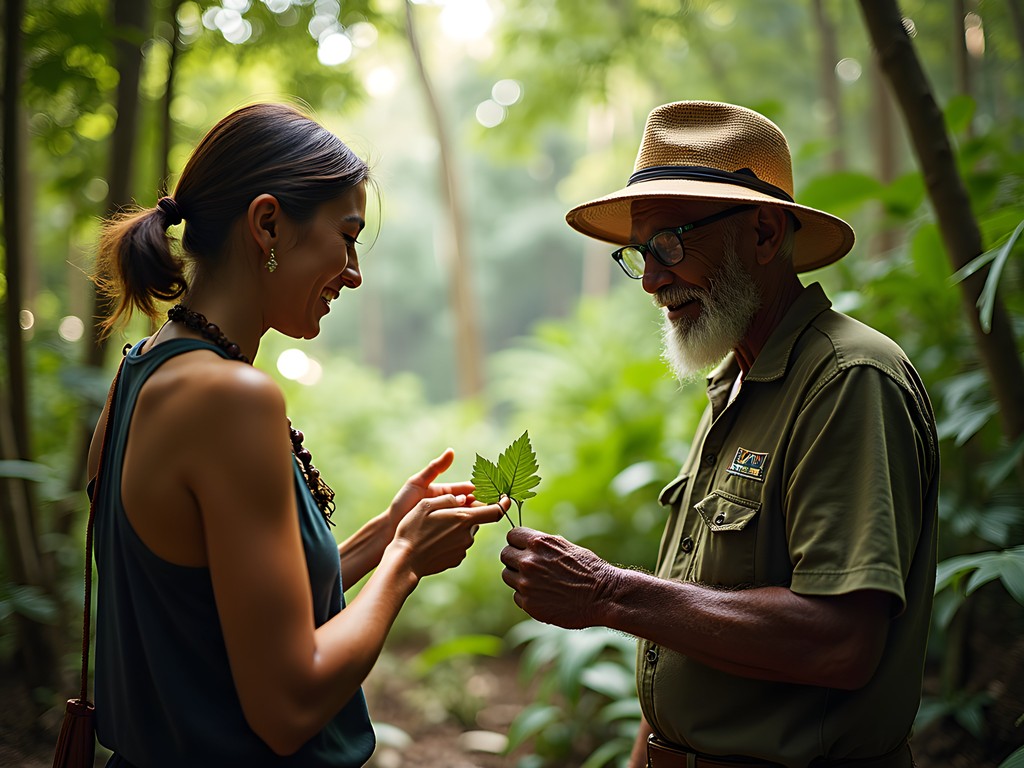
In the Xixuaú-Xipariná Reserve, I spent three days with a Kichwa community learning traditional hunting techniques and forest medicine. Rather than taking photos constantly, I brought a instant photo printer to print and give images to community members—a gesture that broke down barriers and created meaningful souvenirs for both parties.
The key to meaningful cultural exchange was patience. Unlike scheduled tour experiences with manufactured 'authentic moments,' genuine connections required time—sitting quietly, participating in daily activities, and allowing conversations to unfold naturally. Some of my most insightful discussions happened while helping repair fishing nets or preparing manioc flour, tasks where I was clearly the novice and could learn from expert practitioners.
These communities face significant challenges from environmental destruction and encroachment on their lands. As travelers, our responsibility extends beyond respectful visits to advocacy and support for indigenous rights long after we return home.
💡 Pro Tips
- Learn about specific cultural taboos before visiting indigenous communities
- Bring practical gifts that support community needs rather than candy or trinkets
- Ask permission before taking photographs, and show the images to your subjects
Solo Safety: Managing Risks in Remote Areas
Traveling solo in the Amazon requires a delicate balance between embracing adventure and maintaining safety. Throughout my two weeks, I adhered to protocols that kept risks manageable without sacrificing authentic experiences.
Communication was my top priority. I invested in a satellite messenger that allowed text messaging and emergency services even in the most remote locations. This provided peace of mind and allowed me to check in with contacts on a predetermined schedule. The device's weather forecasting feature also proved invaluable for predicting afternoon thunderstorms common in the region.
Medical preparation went beyond basic first aid. My wilderness medical kit included prescription antibiotics (obtained before travel), comprehensive wound care supplies, and treatments for common tropical ailments. I also carried detailed documentation of my blood type, allergies, and emergency contacts laminated and stored in multiple locations.
Navigation redundancy saved me more than once. Beyond smartphone apps, I carried waterproof physical maps and a compass. When my phone succumbed to humidity near Mamirauá despite its protective case, these analog backups guided me until I could dry out my electronics.
Perhaps most importantly, I built a network of local contacts in each area before arrival. From lodge owners to boat captains, having trusted locals who expected me at certain times created an informal safety net that proved more valuable than any piece of gear.
💡 Pro Tips
- Register your itinerary with your country's embassy before departure
- Establish check-in protocols with someone back home—and stick to them
- Carry medications in original packaging with prescription documentation to avoid confiscation
Final Thoughts
As my flight lifted off from Manaus, I pressed my forehead against the window to catch a final glimpse of that endless green canopy stretching to the horizon. The Amazon had changed me in ways I'm still processing—teaching lessons about self-reliance while simultaneously revealing how deeply connected we all are to each other and to the natural world.
Solo travel in the Amazon isn't for everyone. It demands preparation, flexibility, and a comfort with uncertainty that goes beyond typical independent travel. But for those willing to embrace its challenges, the rewards are profound: encounters unfiltered by group dynamics, connections with local communities that unfold at their own pace, and moments of transcendent natural beauty experienced in meditative solitude.
If you're considering this journey, start preparing now. Build your skills, research thoroughly, and approach the rainforest with equal measures of confidence and humility. The Amazon doesn't yield its secrets to passive observers or rushed itineraries—it reveals itself to those patient enough to listen, resilient enough to adapt, and curious enough to venture beyond the familiar. The coffee will be waiting for you at sunrise, steam rising from your cup as the jungle awakens around you.
✨ Key Takeaways
- Preparation is non-negotiable—research thoroughly and build skills before departure
- Local connections provide both safety and authentic experiences impossible to find through large tour operators
- Balance self-reliance with humility—know when to trust your judgment and when to defer to local expertise
- The most meaningful experiences often happen in unplanned moments between scheduled activities
📋 Practical Information
Best Time to Visit
June to November (dry season)
Budget Estimate
$2,500-$4,000 for two weeks (excluding flights)
Recommended Duration
Minimum 10 days, ideally 14-21 days
Difficulty Level
Challenging
Comments
Douglas Bradley
Lars, your section on indigenous encounters really resonated with me. During my time in the Amazon, I found that bringing small practical gifts rather than money created much more meaningful connections. Learning even basic Tupi or Portuguese phrases opened so many doors. I'd add that timing is everything - visiting during community-approved hours and never showing up unannounced made all the difference in how I was received. The respect-first approach you outlined is absolutely the way to go. Did you find certain communities more open to independent travelers than others?
tripguy
This is super helpful! Any phrase resources you'd recommend? My Portuguese is basically non-existent lol
Douglas Bradley
I found that a pocket phrasebook was actually more reliable than apps since charging is limited. Focus on respectful greetings, asking permission, and basic needs. The effort matters more than perfect pronunciation!
tripguy
That jungle coffee culture part sounds fascinating! Did you find any local beans worth bringing back home? Planning my own Amazon trip for next summer and would love to know what to look for.
Douglas Bradley
Not Lars, but I visited the Amazon last year and found some incredible coffee near Tefé. Look for beans from the riverside communities - they have this unique earthy-fruity profile you can't find anywhere else. Definitely worth the extra weight in your pack!
tripguy
Thanks man! Any specific communities I should ask about?
Douglas Bradley
The Uarini area had my favorites. Just bring a good waterproof bag - humidity is no joke for keeping coffee fresh. I used my dry bag and it worked perfectly.
sunsetguide
What time of year did you go? I'm trying to figure out the best season for this kind of trip. Also your photos are amazing - did you have issues with humidity damaging your camera gear?
journeyphotographer
YES to everything in this post!! Did a similar trip in 2024 and honestly it changed my perspective on travel completely. The jungle is humbling in ways cities never are. Quick tip for anyone planning this - bring way more memory cards than you think you need. The wildlife photography opportunities are insane but you're often days away from anywhere to buy supplies. Also that healthy fear you mentioned Lars? That's real. Respect the jungle and listen to local guides always. The moment you get cocky is when things go wrong. Can't wait to go back!
luckyperson
Good call on the memory cards!
Riley Griffin
Lars, this brings back memories! We took our kids to Costa Rica's rainforest a few years back and it was transformative, but I'll be honest - the Amazon feels like a whole different level. I'm curious about your indigenous encounters section. We always try to teach our kids about respecting local cultures when we travel, and I'd love to know more about how you approached those interactions. Were they arranged through guides or more spontaneous? The coffee culture bit also caught my eye - never would have thought about specialty coffee in the jungle!
sunsetguide
I wondered the same thing about the indigenous encounters. Want to be respectful if I go
exploremood
Really interested in this but a bit nervous about going solo. How safe did you actually feel out there? And did you need to speak Portuguese to get around or can you manage with English?
journeyphotographer
Not Lars but I did something similar last year - basic Portuguese helps a LOT but you can get by. Download offline translation apps for sure
exploremood
Thanks! That's helpful
luckyperson
This looks incredible! Always wanted to visit the Amazon
escaperider
Those boat photos are incredible! Did you really see that many macaws at once? I'm heading to Manaus in January and wondering if I should book accommodations in advance or wing it when I arrive?
globeone
Not Lars but definitely book your first few nights in Manaus in advance. Once you're there, you can find better deals on jungle tours in person than online. The clay licks for macaw watching are seasonal though - check with locals about best viewing times!
escaperider
Thanks for the tips! Can't wait to see those macaws in person.
Jean Wells
Lars, your section on indigenous encounters resonates deeply with my experiences in remote regions. The protocol you outlined for requesting permission before visiting communities should be required reading for all travelers. I've witnessed too many tourists barging into villages with cameras blazing. Your approach of bringing small practical gifts rather than candy was spot-on. One addition I'd make: consider bringing a water purifier as bottled water creates a terrible waste problem in these ecologically sensitive areas. I've used mine across five continents and it's especially valuable in the Amazon where plastic disposal is challenging.
backpackfan
Jean - thanks for that tip! I'm planning my first big solo trip and the Amazon is on my bucket list. Did you find it intimidating as a solo traveler?
Jean Wells
Not intimidating if you prepare properly! Start with shorter guided excursions before attempting anything independent. The key is finding reliable local contacts before you arrive.
globeone
Did a similar trip last year but only for a week. Your two-week itinerary hits so many spots I missed! Those base camps you mentioned at Tefe and Mamirauá were game-changers for me too. The local guides there knew exactly where to spot pink dolphins at dawn. One tip for others: bring twice as many socks as you think you need - the humidity means nothing ever fully dries. Also, learning even basic Portuguese phrases opened so many doors with locals that I wouldn't have experienced otherwise.
Venture X
Premium card with 2X miles, $300 travel credit, Priority Pass