

Disclosure: This article contains affiliate links. We may earn a commission from purchases at no extra cost to you, which helps our travel content.
The midnight sun cast an ethereal glow across the Arctic landscape as I stepped off the train at Abisko Turiststation. The station's humble appearance belied the magnificent wilderness that lay beyond - a pristine expanse of tundra, mountains, and crystal lakes that would be my playground for the next week. Having navigated remote corners from Kenya's Masai Mara to Colombia's lost cities, I'm no stranger to solo adventures, but there's something uniquely empowering about standing alone beneath Lapland's infinite summer sky, where darkness never falls and possibilities seem equally limitless.

Preparing for Lapland's Wilderness
Let's be real - Abisko may be accessible by train, but this is still the Arctic Circle we're talking about. Preparation isn't just recommended; it's essential for solo travelers, particularly women navigating this remote landscape alone.
My PR career has taught me that thorough research is the foundation of any successful venture. The same applies here. Before arriving, I spent weeks studying trail maps, weather patterns, and connecting with female travelers who'd ventured here before me. The Abisko terrain demands respect - with rapidly changing weather and limited services once you're on the trails.
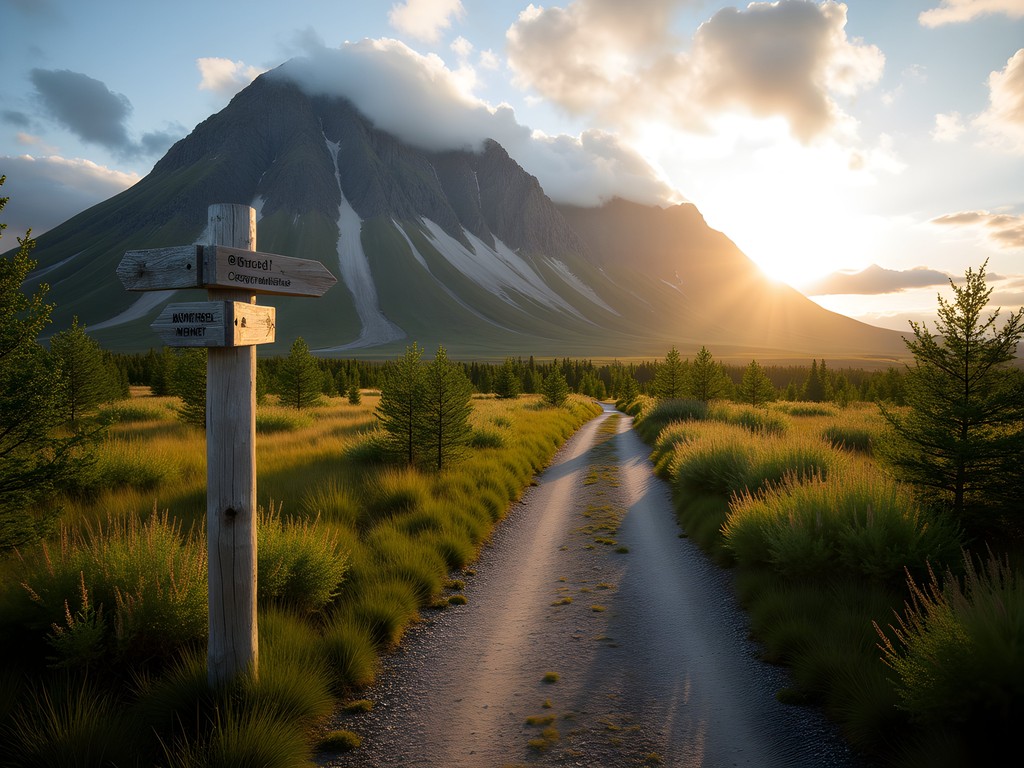
Gear selection makes or breaks an Arctic adventure. My hiking boots proved invaluable on the rocky sections of Kungsleden (King's Trail), providing ankle support while keeping my feet dry through boggy patches. Layers are your best friend here - I packed my trusty merino base layers which regulated temperature beautifully even when I worked up a sweat climbing to Njullá mountain's panoramic viewpoint.
💡 Pro Tips
- Download offline maps of Abisko National Park through the Naturkartan app before arrival
- Register your hiking plans with STF Abisko Mountain Station staff, especially for solo travelers
- Pack a portable water filter - streams are plentiful but not all are safe to drink directly
Navigating the Midnight Sun: Sleep Strategies & Hiking Tips
Nothing prepares you for the disorienting magic of 24-hour daylight. As someone who typically relies on darkness to reset, the perpetual sunlight of Abisko's summer challenged my entire relationship with time. My internal rhythm, usually attuned to Berlin's electronic club beats, struggled to find its tempo in this sunlit symphony.
By day three, I developed a system: blackout eye mask (the sleep mask became my non-negotiable companion) and earplugs transformed my cabin into a cocoon of darkness. I scheduled my hikes during 'night' hours when most tourists retreated to their accommodations, giving me solitude on even the most popular trails.
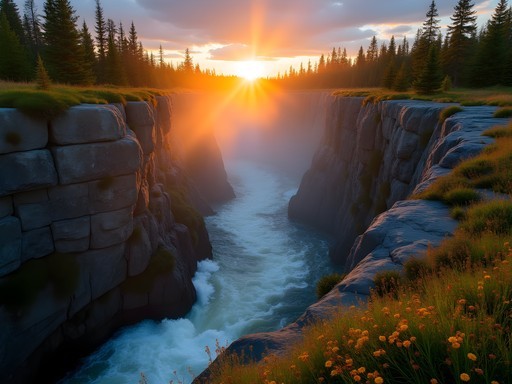
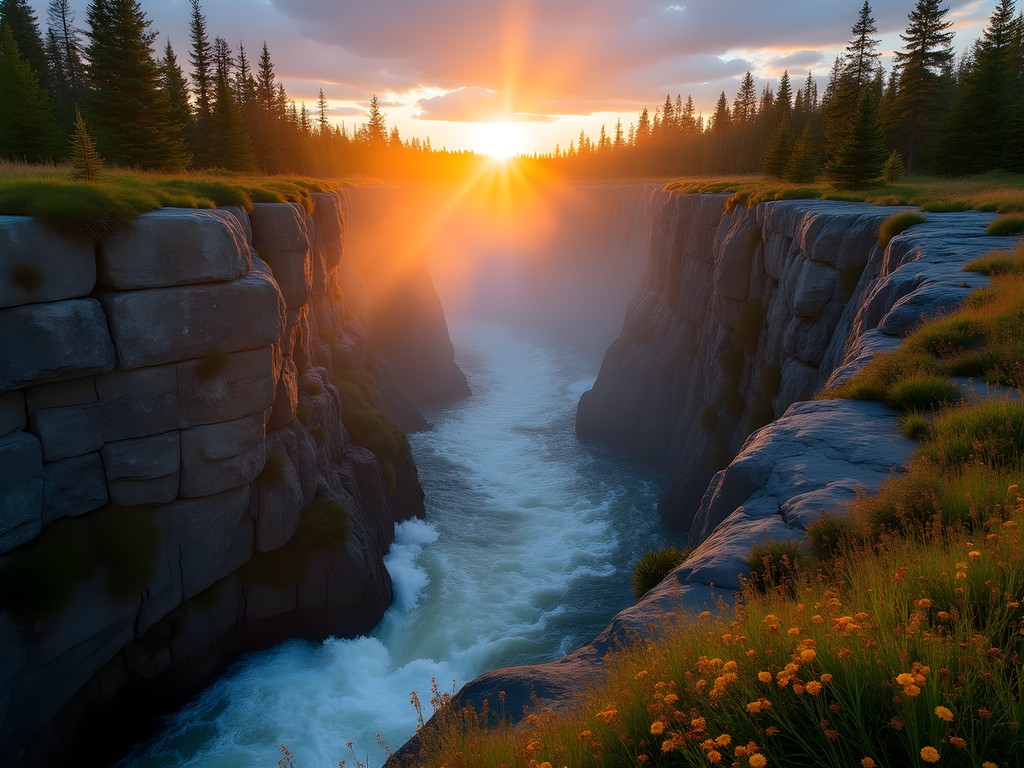
The midnight hiking experience is transcendent - the golden light bathes the landscape in warm hues, wildlife emerges, and the usual crowds thin dramatically. The Abisko Canyon trail, often bustling during conventional hours, became my private meditation space around 1 AM. The silence, broken only by the rushing waters below and occasional reindeer rustling, created a connection to the landscape that felt almost spiritual.
For solo female travelers concerned about safety, the perpetual daylight actually provides an unexpected advantage - no dark corners, no navigation challenges after sunset, and generally more visibility throughout your adventure.
💡 Pro Tips
- Establish a strict sleep schedule despite the constant daylight to avoid fatigue
- Carry a lightweight trekking poles for stability on uneven terrain
- Hike popular trails between midnight and 4 AM for a more solitary experience
Connecting with Sami Culture: Respectful Engagement
My experiences with Kenya's Maasai communities taught me that authentic cultural exchange requires patience, respect, and genuine curiosity. The same holds true when engaging with the indigenous Sami people of Lapland, whose ancestral lands you're traversing in Abisko.
Rather than viewing cultural experiences as items to check off a travel list, I sought meaningful connections through the Nutti Sámi Siida cultural center just outside the park. Here, I learned about reindeer husbandry practices that have sustained Sami communities for generations, their ongoing land rights struggles, and the impacts of climate change on traditional lifeways.
A guided foraging walk with a local Sami guide revealed the medicinal and culinary uses of Arctic plants I'd been hiking past without recognition. The knowledge of how to harvest Arctic cloudberries (rare summer delicacies) without damaging future growth demonstrated a relationship with the land built over centuries.
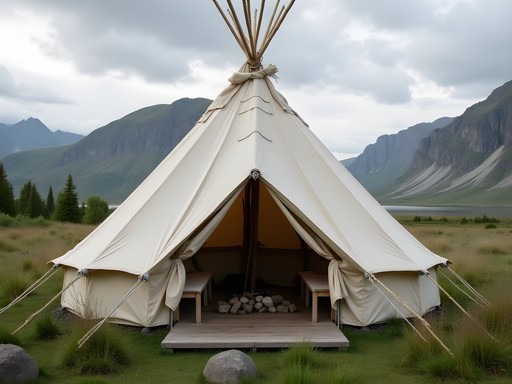
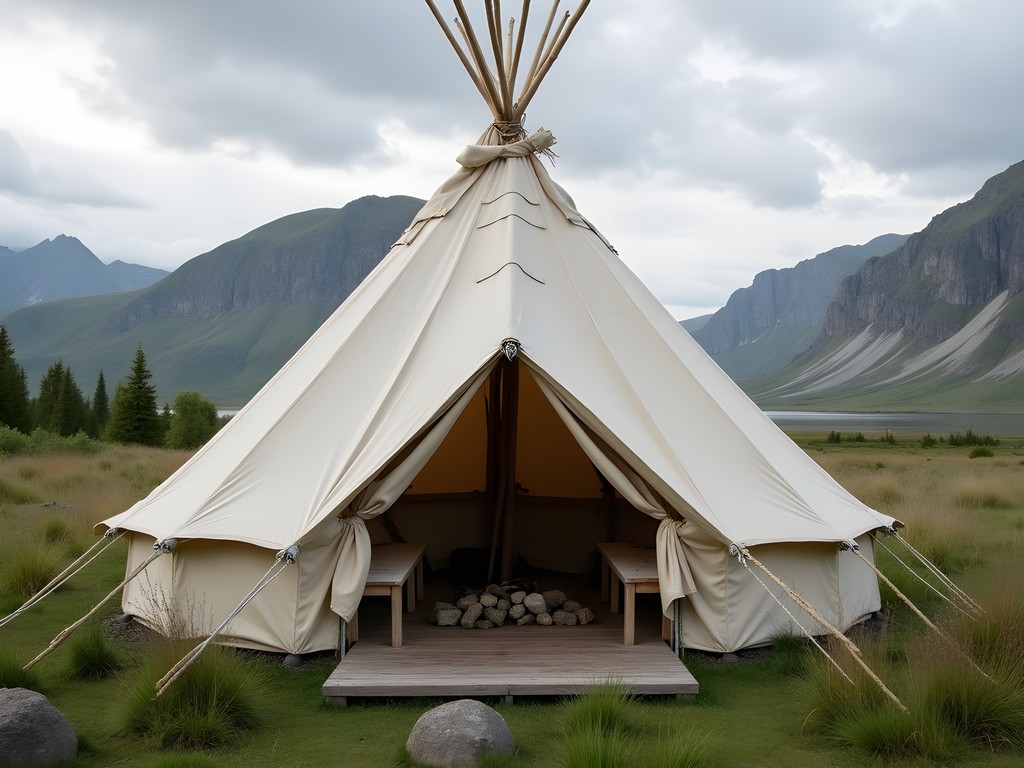
For accommodation, I split my time between the convenience of STF Abisko Mountain Station and two nights at a traditional Sami lavvu (similar to a tipi) experience. The lavvu stay, while more rustic without modern amenities, provided insights into traditional dwelling designs perfectly adapted to Arctic conditions. Bring your sleeping bag as bedding is minimal, focusing on authentic experience rather than luxury.
💡 Pro Tips
- Ask permission before photographing Sami people or their reindeer herds
- Purchase authentic handicrafts (duodji) directly from Sami artisans rather than gift shops
- Learn basic phrases in Northern Sami as a sign of respect - 'Bures' (hello) and 'Giitu' (thank you) go a long way

Solo Hiking the Kungsleden: Safety & Trail Recommendations
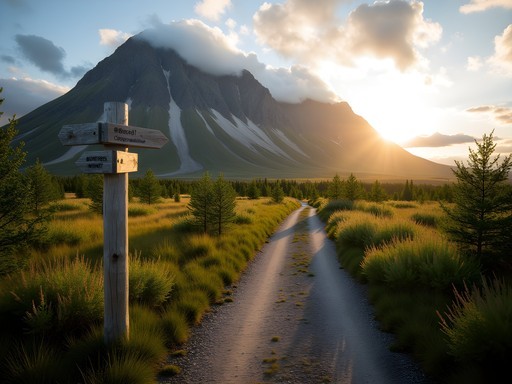
The Kungsleden (King's Trail) is Sweden's most iconic long-distance path, and while I didn't tackle its entire 440km length, the Abisko section provided the perfect sampler for solo adventurers. The trail infrastructure here strikes that rare balance between wilderness immersion and accessibility that makes it ideal for independent female travelers.
The well-marked path from Abisko Mountain Station to Abiskojaure cabin (about 15km) serves as an excellent day hike or first overnight trek. The terrain varies from gentle forest paths to rocky ascents, but nothing requires technical skills beyond basic fitness and determination. I tracked my journey using the GPS watch which provided peace of mind with its tracking features and impressive battery life.
Solo hikers should utilize the Swedish Tourist Association (STF) cabin system - these basic but comfortable mountain huts spaced along the trail offer safety, community, and shelter without sacrificing the wilderness experience. Each evening, these cabins transform into impromptu international gatherings where solo travelers naturally find community around shared meals and experiences.
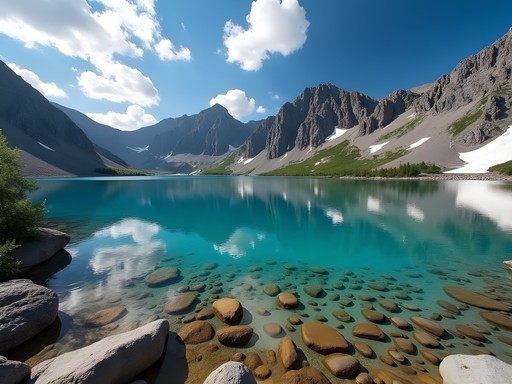
For day hikes, I cannot recommend the trail to Trollsjön (Troll Lake) enough. This emerald gem nestled in a dramatic cirque offers the clearest water I've ever seen - so clear that depth perception becomes challenging. The 9km trail from Kårsavagge provides constant visual rewards with moderate effort, perfect for acclimatizing to the terrain.

💡 Pro Tips
- Carry the personal locator beacon when hiking solo beyond cell coverage
- Book STF cabin beds in advance during peak season (June-August) as they fill quickly
- Pack lightweight microspikes even in summer - snow patches can persist on higher elevations
Packing Essentials for Arctic Summer Adventures
My years of backpacking across climate extremes taught me that packing for the Arctic summer requires a counterintuitive approach - you need both sun protection and cold weather gear, often within the same day. Temperature swings in Abisko can be dramatic, with pleasant 65°F (18°C) afternoons plummeting to near-freezing nights, even in July.
Layering becomes your superpower. I built my system around a moisture-wicking base layer, insulating mid-layer, and waterproof outer shell. My down jacket packed small but provided essential warmth during chilly morning starts and evening winds. For rain protection (a frequent visitor in the mountains), my rain jacket proved worth every ounce of its weight.
Bug protection is non-negotiable. The infamous Arctic mosquitoes and midges are no exaggeration - they gather in clouds during calm evenings. Beyond standard repellent, I recommend a head net for evenings by the lake and a permethrin-treated long-sleeve shirt for hiking.
Technology requires special consideration in the remote Arctic. My solar charger harnessed the endless daylight to keep devices powered, while a waterproof case protected my camera from the frequent rain showers that sweep through without warning.
Finally, don't underestimate the power of quality footwear. The boggy sections of trail demand waterproof boots, while the rocky portions require solid ankle support. This is not the place to compromise on your hiking boots.

💡 Pro Tips
- Pack a dedicated set of dry sleeping clothes that never leave your backpack except for sleeping
- Bring high-calorie, lightweight snacks - your body burns more energy in the Arctic environment
- Include a repair kit with duct tape, needle and thread - gear repairs are challenging in remote areas
Final Thoughts
As my train pulled away from Abisko Turiststation, I watched the landscape that had been my home for a week slowly recede into the distance. The midnight sun still hung in the sky, casting that same ethereal glow that had greeted me seven days earlier. But I was leaving changed - carrying with me not just memories of breathtaking vistas and pristine wilderness, but a deeper appreciation for the resilience required to thrive in this Arctic environment.
For the solo female traveler, Abisko offers something increasingly rare in our hyperconnected world: genuine wilderness that remains accessible. The well-maintained trails, cabin system, and summer daylight create a unique environment where independence is rewarded with profound natural encounters and personal growth.
The rhythms of this landscape - from the patient Sami reindeer herders who've sustained their culture for generations to the persistent Arctic flora that flourishes despite harsh conditions - remind us that adaptation and respect for natural systems are not just admirable qualities but essential ones.
So pack your layers, lace up your boots, and step into the land of the midnight sun. The trails of Abisko await, ready to challenge and transform you, one solo step at a time.
✨ Key Takeaways
- Abisko offers an ideal balance of wilderness immersion with enough infrastructure for solo safety
- The midnight sun creates unique opportunities for solitary hiking experiences at unusual hours
- Engaging respectfully with Sami culture adds essential context to your wilderness experience
- Proper gear and preparation enable confident solo exploration of this Arctic environment
- The STF cabin system provides both safety and community for solo travelers
📋 Practical Information
Best Time to Visit
Mid-June to mid-August for midnight sun; September for autumn colors and Northern Lights
Budget Estimate
$100-150/day including accommodation, food and activities
Recommended Duration
5-7 days
Difficulty Level
Moderate To Challenging
Comments
Sarah Powell
Great post, Chase! I did Abisko solo last summer and completely agree about the Sami culture section - it's so important to be respectful and not treat it like a tourist attraction. One thing I'd add: the mosquitoes in July/August can be INTENSE on the trail. I underestimated this badly. Also curious - did you do the chairlift up to Njullá? The views from there are absolutely stunning and it's an easy add-on for people who might not be up for the full Kungsleden hike.
Chase Harper
Yes! I did the chairlift on my last day - should have mentioned it. And oh my god the mosquitoes, you're so right. I had bug spray but still got destroyed on some sections near water.
happyzone
how did you actually sleep with the midnight sun?? going in july and kinda worried about this lol
Chase Harper
Honestly it took me 2-3 nights to adjust! I brought a sleep mask which helped a ton. The STF cabins have pretty decent curtains but light still seeps in. My advice - embrace it the first few days and just nap when you're tired. Your body adapts!
happyzone
ok good to know, thanks!!
smartlover
Thanks for sharing this! Definitely inspired me to finally book that Sweden trip 🇸🇪
greenlife
Planning a trip for next summer - is it better to go in June or August? Worried about mosquitoes...
Chase Harper
August! Early summer the mosquitoes are absolutely brutal. By August they've calmed down significantly and the weather is usually more stable too.
Kimberly Murphy
LOVE this Chase!! I hiked the Kungsleden back in 2023 and it absolutely changed my life. Your safety tips are spot on - I'd add that even in summer, weather can turn quickly up there. I got caught in a surprise snowstorm in July! Also, the STF huts along the trail are brilliant for solo travelers. You meet the most amazing people from all over the world. The community vibe is incredible. Did you make it all the way to Nikkaluokta or just do sections?
mountainmood
Snow in July?? That's wild
Kimberly Murphy
Right?! Arctic weather is no joke. Always pack layers!
beachbackpacker
Your photos are stunning! Really captured the vibe
Jean Wells
Excellent write-up, Chase. I visited Abisko in winter 2024 for the Northern Lights and found the infrastructure surprisingly well-developed for such a remote location. Your point about respectful engagement with Sami culture is crucial - too many travelers treat indigenous communities as photo opportunities rather than living cultures. Did you have the chance to visit the Sami Parliament in Kiruna? I found their exhibits provided essential context that enhanced my understanding of the region's complex history and contemporary challenges.
Chase Harper
I didn't make it to Kiruna this trip but that's definitely on my list for next time! Completely agree about the cultural sensitivity piece - it's so important.
globerider3090
How did you deal with the midnight sun sleep-wise? Did you actually get any rest or were you just wired the whole time lol
Chase Harper
Great question! I brought a good sleep mask and blackout curtains for my cabin. First couple nights were rough but you adjust. The energy you get from 24hr daylight is actually amazing though!
smartlover
I used a silk sleep mask when I was in Norway during summer - total game changer for midnight sun!
mountainmood
This looks absolutely incredible!! Adding to my bucket list right now 😍
photolife
Your aurora shots are incredible! What camera settings did you use? Planning a winter trip and really want to capture them like you did!
photolife
Perfect, thanks so much for the tips! Can't wait to try these settings.
Chase Harper
Thank you! For aurora shots I used f/2.8, ISO 1600-3200, and 15-20 second exposures. Bring a sturdy tripod and remote shutter release - and don't forget extra batteries, they drain fast in the cold!
Venture X
Premium card with 2X miles, $300 travel credit, Priority Pass