
Disclosure: This article contains affiliate links. We may earn a commission from purchases at no extra cost to you, which helps our travel content.
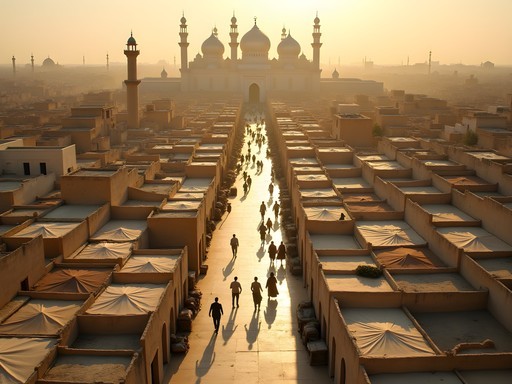
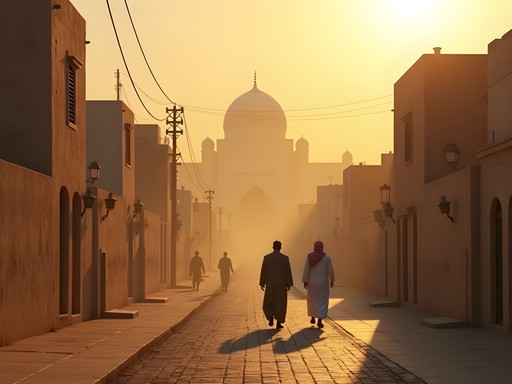
The call to prayer echoes across Medina's skyline as I adjust my lightweight travel scarf and step into the labyrinth of the city's ancient souks. The familiar scent of frankincense immediately transports me back to my first visit years ago. There's something about market culture that transcends borders – whether I'm in the vibrant night markets of Thailand or here in the holy city of Medina, that same electric energy of commerce and connection pulses through the air. After years of guiding travelers through markets worldwide, I've finally returned to what might be the most historically significant marketplace in the Islamic world. This time, I'm here to share how couples can experience the perfect blend of luxury shopping and cultural immersion in a city where tradition and modernity exist in remarkable harmony.

Understanding Medina's Market Culture
Medina's markets are not merely places of commerce – they're living museums where centuries of tradition continue to unfold daily. Having spent years analyzing human movement patterns along borders, I can't help but observe how the flow of people here follows ancient pathways established by traders centuries ago.
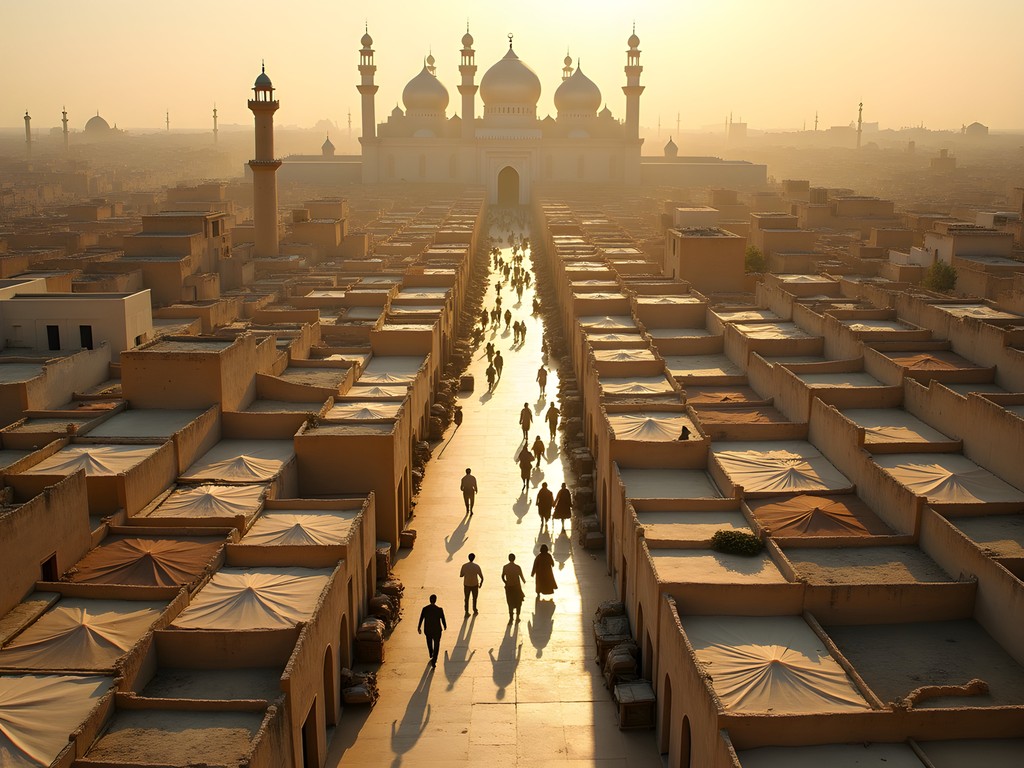
The souks near Al-Masjid an-Nabawi (the Prophet's Mosque) form the historical and spiritual heart of Medina's market culture. Unlike the more tourist-oriented bazaars in cities like Istanbul or Marrakech, Medina's markets maintain an authenticity that stems from their continued importance to local life.
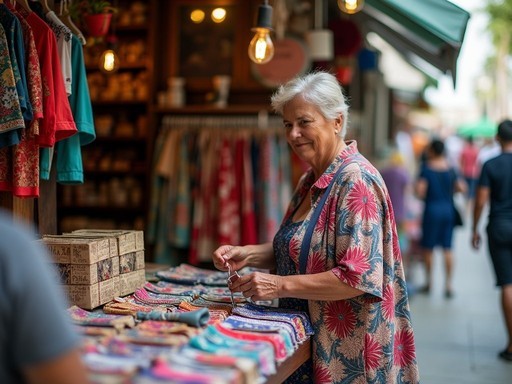
As a visitor with Māori heritage, I'm particularly drawn to how indigenous craft traditions are preserved here. The intricate patterns in local textiles remind me of the tukutuku panels my grandmother once taught me to appreciate – different cultural expressions but similar in their preservation of identity through craft.
Visitors should understand that markets here operate on a rhythm dictated by prayer times. Shops close briefly during each of the five daily prayers, creating natural pauses in your shopping experience. Rather than seeing this as an inconvenience, embrace it as part of the cultural immersion. These moments of stillness in otherwise bustling markets offer rare opportunities for reflection.
💡 Pro Tips
- Learn basic Arabic greetings to establish rapport with vendors
- Visit markets after Asr prayer (mid-afternoon) when temperatures are more comfortable and shops are fully open
- Observe local dress customs – modest attire is essential regardless of your personal beliefs
Navigating the Ancient Souks
My security background has taught me to maintain situational awareness in crowded spaces, a skill that serves me well in Medina's ancient souks. These historic markets can initially seem overwhelming, but there's an underlying order once you understand their organization.
The souks are generally arranged by product type – spices, textiles, gold, and perfumes each have their dedicated areas. This traditional organization makes comparative shopping easier once you orient yourself. I recommend starting at Al-Aghawat Street market, which offers a more relaxed introduction before venturing into the denser commercial areas.
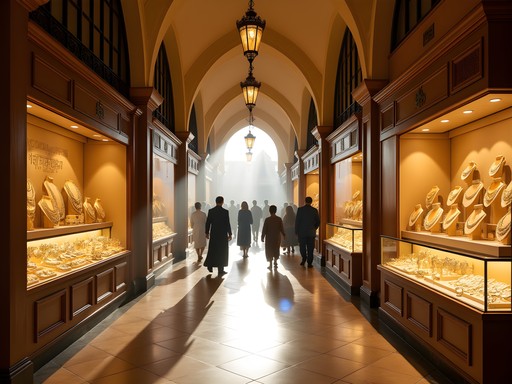
For couples seeking luxury experiences, the gold and jewelry souks present extraordinary craftsmanship. The intricate designs reflect centuries of artistic tradition, with many pieces incorporating Islamic geometric patterns that tell visual stories. When examining gold items, I always carry my jeweler's loupe to inspect craftsmanship – an essential tool that has saved me from numerous purchasing mistakes worldwide.
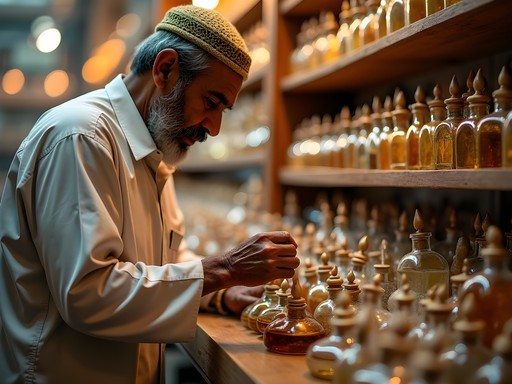
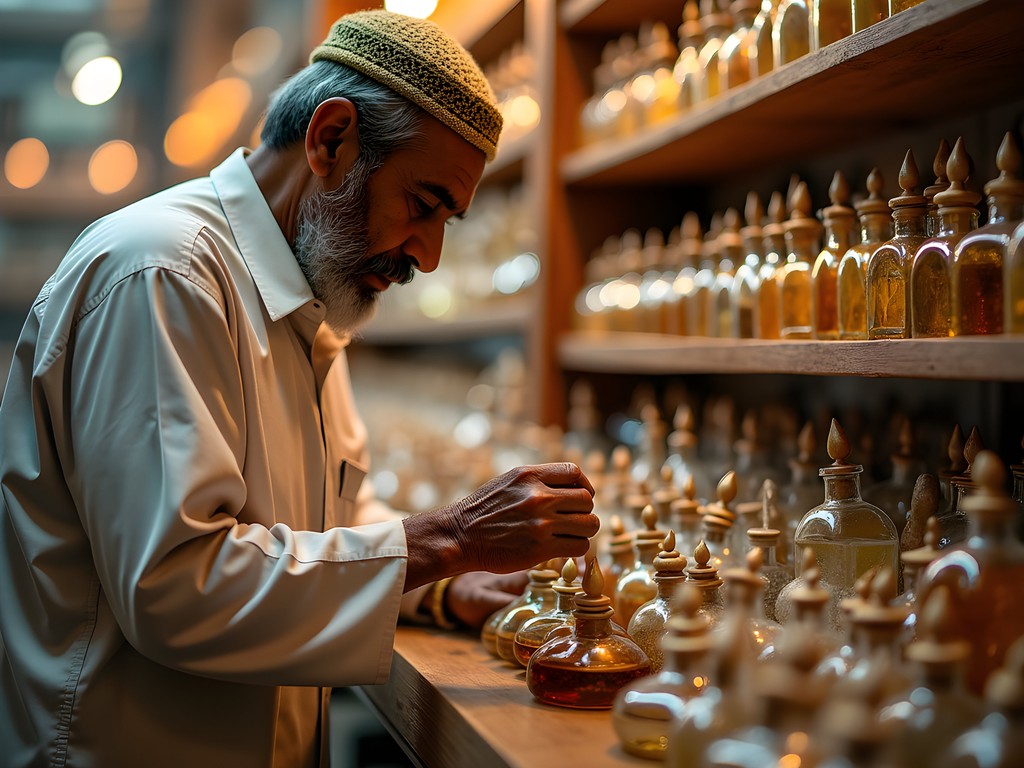
The perfume souks deserve special mention. Here, master perfumers create custom scents using traditional methods passed down through generations. The experience of having a fragrance blended specifically for you and your partner makes for both a memorable activity and a unique souvenir that will transport you back to Medina with each subtle whiff.
When navigating these ancient pathways, remember that the most authentic sections are often those furthest from major tourist entry points. Follow where the locals shop, and you'll discover the true heart of Medina's commercial traditions.
💡 Pro Tips
- Use Google Maps offline feature to mark your starting point before entering the maze-like souks
- Shop with your eyes first – complete a full circuit before making purchases to compare quality and prices
- Visit the gold souks even if not purchasing – the craftsmanship alone is worth witnessing
The Art of Haggling with Respect
My dual heritage as both Māori and Pākehā has taught me the importance of approaching commercial interactions with cultural sensitivity. In Medina's markets, haggling isn't just expected – it's an essential part of the social fabric, but it must be conducted with proper respect and understanding.
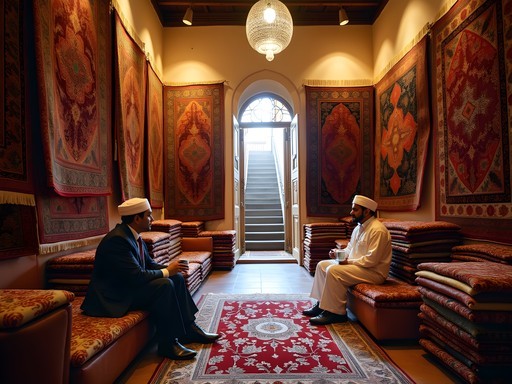
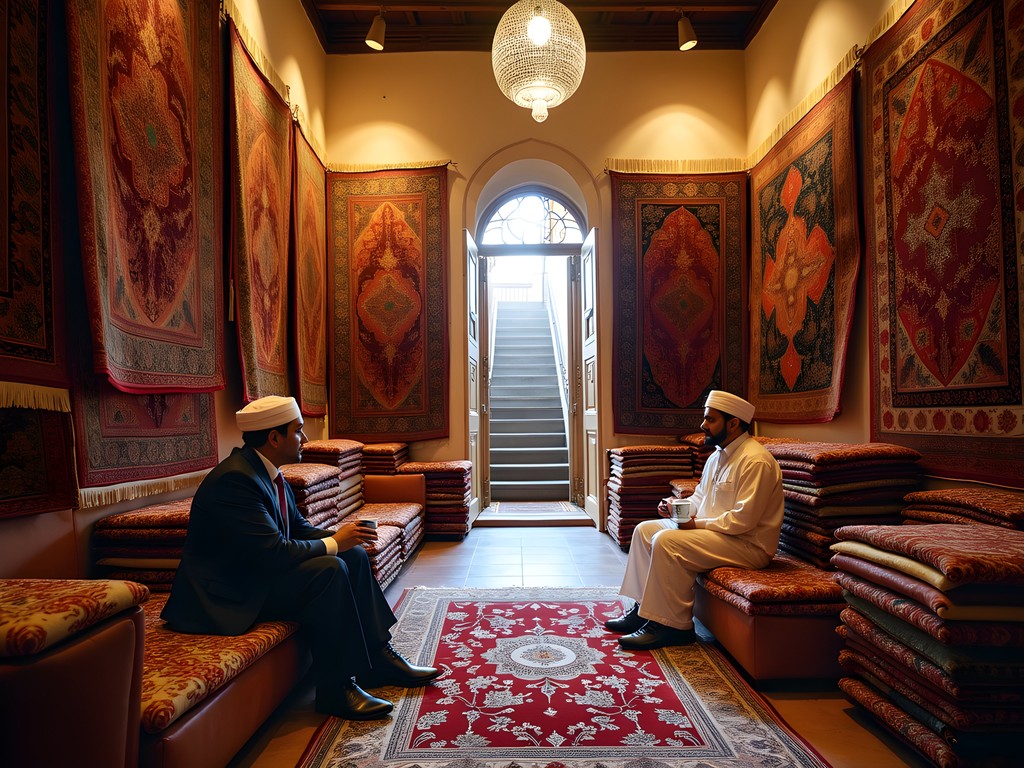
Unlike aggressive bargaining you might encounter in some tourist markets, haggling in Medina is best approached as a thoughtful conversation. Begin by establishing rapport – accept the offered tea or coffee, exchange pleasantries, and show genuine interest in the craftsperson's work before discussing price. This investment of time demonstrates respect for local customs and typically results in better pricing.
For luxury shoppers, understanding fair value is crucial. Before my trip, I researched typical prices using my Saudi Arabia travel guide, which provided baseline expectations for various crafts. This preparation allows me to enter negotiations with confidence rather than uncertainty.
A technique I've refined over years of market exploration is the respectful walkaway. If a price seems unreasonable after several counteroffers, politely thank the vendor and move on. About half the time, you'll be called back for a better offer. If not, you've maintained dignity on both sides.
Remember that the goal isn't always to secure the absolute lowest price – it's to reach a figure that fairly compensates the artisan while giving you value. When purchasing higher-end items like handmade carpets or gold jewelry, focus on authenticity and craftsmanship rather than squeezing the last riyal from the transaction.
💡 Pro Tips
- Start negotiations at about 40-50% of the initial asking price for most items
- Bundle purchases together to negotiate better overall pricing
- Have Saudi riyals in various denominations ready – cash often secures better deals than cards

Authentic Crafts Worth Seeking
After 15 years with Border Patrol, I developed a knack for spotting authenticity – whether in documents or, now, in handicrafts. Medina offers remarkable opportunities to acquire genuine Saudi and Islamic artifacts, though knowing what to look for is essential.
Dates and date-derived products represent Medina's most famous culinary export. The Ajwa variety, grown locally, holds special significance in Islamic tradition. Visit the date markets near Bab al-Salam for the freshest selection, where vendors offer samples of different varieties. The luxury gift boxes make excellent presents, beautifully packaged in handcrafted wooden containers.
For those interested in textiles, Medina's bisht (traditional men's cloaks) represent extraordinary craftsmanship. The finest examples feature hand-embroidered gold thread work (zari) that can take months to complete. While expensive, these garments are wearable art pieces that will become family heirlooms.
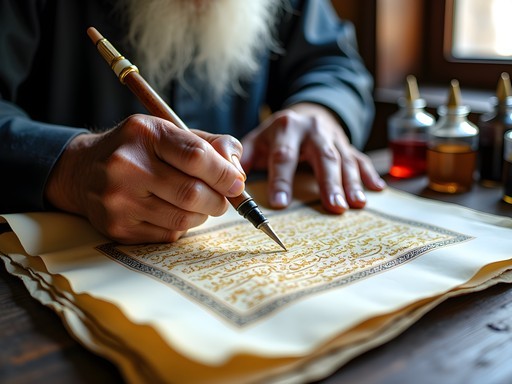
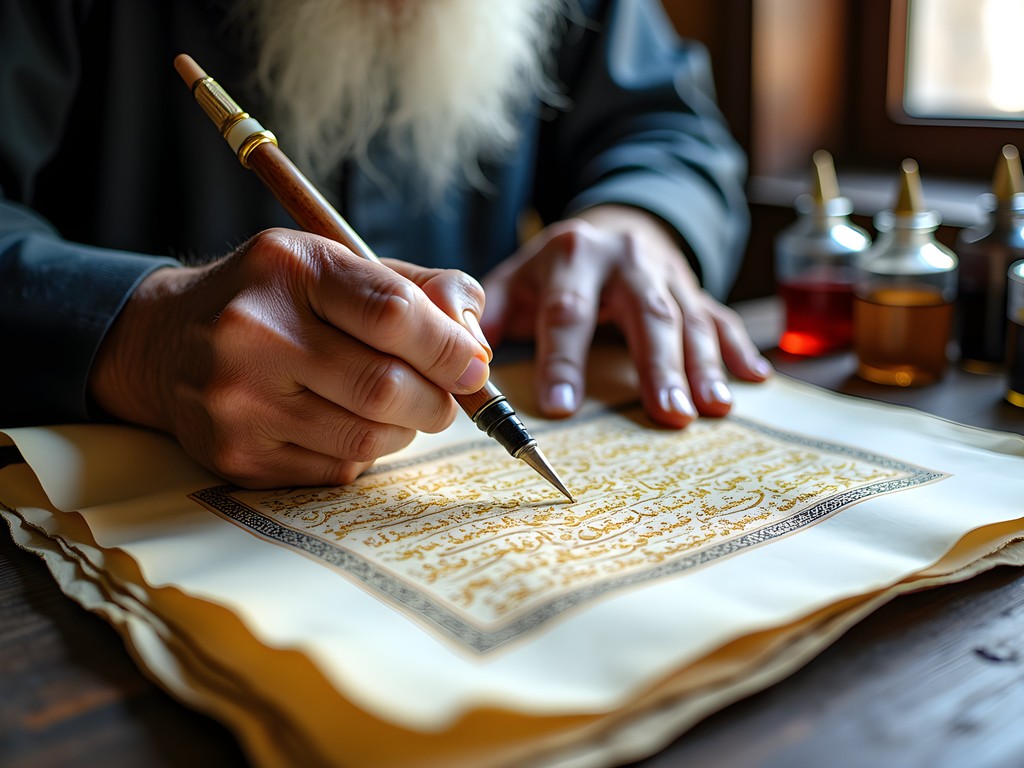
My personal passion lies in Medina's bookmaking tradition. Near the Prophet's Mosque, specialized shops create hand-bound Qurans and prayer books using techniques unchanged for centuries. The calligraphy alone is breathtaking, even for those who cannot read Arabic. I document these traditional crafts using my travel camera, which captures incredible detail in low-light market conditions.
Perhaps most intriguing are the wooden crafts incorporating materials from Medina's date palms. Artisans transform these sustainable materials into everything from decorative boxes to furniture inlaid with mother-of-pearl. These pieces connect buyers to both the natural environment and artistic heritage of the region.
💡 Pro Tips
- Request certificates of authenticity for high-value purchases like jewelry or historical items
- Seek items incorporating Al-Sadu weaving patterns – a traditional Bedouin textile art recognized by UNESCO
- Visit workshops early in the day when craftspeople are often more willing to demonstrate their techniques
Modern Luxury Shopping in Medina
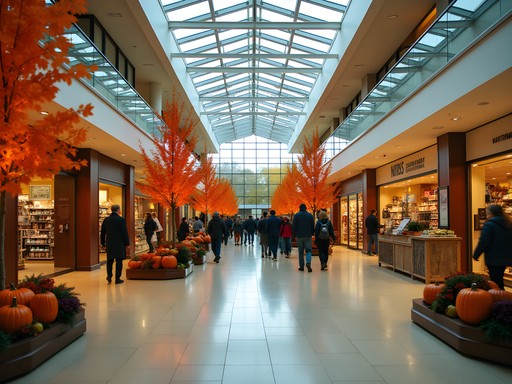
While Medina's ancient souks captivate with their authenticity, the city has embraced modern retail without abandoning its cultural identity. For couples seeking climate-controlled comfort alongside international brands, several options provide welcome contrast to traditional market exploration.
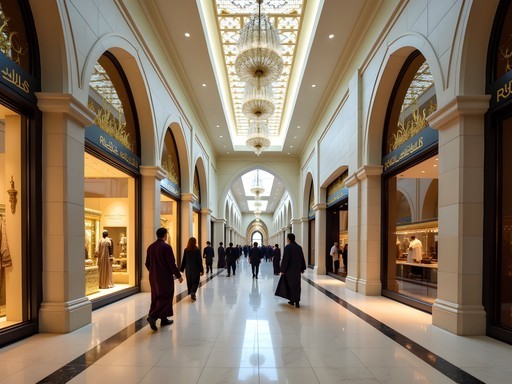
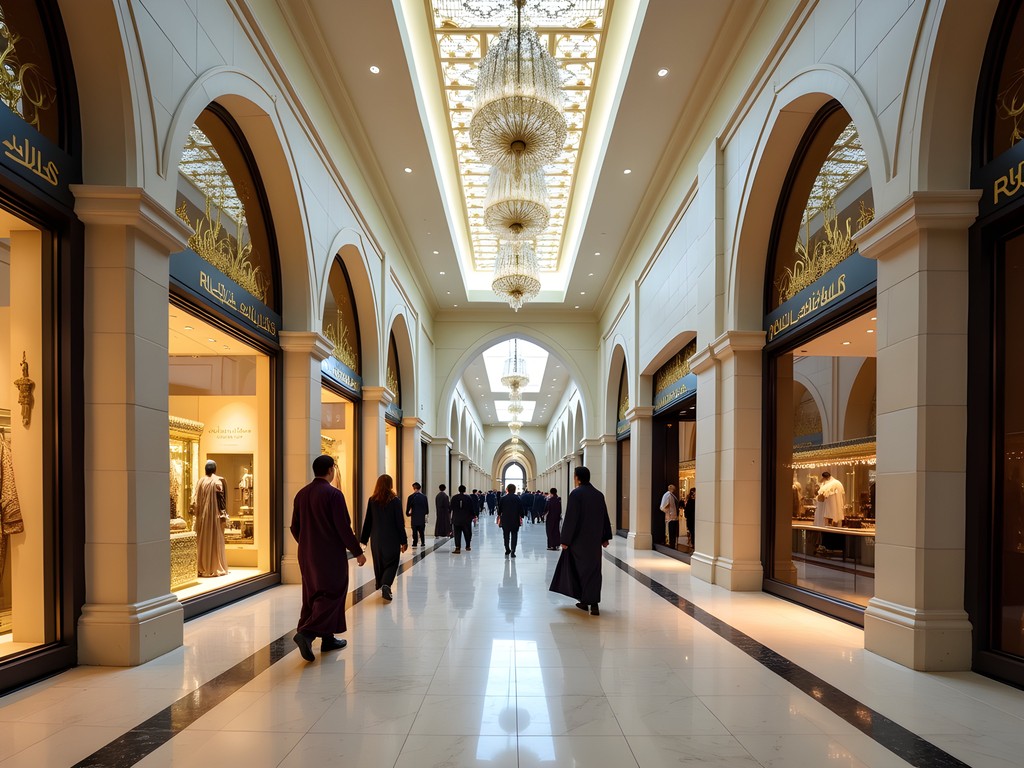
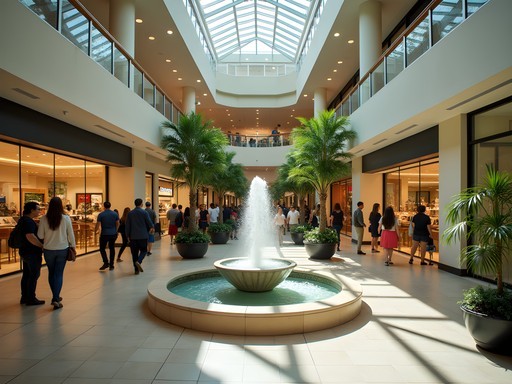
Al Noor Mall represents the pinnacle of contemporary shopping in Medina, housing both international luxury brands and high-end local designers. What fascinates me is how traditional Saudi motifs and aesthetics are incorporated into thoroughly modern retail environments. Even the architecture references historical Islamic design principles while providing all expected modern conveniences.
For those interested in contemporary Saudi fashion, concept stores like Homegrown Market showcase emerging designers who blend traditional influences with modern sensibilities. These spaces offer insights into how younger generations are reinterpreting their heritage – something that resonates with my own journey reconnecting with my Māori roots through contemporary expressions.
Luxury travelers should also explore The Oberoi Hotel's exclusive boutiques, which curate exceptional items from throughout the region. Their buyers have remarkable taste in selecting pieces that balance authenticity with contemporary appeal.
When navigating between traditional and modern shopping venues, I rely on my crossbody travel bag which keeps essentials secure while leaving hands free to examine merchandise. The locking compartments provide peace of mind whether in crowded souks or upscale malls.
These modern venues also offer excellent dining options when you need a break from shopping. Many feature rooftop restaurants with stunning views of the Prophet's Mosque – a perfect setting for couples to reflect on their discoveries while enjoying contemporary interpretations of traditional Saudi cuisine.
💡 Pro Tips
- Visit malls during evening hours when locals shop to experience authentic contemporary Saudi social culture
- Look for fusion restaurants in modern shopping areas that blend traditional flavors with international presentation
- Ask hotel concierges about pop-up luxury markets that often appear during festival seasons
Final Thoughts
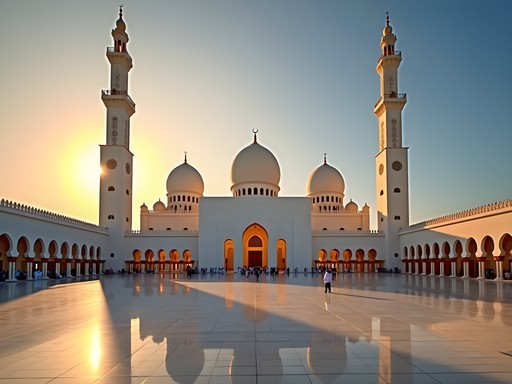
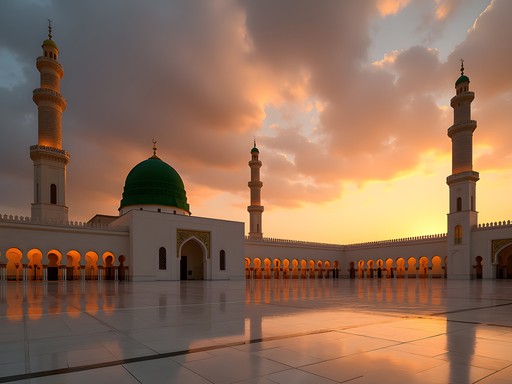
As the sun sets over Medina and the lights of the Prophet's Mosque illuminate the evening sky, I find myself reflecting on how this city's markets capture the essence of Saudi Arabia itself – deeply rooted in tradition while confidently stepping into the future. The treasures you'll discover here extend far beyond material purchases; they're windows into a culture that has refined the art of commerce into something approaching poetry. Whether you're haggling for handcrafted treasures in ancient souks or exploring contemporary Saudi design in air-conditioned comfort, Medina offers couples an unparalleled opportunity to connect with each other through shared discovery. As we say in Māori culture, 'Kia hora te marino, kia whakapapa pounamu te moana' – may peace and calm be widespread. In the markets of Medina, amidst the commerce and conversation, that peace is surprisingly easy to find.
✨ Key Takeaways
- Medina offers a perfect balance of ancient souks and modern luxury shopping experiences
- Respectful haggling is an expected cultural practice that enhances rather than diminishes the shopping experience
- The markets follow prayer schedules – plan accordingly and embrace these natural pauses
- Look beyond obvious souvenirs to find authentic crafts with connections to Saudi heritage
- The shopping experience is as valuable as the purchases themselves – take time to engage with artisans and their stories
📋 Practical Information
Best Time to Visit
October to May offers the most comfortable temperatures
Budget Estimate
$500-1000 per day for luxury accommodations, dining and shopping
Recommended Duration
2-3 days
Difficulty Level
Easy

Comments
Lillian Diaz
Beautiful write-up, Taylor! Medina's markets have this way of slowing you down, don't they? I spent three days there on my Gulf backpacking trip and honestly could have stayed longer. The textile souk near Quba Mosque was my favorite - ended up buying way too many hand-embroidered scarves but zero regrets. One thing I'd add for budget travelers: the small cafes tucked between the stalls serve amazing shawarma for just a few riyals. Way cheaper than the touristy spots and the locals eating there are always happy to recommend their favorite stalls.
springqueen
Ooh good tip about the cafes, adding that to my notes!
coolmate
Just got back from Medina last week and this brought back so many memories! The textile souk was my favorite - ended up buying way too many scarves lol. One tip: dress modestly obviously, but I found having a lightweight long cardigan made it easier to pop in and out of shops without worrying. The vendors were so welcoming and several invited us for tea. Don't skip the dates section - bought some ajwa dates that were incredible.
wavequeen
How many days would you recommend spending there?
coolmate
At least 2-3 days if you want to really explore the markets and not feel rushed
beachstar
Really enjoyed this post! The haggling section was spot on. I was so nervous about it at first but once I realized it's actually a friendly social thing and not confrontational, it became fun. My tip: always smile and be ready to walk away politely. Got some beautiful prayer beads for my mom that way. Also the dates at the food stalls are incredible - way better than anything back home!
freemate
Love your photos!
Douglas Bradley
Taylor, excellent breakdown of the market culture. I spent three days exploring these souks last year and your point about respectful haggling really resonates. One thing I'd add - the spice markets near Al-Masjid an-Nabawi are incredible for photography in the golden hour. The vendors are usually happy to chat if you show genuine interest in their craft rather than just rushing through with a camera. Also learned that starting your offer at about 50-60% of the asking price is more appropriate here than the 30-40% you might use in other Middle Eastern markets.
coolmate
That haggling tip is super helpful! I always feel awkward about it
coolwanderer
Going there in March! What's the best time of day to visit the souks?
Douglas Bradley
Early morning or late afternoon. Avoid midday heat - it gets intense even in March.
coolwanderer
Perfect, thanks!
wavequeen
This is amazing!! Adding Medina to my bucket list 🙌
springqueen
What time of day is best to visit the souks? Trying to plan my itinerary and wondering if mornings or evenings are better?
Lillian Diaz
Early morning is magical - cooler temps and you can watch the vendors setting up. But evenings have this incredible energy when locals come out to shop. Honestly both are worth experiencing!
adventureguide
Going there next month, super excited now!
Casey Andersson
Taylor, this brought back such vivid memories! I visited Medina last spring and got completely lost in the spice souk - in the best way possible. The vendor who helped me find my way back insisted on serving me tea first and teaching me about different frankincense varieties. That unhurried hospitality is something I didn't expect but absolutely treasured. Did you have any similar encounters where the shopping became secondary to the human connection?
adventureguide
Love this! The tea thing is so real
Venture X
Premium card with 2X miles, $300 travel credit, Priority Pass