
Disclosure: This article contains affiliate links. We may earn a commission from purchases at no extra cost to you, which helps our travel content.
After years of chasing Formula 1 circuits across the globe, I've developed a knack for finding the soul of a place beyond the tourist façade. Saudi Arabia has recently opened its doors wider to international visitors, and Medina—the second holiest city in Islam—offers a profound cultural experience for those willing to approach with respect and curiosity. My week in Medina this past autumn revealed layers of history, spirituality, and everyday Saudi life that most travelers miss entirely.

Navigating Sacred Spaces with Respect
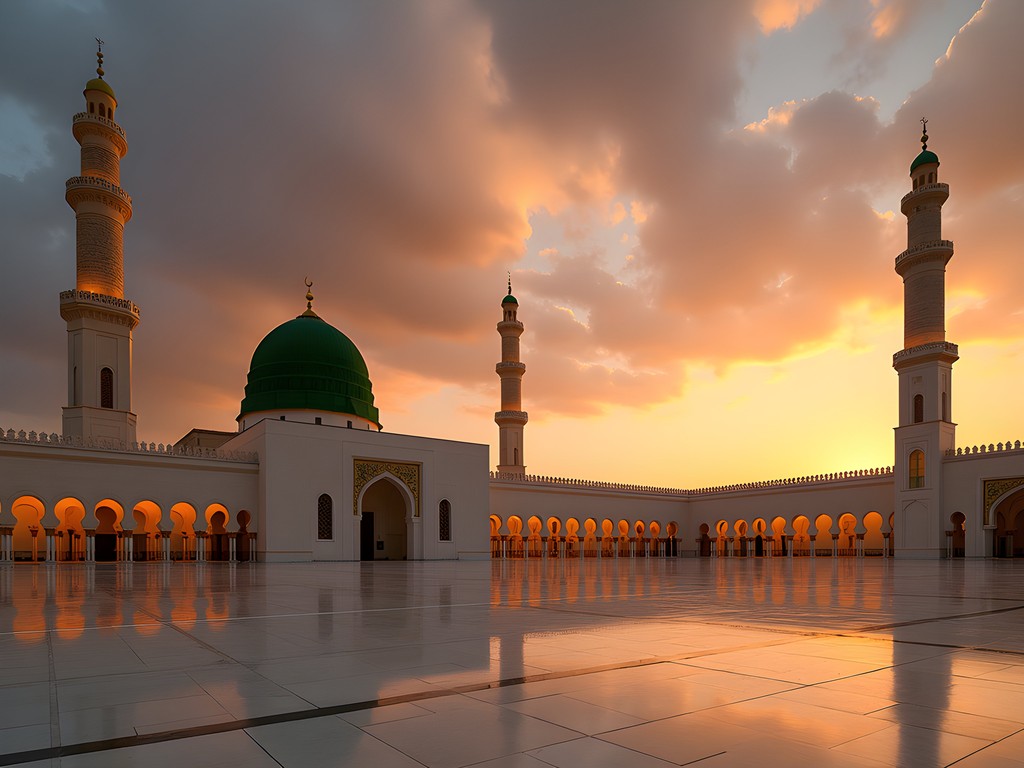
Let's address the elephant in the room straight away: as a non-Muslim traveler, you cannot enter Al-Masjid an-Nabawi (the Prophet's Mosque) or the central area known as Al-Haram. This isn't personal—it's a deeply held religious boundary that deserves our utmost respect.
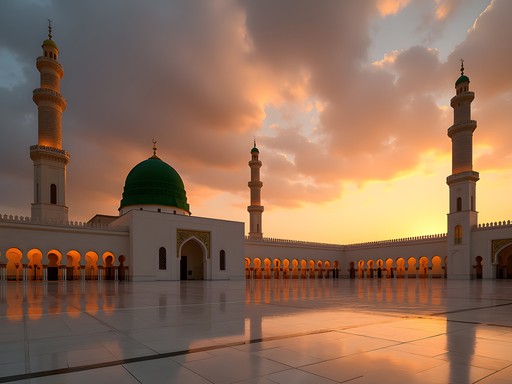
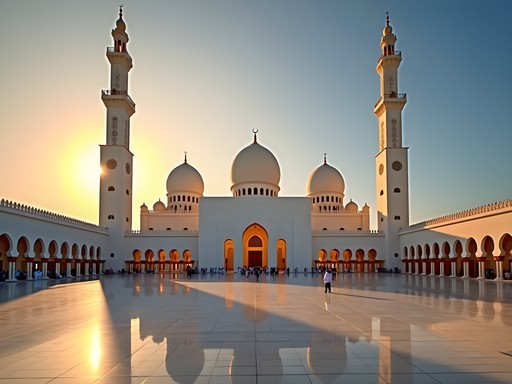
However, Medina offers plenty beyond these restricted zones. The areas surrounding the mosque complex are accessible and provide stunning views of the minarets and green dome. During prayer times, the atmosphere throughout the city transforms—businesses pause, and a reverent hush falls over even the busiest districts.
I found my RFID-blocking passport wallet particularly useful here, as it kept my identification secure yet easily accessible for the frequent ID checks around sensitive areas. For photography near sacred sites, my advice is simple: when in doubt, don't. Always seek permission before photographing locals, and be particularly mindful around the mosque perimeters.
💡 Pro Tips
- Dress modestly—men should wear long pants and shirts with sleeves; women should cover hair, arms, and legs
- Download a prayer time app to anticipate the rhythm of the city's day
- Speak in hushed tones near religious sites as a sign of respect
The Art of Slow Travel in Medina's Outer Districts
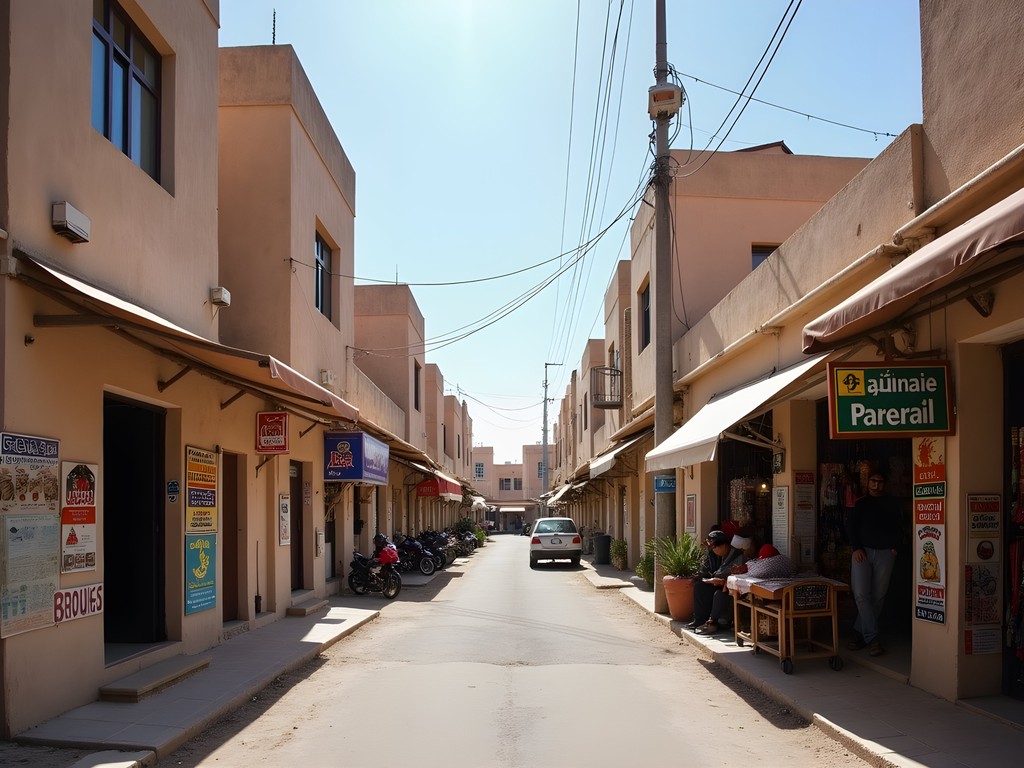
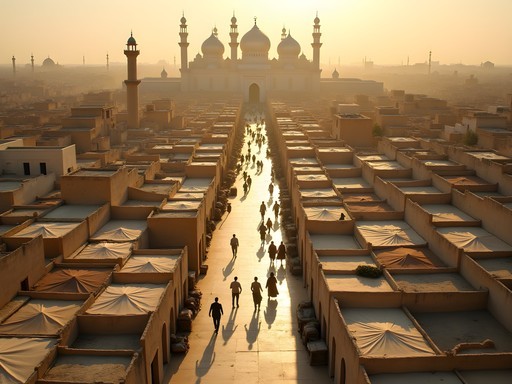
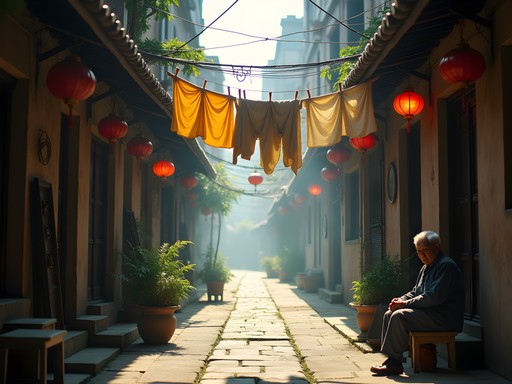
My most authentic experiences in Medina happened far from the central district, in neighborhoods like Quba and Uhud. Here, life moves at a more relaxed pace, and locals are often surprised—and pleased—to encounter international visitors taking genuine interest in their community.
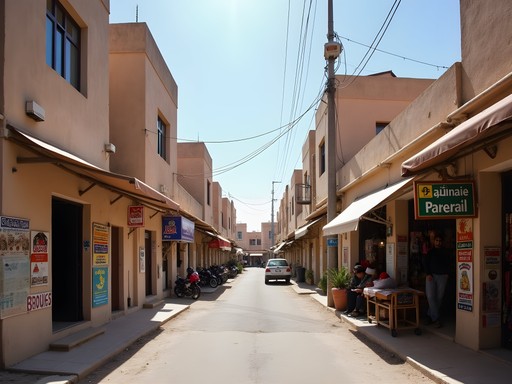
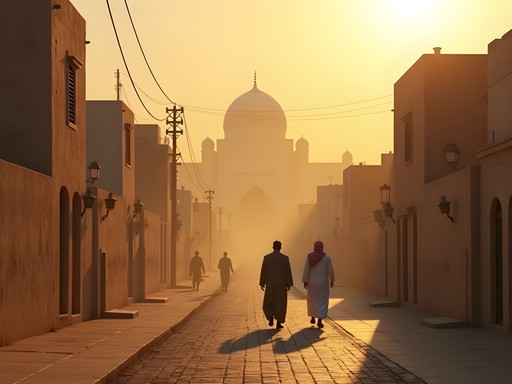
In Quba, I spent hours exploring the area around Quba Mosque (which non-Muslims can view from outside). The surrounding streets offer excellent local eateries where a meal costs a fraction of tourist-area prices. One elderly shop owner invited me for Saudi coffee after I purchased a few modest souvenirs, leading to a fascinating conversation through a mix of basic Arabic phrases and Google Translate.
For these walking explorations, my cooling neck gaiter proved invaluable in the autumn heat—temperatures still regularly hit 32°C (90°F) during my October visit. Activate it with water, and it provides hours of relief while maintaining a respectful appearance.
The historic Uhud battlefield area offers profound historical context for those interested in Islamic history. Even with limited background knowledge, I found the landscape moving—the mountain standing silent witness to events that shaped a world religion.
💡 Pro Tips
- Visit Quba district on Saturdays when locals perform special prayers at Quba Mosque, creating a lively atmosphere in surrounding areas
- Use ride-sharing apps rather than taxis for better rates to outer districts
- Carry small denominations of Saudi Riyal for local shops that don't accept cards
Culinary Discoveries Beyond Dates and Arabic Coffee
Medina's food scene deserves more attention than it gets in typical travel guides. Yes, the dates are exceptional—Medina produces some of the world's finest—but there's so much more to discover.
Al-Baik might be Saudi Arabia's famous fast-food chain, but the real culinary treasures lie in smaller family-run establishments. Look for restaurants where locals outnumber tourists by a significant margin. My legal assistant's salary appreciates that these authentic spots often offer better value than tourist traps near Al-Haram.
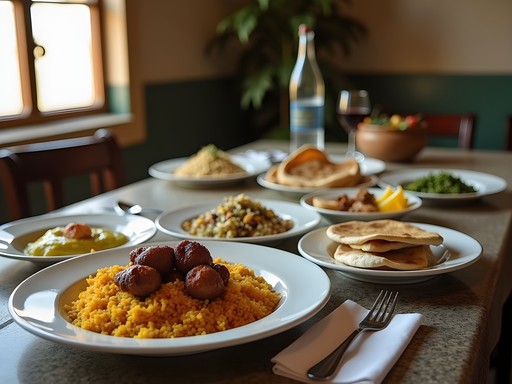
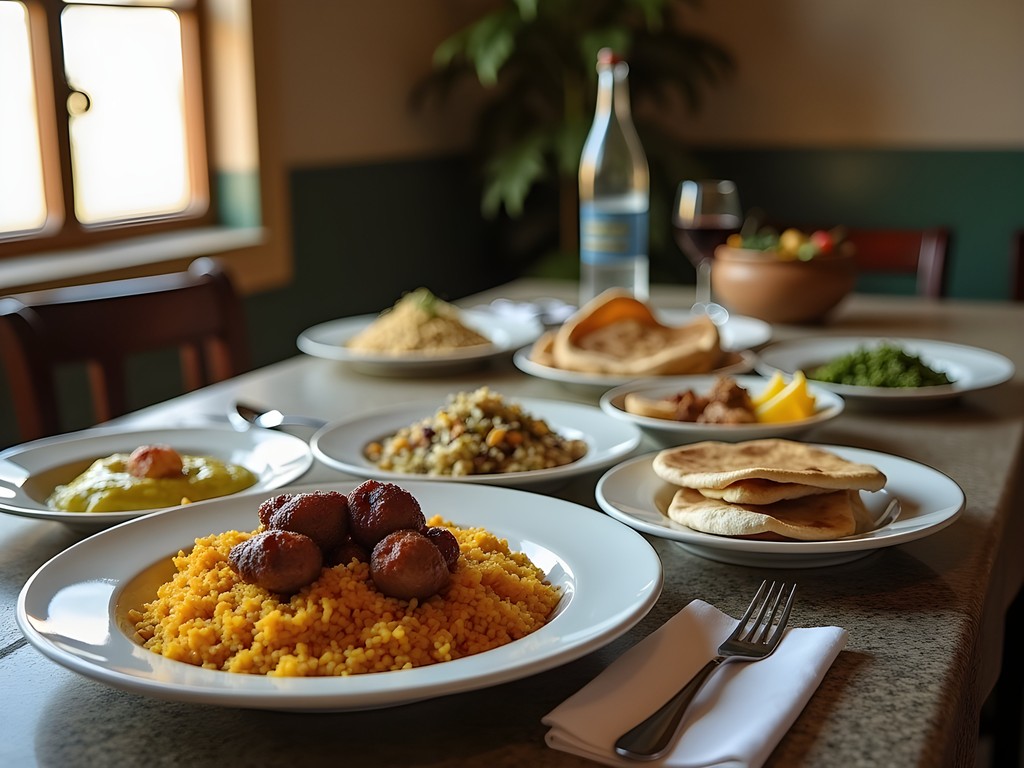
Mandi and kabsa rice dishes form the backbone of local cuisine, but don't miss mathbi—meat slow-cooked on heated stone—if you can find it. For the adventurous, try saleeg, a creamy rice dish that's Saudi comfort food at its finest.
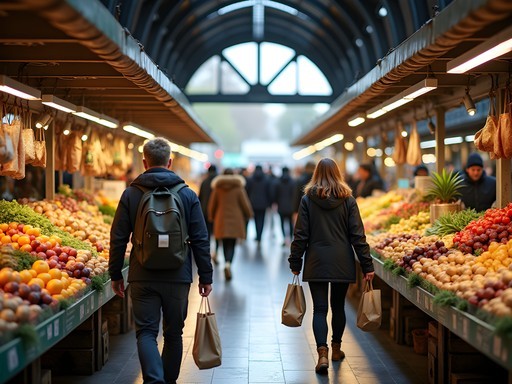
I never travel without my portable food container, which proved particularly useful for storing dates and nuts purchased from local markets for snacking during day trips. The separate compartments kept everything fresh and prevented the inevitable date syrup from making everything sticky.
Vegetarians should note that meat features prominently in Saudi cuisine, but most restaurants offer falafel, hummus, and vegetable side dishes that can form a satisfying meal. Learn the phrase 'bidun laham' (without meat) to make ordering easier.
💡 Pro Tips
- Ask your hotel staff for restaurant recommendations where 'they would eat with their families'—this simple question has led me to countless authentic meals worldwide
- Try the Al-Madina Al-Taiba Restaurant for excellent traditional Saudi dishes at reasonable prices
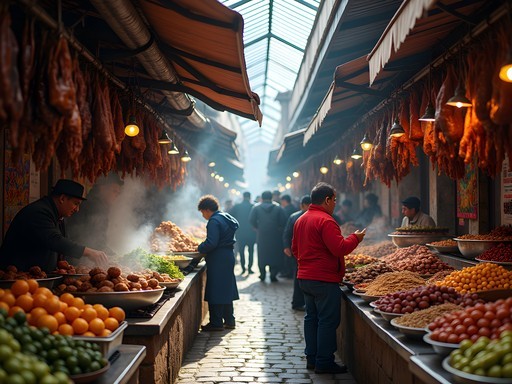
- Sample different date varieties at the date market—vendors often offer generous tastings

Practical Matters: Accommodation, Transportation & Cultural Navigation
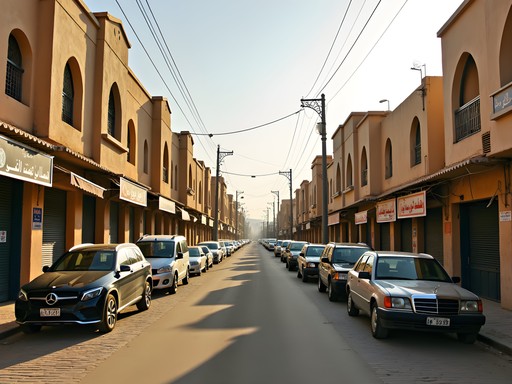
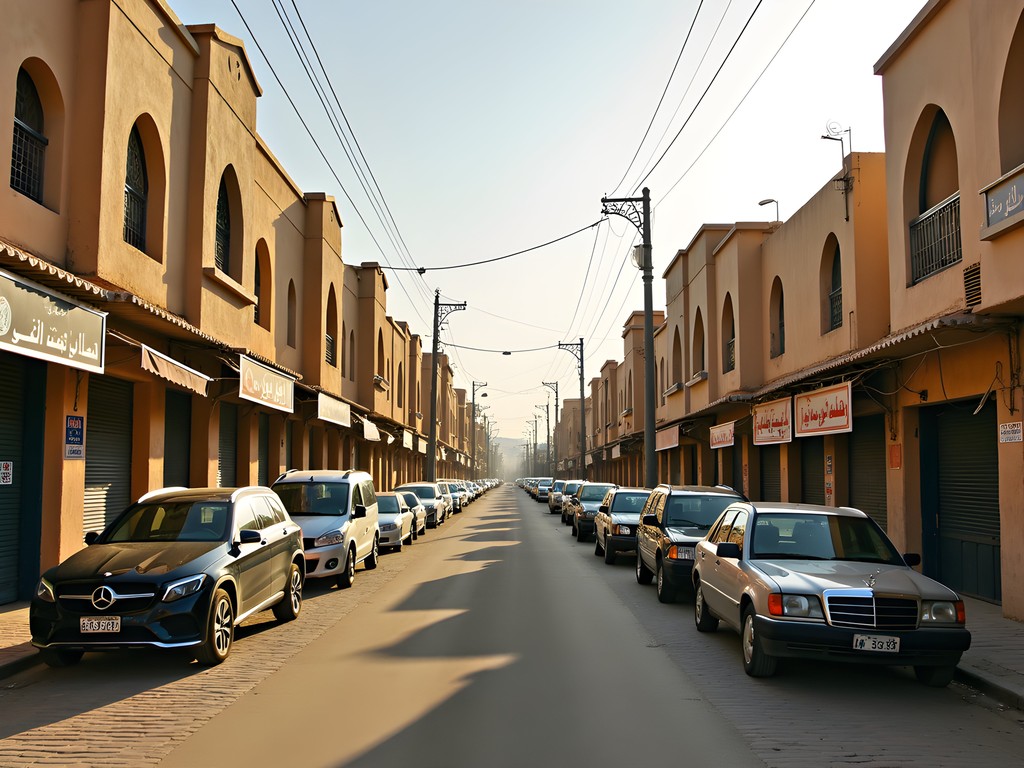
Choosing accommodation in Medina involves a crucial decision: stay near Al-Haram for convenience or further out for authenticity and value. As a non-Muslim visitor, I opted for a mid-range hotel in the Quba area, which provided comfortable rooms at half the price of central options while offering a more neighborhood feel.
Transportation around Medina has improved dramatically with ride-sharing apps like Uber and Careem now widely available. For longer stays, consider the Saudi Railways app for day trips to nearby areas. The high-speed Haramain train connects Medina with Jeddah and Mecca (though remember non-Muslims cannot enter Mecca).
Cultural navigation requires patience and flexibility. Saudi Arabia is changing rapidly, but centuries of tradition don't disappear overnight. The religious police (mutawa) have far less power than in years past, but conservative social norms remain important. Women travelers now have more freedom but should still dress modestly.
My pocket Arabic phrasebook earned its weight in gold. While many Saudis in the hospitality industry speak English, learning basic Arabic phrases demonstrates respect that often opens doors to more meaningful interactions. The effort alone usually earns appreciative smiles, even when my pronunciation was undoubtedly painful to local ears.
💡 Pro Tips
- Download the Careem app before arrival—it works like Uber but is more widely used in Saudi Arabia
- Consider hotels in the Quba or Sultana districts for better value and a more local experience
- Exchange some currency at the airport for initial expenses—while cards are widely accepted in hotels and larger establishments, small shops and taxis often prefer cash
Final Thoughts
Medina offers a profoundly different experience from the gleaming modernity of Riyadh or the coastal cosmopolitanism of Jeddah. It's a city where history and faith remain the primary currencies, where patience and respect will reward you with insights into Saudi culture that few Western visitors ever glimpse.
As Saudi Arabia cautiously opens its doors wider to international tourism, places like Medina present an opportunity to experience a culture that has largely remained sheltered from global tourism. This isn't the easiest destination for solo travelers—particularly those used to the freewheeling independence of Southeast Asia or Europe—but the challenges come with commensurate rewards.
The Medina I discovered beyond the postcard views of the Prophet's Mosque was a place of unexpected warmth, complex history, and a pace of life that reminded me why I traded my high-stress legal career for a life that allows these deeper cultural immersions. If you're willing to approach with respect and cultural sensitivity, Medina will reveal layers that no glossy tourism brochure can capture.
✨ Key Takeaways
- Respect religious boundaries while finding meaningful experiences in accessible areas
- Venture beyond central Medina to discover authentic neighborhoods, cuisine, and interactions
- Learn basic Arabic phrases and cultural etiquette to demonstrate respect and open doors to genuine connections
- Balance independent exploration with cultural sensitivity for a more rewarding experience
📋 Practical Information
Best Time to Visit
October to April (avoid Ramadan and Hajj periods unless specifically interested in these observances)
Budget Estimate
$75-150 USD per day including mid-range accommodation, meals, and transportation
Recommended Duration
4-7 days
Difficulty Level
Moderate
Comments
coolway
Going there next month. Thanks for this!
smartmaster
YES! Finally someone writing about Medina with actual depth and not just surface level stuff. The slow travel approach is SO important here. Can't wait to go back!
Hannah Woods
Excellent breakdown of the cultural navigation aspects. I've been through Saudi three times now, and Medina requires a different mindset than Riyadh or Jeddah - you really nailed that distinction. One thing I'd add for budget travelers: the public bus system is incredibly efficient and cheap once you figure out the routes. I used this offline maps app to navigate since data was spotty in some areas. Also, the smaller hotels in the outer ring (2-3km from center) are significantly cheaper and often family-run with better local insights. The key is patience and genuine curiosity rather than rushing through a checklist.
sunnyclimber
This is exactly what I needed to hear! Thanks for the practical tips Hannah.
Claire Hawkins
Jackson, this really captures the essence of Medina beautifully. We spent two weeks there last spring with our three children, and your point about slow travel in the outer districts resonates so much. We stayed in a small guesthouse near Al-Haram and the owner's family basically adopted us - invited us for meals, helped us navigate the local bus system, even took the kids to a neighborhood playground. Those unplanned moments of connection were worth more than any guidebook itinerary. The culinary section is spot on too - we discovered this tiny place serving the most incredible mutabbaq that became our daily breakfast ritual. It's these layers beneath the surface that make Medina so special.
starphotographer
This might be a dumb question but as a non-Muslim can you actually visit much of the city? I'm confused about what areas are open to tourists vs restricted.
Claire Hawkins
Not a dumb question at all! The central sacred areas are restricted, but there's actually quite a lot you can explore in the outer districts. When we visited with our kids last year, we found plenty to see and do - the markets, museums, and local neighborhoods were incredibly welcoming. Just be respectful of the boundaries and dress codes.
starphotographer
Thanks Claire! That's really helpful to know.
happyway
Love this! Super helpful tips.
sunnyclimber
Quick question - do you need to book accommodation way in advance or can you find decent places last minute? Planning a trip in spring and still figuring out logistics.
smartmaster
Book ahead for sure! Especially during Ramadan or Hajj season, everything fills up super fast.
dreamstar
I'm really interested in the culinary section you mentioned. What were your favorite local dishes in Medina? Anything specific we should try that's unique to the region?
Jackson Crawford
Thanks for asking! Don't miss Saleeg (a creamy rice dish with chicken) and Mandi (smoky rice with tender lamb). There's a small place called Al-Baik near the outer ring that serves incredible local food. The Medina variation of Kabsa uses specific local spices that give it a distinct flavor you won't find elsewhere in Saudi. Also, try the street vendors selling Masoub (banana bread pudding) for breakfast!
dreamstar
That sounds amazing! Adding these to my food bucket list. Can't wait to try Masoub!
Frank Garcia
Great insights, Jackson! I was in Medina last year and can confirm that the outer districts are where you really connect with locals. The Quba area was my favorite - fewer tourists and some amazing hole-in-the-wall restaurants. I'd add that learning just a few Arabic phrases goes an incredibly long way with locals. They genuinely appreciate the effort and often respond with extraordinary hospitality. I found myself invited to family meals twice just by attempting to order food in basic Arabic. Anyone planning a visit should definitely download an Arabic phrasebook app before going - it transformed my experience.
dreamstar
Which phrases did you find most useful? I'm planning a trip next year and my Arabic is non-existent!
Frank Garcia
Start with 'As-salamu alaykum' (peace be upon you), 'shukran' (thank you), and 'min fadlak/fadliki' (please). For directions, 'ayna' (where is) followed by your destination helps. I used language app for a month before going and it made a huge difference!
moonlover
Fascinating read! I've always been curious about Medina but wasn't sure about visiting as a non-Muslim. This gives me more confidence.
Frank Garcia
Just be aware that non-Muslims still can't enter the central Haram area, but there's plenty to experience in the surrounding districts!
moonlover
Thanks for clarifying! Good to know what to expect.
Venture X
Premium card with 2X miles, $300 travel credit, Priority Pass