


Disclosure: This article contains affiliate links. We may earn a commission from purchases at no extra cost to you, which helps our travel content.
Standing at the tri-border area where Paraguay meets Brazil and Argentina, Ciudad del Este presents a fascinating paradox: chaotic yet organized, overwhelming yet exhilarating. As someone accustomed to the polished boutiques of Lyon and the refined shopping experiences of Milan, my first encounter with this Paraguayan commercial hub was nothing short of culture shock. Yet beneath its frenetic surface lies a sophisticated ecosystem of commerce that has earned the city its reputation as South America's shopping mecca. Having now made several expeditions across the Friendship Bridge from Brazil, I've developed an appreciation for the raw commercial energy that powers this city—a place where $4 billion in goods change hands annually, making it the third-largest free commercial zone in the world after Miami and Hong Kong. This guide distills my experiences navigating Ciudad del Este's labyrinthine markets and modern malls, offering you the strategic approach needed to transform potential shopping chaos into a rewarding treasure hunt.

Understanding the Ciudad del Este Ecosystem
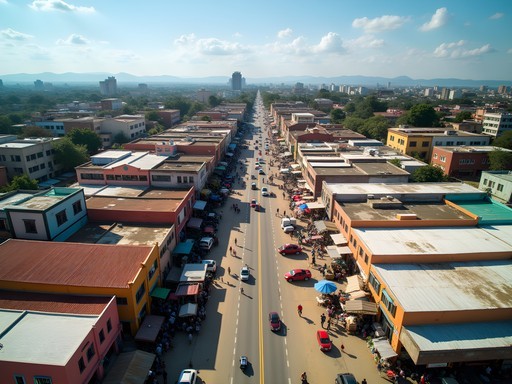
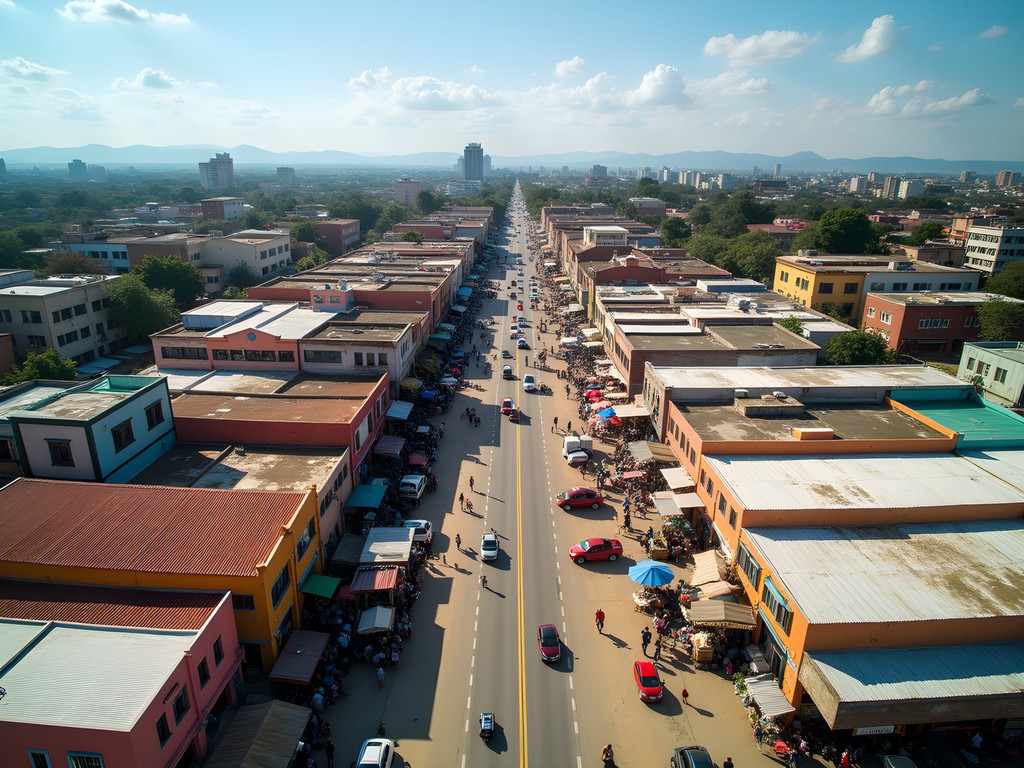
Ciudad del Este operates on principles vastly different from the curated shopping experiences of Europe or North America. Here, commerce is raw, dynamic, and occasionally overwhelming. The city is effectively divided into several distinct shopping zones, each with its own character and specialties.
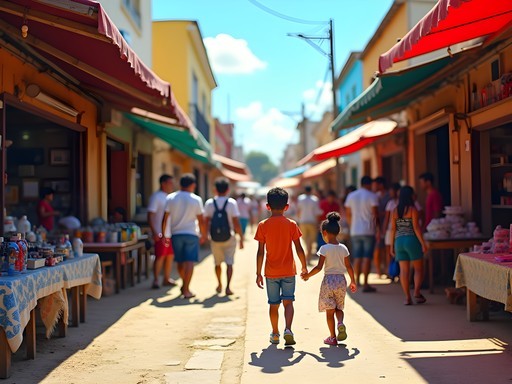
The area immediately surrounding the Friendship Bridge connecting to Brazil forms the heart of the traditional shopping district—a densely packed warren of street vendors, small shops, and multi-story shopping galleries. This is where the energy is most frenetic and the bargains potentially most rewarding, but also where navigation requires the most confidence.
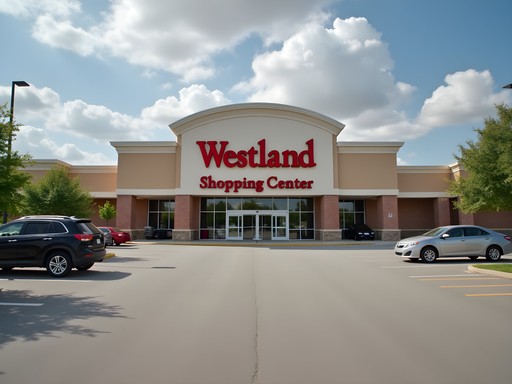
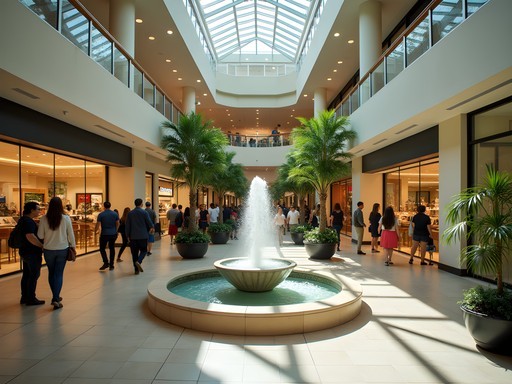
Further from the bridge, you'll find more organized shopping centers like the Monalisa Shopping Center, Shopping China, and Shopping del Este. These offer air-conditioned respite and fixed prices, catering to shoppers seeking a more conventional experience.
What makes Ciudad del Este truly fascinating is its role as a commercial crossroads. Products from Asia, North America, and Europe converge here, creating an unusual global bazaar where you might find authentic Japanese electronics beside Italian fragrances and American sportswear—often at fractions of their retail prices elsewhere.
During my second visit, I ventured beyond the tourist-heavy zones near the bridge and discovered the Mercado de Abasto, where locals shop for everything from fresh produce to household goods. This market provided a glimpse into authentic Paraguayan life rarely seen by day-trippers from Brazil or Argentina, and offered some of the most genuine interactions I've had in the city.
💡 Pro Tips
- Research current import allowances for your country before shopping
- The farther from the Friendship Bridge you venture, the better the prices tend to be
- Weekdays are significantly less crowded than weekends
Border Crossing Strategy: The Gateway Experience
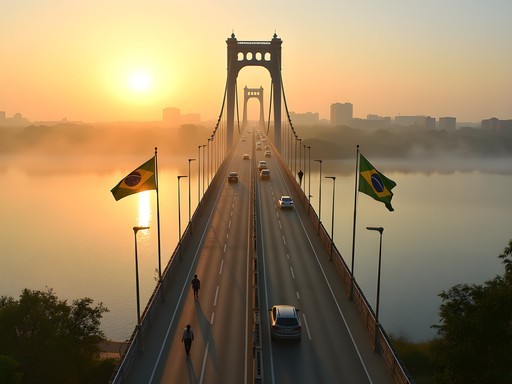
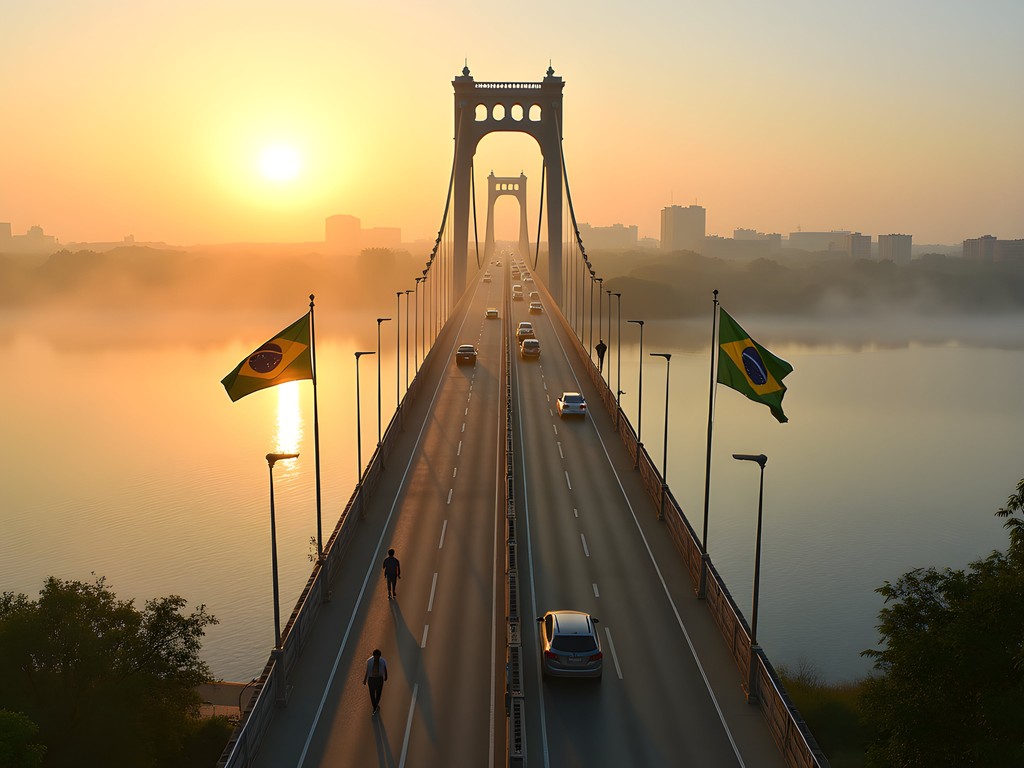
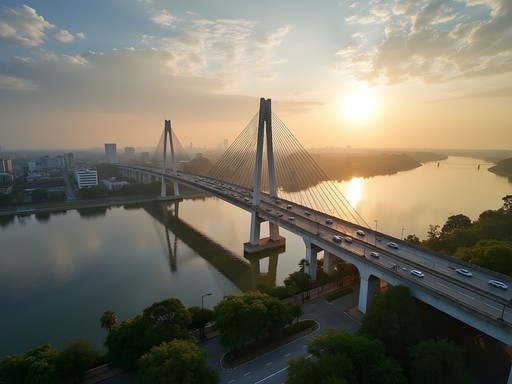
The journey to Ciudad del Este begins with crossing the iconic Friendship Bridge from Foz do Iguaçu, Brazil—a process that demands strategic planning and a touch of patience. This 500-meter span across the Paraná River represents more than just a physical crossing; it's a transition from the relatively ordered Brazilian tourism infrastructure to Paraguay's commercial frontier.
On my first visit, I made the rookie mistake of arriving at 10 AM, when the bridge was already congested with day-trippers and professional shoppers (known locally as sacoleiros). The lesson was clear: timing is everything. Now I cross before 8 AM, when immigration lines are manageable and the city is just coming to life.
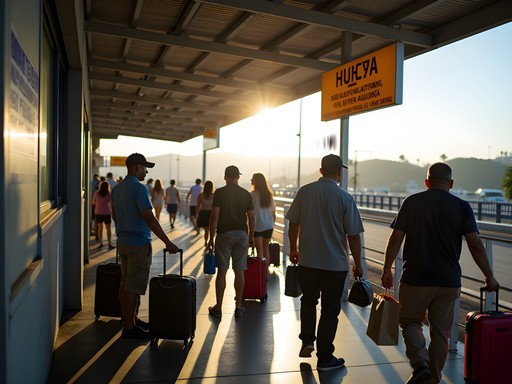
You have several crossing options. Walking provides the most flexibility and is my preferred method—the pedestrian lane allows you to bypass vehicle traffic that can back up for hours. Alternatively, local buses (known as omnibus) run constantly between Foz do Iguaçu and Ciudad del Este for a nominal fee. For those seeking convenience, taxis will transport you door-to-door, though expect to negotiate the fare.
Officially, you should stop at immigration to get your passport stamped, particularly if staying overnight. However, the open border policy means many day-shoppers simply walk across. I always recommend processing proper documentation—it takes only minutes when timed right and prevents potential complications.
For the return journey, I've found that carrying a packable daypack is invaluable. It expands to accommodate purchases while remaining compact enough to navigate crowded streets. This lightweight solution has saved me countless times when my shopping exceeded expectations—which happens with remarkable consistency in Ciudad del Este.
💡 Pro Tips
- Cross before 8 AM to avoid the worst crowds and heat
- Always carry your passport, even if you don't plan to get it stamped
- Take a photo of your passport information page and store it securely online as backup
Negotiation: The Art of the Ciudad del Este Deal
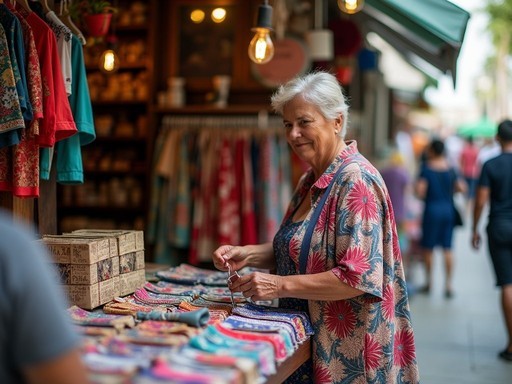
In Ciudad del Este, the listed price is merely a conversation starter. Negotiation isn't just expected—it's an essential cultural component of the shopping experience. My background in management consulting has surprisingly served me well here; the principles of value assessment and strategic negotiation apply universally, though with local nuances that make shopping in Paraguay a distinct art form.
First, understand that patience is your greatest asset. My initial attempts at haggling were rushed affairs, driven by the frenetic energy of the markets. I quickly learned that slowing down—physically and mentally—yields better results. Now I begin each negotiation by establishing rapport, however brief. A simple "Buen día" and a smile creates a human connection that can significantly impact the final price.
Second, know that walking away is your most powerful tactic. On my third visit, I expressed interest in a leather portfolio at one of the galleries near Calle Monseñor Rodríguez. When the vendor wouldn't meet my target price (about 40% below the initial offer), I politely declined and moved on. Within twenty steps, I heard "¡Señor! ¡Señor!" and turned to find the vendor ready to accept my offer.
Third, understand the multi-currency environment. Vendors typically accept Paraguayan guaraníes, Brazilian reais, Argentine pesos, and US dollars. This creates opportunities for advantageous exchanges, but also confusion if you're not calculating carefully. I keep a currency converter on my phone and run calculations before making offers. This digital tool has saved me from overpaying countless times when vendors attempt to exploit currency confusion.
Finally, bundle purchases when possible. I've consistently secured better discounts when buying multiple items from the same vendor. During my last visit, I needed several electronics accessories and found that purchasing them together resulted in nearly 25% savings compared to individual negotiations.

💡 Pro Tips
- Start at approximately 40-50% of the initial asking price
- Always negotiate in a friendly, respectful manner—hostility never improves your position
- Learn basic Spanish and Portuguese phrases related to numbers and shopping

Electronics & Luxury Goods: Separating Value from Counterfeit
Ciudad del Este's reputation for electronics and luxury goods comes with both opportunity and risk. The city offers genuine products at competitive prices alongside sophisticated counterfeits that can fool even experienced shoppers. Developing a discerning eye is essential for finding authentic value.
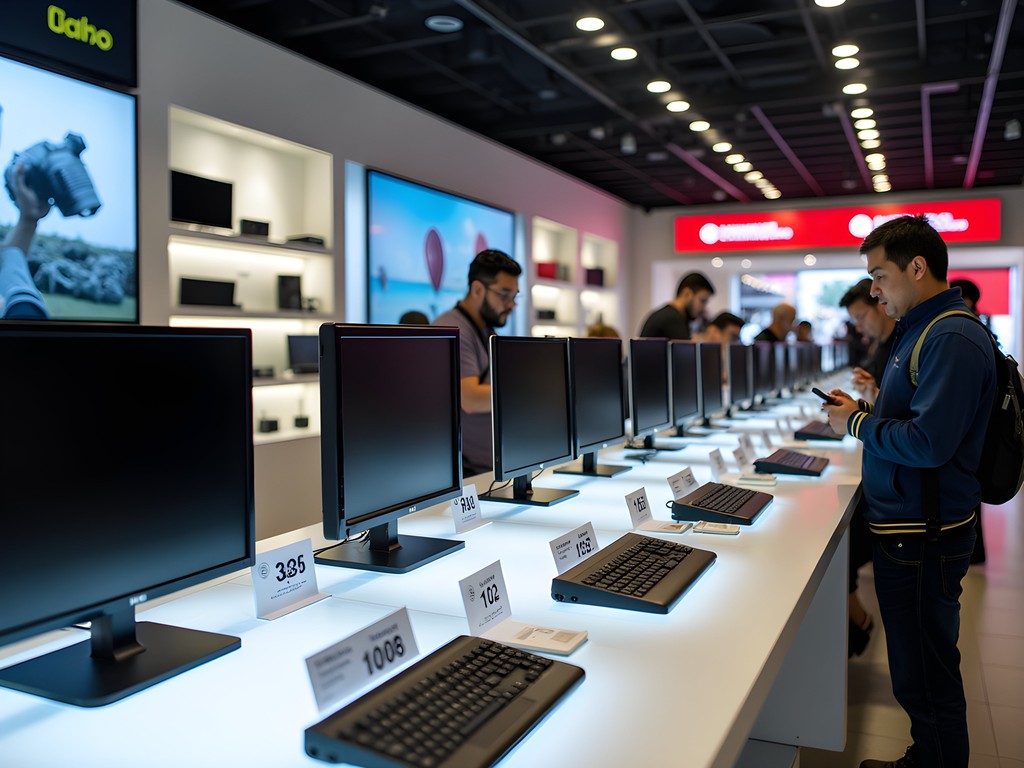
For electronics, I focus on authorized dealers and established shopping centers rather than street stalls. Shopping China and Casa China have consistently provided authentic products with proper warranties and documentation. During my second visit, I purchased a mirrorless camera at approximately 30% below European prices, complete with international warranty documentation. The savings justified the journey alone.
Authenticity verification becomes particularly crucial with luxury goods. The concentration of counterfeit watches, fragrances, and fashion accessories in Ciudad del Este is remarkable—some replicas so convincing they could pass cursory inspection by all but the most knowledgeable experts.
My approach to luxury purchases follows three principles: First, research thoroughly before arrival. Understanding the authentic product's details—from stitching patterns to packaging minutiae—provides your first line of defense. Second, shop only at establishments with formal return policies and verifiable business registrations. Third, request documentation of authenticity and detailed receipts that you'll need for customs declarations.
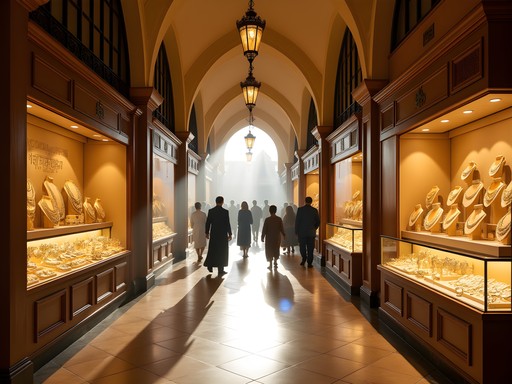
The Paris Gallery and Shopping Monalisa represent the higher end of Ciudad del Este's retail spectrum, offering a more controlled environment for luxury purchases. While prices remain attractive compared to European or North American retail, they're higher than street vendors—a premium worth paying for authenticity assurance.
Perhaps most importantly, maintain realistic expectations. When a price seems too good to be true, it invariably is. The genuine savings in Ciudad del Este typically range from 20-40% below international retail prices—substantial enough to justify the journey without entering the territory of counterfeit goods.
💡 Pro Tips
- Always inspect packaging thoroughly and check serial numbers on electronics
- Use manufacturer verification tools (like online serial number checks) when available
- Keep all purchase documentation for warranty claims and customs declarations
Beyond Shopping: Ciudad del Este's Cultural Experience
While commercial pursuits dominate Ciudad del Este's reputation, the city offers cultural dimensions that most day-shoppers overlook. Engaging with these aspects provides context for the commercial ecosystem and transforms a mere shopping expedition into a more meaningful travel experience.
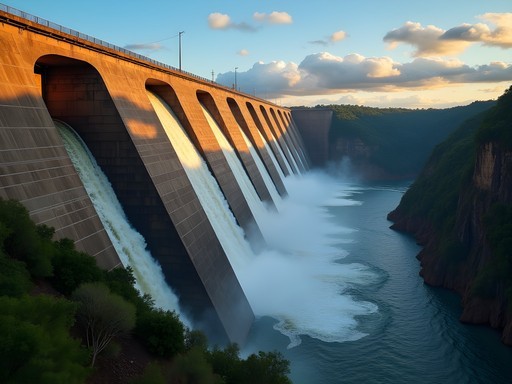
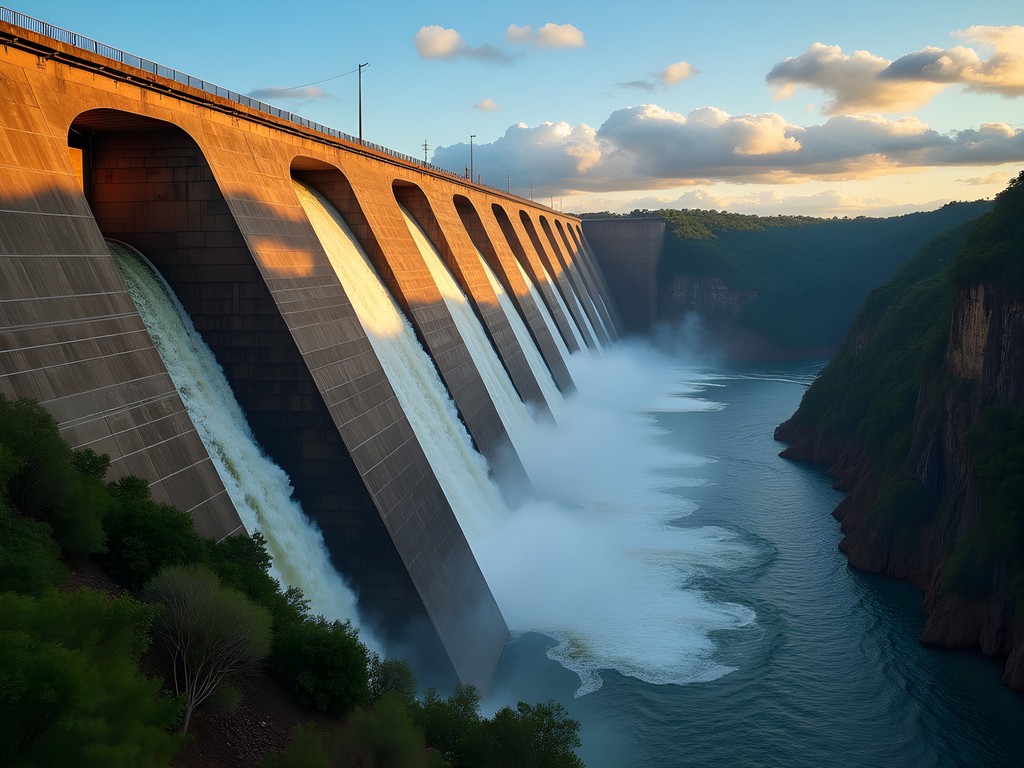
The Itaipú Dam, just north of the city, stands as one of humanity's most impressive engineering achievements. This hydroelectric wonder—a collaboration between Paraguay and Brazil—produces more electricity than any other dam worldwide. Tours of the facility offer a fascinating counterpoint to the commercial energy of the city center, revealing the industrial power behind Paraguay's development.
Cuisine provides another window into authentic Paraguayan culture. While the city center teems with fast-food options catering to shoppers, venturing slightly off the main commercial arteries reveals genuine Paraguayan gastronomy. During my most recent visit, I discovered Bolsi Restaurant, where I enjoyed sopa paraguaya (a corn bread unlike any soup I've encountered) and surubí (a local river fish prepared with simple but flavorful seasonings).
The cultural mosaic of Ciudad del Este extends to its diverse population. Substantial Lebanese, Chinese, and Korean communities have established themselves here, creating fascinating cultural enclaves. The Middle Eastern influence is particularly evident in the city's northern neighborhoods, where Lebanese restaurants and cultural centers reflect generations of immigration.
For those staying overnight (which I highly recommend at least once), the city's energy transforms after the day-shoppers depart. Local life emerges as markets close and restaurants fill with residents rather than tourists. This evening transformation reveals a more authentic side of the city typically missed by those rushing back across the Friendship Bridge.
I've found that carrying a travel journal helps capture these cultural observations and shopping discoveries. The tactile experience of documenting finds and cultural insights creates a more meaningful connection to the experience than digital notes alone, and has made my Ciudad del Este journals some of my most valued travel mementos.
💡 Pro Tips
- Reserve at least one evening in Ciudad del Este to experience the city after the shopping crowds depart
- Visit the Itaipú Dam if you need a break from commercial activities
- Try Paraguayan specialties like sopa paraguaya and mbeju (a starchy cassava bread)
Return Crossing & Customs Considerations
The final challenge of a successful Ciudad del Este expedition is navigating the return journey and customs procedures. This crucial phase requires as much strategy as the shopping itself, particularly when returning to Brazil, which enforces stricter import regulations than the Paraguayan entry.
Timing again proves essential. The Brazilian customs checkpoint at the eastern end of the Friendship Bridge becomes increasingly congested throughout the day. My experience has consistently shown that crossing back before 3 PM significantly reduces wait times. On my first visit, a 5 PM return meant nearly two hours in line; now I aim for a 2 PM crossing and rarely wait more than 30 minutes.
Understanding personal import allowances is non-negotiable. Brazil currently permits each traveler to bring goods valued up to $500 USD duty-free. Exceeding this threshold triggers taxes that can quickly erode your bargain savings. Couples and families should strategically distribute purchases among members to maximize collective allowances.
Documentation preparation streamlines the customs process. I organize receipts by category and maintain digital copies as backup. When declaring higher-value items, having original packaging and documentation readily accessible expedites inspection. A travel document organizer has proven invaluable for keeping receipts, warranties, and customs forms organized and accessible.
Be aware that certain items receive particular scrutiny. Electronics, luxury goods, and alcohol consistently attract customs officials' attention. I've found that transparent declaration—presenting items before being asked—generally results in more efficient processing. Attempting to conceal purchases rarely succeeds and can result in significant complications.
For those making substantial purchases, consider the tax refund process. Paraguay offers VAT refunds for foreign visitors on certain purchases, though the paperwork can be cumbersome. For large purchases, the savings justify the administrative effort—on my last visit, I recovered nearly 10% on a significant electronics purchase through proper documentation and submission.

💡 Pro Tips
- Keep original packaging for high-value electronics to simplify customs inspection
- Cross back to Brazil before 3 PM to avoid the longest lines
- Organize receipts by category and have them readily accessible for customs officials
Final Thoughts
Ciudad del Este defies easy categorization—it's neither the lawless frontier portrayed in sensationalist media nor the polished retail experience of European capitals. It exists as a commercial ecosystem unlike any other I've encountered in my travels, offering remarkable opportunities for the prepared visitor willing to embrace its unique rhythm. The city rewards those who approach it with strategic patience, cultural curiosity, and realistic expectations. My journeys here have yielded not only significant savings on electronics and gifts but also a deeper appreciation for Paraguay's position at the crossroads of South American commerce. Whether you're a dedicated bargain hunter or simply curious about one of the world's most distinctive commercial environments, Ciudad del Este delivers an experience that transcends mere shopping. Just remember: success here depends not on finding the perfect bargain, but on mastering the delicate dance between chaos and opportunity that defines this remarkable Paraguayan frontier.
✨ Key Takeaways
- Early morning arrival and mid-afternoon departure optimize your shopping time while minimizing border wait times
- Established shopping centers offer more reliable experiences for high-value purchases than street markets
- Understanding import allowances for your return country is essential for avoiding customs complications
- The city rewards those who venture beyond the main commercial areas with authentic cultural experiences
📋 Practical Information
Best Time to Visit
year-round, though March-November offers more comfortable temperatures
Budget Estimate
$50-200 per day plus shopping budget
Recommended Duration
1-2 days
Difficulty Level
Intermediate
Comments
waveninja2961
Love the photos!
Timothy Jenkins
Excellent guide, Mason. I visited CDE whilst researching cross-border commerce in South America and found the cultural dynamics absolutely fascinating. The negotiation aspect is spot-on - it's not just about getting a lower price, it's a social ritual. I'd recommend learning a few phrases in Spanish and Portuguese, as switching languages mid-negotiation can sometimes work in your favour. Also, the Friendship Bridge crossing from Foz do Iguaçu is incredibly busy on weekends - go midweek if possible.
George Hayes
Mason really captured the essence of CDE here. We went during the summer holidays and the chaos was next-level, but my kids actually loved the energy of it all. One thing I'd add - the Monalisa Shopping Center was much easier to navigate with children than the street markets. Air conditioned, organized, and you can still negotiate prices. We saved about 40% on a new tablet compared to US prices. The food court there also has decent options if you need a break. Just remember to bring cash - USD works but you'll get better rates with guaraníes.
sunnyexplorer
thanks for the tip about Monalisa! adding that to my list
starlegend
great write-up Mason! spot on about the negotiation culture
luckymate6481
What about bringing electronics back across the border? I've heard customs can be tricky with receipts and stuff. Anyone had issues?
waveninja2961
declare everything. seriously. not worth the hassle
Timothy Jenkins
This is crucial advice. I crossed from CDE into Argentina with camera equipment and the customs officials were quite thorough. Keep all receipts, know the duty-free limits for your destination country, and factor in potential taxes when calculating your 'savings'. The bargains aren't always as good as they seem once you add customs duties. Also worth noting that warranty coverage can be complicated on electronics purchased there.
sunnyexplorer
This is EXACTLY what I needed!! Planning my first trip there in March and was so overwhelmed. Your section on spotting counterfeits is super helpful!!
cityone
how safe is it really?? been hearing mixed things about going there solo
starlegend
been 3 times, just keep your wits about you. stick to main shopping areas during the day and you're fine
George Hayes
I took my family there last year and we felt perfectly safe in the main commercial zones. We stayed close to the big shopping centers and avoided wandering into residential areas. The key is going with a plan - know what you want to buy and which shops to hit. Also, we hired a local guide for the first day which really helped us navigate everything.
redvibes
Going there next month! Any recommendations for where to stay?
Taylor Moreau
Excellent write-up, Mason. I've been conducting business in the tri-border region for over a decade and your assessment is remarkably accurate. One point I'd emphasize for business travelers: the customs declaration process has become significantly more stringent since 2022. Keep all receipts and be prepared to declare anything over your country's duty-free allowance. The savings are genuine, but the bureaucratic headaches at customs can negate them if you're not properly prepared. The Shopping China and Monalisa complexes remain the most reliable for legitimate electronics.
starclimber
Thanks for this! Didn't even think about customs declarations
beachmood
Pro tip: bring cash in USD and keep it in different pockets. The exchange rates at the border are terrible but inside the city you can find decent cambios. Also learned to always check electronics thoroughly before leaving the store - some places won't do returns. My portable charger died on me there and I was glad I tested it before leaving the shop so they swapped it out.
Venture X
Premium card with 2X miles, $300 travel credit, Priority Pass