

Disclosure: This article contains affiliate links. We may earn a commission from purchases at no extra cost to you, which helps our travel content.
There's something fascinating about places that exist at the convergence of worlds—where borders blur not just geographically but economically. Ciudad del Este sits at such a nexus, a chaotic symphony of commerce where Paraguay, Brazil, and Argentina meet. Having spent years diving into digital security, I find myself oddly at home in this analog version of data exchange—a place where everything has a price, negotiations replace encryption, and knowing the system is the ultimate currency.

Understanding the Border Dynamics
Ciudad del Este operates like a complex algorithm—seemingly random but governed by distinct patterns once you understand the code. The Friendship Bridge connecting Brazil and Paraguay serves as the primary gateway, with over 40,000 people crossing daily in a remarkable display of commercial migration.
My first visit was a tactical error—arriving on Saturday afternoon when Brazilian day-shoppers were heading home en masse. The return queue stretched for kilometers, a human buffer overflow that taught me my first lesson: timing is everything.
The border itself functions on an unusual honor system. Entering Paraguay, officials often wave vehicles through without stopping. This doesn't mean you should skip formal entry—that invisible digital timestamp becomes crucial when departing. Without it, you're essentially an undocumented packet in the system, which creates complications when trying to exit.
I recommend carrying a RFID-blocking wallet to protect your credit cards and passport data. The border areas are notorious for electronic pickpocketing, and this simple security measure follows the same principle as digital firewalls—prevention is better than remediation.

💡 Pro Tips
- Cross early on weekdays (before 9am) to avoid the crush of shoppers and long return lines
- Always get your passport properly stamped when entering Paraguay, even if officials seem indifferent
- Budget at least 1-2 hours for return crossing to Brazil during peak times
Navigating the Market Labyrinth
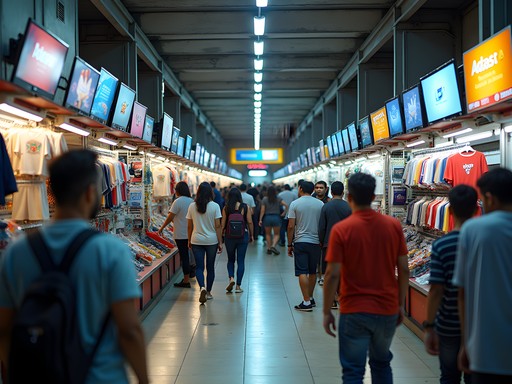
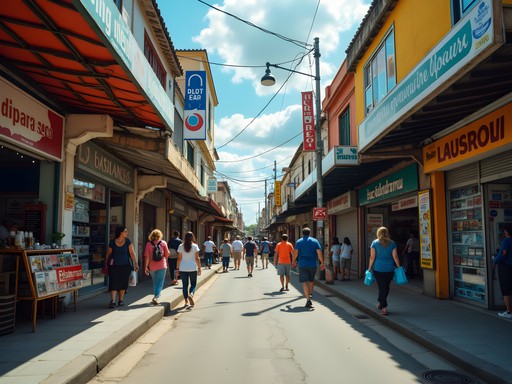
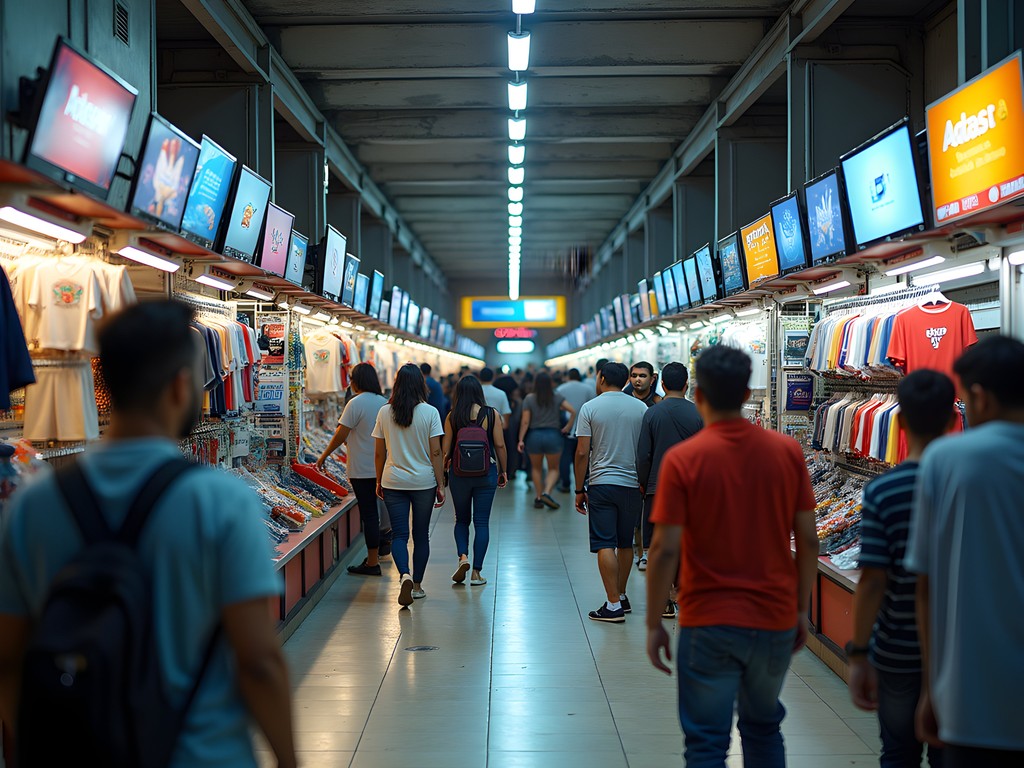
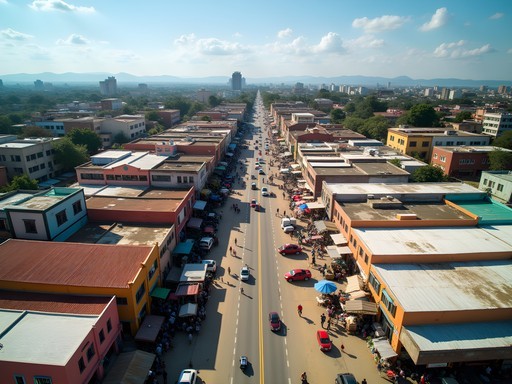
Ciudad del Este's commercial district operates like a massive peer-to-peer network—decentralized, redundant, and remarkably resilient. The main shopping areas spread out from the bridge in a complex web of gallerias, street stalls, and multi-story shopping centers.
My approach to this retail chaos borrows from network security principles: reconnaissance before engagement. I spend my first hours mapping the territory, noting price points for common items, and identifying the hierarchy of vendors. Like penetration testing, this initial investment pays dividends when negotiating later.
The markets follow a loose organizational logic. Electronics cluster near Av. San Blás and shopping malls like SAX and Shopping del Este, while counterfeit goods and cheaper merchandise radiate outward. The further you venture from the main arteries, the more authentic (and often better priced) the merchandise becomes.
For extended exploration, I rely on my portable phone charger to keep navigation apps running. Ciudad del Este's labyrinthine layout drains batteries quickly, especially when you're constantly comparing prices online and taking reference photos of products.
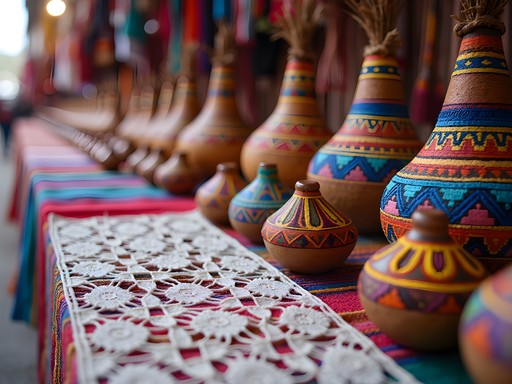
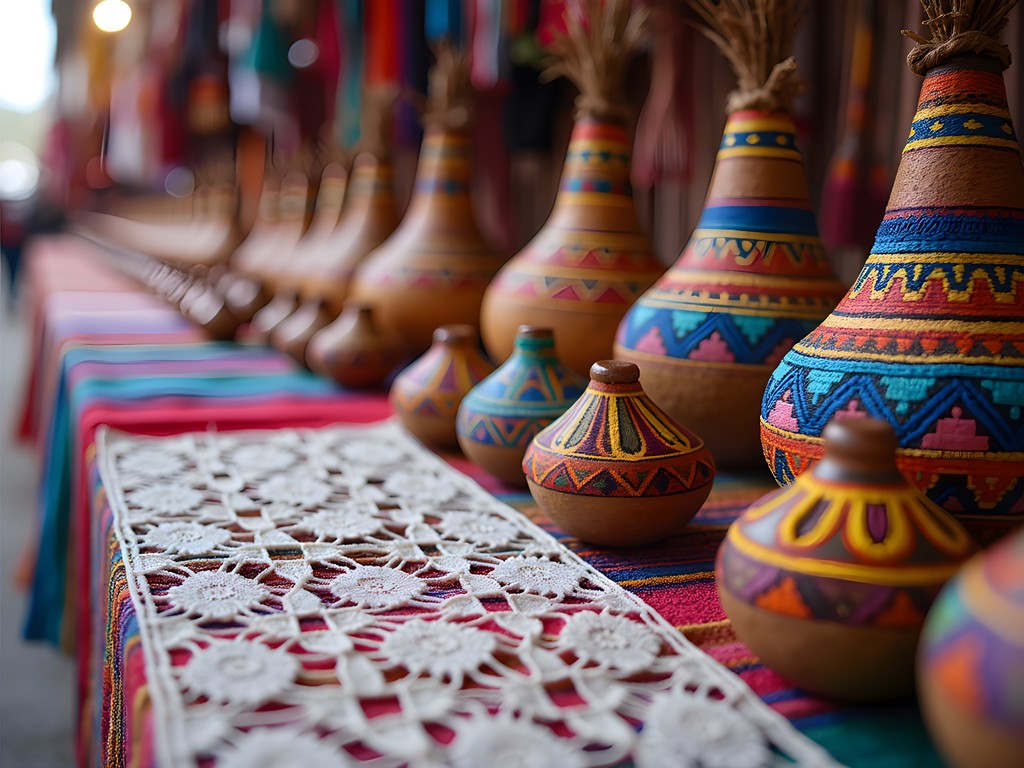
The real treasures often hide in plain sight. Beyond the flashy electronics shops lie vendors selling beautiful Paraguayan handicrafts—ñandutí lace, ao po'i embroidery, and yerba mate accessories at prices untainted by the tourist markup you'll find in Asunción.
💡 Pro Tips
- Use a mapping app to drop pins at shops with good prices—the layout is disorienting
- Photograph items and prices for comparison shopping (discreetly)
- Venture at least 4-5 blocks from the main avenue to find better prices and more authentic goods
The Art of the Deal: Bargaining Protocol
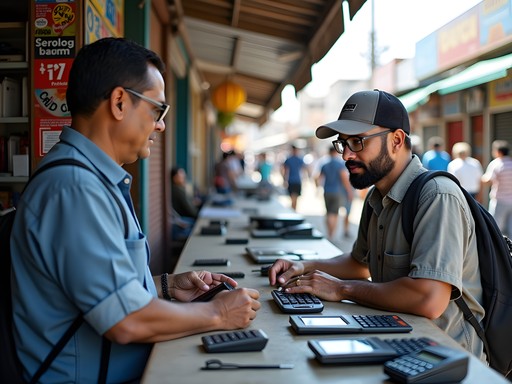
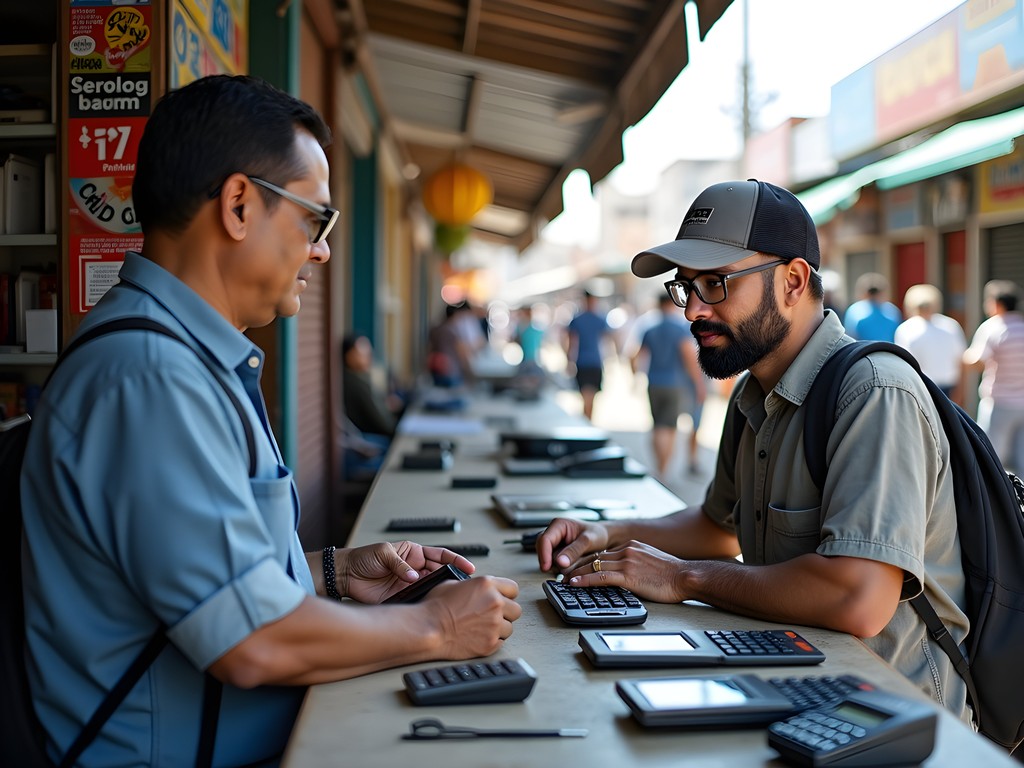
Negotiation in Ciudad del Este isn't just expected—it's practically mandatory. The initial price is merely an opening parameter in a human handshake protocol. My cybersecurity background has taught me that all systems have exploitable vulnerabilities; here, it's the vendor's expectation of profit margin.
The key difference between digital and human negotiation is that emotion plays a critical role. Your bargaining position strengthens when you demonstrate knowledge, show willingness to walk away, and maintain a friendly demeanor. Aggression triggers defensive protocols—vendors will hold firm rather than lose face.
My typical approach follows a consistent algorithm: express interest but not enthusiasm, inquire about the price, counter with 40-50% of the quoted figure, then work toward a middle ground. The sweet spot usually lands around 60-70% of the initial ask for electronics and 50-60% for clothing and souvenirs.
Spanish skills dramatically improve your position. While many vendors speak Portuguese due to Brazilian clientele, negotiating in Spanish signals that you're not a typical day-tripper and may have broader market knowledge.
For keeping track of expenses and conversion rates, I rely on my currency converter app which works offline—essential given the three currencies (Paraguayan guaraní, Brazilian real, and US dollars) commonly accepted here. The app helps prevent the common trap of losing track of actual values during rapid-fire negotiations across multiple currency systems.
💡 Pro Tips
- Learn basic Spanish negotiation phrases—even rudimentary language skills shift power dynamics
- Calculate your target price beforehand and stick to it
- Bundle purchases from the same vendor for steeper discounts

Beyond Electronics: The Unexpected Finds
While Ciudad del Este built its reputation on tax-free electronics, the truly fascinating discoveries lie elsewhere. After multiple visits, I've developed an appreciation for the city's more obscure commercial niches that most day-trippers miss entirely.
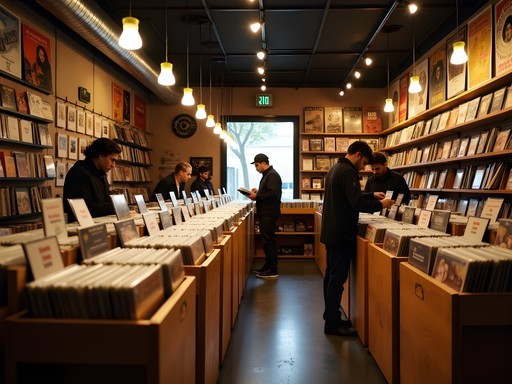
The city hosts a remarkable vinyl record scene that speaks to my musical soul. Several shops near the central plaza stock everything from Latin American pressings of classic albums to regional cumbia and guarania recordings impossible to find digitally. As a collector who appreciates both the analog warmth of vinyl and the cultural documentation these records represent, I always budget extra time and guaraníes for these expeditions.
Paraguayan yerba mate culture manifests in specialized shops selling ornate gourds (guampa), bombillas (metal straws), and thermos flasks in designs ranging from traditional to contemporary. My insulated water bottle has been perfect for carrying hot water for mate throughout my explorations—maintaining temperature for hours while I browse the markets.
The textile markets offer another dimension entirely. Paraguay's indigenous and colonial textile traditions produce stunning pieces at prices that would be tripled in boutiques elsewhere. The ñandutí lace—a spider-web-like embroidery specific to Paraguay—makes for gifts that balance cultural significance with practical portability.
Perhaps most surprising is the emerging specialty coffee scene. Several cafés near the downtown area serve locally-grown Paraguayan coffee, offering a welcome respite from the commercial intensity and a window into Paraguay's developing third-wave coffee culture.
💡 Pro Tips
- Visit Mercado de Abasto for authentic Paraguayan food products and regional specialties
- Look for shops selling indigenous art from the Guaraní communities
- Allocate time for the vinyl record shops if you're a music enthusiast—their collections are surprisingly extensive
Security Considerations: Digital and Physical
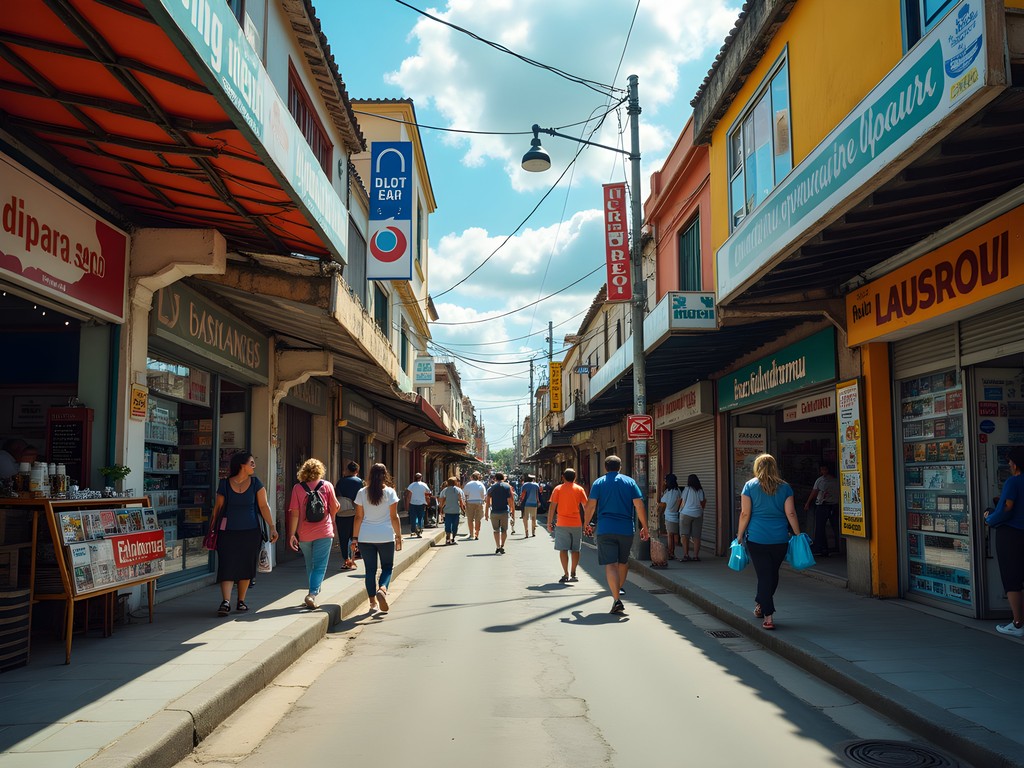
My professional paranoia serves me well in Ciudad del Este, where security concerns span both physical and digital domains. The city doesn't deserve its exaggerated reputation for danger, but it does require heightened awareness—much like navigating suspicious websites.
Physical security starts with distribution of assets. I never carry all my cash or cards together, instead using a money belt worn under clothing for the bulk of my funds. A decoy wallet with a small amount of cash satisfies opportunistic thieves without significant loss. This compartmentalization mirrors basic infosec principles: segment valuable assets to limit potential damage.
Digital security is equally important. Public WiFi networks in the shopping districts are convenient but vulnerable. I always connect through a VPN service when checking prices online or accessing banking information. The encryption provides essential protection in an environment where network sniffing is common.
Credit card skimming remains prevalent, so I prefer cash transactions for most purchases. When cards are necessary, I use terminals I can see (never letting cards disappear from view) and cover the keypad during PIN entry—basic practices that dramatically reduce compromise risk.
The most effective security measure is situational awareness. I maintain the same mindset here as when monitoring network traffic—watching for anomalies and unusual patterns. Groups of people suddenly converging, individuals paying too much attention to tourists, or unexpected congestion in normally open areas all warrant caution.
💡 Pro Tips
- Keep a photocopy of your passport separate from the original document
- Use ATMs inside banks rather than street-facing machines
- Consider a temporary travel SIM card instead of relying on public WiFi networks
Final Thoughts
Ciudad del Este exists in fascinating contradiction—simultaneously chaotic and ordered, legitimate and gray-market, overwhelming and navigable. My experiences here have reinforced what both cybersecurity and travel have taught me: systems that appear random actually follow discernible patterns if you observe patiently enough.
This border metropolis offers more than just tax-free shopping. It provides a window into the complex economic realities of South America's interior and the ingenuity of people adapting to geographical and economic circumstances. The city pulses with a raw entrepreneurial energy that feels increasingly rare in our algorithm-optimized world.
Whether you're hunting for electronics deals, unique Paraguayan crafts, or simply the experience of navigating one of Latin America's most distinctive commercial ecosystems, Ciudad del Este rewards those who approach with preparation, patience, and curiosity. Just remember: the true value isn't always in what you purchase, but in mastering the intricate human protocols that govern this remarkable marketplace at the convergence of nations.
✨ Key Takeaways
- Timing is crucial—visit early weekdays to avoid border crossing congestion
- The best deals and most authentic goods are found away from the main commercial avenues
- Bargaining is expected but should be conducted with knowledge and respect
- Security awareness (both physical and digital) significantly improves your experience
📋 Practical Information
Best Time to Visit
Fall (March-May) or Spring (September-November)
Budget Estimate
$50-100/day excluding purchases
Recommended Duration
1-2 days
Difficulty Level
Challenging


Comments
FirstTimeShopper
Just booked my trip! So excited to put these tips into practice!
LocalParaguayan
As someone from Asunción who visits Ciudad del Este regularly, I appreciate how accurately you captured the experience! One thing tourists often miss is our amazing food scene. Next time try chipa guasu or sopa paraguaya from the food vendors near the central market. It's the perfect fuel for a day of shopping! And yes, learning a few words of Guaraní goes a long way with the locals. "Mba'éichapa" (hello) and "Aguyje" (thank you) are good starts!
Lucas Mason
Thanks for the local perspective! I did try chipa but missed the sopa paraguaya - adding it to my list for next time. And you're right about Guaraní - even my terrible pronunciation got some smiles!
Kimberly Murphy
Brilliant guide, Lucas! I was in Ciudad del Este just before the pandemic and it's fascinating how the place operates like its own microeconomy. For anyone planning a visit, I'd add that transportation timing is everything. The border crossing gets INSANELY congested between 10am-2pm. I recommend crossing super early (7-8am) from the Brazil side to maximize shopping time and minimize queues. Also, the food scene deserves mention - some amazing Paraguayan-Brazilian fusion places hidden among the electronics shops. Try chipa (cheese bread) from street vendors - absolutely divine with coffee! And don't miss the view of the Paraná River where the three countries meet. It's a welcome break from the commercial chaos.
dreamone
Thanks for the early crossing tip! Will definitely plan for that. Any specific food spots you'd recommend?
Kimberly Murphy
There's a little place called Sabor Guaraní about two blocks from the main market - amazing sopa paraguaya (corn bread) and proper yerba mate. Just follow your nose! 😊
SoloFemTraveler
How safe is it for women traveling alone? Any specific precautions?
Claire Hawkins
I've done it solo! Standard precautions apply - keep valuables secure, be aware of your surroundings, and consider hiring a local guide for your first visit. The main shopping areas are busy enough that I felt comfortable, but I avoided the more remote areas alone.
SoloFemTraveler
Thanks Claire! That's reassuring. Did you stay in Ciudad del Este or Foz do Iguaçu?
Claire Hawkins
I stayed in Foz - more accommodation options and it feels a bit more tourist-friendly. Just make sure to note the border crossing hours!
mountainadventurer
Just got back from Ciudad del Este yesterday! Your bargaining tips saved me so much money! Started at 40% and worked my way up like you suggested. Got an amazing deal on a camera that would've cost double back home. The vendor actually smiled when I used some basic Spanish phrases too!
coffeeninja
What camera did you get? I'm thinking of buying one when I visit.
mountainadventurer
Got a Sony A7III! Make sure you check it thoroughly before leaving the shop. I used my camera guide to verify all features were working properly. Most shops there are legit but always good to be careful!
BorderHopper45
Pro tip: the little food stalls behind the main electronics section have amazing empanadas for like $1. Best lunch spot while shopping!
redfan
Omg yes! Those cheese and corn ones were incredible!
wanderway
The bus from Foz do Iguaçu worked great for us. Super cheap and frequent!
backpacklover
Anyone know if the yerba mate prices are actually better than buying in Argentina? Thinking of stocking up
backpackperson
Not really worth it for mate tbh, Argentina has better variety. Go for electronics or perfumes instead
escaperider
The photos really capture the vibe lol
springone6240
Going there next month, this is super helpful!
Venture X
Premium card with 2X miles, $300 travel credit, Priority Pass