Disclosure: This article contains affiliate links. We may earn a commission from purchases at no extra cost to you, which helps our travel content.
The moment I stepped onto Vigan's cobblestone streets, time seemed to fold in on itself. Spanish colonial buildings stood shoulder to shoulder with Chinese merchant houses, their weathered facades telling stories that span centuries. As a photographer who has documented cultural heritage across five continents, I can confidently say that Vigan offers one of Southeast Asia's most photogenic historical landscapes—a UNESCO World Heritage site where the Philippines' complex colonial past is preserved in remarkable detail. During my winter weekend visit, I discovered that this northern Luzon gem provides endless compositional possibilities: from dramatic morning light casting long shadows across Calle Crisologo to the golden hour glow illuminating ancestral mansions. This guide shares my approach to capturing Vigan's unique heritage through your lens, whether you're wielding a professional camera or simply your smartphone.

The Golden Hours of Calle Crisologo
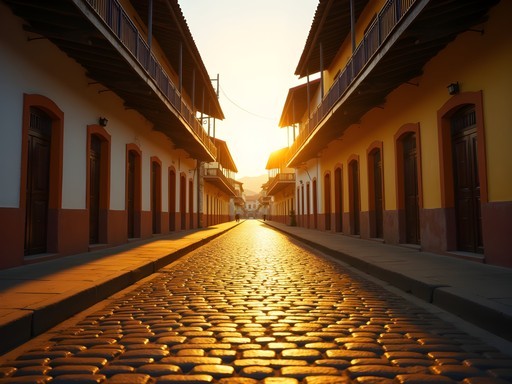
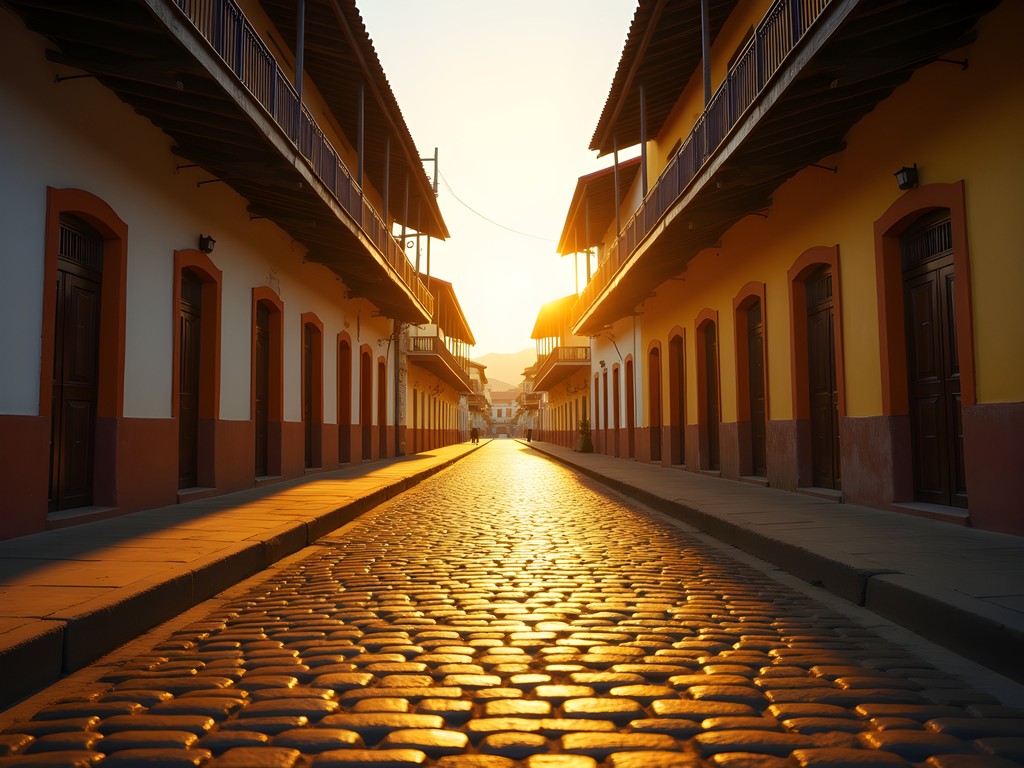
Calle Crisologo forms the heart of Vigan's historical district, and timing is everything when photographing this iconic street. I arrived before sunrise on my first morning, tripod in hand, and watched as the first light crept across the cobblestones, gradually illuminating the Spanish colonial buildings in warm amber hues.
The street transforms throughout the day. Early morning (5:30-7:00 AM) offers serene compositions with minimal tourists and dramatic long shadows. The kalesas (horse-drawn carriages) begin to appear around 7:00 AM, adding authentic cultural elements to your frame. My carbon fiber tripod proved invaluable for these low-light conditions—lightweight enough for travel yet sturdy against the occasional morning breeze.
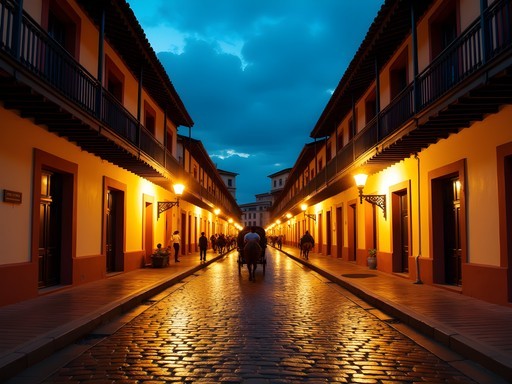
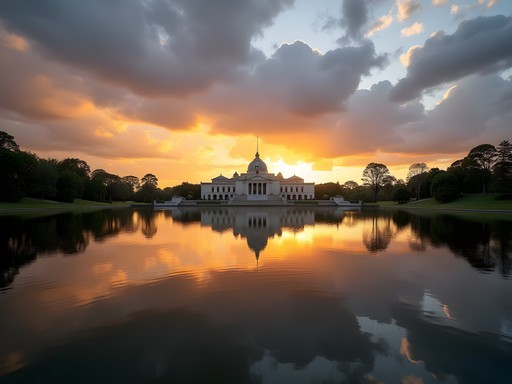
Evening golden hour (5:00-6:00 PM) bathes the weathered wood and stone in rich, warm tones. The street lamps begin to glow, creating a magical atmosphere as day transitions to night. This is when I captured some of my favorite images, using a wide aperture to create a subtle bokeh effect with the hanging lamps stretching into the distance.
Midday offers its own opportunities, especially for detail work. The harsh overhead light creates interesting shadow patterns within doorways and highlights architectural details often missed during the softer lighting hours. Look for the weathered wooden doors, ornate window grilles, and capiz shell window panes that tell stories of colonial craftsmanship.
💡 Pro Tips
- Arrive at Calle Crisologo before 6:00 AM to capture empty streets bathed in early morning light
- Use a polarizing filter to manage reflections on windows and enhance the rich wooden textures of heritage buildings
- Include kalesa drivers in your compositions—they're accustomed to photographers and often position themselves beautifully against the historic backdrop
Architectural Details: Telling Stories Through Textures
Vigan's architectural heritage is a fascinating blend of Spanish, Chinese, and Filipino influences—what locals call the mestizo style. Beyond the sweeping street scenes, I found immense satisfaction in documenting the intricate details that make these structures unique.
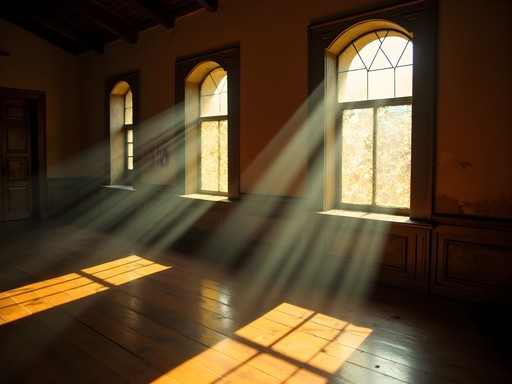
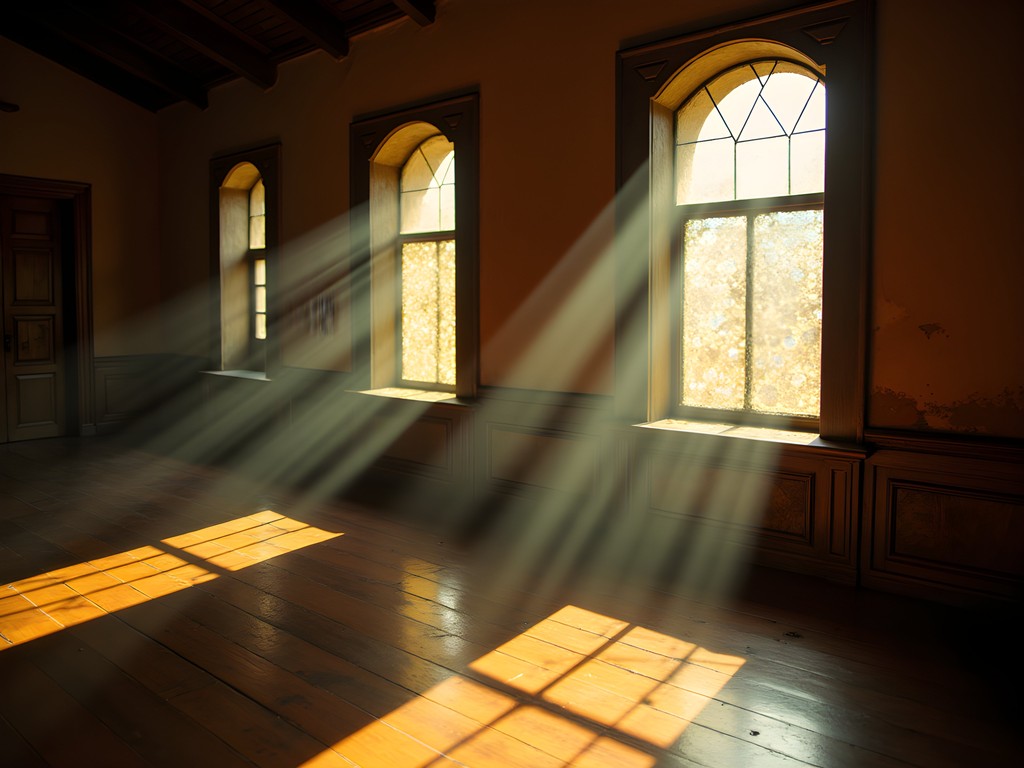
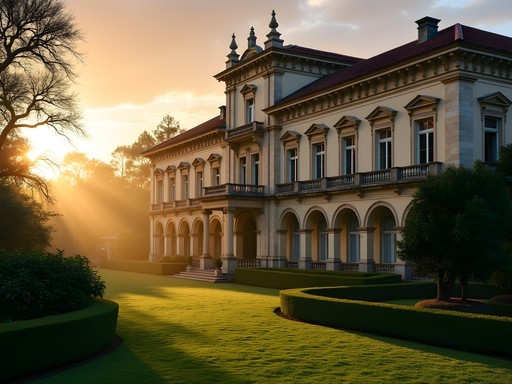
The bahay na bato (stone houses) feature ground floors of stone and upper levels of wood, with distinctive sliding capiz shell windows that filter light beautifully. These windows create gorgeous natural diffusion—stand inside these ancestral homes during midday and watch how the light transforms into a soft glow through the translucent shells.
For texture photography, I relied heavily on my 50mm prime lens, which delivers remarkable sharpness and allows me to work with shallow depth of field when highlighting specific architectural elements. The natural compression of this focal length also helps isolate details against contextual backgrounds.
Don't overlook the floors! Many heritage homes feature handmade tiles with patterns that have survived centuries. Shoot these from directly above, ensuring your camera is perfectly parallel to the ground. The symmetry and worn patina tell stories of countless footsteps across generations.
When photographing building facades, be mindful of perspective distortion. Position yourself directly in front or use a longer focal length from further away. If you're using a wide-angle lens up close, the keystone effect will cause vertical lines to converge—sometimes an interesting creative choice, but often distracting in architectural documentation.
💡 Pro Tips
- Look for the interplay of light through capiz shell windows, especially in mid-morning
- Capture the contrast between weathered wood and stone elements in close-up detail shots
- Use leading lines from floor tiles, staircases, and corridors to create depth in interior photography
Cultural Portraits: The People of Vigan
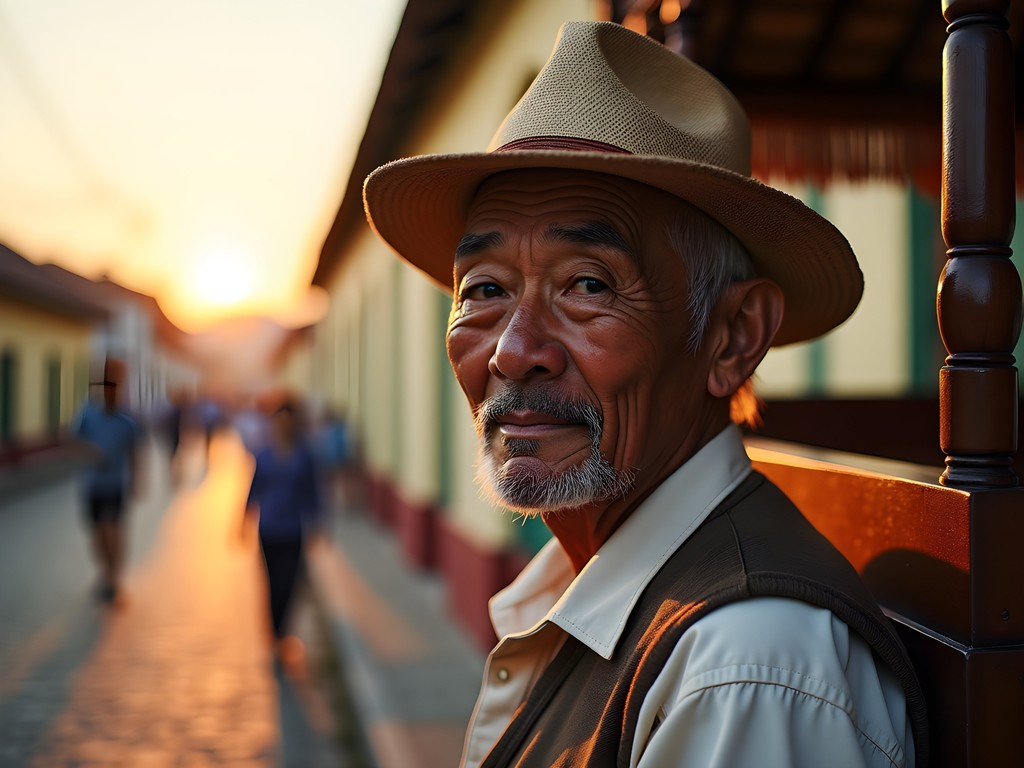
While Vigan's architecture forms a compelling backdrop, it's the people who bring true depth to your visual storytelling. My approach to cultural portraiture always begins with connection rather than composition.
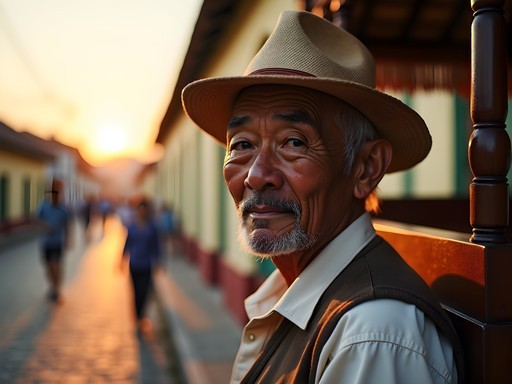
The kalesa drivers, often from families who have practiced this trade for generations, embody Vigan's living heritage. Rather than simply photographing them from a distance, I spent time conversing with several drivers, learning about their daily routines and family histories. Mang Roberto, a third-generation kalesa driver in his 70s, allowed me to photograph him after we shared stories over morning coffee at a local bakery.
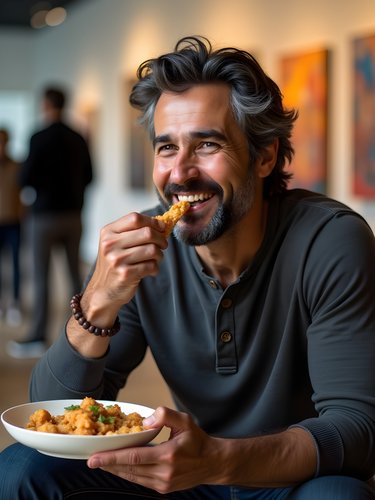
The Plaza Burgos area comes alive in the early evening with food vendors preparing local specialties. These culinary artisans—many elderly women who have perfected recipes passed through generations—often welcome photography if approached respectfully. The preparation of empanada, a local specialty, offers particularly dynamic visual opportunities with its vibrant orange dough and sizzling cooking process.
For authentic portraits, I prefer working with available light rather than flash, which can disrupt the natural atmosphere. My fast prime lens excels in these conditions, allowing me to maintain fast shutter speeds even as daylight fades while creating beautiful background separation.
When photographing craftspeople in their workshops—particularly those creating the burnay pottery unique to the region—be mindful that the lighting is often challenging. Position subjects near doorways or windows for directional natural light that sculpts faces beautifully. These craftspeople are the keepers of traditions dating back centuries, and capturing their weathered hands at work tells a powerful story of cultural continuity.
💡 Pro Tips
- Always ask permission before photographing people up close, preferably learning a few basic Ilocano phrases to establish rapport
- Visit the empanada vendors at Plaza Burgos around 4:00 PM when preparation activity peaks
- Offer to share digital copies of portraits with your subjects—many appreciate having professional photos of themselves and their work

Beyond the Historic Quarter: Hidden Photographic Gems
While most photographers concentrate exclusively on Calle Crisologo, some of my most compelling images came from venturing beyond the main tourist areas. Just a short walk from the central historic district, you'll find neighborhoods where daily life unfolds against the backdrop of less-restored but equally fascinating colonial structures.
The riverside area near the Mestizo River offers a completely different perspective on Vigan. Early morning fog often clings to the water, creating ethereal landscapes where fishing boats emerge from the mist. This area feels worlds away from the manicured heritage zone and provides authentic glimpses into contemporary Ilocano life.
Vigan Cathedral (St. Paul Metropolitan Cathedral) and its adjacent Plaza Salcedo deserve dedicated photographic attention, particularly during the dancing fountain shows held each evening. I recommend positioning yourself on the cathedral steps during sunset to capture the plaza bathed in golden light with the fountain as foreground interest.
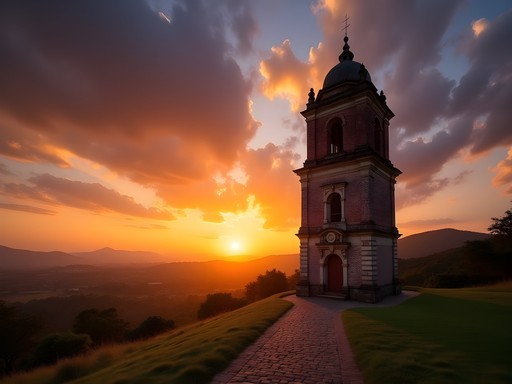
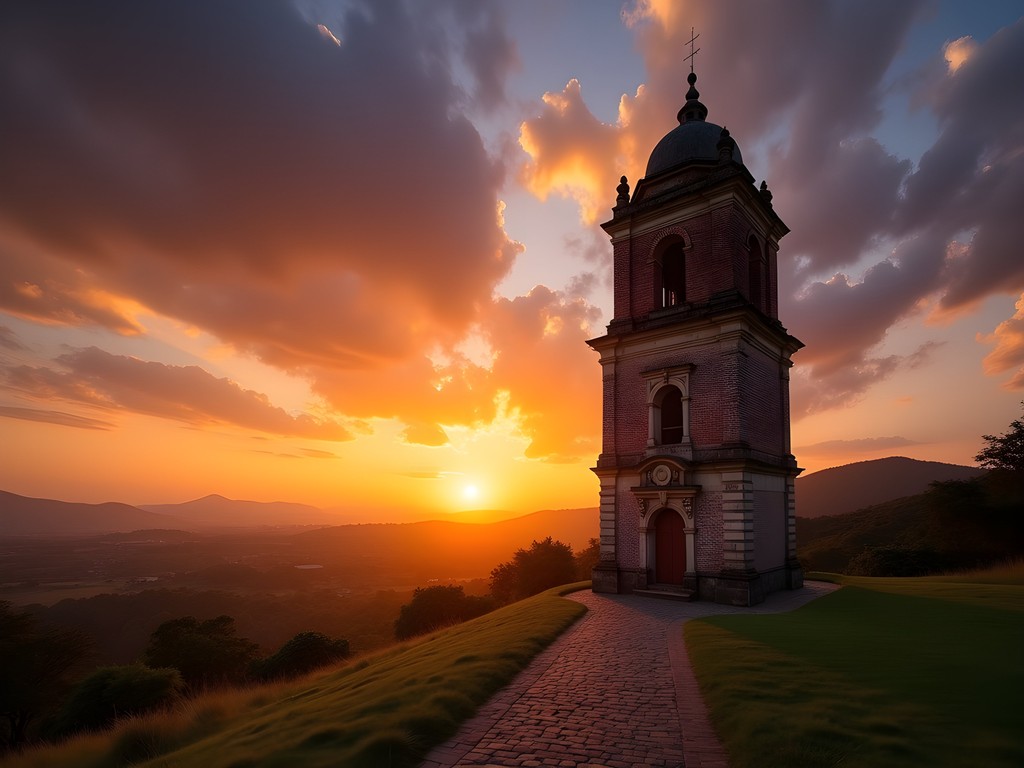
For landscape photographers, the short trip to nearby Bantay Bell Tower (about 10 minutes from the historic center) rewards with panoramic views across Vigan and surrounding countryside. The warm brick tower itself creates a compelling subject against blue skies, while the elevated perspective provides context for how the historic city fits within the broader landscape.
During my exploration, my camera backpack proved invaluable for carrying multiple lenses while navigating Vigan's varied terrain—from cobblestone streets to muddy riverside paths. Its weatherproof design protected my gear during an unexpected afternoon shower, and the side access allowed me to change lenses quickly without missing fleeting light conditions.
💡 Pro Tips
- Visit Bantay Bell Tower in late afternoon when the brick structure glows warmly in the setting sun
- Explore side streets like Plaridel and Salcedo for authentic scenes of daily life with fewer tourists
- Check the schedule for the Plaza Salcedo dancing fountain show and arrive early to secure an elevated photography position
Night Photography: Vigan After Dark
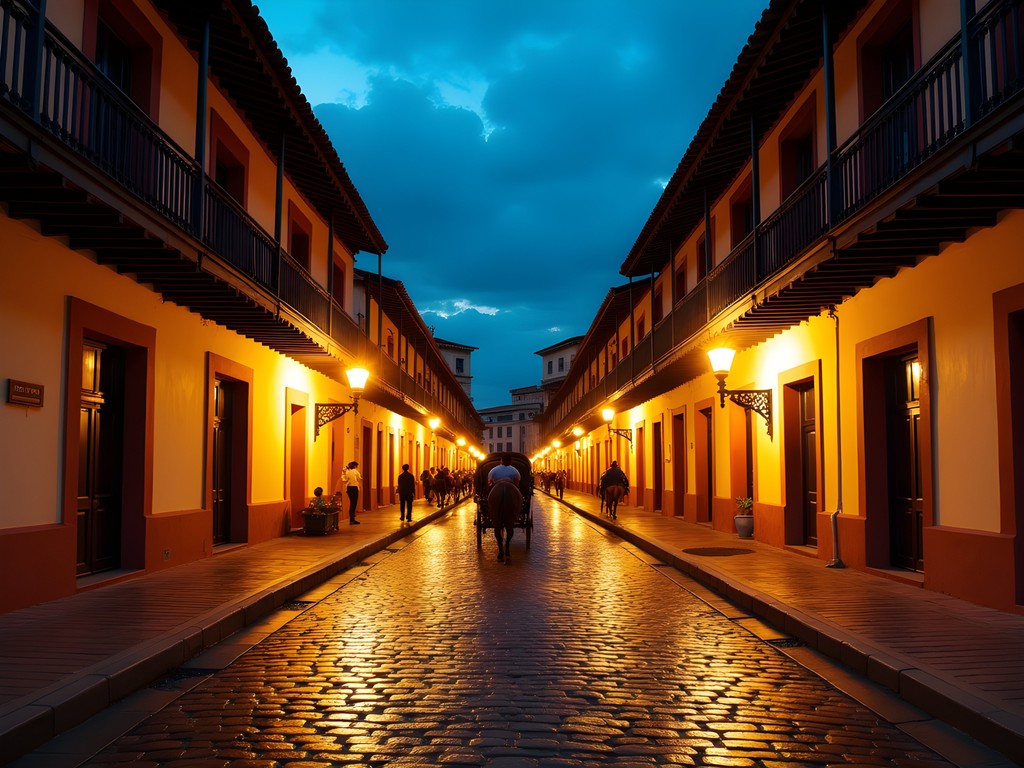
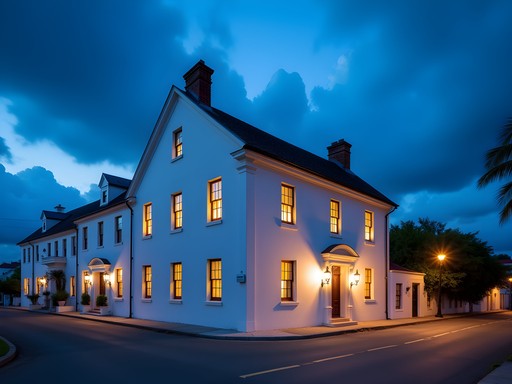
As darkness falls, Vigan transforms into a photographer's playground of dramatic lighting and moody ambiance. The heritage district takes on a completely different character after sunset, with warm tungsten street lamps creating pools of golden light against the deep blue evening sky.
Blue hour (approximately 30-45 minutes after sunset) presents the perfect balance between ambient light and artificial illumination. During this brief window, I captured the iconic shots of Calle Crisologo where the cobblestones still reflect the remaining sky light while the street lamps create a warm counterpoint. This lighting contrast tells the visual story of old meeting new—colonial architecture illuminated by contemporary methods.
For successful night photography in Vigan, stability is essential. While I always travel with a tripod, there are situations where setting one up isn't practical. In these cases, I use the technique of bracing my camera against solid surfaces like walls or lampposts, combined with my camera's built-in stabilization. For those serious about night photography, a compact travel tripod offers the perfect balance of portability and stability for these situations.
The Plaza Burgos night market creates vibrant opportunities for street photography, with food stalls illuminated by bare bulbs and fluorescent lights. This mixed lighting creates challenging but rewarding conditions. I recommend shooting in RAW format to maintain maximum flexibility in post-processing, particularly for white balance adjustments.
Don't overlook the ancestral homes that offer evening tours by lamplight, particularly the Syquia Mansion and Villa Angela. These interiors photographed by lamplight create hauntingly beautiful images that evoke the colonial era. The limited lighting requires higher ISO settings, but modern cameras handle this remarkably well, especially when paired with noise reduction in post-processing.
💡 Pro Tips
- Arrive for blue hour (around 6:00-6:30 PM in winter) when the balance between ambient and artificial light creates magical conditions
- Use a remote shutter release or 2-second timer to eliminate camera shake during long exposures
- Experiment with white balance settings—auto WB often struggles with the mixed lighting conditions of Vigan at night
Final Thoughts
As I packed away my camera on my final evening in Vigan, watching the last light fade over Plaza Burgos, I reflected on what makes this place so compelling for photographers. Beyond the obvious colonial architecture and UNESCO status, it's the living connection between past and present that creates truly meaningful images. The heritage buildings aren't merely preserved relics but continue as homes, businesses, and community spaces. Your photography here can transcend typical travel snapshots to become visual documentation of cultural continuity. Whether you're wielding a professional camera or smartphone, approach Vigan with curious eyes and respectful presence. The stories will reveal themselves through your viewfinder, frame by frame, as they have for centuries in this remarkable corner of the Philippines. I'll certainly return—perhaps next time during the rainy season, when reflections transform these cobblestone streets into mirrors of history.
✨ Key Takeaways
- The golden hours (early morning and late afternoon) provide the most flattering light for Vigan's heritage architecture
- Move beyond Calle Crisologo to discover authentic photographic opportunities in less-visited areas
- Connect with locals before photographing them to create more meaningful cultural portraits
- Night photography reveals a completely different character of Vigan's historic district
📋 Practical Information
Best Time to Visit
November to February (dry season)
Budget Estimate
$30-50 USD per day
Recommended Duration
2-3 days
Difficulty Level
Beginner



Comments
roamchamp
This is SO helpful!! I was in Vigan 3 years ago but just with my phone. Your section on cultural portraits really resonates - the weavers and kalesa drivers have such incredible faces and stories. Next time I'm bringing proper gear. Quick question: did you arrange the portrait sessions beforehand or just approach people respectfully on the street? I always worry about being intrusive.
Amit Sanchez
All spontaneous! Just smiled, showed interest in what they were doing, and asked permission. Everyone was incredibly welcoming. A few words of Tagalog helped too. The key is spending time chatting first, not just snapping and leaving.
skyway
What lens did you use for most of these shots? I'm trying to decide what to pack for my trip
Amit Sanchez
I used a 24-70mm for about 70% of the shots - perfect for both architecture and street scenes. Brought a 50mm f/1.8 for portraits too. If you can only bring one, go with the 24-70 or similar zoom range.
roamchamp
I second the zoom lens! So versatile for travel. Also bring extra batteries - I always run out faster than expected when shooting all day
Frank Garcia
Brilliant guide, Amit. I spent a week in Vigan last year and wish I'd had this resource then. Your point about the architectural textures is spot on - I found the best detail shots were actually on the side streets off Calle Crisologo where the buildings are less maintained but more authentic. The peeling paint and exposed brick tell better stories than the restored facades. One tip: the Bantay Bell Tower at sunset gives you an elevated perspective of the whole heritage zone that's quite dramatic. Did you make it up there?
Amit Sanchez
Yes! Bantay made it into my 'Hidden Gems' section. That 360-degree view is unreal. And totally agree about the side streets - some of my favorite shots came from just wandering.
sunnyperson
Love the photos! That texture shot of the old door is incredible
backpackmate
OMG this is exactly what I needed!! Going to Vigan in March and I've been stressing about when to shoot Calle Crisologo. Your golden hour tips are perfect! Did you find it crowded during sunrise or was it pretty empty?
Amit Sanchez
Sunrise was way less crowded! Maybe 2-3 other photographers max. By 8am the tour groups start arriving. Definitely recommend the early morning shoots.
backpackmate
awesome thank you!!
springlife
Going there next month, any other tips? How many days do you think is enough?
Douglas Bradley
2-3 days is perfect. Gives you time for golden hour shoots on multiple days and day trips to nearby spots like Paoay Church.
springlife
Perfect thanks!
Douglas Bradley
Excellent guide, Amit. Your point about the textures really resonates - those weathered capiz shell windows are incredible subjects. I'd add that the Bantay Bell Tower at sunset offers a completely different perspective of the town that most photographers miss. The view looking down over the terracotta roofs with the mountains in the background is spectacular. Also, if you're there during the Longganisa Festival (late January), the street photography opportunities are endless. The contrast between the old architecture and the vibrant festival colors creates some compelling compositions.
springlife
Thanks for the bell tower tip! Adding that to my list
coffeeblogger
What lens did you use for the architectural shots? Planning a trip there in a few months and trying to figure out what to pack. Also is it safe to walk around with expensive camera gear?
Douglas Bradley
Not Amit, but I was there last year. Wide angle is essential for Calle Crisologo - I used a 16-35mm most of the time. The streets are narrow so you need it. Vigan is very safe, locals are super friendly. Just use common sense like anywhere else.
springvibes
Those golden hour shots are stunning! Been wanting to visit Vigan forever.
coffeeblogger
Same here! Do you know if it's crowded during peak season?
springvibes
Not sure tbh, but early mornings probably best for photos anyway
redexplorer
For anyone heading to Vigan for photography, don't just stick to Calle Crisologo! I found some of my best shots in the side streets where locals were just going about their day. The hidden courtyards Amit mentioned are definitely worth exploring - I found an amazing one behind the Syquia Mansion with incredible light patterns around 3pm. Also, the local market makes for fantastic candid photography early morning.
Sarah Powell
Completely agree about the side streets. The contrast between tourist-filled Calle Crisologo and the authentic daily life just a block away makes for compelling visual storytelling. Did you make it to the bell tower at sunset?
redexplorer
I did! The view from St. Paul's Cathedral bell tower was incredible for sunset. Got some amazing panoramas of the whole historic district with that warm golden light washing over everything. Worth the climb!
Venture X
Premium card with 2X miles, $300 travel credit, Priority Pass