


Disclosure: This article contains affiliate links. We may earn a commission from purchases at no extra cost to you, which helps our travel content.
The southern tip of Saint Lucia holds a photographer's paradise that often gets overshadowed by the island's more famous northern attractions. Vieux Fort, with its raw, unfiltered Caribbean beauty, offers a visual feast that ranges from dramatic coastal landscapes to vibrant cultural scenes. As someone who's spent years documenting places where natural beauty intersects with human stories, I found this region to be an unexpected treasure trove of photographic opportunities. During my winter escape from Philadelphia's bone-chilling temperatures last January, I discovered that Vieux Fort isn't just a gateway to the rest of the island—it's a destination worthy of your camera's undivided attention. Whether you're wielding a professional DSLR or simply your smartphone, this guide will take you through the visual journey that awaits in this less-explored corner of Saint Lucia, where authentic Caribbean life and stunning natural backdrops create the perfect canvas for memorable photography.

Sandy Beach: Where Light and Landscape Converge
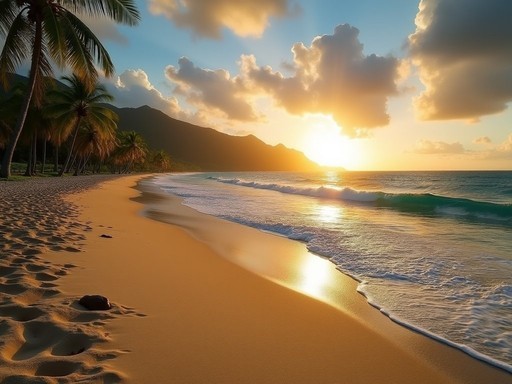
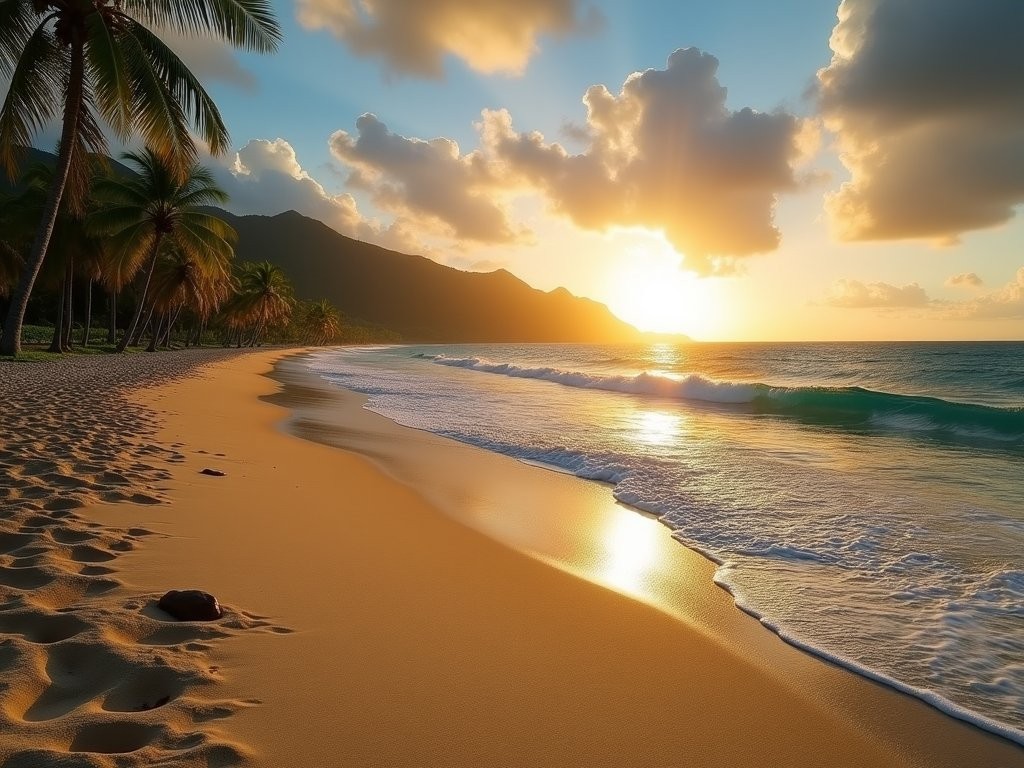
Sandy Beach stretches along the Atlantic coast of Vieux Fort like nature's own photography studio, offering an ever-changing display of light and texture that keeps me returning day after day during my stay. Unlike the manicured beaches of the north, Sandy Beach presents a more dramatic, windswept aesthetic that creates dynamic compositions at any hour.
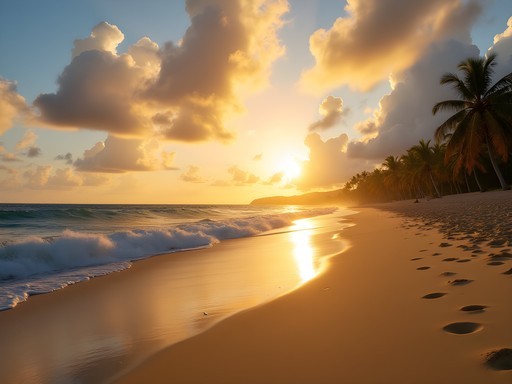
My favorite time to shoot here is during the golden hour—that magical period shortly after sunrise when the light bathes everything in warm, golden tones. The contrast between the powerful Atlantic waves and the soft morning light creates a compelling visual narrative about nature's dual personality. Position yourself near the northern end of the beach where several weather-worn driftwood pieces create natural leading lines in your compositions.
During midday, when many photographers typically pack up their gear, Sandy Beach offers a different opportunity. The harsh Caribbean sun creates striking shadow patterns as it filters through the coconut palms that line portions of the shore. For these shots, I found my polarizing filter indispensable for managing glare and enhancing the rich blues of both sky and sea.
The southern end of Sandy Beach, where kitesurfers often gather when the wind conditions are right, presents excellent opportunities for action photography. The colorful kites against the blue sky create vibrant focal points, while the athletic maneuvers of the surfers add a human element to the natural landscape. I typically set my camera to a fast shutter speed (at least 1/1000s) to freeze these dynamic moments.
What makes Sandy Beach particularly special for photography is how it captures the essence of Saint Lucia away from the tourist centers—local fishermen mending their nets, children playing impromptu cricket games, and families gathering for weekend picnics all create authentic moments worth documenting with respect and consideration.
💡 Pro Tips
- Visit during early morning (6-8am) for the softest light and fewest people
- Bring a lens cloth as salt spray can quickly fog your lens near the shoreline
- Ask permission before photographing local fishermen or families—a smile and simple gesture toward your camera usually suffices
Maria Islands Nature Reserve: Wildlife and Landscape Photography
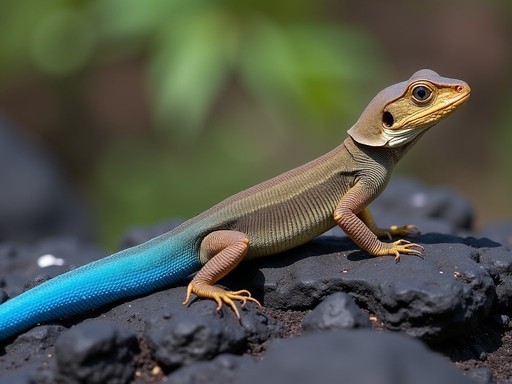
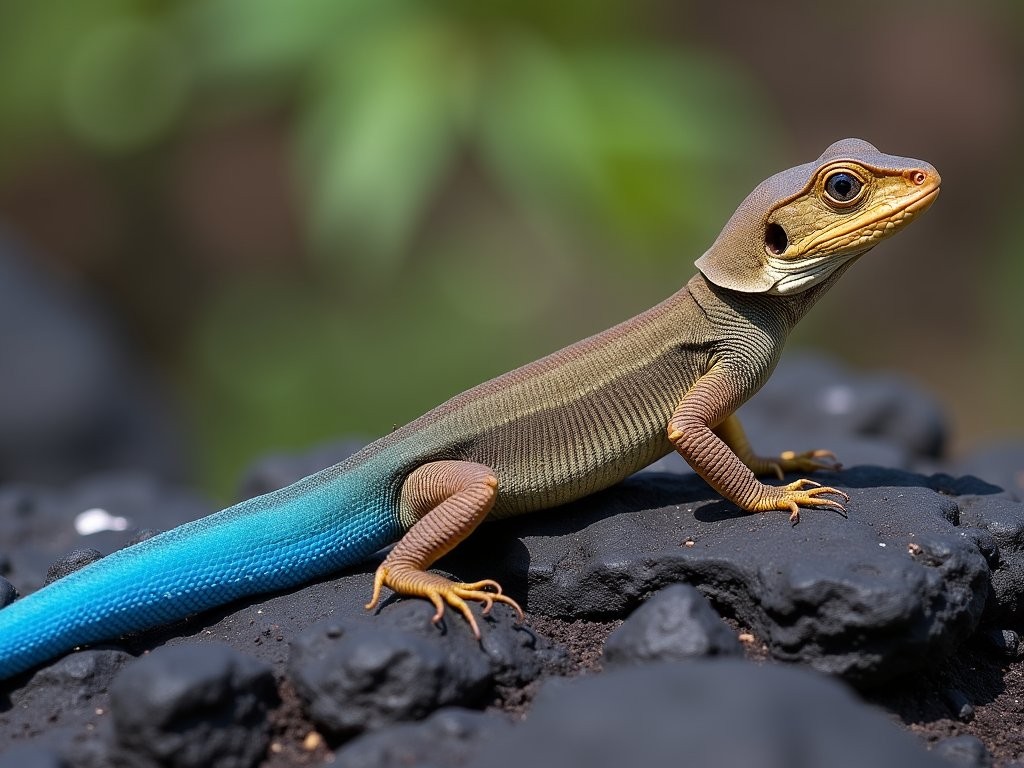
Just off the coast of Vieux Fort lies one of Saint Lucia's most precious ecological treasures and, consequently, one of its most rewarding photography destinations. The Maria Islands Nature Reserve consists of two small islands that serve as a sanctuary for endemic species, including the Saint Lucia whiptail lizard and several rare bird species.
Accessing the islands requires advance planning as the National Trust limits visitors to protect the fragile ecosystem. I arranged my permit through my accommodation three days in advance, and I highly recommend doing the same. The boat journey from Coconut Bay takes about 15 minutes and offers its own photographic opportunities of Vieux Fort's coastline from a different perspective.
For wildlife photography on the islands, I relied heavily on my telephoto zoom lens, which allowed me to capture the endemic lizards and birds without disturbing them. The Saint Lucia whiptail has a striking blue tail that contrasts beautifully against the island's rocky terrain, but photographing these quick creatures requires patience and a fast shutter speed.
The landscape opportunities on Maria Islands are equally compelling. From the highest point of the main island (about a 20-minute hike), you can capture panoramic views that include both the Atlantic and Caribbean coasts of Saint Lucia, with Vieux Fort and the airport visible to the north. The juxtaposition of developed land against the untouched nature reserve creates thought-provoking environmental narratives in a single frame.
What surprised me most was the macro photography potential. The islands host several species of colorful flowering plants and insects that reward those who slow down and look closely. I spent nearly an hour photographing a single flowering bush visited by hummingbirds and butterflies, creating intimate portraits of these fleeting interactions.
The changing light throughout the day dramatically transforms the islands' appearance. Morning visits offer clearer visibility for distant landscape shots, while afternoon light brings out the rich textures in the volcanic rock formations along the shoreline. If your schedule permits, I'd recommend two separate visits to experience these different conditions.
💡 Pro Tips
- Book your permit at least 3 days in advance through the Saint Lucia National Trust
- Bring at least twice as much water as you think you'll need—there are no facilities on the islands
- Pack a polarizing filter to cut glare when photographing the surrounding waters and enhance the visibility of underwater features near the shore
Vieux Fort Lighthouse: Historical Architecture and Panoramic Views
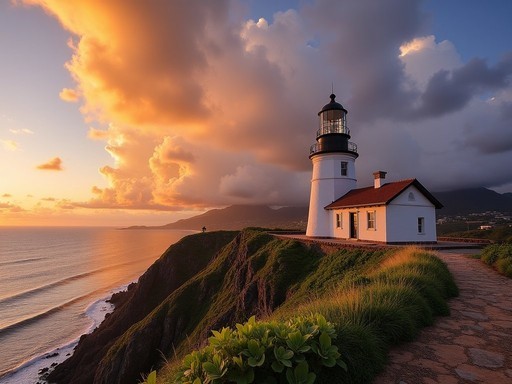
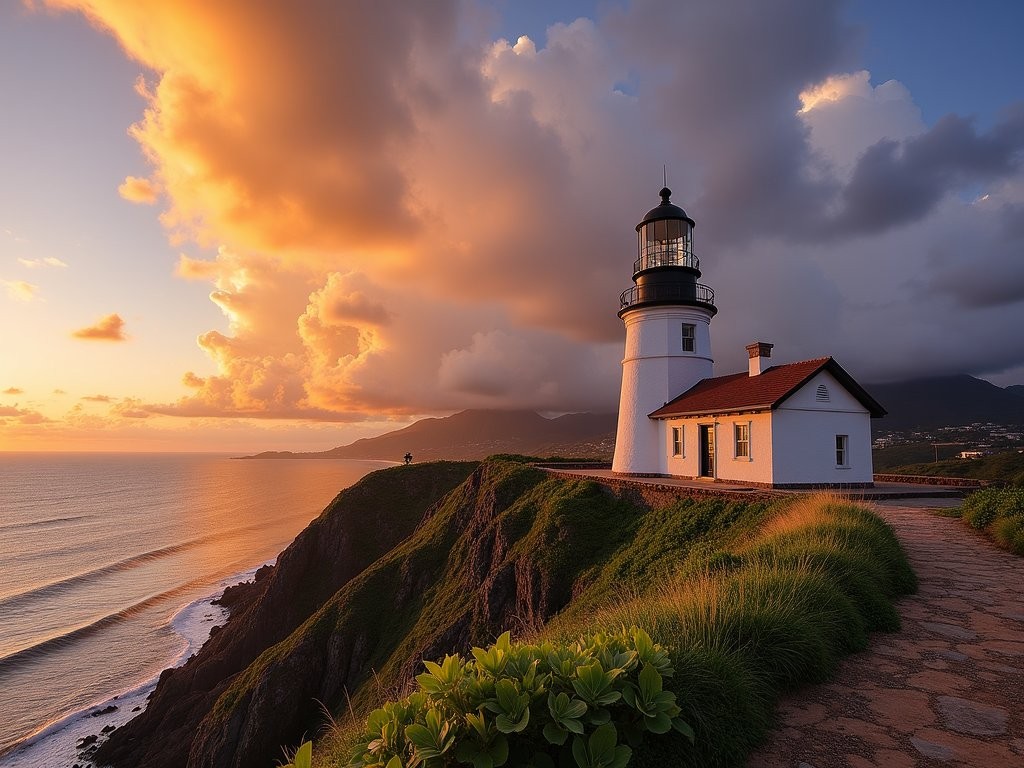
Perched atop a windswept hill on the southernmost point of Saint Lucia stands the Vieux Fort Lighthouse, a structure that has guided sailors since 1912 and now serves as a beacon for photographers seeking historical architecture against dramatic natural backdrops. The journey to the lighthouse itself is part of the photographic experience, with the road winding through neighborhoods rarely seen by typical tourists.
When I first visited, I was struck by how the lighthouse's weathered white exterior contrasts against both the cerulean sky and the lush green hillside. This contrast creates compelling compositions from virtually any angle, but I found the most striking shots came from positioning myself on the eastern side during late afternoon, when the low sun accentuated the texture of the lighthouse's surface and cast interesting shadows across the structure.
The real photographic payoff comes from the panoramic views surrounding the lighthouse. From this vantage point, you can capture sweeping vistas of both the Caribbean Sea and Atlantic Ocean meeting at the island's southern tip. The perspective offers a unique opportunity to document the geographic significance of Vieux Fort in a single frame. On clear days, you can even see Saint Vincent on the horizon to the south.
For these expansive landscape shots, my wide-angle lens proved invaluable, allowing me to capture the vastness of the seascape while keeping the lighthouse as an anchoring element in the composition. I often used a graduated neutral density filter to balance the bright sky with the darker landscape below.
Don't rush away after taking your initial shots. I spent nearly three hours at the lighthouse during my first visit, watching as changing cloud patterns dramatically altered the mood and lighting of each composition. Some of my most compelling images came after waiting patiently for brief moments when the sun broke through cloud cover, spotlighting specific elements of the landscape below.
The lighthouse grounds also offer interesting detail shots that tell stories about the site's history and the harsh coastal environment. Rusted metal fixtures, weathered stone steps, and native plants pushing through cracks in the concrete all speak to the ongoing dialogue between human construction and natural forces—a theme I often explore in my photography across different landscapes.
💡 Pro Tips
- Bring a tripod for low-light conditions and to stabilize your camera against the often strong winds at the lighthouse
- Visit on weekdays to avoid local weekend crowds that can make unobstructed architectural shots difficult
- Check weather forecasts carefully—the lighthouse area often has different weather than other parts of Vieux Fort due to its exposed position

Vieux Fort Town: Capturing Caribbean Culture and Daily Life
While Saint Lucia's natural landscapes often steal the spotlight, the town of Vieux Fort offers rich opportunities for cultural and street photography that capture the authentic rhythms of Caribbean life. As someone who believes photography can be a powerful tool for cultural understanding, I found the town's unpretentious character refreshingly photogenic.
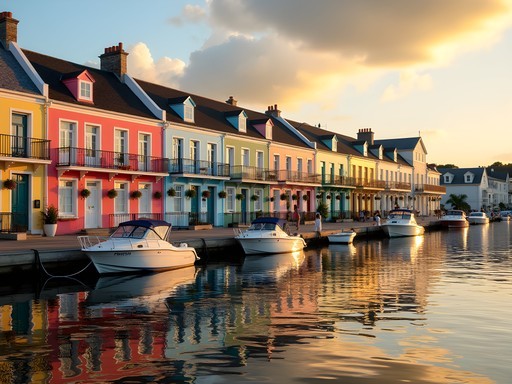
The heart of Vieux Fort's visual appeal lies in its colorful architecture. Buildings painted in vibrant yellows, blues, and pinks create a cheerful palette that pops beautifully in photographs, especially during the golden hours of early morning or late afternoon. Clarke Street, the main commercial thoroughfare, offers a particularly concentrated collection of these colorful structures, many dating back to the colonial era but repurposed for modern businesses.
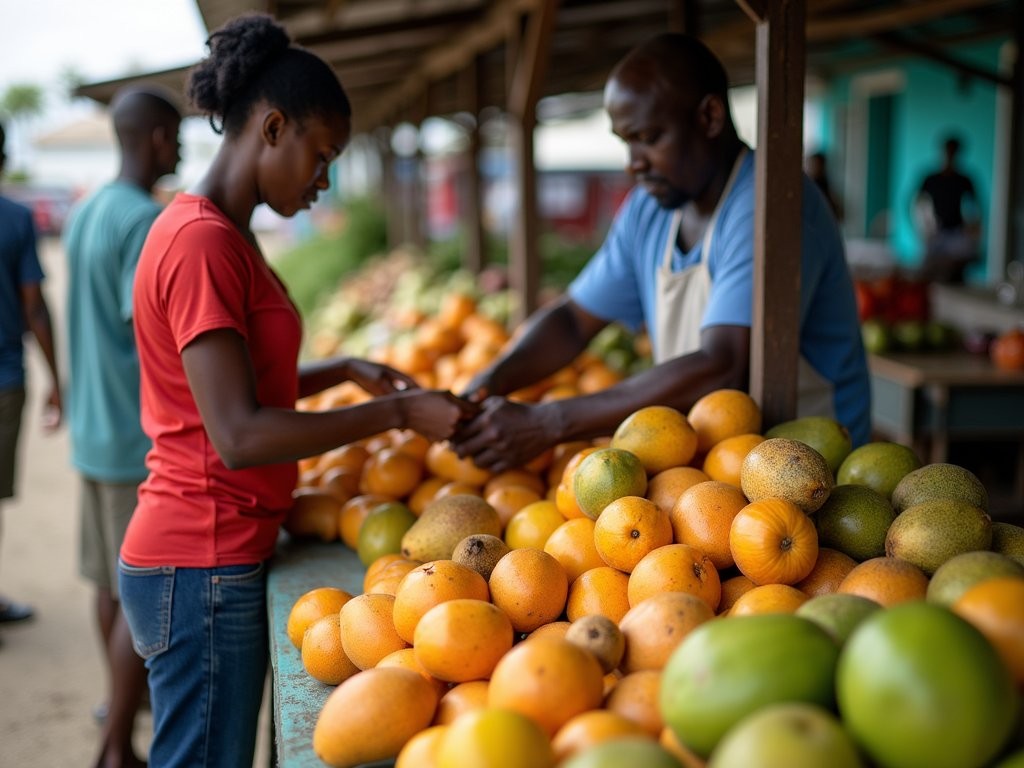
The Saturday morning market became my favorite photography hunting ground during my week in Vieux Fort. Arriving by 7:30 AM allowed me to capture vendors setting up their stalls in the gentle morning light. The market offers a kaleidoscope of colors, textures, and human interactions—from pyramids of tropical fruits arranged with natural artistic flair to the animated conversations between vendors and local customers. Remember that markets are places of business, not tourist attractions; I always purchase something from vendors before asking permission to photograph them or their goods.
For those interested in documentary photography, the fishing harbor presents compelling visual stories throughout the day. Early mornings (around 5:30-7:00 AM) offer scenes of fishermen preparing their boats and gear, while late afternoons showcase their return with the day's catch. The interplay of human activity against the backdrop of weathered fishing boats and the sea creates naturally powerful compositions.
One technical challenge when photographing in the town is managing the harsh contrast between bright sunlight and deep shadows. I found my mirrorless camera particularly valuable for its excellent dynamic range and electronic viewfinder that shows exposure in real-time. When using a smartphone, HDR mode can help balance these challenging lighting conditions.
Beyond the technical aspects, photographing in Vieux Fort town requires cultural sensitivity and awareness. Always ask permission before taking close-up photos of people, and be prepared to engage in conversation. Some of my most meaningful images came after chatting with locals about their work or daily life, creating a connection that translated into more authentic photographs.
💡 Pro Tips
- Learn a few basic Kwéyòl (Saint Lucian Creole) phrases to help break the ice when asking permission for portraits
- Visit the fish market around 4:00 PM when fishermen return with their catch for dynamic action shots
- Look for juxtapositions between traditional and modern elements that tell the story of a changing Caribbean community
Moule a Chique Road: Landscape Photography Paradise
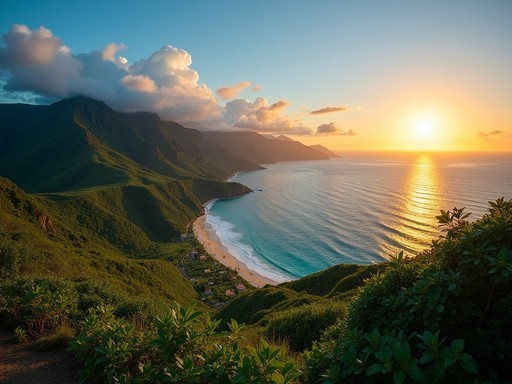
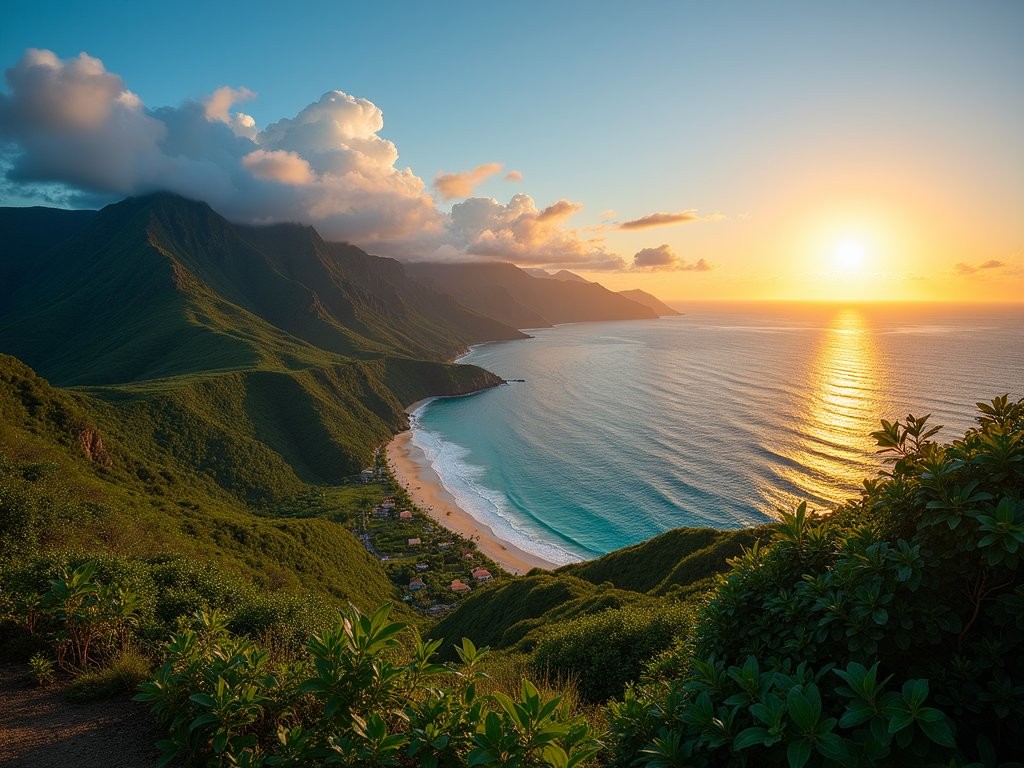
The winding road to Moule a Chique (the hill where the lighthouse stands) deserves special attention as a photography destination in its own right. This scenic route offers some of the most dramatic landscape photography opportunities in southern Saint Lucia, with numerous pullouts and vantage points that showcase different perspectives of the coastline, town, and surrounding countryside.
My approach to photographing this area involved multiple visits at different times of day, as the changing light transforms the landscape dramatically. Early mornings often bring mist rising from the valleys, creating ethereal scenes as the first light filters through. Midday offers crystal-clear visibility to capture the remarkable blue gradient where the Caribbean Sea meets the Atlantic Ocean—a color transition that's particularly visible from the higher elevations of this road.
One of my favorite spots sits approximately halfway up the road, at a sharp bend where a small clearing allows for unobstructed views of the airport runway with the Maria Islands beyond. This unique vantage point creates compelling compositions that juxtapose human engineering with natural beauty. For aviation enthusiasts, timing your visit to coincide with arriving or departing flights adds another dynamic element to these landscape shots.
The vegetation along Moule a Chique Road tells its own visual story about the microclimate of this region. As you ascend, you'll notice the plant life transitions from typical tropical growth to more wind-resistant species adapted to the exposed conditions near the summit. These botanical details make for interesting foreground elements when framing wider landscape shots.
For the most dramatic photographs, I recommend visiting during the hour before sunset when the lowering sun illuminates the western-facing slopes with golden light while casting the eastern valleys into graduated shadow. This creates natural depth and dimension in landscape photographs that can otherwise appear flat in midday light.
During my exploration of this road, my camera backpack proved invaluable for carrying multiple lenses while hiking to various vantage points. The ability to quickly switch between wide-angle for sweeping vistas and telephoto for compressing distant elements allowed me to capture the diverse perspectives this location offers.
One final tip: the road has several unmarked pullouts with spectacular views. Don't hesitate to stop when you spot a compelling composition, but be mindful of the occasional traffic, especially near blind curves.
💡 Pro Tips
- Use a graduated neutral density filter (or HDR techniques) to balance bright skies with darker foregrounds in your landscape compositions
- Bring a longer lens (70-200mm range) to compress and highlight the layers of hills that stretch toward the horizon
- Download an app that tracks sunset/sunrise positions to plan your shots—I use PhotoPills to predict exactly where the sun will set relative to landscape features
Coconut Bay Beach: Seascape and Resort Photography
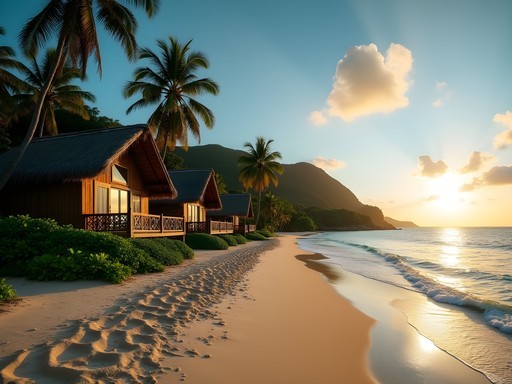
Coconut Bay Beach represents another facet of Vieux Fort's photographic personality—one where carefully landscaped resort grounds meet the natural beauty of the Atlantic coastline. Even if you're not staying at the resort, the beach is publicly accessible and offers distinct photography opportunities that complement the more rugged locations around Vieux Fort.
What makes this beach photographically interesting is the contrast between the manicured palm trees and the wild Atlantic surf. The waves here are more dramatic than those on Saint Lucia's Caribbean side, creating dynamic water elements in your compositions. I found early mornings ideal for capturing this interplay, as the soft light reduces contrast while the overnight winds often leave interesting patterns in the sand that serve as natural leading lines.
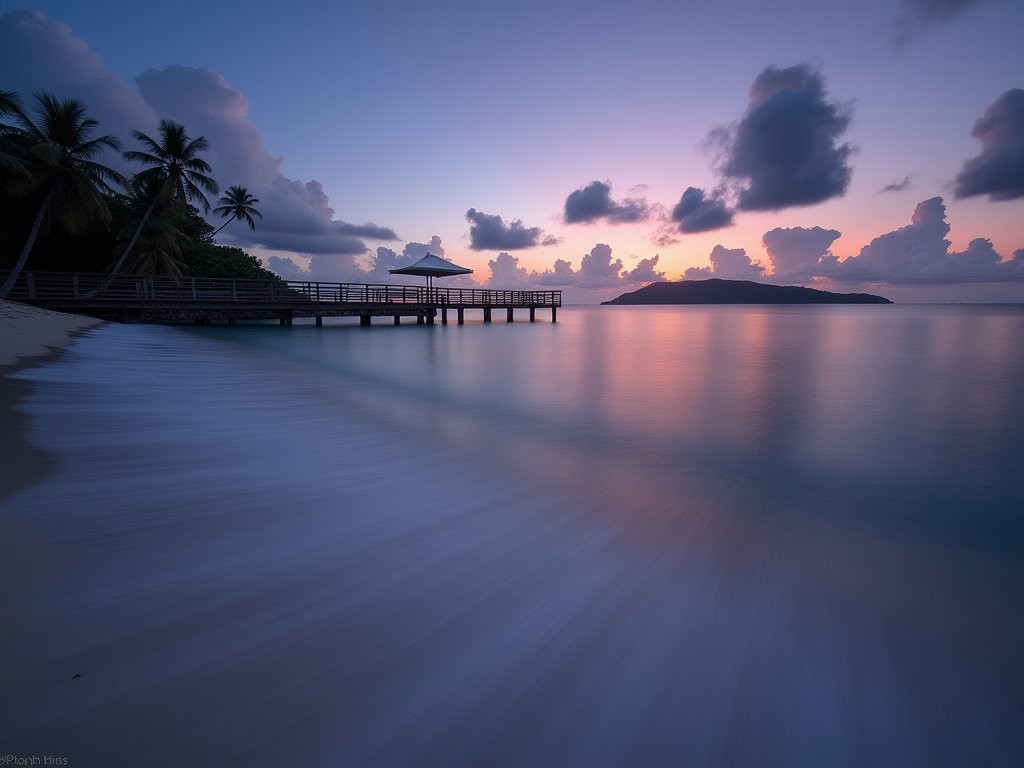
The pier extending from Coconut Bay provides an architectural element that can anchor your seascape compositions. Photographing from low angles near the water's edge allows you to create dramatic perspectives with the pier stretching toward the horizon. During sunrise, the structure is silhouetted against the colorful sky, creating a moody, minimalist aesthetic that contrasts with the typically bright, saturated look of Caribbean travel photography.
For those interested in long-exposure seascapes, this beach offers excellent opportunities due to the consistent wave action. I visited during several evenings, using my travel tripod and neutral density filters to achieve exposure times between 15-30 seconds. These longer exposures transform the crashing waves into ethereal mist while maintaining the solid structure of the distant Maria Islands as a focal point.
The area also offers opportunities for split-level underwater photography near the shoreline. The clarity of the water and the gradual slope of the beach create ideal conditions for these half-above, half-below shots that show both the beach and the underwater environment. My underwater camera housing allowed me to experiment with these perspectives using my regular camera rather than investing in dedicated underwater equipment for just a few shots.
While the resort itself can be photographed (exterior areas visible from the public beach), be mindful of guests' privacy and any property restrictions. I found that focusing on the architectural elements against natural backdrops created compelling images without intruding on anyone's vacation experience.
The coconut palms lining the beach create classic Caribbean compositions, particularly when framing distant views through their trunks and fronds. For these shots, positioning yourself to use the palm trees as natural frames while incorporating the curve of the bay creates depth and context in what might otherwise be a standard beach photograph.
💡 Pro Tips
- Visit after heavy rain or storms when the Atlantic waves are particularly dramatic against the otherwise calm resort setting
- Use a circular polarizing filter to manage reflections when photographing the meeting point of wet sand and water
- Experiment with silhouettes during sunset—the distinctive shape of palm trees creates instantly recognizable tropical imagery
Final Thoughts
Vieux Fort offers photographers a refreshingly authentic slice of Saint Lucia that balances natural beauty with cultural richness. What struck me most during my week of exploration was how the changing light transformed familiar scenes into entirely new visual experiences, rewarding those willing to revisit locations at different hours. Unlike the more photographed northern regions of the island, Vieux Fort presents opportunities to capture images that feel genuinely distinctive rather than iterations of familiar Caribbean postcards. As you plan your photography journey to this southern gem, remember that some of the most compelling images emerge when you slow down, observe the subtle interactions between people and place, and remain open to unplanned photographic opportunities. Whether you're documenting the dramatic meeting point of two great bodies of water or the gentle exchange between vendor and customer at the Saturday market, Vieux Fort rewards photographers who approach their craft with both technical skill and cultural sensitivity. I hope this guide helps you create your own visual narrative of this special corner of Saint Lucia—one frame at a time.
✨ Key Takeaways
- Visit key locations multiple times in different lighting conditions for varied photographic opportunities
- Balance landscape photography with cultural documentation for a more complete visual story of Vieux Fort
- Practice respectful photography ethics, especially when capturing images of local residents
📋 Practical Information
Best Time to Visit
December through April (dry season)
Budget Estimate
$1,500-2,500 for a week (mid-range accommodations, local transportation, and meals)
Recommended Duration
5-7 days to fully explore all photography locations
Difficulty Level
Moderate (Some Locations Require Hiking On Uneven Terrain)


Comments
nomadqueen
Been there twice. Sunrise at Sandy Beach is magical but bring bug spray. The lighthouse grounds are open but the tower itself is usually locked. Late afternoon light is gorgeous there though. Town is best mid-morning when markets are busy.
sunnyking
Perfect, thanks! That's exactly what I needed to know
sunnyking
Can you actually go inside the lighthouse or just photograph from outside? Also what's the best time of day for that spot?
smartchamp
I wanna know this too! Planning a trip in March
traveladventurer
Beautiful shots! Really inspiring
Fatima Sims
Savannah, this brings back memories! I spent three days in Vieux Fort last year and completely fell in love with the raw energy of the place. Sandy Beach at golden hour is absolutely unreal - I got some of my best Caribbean shots there. One tip for anyone heading to Maria Islands: book your boat tour EARLY. They limit daily visitors to protect the wildlife, and spots fill up fast during peak season. The endemic whiptail lizards are incredible subjects if you're patient. Also, chat with the locals in town - they pointed me to some hidden murals and street scenes I never would have found otherwise. Such an underrated spot!
sunnyking
How did you book the Maria Islands tour? Through a hotel or is there a specific operator?
Fatima Sims
I booked through the Saint Lucia National Trust - they manage the reserve. You can email them directly or sometimes book through your accommodation. Definitely don't just show up!
smartchamp
wow didn't even know about vieux fort!! adding to my list
nomadqueen
Right? Everyone just talks about the Pitons but this looks amazing
backpackadventurer
going there in march!! what lens would you recommend for the lighthouse and beach shots? i only have a 50mm right now
Fatima Sims
A 50mm will work but you'll want something wider for the panoramic views from the lighthouse. I used a 24-70mm for most of my shots there. The landscapes are expansive!
exploretime8984
Really cool!
Fatima Sims
Savannah, this post brought back so many memories! I spent three days in Vieux Fort last year and you captured exactly why it's so special. The morning light at Sandy Beach is unreal - I got there around 6am and had the entire beach to myself for golden hour. One tip I'd add: the local fishermen at the town market are incredibly welcoming if you ask permission before photographing. I ended up having the most genuine conversations and got some of my favorite portrait shots there. The authentic Caribbean life you mentioned is really what sets this area apart from the cruise ship crowds up north.
backpackadventurer
6am!! thats dedication haha but i bet it was worth it
springvibes
how do you actually get to maria islands? do you need to book a tour or can you just go?
Fatima Sims
You need to book through the Saint Lucia National Trust - they run guided tours only to protect the wildlife. Totally worth it though! The ground lizards are amazing to photograph.
springvibes
thank you!!
travelstar
Wow the lighthouse shots are incredible!! Adding this to my list
Venture X
Premium card with 2X miles, $300 travel credit, Priority Pass