

Disclosure: This article contains affiliate links. We may earn a commission from purchases at no extra cost to you, which helps our travel content.
Tulsa surprised me in ways I never anticipated. Having photographed architectural wonders from Tokyo to Milan, I wasn't prepared for this Oklahoma gem to captivate my lens so thoroughly. What began as a weekend stopover during my cross-country marathon tour evolved into a visual feast of geometric precision, golden hour magic, and nostalgic Americana that demanded extra memory cards. For photographers seeking something beyond the expected American cityscape, Tulsa offers a remarkable concentration of pristine Art Deco architecture and Route 66 heritage that practically composes itself in your viewfinder.

Capturing Tulsa's Art Deco Masterpieces
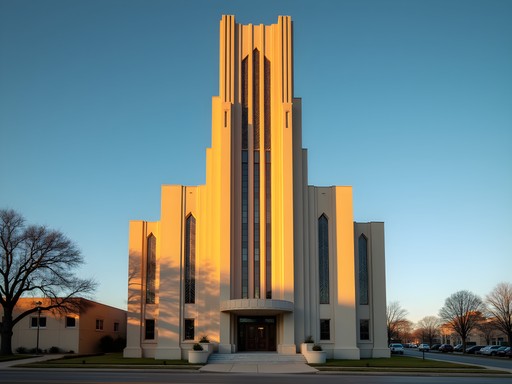
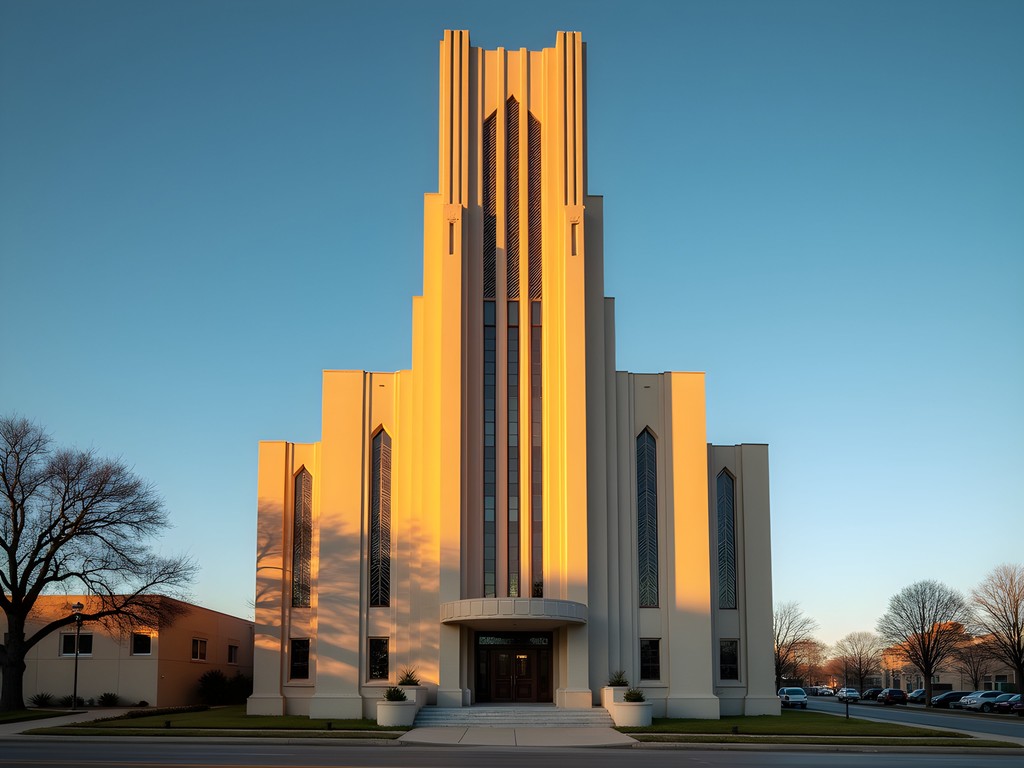
Tulsa houses one of America's most impressive collections of Art Deco architecture, a legacy of the 1920s oil boom that transformed this modest prairie town into a showcase of geometric elegance and bold artistic vision.
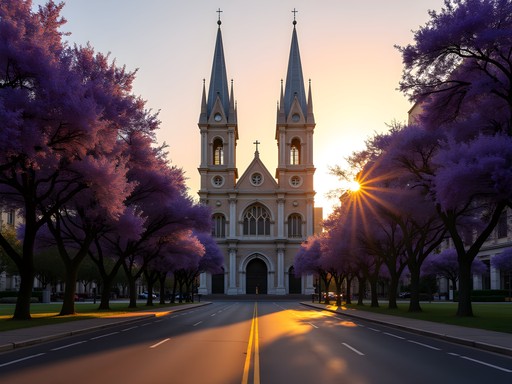
The Boston Avenue Methodist Church stands as the crown jewel—its 255-foot tower soaring dramatically against Oklahoma's vast sky. I recommend arriving just after sunrise when the morning light creates dramatic shadows across its distinctive zigzag patterns and terra-cotta embellishments. My wide-angle lens proved essential for capturing both architectural details and the structure's imposing presence.
Downtown's Philcade and Philtower buildings offer equally rewarding compositions, particularly their ornate lobbies. When photographing these interiors, I found my tripod indispensable for the longer exposures needed to capture the intricate ceiling details and polished stone surfaces without introducing noise to the images. The security staff generally permits photography in these spaces if you're respectful and unobtrusive.
💡 Pro Tips
- Visit Boston Avenue Methodist Church at sunrise for dramatic lighting and fewer pedestrians
- Bring a polarizing filter to manage reflections on the glass and polished surfaces of building exteriors
- Don't overlook the interior details—many lobbies feature original Art Deco fixtures, murals, and elevator doors worth close-up shots
Route 66 Through a Photographer's Eye
While many travelers rush through Route 66 seeking quick snapshots, I discovered that Tulsa's stretch rewards the patient photographer with authentic Americana that avoids the touristy kitsch found elsewhere along the Mother Road.
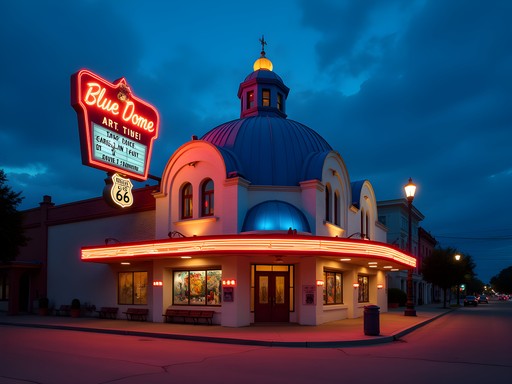
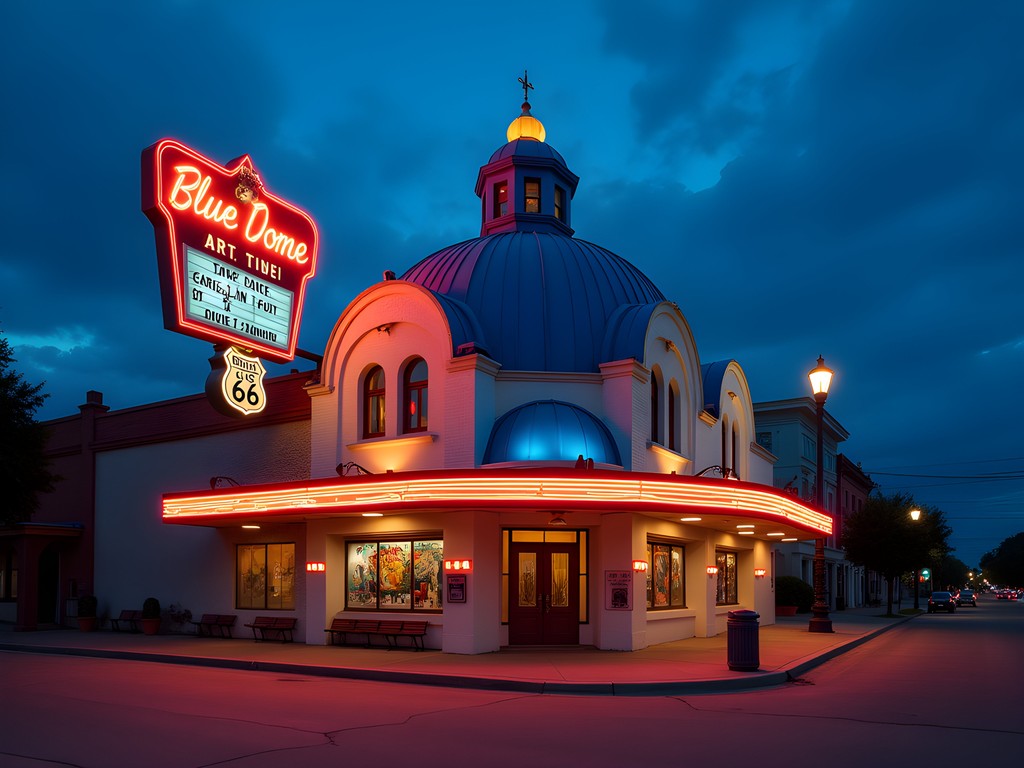
The Blue Dome District, named for the distinctive blue-domed 1920s gas station, offers a concentration of vintage signage, restored storefronts, and neon that comes alive after sunset. During my weekend visit, I dedicated an entire evening to this area, setting up my camera on long exposures to capture the interplay of vintage neon against the twilight sky.
For classic automotive shots, Buck Atom's Cosmic Curios provides the quintessential Route 66 foreground with its 21-foot space cowboy statue and vintage gas pumps. The Buck Atom's staff are remarkably accommodating to photographers—I spent nearly an hour experimenting with different compositions as the afternoon light shifted across the property's retro elements.
The Meadow Gold sign at 11th Street and Quaker Avenue stands as another photogenic landmark. This restored neon masterpiece looks particularly striking during blue hour, when the illuminated sign creates perfect contrast against the deepening sky.
💡 Pro Tips
- Schedule your Route 66 photography for weekday mornings when traffic is minimal and you can safely capture road perspectives
- Use a variable ND filter for shooting vintage neon during twilight to balance exposure between bright signs and darkening skies
- Include human elements occasionally—a classic car or thoughtfully positioned person can provide scale and storytelling elements
Golden Hour at Gathering Place
While Tulsa's architectural heritage provides abundant photographic opportunities, the city's natural settings shouldn't be overlooked. The Gathering Place, a 100-acre riverfront park that opened in 2018, offers spectacular landscape compositions that provide a refreshing counterpoint to urban photography.
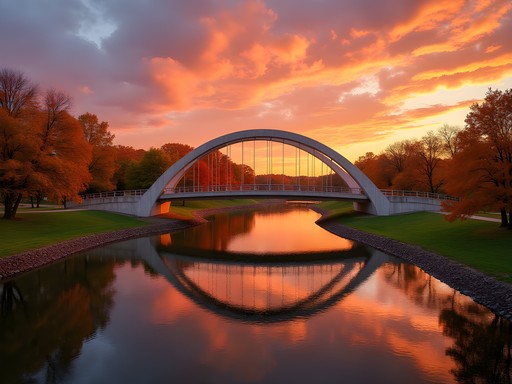
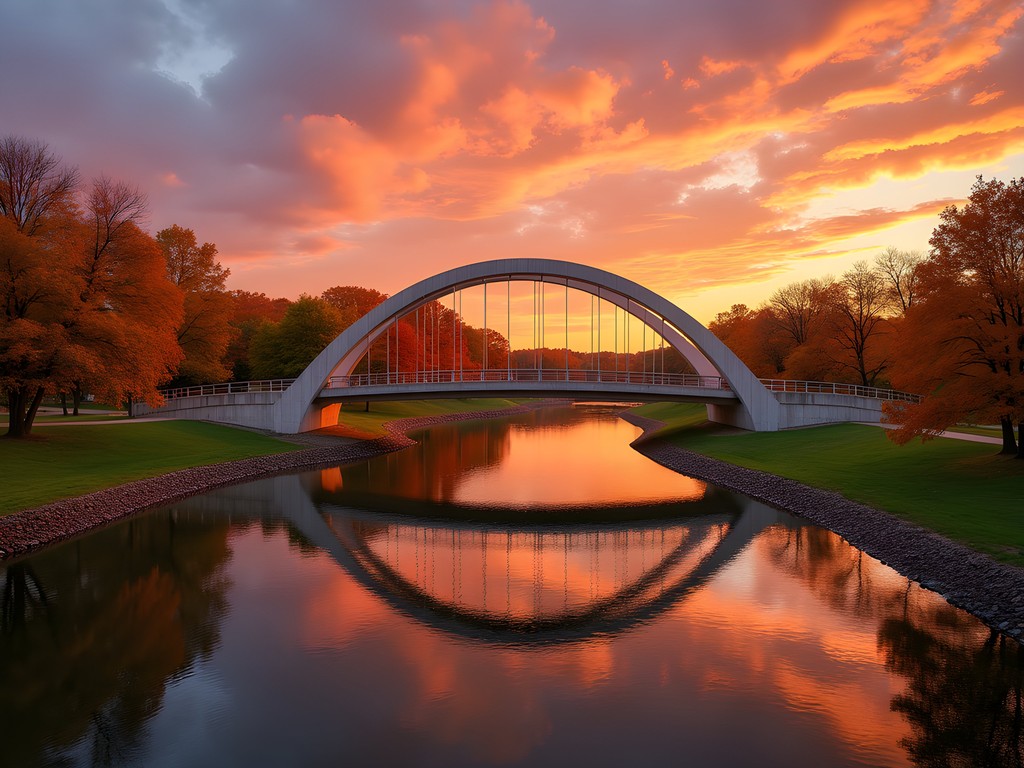
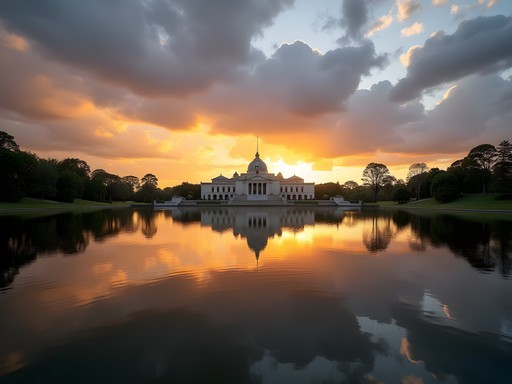
I discovered this park offers particularly rewarding photography during the hour before sunset, when Oklahoma's famously dramatic skies reflect in the Arkansas River. The park's distinctive pedestrian bridges, with their sweeping curves and architectural lighting, create leading lines that guide viewers through your compositions.
The Williams Lodge building provides another photogenic subject, its stone and timber construction beautifully complementing the surrounding landscape. During fall, the park's diverse tree species create a spectacular color palette that peaks in early November. I found my telephoto zoom lens invaluable for isolating colorful foliage against architectural elements and compressing perspective across the expansive park landscape.
When photographing water features, my neutral density filter set allowed me to create silky-smooth water effects even in bright afternoon light—a technique that transformed ordinary fountain shots into contemplative fine art images.
💡 Pro Tips
- Visit on weekdays when fewer visitors will appear in your compositions
- Include the distinctive playground structures as foreground elements framing the Arkansas River
- Shoot from the pedestrian bridges during sunset for reflections that double the impact of the colorful sky

Hidden Gems for Unique Perspectives
Beyond the well-documented landmarks, Tulsa offers several lesser-known locations that yield distinctive photographic opportunities for those willing to explore.
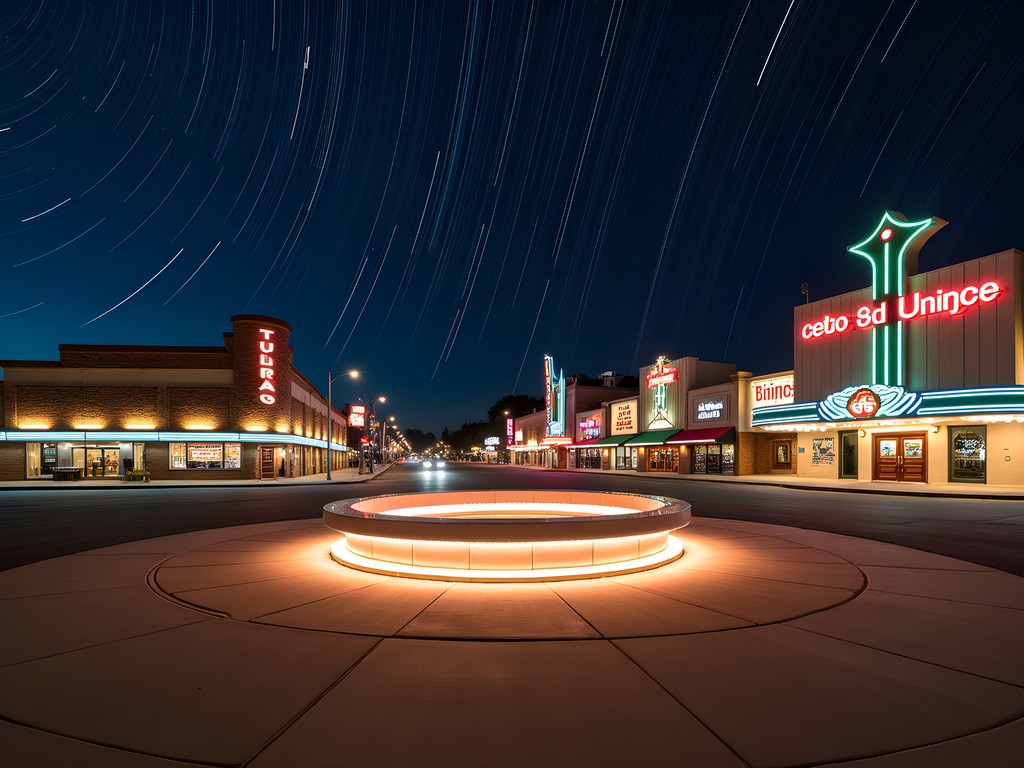
The Center of the Universe, a small concrete circle near the pedestrian overpass at Boston Avenue and Archer Street, creates an acoustic anomaly where standing in the center produces an echo heard only by the person at that exact spot. While the acoustic effect doesn't translate to photography, the surrounding Art Deco buildings and the unusual circular pattern make for compelling compositions, particularly when shot with my fisheye lens.
The Tulsa Foundation for Architecture offers guided tours that provide access to normally restricted building interiors. As a photographer with a hospitality background, I've learned that politely explaining your photographic intentions often opens doors—quite literally in this case. Through these tours, I gained access to the Mid-Continent Tower's upper floors, yielding panoramic cityscape shots impossible to capture elsewhere.
For street photographers, the revitalized Greenwood District (site of the historic Black Wall Street) offers compelling documentary opportunities, particularly during the first Friday art crawls when the neighborhood buzzes with activity and beautiful gallery lighting spills onto the streets. The district's murals provide powerful backdrops for environmental portraits that tell Tulsa's complex story.
💡 Pro Tips
- Research building access in advance—many Art Deco interiors require permission or guided tours
- Photograph the Center of the Universe at night when light pollution is minimized for interesting star trails above the circular pattern
- Visit the Greenwood Rising History Center for context before photographing the Greenwood District
Final Thoughts
Tulsa represents what I've come to value most in my decades of travel photography—those unexpected destinations that reveal themselves slowly to the patient observer. While it may lack the immediate recognition of America's coastal cities, its concentrated collection of pristine Art Deco architecture rivals Miami's South Beach, while its Route 66 heritage offers authentic Americana increasingly rare in our homogenized world. As a photographer who has chased light across six continents, I find myself drawn back to Tulsa's particular quality of afternoon sunshine as it warms terra-cotta facades and illuminates vintage neon. The city rewards those who slow down, who look up at ornate cornices, who wait for perfect light on geometric patterns that have witnessed nearly a century of American life. Pack your favorite lenses, rise early, stay out late, and allow Tulsa to surprise you as it did me. And should you find yourself capturing the perfect reflection in the Arkansas River at golden hour or the geometric shadows of the Boston Avenue Methodist Church at dawn, you'll understand why this overlooked Oklahoma city deserves a prominent place in any architectural photographer's portfolio.
✨ Key Takeaways
- Tulsa offers one of America's finest collections of Art Deco architecture, best photographed in early morning light
- Route 66 landmarks provide authentic Americana photography opportunities without the touristy atmosphere found elsewhere
- Fall offers optimal photography conditions with comfortable temperatures, dramatic skies, and colorful foliage
- Many photogenic interiors require advance permission or guided tours, but yield unique images worth the extra effort
- The quality of light during golden hour is particularly remarkable in Tulsa due to the city's topography and building materials
📋 Practical Information
Best Time to Visit
Early-mid fall (October to early November)
Budget Estimate
$150-250 per day
Recommended Duration
2-3 days
Difficulty Level
Moderate


Comments
wanderlustmood
Going there next month, any parking tips for downtown?
Gregory Boyd
Street parking is pretty easy to find, and there are several affordable lots. Much easier than most US cities I've photographed.
oceanfan
If you're shooting Route 66 stuff don't miss the Cyrus Avery Plaza and the big bridge sculpture. Also Buck Atom's is touristy but fun for that classic roadside Americana vibe. The Circle Cinema is another Art Deco gem worth checking out, still operating as a theater too.
globemaster
Really cool post, thanks for sharing!
Fatima Sims
I drove through Tulsa on a cross-country motorcycle trip two summers ago and completely underestimated it. Ended up staying four days instead of one! The Woody Guthrie Center has this amazing exterior that photographs beautifully, and there's a vintage neon sign tour you can do yourself—I mapped out about 15 surviving signs from the 40s and 50s. Pro tip: talk to the staff at the Tulsa Historical Society. They gave me access to photograph the interior of an Art Deco apartment building that's not usually open to the public. Oklahoma hospitality is real!
starlife
omg this is so helpful!! definitely checking out the historical society
wanderlustmood
The neon sign tour sounds amazing
moonmaster
Those golden hour shots are incredible!
starlegend
What lens did you use for the Art Deco shots? Planning a Route 66 road trip and trying to pack light
Fatima Sims
Not Brandon but I'd recommend a 24-70mm for versatility. You'll want wide angle for building exteriors and some reach for architectural details.
Gregory Boyd
Brandon, excellent breakdown of Tulsa's architectural landscape. I spent three days there in 2024 and completely agree about the Boston Avenue Methodist Church—the geometric detailing is extraordinary at sunrise. One thing I'd add: the Philcade and Philtower buildings downtown reward patient photographers. The lobby interiors have original fixtures that most visitors miss. Did you get a chance to shoot the Blue Dome district? The contrast between preserved Art Deco and modern murals creates interesting compositional opportunities.
oceanfan
Blue Dome is great! went there last year and got some amazing sunset shots
starlife
Wow never thought about Tulsa for photography!! Adding to my list
springwanderer
Just got back from Tulsa and used your guide extensively! That tip about accessing the Philtower rooftop through the tour was gold - I would have completely missed it otherwise. The security guard even let me stay an extra 20 minutes for better light after I showed him your blog. One spot to add: the old Tulsa Fire Alarm Building has amazing details that photograph beautifully in morning light. It's small but those red brick contrasts with the Art Deco elements are stunning.
Brandon Tanaka
So glad the guide helped! And thanks for the Fire Alarm Building tip - I missed that one completely. Adding it to my list for next time!
sunnybackpacker
Heading to Tulsa next month! Any specific time of day you'd recommend for photographing the Cyrus Avery Bridge? And is it safe to walk around with camera gear in the evening?
Brandon Tanaka
The bridge looks amazing at sunset with the Arkansas River reflecting the light. I felt completely safe with my gear, but as always, just be aware of your surroundings. The riverside areas are well-traveled with other photographers and locals in the evening.
sunnybackpacker
Perfect, thanks for the quick response! Can't wait to try it out.
Venture X
Premium card with 2X miles, $300 travel credit, Priority Pass