

Disclosure: This article contains affiliate links. We may earn a commission from purchases at no extra cost to you, which helps our travel content.
The first light of dawn breaks over the Spokane River as it cuts through Post Falls, Idaho, revealing a landscape that feels both wild and intimate. As someone who's spent countless hours documenting the Rio Grande's changing moods, I've developed a sixth sense for places where water and land create magic. Post Falls might not make the typical photographer's bucket list, but after a spontaneous detour during my Pacific Northwest conservation project, I discovered a budget-friendly photographer's playground that rivals destinations with far more recognition.

Finding Your Frame: Post Falls' Essential Photo Locations
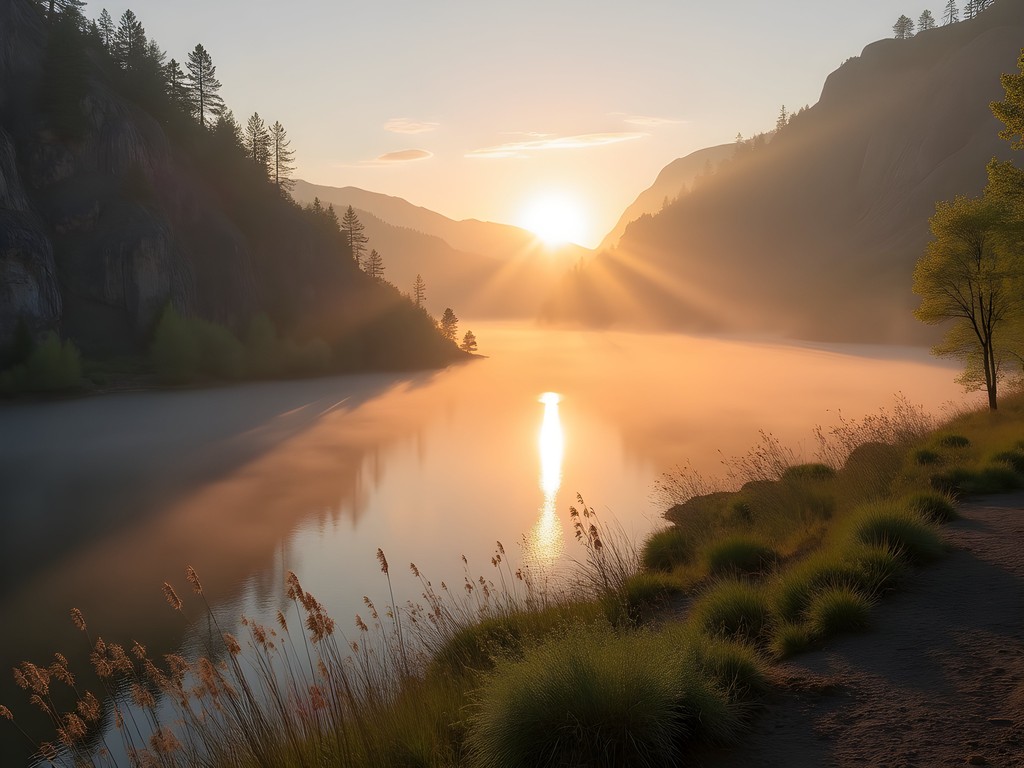
Post Falls exists in that perfect sweet spot for photographers—developed enough for accessibility but wild enough to feel like discovery. The crown jewel is undoubtedly Q'emiln Park (pronounced Ka-mee-lin), where basalt cliffs create dramatic backdrops against the Spokane River's flow. I arrived before sunrise, headlamp illuminating the trail as I navigated to the overlook points. The park offers multiple vantage points where morning fog often clings to the water's surface, creating ethereal conditions for landscape photographers.
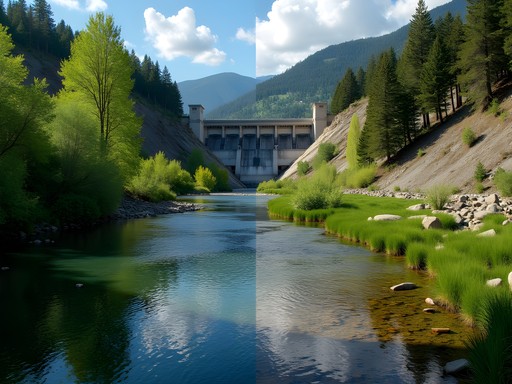
Falls Park downtown provides the industrial-meets-nature contrast that I'm always hunting for—the historic dam infrastructure juxtaposed against rushing waters tells the story of human interaction with these powerful systems. For wildlife photographers, the Treaty Rock area hosts impressive bird activity, particularly in spring when migratory species return. I spent two hours one morning with my telephoto lens capturing a family of osprey fishing the river shallows, their precise dives reminiscent of the herons I used to photograph along the Rio Grande.
💡 Pro Tips
- Visit Q'emiln Park at dawn for the best light and fewest people
- Bring a polarizing filter to cut glare on the water's surface
- Pack microfiber cloths to protect gear from inevitable spray near the falls
Seasonal Splendor: Spring's Photographic Gifts
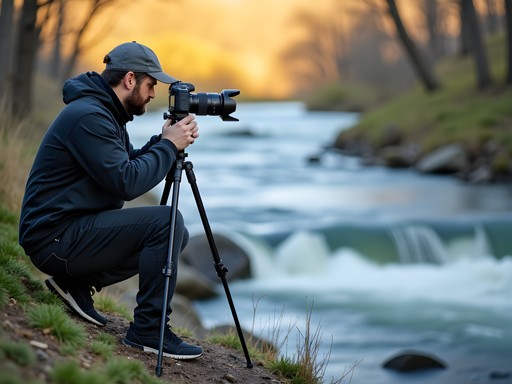
Spring in Post Falls offers a visual buffet that most photographers dream of—the perfect combination of rushing waters, emerging wildflowers, and dramatic skies. The snowmelt-fed Spokane River runs high and mighty, creating dynamic conditions for long-exposure photography. I found myself returning repeatedly to the viewpoints below the dam, where the interplay of churning water and smooth stone creates compositions that feel both chaotic and perfectly balanced.
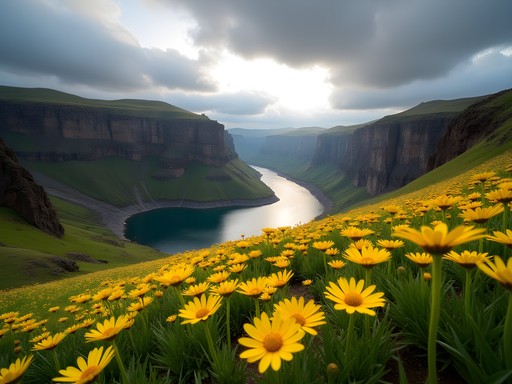
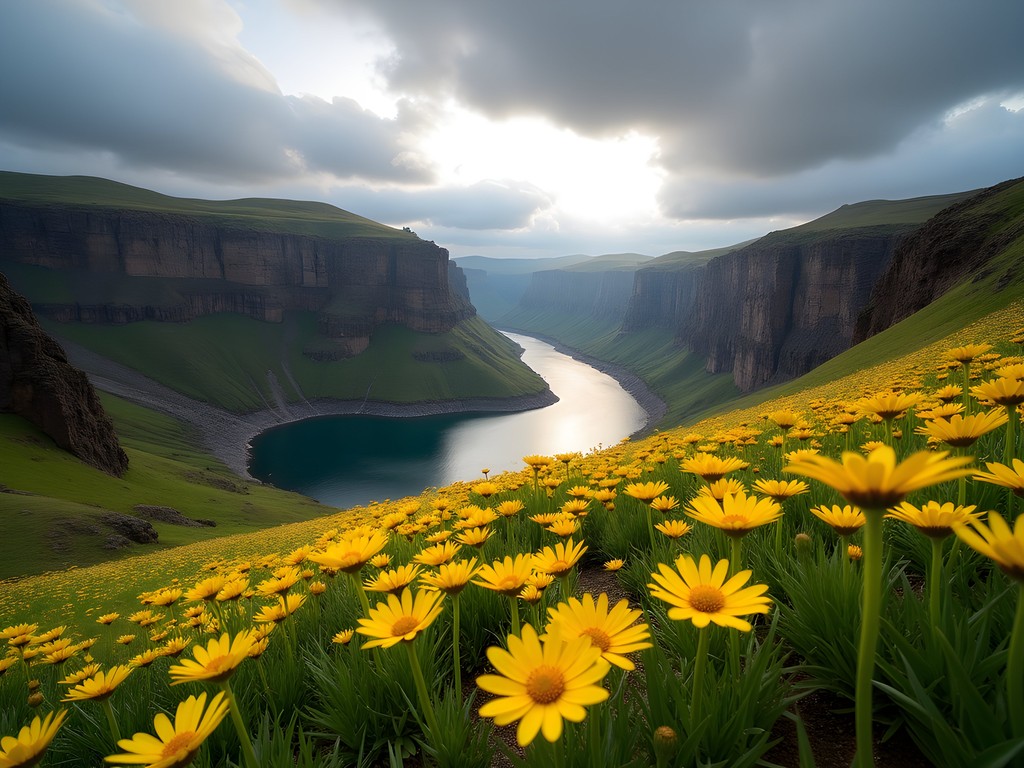
Wildflower photography reaches its peak in late April through May. The hillsides around Q'emiln Park and the Conservation Area burst with arrowleaf balsamroot (those stunning yellow sunflower-like blooms), lupine, and paintbrush. For macro enthusiasts, these flowers against the backdrop of basalt rock create compelling foreground interest with the river valley beyond.
Spring storms in the region deliver the dramatic skies that landscape photographers crave. I always keep my weather radio handy to track approaching systems, often racing to viewpoints as storms clear for those magical moments when light breaks through clouds over the landscape.
💡 Pro Tips
- Use a graduated ND filter to balance bright skies with darker foregrounds
- Shoot wildflowers in early morning when winds are calmest
- Monitor weather forecasts closely for clearing storm opportunities
Budget-Friendly Base Camp: Logistics for Photographers
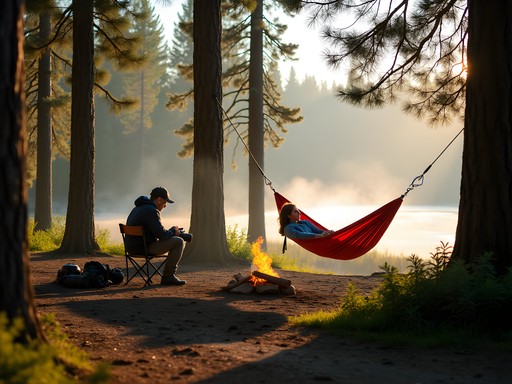
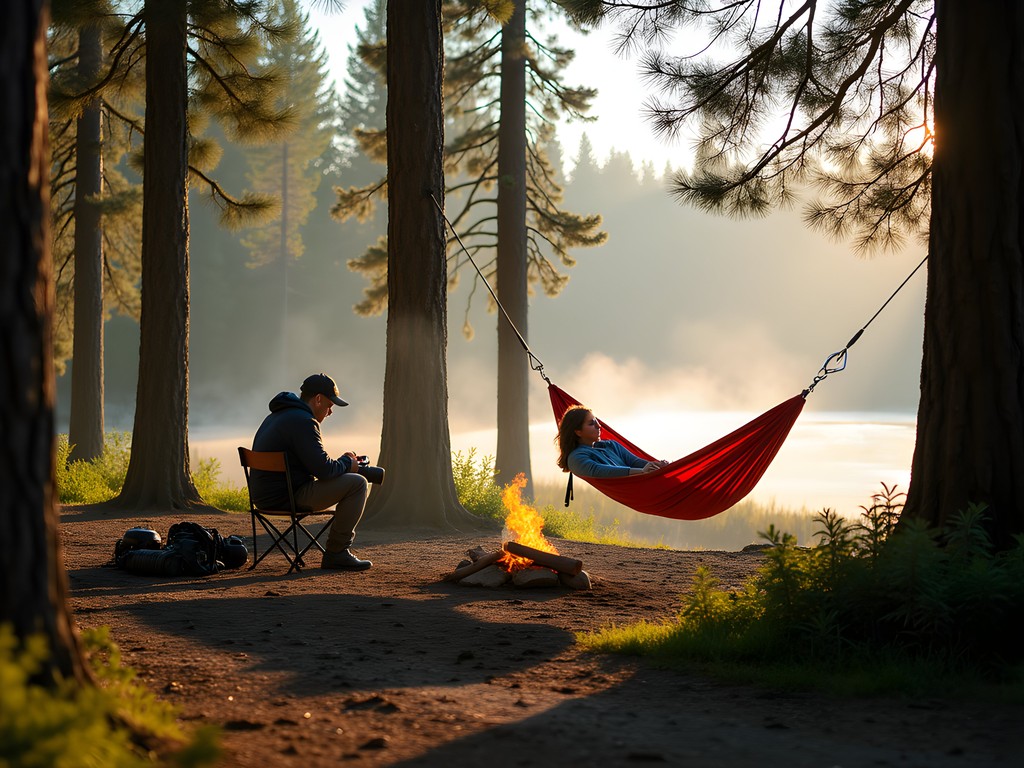
As someone who stretches every travel dollar to maximize time in the field, Post Falls offers refreshing accessibility for budget-conscious photographers. I based myself at the camping hammock sites in Q'emiln Park for just $15 per night—a steal considering the prime location that put me minutes from dawn shooting locations. The sites are basic but include fire rings and picnic tables, perfect for reviewing images on my laptop after a day of shooting.
For those preferring indoor accommodations, Post Falls has several reasonably priced motels along I-90, though I'd recommend staying on the south side of the interstate for quicker access to the river areas. Groceries from Super 1 Foods kept my food budget under $20/day with simple camp meals and coffee from my portable espresso maker—a luxury I justify by avoiding $5 coffee shop visits.
The proximity to Coeur d'Alene (15 minutes) and Spokane (30 minutes) means you can base yourself in Post Falls while expanding your photographic territory. I found the central location perfect for day trips to Tubbs Hill and Palouse Falls while returning to my affordable base camp each evening.
💡 Pro Tips
- Book Q'emiln Park camping sites in advance during peak spring weekends
- Use the park's clean shower facilities to stay refreshed while camping
- Consider weekday visits for significantly reduced photographer competition at prime locations

Conservation Through the Lens: Documenting Post Falls' Changing Ecosystem
My background in environmental litigation has taught me that photographs can be powerful evidence of both environmental degradation and successful conservation. Post Falls presents a fascinating case study in river system management, where the hydroelectric dam creates a complex relationship between human needs and ecological impacts.
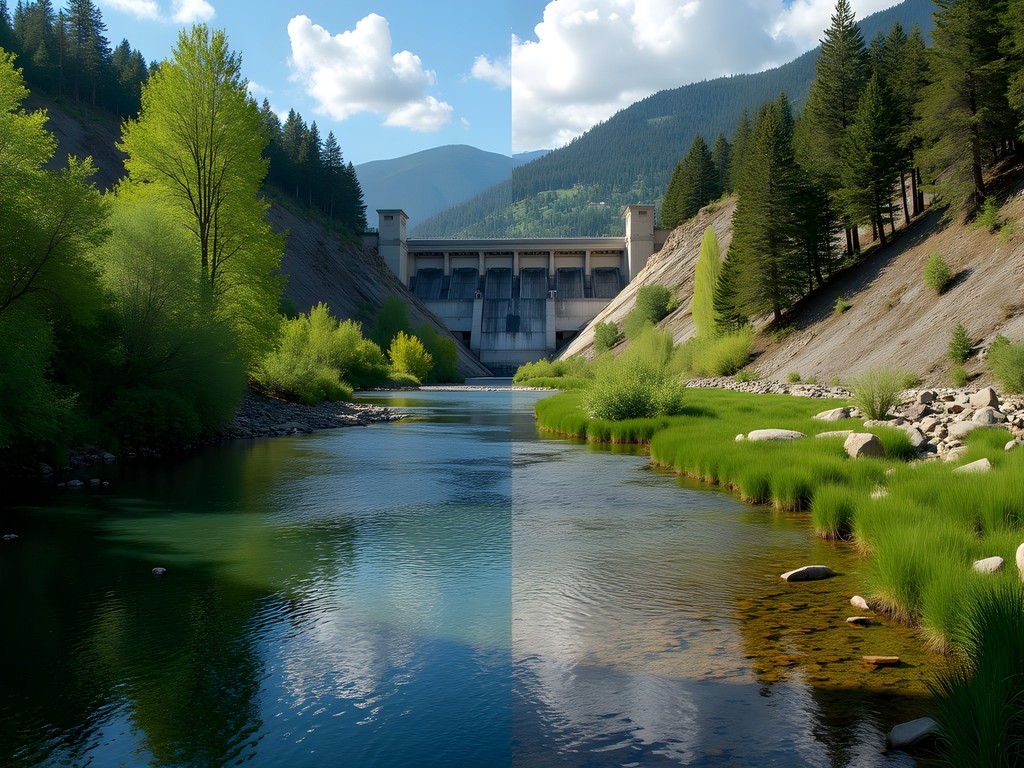
The Spokane River faces challenges from historical mining pollution, warming temperatures, and water rights conflicts—issues that echo cases I've transcribed in courtrooms back in Texas. I spent one full day documenting the stark contrast between the managed flow below the dam and the more natural river sections upstream, capturing visual evidence of how flow rates impact riparian habitats.
For photographers interested in conservation storytelling, I recommend connecting with the Spokane Riverkeeper program, which welcomes volunteer photographers to help document water quality issues and restoration efforts. I joined their monthly water sampling outing, bringing my waterproof camera bag to protect gear while wading into collection sites. The resulting images not only enhanced my portfolio but will be used in their educational materials—photography with purpose beyond pretty pictures.
💡 Pro Tips
- Contact local conservation groups before your trip to arrange volunteer photography opportunities
- Document the same locations at different flow rates to show the dam's impact
- Include human elements in some environmental shots to tell the complete story of place
Gear Essentials for Post Falls Photography
The diverse shooting environments around Post Falls demand versatile yet minimal gear—perfect for my budget-conscious, backpack-only travel style. My core kit includes a weather-sealed mirrorless camera, 16-35mm wide angle for landscapes, and 70-300mm telephoto for wildlife and compression shots of the falls. A sturdy hiking tripod is non-negotiable for the low-light dawn/dusk shots and long exposures of moving water.
The microclimate around the falls creates challenging conditions for gear protection. I keep a silica gel dehumidifier in my camera bag to combat the constant moisture, and lens cloths are perpetually in use. For the more adventurous compositions, particularly those low angles near the water's edge, my camera rain cover has saved my gear multiple times from unexpected spray.
Navigation tools prove essential when exploring the less-traveled paths along the river. While cell service is generally good in Post Falls, I still download offline maps to my phone and carry a backup power bank to ensure I never lose GPS functionality while tracking down remote compositions. The combination of preparation and protection means I can focus on creating images rather than worrying about my equipment.
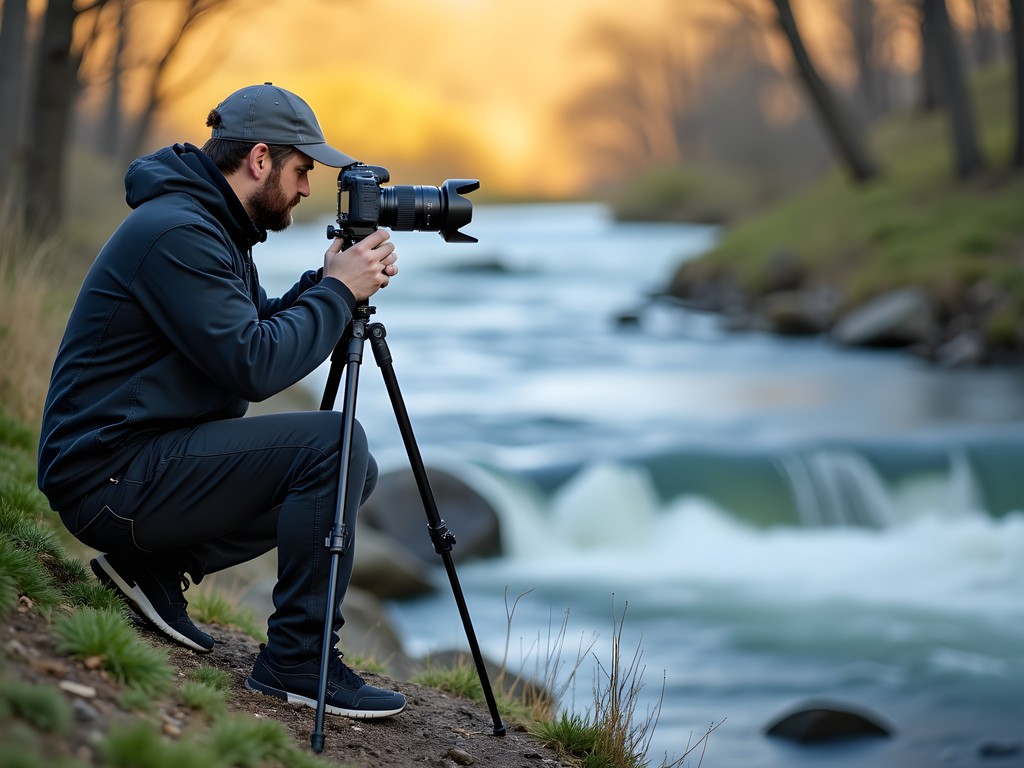
💡 Pro Tips
- Bring extra lens cloths—the spray from the falls creates constant moisture issues
- Use a polarizing filter to cut glare on water and enhance spring foliage colors
- Pack microspikes if shooting in early spring when trails can still have icy patches
Final Thoughts
As I packed up my gear on the final morning, watching mist rise from the Spokane River while an osprey circled overhead, I couldn't help but reflect on how Post Falls embodies everything I seek in a photography destination. It offers that rare combination of accessibility and wildness, budget-friendliness and visual richness, all without the crowds that plague more famous locations. The images captured here tell stories of ecological interconnection, of water's persistent power, and of a landscape in seasonal transition—stories that echo those I've documented from the Rio Grande to the Red River Valley.
For photographers willing to rise early, research deeply, and engage meaningfully with a place, Post Falls delivers rewards far beyond its modest reputation. Whether you're creating conservation-focused documentation or simply chasing beautiful light across dramatic landscapes, these waters and rocks offer endless compositions waiting to be discovered. Pack your gear, set your alarm for uncomfortably early, and come experience this underrated photographer's playground—just remember to tread lightly and leave only footprints (and perhaps share your images with local conservation groups who can put them to good use).
✨ Key Takeaways
- Spring offers the ideal combination of flowing water, wildflowers, and dramatic skies for diverse photography
- Budget-friendly camping at Q'emiln Park provides immediate access to prime shooting locations
- Conservation photography opportunities abound through local environmental organizations
- Early morning provides the best light and solitude at key photography spots
- The combination of natural and industrial elements creates unique visual storytelling opportunities
📋 Practical Information
Best Time to Visit
Mid-April through early June
Budget Estimate
$50-100/day including camping and food
Recommended Duration
3-4 days
Difficulty Level
Moderate


Comments
mountain_shooter
Just got back from Post Falls last week and used your guide extensively! That tip about the morning mist on the Spokane River was spot on. Got there at 5:30am and the light was unreal. Stayed at that budget-friendly hotel you mentioned near Falls Park and it was perfect for quick access to sunrise spots. One thing I'd add - we found a small unmarked trail behind the dam that leads to an incredible view of the lower falls. Not sure if it's officially allowed, but a local showed us. Probably best in late spring when water levels are high but not dangerous.
winterway3315
That trail sounds amazing! Do you have any photos from there you could share?
mountain_shooter
I do! Not sure how to post them here but my IG has them (@mountain_shooter) - the ones with the blue-green water and fallen log.
photo_wanderer92
Heading there next month! Any recommendations for rainy day photo spots if the weather turns?
Christopher Harris
Rainy days in Post Falls can be amazing for moody shots! The old mill ruins look haunting in the rain, and the covered area at Treaty Rock Park offers shelter while shooting. Also, the Post Falls Historical Society has indoor exhibits with fascinating artifacts if it's pouring.
Claire Hawkins
Chris, this guide is exactly what I needed! Taking my family to Idaho this summer and my 13-year-old daughter just got her first 'real' camera. Post Falls wasn't on our original itinerary, but after reading this, we're adding three days there! Those tips about shooting the falls during golden hour are gold (pun intended). We visited Coeur d'Alene last year but completely missed Post Falls. The Conservation Through the Lens section really resonated with me - my daughter's actually doing a school project on watershed ecosystems. Any specific spots where we might capture wildlife near the water without disturbing them? I've got my telephoto lens packed and ready!
Christopher Harris
Claire, that's wonderful! For wildlife without disturbance, try Q'emiln Park early morning - there's a small hidden trail on the north side where herons fish. The osprey nest I mentioned is visible from Falls Park viewing platform with a good zoom. Your daughter will love it!
Claire Hawkins
Perfect! Adding those spots to our list. She'll be thrilled about the osprey nest especially. Thanks for the quick response!
winterway3315
Those shots of the Spokane River at dawn are incredible! Definitely adding Post Falls to my photography bucket list.
Christopher Harris
Thanks so much! Early mornings there are magical - worth the 4am wake-up call!
winterway3315
Is spring really the best time? I was thinking of going in fall for those colors.
Christopher Harris
Fall is stunning too! Late September through mid-October gives you amazing colors reflecting in the river. Spring is best for waterfalls and wildlife, fall for colors. Both have their magic!
vacationzone
Adding this to my bucket list!
Kimberly Murphy
Brilliant write-up! I've been chasing waterfalls and river shots across the Pacific Northwest and somehow Post Falls wasn't on my radar. The way you described the seasonal changes has me itching to plan a trip - probably spring based on your recommendations. Quick question: how's the accessibility for someone lugging around a telephoto lens and tripod? Some of these river trails can be quite rugged. The osprey photography opportunities alone are worth the journey. Love that you're documenting the ecosystem changes too - we need more photographers using their platforms for conservation awareness!
beachninja
trails are pretty easy actually, you'll be fine with heavy gear
islandlover
Pro tip for anyone heading there - the mist you mentioned in the morning is REAL. Bring a lens cloth and maybe a rain cover for your gear. I learned that the hard way when I visited Coeur d'Alene area last year. Also the budget accommodation info is super helpful, thanks for including that. Not enough photo guides talk about the practical stuff!
Savannah Torres
Christopher, this really resonates with me! We took our kids to Post Falls last summer and while I'm definitely not a professional photographer, even my iPhone captured some stunning shots. What I loved most was how accessible everything is for families - my 7-year-old was fascinated by the river and we spent hours just watching the water. The conservation angle you touched on is so important too. We made it a teaching moment about protecting these beautiful spaces for future generations. It's places like this that remind me why we travel with our children - to show them the world's natural wonders before they change.
luckymood
good to know its family friendly! bringing my kids in april
vacationzone
What camera did you use?
tripclimber
YES!! Post Falls is SO underrated for photography! I was there last fall and got some amazing shots of the falls during golden hour. The way the light hits the water is just magical. Did you hike out to any of the overlooks? I found this one spot off the main trail that had zero people and the most stunning view of the river. Also the wildlife there is insane - saw deer, eagles, and tons of waterfowl. Definitely going back in spring to catch that seasonal color you mentioned!
luckymood
which trail was that? planning a trip soon
tripclimber
It's the Q'emiln Park trail system - head north past the main viewing area and you'll find some quieter spots!
Venture X
Premium card with 2X miles, $300 travel credit, Priority Pass