
Disclosure: This article contains affiliate links. We may earn a commission from purchases at no extra cost to you, which helps our travel content.
The first time I witnessed a thoroughbred galloping across Kentucky bluegrass at dawn, I understood why they call these animals athletes. The biomechanics—the precision of muscle and sinew working in perfect synchronization—reminded me of watching a Ferrari engine at full throttle. But here in Nicholasville, just south of Lexington, the machinery is flesh and blood, and the landscape provides a canvas unlike anywhere I've photographed. This weekend guide will help you capture the intersection of equine grace and pastoral beauty, where spring transforms horse country into something truly magical.

Understanding the Light: Golden Hours on Horse Farms
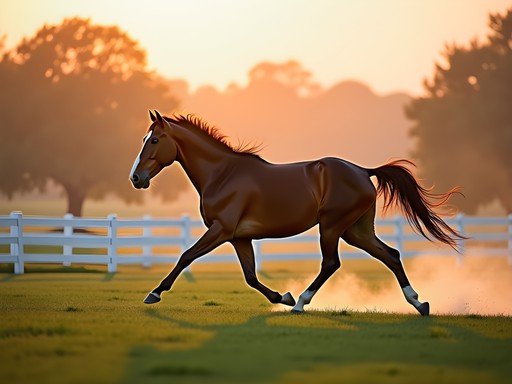
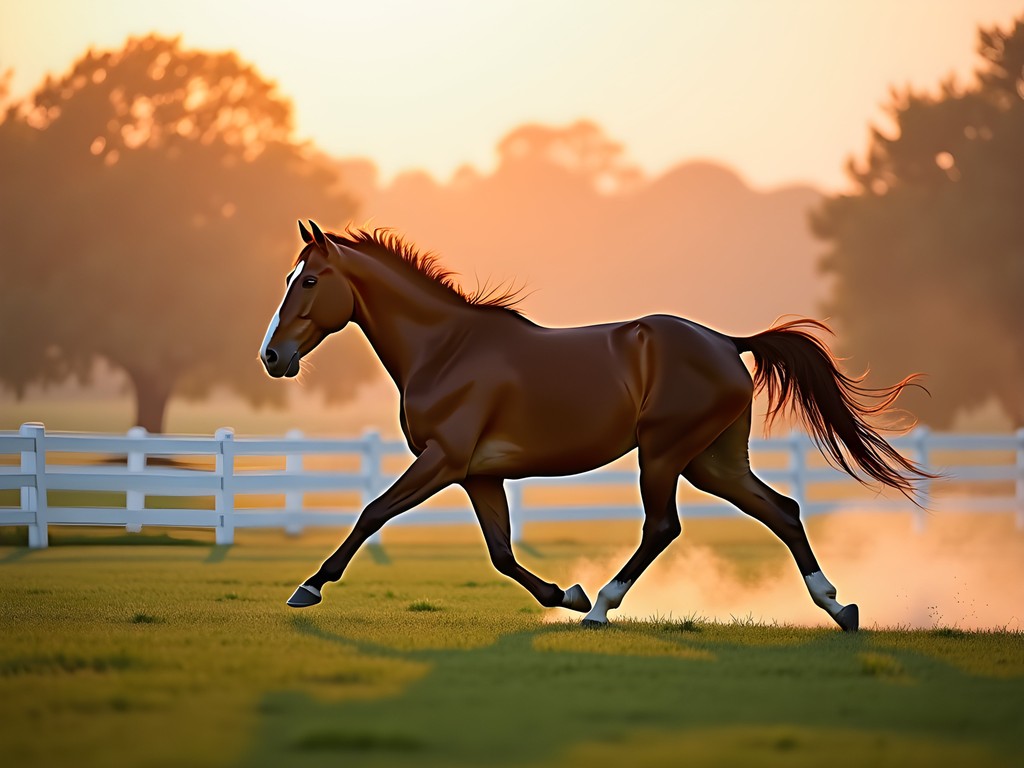
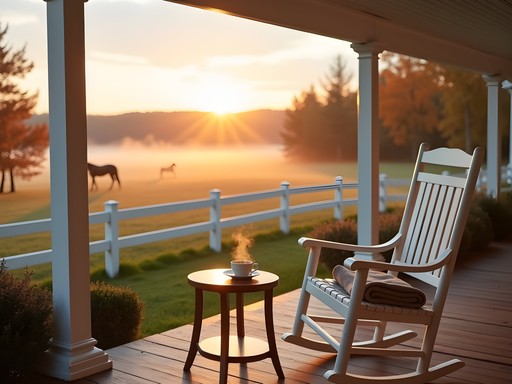
Spring mornings in Nicholasville operate on a different temporal rhythm than the rest of the world. The farms come alive between 5:30 and 7:00 AM, when trainers bring horses out for morning exercise and the low-angle light creates that signature Kentucky glow—warm, slightly diffused by morning mist rising from the grass. I've found the technical sweet spot is shooting around 6:15 AM in April, when the sun sits at approximately 15 degrees above the horizon.
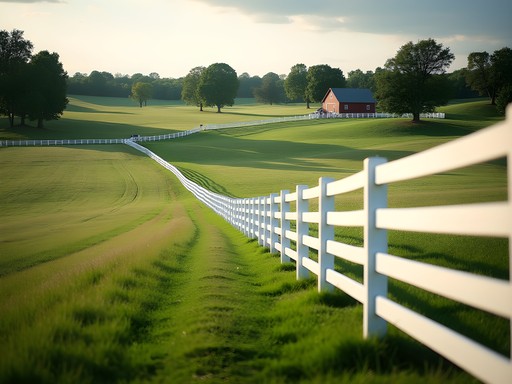
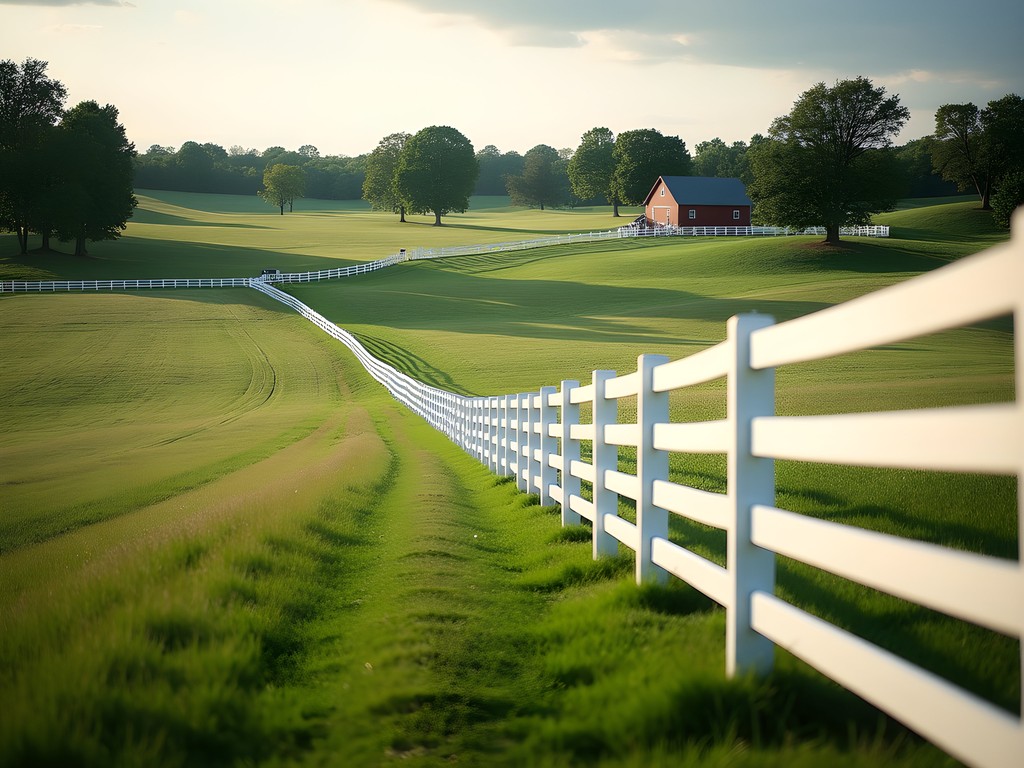
The evening light here has a different character entirely. Between 6:30 and 8:00 PM, the sun backlights the white fences that define this landscape, creating natural leading lines that pull the eye through your composition. During my last visit, I used a circular polarizer to cut through the atmospheric haze while maintaining that dreamy quality—it's essential equipment for this environment. The key is understanding that you're not just photographing horses; you're documenting the relationship between light, land, and living creatures whose breeding represents centuries of refinement.
💡 Pro Tips
- Arrive at farms by 5:45 AM to set up before morning training begins—trainers appreciate photographers who don't disrupt routines
- Shoot in aperture priority mode at f/4 to f/5.6 for sharp subjects with pleasantly blurred backgrounds
- Keep your ISO between 400-800 in morning light to maintain detail in shadow areas without introducing noise
Access and Etiquette: Working with Kentucky Horse Farms
Unlike photographing public spaces, horse farms require a different approach—think of it as entering someone's workshop while they're crafting something extraordinary. Most farms around Nicholasville welcome photographers, but you need to understand the protocol. I always call ahead, explaining my background and showing examples of previous work. Farms like Airdrie Stud and Mill Ridge Farm occasionally offer organized photo tours during foaling season.
The unwritten rules are straightforward: never enter a paddock without permission, keep your distance from mares with foals (at least 50 feet), and silence all camera sounds. That last point is crucial—the mechanical shutter click that seems innocuous can startle a young horse. I switched to electronic shutter mode after watching a trainer's reaction to my Canon's mirror slap during a delicate training session. Also, bring a lens cleaning kit because the morning dew and occasional dust from the paddocks will find your glass. These farms are working facilities where million-dollar bloodlines are being developed; respect for their operation opens doors that entitlement closes.
💡 Pro Tips
- Contact farms at least two weeks in advance—April and May are busy foaling seasons with limited access
- Dress in neutral colors (avoid bright reds or yellows that might spook horses) and skip any strong fragrances
- Offer to share high-resolution images with farm management—this goodwill often leads to return invitations
Technical Approach: Capturing Motion and Emotion
Photographing thoroughbreds requires understanding their movement patterns—something my mechanical background helps me anticipate. A horse in full gallop reaches speeds of 40 mph, and their gait follows a predictable four-beat pattern. I pre-focus on a spot where I expect the horse to pass, using continuous autofocus with back-button focus to track movement without accidentally locking focus.
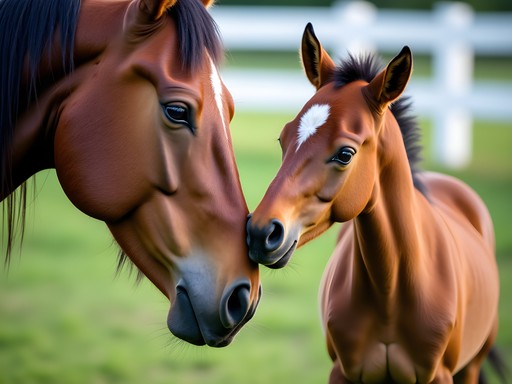
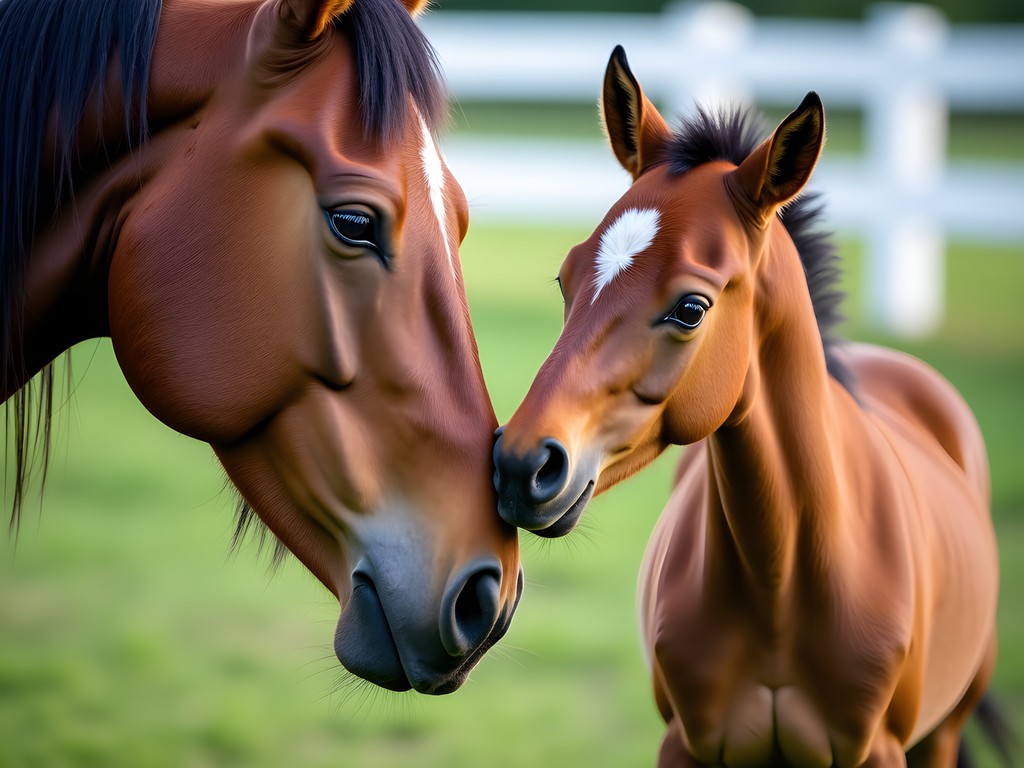
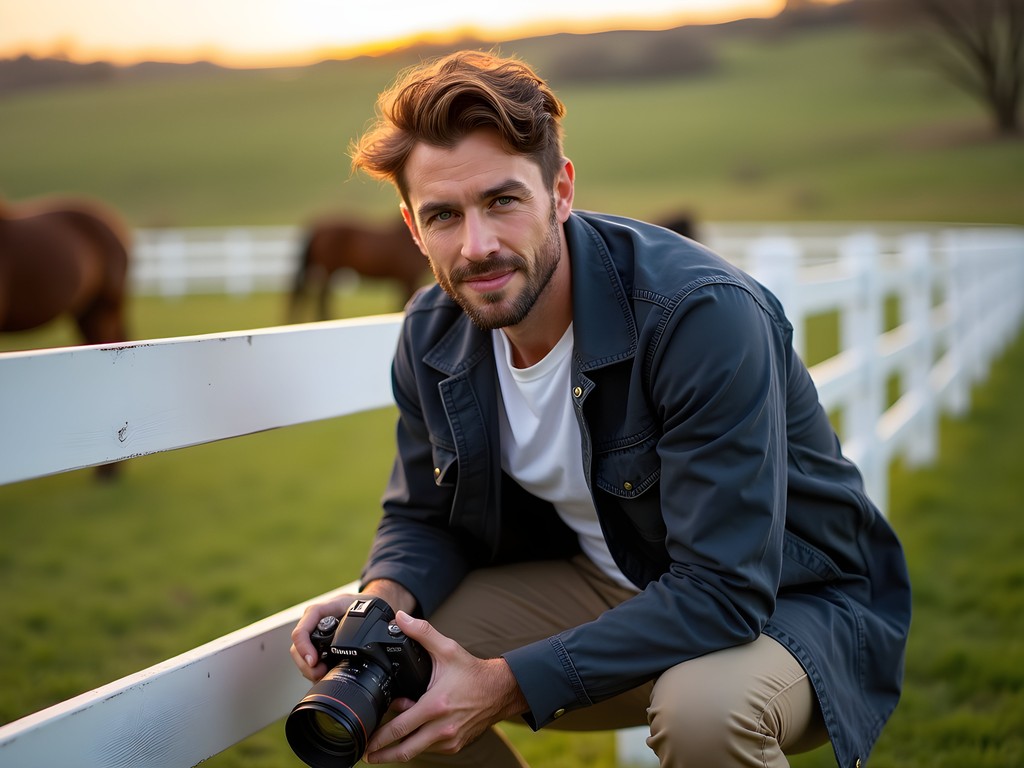
My shutter speed stays above 1/1000s for frozen action, though I'll occasionally drop to 1/250s for intentional motion blur that conveys speed. The real challenge is capturing personality—the curious tilt of a foal's head, the proud stance of a stallion surveying his domain. These moments require patience and a longer lens. I work primarily with a 70-200mm, though a lens hood is mandatory to prevent flare from that intense Kentucky sun. During my spring visit, I spent forty minutes waiting for a particular mare to interact with her week-old foal, and that patience yielded the most emotionally resonant images of the trip. Technical precision gets you sharp images; understanding animal behavior gets you memorable ones.
💡 Pro Tips
- Use continuous shooting mode (5-7 fps) to capture the perfect stride where all four hooves are visible
- Position yourself at the horse's eye level—crouch or shoot from a lower angle for more dynamic perspectives
- Watch for ear position and eye expression—forward ears indicate curiosity, pinned ears suggest you should give more space

Beyond the Obvious: Architectural and Detail Shots
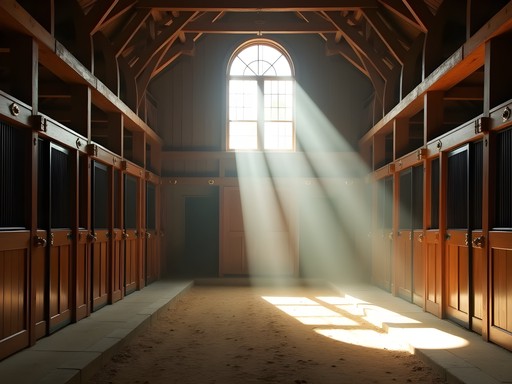
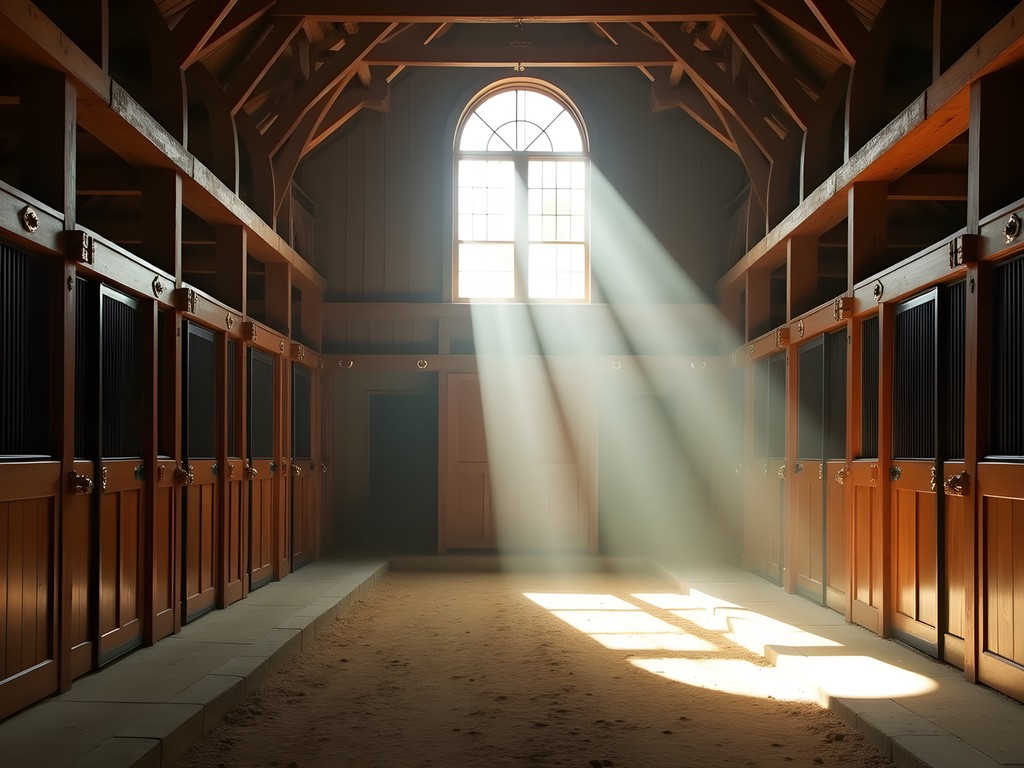
While horses rightfully dominate most Kentucky photography, the infrastructure of horse country tells its own compelling story. The barns around Nicholasville represent generations of craftsmanship—timber framing that would make any engineer appreciate the load-bearing elegance of traditional construction. I spend at least an hour each visit photographing architectural details: the patina on brass nameplate holders, the geometric patterns of stall doors, the way afternoon light filters through cupolas.
These detail shots provide essential variety in your portfolio and often reveal the sustainability practices that increasingly define modern horse farming. Many facilities now incorporate solar panels, rainwater collection systems, and geothermal climate control—the kind of engineering integration I documented in Hawaii's sustainable resorts. I use a macro lens extension tube for extreme close-ups of hardware and textures, which adds production value without requiring expensive dedicated macro glass. The weathered wood of a century-old barn door, the perfectly maintained leather of training tack, the morning dew on spider webs between fence rails—these details contextualize the larger story of horse country.
💡 Pro Tips
- Photograph barn interiors between 10 AM and 2 PM when overhead sun streams through windows and cupolas
- Look for repeating patterns in fence lines, stall doors, and architectural elements for strong geometric compositions
- Document the small details: brass nameplates, worn leather, hand-forged hinges—these tell stories of tradition and care
Post-Processing: Honoring the Bluegrass Palette
The color science of Kentucky bluegrass is more complex than you'd expect—it's not simply green. In spring, the grass contains subtle blue-green undertones (hence the name) that shift throughout the day based on light angle and moisture content. In post-processing, I protect these nuances by working carefully with HSL sliders, slightly desaturating yellows while boosting the cyan and aqua ranges that give bluegrass its distinctive character.
My workflow starts with lens correction and subtle contrast adjustments, then moves to selective color grading. I keep a color reference card in my bag for establishing accurate white balance under Kentucky's variable spring weather—it's saved countless images from color shifts I didn't notice while shooting. For the horses themselves, I enhance texture and clarity in their coats while being careful not to over-sharpen, which creates artificial-looking edges. The goal is amplifying what was already there, not creating something false. These animals and landscapes possess inherent beauty; my job is revealing it, not manufacturing it.
💡 Pro Tips
- Create a custom camera profile for Kentucky's unique light quality—it will save hours of color correction
- Use graduated filters in post to balance bright skies with darker foregrounds without looking artificial
- Export at full resolution but also create web-optimized versions—farm managers often share images on social media
Final Thoughts
Nicholasville's horse farms offer photographers something increasingly rare: access to a working landscape where tradition, athleticism, and natural beauty converge. Unlike many luxury destinations I've documented—from Monaco's engineered precision to Hawaii's volcanic drama—Kentucky's appeal lies in its authenticity. These farms aren't performing for cameras; they're continuing work that predates photography itself.
For solo travelers seeking a photography challenge that doesn't require international flights or extreme logistics, this corner of Kentucky delivers remarkable returns. The mid-range budget keeps it accessible, while the intermediate skill level ensures you'll grow technically without feeling overwhelmed. My daughter asks when we'll return—she wants to see the foals I photographed this spring, now grown into yearlings. That's the pull of this place: it changes with the seasons, yet remains fundamentally itself. Pack your longest lens, set your alarm for dawn, and approach these farms with respect and curiosity. The Bluegrass will reward both.
✨ Key Takeaways
- Spring mornings between 5:30-7:00 AM provide the best light and access to active farm operations
- Respect farm protocols and build relationships with management for repeat access to premier locations
- Balance classic horse portraits with architectural details and landscape compositions for portfolio variety
📋 Practical Information
Best Time to Visit
April through early May for foaling season and optimal spring grass color
Budget Estimate
$400-600 for weekend including lodging, meals, and farm tour fees
Recommended Duration
2-3 days for thorough coverage of multiple farms and lighting conditions
Difficulty Level
Moderate


Comments
sunnyperson
I've been to Nicholasville twice now and it's become one of my favorite spots in Kentucky. Robert's advice about respecting farm etiquette is so important - these are working farms with million-dollar animals. I did a photography tour through one of the farms that allows visitors and it was incredible. The guide explained so much about the breeding process and training. If you're serious about getting good shots, definitely invest in a telephoto lens. You won't always get super close access. Also the surrounding countryside is gorgeous for landscape photography too, not just the horses.
hikingone
Which farm did you tour? Looking for recommendations!
freeninja
do they let you get close to the horses? never been to kentucky but this looks cool
hikingone
This looks amazing! Quick question - do you need special permission to photograph on these farms or can you just show up? I'm planning a road trip through Kentucky in May and would love to stop by some farms around Nicholasville.
hikingone
Thanks! That's what I figured but wanted to make sure.
sunnyperson
You definitely need permission! Most farms are private property. Some do tours though, especially during Keeneland season. I'd call ahead.
mountaindiver
Beautiful photos!
Sophia Gomez
Robert, this brought back memories of my assignment in Lexington last fall! I spent three days photographing the horse farms for a corporate client, and your point about golden hour is spot on. The way the morning mist rolls across those pastures is just magical. One thing I'd add - bring lens wipes. The humidity and dust combo is real. I also found that the farm managers really appreciated when I shared a few shots with them afterward. It opened doors for return visits. The architectural details you mentioned - those stone walls and vintage barns - those ended up being my client's favorite shots.
freeninja
What lens did you use for the action shots?
Sophia Gomez
I used a 70-200mm f/2.8 for most of the motion work. Fast autofocus is key when they're running!
Venture X
Premium card with 2X miles, $300 travel credit, Priority Pass