Disclosure: This article contains affiliate links. We may earn a commission from purchases at no extra cost to you, which helps our travel content.
New Orleans hit me like a second-line parade at dusk—unexpected, overwhelming, and absolutely unforgettable. I've photographed remote Mi'kmaq ceremonies and Milan's fashion week, but there's something about the Big Easy that resists being captured. The city doesn't pose for you; it dances around your lens until you learn to move with it. After a week of wandering these streets alone with my camera, I discovered that photographing New Orleans isn't about perfect compositions—it's about surrendering to the rhythm and trusting your instincts when the light gets magic.

Golden Hour in the French Quarter: Timing Is Everything
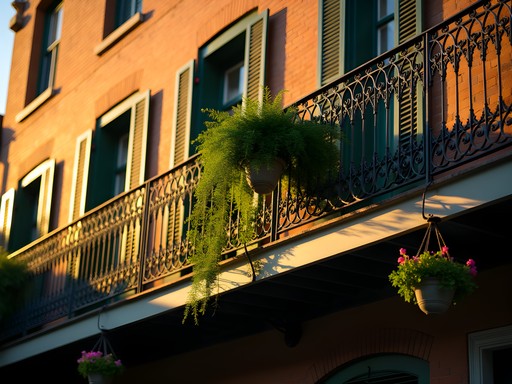
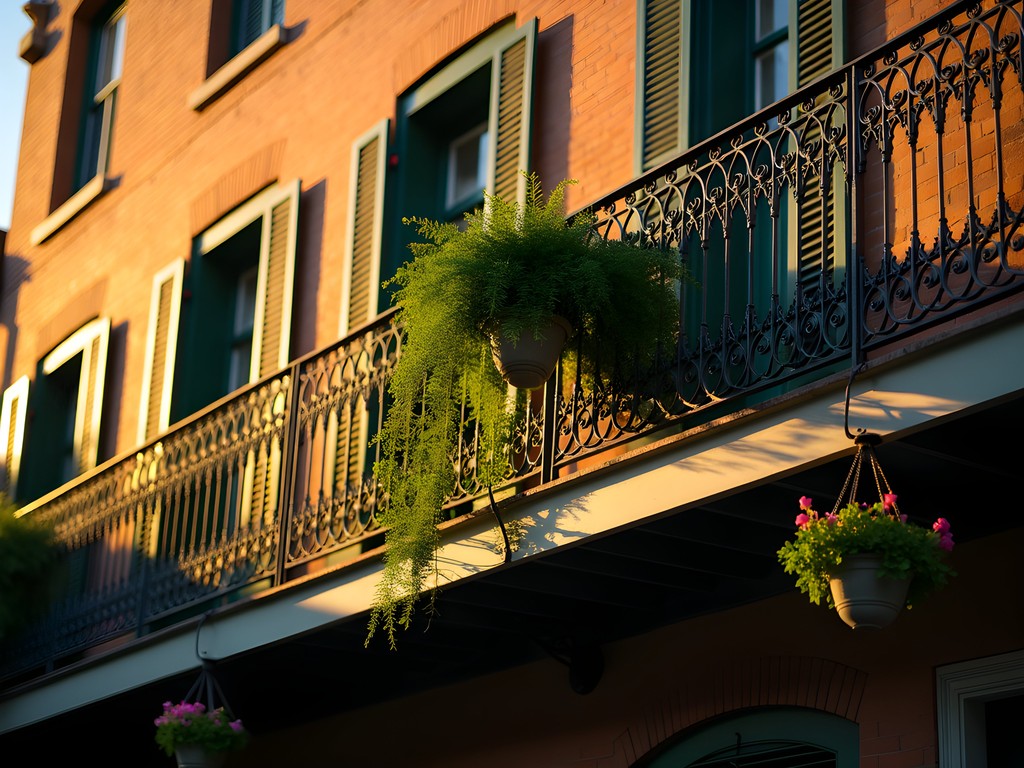
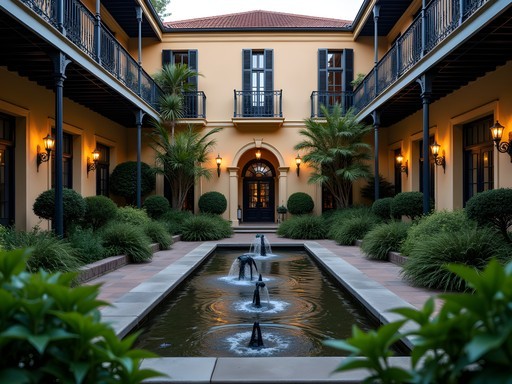
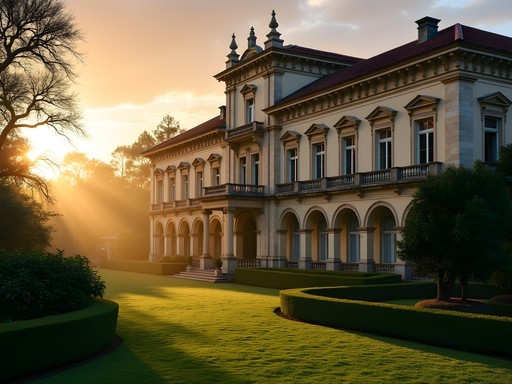
The French Quarter transforms during fall's golden hour, when the afternoon sun filters through the live oaks and casts shadows that dance across wrought-iron balconies. I learned quickly that the magic window is narrower here than you'd expect—roughly 45 minutes before sunset when the humidity softens the light into something almost tangible.
Start at Jackson Square around 5:30 PM. The street performers are warming up, the light is still manageable, and you can work your way through the crowds before they thicken. I spent three consecutive evenings shooting the same corner of Pirates Alley, and each night delivered completely different light. The key is patience and a willingness to return.
One practical note from a firefighter who's learned to pack light: bring a lens cleaning kit because the humidity here will fog your glass faster than you can say 'beignet.' I cleaned my lenses four times in one evening shoot.
💡 Pro Tips
- Arrive 90 minutes before sunset to scout locations and test exposures
- Shoot in aperture priority mode (f/2.8-f/4) to handle the rapidly changing light
- Respect street performers—always ask permission and tip if you photograph them working
Cemetery Photography: Honoring Sacred Spaces
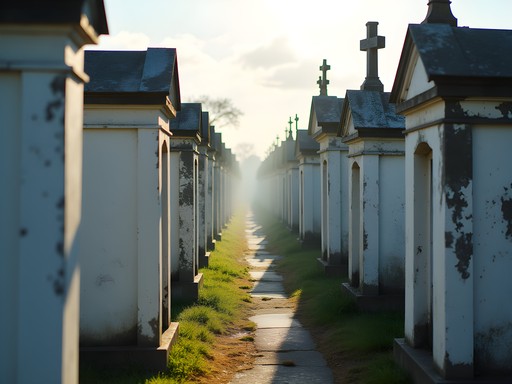
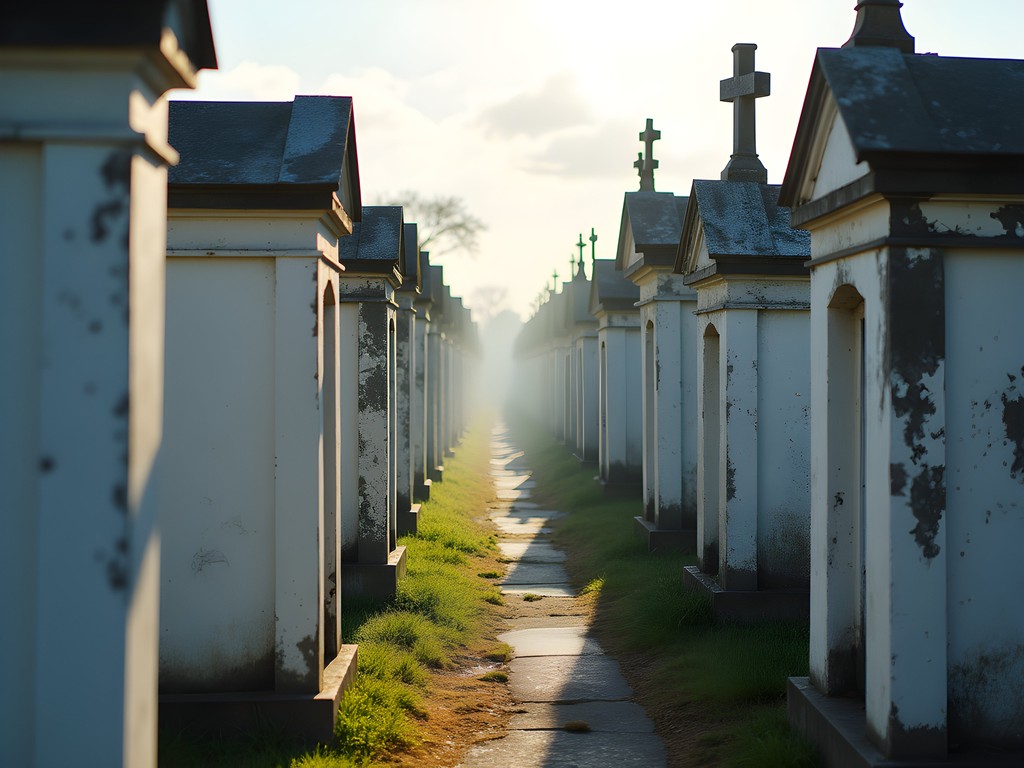
St. Louis Cemetery No. 1 taught me something about photography that my work documenting indigenous ceremonies had already whispered: some places demand reverence before they reveal their stories. These above-ground tombs aren't just photogenic—they're sacred family spaces, and approaching them with a tourist's entitlement will get you nothing but shallow images.
Fall mornings offer the best light here, when the low sun creates dramatic shadows between the whitewashed tombs. I visited at 8 AM on a Tuesday, joining a small tour group (solo visitors aren't permitted anymore, a policy I actually respect). The guide shared stories that transformed my approach—suddenly I wasn't shooting 'cool old graves' but family histories, architectural preservation, and cultural resilience.
Technically, these spaces are challenging. The contrast between white tombs and deep shadows will fight your camera's metering. I shot in manual mode, slightly underexposing to preserve highlight detail, then lifted shadows in post. Bring a circular polarizer filter to cut the glare off those white surfaces—it makes an enormous difference in midday shooting.
💡 Pro Tips
- Book official tours in advance—they provide context that makes your images more meaningful
- Shoot tight compositions focusing on architectural details and weathered textures
- Never climb on or touch the tombs—respect the space and your images will reflect that integrity
Bayou Country: Photographing Louisiana's Wild Side
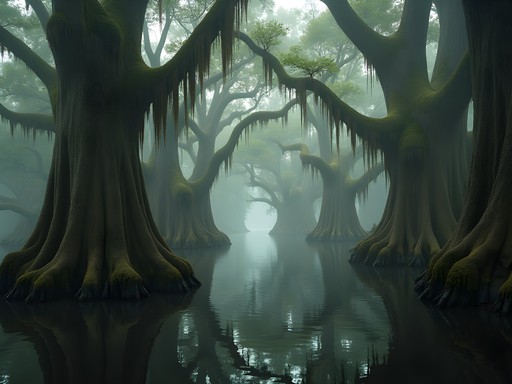
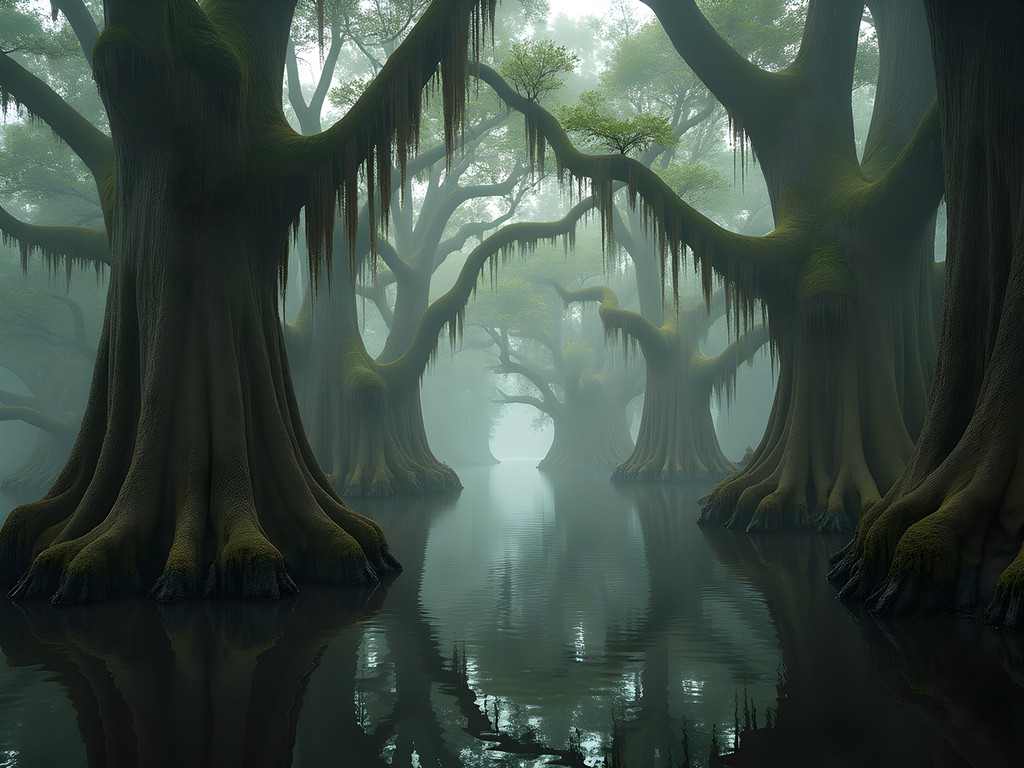
An hour outside the city, the bayou offers a completely different photographic challenge—and honestly, a welcome break from urban intensity. I joined a small boat tour into Jean Lafitte National Historical Park, where the cypress swamps create scenes that feel prehistoric.
The water here is dark as coffee, reflecting the canopy above in ways that play tricks on your exposure meter. I learned to spot meter off the brightest part of the sky visible through the trees, then adjust from there. The weatherproof camera bag I've used in firefighting training proved essential here—one wrong move in a small boat and your gear's swimming.
Fall brings lower water levels and incredible bird activity. I spotted egrets, herons, and even a young alligator that surfaced so close I could have touched it (I didn't, obviously). The guide explained how these wetlands are disappearing at an alarming rate—about a football field every hour. That context transformed my photography from 'pretty nature shots' to documentation of something precious and threatened.
Bring insect repellent. Seriously. The mosquitoes here don't mess around, and trying to compose shots while swatting your neck gets old fast.
💡 Pro Tips
- Use a fast shutter speed (1/500 or faster) to compensate for boat movement
- Embrace the moody, low-contrast aesthetic—don't fight the bayou's natural darkness
- Visit during early morning for calm water and active wildlife

Street Life and Second Lines: Capturing Movement and Joy
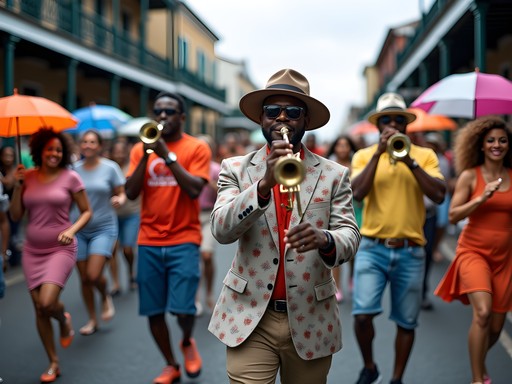
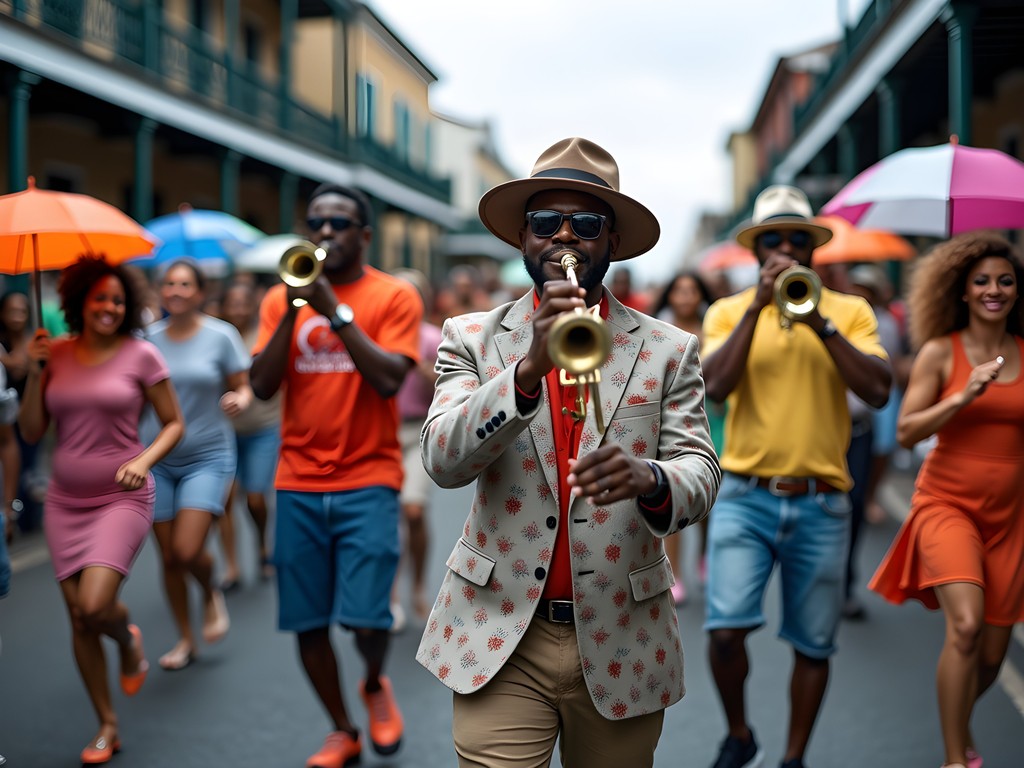
Here's where New Orleans photography gets real: the second line parade I stumbled into on my fourth evening taught me more about this city than any guidebook could. These spontaneous brass band processions through neighborhoods are pure kinetic energy—and photographically, they're both exhilarating and challenging.
I was walking through the Treme neighborhood when I heard the music. Following the sound led me to about fifty people dancing behind a brass band, moving through residential streets with an infectious joy that made my chest tight. This wasn't a performance for tourists—it was community celebration, and I was very aware of being an outsider with a camera.
I approached the parade marshal, introduced myself, explained my photography work with indigenous communities, and asked permission. He nodded and said, 'Just dance while you shoot, man. Don't just stand there taking.' Best photography advice I've ever received. I shot one-handed while moving with the crowd, using a fast shutter speed and letting the motion blur add energy rather than fighting it.
For gear, I kept my camera strap pulled tight and my settings simple—shutter priority at 1/250, auto ISO, continuous focus. The goal wasn't technical perfection; it was capturing authentic joy.
💡 Pro Tips
- Always ask permission before photographing second lines—respect and participation earn access
- Shoot wide to capture the community context, not just close-ups of performers
- Put the camera down sometimes and just experience the moment—not everything needs to be documented
Post-Processing for New Orleans' Unique Light
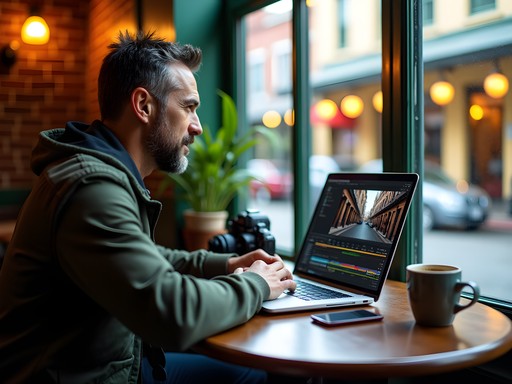
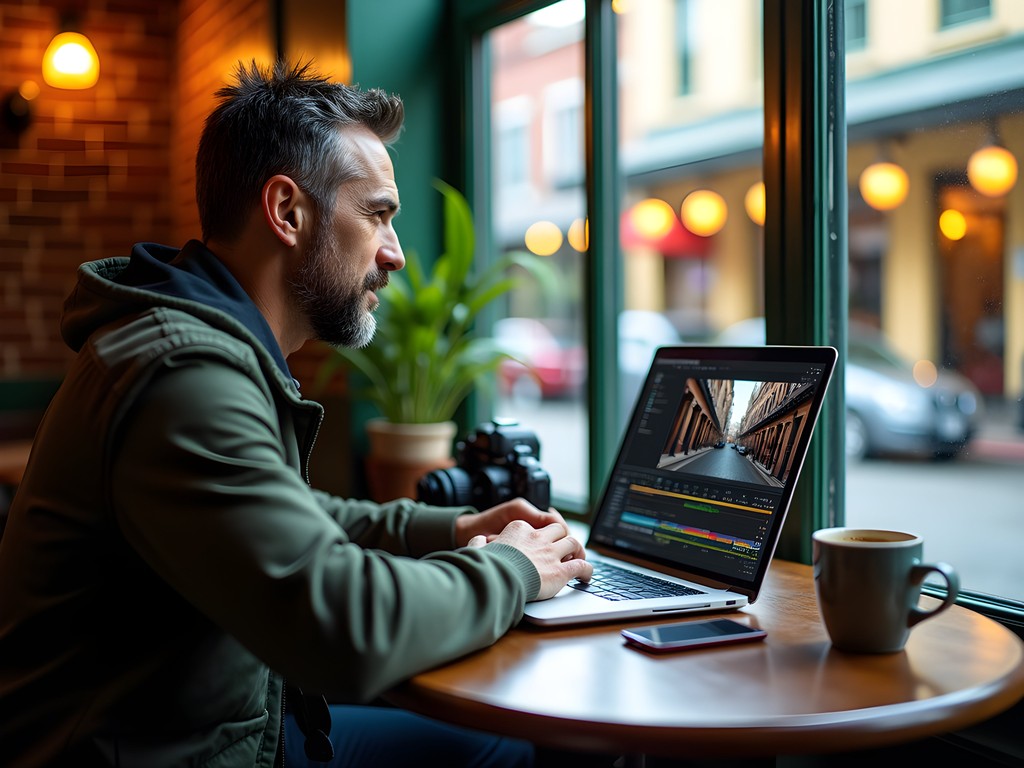
Back in my Airbnb each night, I'd review the day's shots with a local beer and realize that New Orleans light doesn't play by the rules I'd learned shooting the Mediterranean coast. The humidity creates a constant soft diffusion that's beautiful in-camera but can look flat in post if you're not careful.
My approach evolved throughout the week: I started pushing the contrast and clarity sliders, trying to force the images into the crisp aesthetic I usually prefer. By day three, I'd reversed course entirely. New Orleans images want to be soft, slightly warm, with lifted shadows that preserve the atmospheric quality. I reduced clarity, added a gentle warm tint, and embraced the dreamlike quality rather than fighting it.
For the bayou shots, I went even further—crushing the blacks slightly, desaturating greens, and adding a subtle vignette. The goal was mystery, not Instagram brightness. For the street photography and second lines, I kept the processing minimal, just balancing exposure and boosting the vibrance of the colorful clothing and instruments.
One technical note: the color calibration tool I use ensures my laptop screen accurately represents what I'm editing. Working in a humid climate with changing light conditions made me appreciate having a calibrated monitor even more than usual.
💡 Pro Tips
- Embrace soft contrast—don't try to make New Orleans look like Southwest desert light
- Warm color temperature slightly (around 5800K) to honor the golden quality of the light
- Process different subjects differently—cemetery shots need different treatment than second line energy
Final Thoughts
New Orleans resisted me at first. I arrived with my usual photographer's confidence—the kind that comes from years of documenting challenging subjects in difficult conditions—and the city basically laughed and told me to slow down. By the end of the week, I'd learned that capturing the Big Easy's soul isn't about technical mastery or finding the perfect composition. It's about listening to the rhythm, respecting the culture, and understanding that some of the best photographs happen when you're dancing with one hand and shooting with the other.
The images I'm proudest of from this trip aren't the technically perfect cemetery shots or the golden hour balconies. They're the slightly blurry, imperfectly composed moments where I stopped being a photographer standing outside the experience and became a participant lucky enough to have a camera. That's the real lesson New Orleans teaches: authenticity matters more than perfection, and respect opens more doors than any expensive lens ever will.
Book your fall trip, pack light, bring your curiosity along with your camera, and prepare to have your assumptions challenged. The Big Easy is waiting, and trust me—it's worth the dance.
✨ Key Takeaways
- New Orleans photography requires cultural respect and participation, not just technical skill
- Fall offers ideal light and weather conditions with fewer summer crowds
- The best images come from surrendering to the city's rhythm rather than imposing your vision
📋 Practical Information
Best Time to Visit
Fall (October-November) for ideal light, comfortable temperatures, and cultural events
Budget Estimate
$1,200-$1,800 for week including mid-range accommodation, food, tours, and local transportation
Recommended Duration
7 days minimum to explore city and surrounding areas thoroughly
Difficulty Level
Intermediate


Comments
Frank Garcia
Excellent breakdown of the golden hour timing in the Quarter. I'd add that the light quality changes dramatically between January and July—those summer months give you that thick, humid atmosphere that diffuses everything beautifully. Also found that shooting from the Mississippi riverfront looking back toward the city around 6:30am offers perspectives most tourists miss. The industrial elements mixed with the historic architecture create compelling juxtapositions. Did you experiment much with the streetcar routes for motion shots? The St. Charles line has some excellent opportunities.
Bryce Price
Great point about seasonal light differences! I was there in October so missed that summer haze. The St. Charles streetcar is definitely on my list for next time—saw some shots from other photographers that looked fantastic.
wildzone
Those cemetery shots are incredible!
Bryce Price
Thanks! St. Louis Cemetery No. 1 at sunrise was magical. Just remember to book the official tour—they don't allow solo visits anymore.
wildzone
Good to know, didn't realize that
bluemate
Going there next month for my first real photography trip. Kind of nervous about shooting in the cemeteries—do you need special permission or anything? Also any tips for a beginner on capturing that movement in the second lines without everything being blurry?
Casey Andersson
Most cemeteries are open to respectful photographers! Just be mindful, don't climb on tombs, and if there's a service happening, stay back. For second lines, try shutter priority around 1/250 or faster.
bluemate
Thanks so much!
happylover
Those cemetery shots are stunning!
Casey Andersson
Bryce, this resonates so much! I spent three weeks in New Orleans last spring and that humidity absolutely murdered my gear. Had to keep everything in sealed bags with silica packets between shoots. Your point about the golden hour in the Quarter is spot on—that light bouncing off those pastel buildings creates magic you just don't find anywhere else. I found the best cemetery light was actually mid-morning around 9-10am when it's soft but you still have some direction to it. Did you get out to any of the plantations along River Road? The oak alleys there at sunrise are absolutely otherworldly for photography.
sunsetway
Good call on the silica packets! Didn't even think about that
sunsetway
What lens did you use for the second line parade photos? Trying to figure out what to bring for street photography there.
bluemate
Not the author but I just got back from NOLA and a 35mm or 50mm worked great for street stuff. Fast lens helps with the shadows!
Venture X
Premium card with 2X miles, $300 travel credit, Priority Pass