
Disclosure: This article contains affiliate links. We may earn a commission from purchases at no extra cost to you, which helps our travel content.
I'll confess—Layton wasn't on my radar until a teaching conference brought me to Salt Lake City last October. A colleague mentioned the town's proximity to the Wasatch Range, and I thought I'd spend a morning there before flying home. That morning stretched into three days of extraordinary photography. Nestled between mountain drama and Great Salt Lake stillness, Layton offers something most photographers crave: accessible grandeur without the tourist crowds that plague Utah's more famous destinations.

The Golden Hour at Adams Canyon Trailhead
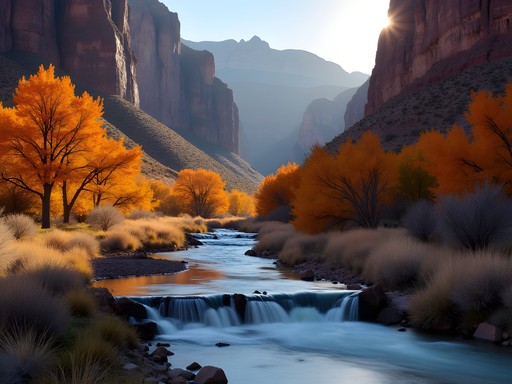
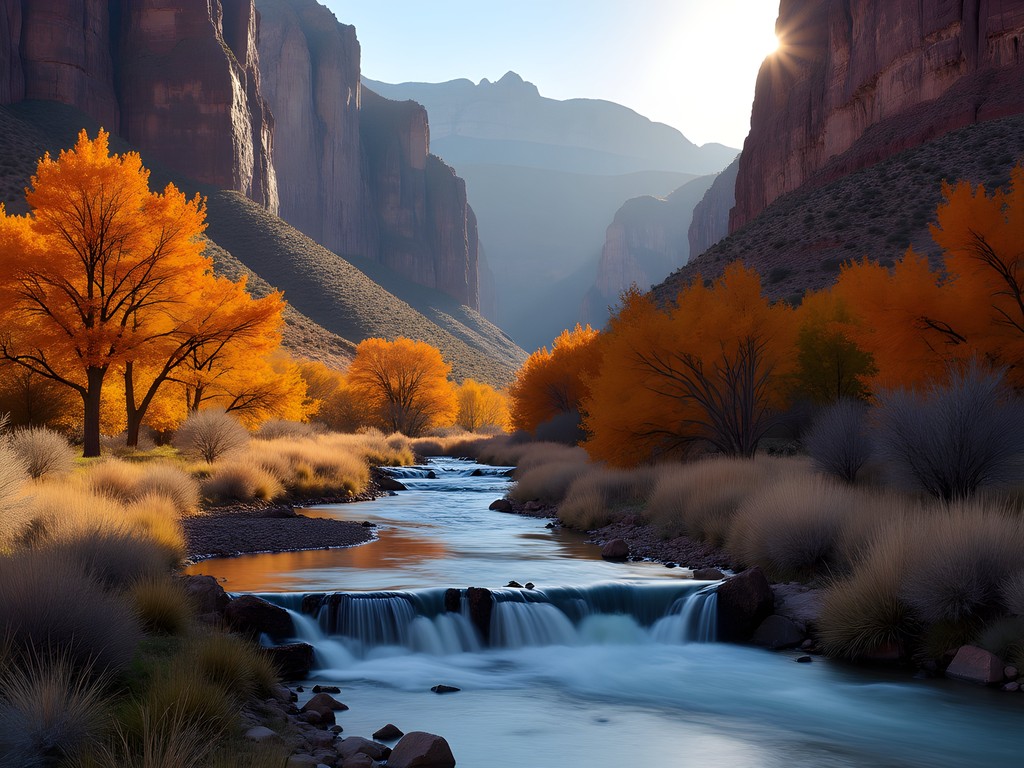
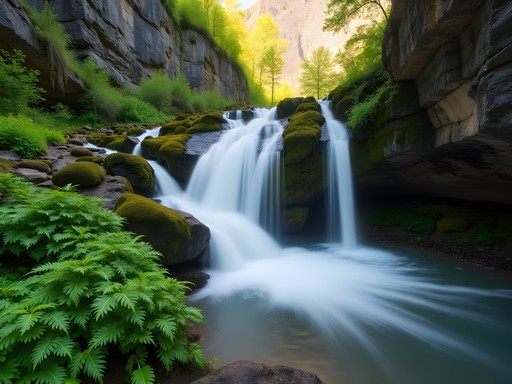
Adams Canyon delivers the kind of autumn light that makes you forget to check your exposure settings—you're too busy marveling at reality. The trailhead sits just minutes from downtown Layton, but the landscape transforms immediately into something primordial. I arrived at 6:15 AM on a Saturday, thermometer reading 38°F, breath visible in the pre-dawn air.
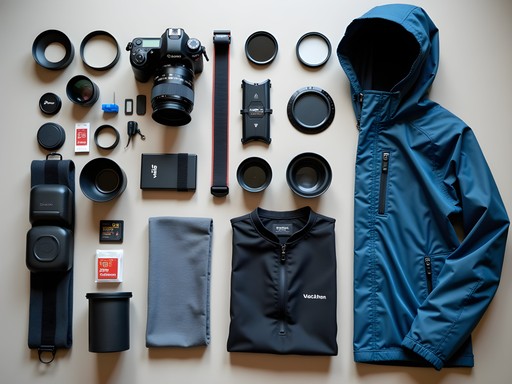
The real magic happens in that first hour when sidelight rakes across the canyon walls, illuminating scrub oak in their burnt orange glory against limestone faces. I positioned myself near the lower cascades, where the creek provides foreground interest and the canyon opens to reveal layered ridgelines. The circular polarizer proved essential here—cutting through morning haze while saturating those autumn colors without the oversaturated digital look I despise.
For solo travelers, the trail sees moderate traffic even on weekends, but early starts guarantee solitude. I encountered exactly three other hikers before 8 AM, all equally reverent in the morning silence.
💡 Pro Tips
- Arrive 45 minutes before sunrise to scout compositions in blue hour light
- Bring microfiber cloths—creek spray will find your front element
- Download offline maps; cell service is spotty once you're 15 minutes up the trail
Urban Geometry: Downtown Layton's Architectural Surprises
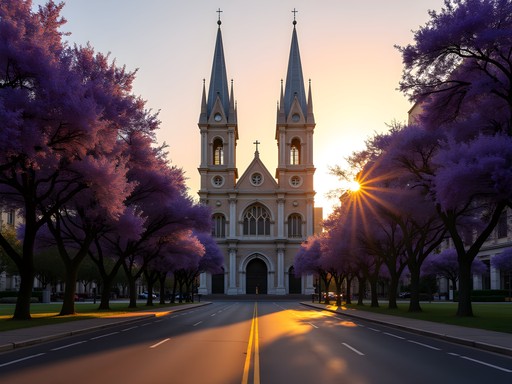
I've learned that truly interesting photography requires embracing contradictions. After spending mornings in wilderness, I devoted my afternoons to Layton's modest downtown, where mid-century architecture meets contemporary Mormon temple aesthetics in unexpectedly photogenic ways.
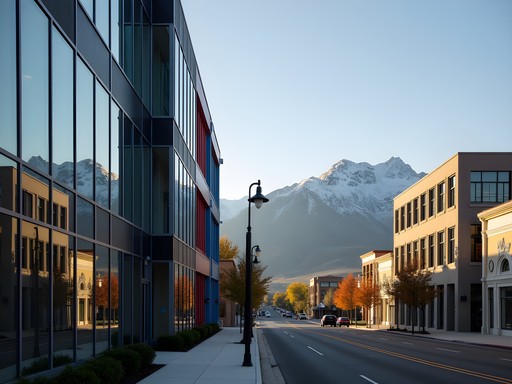
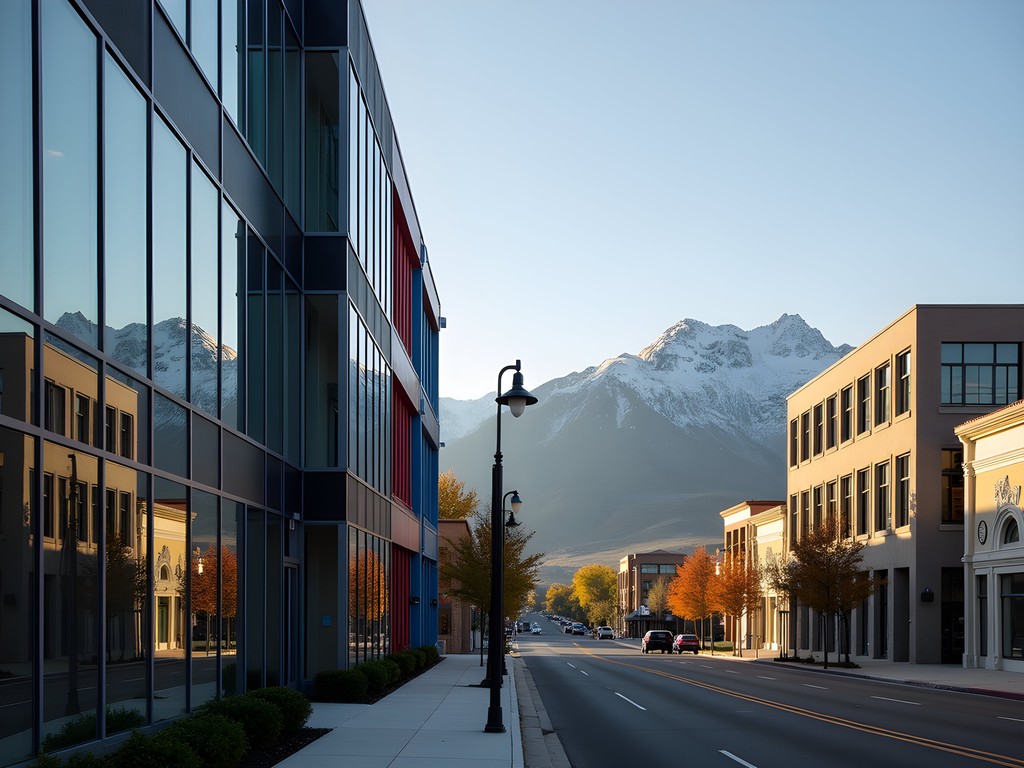
The Layton Hills Mall area—bear with me here—offers remarkable opportunities for geometric abstraction. The angular glass facades catch afternoon light in ways that create natural split-toning effects. I particularly enjoyed working with reflections in the newer commercial buildings along Gentile Street, where mountain reflections merge with urban infrastructure.
The real gem is the Davis Conference Center at sunset. Its contemporary design features clean lines and strategic glass placement that transforms during the golden hour. I spent an evening there working with silhouettes and architectural leading lines, using a graduated ND filter to balance the bright western sky with foreground elements. The surrounding plaza empties after 5 PM, giving you freedom to experiment with tripod positions without navigating foot traffic.
For those interested in the human element, the Layton Farmers Market (Saturdays through October) provides candid street photography opportunities with the Wasatch Range as backdrop—documentary work that contextualizes place and community.
💡 Pro Tips
- Shoot urban scenes between 3-5 PM when building shadows create natural contrast
- Respect private property; stay on public sidewalks and plazas
- The parking structure on Fairfield Road offers elevated perspectives without drone restrictions
Great Salt Lake's Western Edge: Minimalist Seascapes
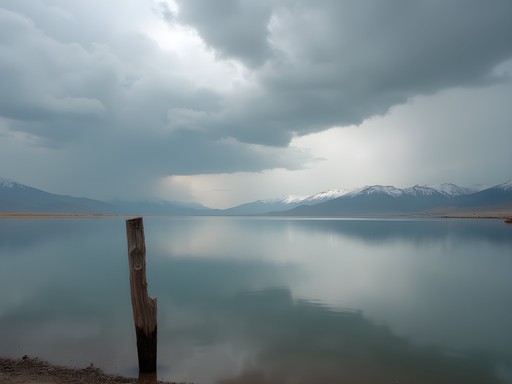
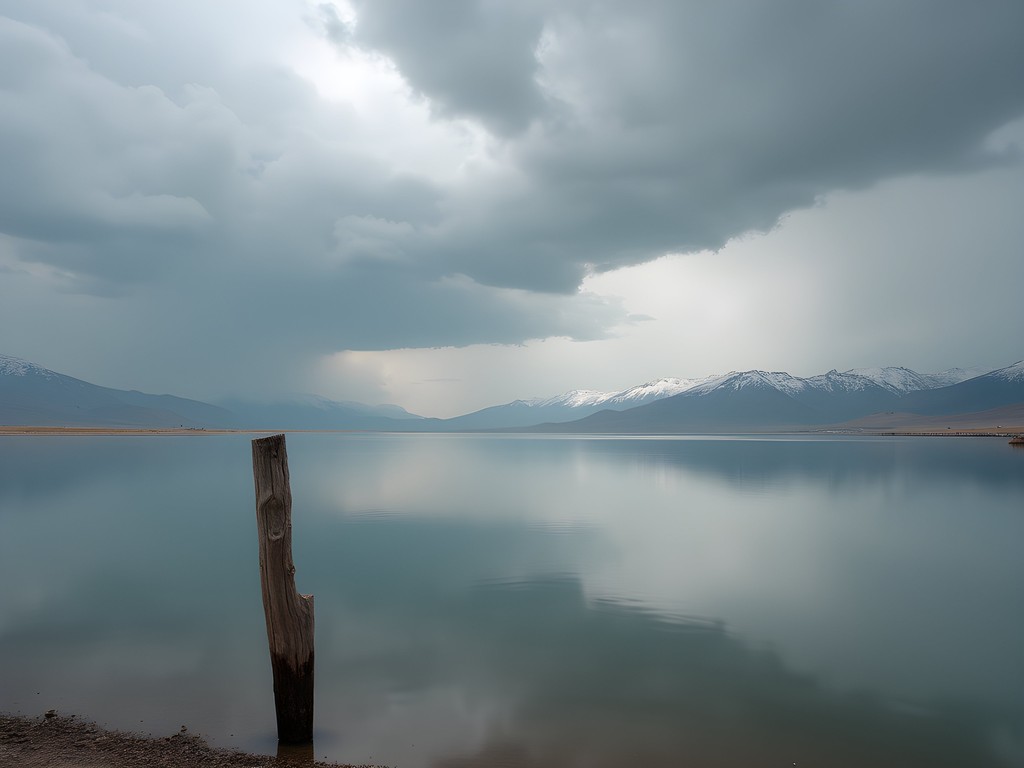
The fifteen-minute drive west toward the Great Salt Lake causeway reveals Utah's most surreal landscape. This isn't the dramatic canyon photography that dominates Instagram—it's something quieter and more challenging. The vast mudflats, salt crusts, and shallow waters demand a minimalist eye.
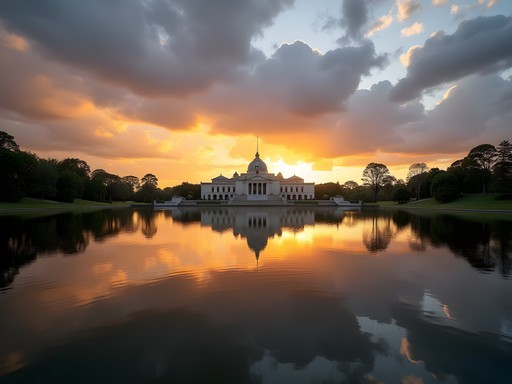
I worked this area on Sunday afternoon when autumn storms built over the lake, creating that rare combination of dramatic skies and mirror-still water in the foreground. The key here is embracing negative space. These compositions work best with very little—a distant island, a weathered post, the horizon line bisecting frame. I found myself thinking of Hiroshi Sugimoto's seascapes, that same meditative quality.
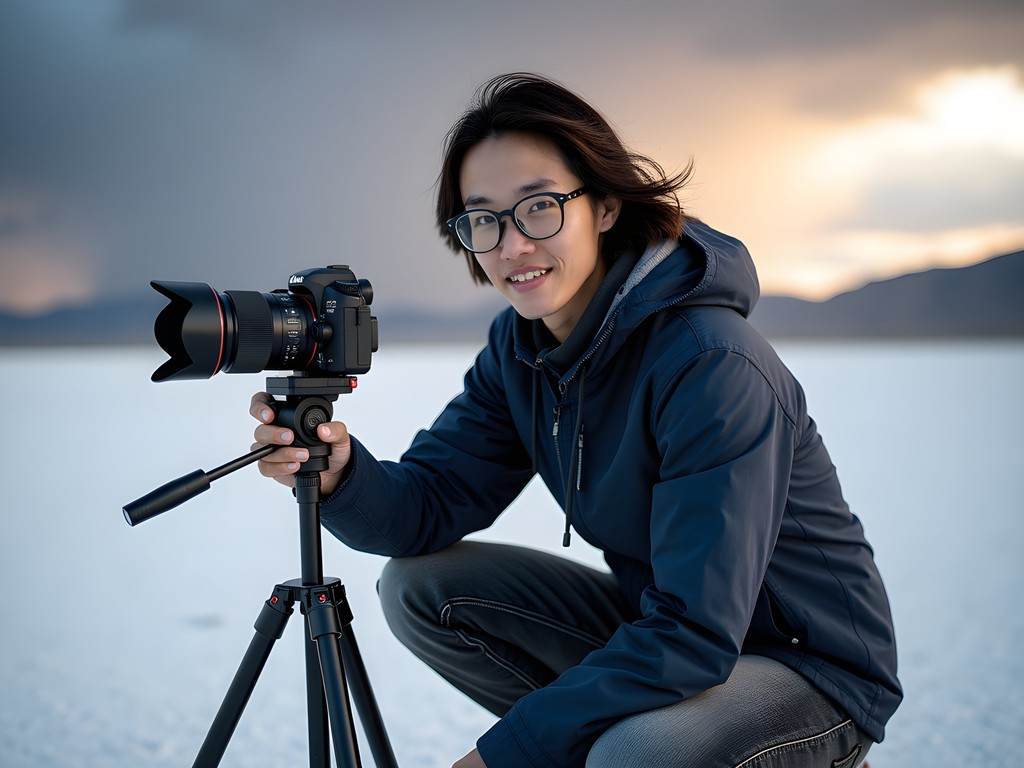
The light can be harsh and flat, so I relied heavily on my lens hood to prevent flare and maintain contrast. The cable release became essential for long exposures that smoothed water into glass—some exposures ran 30 seconds or longer as storm light shifted.
A practical note: the salt air is brutal on equipment. I kept my gear wrapped when not actively shooting, and gave everything a thorough wipe-down each evening. The corrosive environment isn't theoretical—I watched a photographer's cheap tripod literally corrode over three days.
💡 Pro Tips
- Bring distilled water and microfiber cloths for immediate salt spray cleanup
- Wear closed-toe shoes; salt crust conceals sticky mud underneath
- Check weather forecasts; approaching storms create the most dramatic light but require quick exits

Practical Considerations for Advanced Shooters
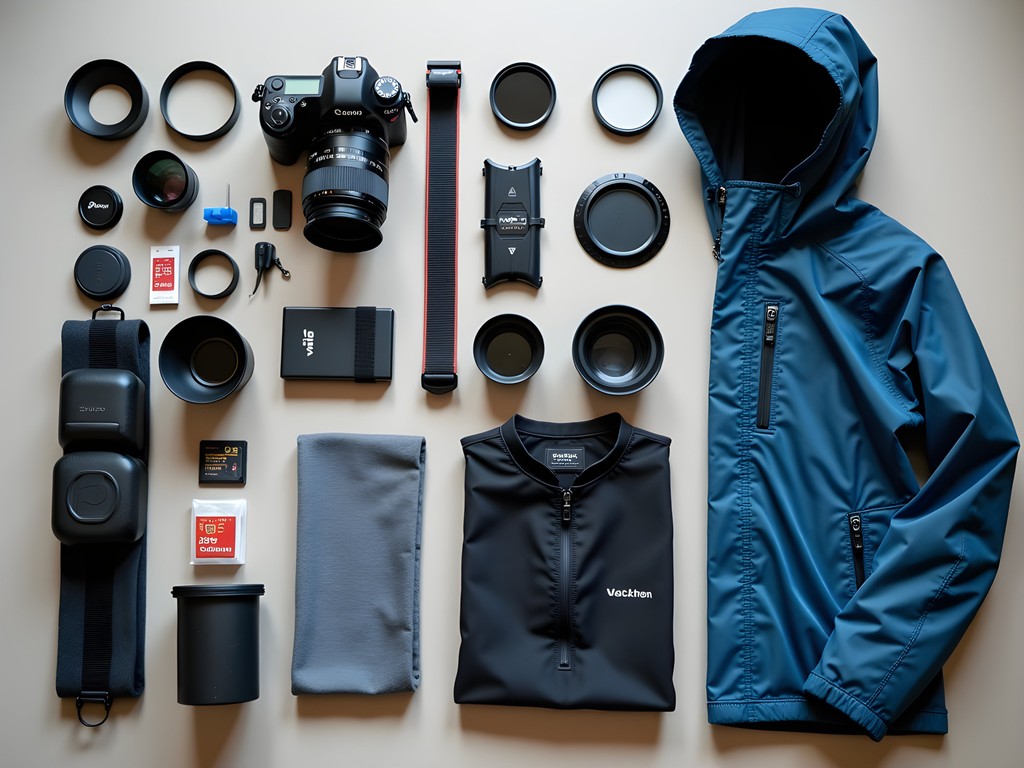
Layton's 4,500-foot elevation means autumn temperatures swing dramatically—I experienced everything from 72°F afternoons to 28°F mornings. Layering is essential, but as photographers we need clothing that doesn't interfere with camera operation. I lived in a merino wool base layer that regulated temperature without the bulk that restricts movement when working a tripod.
The dry air plays havoc with electronics. I experienced static discharge issues with my camera's LCD screen until I started using a anti-static brush and keeping a small humidifier running in my hotel room overnight. My gear stayed in the room's closet when not in use—the dramatic temperature swings cause condensation that can fog internal lens elements.
For accommodation, I stayed at a mid-range hotel near the Layton Hills Mall that cost $89/night. The location provided easy access to both mountain and lake locations within 15 minutes. Several local coffee shops offer early opening times (6 AM) essential for pre-dawn departures.
Rental car is non-negotiable—Layton's public transit won't get you to trailheads or salt flats. I paid $180 for a three-day compact SUV rental, which handled both highway and rough access roads adequately.
💡 Pro Tips
- Fill your tank in Layton proper; gas stations near the lake causeway charge premium prices
- Pack more memory cards than you think necessary—I shot 847 frames over three days
- Utah's liquor laws are restrictive; if you enjoy evening wine while editing, purchase before Sunday
Final Thoughts
Layton represents something increasingly rare in American landscape photography—genuine discovery. While crowds queue for permits at Zion and Arches, you'll find yourself alone with extraordinary light and landscape here. The town won't feature in coffee table books, and that's precisely its appeal.
My three days yielded a portfolio I'm genuinely proud of—work that feels both technically accomplished and emotionally resonant. The autumn light, the accessibility, the absence of crowds, all combined to create ideal conditions for focused creative work.
For solo photographers seeking a weekend of intensive shooting without the complications of remote wilderness logistics, Layton delivers. You'll return home with a memory card full of images and the quiet satisfaction of having found something remarkable that everyone else has overlooked.
Ready to explore Layton yourself? Start planning for next October—the autumn color peaks between October 10-25, and accommodation rates remain reasonable until the ski season begins. Pack your longest lens for mountain details, your widest for lake expanses, and prepare for some of the most productive photography days you'll experience this year.
✨ Key Takeaways
- Layton offers dramatic landscape diversity within a compact area—mountains, urban architecture, and salt lake minimalism all within 20 minutes
- Autumn (particularly mid-October) provides ideal conditions: comfortable temperatures, dramatic storm light, and peak foliage color
- Advanced photographers will appreciate the lack of crowds and permit requirements that complicate shooting at Utah's famous parks
📋 Practical Information
Best Time to Visit
Mid-October for peak autumn color and dramatic storm light; avoid summer heat and winter road closures
Budget Estimate
$400-600 for weekend including accommodation, car rental, meals, and incidentals
Recommended Duration
3 days minimum for comprehensive coverage of mountain, urban, and lake locations
Difficulty Level
Advanced—requires Comfort With Variable Weather, Early Starts, And Technical Camera Operation In Challenging Conditions


Comments
Megan Martin
This is such a refreshing take on Utah photography. I'm based in Glendale and visit Utah frequently for work, but I've been guilty of the same Mighty Five tunnel vision everyone has. The minimalist approach to the Great Salt Lake shots really resonates—there's something powerful about stripping away the obvious drama. One tip for anyone heading there: the downtown architectural shots work best on overcast days when you don't have harsh shadows competing with those geometric lines. Also, if you're shooting Adams Canyon at sunrise, arrive at least 45 minutes early. Parking fills up fast even on weekdays.
exploreguy
Thanks for the parking tip Megan! Didn't think about that
exploreguy
Caleb - what time of year did you shoot the Great Salt Lake shots? I'm planning a Utah trip for late March and wondering if the light will be similar. Also, do you need any special permits for Adams Canyon or is it just show up and shoot?
wanderlustwanderer
I'd also love to know about permits!
wanderlustwanderer
Never thought about Layton! Love hidden gems like this
Megan Martin
Right? I've driven past it so many times on I-15 and never stopped. Definitely adding it to my spring itinerary now.
Venture X
Premium card with 2X miles, $300 travel credit, Priority Pass