
Disclosure: This article contains affiliate links. We may earn a commission from purchases at no extra cost to you, which helps our travel content.
The first thing that hits you in Kenema isn't visual—it's the symphony of scents. Charcoal fires, palm oil, tropical flowers, and red earth create an olfactory fingerprint as unique as Sierra Leone itself. As a veterinarian accustomed to clinical environments, this sensory immersion reminded me why I travel with my camera: to capture not just images, but entire experiences. My two weeks in Sierra Leone's eastern province would challenge my photography skills, cultural adaptability, and preconceptions about a region often misrepresented in Western media.

Navigating Ethical Photography in Kenema's Markets
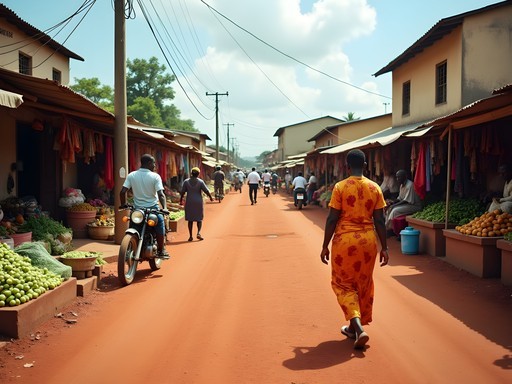
Kenema's central market pulses with an energy that's simultaneously chaotic and perfectly orchestrated. Vendors arrange pyramids of mangoes and cassava alongside handcrafted baskets, while conversations in Krio and Mende create a linguistic tapestry as colorful as the textiles for sale. But photographing here requires more than technical skill—it demands cultural sensitivity.
My approach evolved quickly after my first day. I learned to establish rapport first, camera second. My standard practice became wandering the market empty-handed initially, purchasing fruits or small crafts, exchanging greetings, and only then mentioning my interest in photography. This patient approach yielded not just consent but genuine connections.
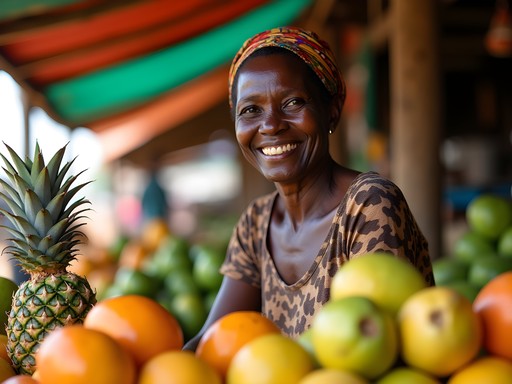
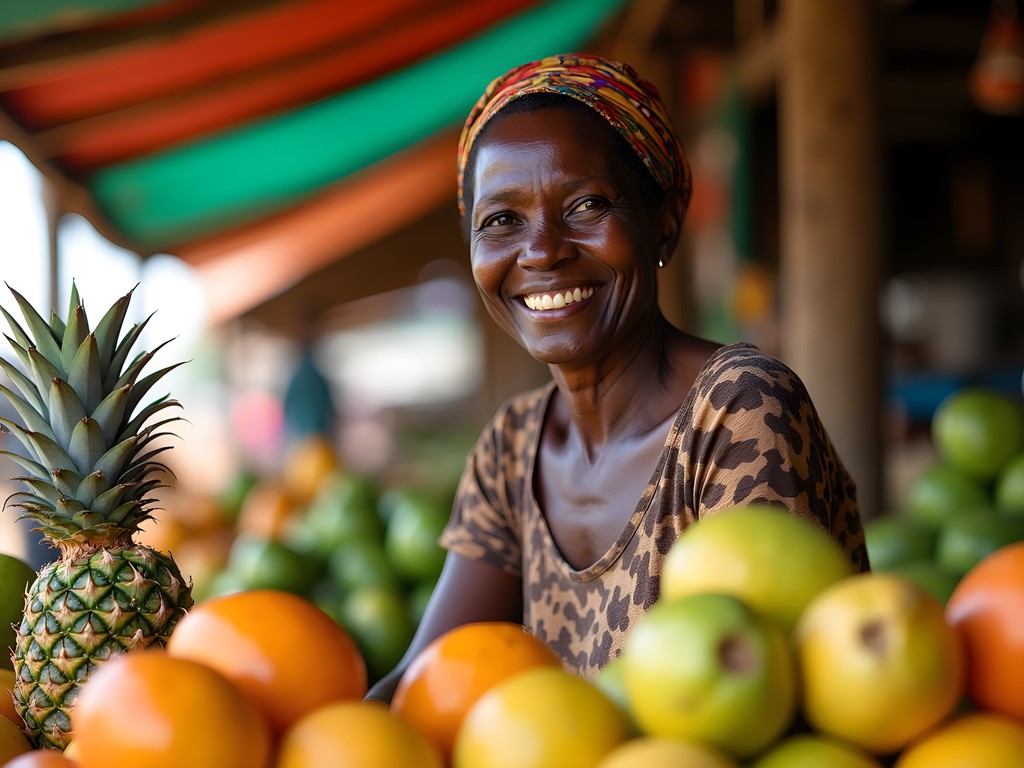
One fruit vendor, Aminata, initially shied away from my lens but later invited me to photograph her stall after we bonded over my stories of Filipino market traditions from my mother's homeland. Her proud smile as she displayed her perfectly arranged pineapples became one of my favorite captures—authentic because it emerged from mutual respect rather than a transactional 'point-and-shoot' encounter.
When documenting markets, my camera harness proved invaluable, keeping my equipment secure yet accessible while leaving my hands free for greetings and purchases. Its cross-body design drew far less attention than a traditional camera strap, helping me blend in more effectively.
💡 Pro Tips
- Learn basic greetings in Krio and Mende—'Kushe-o' (hello) and 'Tenki' (thank you) go a long way
- Establish rapport before revealing your camera—buy something small, chat, then ask permission
- Consider printing small photos to give back to subjects on your next market visit
The Wildlife Corridors: Where Veterinary Knowledge Meets Photography
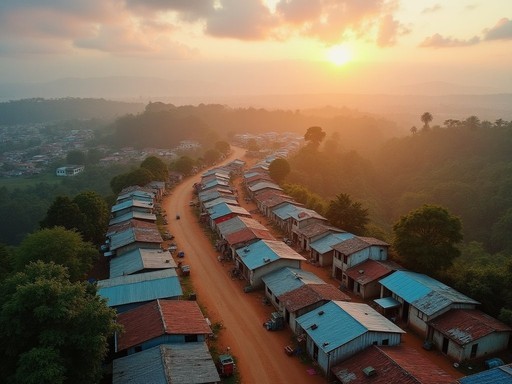
My veterinary background has always informed my travel photography, but never more profoundly than in Sierra Leone's eastern region. The forests surrounding Kenema represent critical habitat corridors for endangered primates, including the vulnerable Diana monkey and western chimpanzee. Documenting these areas required specialized knowledge, patience, and ethical considerations.
After connecting with local conservation group Tacugama, I spent three days accompanying their field researchers through forest transects. Rising at 4:30 AM, we'd venture into the misty forest edges where human settlements meet wilderness—zones of both conflict and coexistence. My telephoto lens proved essential for maintaining appropriate distance from wildlife while still capturing intimate behavioral moments.
The most challenging yet rewarding photography came during a community conservation meeting where former hunters now employed as eco-guides discussed sustainable forest management. The interplay of skepticism, hope, and determination on their faces told a complex story about conservation's human dimensions. Shooting in the dimly-lit community hall tested my low-light photography skills, but the portable LED light provided just enough supplemental illumination without disrupting the natural atmosphere.
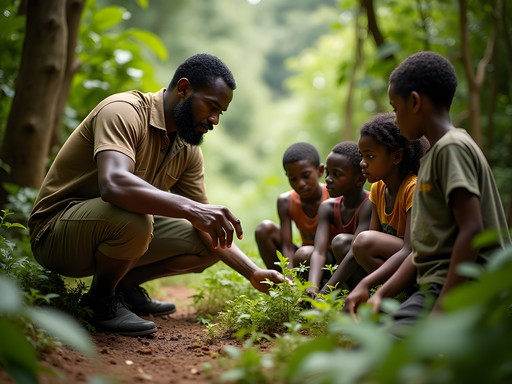
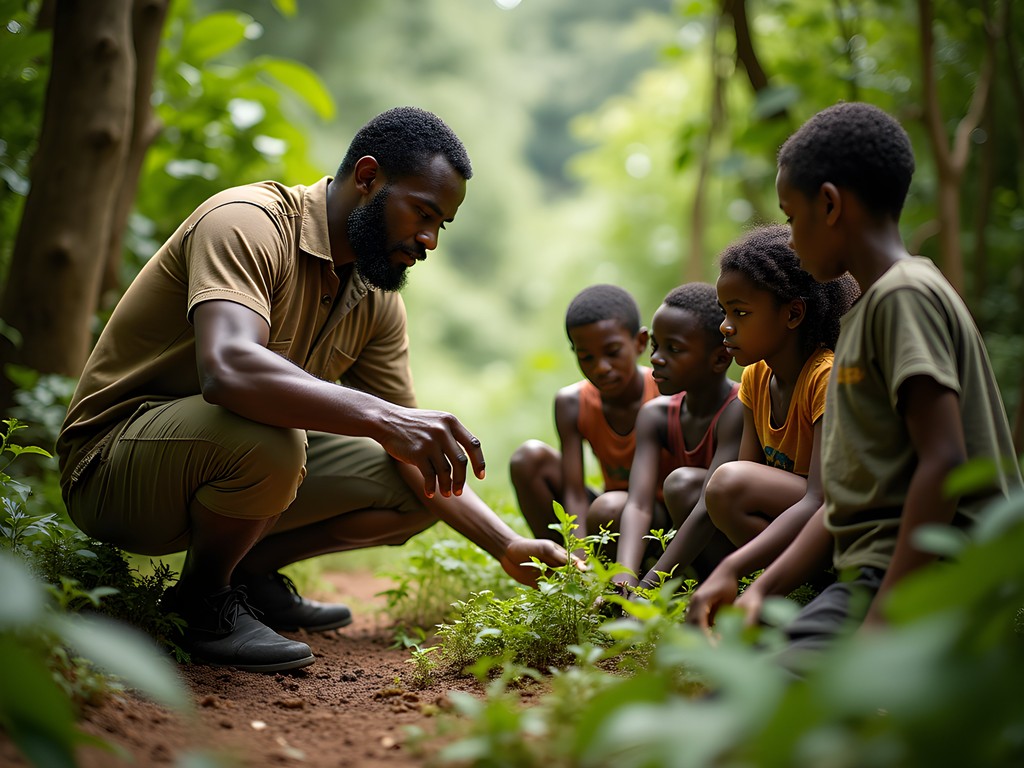
Perhaps my most treasured image from this segment captures a former hunter gently pointing out a camouflaged tree hyrax to a group of schoolchildren—embodying the transition from exploitation to stewardship that represents Sierra Leone's conservation future.
💡 Pro Tips
- Invest in a good telephoto lens for wildlife photography—400mm minimum for primates
- Carry silica gel packets in your camera bag to combat the extreme humidity
- Partner with local conservation organizations for ethical wildlife viewing opportunities
Documenting Resilience: Post-Conflict and Post-Ebola Narratives
Sierra Leone's recent history bears the deep scars of civil war (1991-2002) and the 2014-2016 Ebola outbreak. In Kenema, which experienced both traumas intensely, photography becomes a delicate balancing act between documenting resilience and avoiding exploitation of suffering.
I approached this challenge by seeking community-led storytelling opportunities. Through connections at my guesthouse, I met Ibrahim, a motorcycle taxi driver who survived the war as a child and later worked as an Ebola response driver. Rather than photographing obvious symbols of hardship, I accompanied Ibrahim for two days as he navigated his daily routine—capturing moments that illustrated recovery and forward momentum.
The technical challenges were substantial. Riding on the back of Ibrahim's motorcycle while shooting required both specialized equipment and technique. My camera stabilization strap proved invaluable, while the weatherproof camera cover protected my equipment during sudden tropical downpours.
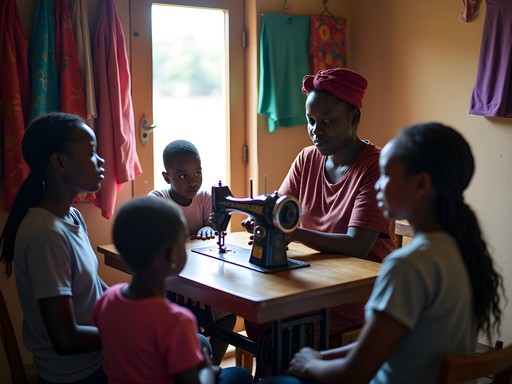
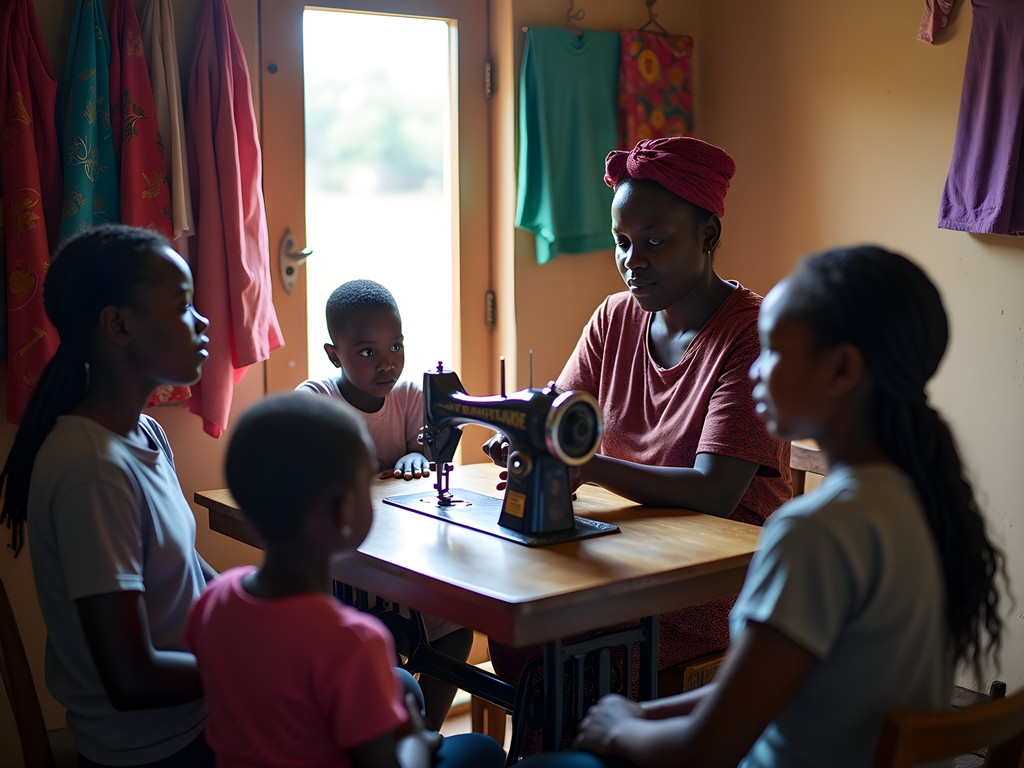
Perhaps the most powerful images emerged when we visited Ibrahim's sister's small tailoring business, established with a microloan after the Ebola crisis. The pride in her eyes as she demonstrated her sewing machine to neighborhood children transcended the simplified narratives of victimhood often imposed on Sierra Leoneans by outside media. These were stories of resilience, entrepreneurship, and community—narratives that deserved thoughtful visual documentation.
💡 Pro Tips
- Focus on stories of resilience and rebuilding rather than trauma tourism
- Use a stabilization system when shooting from moving vehicles
- Build relationships that allow for authentic documentation of daily life

Technical Challenges: Mastering Photography in Kenema's Conditions
Photographing in Kenema presents unique technical challenges that demand specialized equipment and adaptability. The region's dramatic contrast between harsh midday sun and deeply shadowed interiors tests even experienced photographers, while dust, humidity, and limited electricity access add further complications.
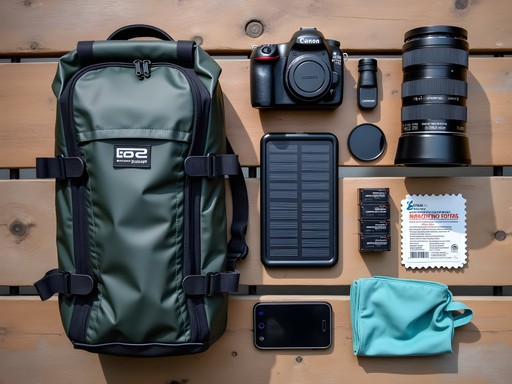
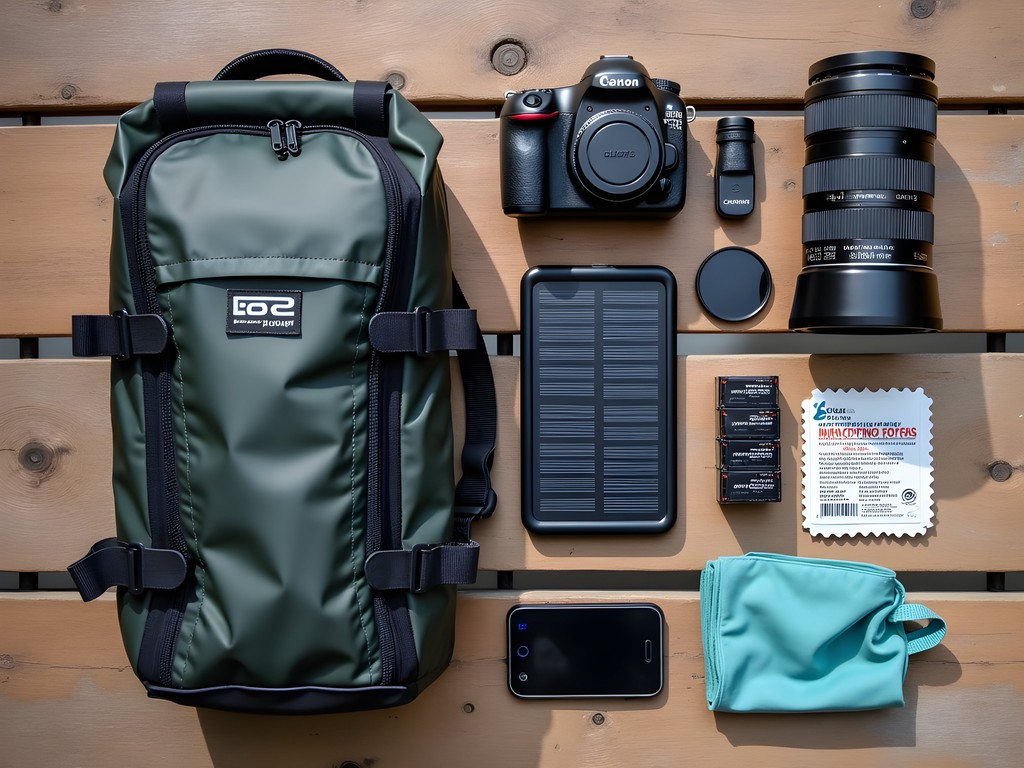
My daily photography kit evolved significantly after my first few days. I abandoned my standard camera backpack for a more practical waterproof camera bag that better protected against sudden downpours while providing easier access in crowded settings. The bag's multiple access points meant I could retrieve equipment without displaying all my gear—an important security consideration.
Kenema's intense contrasts between bright sunlight and deep shadow required technical solutions. I relied heavily on my polarizing filter to manage glare and enhance colors, particularly when photographing the vibrant textiles at the market or the lush forest landscapes. For indoor settings like community meetings or homes, I found my reflector disc indispensable for softening shadows without intrusive artificial lighting.
Power management became a daily puzzle. With electricity unreliable even in Kenema town, I carried multiple camera batteries and a solar power bank that could recharge both my camera batteries and phone during daylight hours. This setup freed me from dependence on grid electricity and extended my shooting capabilities into remote areas.
💡 Pro Tips
- Schedule your shooting around the golden hours (6-8am and 4-6pm) to avoid harsh midday light
- Bring twice as many batteries and memory cards as you think you'll need—charging opportunities are limited
- Use a polarizing filter to manage the extreme contrast of equatorial light
Final Thoughts
As my bush taxi bumped along the red-earth road leaving Kenema, I scrolled through my camera's memory card—not just reviewing images but revisiting connections. The fruit vendor who taught me Mende phrases between sales. The former hunter whose knowledge of primate behavior surpassed most textbooks I'd studied. The children who transformed from camera-shy to confidently directing their own portraits.
Photographing Kenema demanded technical skill, cultural sensitivity, and ethical awareness beyond what more tourist-oriented destinations require. Yet these very challenges produced images with depth and authenticity often missing from polished travel portfolios. Sierra Leone taught me that meaningful travel photography isn't about capturing picture-perfect scenes, but about documenting genuine human connections across perceived differences.
If you're considering this journey, prepare thoroughly but hold your plans loosely. Bring proper equipment but prioritize relationship-building over gear. And most importantly, approach each interaction with humility—understanding that the privilege of photographing someone's life, culture, or community is exactly that: a privilege to be earned rather than expected. When you do, Kenema will reveal itself not just as a subject for your lens, but as a profound teacher of photography's deeper purpose.
✨ Key Takeaways
- Build relationships before taking photographs—connections lead to more authentic images than technical skill alone
- Sierra Leone challenges photographers to move beyond stereotypical 'Africa' imagery toward more nuanced visual storytelling
- Proper equipment preparation is essential given the humidity, dust, and limited electricity access in Kenema
📋 Practical Information
Best Time to Visit
November-April (dry season)
Budget Estimate
$40-70 USD per day (excluding international flights)
Recommended Duration
Minimum 10 days, ideally 2 weeks
Difficulty Level
Challenging


Comments
redlife
Love how you described the scents - made me feel like I was there!
waverider
Beautiful photos! Really captured the spirit of the place
Sarah Powell
The technical section on mastering photography in challenging conditions is gold. High humidity, dust, inconsistent power for charging - these are real issues that don't get discussed enough in travel photography circles. Your point about the red earth dust getting into everything is so accurate. I'd add that having a backup camera body saved me on a similar trip when my primary body had sensor issues. The post-Ebola narrative documentation you mention is crucial historical work. These stories need to be told with the sensitivity you're clearly bringing to it.
wanderlustnomad
Planning my first West Africa trip and considering Sierra Leone. Is Kenema safe for solo travelers? Any specific areas you'd recommend staying in?
Sarah Powell
Not Casey, but I visited Sierra Leone in 2025. Kenema is generally safe - standard precautions apply. Connect with local guides, which Casey clearly did based on this post. The cultural exchange is worth it, and locals are incredibly welcoming. Check current travel advisories before you go.
Bryce Diaz
Casey, your section on ethical photography really resonated with me. I spent three weeks in Freetown last year and struggled with that same balance - wanting to document authentic moments while respecting people's dignity and privacy. The approach you describe of building relationships first, asking permission, and sharing photos back with subjects is exactly right. Too many travel photographers parachute in, snap away, and leave. The communities deserve better than that. Your wildlife corridor work sounds fascinating too - would love to hear more about how your veterinary background influenced your photographic eye.
dreamace4726
This is such an important point. Respect should always come first
moonseeker
Great post Casey! Quick question - how did you handle the humidity with your camera gear? I've had issues with lens fog in tropical climates before and wondering what precautions you took in Kenema?
Casey Torres
Great question! I kept silica gel packets in my camera bag and tried to avoid rapid temperature changes. Also let gear acclimate before shooting when moving between AC and outside.
moonseeker
Thanks! That's really helpful
redlife
This is amazing!! Would love to visit someday
redgal
Those market colors are stunning! Thanks for showing a side of Africa we rarely see.
wanderwalker
Wow, Sierra Leone isn't on most travel lists but your photos make it look so compelling! How did you handle the technical challenges with humidity affecting your gear? I'm planning a trip to West Africa next year and worried about my camera surviving!
redgal
Following this! Also curious about safety for solo travelers in Kenema.
Casey Torres
For humidity, I kept silica gel packets in my camera bag and sealed everything in airtight bags overnight. Also, never change lenses in high humidity if you can avoid it! @redgal Kenema felt quite safe as a solo traveler, but I always connected with local guides which I'd recommend both for safety and for better cultural understanding.
Haley Hamilton
This brought back so many memories of my time in Sierra Leone in 2022! I spent two weeks in the eastern region including Kenema, and that red earth is truly unforgettable. Your section on post-conflict photography really resonated with me. I found myself constantly questioning whether my photos were capturing resilience or unintentionally focusing on hardship. Did you find any particular approach that worked for showing the complexity without falling into either overly positive or negative narratives? I used my mirrorless camera which handled the dust surprisingly well, but wish I'd brought better rain protection for those sudden downpours!
Casey Torres
Great question, Haley. I found that spending extended time with people helped - not just quick snapshots but returning to the same places multiple days. This let me capture both challenges and joy in a more balanced way. And yes, those sudden downpours are something else! Quick-access rain covers are essential.
Venture X
Premium card with 2X miles, $300 travel credit, Priority Pass