

Disclosure: This article contains affiliate links. We may earn a commission from purchases at no extra cost to you, which helps our travel content.
The first time I saw Georgetown's harbor at dawn, I nearly dropped my camera. The light here doesn't just illuminate – it transforms. That golden Caribbean sun breaking over Saint Vincent's volcanic silhouette created a palette that defied my camera's sensor and my own vocabulary. After documenting monasteries across three continents, I've developed a particular appreciation for places where light, history, and landscape converge in unexpected harmony. Georgetown, this often-overlooked gem of Saint Vincent and the Grenadines, offers exactly this rare convergence. While cruise ships occasionally deposit day-trippers at nearby ports, the real Georgetown – with its colonial architecture, vibrant local culture, and dramatic coastal vistas – remains delightfully uncrowded and authentically itself. This past winter, I dedicated a week to capturing its essence, tripod in hand and curiosity as my compass.

The Golden Hours: Prime Photography Locations
Georgetown presents a unique challenge for photographers: how to capture both its historical essence and natural splendor without falling into postcard clichés. After seven sunrises and sunsets experimenting with angles and locations, I've identified the prime positions for that perfect golden hour shot.
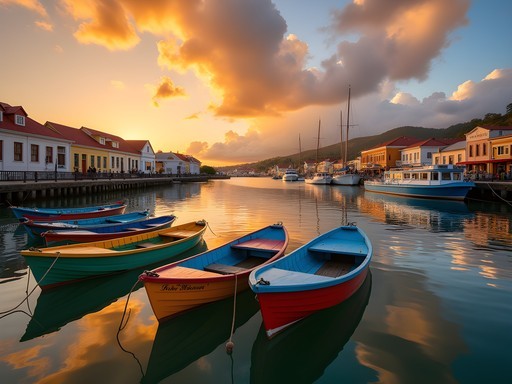
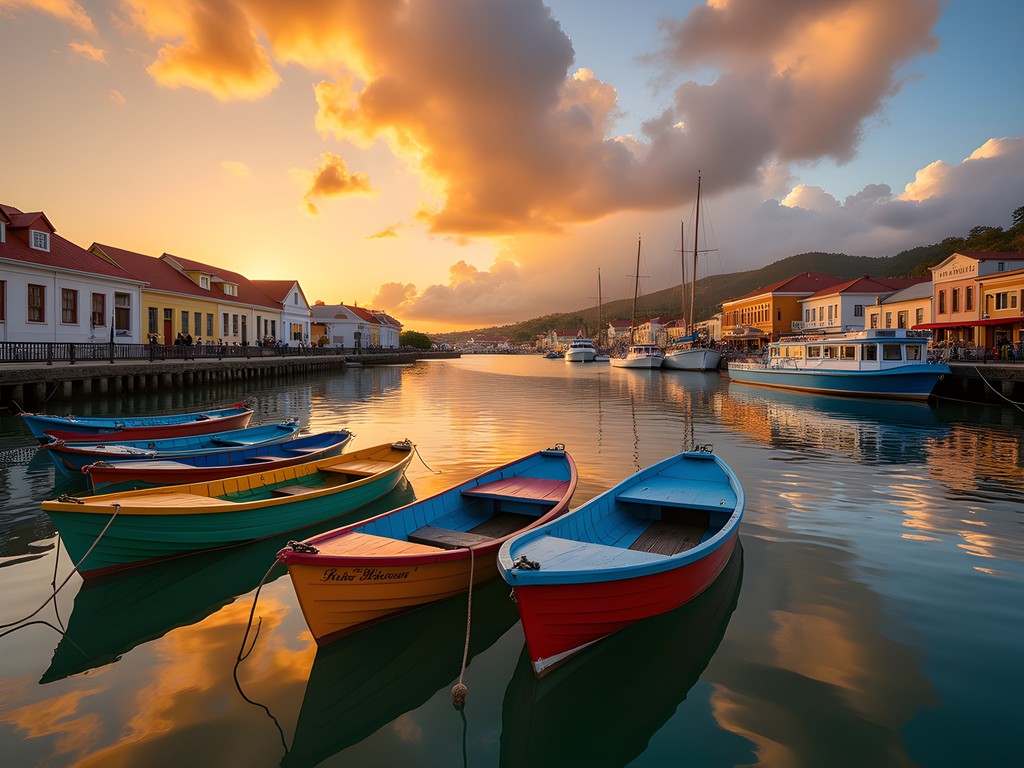
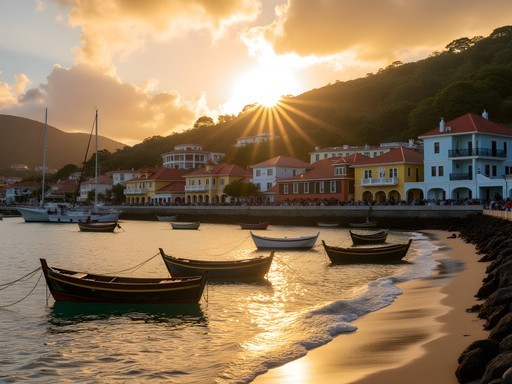
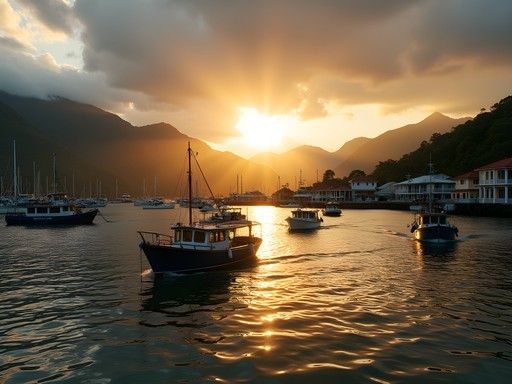
For sunrise enthusiasts, position yourself along the eastern harbor wall about 45 minutes before dawn. The gradual illumination of the fishing boats against the backdrop of the town's colonial buildings creates a composition that balances human elements with the dramatic natural setting. I found my travel tripod essential here – the compact carbon fiber version packs down impressively small yet provides rock-solid stability for those long exposures as light gradually fills the harbor.
Sunset offers equally compelling opportunities but requires a different approach. The hilltop ruins of Fort Charlotte provide the classic panoramic view, but I discovered a less-frequented spot that locals pointed me toward: the small promontory just north of Georgetown Cemetery. Here, the setting sun casts the entire town in a warm amber glow while fishing boats return to harbor, creating dynamic foreground elements against the static architecture.
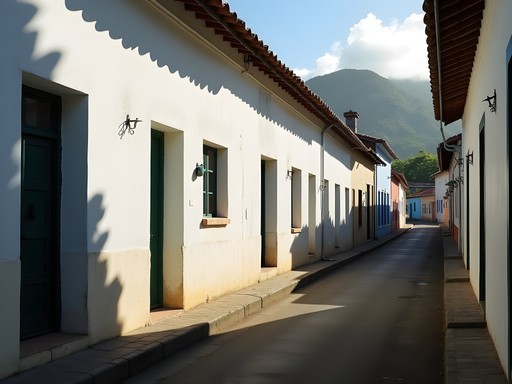
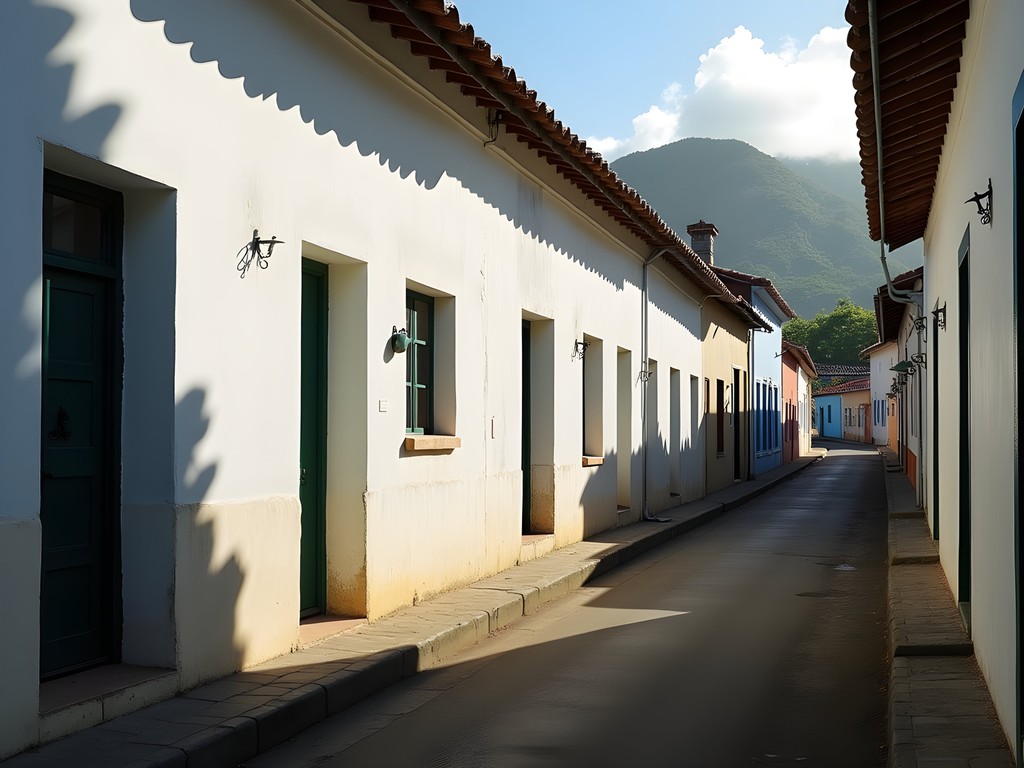
Midday shooting is typically challenging in tropical locations, but Georgetown's narrow streets create fascinating shadow patterns between 11am and 2pm. The contrast between brilliant white walls and deep shadow provides dramatic black and white opportunities that tell a different story about the town's character.
💡 Pro Tips
- Arrive at sunrise locations 45 minutes before actual sunrise to capture the full evolution of light
- For midday shooting, convert to black and white to emphasize shadow patterns and textures
- The harbor is most active with fishing boats between 5:30-7:00am, adding dynamic elements to compositions
Beyond the Obvious: Hidden Photographic Gems
While Georgetown's postcard views certainly deserve attention, my most compelling images emerged from places absent from guidebooks and Instagram geotags.
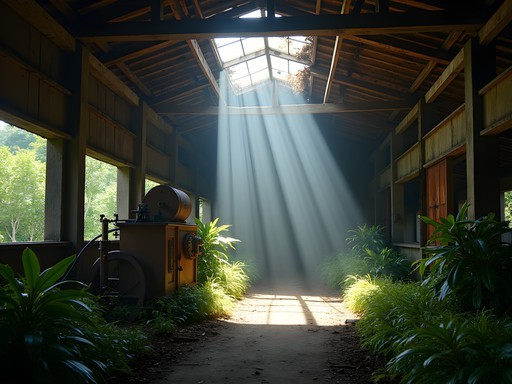
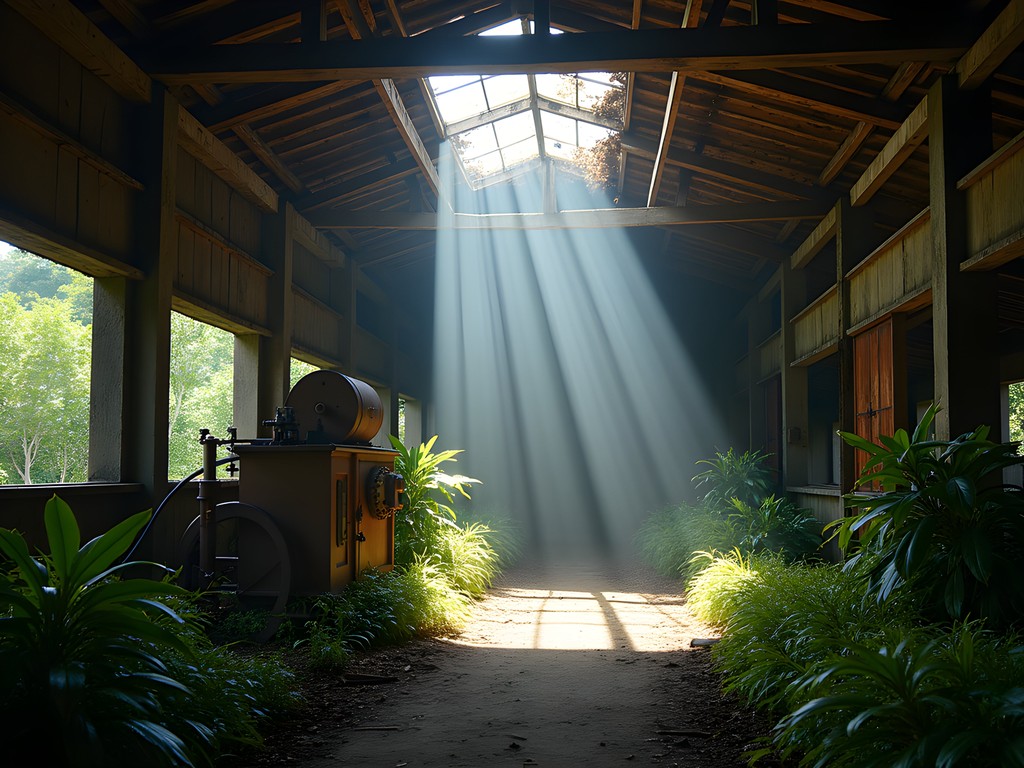
First, seek out the abandoned cocoa processing facility about a 20-minute walk inland from the harbor. Local permission is respectfully required (and easily obtained), but the effort rewards you with a photographer's dream: shafts of light penetrating a partially collapsed roof, illuminating antique machinery slowly being reclaimed by tropical vegetation. The contrast of industrial artifacts against nature's persistence creates images with both historical depth and visual drama.
Second, the small fishing community at the northern edge of town offers intimate documentary opportunities. I spent three mornings here, gradually becoming a familiar face rather than an intruding lens. By the third day, fishermen were inviting me to photograph their traditional net-mending techniques and the careful preparation of boats. These human moments often become the soul of a travel portfolio.
My most unexpected discovery came through a wrong turn while seeking a rumored waterfall. Instead, I found a small valley where local farmers cultivate vibrant tropical flowers for export. The geometric patterns of cultivation against the wild mountainous backdrop created compositions that balanced order and chaos in fascinating ways.
For these varied shooting conditions, I relied heavily on my versatile zoom lens. Its weather sealing handled brief tropical showers, while the versatile focal range meant I could quickly adapt from environmental portraits to detailed closeups without changing lenses in humid conditions.
💡 Pro Tips
- Always ask permission before photographing people or private property – a smile and basic courtesy opens many doors
- Early morning provides not just good light but also authentic local activity before the tourist day begins
- Bring lens cleaning supplies – the combination of salt air and humidity creates constant challenges for keeping glass clear
Capturing Local Life: Markets & Cultural Photography
Georgetown's weekly market (Saturdays, 6am-noon) provides a concentrated burst of color, culture and photographic opportunity that I found irresistible. Unlike more tourist-oriented Caribbean markets, Georgetown's remains primarily functional for locals, making it an authentic window into daily life.
The key to respectful market photography lies in your approach. I spent the first hour without my camera, simply wandering, purchasing fruits, and establishing myself as a curious visitor rather than an exploitative observer. This investment pays dividends when you finally bring the viewfinder to your eye.
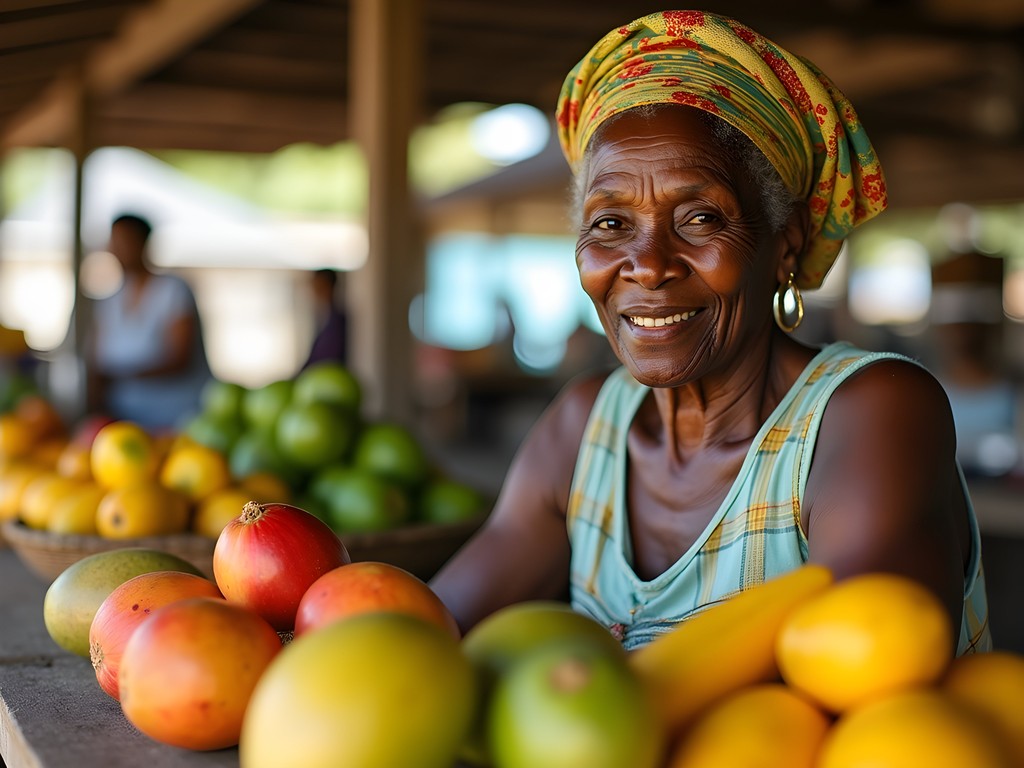
The produce section offers compelling still-life opportunities – pyramids of mangoes catching morning light, bundles of unusual root vegetables arranged with unconscious artistic precision. But it's the interaction between vendors and customers that tells the real story of Georgetown's community fabric.
For this environment, I switched to my prime lens which allowed me to work in lower light under the market canopies while maintaining a discreet profile. The fixed focal length also pushed me to move physically rather than rely on zoom, making me a more engaged participant in the space.
Beyond the market, Georgetown's calendar includes several lesser-known cultural events worth planning around. I timed my visit to coincide with the small-scale Fisherman's Day celebrations in the second week of February. The blessing of the boats ceremony at dawn created haunting silhouettes against the morning sky, while the afternoon fish cooking competition provided vibrant scenes of culinary tradition and community pride.
Remember that genuine cultural photography requires genuine cultural interest. The questions you ask between shots often matter more than the shots themselves – not just for ethical reasons, but because they lead you to deeper visual stories.
💡 Pro Tips
- Visit markets twice – first without a camera to establish rapport, then return for photography
- For indoor market shots, use a wide aperture lens but be mindful of limited depth of field
- Ask permission for portraits by showing genuine interest in vendors' products or crafts first

Technical Challenges: Mastering Caribbean Light
Georgetown's light presents specific technical challenges that took me several days to fully master. The Caribbean sun creates extreme dynamic range situations that push even the best camera sensors to their limits. After much experimentation, I developed a workflow that consistently delivered images capturing both the brilliant highlights and rich shadows that define this place.
First, I abandoned my usual approach of protecting highlights at all costs. In Georgetown's context, slightly blown-out white buildings actually convey the sensory experience of the place more accurately than a technically perfect exposure. Instead, I focused on preserving the rich shadow details in doorways, under market canopies, and beneath the dense foliage that frames many compositions.
Bracket exposures liberally, especially during the dramatic transition periods of early morning and late afternoon. Georgetown's light changes rapidly during these golden hours, and what appears manageable to the eye often exceeds the camera's dynamic range. I typically shot 3-5 exposure brackets (1-stop intervals) for scenes with architectural elements against sky.
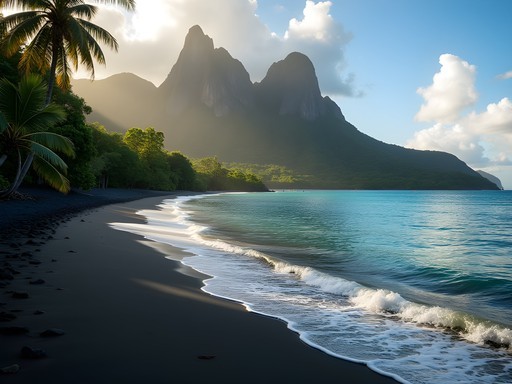
The persistent challenge of haze requires attention to both in-camera technique and post-processing approaches. A polarizing filter became indispensable not just for managing reflections but for cutting through the atmospheric haze that often obscures the dramatic volcanic backdrop of Saint Vincent.
My lens filters proved invaluable for these conditions. The combination of variable neutral density and circular polarizer functions allowed me to manage challenging light while maintaining a streamlined kit – crucial when navigating Georgetown's steep streets in midday heat.
Finally, don't underestimate the impact of humidity on equipment. My routine evolved to include nightly sensor cleaning and storing gear with desiccant packets. Even weather-sealed equipment benefits from this extra attention in Georgetown's climate.
💡 Pro Tips
- Bracket exposures liberally – Georgetown's light creates extreme dynamic range situations
- Use polarizing filters not just for reflections but to cut through atmospheric haze
- Store camera gear with silica gel packets overnight to combat the effects of humidity
Local Connections: Photography as Cultural Exchange
My most treasured images from Georgetown emerged not from planning but from connection. The camera, often perceived as a barrier between photographer and subject, can become a bridge when approached with genuine curiosity and respect.
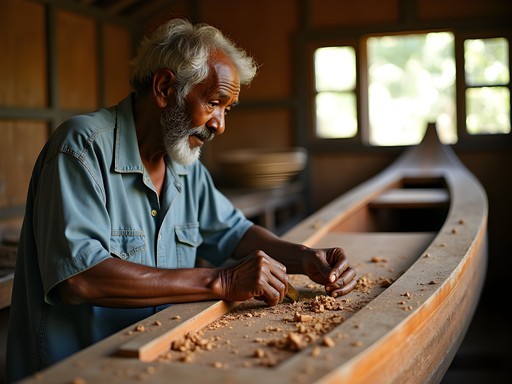
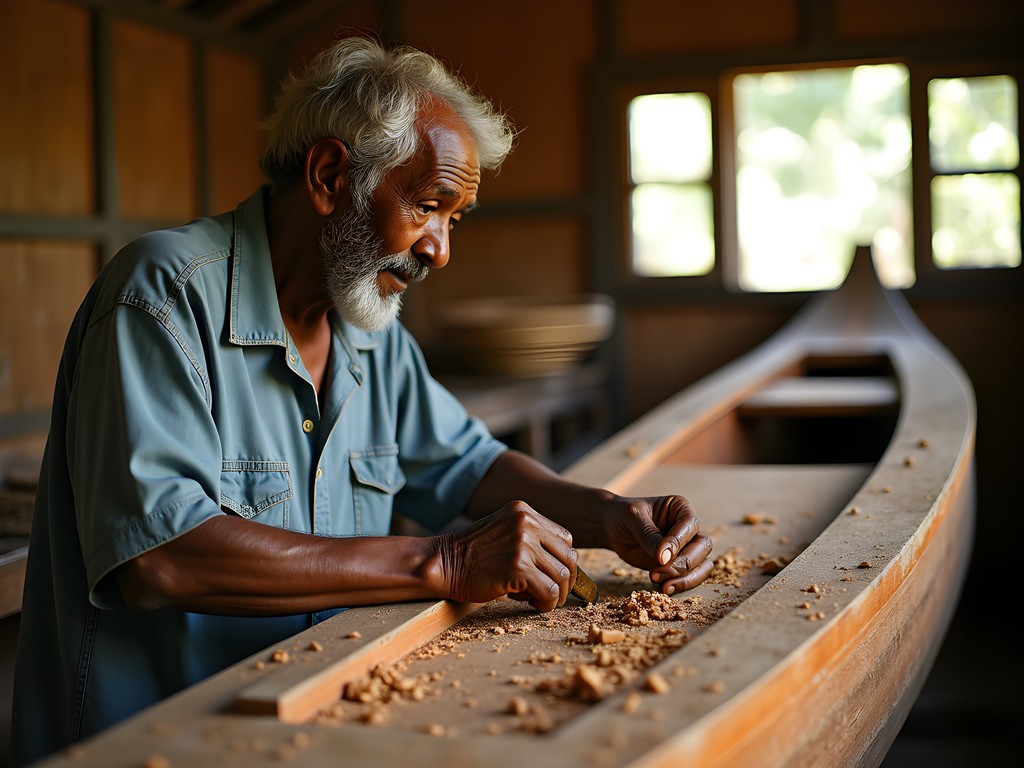
On my third day, I found myself invited into the workshop of Mr. Clarence, one of the last traditional boat builders in Georgetown. What began as a polite request to photograph his tools became a three-day documentary project as he walked me through the process of crafting the distinctive fishing vessels that dot the harbor. His weathered hands against freshly planed wood created compositions that spoke to both tradition and craftsmanship.
Similarly, an afternoon spent showing local children the basics of composition led to an invitation to a family gathering where I captured candid moments of multi-generational connection. These images hold emotional weight that no carefully composed landscape can match.
The key to these opportunities lies in approach. I make it a practice to travel with a small portable printer (the portable photo printer has served me faithfully across four continents). The ability to immediately share physical prints creates reciprocity in the photographic relationship and often opens doors to deeper connection.
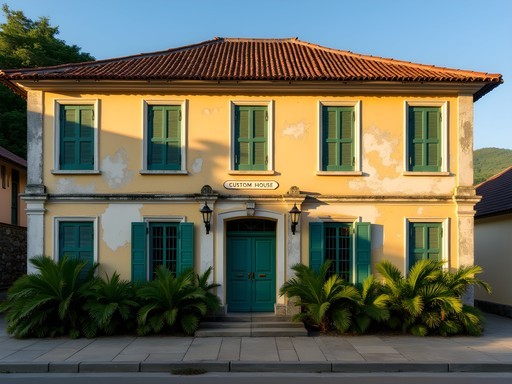
Beyond equipment, the practice of showing genuine interest before raising the camera establishes trust. My background in architectural photography naturally led to conversations about Georgetown's colonial buildings, which in turn introduced me to elders with stories about their history and significance.
Remember that true travel photography isn't just about capturing images of a place – it's about using the photographic process itself as a means of deeper understanding and connection. The stories behind my Georgetown portfolio matter as much as the visual elements within the frame.
💡 Pro Tips
- Carry a small portable printer to share images with people you photograph – it transforms the experience
- Learn a few key phrases in the local dialect – even basic efforts at communication show respect
- Be prepared to put the camera away – sometimes the best photographic opportunities come after genuine non-photographic interactions
Final Thoughts
As I packed my gear on that final Georgetown morning, I realized this small Caribbean town had fundamentally shifted my photographic perspective. Beyond the technical challenges mastered and portfolio images captured, Georgetown reminded me why I first picked up a camera decades ago – to truly see places rather than merely look at them. The light here demands patience, the culture rewards respect, and the resulting images carry stories far richer than their pixels might suggest. Whether you're drawn by the technical challenge of capturing Georgetown's dramatic light or the human warmth of its community, bring not just your camera but your curiosity. The most compelling images emerge when we approach places not as subjects to capture but as worlds to understand. I'll return to Georgetown, not just for the photographs I missed, but for the conversations left unfinished and light still waiting to be understood.
✨ Key Takeaways
- Georgetown's photographic potential extends far beyond postcard views to authentic cultural documentation
- Technical mastery of extreme light conditions requires bracketing exposures and embracing slight highlight clipping
- Building genuine connections leads to photographic opportunities impossible through conventional tourism
📋 Practical Information
Best Time to Visit
December through March for clearest skies and lowest humidity
Budget Estimate
$120-180 per day including mid-range accommodation, meals and transportation
Recommended Duration
Minimum 5 days to explore thoroughly and build local connections
Difficulty Level
Moderate Due To Hilly Terrain And Limited Tourist Infrastructure


Comments
wavemate
Just booked my trip! Can't wait to capture those harbor sunrises!
adventurebackpacker
Just booked my tickets after reading this! Can't wait to photograph those markets!
Sage Dixon
Evelyn, your post transported me right back to Georgetown! I spent a week there last spring chasing that perfect light. There's something almost mystical about how the sun interacts with the volcanic landscape. For anyone heading there, I discovered a little-known spot that's worth the effort: hike the overgrown path behind St. Mary's Church up about 300 yards. There's a clearing with an unobstructed view of the entire harbor and mountains beyond. I arrived before dawn with my thermos of coffee and watched the town slowly illuminate. The local dog (everyone calls him Captain) might join you - he's friendly and apparently loves photographers! Also, the woman who sells coconut bread near the blue building on Front Street makes for a wonderful portrait subject if you buy a loaf (which you should - it's delicious).
sunnyqueen2686
This looks amazing! I'm a beginner photographer heading there in January. What camera settings would you recommend for those harbor sunrise shots? My photos always come out too dark or too bright!
winterphotographer
Not the author but for harbor sunrises try bracketing your exposures (-1, 0, +1) and shoot in RAW. The light changes so quickly there!
Evelyn Rogers
Great advice from winterphotographer! I'd add that getting there 30 minutes before actual sunrise gives you the best light. Start around f/8, ISO 100-400, and adjust as needed. The blue hour just before sunrise is magical there!
winterphotographer
Just returned from Georgetown last month and can confirm everything in this post! That Caribbean light is something else. One tip for anyone heading there - I found my polarizing filter absolutely essential for controlling those intense reflections off the water, especially during midday shoots. The local fishermen mending nets near the southern dock make for incredible portraits if you're patient.
Hannah Woods
Your analysis of Georgetown's unique lighting conditions is spot on. I spent three weeks photographing there last year and found the combination of volcanic topography and Caribbean atmosphere creates truly distinctive conditions. The contrast between the harbor's reflective surfaces and the deep shadows of the inland streets presents fascinating technical challenges. I'd add that the small cemetery on the northeastern edge of town offers remarkable sunset compositions with the weathered headstones. Did you explore the abandoned sugar mill? The textures there are extraordinary, especially in late afternoon light.
Evelyn Rogers
Hannah, I can't believe I missed the cemetery! Adding that to my list for next time. And yes, the sugar mill was magical - those crumbling walls with the vines growing through created such compelling compositions. Did you venture to the eastern beaches? The driftwood formations there were incredible.
wildpro
OMG THANK YOU for this post!!! I was literally just looking for photo spots in Georgetown! The way you described that light hitting the harbor at dawn - adding that to my must-shoot list! Did you find the locals pretty open to having their photos taken at the market? I always get nervous about that part.
Evelyn Rogers
The locals were surprisingly welcoming! Just ask permission first and maybe buy something small from their stall. I found showing them the photos afterward created some wonderful connections. The fish market at 6am has the most incredible characters!
wildpro
That's so good to know! Will definitely try the fish market, thanks!
journeydiver1301
Those golden hour shots are absolutely stunning! Georgetown's been on my list forever.
sunnyace
Love this! Adding Georgetown to my list
winterphotographer
Beautiful photos! Quick question - I'm still pretty new to travel photography. Is the Caribbean light really that much harder to work with? I've only shot in Europe so far and wondering if I need to prep differently.
Evelyn Rogers
It's definitely more intense! The contrast can be brutal midday. I'd say bring a circular polarizer for sure, and don't be afraid to underexpose a bit to preserve highlights. You can always lift shadows in post. And embrace the golden hours - they're even more dramatic in the Caribbean than Europe.
Venture X
Premium card with 2X miles, $300 travel credit, Priority Pass