
Disclosure: This article contains affiliate links. We may earn a commission from purchases at no extra cost to you, which helps our travel content.
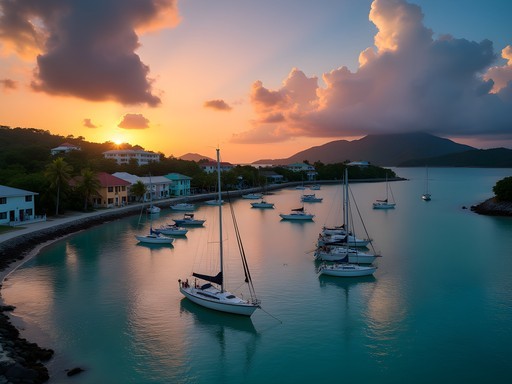
As someone who's spent a career studying coastal weather systems, I can tell you with absolute certainty: the microclimates of Saint Vincent and the Grenadines create one of the most perfect winter sailing environments on the planet. The northeast trade winds that sweep across these islands between December and April create ideal conditions for the adventure I'm about to share with you. Two weeks island hopping through this 32-island archipelago offers a rare combination of scientific wonder and luxurious escape that few destinations can match. The crystalline waters here host some of the most pristine coral systems I've encountered outside the Pacific Northwest's protected marine areas, while the leeward sides of these volcanic formations create weather pockets that would fascinate any meteorologist. But beyond the environmental marvels, there's a certain magic to watching the sunset from a catamaran anchored in a secluded bay that science simply cannot explain – something my Coast Salish ancestors would attribute to the spirit of the waters themselves.

Georgetown: The Gateway to Island Adventure
Georgetown, the capital of Saint Vincent, isn't the polished tourist hub you might expect as your entry point to a luxury archipelago adventure. Instead, it offers something far more valuable: authenticity. The city sits in the shadow of La Soufrière volcano, creating a fascinating microclimate where mornings often begin with a brief mountain shower before giving way to brilliant sunshine by mid-morning.
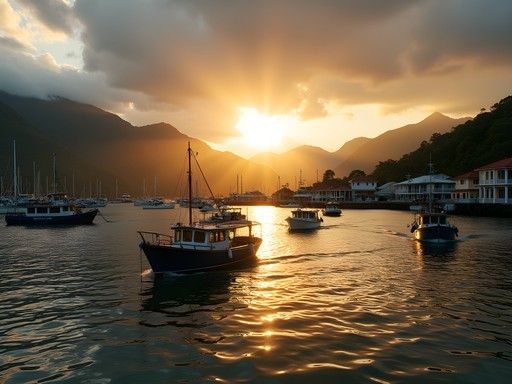
The harbor itself tells the environmental story of these islands – a natural deep-water port formed by ancient volcanic activity, now serving as home base for the island-hopping adventures that await. I recommend spending two full days here acclimating before setting sail. Use your time to visit the Botanical Gardens, the oldest in the Western Hemisphere (established 1765) and home to a descendant of the original breadfruit tree brought by Captain Bligh.
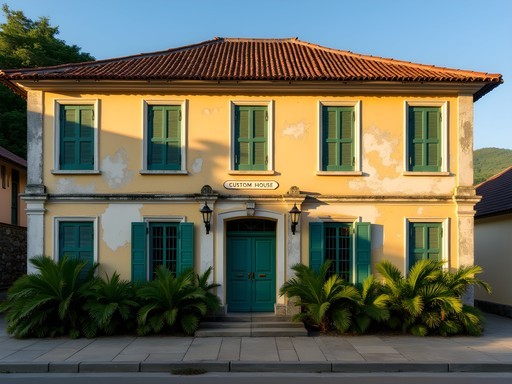
For accommodations, I bypassed the expected luxury chains and discovered Grenadine House, a colonial-era gem perched on a hillside offering panoramic views of the harbor below. From their veranda, I tracked afternoon cloud formations rolling over the volcanic ridgeline – a perfect preview of the weather patterns we'd navigate in the coming days.
Don't miss the Saturday morning market, where local fishermen bring their dawn catches alongside farmers from the volcanic highlands. The scientific connection between the mineral-rich volcanic soil and the extraordinary flavor of Saint Vincent's root vegetables and tropical fruits is unmistakable. I spent an enlightening hour with a local farmer who explained how the island's unique weather patterns create microclimates ideal for specific crops – knowledge passed down through generations that no agricultural textbook could capture.

💡 Pro Tips
- Visit the Botanical Gardens early morning when the light is perfect for photography and before cruise ship crowds arrive
- Book a local guide for the La Soufrière volcano hike – the weather can change dramatically at higher elevations
- The Fish Market near the harbor offers the freshest catch for provisioning your sailing journey
Navigating the Perfect Sailing Route
The science behind plotting the ideal Grenadines sailing route fascinates me almost as much as the journey itself. These islands create a unique meteorological corridor where the northeast trade winds funnel between land masses, creating predictable sailing conditions that are remarkably consistent during winter months. It's this weather reliability that has made this region legendary among sailing enthusiasts.
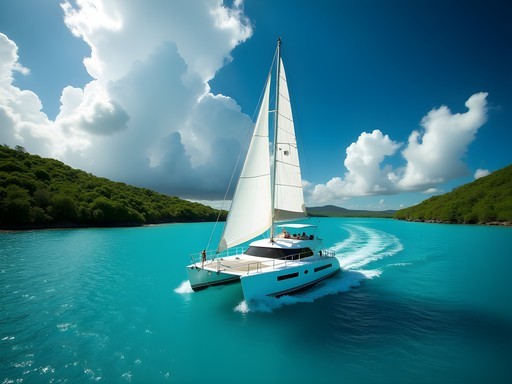
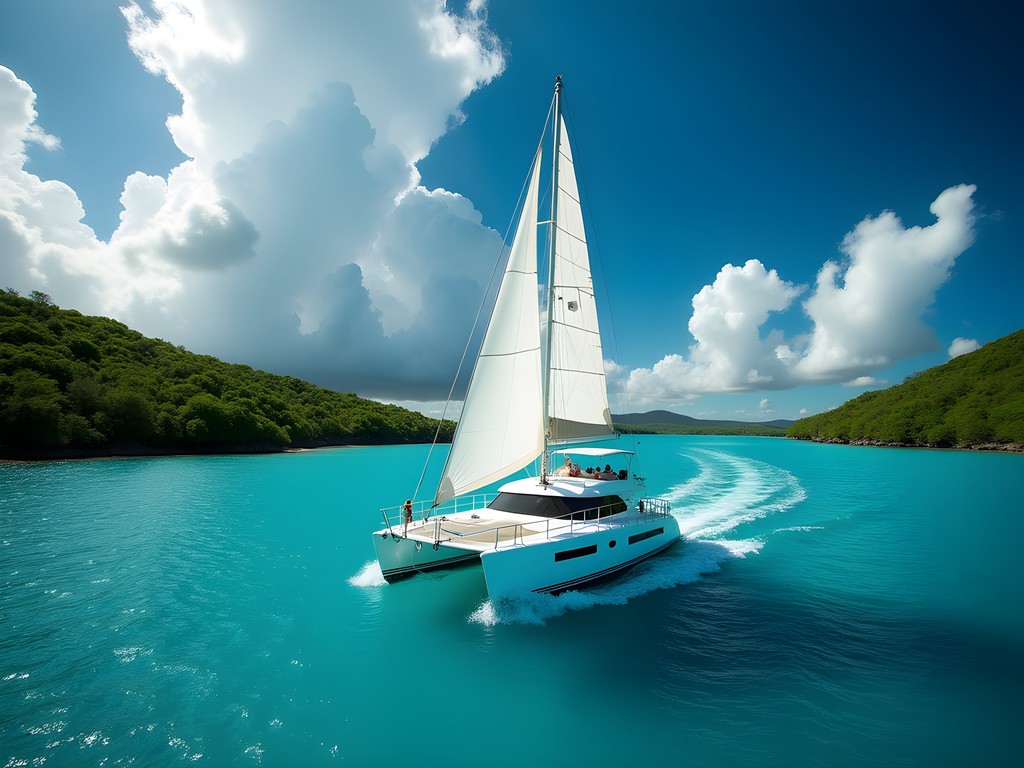
For couples seeking both adventure and luxury, I recommend chartering a catamaran rather than a monohull. The stable platform provides superior comfort in anchorages and allows access to shallower bays where larger vessels can't venture. After researching numerous options, I selected a luxury catamaran charter through a local operator who provided an experienced captain for the first three days before we took the helm ourselves.
Our route followed the leeward (western) sides of the islands, where waters remain calmer and anchorages more protected. From Georgetown, we sailed south to Bequia, then continued to Mustique, Canouan, Mayreau, Tobago Cays, and finally to Petit St. Vincent. This south-flowing route works with prevailing currents and wind patterns, maximizing sailing efficiency while providing a perfect mix of developed and untouched islands.
The passage between Bequia and Mustique offered our first true blue-water sailing experience – roughly three hours of open Caribbean Sea with nothing but horizon in all directions. Here, the trade winds typically pick up to 15-20 knots, providing exhilarating sailing conditions that demanded full attention to navigation and sail trim. I found myself drawing on knowledge from my coastal weather system research, reading cloud formations to anticipate wind shifts and squalls.
Packing for variable conditions is essential. My waterproof sailing watch proved invaluable for tide monitoring and weather tracking, particularly when navigating the trickier passages between islands where currents can strengthen unexpectedly.
💡 Pro Tips
- Charter companies often offer significant discounts for 14+ day rentals during January and February
- Download the Navionics Caribbean app before departure – cellular service is spotty between islands
- Always approach anchorages before 3pm when visibility is best for spotting coral heads
The Pristine Marine Ecosystem of Tobago Cays
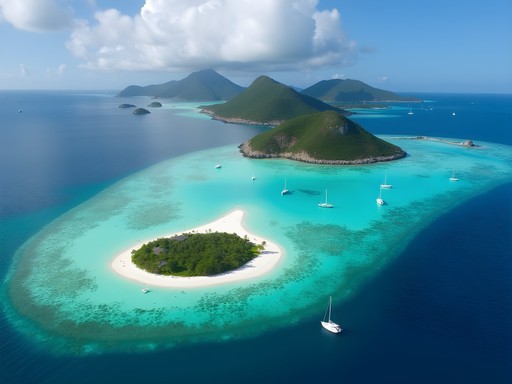
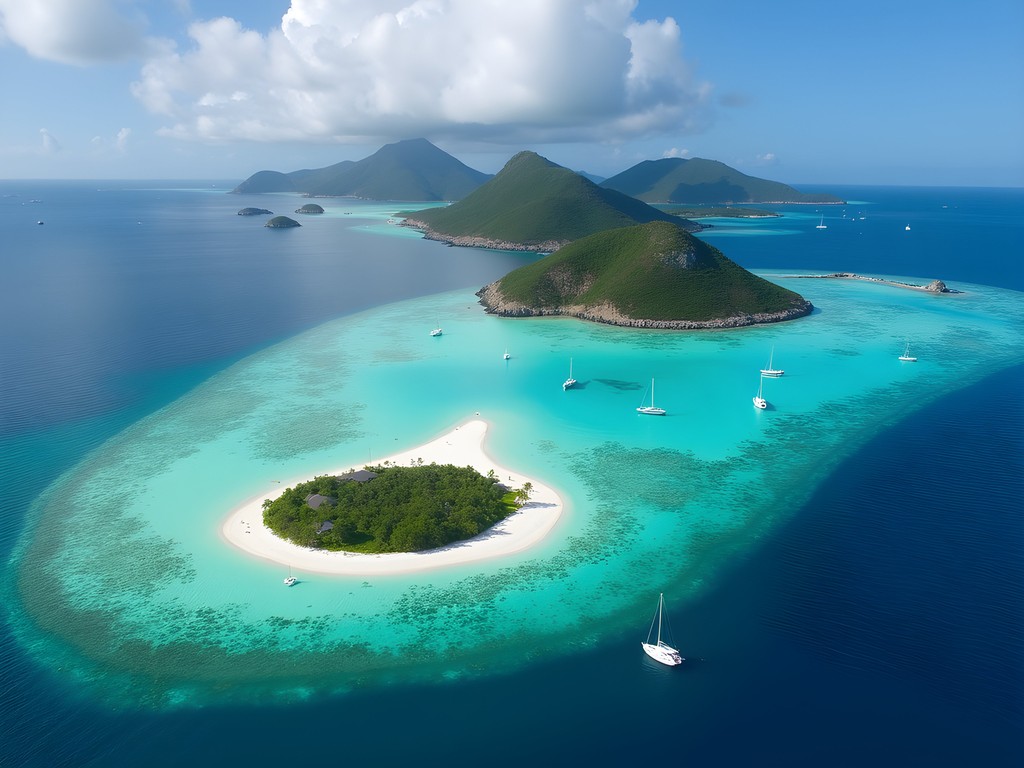
The Tobago Cays Marine Park represents the environmental crown jewel of the Grenadines, and as someone who has studied coastal ecosystems across three continents, I can confidently say it stands among the world's most pristine reef systems. This protected horseshoe of five uninhabited cays creates a natural barrier that shields an extensive shallow coral garden from the Atlantic swells.
We anchored in the designated sandy areas (crucial for protecting seagrass beds) and immediately noticed the water clarity – visibility extending beyond 30 meters on calm mornings. The park's strict environmental regulations have preserved this ecosystem remarkably well, though I observed concerning signs of coral bleaching in some sections that mirror patterns I've documented in Pacific Northwest marine reserves.
For underwater exploration, I relied on my underwater camera with red filter attachment to capture the true colors at depth. The snorkeling here is extraordinary, particularly in the designated turtle watching areas where you can observe green and hawksbill turtles feeding on seagrass beds. These ancient creatures have established feeding patterns that align with tidal flows, making early morning and late afternoon the optimal viewing times.
The park rangers offer guided ecological tours that provide fascinating insights into the conservation efforts preserving this delicate ecosystem. I spent an afternoon with head ranger Joseph, whose knowledge of marine weather patterns and their impact on coral health rivaled that of many academic researchers I've worked with. He explained how shifting climate patterns have subtly altered the traditional hurricane season, creating new challenges for reef resilience.
For couples seeking a truly special experience, I recommend arranging a private sunset picnic on Petit Bateau island through your charter company. As the day-trippers depart around 3pm, you'll have this slice of paradise to yourselves. Watching the interplay of fading light on the water while frigate birds perform their aerial ballet overhead creates memories that scientific observation alone cannot capture.
💡 Pro Tips
- Bring reef-safe sunscreen only – conventional sunscreens are prohibited to protect the coral ecosystem
- The best turtle viewing is at high tide near the northern edge of the seagrass beds
- Pack underwater lights for night snorkeling – the bioluminescence here is extraordinary

Mustique: Where Luxury Meets Island Conservation
Mustique presents a fascinating case study in sustainable luxury tourism that environmental scientists and recreation managers alike should examine. This private island, playground to celebrities and royalty, has implemented one of the most comprehensive conservation programs I've encountered in the Caribbean – a model that balances exclusivity with environmental stewardship.
Upon arrival, visitors must check in with the Mustique Company, which manages the island as a private trust. What impressed me most was their innovative water conservation system that captures rainwater from the island's volcanic highlands, filters it naturally through rock layers, and distributes it through a gravity-fed system that requires minimal energy input. This approach mirrors indigenous water management techniques my Coast Salish ancestors employed, though executed here with modern technology.
Accommodations on Mustique redefine luxury with an environmental conscience. We splurged on a three-night stay at Cotton House, the island's premier hotel, where each room is designed to maximize natural ventilation, reducing air conditioning needs while maintaining comfort. The property's gardens showcase native species exclusively, creating habitat corridors for the island's bird population.
For transportation around the island's rolling landscape, I recommend reserving a electric golf cart in advance – the same model used on the island. These silent vehicles allow wildlife observation opportunities impossible with conventional transportation. During an early morning drive along the eastern coast, we encountered a nesting colony of magnificent frigatebirds undisturbed by our quiet approach.
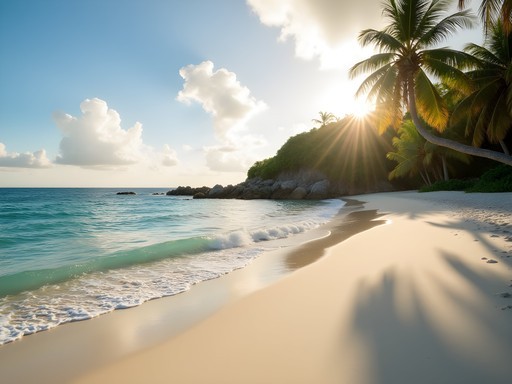
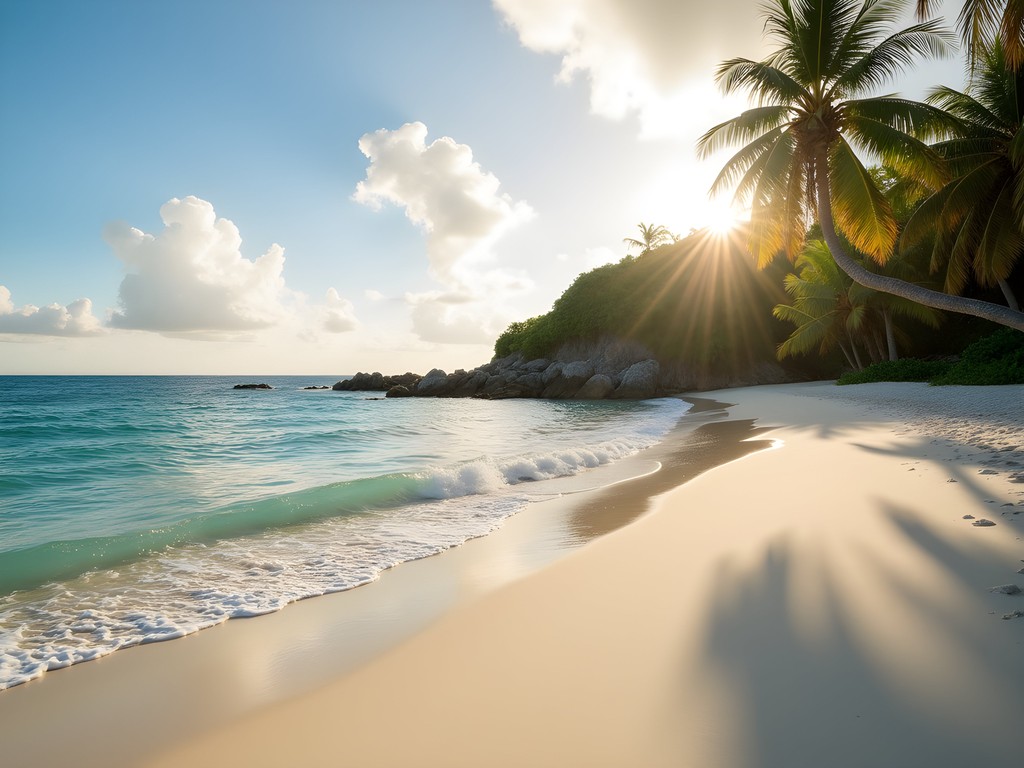
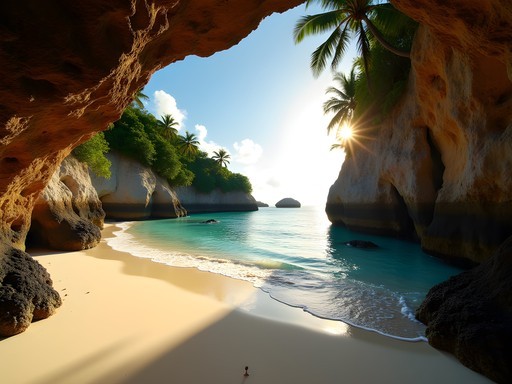
Mustique's Macaroni Beach ranks among the most perfect stretches of sand I've encountered, its crescent shape creating a natural wave diffraction pattern that results in gentle surf even when neighboring islands experience rougher conditions. The beach's orientation captures prevailing breezes that create a natural cooling effect, making midday visits comfortable even in peak season.
For an unforgettable evening, book dinner at Basil's Bar – not just for its celebrity connections but to witness one of the Caribbean's most spectacular sunset viewing positions. The bar is constructed on stilts over a coral reef, and the interplay of fading light on water creates a natural light show that rivals anything I've seen in more famous sunset destinations.
💡 Pro Tips
- Reserve your golf cart at least two weeks before arrival – availability is limited during peak season
- The island's hiking trails are best explored before 9am when temperatures are cooler and wildlife more active
- Visit the Mustique Company's conservation center to learn about their coral restoration projects
Bequia: The Sailor's Island with Environmental Soul
Bequia (pronounced 'beck-way') represents the perfect middle ground between developed luxury and authentic Caribbean culture. This seven-square-mile island has historically been home to boat builders, whalers, and sailors – maritime traditions that continue to influence its character today. What fascinates me as both an environmental scientist and recreation manager is how Bequia has embraced sustainable tourism without sacrificing its cultural identity.
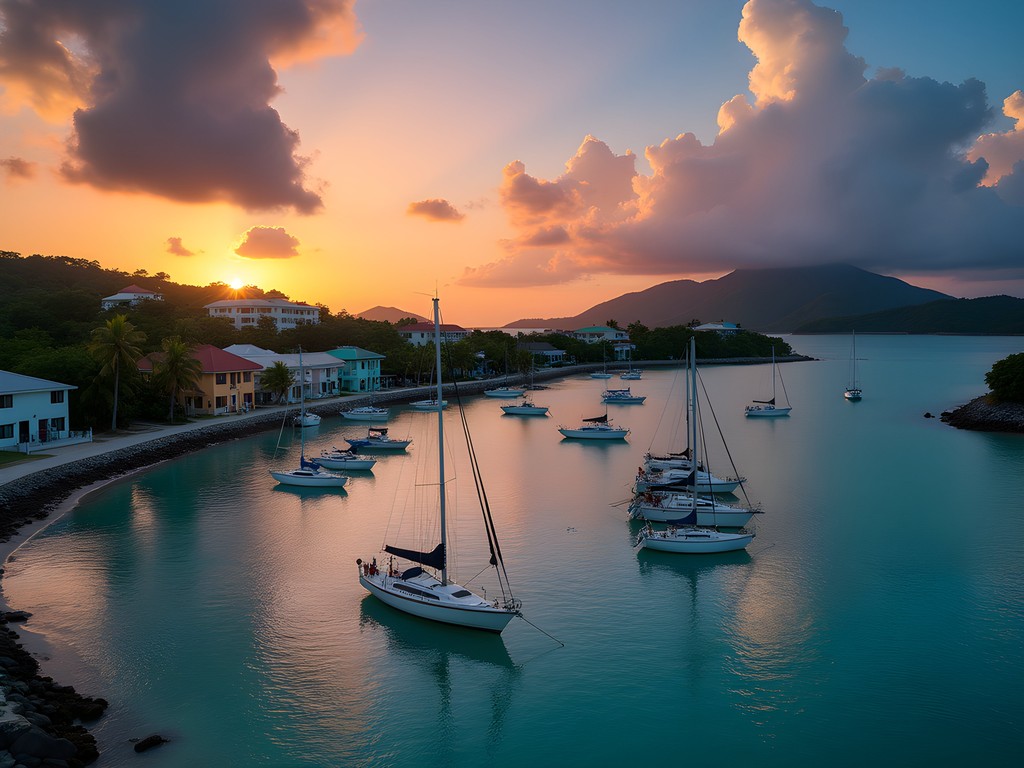
Port Elizabeth, the main harbor, sits within Admiralty Bay – a natural deepwater anchorage whose protection from prevailing winds creates a microclimate noticeably calmer than surrounding waters. We moored here for three days, using it as a base to explore the island's diverse landscapes and startup environmental initiatives.
The Old Hegg Turtle Sanctuary on the island's northeastern coast provides a compelling example of grassroots conservation. Founded by retired fisherman Orton King, this project has successfully hatched and released over 2,000 hawksbill turtles. While some marine biologists debate certain aspects of the sanctuary's approach, the educational impact cannot be overstated. I spent a fascinating morning discussing ocean current patterns with King, whose knowledge of how hatchlings navigate has been gained through decades of observation rather than formal study.
For accommodations, we split our time between our catamaran and the Bequia Beach Hotel on Friendship Bay, where the property's commitment to sustainability includes one of the region's largest solar installations and a comprehensive water recycling system. Their farm-to-table restaurant sources over 80% of produce from island farmers, creating an economic incentive for sustainable agriculture.
The island's interior reveals a landscape shaped by its volcanic origin, with steep valleys creating distinct microclimates. I recommend hiring local guide Benson for a half-day hike to Mount Pleasant (elevation 885 feet). His knowledge of how weather patterns affect the island's vegetation zones provides insights no guidebook can match. At the summit, the panoramic view reveals how the island's spine creates a rain shadow effect, resulting in markedly different ecosystems on the Atlantic and Caribbean sides.
For diving enthusiasts, I recommend underwater dive light for exploring Bequia's western reefs, where underwater visibility can exceed 30 meters on calm days. The dramatic underwater topography includes volcanic pinnacles, caves, and swim-throughs that mirror the island's above-water landscape.
💡 Pro Tips
- Visit the Bequia Maritime Museum to understand how the island's sailing heritage influences its conservation ethic
- Thursday night's steel pan concert at the Frangipani Hotel showcases local musical traditions
- Book the Moonhole architectural tour to see how the island's first eco-resort was built using natural materials and passive cooling
Final Thoughts
As our catamaran made its final approach back to Georgetown harbor, La Soufrière's volcanic peak emerged from the clouds – a fitting bookend to our journey through this remarkable archipelago. The Grenadines offer a rare opportunity to experience both scientific wonder and luxurious escape, a combination increasingly difficult to find in our over-touristed world. What stays with me beyond the perfect sailing conditions and pristine beaches is the environmental resilience I witnessed – from Mustique's innovative conservation programs to Bequia's grassroots turtle sanctuary. These islands face significant climate challenges, yet continue adapting as they have for centuries. For couples seeking adventure wrapped in luxury, this island chain provides not just escape but perspective. The weather patterns that create perfect sailing conditions today are shifting subtly with our changing climate – experiencing them now, in this moment of environmental transition, feels increasingly precious. I'll return not just for the beauty, but to continue documenting these changes through both scientific observation and personal connection.
✨ Key Takeaways
- Winter provides optimal sailing conditions with consistent northeast trade winds and minimal rainfall
- Chartering a catamaran offers the perfect balance of luxury and access to secluded anchorages
- The region's marine conservation efforts provide opportunities to witness and support environmental preservation
- Island-specific microclimates create dramatically different experiences even within short sailing distances
📋 Practical Information
Best Time to Visit
December through April
Budget Estimate
$10,000-$15,000 for two weeks including luxury catamaran charter
Recommended Duration
14 days minimum
Difficulty Level
Advanced

Comments
caribbeandreamer
That shot of La Soufrière is stunning! Was the hike difficult?
islandgirl86
Did you get seasick at all during the island hopping? I want to go but I'm worried about the boat rides.
summerninja3278
I usually get seasick but was fine on a catamaran. They're way more stable than monohull boats. Just bring some ginger candies just in case!
Jean Wells
Catamarans are definitely the way to go if you're prone to seasickness. The passages between these islands are relatively short too, which helps.
summerninja3278
Just got back from a similar trip! Georgetown was way more fun than I expected - that little rum shop Scott mentioned near the harbor (Sunshine's?) had the best rum punch I've ever tasted. We spent two nights on Mustique and it was definitely worth the splurge. Tip for anyone going: the beaches on the Atlantic side are practically empty compared to the Caribbean side. We had Macaroni Beach all to ourselves one morning! Also, don't miss the sea turtle hatching if you're there at the right time. We used our underwater camera for the snorkeling in Tobago Cays and the footage is incredible - those sea turtles aren't shy at all!
vacationzone
How many days would you recommend for the whole island hopping experience?
summerninja3278
We did 10 days and it felt just right. Could've stayed forever though!
Jean Wells
Scott, your analysis of the microclimates is spot on. I've studied weather patterns across various archipelagos, and the Grenadines truly offer something unique. The wind patterns between Bequia and Mustique create perfect sailing conditions that are remarkably consistent compared to other Caribbean sailing routes. I particularly appreciated your notes on the marine conservation efforts - the ecosystem recovery in Tobago Cays since they implemented the marine park restrictions has been remarkable. Did you notice the difference in coral health between the protected and non-protected areas? It's become a fascinating case study in marine conservation.
summerninja3278
Jean - did you have any issues with the currents between the islands? Planning a trip for January and wondering if I should book with a more experienced captain.
Jean Wells
January is actually ideal - steady trade winds and predictable currents. If you're not experienced with sailing these waters, I'd recommend a captain for at least the first few days. The passages between Bequia and Mustique can be tricky.
skyphotographer
Going there next month!
vacationzone
Those Tobago Cays photos are incredible! Adding this to my bucket list ASAP!
Jean Wells
The marine life there is even better in person. I spent three days snorkeling there last year and saw more sea turtles than I could count!
vacationzone
Really? Did you charter a boat or go with a tour group?
Jean Wells
Charter! More expensive but worth the freedom to explore at our own pace.
greenguide
YES!! The Grenadines are seriously underrated! We did this exact route two years ago and it completely changed how I think about Caribbean sailing. The marine parks are so well maintained and the water clarity at Tobago Cays is unreal. Pro tip: grab fresh lobster from the local fishermen who come by the anchorage in the evening - best meal we had the entire trip! Georgetown itself is also worth exploring for a day before you set sail. The botanical gardens are lovely.
happyrider
How much did the catamaran charter cost roughly? Trying to budget for a trip next year.
Marco Flores
Not Scott, but when I chartered it was around $3000-4000 per week for a basic boat in low season. Catamarans are pricier than monohulls but worth it if you're with a group.
Marco Flores
The sailing conditions through the Grenadines are phenomenal! I chartered a monohull out of Georgetown last April and the consistent winds made for perfect sailing. One tip for anyone planning this - anchor early at Tobago Cays, especially during peak season. We arrived mid-afternoon and had to anchor further out than ideal. Also, bring your own snorkel gear. The rental prices on the islands can be steep and the marine life around the horseshoe reef is too good to miss!
happyrider
Good to know about the snorkel gear, thanks!
Casey Andersson
Scott, this brought back memories! I did a similar route last year and stayed at Cotton House on Mustique. The conservation efforts there are genuinely impressive - they've really managed to balance luxury tourism with environmental protection. Did you get a chance to visit the turtle sanctuary on Bequia? It's a bit off the main sailing route but absolutely worth the detour. The locals there are doing incredible work with hawksbill turtles.
Scott Hart
We did! Old Hegg Turtle Sanctuary was definitely a highlight. Brother King's dedication to those turtles is inspiring. Cotton House is on my list for next time - heard amazing things.
Venture X
Premium card with 2X miles, $300 travel credit, Priority Pass