

Disclosure: This article contains affiliate links. We may earn a commission from purchases at no extra cost to you, which helps our travel content.
G'day, fellow wanderers and pixel hunters! After spending years implementing cloud architecture in bustling metropolises, I've developed a keen eye for the intersection of natural beauty and human innovation. Eugene, Oregon—this quirky little pocket of the Pacific Northwest—has completely stolen my heart with its perfect balance of tech-forward thinking and untamed wilderness. Grab your camera gear, a decent pair of hiking boots, and join me as we explore this photographer's playground where misty mountains meet hipster coffee culture.

Spencer Butte: Dawn Light Masterclass
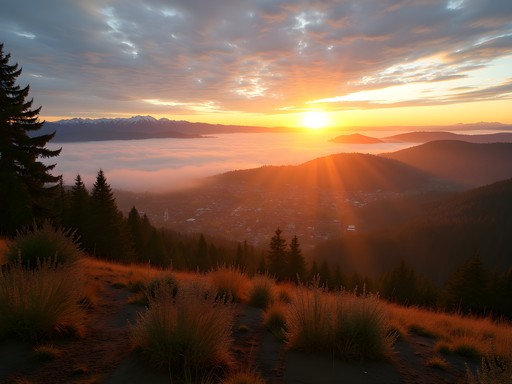
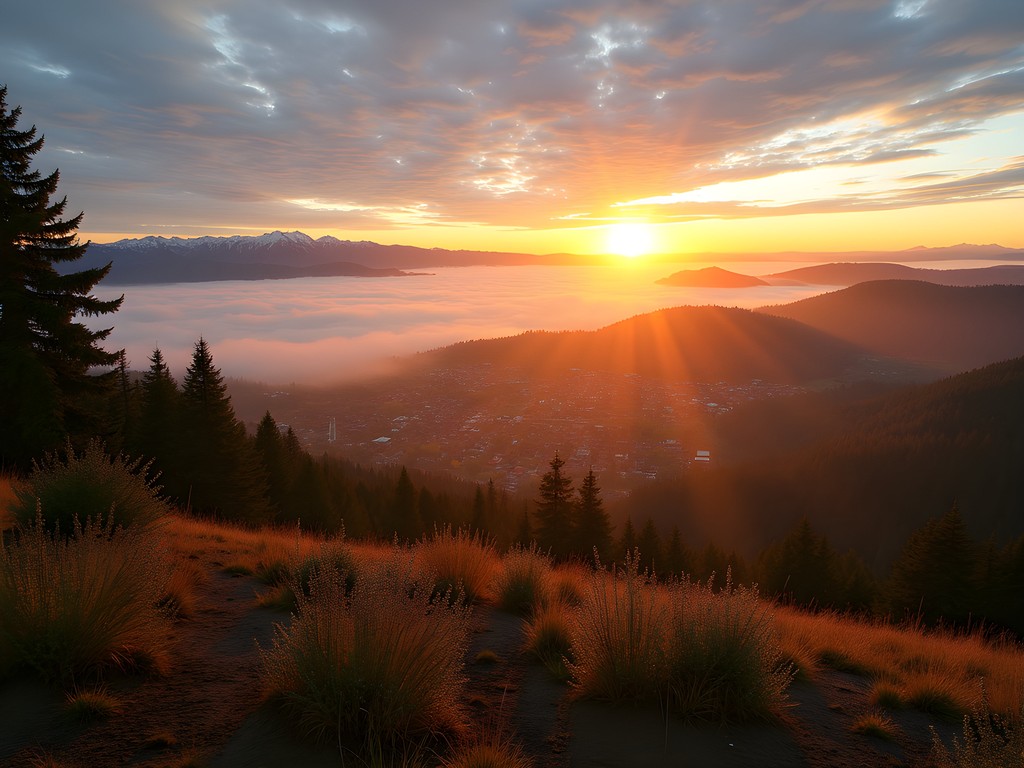
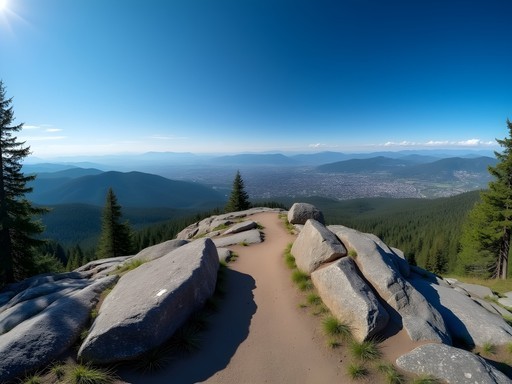
If there's one thing I've learned from optimizing cloud systems, it's that timing is everything—and the same goes for capturing Spencer Butte. This 2,055-foot summit offers a 360° panorama that transforms dramatically with the light. I recommend hitting the trail by 5:30 AM during spring for that golden hour magic. The 1.7-mile trail might seem daunting in the pre-dawn darkness, but trust me, mate—the payoff is worth every heavy breath.
The morning I ascended, a low fog had settled in the valley, creating what us tech folks might call a 'layered architecture' of landscape. Eugene's city lights twinkled below through gaps in the mist while Mount Hood and the Three Sisters created a jagged horizon to the east. I set up my carbon fiber tripod (worth every dollarydoo for its lightweight design) and captured a time-lapse of the sun piercing through the fog layer.
What makes Spencer Butte particularly special for photographers is the diversity of compositions available in a relatively small area. From wide landscape vistas to intimate macro shots of dew-covered Oregon grape plants along the trail edges, you'll want to pack versatile glass.
💡 Pro Tips
- Arrive 30-45 minutes before official sunrise time to capture the blue hour transition
- Bring a headlamp with a red light option to preserve your night vision while hiking up
- Pack a lightweight ground cloth to protect your gear from morning dew when shooting low angles
McKenzie River Trail: Water Photography Wonderland
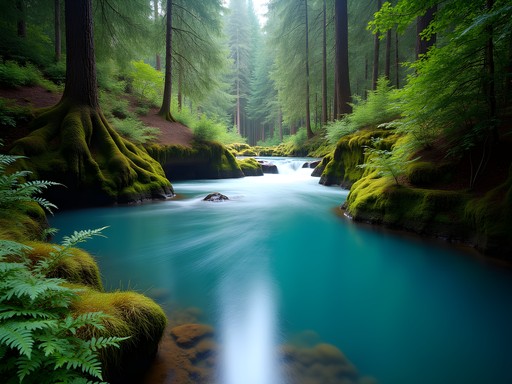
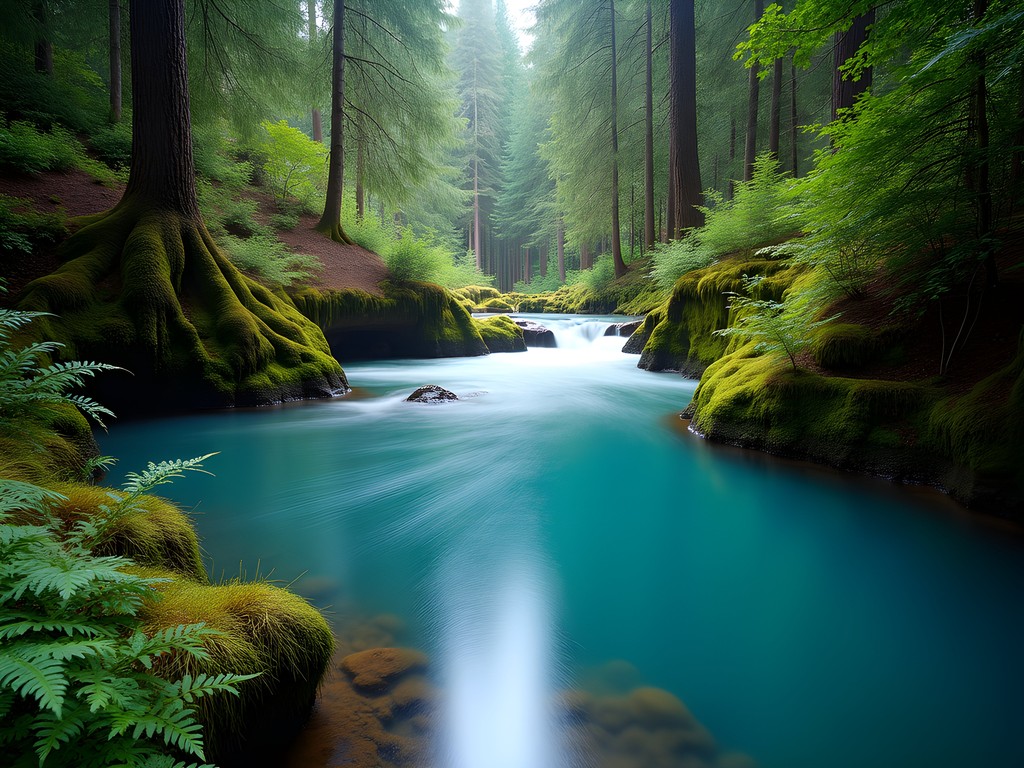
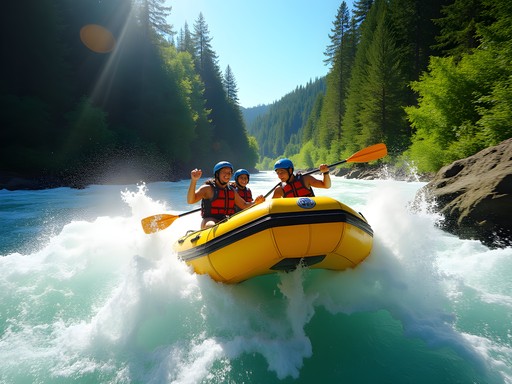
About 45 minutes east of Eugene lies what I consider the holy grail for water photographers—the McKenzie River Trail. As someone who's photographed waterfalls across four continents, I can confidently say that the Blue Pool (Tamolitch Falls) and Sahalie Falls combo ranks among the world's most photogenic water features.
The Blue Pool defies logic with its impossible cerulean color—a result of water filtering through ancient lava fields. The technical challenge here is capturing both the vibrancy of the blue and the surrounding forest without blowing out your highlights. I've found that a circular polarizer is absolutely essential for cutting glare and enhancing the water's color.
Further up the trail, Sahalie Falls presents a different challenge with its powerful 100-foot cascade. Here, you'll want to play with shutter speeds to find the sweet spot between showing water movement and maintaining detail. I typically start around 1/15th of a second and adjust from there.
During my spring visit, the contrast between the rushing white water and the electric green moss created a dynamic range nightmare that had me bracketing shots like a woman possessed. Thank goodness for microfiber cloths to deal with the constant mist on my lens!
💡 Pro Tips
- Visit on overcast days for easier exposure management and more saturated colors
- Bring waterproof boots or sandals for getting the low-angle shots that make water features pop
- Pack extra batteries—cold water photography and long exposures drain them quickly
Urban Smart Spaces: Eugene's Tech-Forward Architecture
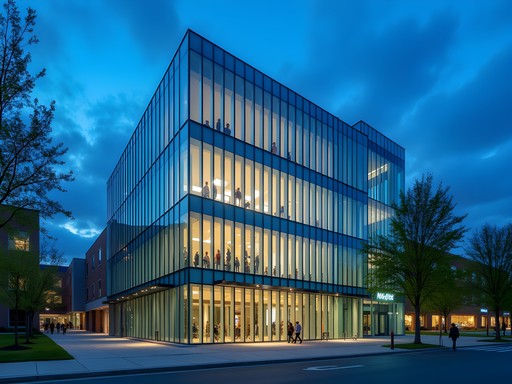
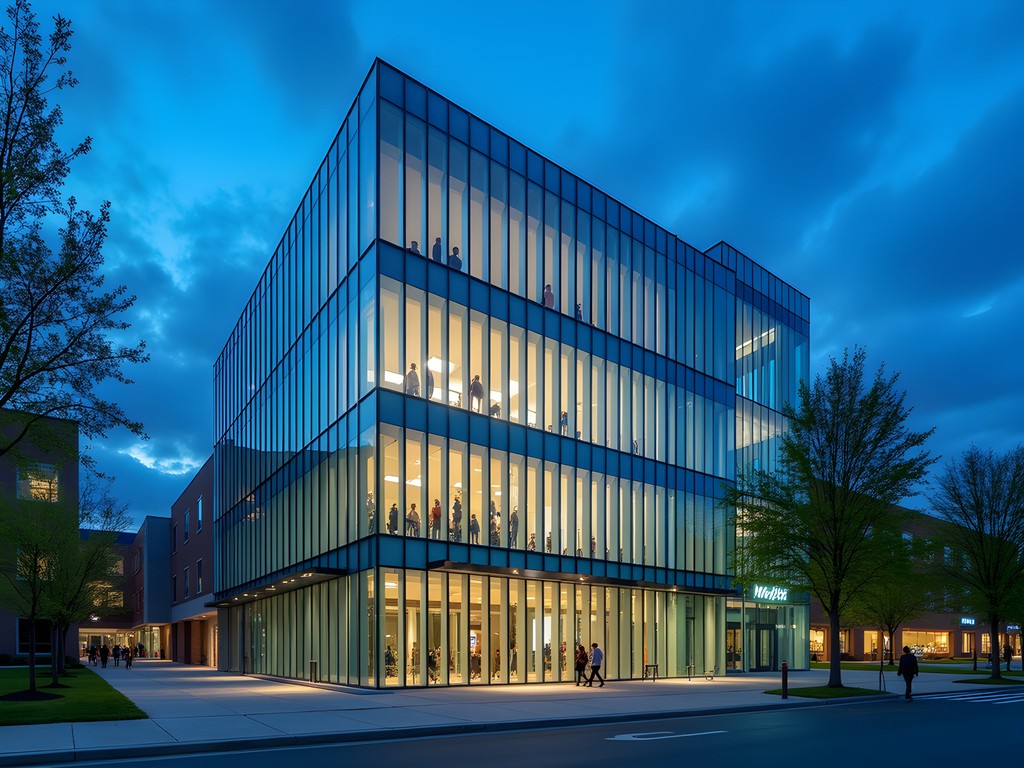
While Eugene might be known for its natural splendor, my cloud architect brain gets equally excited about its emerging smart city infrastructure. The University of Oregon's Phil and Penny Knight Campus for Accelerating Scientific Impact is a photographer's dream fusion of cutting-edge architecture and technological integration.
The building's double-skin glass façade creates fascinating reflections that change throughout the day. I spent an entire afternoon documenting how the light interacts with the building's smart glass, which adjusts opacity based on sunlight intensity—a brilliant example of responsive architecture that presents unique photographic opportunities.
For architecture photography in Eugene, I recommend exploring during both golden hour and blue hour. The contrast between the warm wooden elements and cool glass in many of Eugene's newer buildings creates a color palette that sings during these transition periods.
Don't miss the Solar Avenue installation downtown, where interactive solar panels double as public art. As someone who's implemented IoT solutions in smart cities across Asia-Pacific, I find Eugene's approach refreshingly human-centered. For the technically inclined photographer, bring a light meter to help manage the complex lighting conditions created by these reflective surfaces.
💡 Pro Tips
- Look for reflections in the modern glass buildings that capture Eugene's natural surroundings
- Experiment with HDR techniques to handle the extreme dynamic range of indoor/outdoor architectural shots
- Visit the UO Knight Campus during weekday afternoons when the smart glass features are most active

Skinner Butte Golden Hour: Urban Landscape Perfection
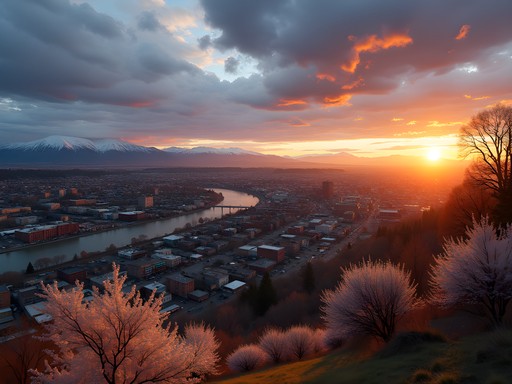
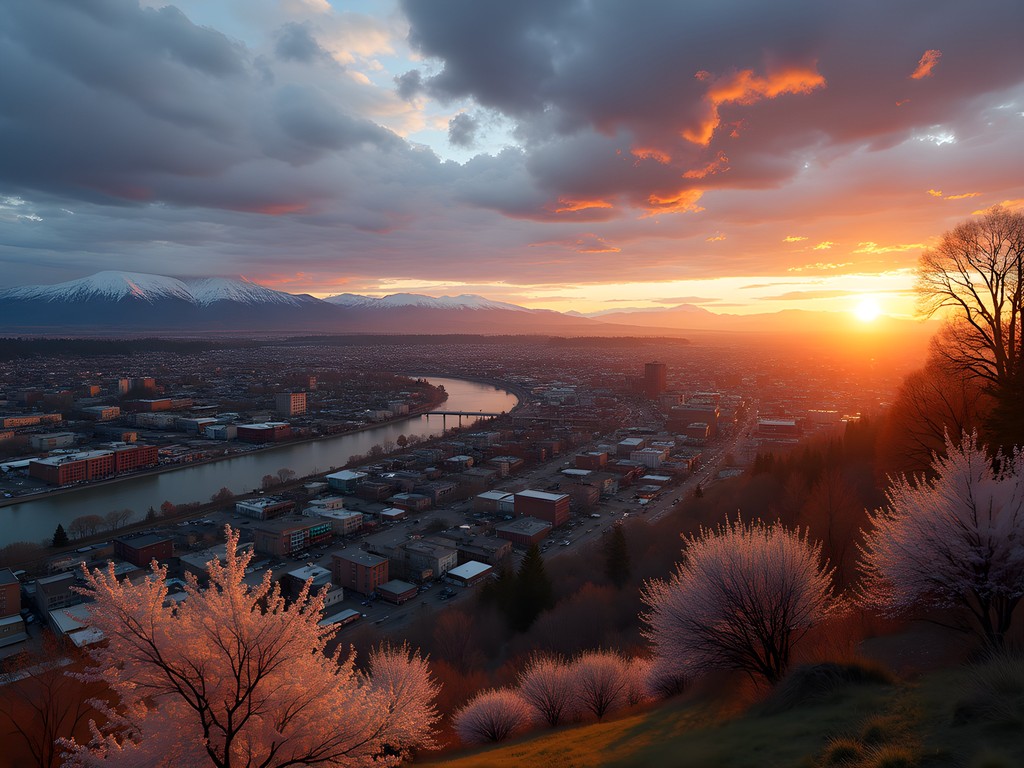
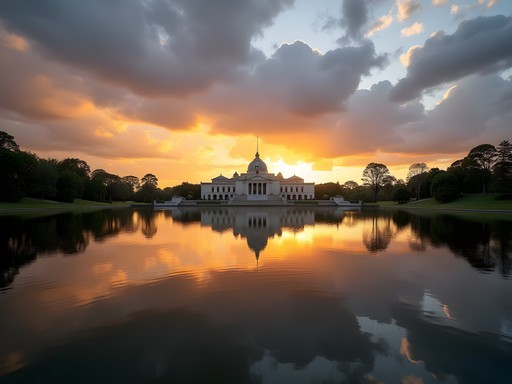
For the urban landscape photographer, Skinner Butte offers what I call the 'money shot' of Eugene. This modest hill provides an elevated perspective of downtown with the Willamette River curving gracefully in the foreground and the Cascade mountains creating a dramatic backdrop.
What makes this location special is the juxtaposition of Eugene's compact urban core against its wild surroundings. During spring, the city's famous cherry blossoms add pops of color to the foreground, while the distant mountains often retain their snow caps—creating a compelling depth to your compositions.
I've found that a graduated ND filter is particularly useful here to balance the bright sky with the darker cityscape. On my last visit, I climbed up about an hour before sunset and stayed until the city lights came on, documenting the transition from day to night. The blue hour here lasts surprisingly long in spring, giving you ample time to capture that perfect light.
For a unique perspective, bring a drone (following local regulations, of course). The aerial patterns of Eugene's grid system intersecting with the meandering river create geometric compositions that aren't visible from ground level. As someone who's mapped smart city infrastructure, I find these aerial perspectives particularly fascinating—they reveal the organic way cities evolve around natural features.
💡 Pro Tips
- Scout your exact shooting location during daylight hours, then return for sunset
- Bring a lens with decent reach (70-200mm equivalent) to compress the city against the mountain backdrop
- Download the PhotoPills app to plan exactly when the sun will set behind specific landmarks
Saturday Market: Capturing Cultural Vibrancy
If landscape and architecture photography represent Eugene's body, then the Saturday Market captures its beating heart. Running since 1970, this weekly gathering of artisans, musicians, and food vendors creates a sensory playground for documentary photographers.
As someone who's documented cultural intersections across continents, I approach market photography with both technical precision and cultural sensitivity. The key is to balance candid moments with respectful interaction. I always carry a small photo printer to share prints with vendors or performers who've allowed me to photograph them—it's a small gesture that builds goodwill and often leads to more authentic photo opportunities.
Light management is tricky in the market's mixed conditions. The colorful canopies create patches of shade interspersed with harsh sunlight. I typically set my camera to aperture priority with auto ISO (capped at 3200) to handle these quick transitions. For lens choice, nothing beats a fast 35mm equivalent for this environment—wide enough to capture context but tight enough to isolate compelling subjects.
My favorite section is the international food court, where steam rising from cooking surfaces creates atmospheric elements that add depth to your frames. The intersection of global cuisines in this quintessentially Oregon setting tells a visual story about Eugene's unique cultural blend. Fair dinkum, I spent three hours just photographing hands at work—chopping, stirring, serving—finding beauty in these simple human movements.

💡 Pro Tips
- Arrive early (around 9 AM) to capture the market setup before crowds peak
- Ask permission before taking close-up portraits, but look for candid moments in public spaces
- Use the colorful vendor canopies as natural light modifiers—position subjects at their edges for beautiful directional light
Final Thoughts
Eugene represents what I love most about photography—the chance to decode a location's unique algorithm of light, landscape, and human innovation. From the technical challenges of capturing the impossible blue of Tamolitch Pool to the split-second timing needed for perfect market documentary shots, this city rewards photographers who bring both technical skill and cultural curiosity to their craft.
As a cloud architect by trade, I'm constantly looking for patterns and connections in complex systems. Eugene's photographic landscape offers exactly that—an interconnected web of natural beauty, technological innovation, and human creativity that changes with each season and each hour of the day. The spring timing is particularly magical, as the valley erupts in green while the mountain snow creates perfect contrast.
So pack your gear, charge those batteries, and come prepared to capture Eugene's many moods. And remember—sometimes the best photographs happen when you put the viewfinder down for a moment, let yourself be present, and then capture the scene with fresh eyes. As we say back home, don't be a galah—take the shot, but experience the place first.
✨ Key Takeaways
- Eugene offers exceptional diversity for photographers—from mountain vistas to urban architecture in a compact area
- Spring provides optimal conditions with lush greenery, flowing waterfalls, and moderate crowds
- The best photographs come from understanding both the technical aspects and cultural context of each location
📋 Practical Information
Best Time to Visit
April-June (spring)
Budget Estimate
$150-$200/day including accommodation, car rental, and meals
Recommended Duration
5-7 days
Difficulty Level
Moderate (Some Hiking Required For Best Viewpoints)



Comments
escapeace
If you're doing the McKenzie River shots, bring a polarizing filter! Makes such a huge difference with the water reflections. I used my circular polarizer there last summer and the colors came out so much richer. Also the trail can get pretty slippery near the water so good hiking shoes are a must.
coffeegal8821
good tip, thanks!
happyseeker
These photos are gorgeous!! Definitely adding Eugene to my bucket list now
Jennifer Rodriguez
Really appreciate the practical approach here, Gabriella. The McKenzie River Trail section is particularly helpful - I'm always looking for water photography locations that don't require expensive permits or guides. Quick question: did you find any budget-friendly accommodation options near these spots? I'm planning a Pacific Northwest photography trip for spring and trying to keep costs reasonable while still accessing these prime locations at golden hour. Also, any tips on parking situations at these trailheads?
globemood
what time should I get to Spencer Butte for sunrise? is the hike hard?
escapeace
Not the author but I did this hike last year! Get there like 45 mins before sunrise. The trail is moderate, took me about 30 mins up. Totally worth it though, the views are incredible
globemood
thanks!!
Nicole Russell
Gabriella, this is SUCH a fantastic guide! I visited Eugene last fall and totally missed Spencer Butte at dawn - now I'm kicking myself! Your description of the light hitting the valley is making me want to book another trip immediately. The tech-forward architecture angle is really unique too - I never thought about photographing Eugene from that perspective. Did you find the locals pretty welcoming to photographers around the urban spaces? Sometimes I get nervous shooting architecture in smaller cities.
happyseeker
I'm curious about this too! Planning to visit soon
coffeegal8821
Love these shots! Spencer Butte looks amazing
adventureone
heading there in March! thanks for the tips
Douglas Bradley
Really appreciate the tech-forward architecture section, Gabriella. Eugene's blend of natural landscapes and innovative urban design is often overlooked in photography guides. I visited last summer and was struck by how the city integrates sustainable architecture with its surroundings. The contrast between Spencer Butte's raw wilderness and the downtown smart spaces creates fascinating compositional opportunities. One thing I'd add: the Saturday Market (runs April-November) offers incredible street photography opportunities with local artisans and the community vibe. The interplay of natural light through the market pavilions is particularly striking mid-morning.
Gabriella Perkins
Great addition, Douglas! The Saturday Market is definitely a gem I should have included. That pavilion light is perfect for candid shots.
smartwalker
that golden hour shot from Skinner Butte is gorgeous
photoguy
Love the photos! What lens did you use?
Venture X
Premium card with 2X miles, $300 travel credit, Priority Pass