


Disclosure: This article contains affiliate links. We may earn a commission from purchases at no extra cost to you, which helps our travel content.
As a wildlife biologist accustomed to documenting forest biodiversity, I've developed a particular affinity for environments where natural ecosystems and human creativity intersect. Eugene, Oregon embodies this intersection perfectly. Nestled between the Willamette and McKenzie rivers, with the Cascade Range serving as its eastern sentinel, this vibrant university town offers a remarkable canvas for photographers seeking both natural splendor and cultural vibrancy. My week exploring Eugene's diverse landscapes revealed a city where artistic expression flourishes against a backdrop of extraordinary ecological richness.

The Forest Canopies: Eugene's Verdant Periphery
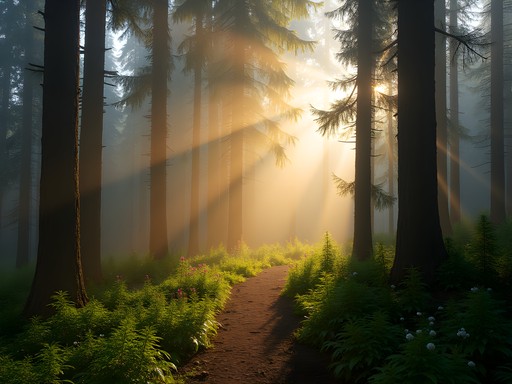
Eugene's position at the southern end of the Willamette Valley provides exceptional access to temperate forest ecosystems that would excite any ecologist or landscape photographer. The spring bloom transforms these woodlands into a photographer's paradise, with the understory erupting in wildflowers and ferns unfurling their fronds in mesmerizing patterns.
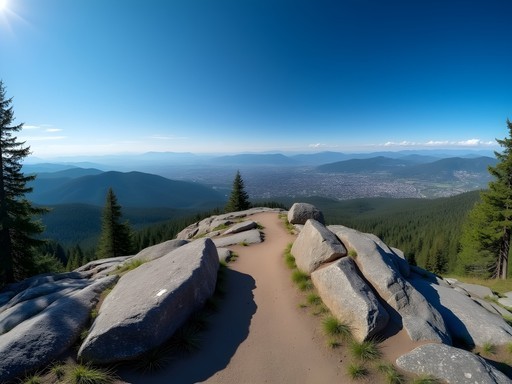
Spencer Butte, rising 682 feet above the city, offers the quintessential Eugene photographic experience. I began my ascent at dawn, carrying my equipment in a waterproof camera backpack that proved invaluable when an unexpected spring shower passed through. The moderate 1.7-mile trail winds through Douglas fir and western hemlock before opening to panoramic views of the entire Willamette Valley. The interplay of morning light through the canopy creates extraordinary opportunities for capturing light shafts and atmospheric forest scenes.
For those seeking less-trafficked woodland photography sites, I recommend Mount Pisgah Arboretum. Its 209 acres encompass remarkably diverse habitats, from oak savanna to riparian zones. The botanical diversity here is exceptional—I documented over 30 flowering plant species in a single afternoon, including the delicate Fawn Lily (Erythronium oregonum) and the striking Western Trillium (Trillium ovatum).
💡 Pro Tips
- Visit Spencer Butte at dawn for optimal lighting conditions and fewer hikers
- Bring a polarizing filter to manage glare from wet foliage after rain
- Mount Pisgah's oak savanna is particularly photogenic in late afternoon when golden light filters through the scattered oaks
Urban Canvas: Street Art and Architecture
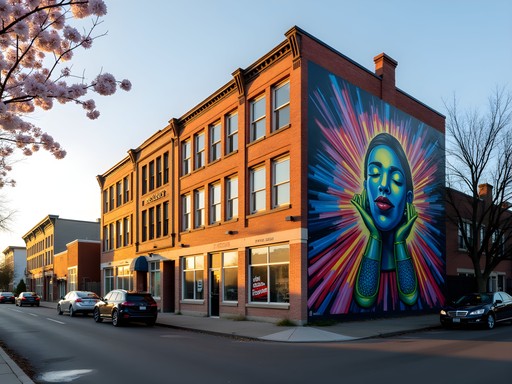
Eugene's reputation as a countercultural haven is magnificently expressed through its prolific street art scene. The city embraces public art with remarkable enthusiasm, transforming ordinary walls into extraordinary visual narratives. As someone who typically documents natural patterns, I found photographing these human-created landscapes surprisingly refreshing.
The 20x21 EUG Mural Project, initiated to create 20 international murals by the year 2021, has transformed downtown Eugene into an open-air gallery. These massive works require wide-angle lenses to capture fully, though I often found myself using my variable ND filter to manage the challenging lighting conditions where murals transitioned between sun and shadow.
Whiteaker neighborhood (locally known as 'The Whit') represents Eugene's artistic heart. This former industrial area now houses breweries, cafes, and some of the city's most vibrant street art. I spent an entire afternoon documenting the evolution of murals along Blair Boulevard, where artistic expressions range from abstract psychedelia to pointed social commentary. The neighborhood's eclectic architecture—from repurposed warehouses to Victorian homes—provides fascinating compositional elements to frame the artwork.
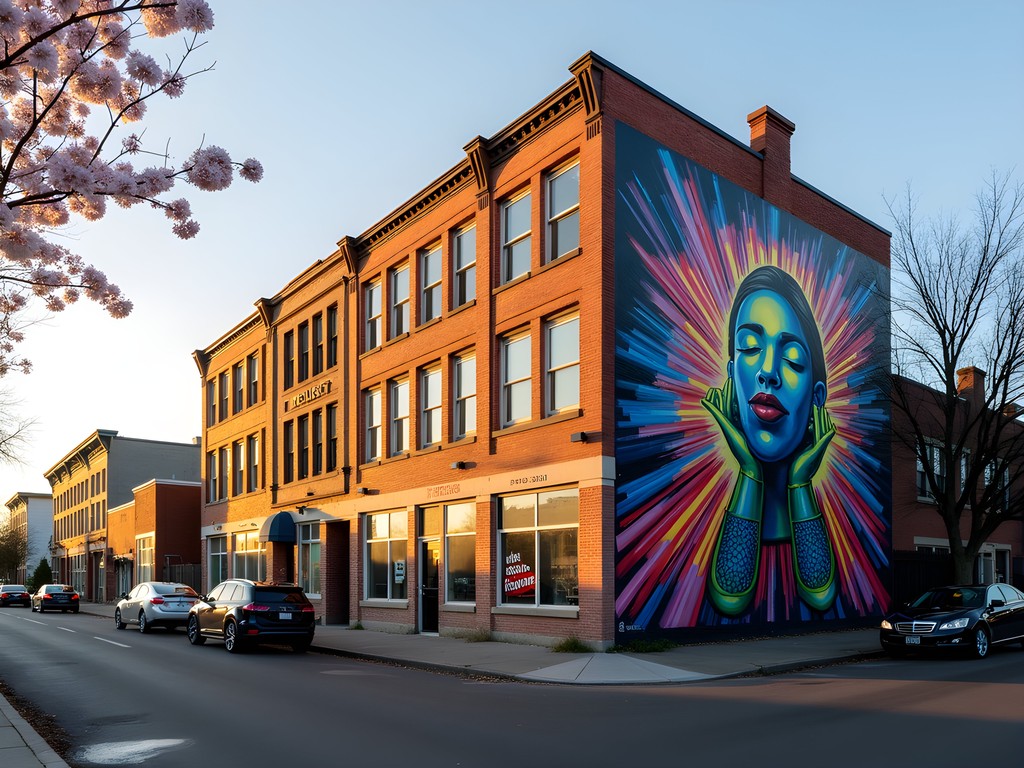
💡 Pro Tips
- Visit the Whiteaker neighborhood during golden hour when the warm light brings murals to life
- The 5th Street Market area offers excellent opportunities to capture the juxtaposition of historic and modern architecture
- Bring a lens cleaning cloth as spring showers can leave water spots that ruin urban photography
The Willamette River: Capturing Fluid Landscapes
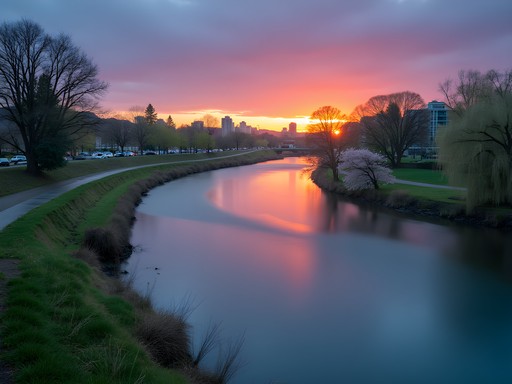
The Willamette River serves as Eugene's liquid backbone, providing not only ecological significance but also extraordinary photographic opportunities. During spring, the river corridor bursts with life as migratory birds return and riparian vegetation flourishes in vibrant greens.
Alton Baker Park offers excellent access points to document the river's many moods. I found myself returning repeatedly to the footbridge connecting the park with the University of Oregon campus. From this vantage point, I could capture long-exposure shots of the flowing water against a backdrop of the city's skyline. For these extended exposures, my compact travel tripod proved essential, particularly during blue hour when the city lights begin reflecting on the water's surface.
For those interested in wildlife photography, the Delta Ponds area northeast of downtown offers remarkable opportunities. This 150-acre waterway complex has been restored to provide habitat for native species. During my visits, I documented great blue herons, osprey, river otters, and numerous waterfowl species. The interconnected pathways allow photographers to find secluded spots where wildlife becomes accustomed to human presence, enabling more intimate portraits.
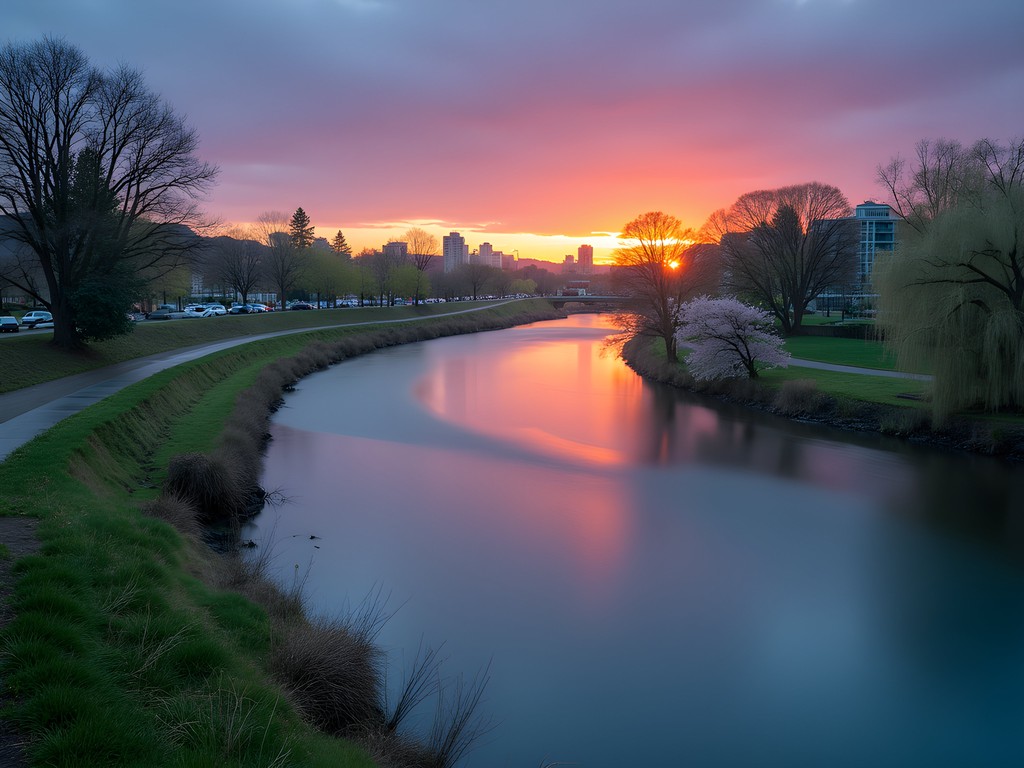
💡 Pro Tips
- Use a variable ND filter for long-exposure river shots, especially during bright spring days
- Visit Delta Ponds in early morning when wildlife activity peaks and light quality is optimal
- The Peter DeFazio Bridge offers excellent compositional opportunities with its distinctive architecture framing river scenes

University of Oregon: Architectural Harmony
The University of Oregon campus represents a fascinating study in how architectural design can harmonize with natural landscapes. As someone who studies ecosystem interactions, I found the campus's integration of buildings with green spaces particularly compelling from both ecological and photographic perspectives.
The Memorial Quad and Old Campus area showcase classical architecture framed by magnificent trees, some over a century old. Spring brings an explosion of cherry blossoms and magnolias that transform these formal spaces. For these shots, I often used my collapsible reflector to balance the harsh shadows that can occur when photographing white blossoms against architectural elements.
The modernist Matthew Knight Arena contrasts dramatically with the historic buildings, providing fascinating studies in architectural juxtaposition. I found the most compelling compositions by incorporating elements of both architectural styles within single frames, particularly during blue hour when artificial lighting creates dramatic effects.
My unexpected favorite photographic location was the university's Museum of Natural and Cultural History. Beyond housing fascinating exhibits, the building itself incorporates indigenous design elements that reference the region's original inhabitants. The exterior walls feature petroglyph-inspired artwork that photographs beautifully in raking light, connecting contemporary architecture to the area's deeper cultural history.

💡 Pro Tips
- Photograph the Memorial Quad early morning on weekends to avoid crowds
- Use a circular polarizer when capturing the reflective surfaces of modern campus buildings
- The view from the top floor of the Knight Library provides an excellent vantage point for campus landscape compositions
The Culinary Scene: Documenting Farm-to-Table Culture
Eugene's commitment to sustainable agriculture manifests in its vibrant food scene—a subject I found surprisingly rewarding to document photographically. The Saturday Market (actually held on both Saturday and Sunday during spring and summer) represents the epicenter of Eugene's local food culture and provides extraordinary opportunities for cultural photography.
The market's visual richness—from artfully arranged produce to the diverse community it attracts—offers endless compositional possibilities. I found myself repeatedly reaching for my prime lens to capture the vibrant colors and intimate moments between vendors and customers. The lens's wide aperture proved invaluable for creating shallow depth of field that isolated subjects against the busy market background.
Beyond the market, Eugene's farm-to-table restaurants provide opportunities to document culinary artistry. Establishments like Marché and Party Downtown transform local ingredients into visually stunning dishes. When photographing these culinary creations, I relied on my portable LED light to supplement the often-dim restaurant lighting without disturbing other diners.
For those interested in the agricultural origins of Eugene's food scene, I recommend photographing the urban farms within city limits. The Urban Farm at the University of Oregon and the Grass Roots Garden operated by Food for Lane County offer compelling visual stories about sustainable agriculture and community food systems.
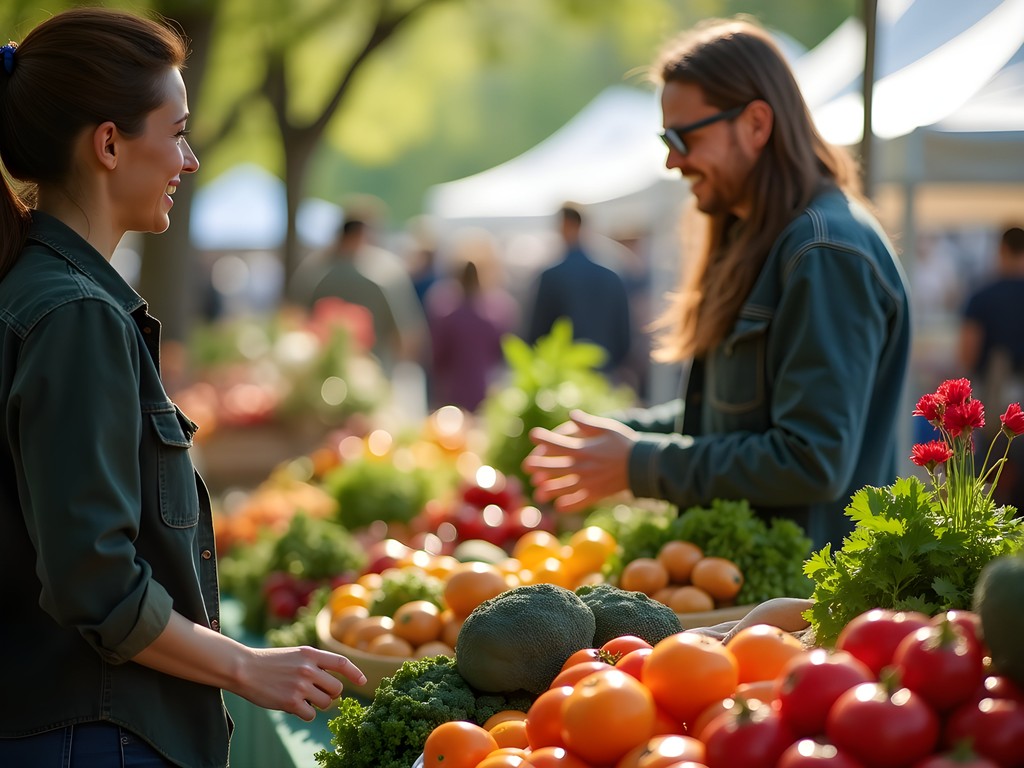
💡 Pro Tips
- Visit the Saturday Market early to photograph vendors setting up their displays
- When photographing in restaurants, always ask permission from both staff and any patrons who might appear in your frames
- The Lane County Farmers Market offers excellent opportunities for produce photography with fewer crowds than the Saturday Market
Final Thoughts
Eugene defies simple categorization, much like the complex forest ecosystems I typically study. The city exists as an ecological and cultural ecotone—a transition zone where natural and human elements blend and create something entirely unique. For photographers, this presents extraordinary opportunities to document both the resilience of natural systems and the creative expressions of a community deeply connected to its environment.
What struck me most during my week in Eugene was how the city's artistic identity extends beyond galleries and museums into everyday life. From the carefully cultivated landscapes of the university campus to the spontaneous expressions of street art in the Whiteaker neighborhood, creativity permeates Eugene's identity. As climate scientists, we often discuss the concept of biophilia—humanity's innate connection to nature. Eugene demonstrates how this connection can manifest through artistic expression and community design.
I departed Eugene with memory cards full of images documenting this fascinating intersection of natural and cultural landscapes. For photographers seeking to capture environments where ecological awareness and creative expression coexist, Eugene offers a compelling and rewarding destination. I'll certainly return, perhaps in autumn when the deciduous trees along the Willamette transform the riverscape into gold.
✨ Key Takeaways
- Eugene offers exceptional diversity for photographers, from pristine natural landscapes to vibrant urban art scenes
- Spring provides optimal conditions for capturing both natural environments (wildflowers, rushing rivers) and cultural events (Saturday Market, campus life)
- The city's commitment to sustainability creates unique photographic narratives connecting people to place
- Early morning and golden hour provide the most favorable lighting conditions for both urban and natural subjects
📋 Practical Information
Best Time to Visit
Mid-April to early June for optimal spring conditions
Budget Estimate
$120-180 per day including accommodation, food, and transportation
Recommended Duration
5-7 days
Difficulty Level
Moderate



Comments
dreamadventurer
Thanks for sharing this!
vacationlife
Great guide! If you're into the nature photography side, Spencer Butte is worth the hike. Takes about 45 min to get to the top but the views over the city with all the greenery are unreal. We went up there with our camera backpack and it handled the trail really well. Also recommend hitting up Hendricks Park for the rhododendron gardens - totally different vibe from the urban stuff but gorgeous.
globeninja
adding spencer butte to my list, thanks!
Jean Wells
Your ecological perspective on Eugene resonates deeply with me, Connor. I visited last spring and was struck by the same intersection you describe - the way the city seems to breathe with the surrounding forest rather than against it. The Pre's Trail along the river offers exceptional photography opportunities, particularly where the canopy creates natural frames for architectural elements. I found the University of Oregon campus especially rewarding for architectural photography; the balance between mid-century modernism and the older brick buildings creates fascinating juxtapositions. One technical note: the frequent cloud cover actually works beautifully as a natural diffuser for street photography. Did you experiment much with longer exposures along the river paths?
globeninja
going there in august, what's the best time of day for shooting the river?
Sophia Gomez
Golden hour is magical there! I was in Eugene for a conference last year and snuck out early one morning around 6:30am to shoot the river. The mist coming off the water with that soft light was incredible. Evening works too but mornings are less crowded.
blueperson9308
Eugene is SO underrated!! We spent 4 days there last fall and the street art scene blew my mind. The murals downtown are incredible and constantly changing. Did you check out the Whiteaker neighborhood? That's where the best stuff is. Also the Saturday Market is a must if anyone's going - local artists everywhere and the food vendors are amazing. Really captured the vibe of the city in your photos Connor!
vacationlife
Whiteaker is awesome! We stayed near there and walked everywhere. So much character.
dreamadventurer
love the willamette river shots!
Taylor Moreau
Connor, your ecological perspective on urban photography is refreshing. I visited Eugene last autumn for a conference and was similarly struck by how the city integrates its natural surroundings rather than fighting against them. The street art scene near the Whiteaker neighborhood is particularly vibrant—did you explore that area much? I found the murals there reflected the same environmental consciousness you've captured in your work. Also curious about your camera settings for the forest canopy shots; the depth of field management is excellent.
Connor Gonzalez
Taylor, yes! The Whit had some incredible murals. For the canopy work I used f/8-11 mostly, keeping enough sharpness through the layers while maintaining that dreamy quality. The challenge was balancing the bright sky with understory darkness.
adventurelover
Love the river shots! Going in August, any good sunrise spots?
Connor Gonzalez
Thanks! Try Skinner Butte Park at dawn—you'll get the mist rising off the Willamette with the city in the background. Magical light.
adventurelover
Perfect thanks!!
photoseeker
Those shots of the University of Oregon campus are stunning! The way you captured the light playing off the historic buildings against the modern architecture tells such a story. I've been to Eugene twice but never really appreciated the campus aesthetics until seeing your photos. Did you have any issues with permission for shooting around campus?
Connor Gonzalez
Thanks! The campus is actually very photographer-friendly. Since most areas are public spaces, you're free to shoot exteriors. I did check with the admin office before photographing inside some buildings, but they were super accommodating.
Olivia Sanchez
Connor, your perspective as a wildlife biologist really shines through in how you captured Eugene! I was there in April for an adventure photography workshop and completely fell in love with the Ruth Bascom Riverbank Path system. For anyone planning a visit, I highly recommend renting a bike to explore it - you'll find countless photography opportunities along the way. The morning fog rising off the river creates this ethereal atmosphere that's perfect for moody shots. I used my travel tripod for some long exposures at dawn that turned out amazing. The way you described Eugene as an 'ecological and cultural ecotone' is spot on - it's that beautiful transition zone that makes it so photographically rich.
Venture X
Premium card with 2X miles, $300 travel credit, Priority Pass