
Disclosure: This article contains affiliate links. We may earn a commission from purchases at no extra cost to you, which helps our travel content.
G'day, fellow photography enthusiasts! When my cloud architecture work brought me to Minnesota's North Shore for a smart city consultation, I expected servers and systems—not to be utterly gobsmacked by Duluth's breathtaking landscapes. As someone who's chased light across five continents, I can tell you this lakeside gem punches well above its weight class for photography opportunities. Lake Superior isn't just a lake; it's an inland sea with moods as changeable as Melbourne weather, creating a photographer's playground where technical skill meets raw natural beauty.

The Canal Park District: Where Harbor Meets Horizon
Canal Park serves as Duluth's front porch to Lake Superior and offers a perfect technical study in contrasts. Here, industrial maritime elements create compelling foreground interest against the vast expanse of the world's largest freshwater lake.
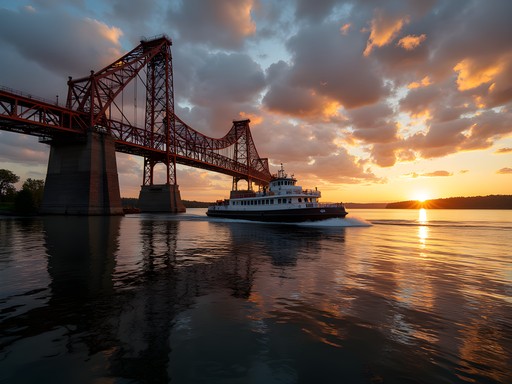
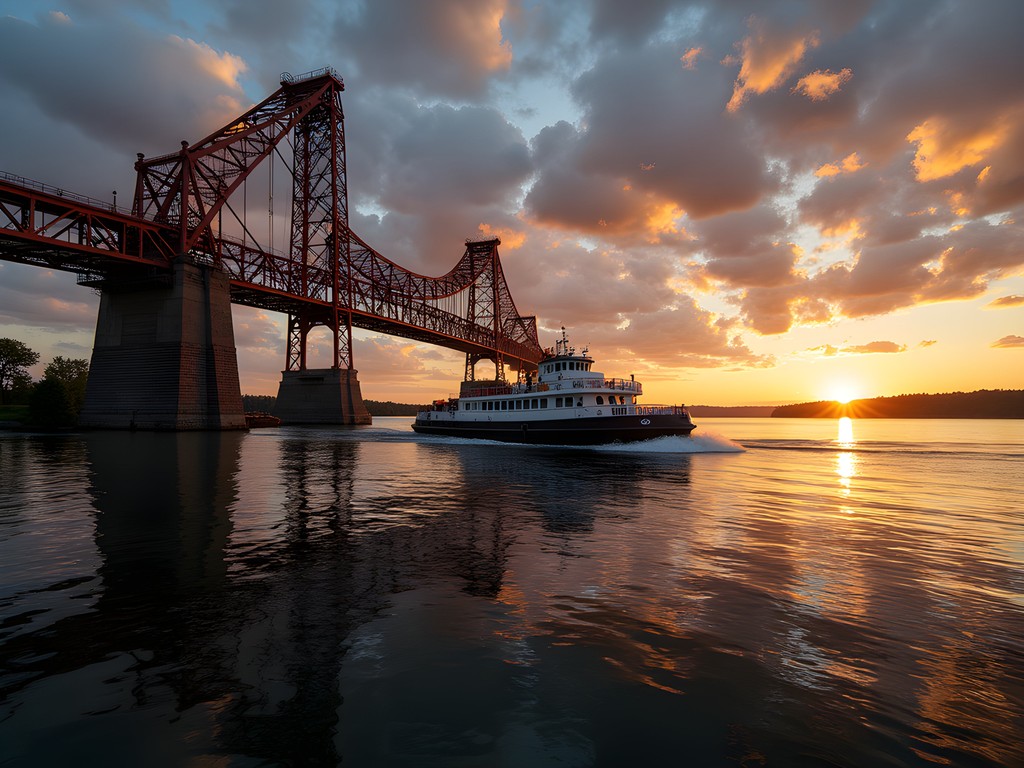
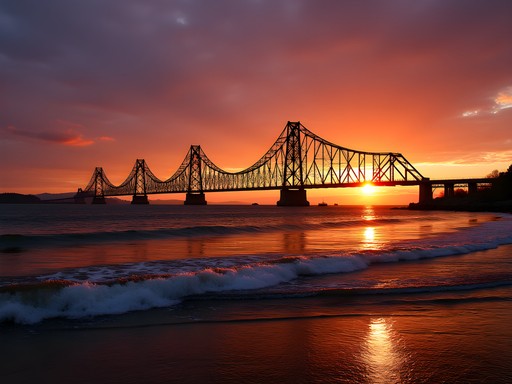
The iconic Aerial Lift Bridge dominates the harbor entrance, transforming from utilitarian structure to architectural marvel when photographed during golden hour. I found myself setting up my carbon fiber tripod at least an hour before sunset to secure prime position among other photographers. The bridge rises approximately 20 times daily during peak shipping season, creating dramatic opportunities to capture 1000-foot ore boats passing through the canal with perfect timing.
For night photography enthusiasts, the bridge illumination creates stunning reflections across the harbor waters. I recommend bringing a remote shutter release to eliminate camera shake during long exposures—absolutely essential when capturing the bridge lights reflecting on the water after dark.
💡 Pro Tips
- Position yourself at the Marine Museum for head-on bridge shots with balanced composition
- Use graduated ND filters to balance exposure between bright sky and darker water
- Arrive 30 minutes before posted ship schedules for optimal positioning
Enger Park: Elevation and Perspective
When you're ready to move beyond the lakefront, make the winding drive up to Enger Park. At 531 feet above lake level, this vantage point provides the technical photographer with a comprehensive city-to-lake composition that's impossible to achieve elsewhere.
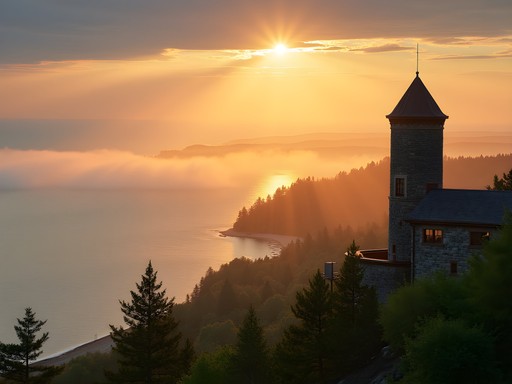
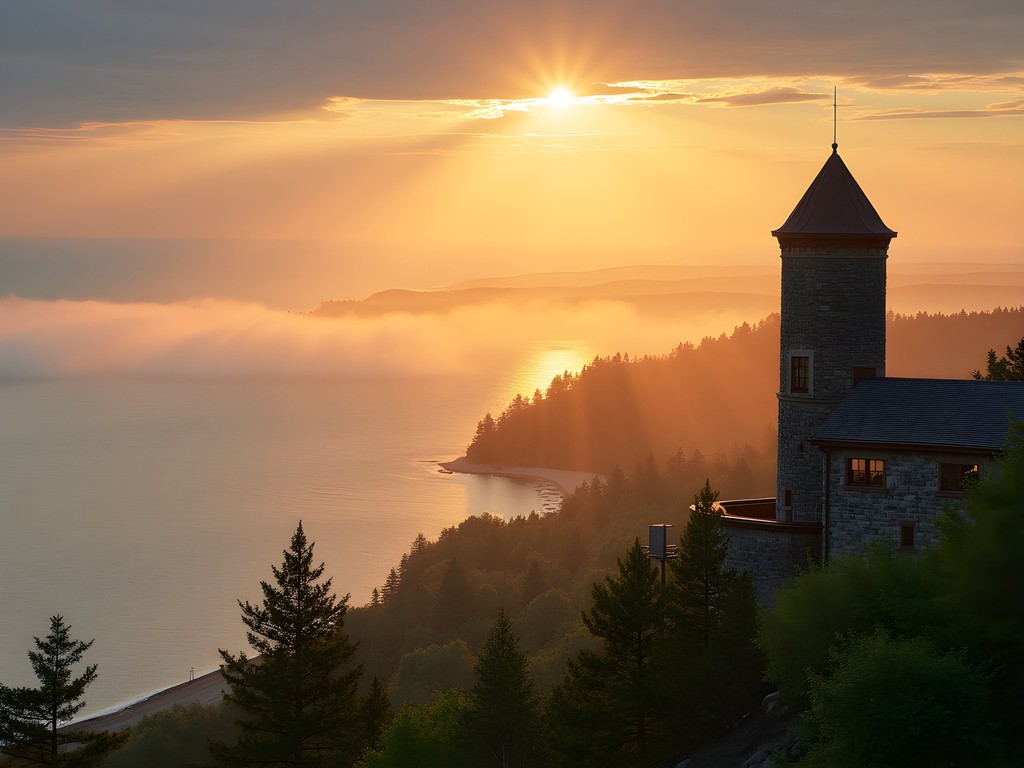
The Japanese Peace Garden and iconic Enger Tower create midground focal points against the sweeping panorama of harbor, city, and the infinite blue horizon of Lake Superior. For the technically-minded photographer, this location presents fascinating challenges in depth of field and composition.
I spent three consecutive mornings here capturing the harbor fog as it rolled in and dissipated with the rising sun. My weather station helped me predict optimal conditions—when temperatures drop overnight and morning air warms rapidly, you're likely to witness the harbor disappearing under mystical fog banks that make for ethereal imagery.
Climb the stone steps of Enger Tower for an additional elevation boost. The 360-degree views allow for compositions ranging from tight telephoto shots of distant ore docks to wide-angle panoramas encompassing the entire Twin Ports region.
💡 Pro Tips
- Arrive 45 minutes before sunrise for the best chance of capturing harbor fog
- Bring a polarizing filter to manage reflections and enhance sky contrast
- Use focus stacking techniques to maintain sharpness from foreground flowers to distant horizon
Park Point: The World's Longest Freshwater Sandbar
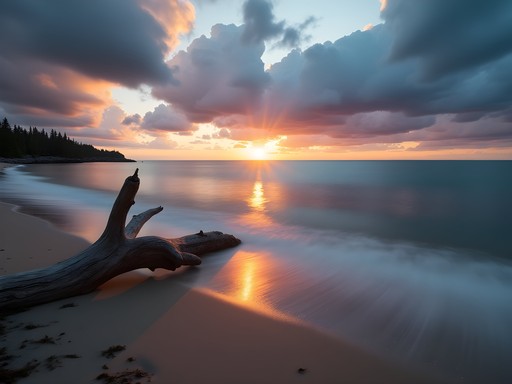
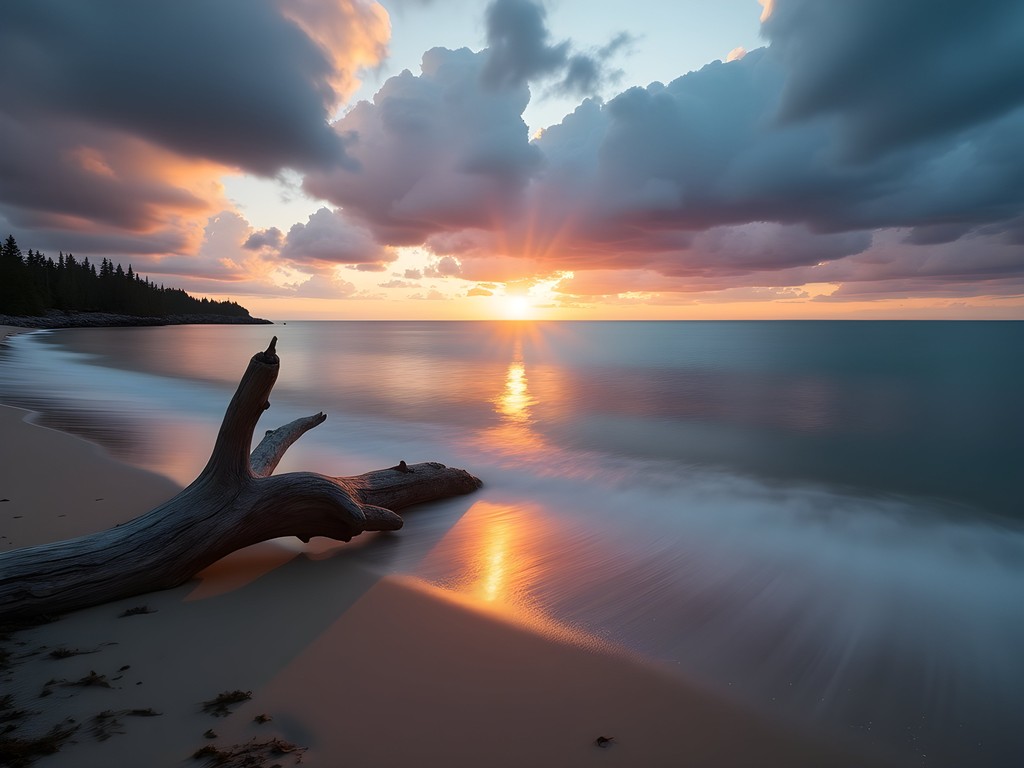
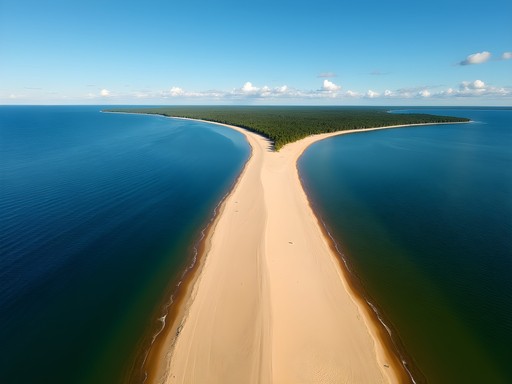
For landscape photographers seeking minimalist compositions, Park Point offers seven miles of sandy beach that feels more oceanic than lacustrine. This natural sandbar stretches into Lake Superior like a delicate finger, creating unique opportunities to capture the interplay of water, sky, and distant horizons.
The technical challenge here lies in managing the extreme brightness range when shooting across open water. I relied heavily on my lens filters to tame the midday glare while capturing the hypnotic patterns of waves lapping against the shore.
Don't miss the small maritime forest midway down Park Point, where twisted pines create sculptural forms against the sky. These wind-shaped trees tell the visual story of Lake Superior's powerful gales and provide compelling foreground elements for your compositions.
For those willing to hike to the far end, the Wisconsin Point Lighthouse creates a classic maritime focal point. I recommend wearing water shoes as the shoreline exploration often requires wading through shallow water to find the perfect shooting angle. The effort pays off with pristine compositions unmarred by crowds—I spent an entire afternoon here and encountered only three other photographers.
💡 Pro Tips
- Use long exposures (30+ seconds) to create silky water effects that contrast with textured sand
- Shoot during blue hour for balanced exposures between sky and water
- Pack insect repellent—the shoreline mosquitoes are particularly enthusiastic at dusk

The North Shore Scenic Drive: Beyond City Limits
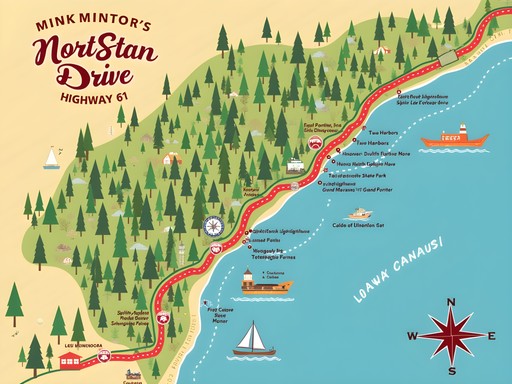
While technically outside Duluth proper, no photography expedition would be complete without venturing at least a few miles up the legendary North Shore Scenic Drive (Highway 61). This coastal route hugs Lake Superior's wild shoreline, offering a dramatic progression of photographic opportunities that contrast beautifully with Duluth's more urban compositions.
Just 20 minutes from downtown, you'll find Brighton Beach (Kitchi Gammi Park), where smooth pink rhyolite rock formations create geometric foreground elements against the vastness of the lake. The technical photographer will appreciate how these rocks catch morning light, their mineral composition creating subtle color variations that complement the blues of sky and water.
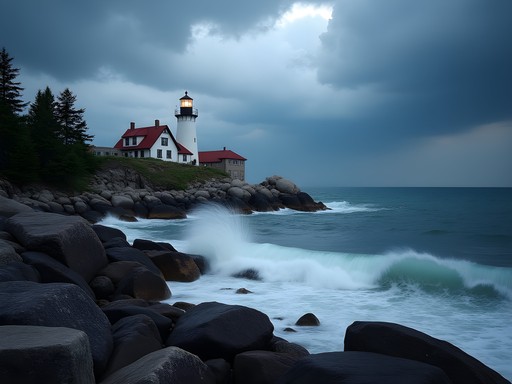
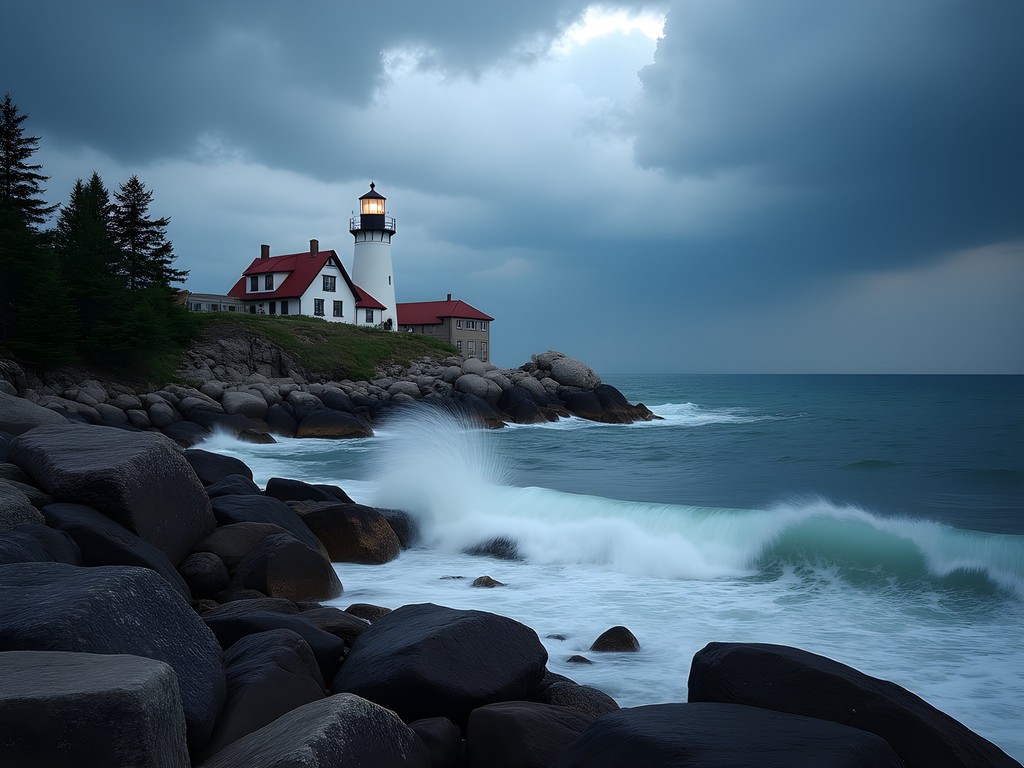
Pushing slightly further to Split Rock Lighthouse State Park (about 45 minutes from Duluth), you'll discover Minnesota's most photographed landmark perched dramatically on a 130-foot cliff. Having documented smart city implementations across three continents, I'm rarely impressed by built environments, but the engineering achievement of this 1910 lighthouse against such a wild backdrop genuinely moved me.
For serious landscape work along the shore, I found my hiking boots essential for navigating the uneven shoreline terrain safely while carrying gear. The shore's volcanic rock can be treacherously slippery when wet, so proper footwear is non-negotiable if you want those shoreline perspectives.
💡 Pro Tips
- Photograph Split Rock Lighthouse from Ellingson Island for the classic postcard composition
- Use focus bracketing when shooting lighthouse scenes to maintain sharpness from foreground rocks to distant structures
- Keep lens cloths handy—lake spray is constant and can quickly compromise image quality
Technical Considerations: Lake Superior's Unique Light
Having photographed coastlines from New Zealand to Portugal, I can confidently say Lake Superior presents unique technical challenges worth understanding before your visit.
First, the lake creates its own weather systems. What begins as a clear morning can transform into dramatic storm light within an hour. Rather than viewing this as an inconvenience, embrace it as an opportunity for atmospheric imagery. I always pack my rain cover even on seemingly perfect days.
Second, the lake's vast size creates an unusual quality of reflected light. The water surface acts as a massive reflector, bouncing light back onto subjects in ways that can confuse your camera's metering. I typically underexpose by 1/3 to 2/3 stops when shooting lakeside scenes to compensate.
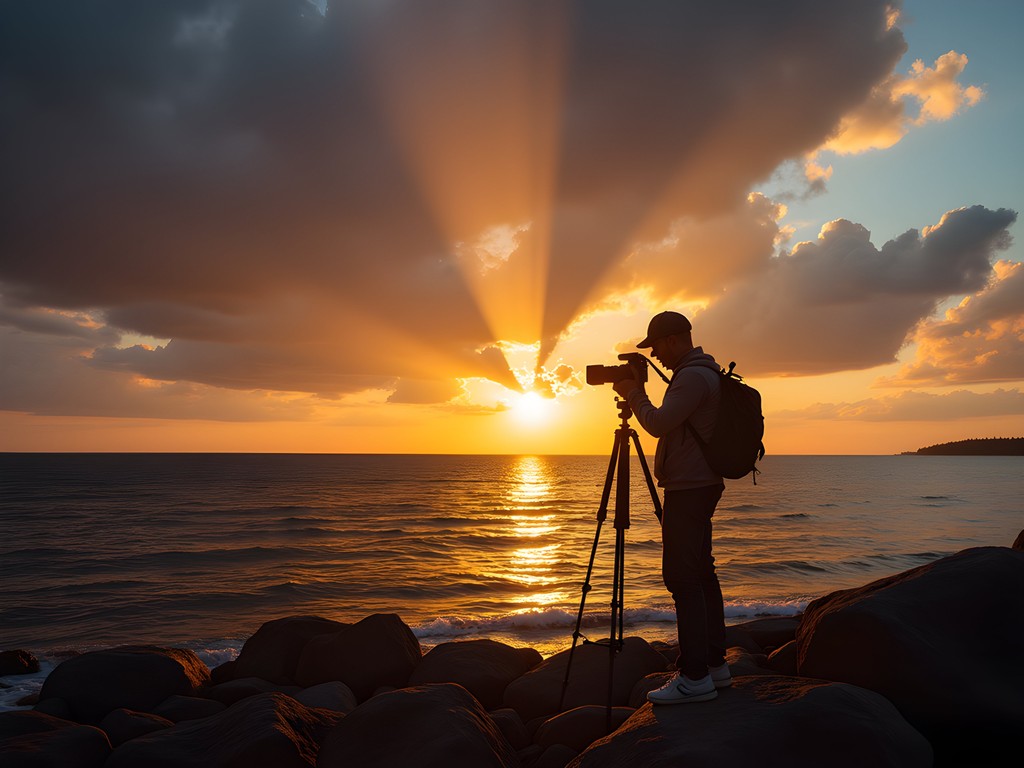
Finally, Duluth's northern latitude (46.7°N) means extended golden hours during summer months. In July, expect magical light from 8:30-10:00 PM, with civil twilight extending well past 10:30. This extended shooting window is a gift, but requires stamina—I found my insulated water bottle essential for maintaining energy through these marathon sunset sessions that can stretch past 11 PM.
The lake's immensity creates atmospheric perspective that's typically associated with mountainous regions. Layers of progressively lighter blue create natural depth in your images, particularly when shooting from elevated positions like Enger Tower or Hawk Ridge.
💡 Pro Tips
- Use the PhotoPills app to predict exactly where the sun will set relative to landmarks like the Aerial Lift Bridge
- Expect 10-15°F temperature drops near the shoreline compared to downtown—dress accordingly
- Carry microfiber cloths for constant lens cleaning—lake spray and summer humidity create persistent condensation issues
Final Thoughts
After spending countless dawns and dusks along Lake Superior's shores, I've come to understand why they call it Gitche Gumee—'the shining big sea water.' This isn't just a lake; it's a chameleon canvas that rewards the patient, technical photographer with imagery that rivals coastal destinations worldwide.
What struck me most was how my background in systems architecture provided unexpected insight into Duluth's photographic potential. Just as cloud systems require understanding interconnected elements, capturing this landscape demands recognition of how light, water, industry and geology create a complex visual ecosystem.
Whether you're a seasoned landscape photographer or someone looking to elevate your travel photography, Duluth offers accessible yet challenging compositions that will push your technical skills while filling your portfolio with distinctive imagery. The city's combination of industrial heritage against natural grandeur creates visual stories you simply won't find elsewhere.
When you visit, remember that Lake Superior operates on her own schedule. Some of my most compelling images came after waiting out conditions other photographers abandoned. Patience here isn't just a virtue—it's the price of admission for truly exceptional shots. See you on the shore!
✨ Key Takeaways
- Duluth offers exceptional photographic diversity within a compact geographic area
- Early morning fog conditions create ethereal harbor scenes worth the pre-dawn alarm
- The lake's northern latitude provides extended golden hour shooting in summer months
- Weather changes rapidly—embrace atmospheric conditions rather than fighting them
📋 Practical Information
Best Time to Visit
June through September, with July offering optimal light conditions
Budget Estimate
$150-250/day including mid-range accommodation, car rental and meals
Recommended Duration
Long weekend (3-4 days) minimum to capture varied conditions
Difficulty Level
Moderate (Requires Some Hiking On Uneven Terrain For Best Vantage Points)

Comments
LightChaser42
If you're shooting from Enger Tower, bring a polarizing filter! Cuts the haze over the lake and makes those blues pop. Also, the locals told me about a small pull-off about 3 miles up the North Shore Drive that has the best view of the harbor from above. Look for the unmarked gravel area just past the 61 tunnel.
islandace
Planning a trip for April - is that too early in the season? I really want to capture some of those moody lake shots but worried about everything being frozen or closed down. Also, any recommendations on spots to catch the Northern Lights if we're lucky?
Casey Andersson
April can be fantastic - you might catch ice break-up which creates amazing textures! For Northern Lights, head to Brighton Beach or Park Point where you'll have clear views north over the lake with minimal light pollution. The lake ice formations in spring are incredible for foreground elements if you get lucky with aurora.
islandace
Thanks so much! Brighton Beach is going on the list for sure.
mountainlegend
That shot of the lift bridge is incredible! What lens did you use?
Gabriella Perkins
Thanks mountainlegend! I used my trusty 16-35mm f/2.8 for most of the wide harbor shots. The extra width really helps capture the scale of those massive lake freighters against the horizon.
mountainlegend
Perfect, thanks! Heading there next month with my wide angle - hoping to catch some ships coming in.
Casey Andersson
Gabriella, your shots of the lift bridge at golden hour took me right back to my visit last summer! I spent three days in Canal Park just waiting for that perfect light. For anyone heading there, I found early mornings (5-6am in summer) had the most magical mist over the water. The contrast between the industrial harbor elements and that pristine lake is a photographer's dream. Did you make it to Split Rock Lighthouse? That's about an hour north but absolutely worth the drive for sunset shots!
islandace
How crowded does Canal Park get for sunrise? Wondering if I need to stake out a spot early or if it's pretty open?
Casey Andersson
In my experience, sunrise is actually pretty quiet! Most tourists show up later. You'll likely just see a few other photographers and maybe some locals jogging. Plenty of space to set up wherever you'd like!
wanderlustchamp
If you're serious about sunrise shots at Canal Park, get there at least 45 mins before sunrise. The pier fills up fast with other photographers, especially on weekends. Also the lighthouse looks amazing when ships are passing through - check the ship schedule online!
dreammate
Oh wow didn't know there was a ship schedule! Thanks!!
Stephanie Romano
We visited Duluth with our three kids last summer and it was magical! Park Point was perfect for the little ones - they built sandcastles while I captured some amazing golden hour shots. The Canal Park area is super family-friendly too. We stayed at a cute Airbnb near the lift bridge and could hear the fog horn at night. My 8-year-old still talks about watching the big ships come through! One tip: bring extra memory cards. I filled up my camera bag with so many shots - you won't want to miss a single moment.
freeclimber
Love the photos! Going in March, any winter tips?
sunsetmaster
What time of year is best for visiting? I'm a total newbie to photography but want to try this!
Stephanie Romano
Summer (June-August) is gorgeous and easiest weather-wise! Fall is spectacular but can be chilly. I took my kids in July and the weather was perfect for learning. Just bring layers - Lake Superior keeps it cool even in summer.
coffeegal
That sunset shot from Canal Park is absolutely stunning! The colors are incredible. Did you use any filters?
Gabriella Perkins
Thanks coffeegal! Just a polarizer to cut the glare on the water. Lake Superior's natural colors do all the heavy lifting!
coffeegal
Good to know! I'm headed there in December - hoping to catch some of those dramatic winter scenes with the ice formations you mentioned. Any tips for shooting in the cold?
Gabriella Perkins
December will be gorgeous! Bring extra batteries (keep them warm in inner pockets) and fingerless gloves are lifesavers. The steam rising off the lake in extreme cold creates incredible atmospheric shots. Canal Park gets the most dramatic ice formations after storms!
Taylor Moreau
If I may add to Gabriella's excellent winter advice - a good thermos of hot tea works wonders during those frigid sunrise shoots. The ice-covered lighthouses are absolutely worth the early wake-up call!
Jose McDonald
Gabriella, this guide is fire! 🔥 I did the North Shore drive last summer and it was epic. Split Rock Lighthouse is a MUST if you're heading up that way - the cliffside views are incredible. Also, if you're into adventure photography, there are some sick kayaking spots near the Apostle Islands just across the border in Wisconsin. The sea caves are unreal for photos!
wanderlustchamp
Second Split Rock! Got some of my best shots there.
Venture X
Premium card with 2X miles, $300 travel credit, Priority Pass