
Disclosure: This article contains affiliate links. We may earn a commission from purchases at no extra cost to you, which helps our travel content.
The first time I saw Lake Superior stretch toward the horizon like a freshwater ocean, I understood why Duluth calls itself the adventure capital of the Midwest. This isn't the Minnesota of endless prairies—it's a landscape of dramatic cliffs, dense forests, and North America's largest freshwater lake creating microclimates that feel more Pacific Northwest than heartland. For couples seeking that perfect balance of adrenaline and intimacy, Duluth offers adventures that'll have you gripping each other's hands one moment and celebrating together the next.

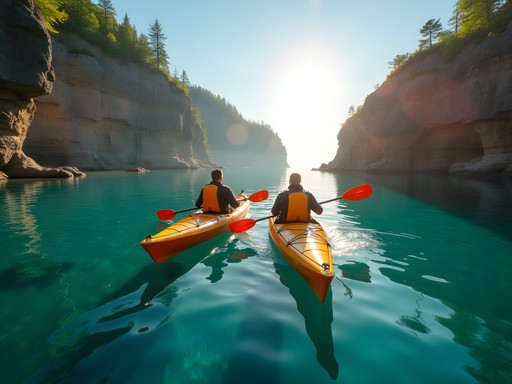
Sea Kayaking the Lake Superior Water Trail
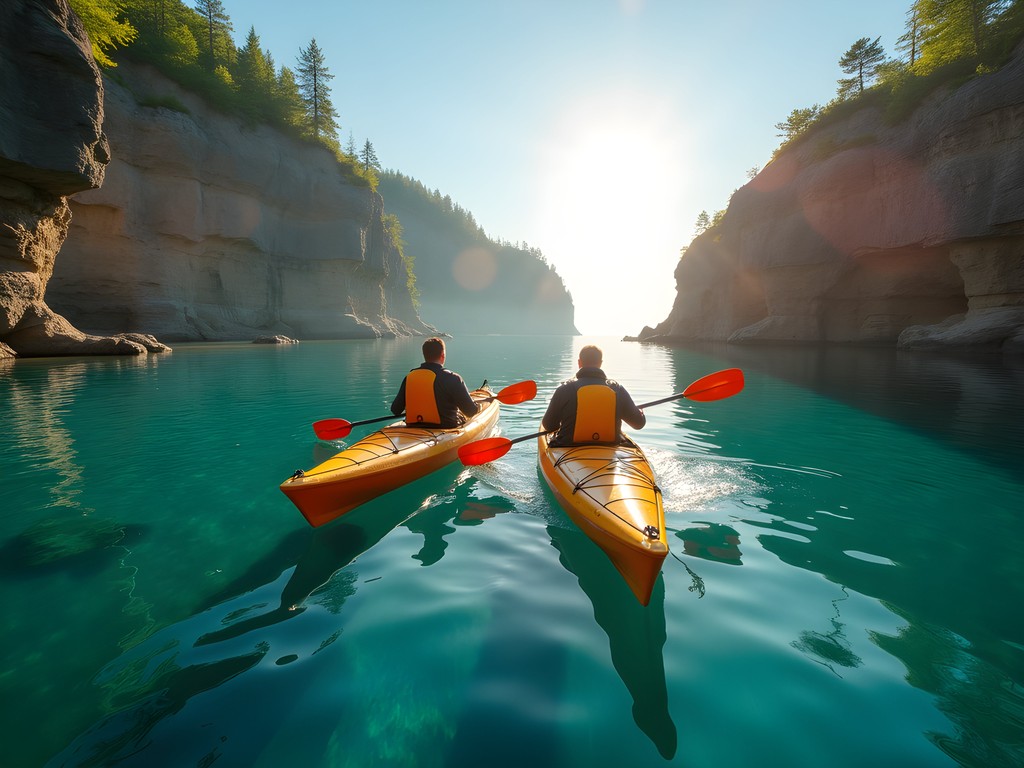
There's something profoundly humbling about paddling across water so clear you can see 30 feet down, knowing this lake holds ten percent of the world's fresh surface water. The Lake Superior Water Trail hugs Duluth's shoreline, offering couples a front-row seat to sea caves, basalt cliffs, and secluded beaches accessible only by water.
We launched from Brighton Beach on a calm July morning, the kind where the lake mirrors the sky so perfectly you lose track of the horizon. The rhythm of synchronized paddling becomes meditative—dip, pull, glide—while the Sawtooth Mountains rise dramatically to your right. Around every headstone, new geological wonders appear: honeycomb rock formations carved by ice and wave, narrow passages between cliff faces, hidden coves where you can beach your kayak and explore tide pools teeming with freshwater sponges.
The beauty of this paddle is its flexibility. Beginners can stick close to shore between Brighton Beach and Stony Point (about 3 miles), while experienced paddlers can tackle the 12-mile stretch to Two Harbors. Just remember: Superior earns its reputation for rapid weather changes. What starts as glass can become 4-foot swells within an hour. I always pack my dry bag with extra layers, snacks, and a first-aid kit—it's saved more than one trip when unexpected wind kicked up.
💡 Pro Tips
- Launch early morning (6-8am) when Superior is typically calmest and you'll have beaches to yourselves
- Check NOAA marine forecasts specifically for Lake Superior—standard weather apps don't capture the lake's unique conditions
- Wear wetsuits or drysuits even in summer; water temperatures rarely exceed 55°F and hypothermia risk is real
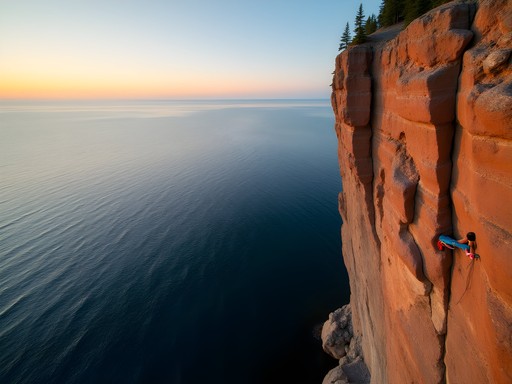
Rock Climbing at Palisade Head
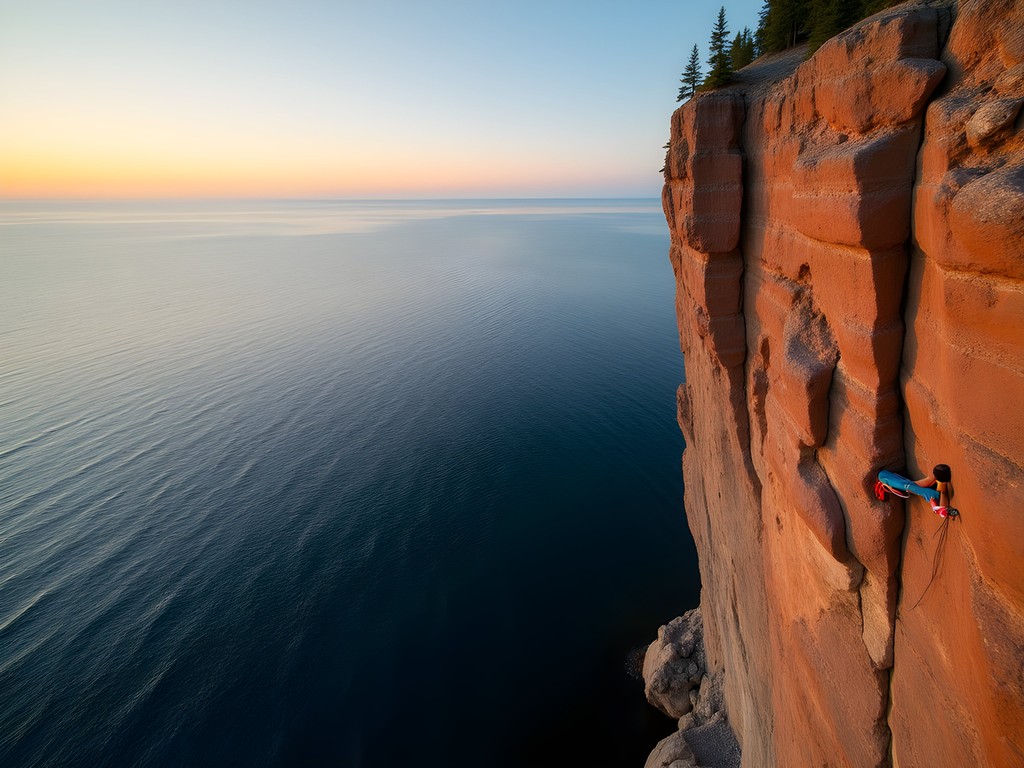
Palisade Head isn't technically in Duluth proper—it's about 30 minutes up the shore—but no list of Lake Superior adventures would be complete without mentioning these 200-foot rhyolite cliffs that plunge straight into the lake. This is where climbers come to test themselves against some of the Midwest's most spectacular and exposed routes.
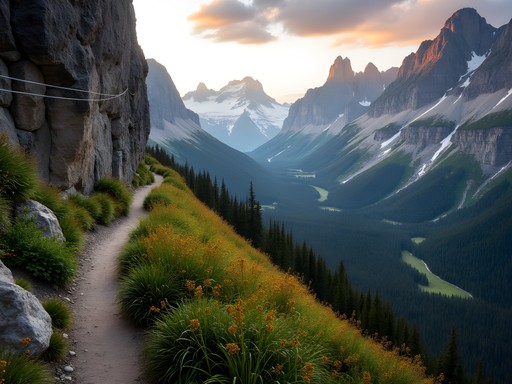
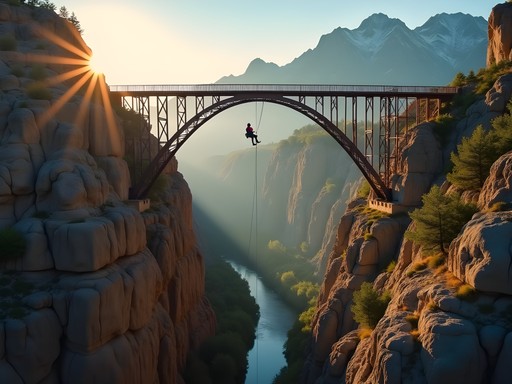
The approach alone gets your heart racing: parking at the clifftop overlook and watching climbers appear like colorful insects on the sheer face below. Most routes here are traditional multi-pitch climbs requiring serious experience, but several single-pitch options exist for intermediate climbers comfortable with exposure. The classic Shovel Point route (5.7) offers incredible position—you're literally hanging above crashing waves with nothing but air between you and Superior.
What makes Palisade Head special for couples is the shared trust required. Whether you're belaying your partner or working through a crux move together, there's an intimacy in that vulnerability. Plus, the post-climb reward of watching sunset paint the lake in copper and gold from the clifftop is unmatched. Fair warning: bring plenty of climbing tape for your hands—the rhyolite here is incredibly abrasive and will shred skin faster than most rock types.
💡 Pro Tips
- Hire a guide from Duluth's Superior Hiking Trail Association if you're new to trad climbing—the gear placements here are unique
- Check wind forecasts; even moderate winds create dangerous updrafts along the cliff face
- Bring approach shoes for the scramble down to route starts; the rock is slippery when wet
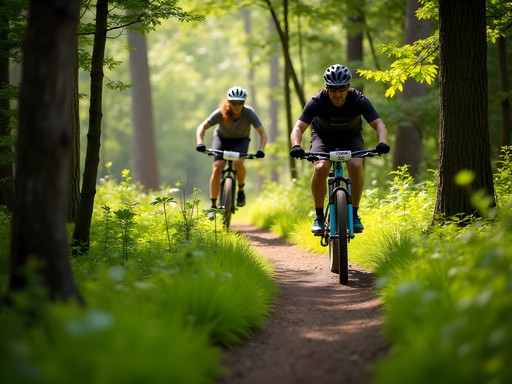
Mountain Biking the Duluth Traverse
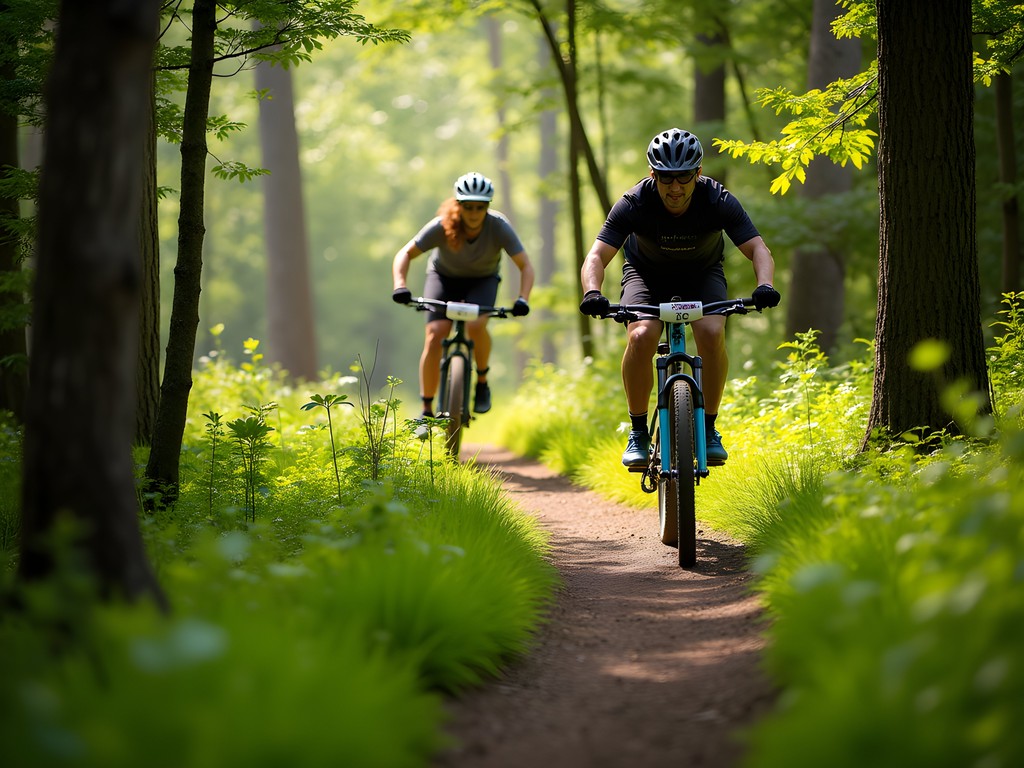
The Duluth Traverse is 40 miles of singletrack heaven weaving through the city's wooded hillsides, and it might just be the most underrated urban trail system in America. Unlike most city trails that feel like afterthoughts, the Traverse is purpose-built, maintained by an obsessive community of riders, and offers technical challenges that'll humble experienced mountain bikers.
My favorite section for couples is the Hartley segment—about 8 miles of flowing singletrack with enough technical features to keep things interesting but not so gnarly that you're walking your bike. The trail rolls through dense forest, crosses crystal-clear streams, and occasionally breaks into meadows with views across the valley to the lake beyond. What struck me most was how quickly you forget you're in a city of 90,000 people. Five minutes from downtown, you're completely immersed in wilderness.
The beauty of the Traverse is its modular design. You can link sections for an epic 40-mile ride or cherry-pick 5-10 mile segments based on your energy and skill level. Mission Creek offers more technical rock gardens and root sections, while Piedmont is flowy and fast. I always throw a bike multi-tool in my pack—the rocky terrain here is hard on derailleurs and you don't want to be stuck miles from the trailhead with a mechanical.
💡 Pro Tips
- Download the Duluth Traverse trail map app before riding; the system is complex and easy to get turned around on
- Ride counterclockwise on directional sections—locals take trail etiquette seriously here
- Pack a hydration bladder rather than bottles; the technical terrain makes reaching for bottles dangerous

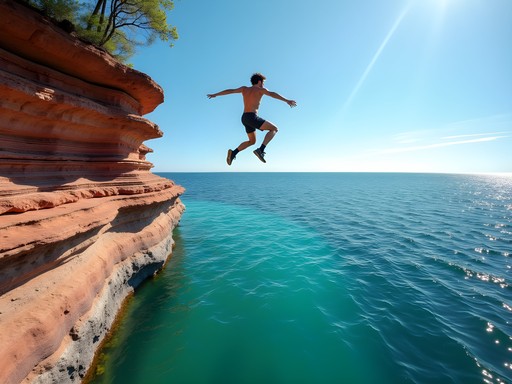
Cliff Jumping at Tettegouche State Park
Let me be clear upfront: cliff jumping carries real risk, and what I'm about to describe isn't officially sanctioned. But if you're experienced with cliff jumping and understand water safety, the jumps at Tettegouche's Shovel Point offer some of the most exhilarating moments you'll find on Lake Superior.
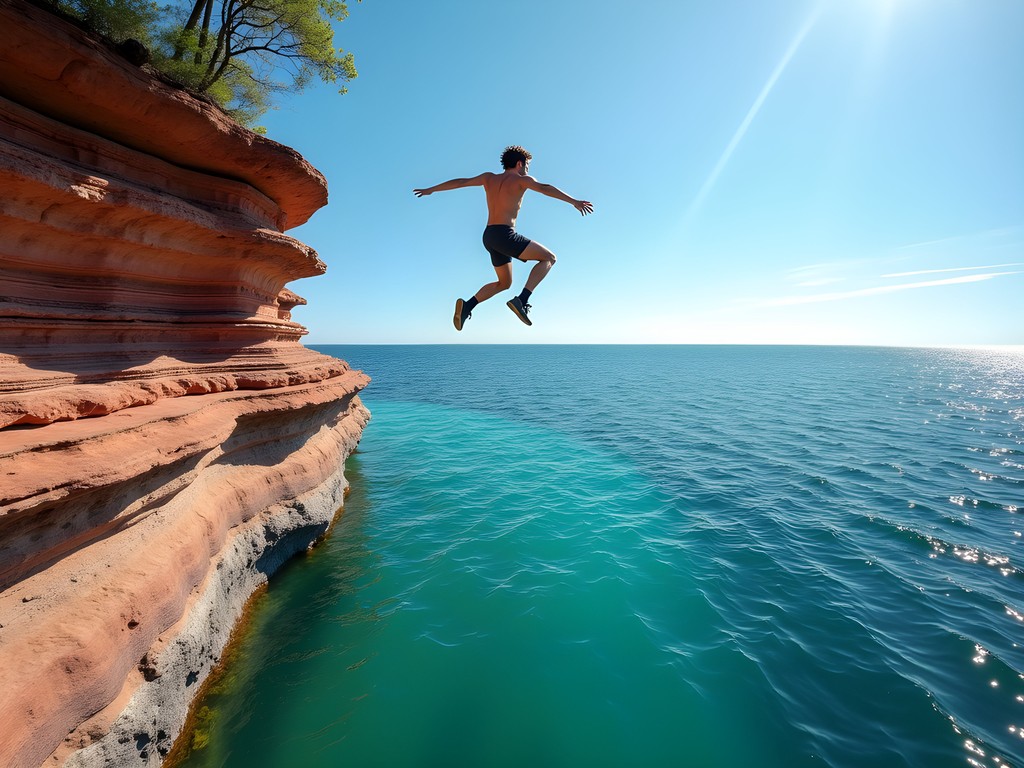
The setup is straightforward but intimidating: rhyolite cliffs rising 15-40 feet above deep, clear water. The 15-footer is manageable for most intermediate jumpers—enough height to get that stomach-drop feeling but not so high that you have time to regret your decision mid-air. The 30 and 40-foot jumps are serious commitments requiring proper form and mental preparation.
What makes these jumps special is the setting. You're launching yourself into water so cold it literally takes your breath away, surrounded by some of the most dramatic coastal scenery in the Midwest. The moment of freefall, that split second of absolute freedom before impact, creates a shared experience that bonds couples in a unique way. There's something about conquering fear together that strips away pretense.
Critical safety note: always scout your landing zone first. Swim the area to check for submerged rocks, which can shift after storms. Never jump alone, and always have someone on shore who can assist if needed. The cold water is the real danger here—even in July, you'll want to limit your time in the water and have warm, dry clothes waiting.
💡 Pro Tips
- Wear water shoes with good grip; the rhyolite is sharp and slippery when wet
- Jump feet-first with arms crossed over chest until you're comfortable with the height and water depth
- Bring a wetsuit if you plan multiple jumps—hypothermia sets in faster than you think in 55°F water
Whitewater Kayaking the Lester River
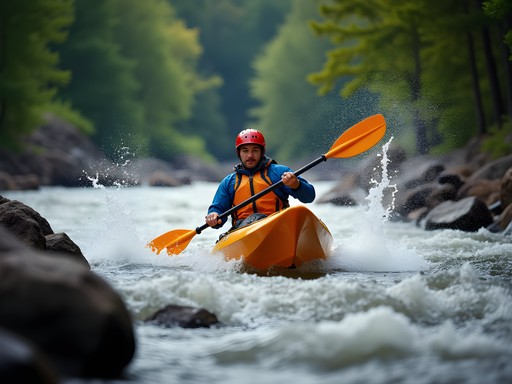
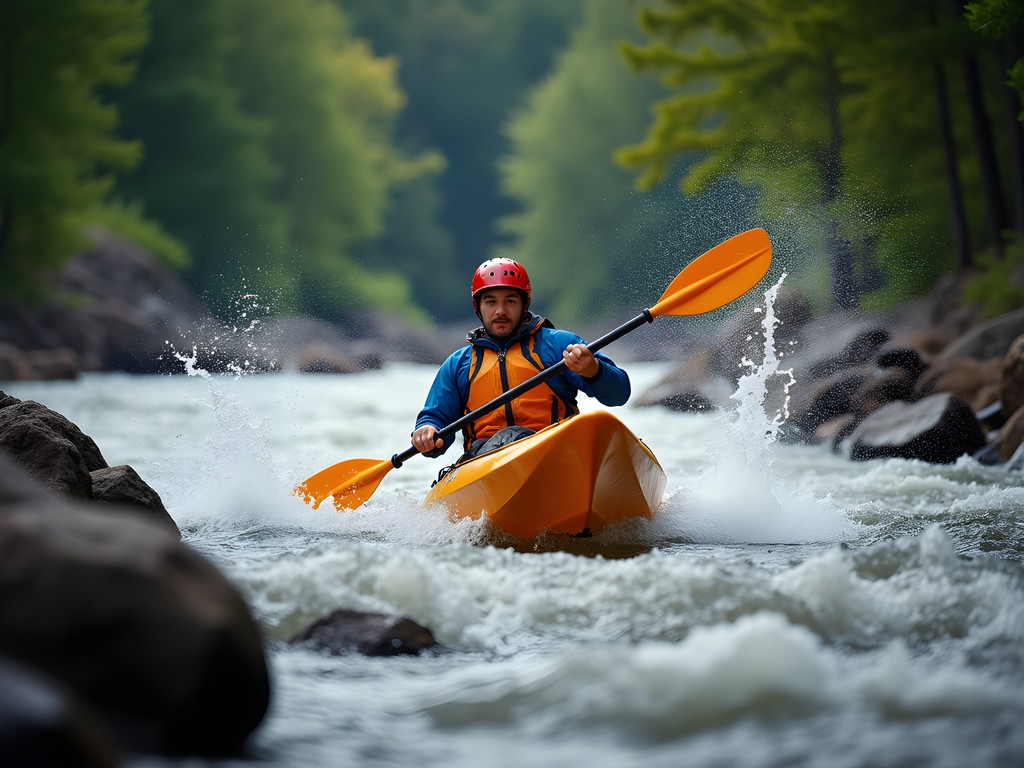
When spring snowmelt or summer thunderstorms swell Duluth's rivers, the Lester transforms from a gentle stream into a Class II-III whitewater playground. This urban whitewater run is short—only about 2 miles—but it packs in continuous rapids, technical moves, and a few legitimate holes that'll test intermediate paddlers.
The put-in is at Lester Park, and within minutes you're committed to a boulder-garden descent that demands constant attention. What I love about the Lester is how it teaches you to read water. Every rapid requires a different line, and the consequences of poor choices are immediate—you'll bounce off rocks, get spun around, maybe take a swim. But the consequences aren't severe, making it perfect for couples looking to push their whitewater skills without tackling expedition-level rivers.
The highlight is the final rapid before the lake—a technical drop through a narrow chute that funnels the entire river between two house-sized boulders. Get your angle right and you'll punch through clean. Miss it and you're swimming. Either way, you'll come out laughing. The take-out is right at the Lake Superior shore, where you can celebrate your run while watching waves crash against the breakwater.
💡 Pro Tips
- Only run the Lester when water levels are between 4.5-6 feet on the USGS gauge; below that you'll be scraping rocks, above that it becomes Class IV
- Wear a helmet—the boulder gardens here are unforgiving and head injuries are common
- Scout the final rapid from river left before committing; the line changes depending on water level
Sailing and Wind Sports on Superior
Lake Superior's size creates weather systems that sailors dream about—consistent afternoon winds, long fetches that build proper swells, and enough space that you can sail for hours without worrying about running out of room. Whether you're experienced sailors looking to charter a boat or complete beginners wanting to try windsurfing or kiteboarding, Duluth's sailing scene welcomes everyone.
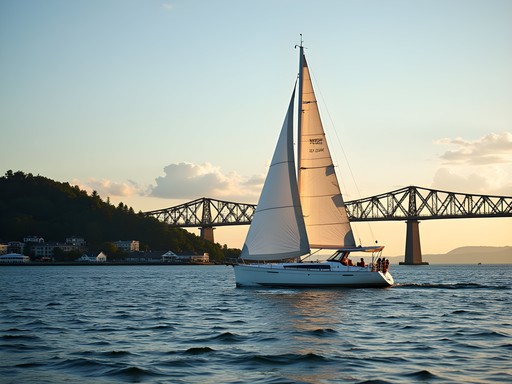
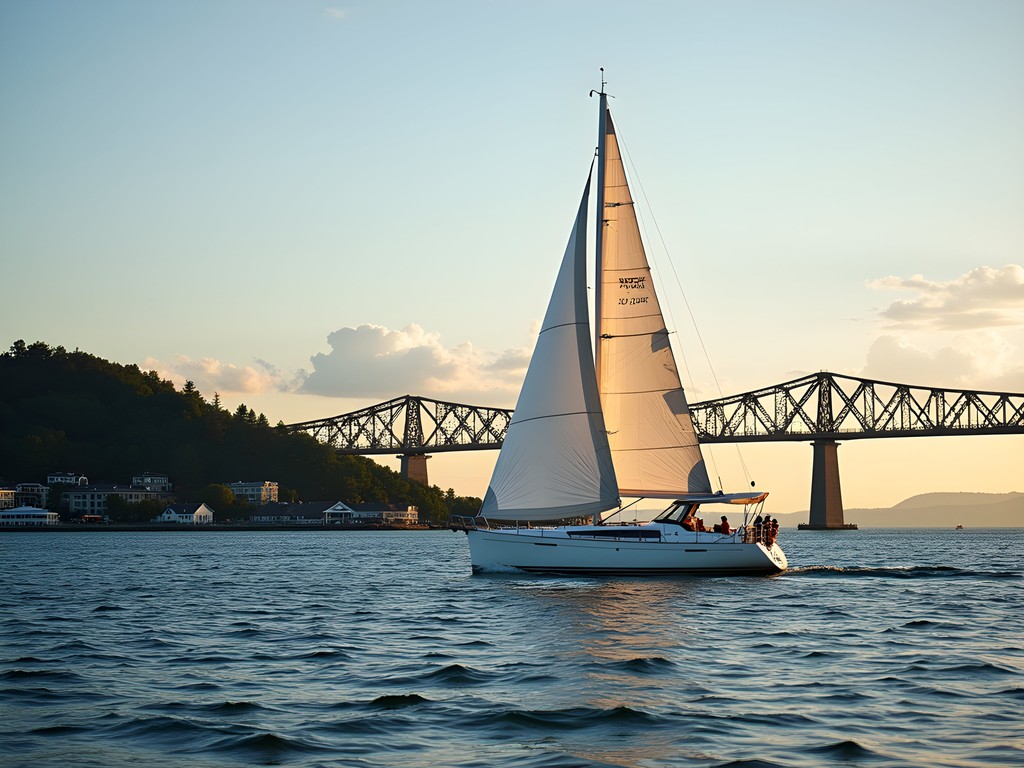
I spent an afternoon with Duluth's sailing club learning the basics of keelboat sailing, and what struck me was how different freshwater sailing feels compared to ocean sailing. The water is colder and denser, the weather changes faster, and the waves have a shorter, choppier period. But the scenery—sailing past Duluth's dramatic hillside with the lift bridge in the distance—is unmatched.
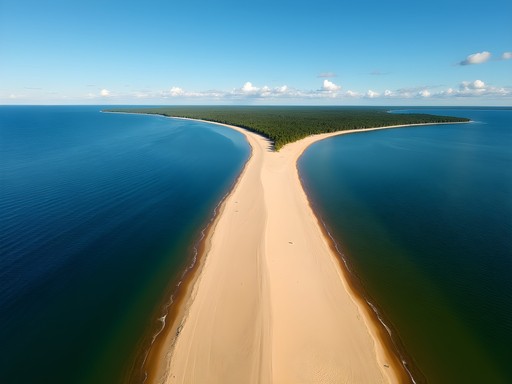
For couples seeking something more active, Park Point offers excellent conditions for windsurfing and kiteboarding. The long sandbar creates a natural playground with steady side-shore winds and relatively flat water on the bay side. Beginners can learn in the protected shallows while advanced riders head to the Superior side for bigger conditions. There's something magical about harnessing wind power while surrounded by such vast water—it connects you to the elements in a way few sports can match.
💡 Pro Tips
- Book sailing charters through Duluth's community sailing program for affordable rates and experienced captains
- Afternoon winds (1-5pm) are typically strongest and most consistent for wind sports
- Invest in a quality neoprene wetsuit—Superior's water temperature makes this non-negotiable for extended water time
Backcountry Camping Along the Superior Hiking Trail
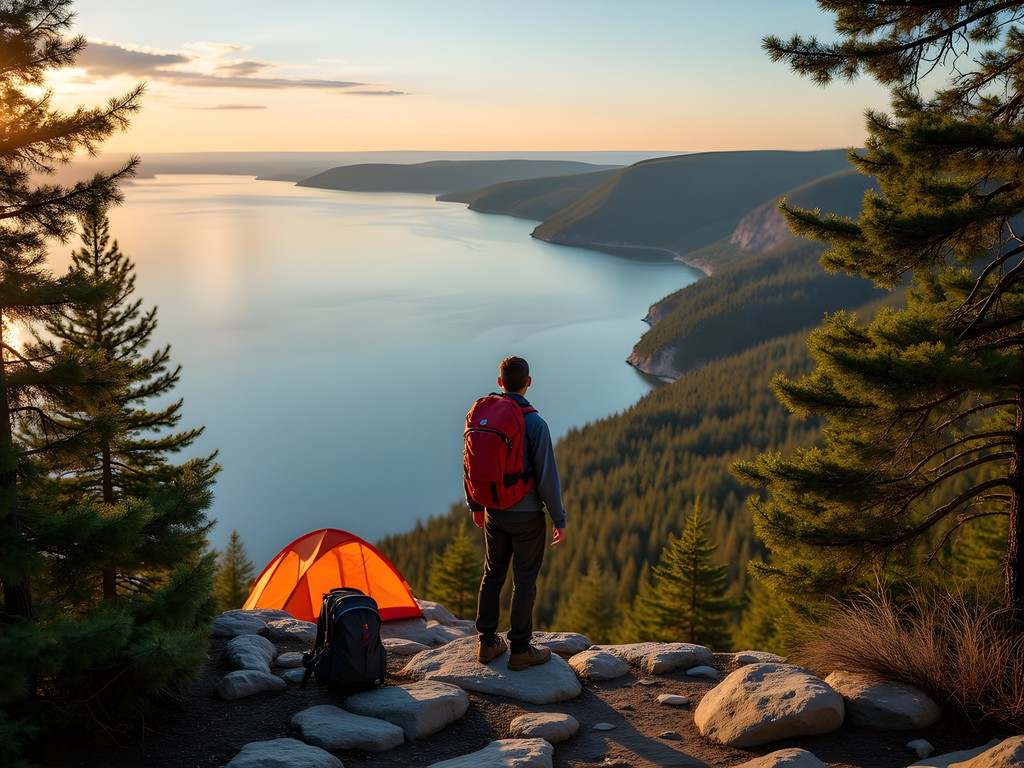
While day hikes on the Superior Hiking Trail are spectacular, the real magic happens when you shoulder a pack and disappear into the backcountry for a night or two. The SHT runs 310 miles along Lake Superior's North Shore, but you don't need to thru-hike it to experience its wild character. Several sections near Duluth offer perfect weekend loops with backcountry campsites perched on clifftops overlooking the lake.
My recommended route for couples is the Gooseberry to Split Rock section—about 15 miles that can be done as a relaxed overnight or pushed as a long day hike. The trail climbs through dense boreal forest, crosses beaver-dammed streams, and repeatedly breaks out onto exposed ridgelines where Superior spreads before you like a inland sea. The backcountry campsites are thoughtfully placed—wooden tent platforms, bear boxes for food storage, and pit toilets that are surprisingly well-maintained.
What makes this different from typical backpacking is the constant presence of the lake. You're never more than a few miles from Superior, and its mood dictates the atmosphere of your trip. Calm days bring profound silence broken only by loons calling across the water. Storm days transform the lake into a roiling mass of grey waves that crash against cliffs with surprising violence. Pack your headlamp with extra batteries—summer nights are short this far north, but when darkness comes, you'll want reliable light for navigating camp and spotting the incredible star displays that appear on clear nights.
💡 Pro Tips
- Reserve campsites through the Superior Hiking Trail Association website—they fill up fast in July and August
- Pack a water filter rather than carrying all your water; numerous streams cross the trail
- Bring bug spray and a head net in June and early July when blackflies and mosquitoes are relentless
Final Thoughts
Duluth surprised me. I came expecting Midwest nice and pleasant lakeside strolls. What I found was a genuine adventure destination that happens to be accessible, affordable, and packed into a surprisingly compact area. You can kayak sea caves in the morning, mountain bike technical singletrack at lunch, and watch sunset from a clifftop campsite—all without driving more than 30 miles.
What makes these adventures special for couples is the shared challenge. Whether you're coordinating paddle strokes in a tandem kayak, belaying each other on exposed rock, or simply deciding whether to take that cliff jump together, Duluth creates moments that test and strengthen relationships. The cold water, the dramatic landscapes, the genuine wilderness hiding in plain sight—it all combines to strip away the everyday and remind you why you chose to explore this world together.
So pack your sense of adventure, respect Superior's power, and give Duluth a chance to surprise you. Just remember: the lake is always in charge here. Listen to it, respect it, and it'll reward you with experiences you'll be talking about for years.
✨ Key Takeaways
- Lake Superior's size and cold water create unique conditions that demand respect and proper preparation—always check marine forecasts and pack for rapid weather changes
- Duluth's adventure offerings punch well above the city's size, with world-class rock climbing, mountain biking, and paddling all within 30 minutes of downtown
- The best experiences come from embracing Superior's wild character rather than fighting it—cold water, dramatic weather, and exposed terrain are features, not bugs
📋 Practical Information
Best Time to Visit
Late June through August for warmest water temperatures and most stable weather, though shoulder seasons (May and September) offer fewer crowds and dramatic conditions
Budget Estimate
$400-800 for a weekend including mid-range lodging, gear rentals, guide services for one activity, meals, and gas
Recommended Duration
3-4 days to properly experience multiple activities without rushing, or extend to a week for backcountry camping and longer paddles
Difficulty Level
Intermediate—most Activities Require Basic Outdoor Skills And Reasonable Fitness, With Options To Scale Up Or Down Based On Experience
Comments
backpackhero
Going in July! Can't wait
Timothy Jenkins
Excellent overview of Duluth's outdoor scene, Alexander. I visited in September 2024 and found the autumn colours absolutely spectacular - the combination of Lake Superior's deep blue against the red and gold foliage is something special. One tip I'd add: the weather can change dramatically and quickly off the lake. I got caught in fog that rolled in within 20 minutes while hiking at Tettegouche. Always pack layers and check marine forecasts, not just regular weather. The local outdoor shops along Superior Street are fantastic resources for current conditions and beta on the various activities.
wanderlustdiver
Is Palisade Head suitable for beginner climbers or do you need experience? I've only done indoor climbing a few times but this looks incredible.
Timothy Jenkins
Palisade has routes for various skill levels, but I'd strongly recommend going with a guide if you're a beginner. The rock can be quite exposed and intimidating. There are several guiding companies in Duluth that offer intro courses.
freeone
Adding this to my bucket list!
greenphotographer
Your photos are amazing! especially the palisade head one
Hunter Thompson
Brilliant post, Alexander! I did the Duluth Traverse last summer and it absolutely blew my mind. Coming from the UK, I wasn't expecting this level of technical mountain biking in the Midwest. The rock gardens and elevation changes are proper challenging. Started at Hartley Nature Center and rode about 15 miles - my legs were screaming by the end! The views over the lake from Mission Creek section are stunning. If anyone's planning to go, definitely bring spare tubes and a good repair kit. Those rocky sections will test your tires!
backpackhero
sounds intense! how long did 15 miles take you?
Hunter Thompson
About 3 hours with stops for photos and catching my breath haha. Worth every minute though!
wavegal
How cold is the water for kayaking? Do you need a wetsuit or is summer ok?
Timothy Jenkins
Lake Superior stays quite cold even in summer - typically 10-15°C (50-60°F). I'd definitely recommend a wetsuit or drysuit for safety, especially if you're paddling in spring or fall.
wavegal
thanks! good to know
greendiver
wow didn't know duluth had all this!
Venture X
Premium card with 2X miles, $300 travel credit, Priority Pass