Disclosure: This article contains affiliate links. We may earn a commission from purchases at no extra cost to you, which helps our travel content.
The first time I stepped onto Copenhagen's cobblestone streets, my camera already hanging from my neck, I felt that familiar creative electricity. As someone who's photographed everything from Tokyo's neon mazes to Kerala's misty backwaters, I found something uniquely captivating about the Danish capital's blend of historical grandeur and minimalist modernism. Que cidade linda, as we'd say in Brazil—what a beautiful city. Over a recent summer weekend, I discovered Copenhagen isn't just photogenic; it's a masterclass in light, composition, and architectural storytelling.

Morning Light: Nyhavn and Beyond
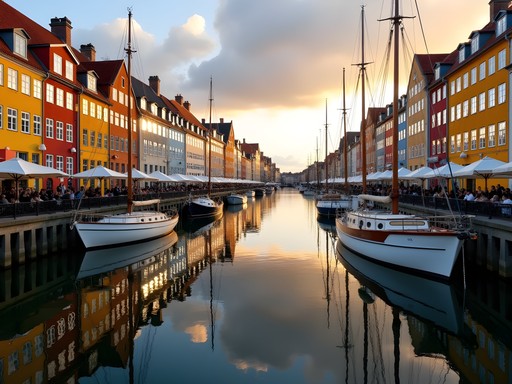
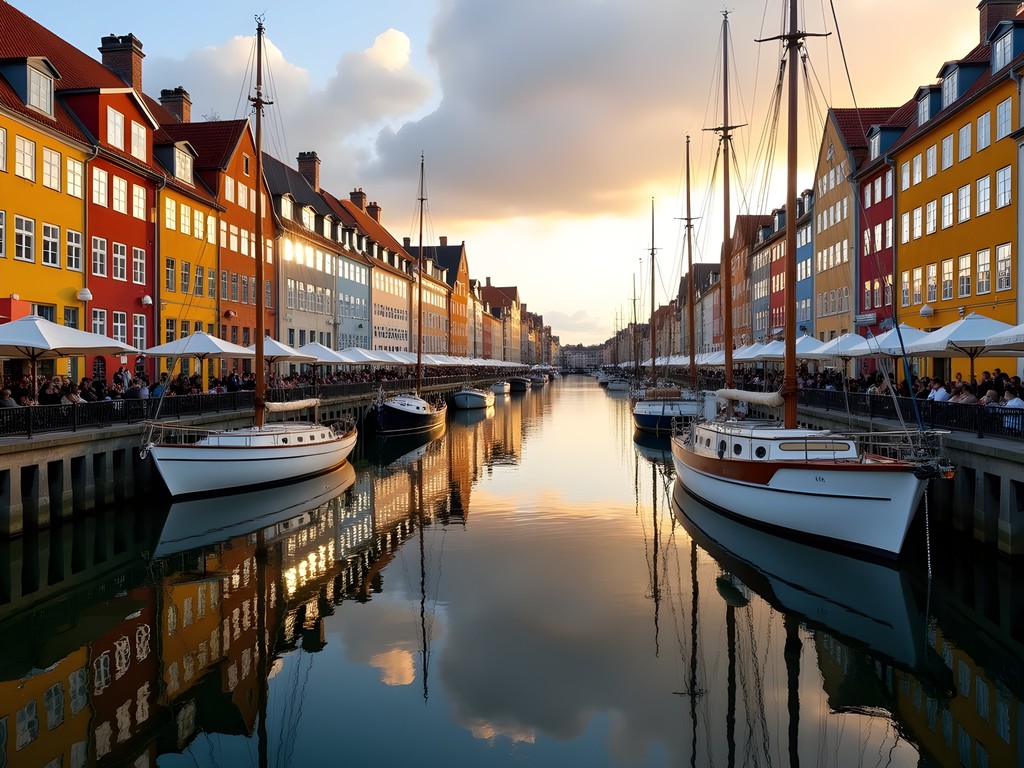
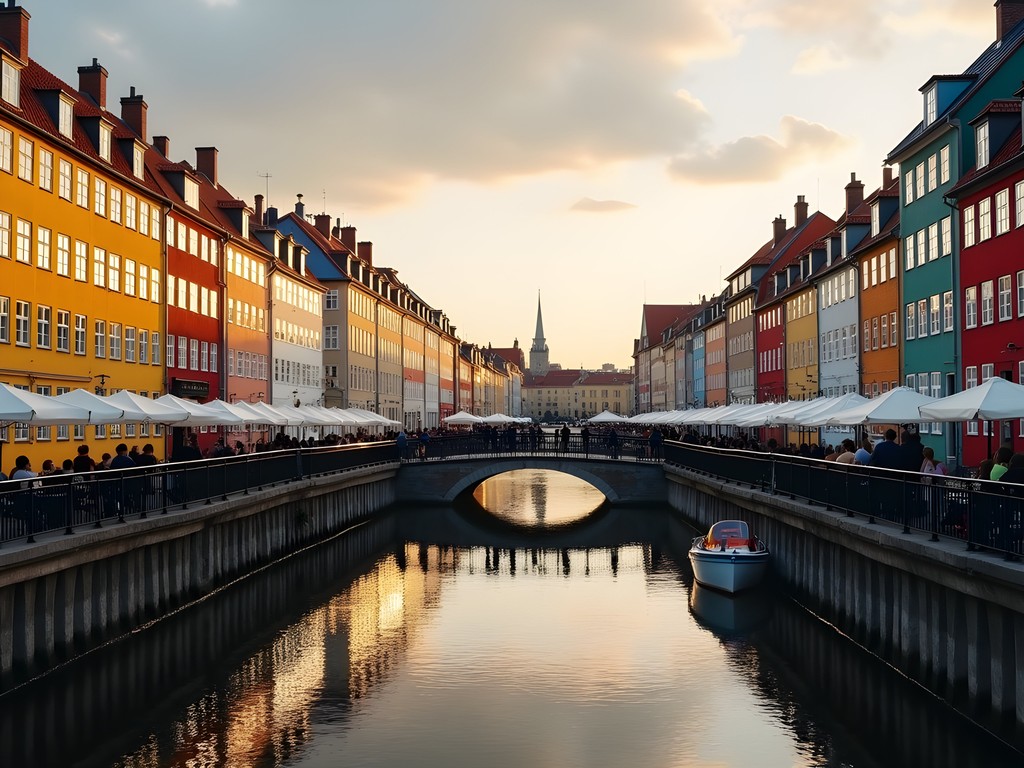
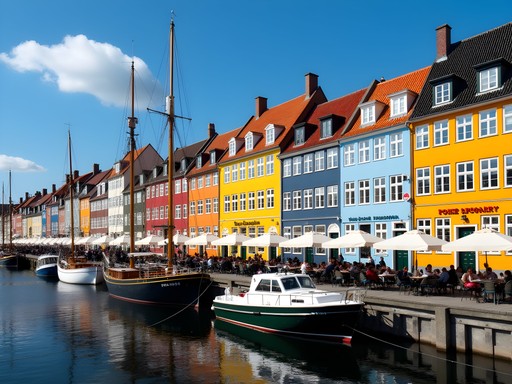
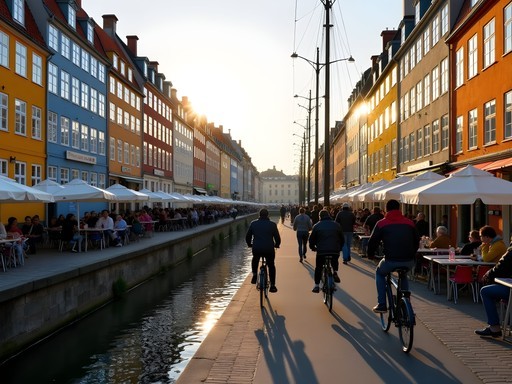
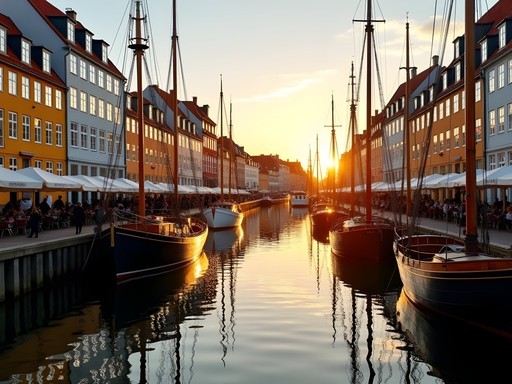
The golden rule of travel photography applies doubly in Copenhagen: rise before the tourists. I set my alarm for 5:00 AM on my first morning—cedo demais for most visitors—and was rewarded with Nyhavn's iconic rainbow-hued buildings reflecting perfectly in still waters, without a single tour group in sight.
While Nyhavn is undeniably the postcard shot, walking just ten minutes east leads you to Kastellet, a star-shaped fortress where morning joggers create perfect scale references against the geometric precision of 17th-century military architecture. The nearby Little Mermaid statue is admittedly underwhelming through a viewfinder, but the coastal walk to reach her offers superior compositional opportunities with boats and the distant Opera House.
Technical note: Copenhagen's northern latitude means summer mornings bring exceptionally long 'golden hours.' I found my variable ND filter essential for taming the bright Nordic light while maintaining those creamy water effects in harbor shots. For handheld shooting in dimmer conditions, my image stabilization gimbal proved invaluable, especially for video clips of passing boats.
💡 Pro Tips
- Arrive at Nyhavn before 7:00 AM for tourist-free reflections
- Shoot the colorful facades from the opposite side of the canal for perfect reflections
- Use a polarizing filter to manage reflections in the water
Architectural Masterpieces: From Royal to Radical
Copenhagen's architectural range provides endless compositional opportunities. I spent an afternoon at Amalienborg Palace capturing the geometric perfection of the octagonal courtyard, waiting patiently for the royal guards to march into frame for that perfect sense of scale.
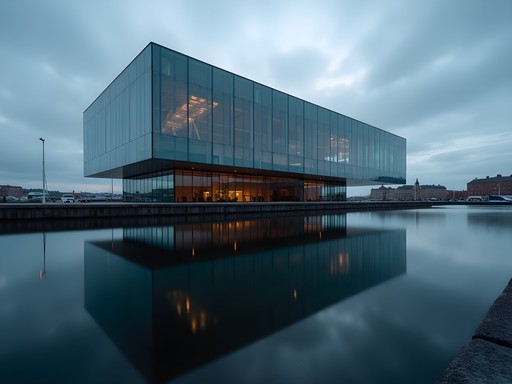
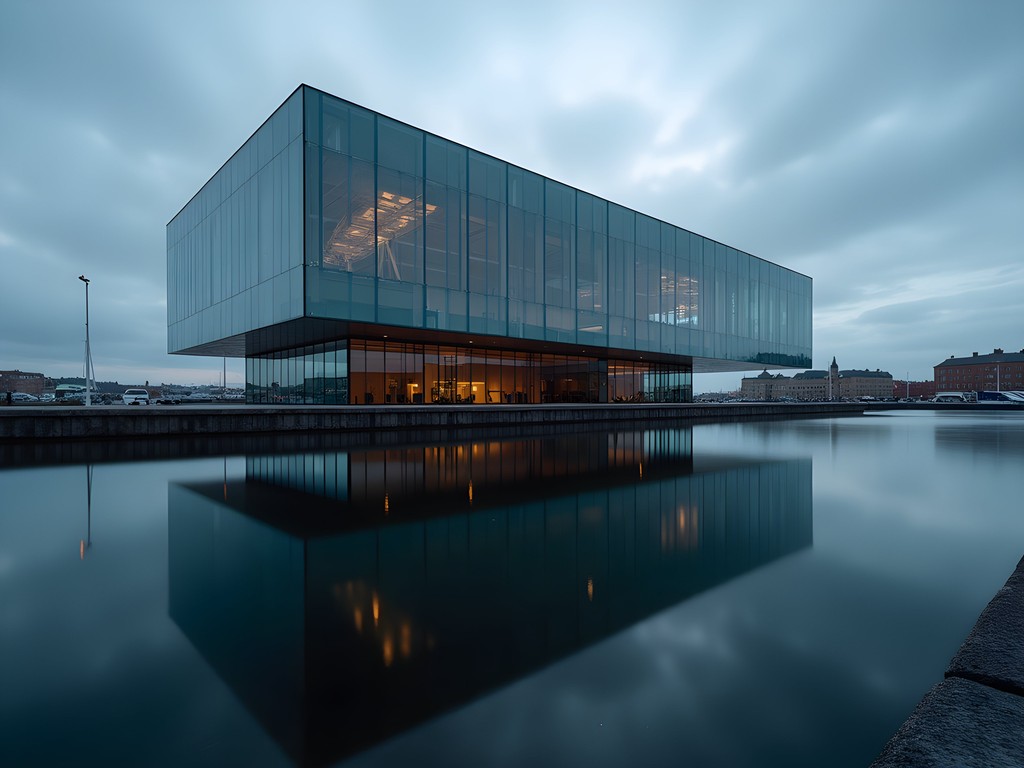
For contrast, I dedicated several hours to photographing the contemporary architectural marvels. The Black Diamond (Royal Library) offers spectacular opportunities to play with reflections and angles. Its glass facade mirrors the harbor waters, creating abstract compositions that change with every passing cloud. The nearby BLOX building and the Copenhagen Opera House provide similarly modern geometric forms that photograph beautifully against the traditional cityscape.
A photographer's secret: the Copenhagen Contemporary Art Center on Refshaleøen island houses installations that often create fascinating interplays of light and shadow. Even if contemporary art isn't your focus, the industrial-chic setting offers textural backgrounds that make for compelling architectural studies.
When shooting interiors, I found my ultra-wide lens indispensable for capturing Copenhagen's grand spaces. And to keep all my gear organized between locations, my camera insert turned any backpack into a proper camera bag—perfect for the photographer who doesn't want to scream 'tourist' with traditional camera equipment.
💡 Pro Tips
- Visit Amalienborg Palace during guard change (12:00 PM) for dynamic shots
- Shoot the Black Diamond from across the harbor for perfect reflections
- Look for symmetry and leading lines in modern Danish architecture
Urban Oases: Gardens, Canals, and Hidden Corners
Copenhagen's green spaces offer a refreshing counterpoint to its architectural elements. The King's Garden (Kongens Have) surrounding Rosenborg Castle transforms throughout the day—I found mid-afternoon light filtering through ancient trees created the most compelling compositions, especially with the Renaissance castle as backdrop.
Christiania, Copenhagen's famous freetown, presents a fascinating photographic challenge. Respectful photography of the street art and unique structures (avoiding people) tells a visual story of alternative urban development. The area's colorful murals make for striking subjects, particularly when framed by the area's wild, untamed greenery.
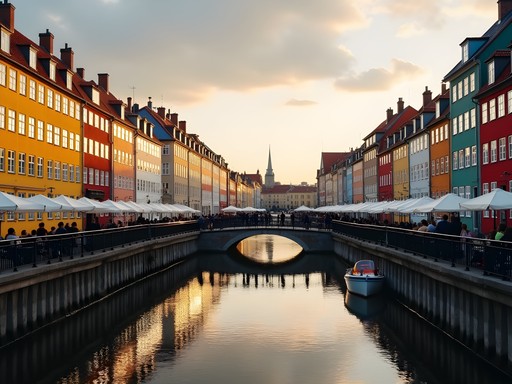
Dica de fotógrafo—photographer's tip: Copenhagen's canals beyond Nyhavn offer equally beautiful but less crowded shooting locations. The canals of Christianshavn feel like Amsterdam without the crowds, especially when captured from one of the many small bridges at sunset.
For these varied shooting conditions, I relied on my camera rain cover during unexpected Danish showers—summer in Copenhagen can bring sudden weather changes. And for those long walks between locations, my insulated water bottle kept me hydrated without adding unnecessary weight to my camera bag.
💡 Pro Tips
- Visit Christianshavn canals at sunset for warm light on the colorful buildings
- Use people for scale in the expansive King's Garden
- Shoot upward in the Round Tower for unique spiral compositions

Copenhagen After Dark: Night Photography Challenges
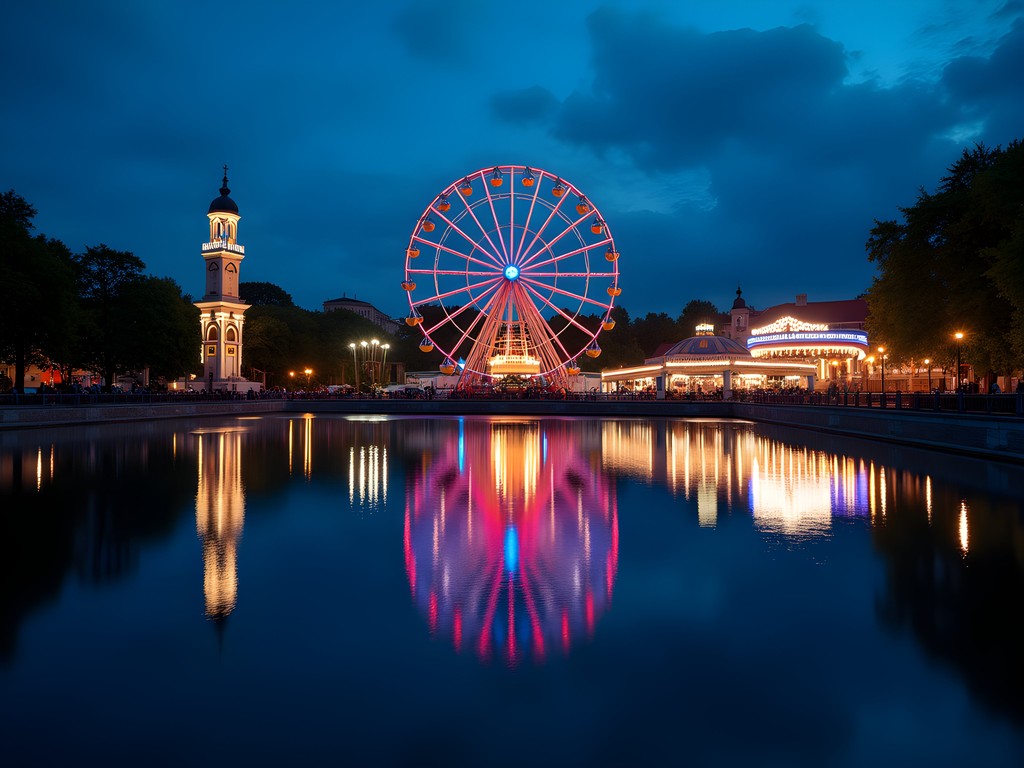
As someone who's photographed Tokyo's neon landscapes, I found Copenhagen's evening light presents a different but equally rewarding challenge. During summer, the famous 'blue hour' extends dramatically, creating an extended period of perfect twilight for city photography.
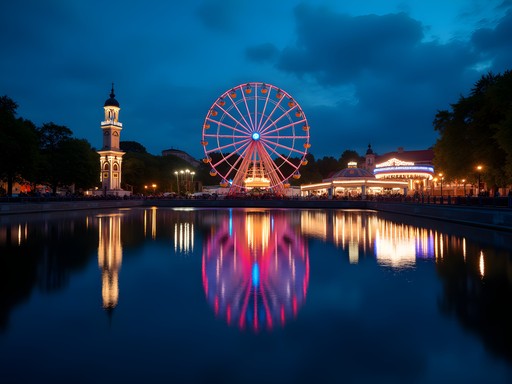
Tivoli Gardens transforms after sunset into a photographer's playground of vintage illuminations and reflections. Though entrance fees apply, the photographic opportunities justify the cost—just be prepared to work without a tripod, as they're generally not permitted inside. My workaround was using the flexible mini tripod which can wrap around railings and benches without being considered a 'professional tripod' by security.
The harbor areas offer spectacular night reflections, particularly around the Royal Playhouse and Opera House. For these shots, I found a proper remote shutter release essential for capturing sharp long exposures without camera shake.
Yahan ki roshni alag hai—as my father would say in Hindi—the light here is different. Copenhagen's northern latitude creates a quality of evening light I've rarely encountered elsewhere, with extended blue hours that feel like they're designed specifically for photographers.
💡 Pro Tips
- Bring a small flexible tripod for night shots where full-sized tripods aren't allowed
- Shoot Tivoli Gardens from outside the fence for tripod-friendly night shots
- Use the extended 'blue hour' in summer for dramatic architectural photography
Day Trips: Photographic Excursions Beyond the City
While Copenhagen itself offers endless photographic potential, some of my most compelling images came from short excursions outside the city center.
The Louisiana Museum of Modern Art, located 40 minutes north by train, is worth visiting for its architectural photography opportunities alone. The modernist buildings integrate seamlessly with nature, and the sculpture garden overlooking the Øresund creates compositions where art, nature, and the distant Swedish coastline converge in one frame.
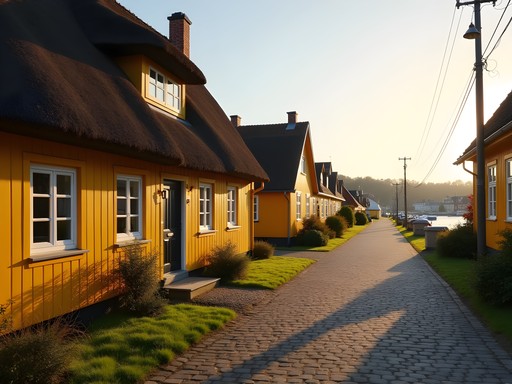
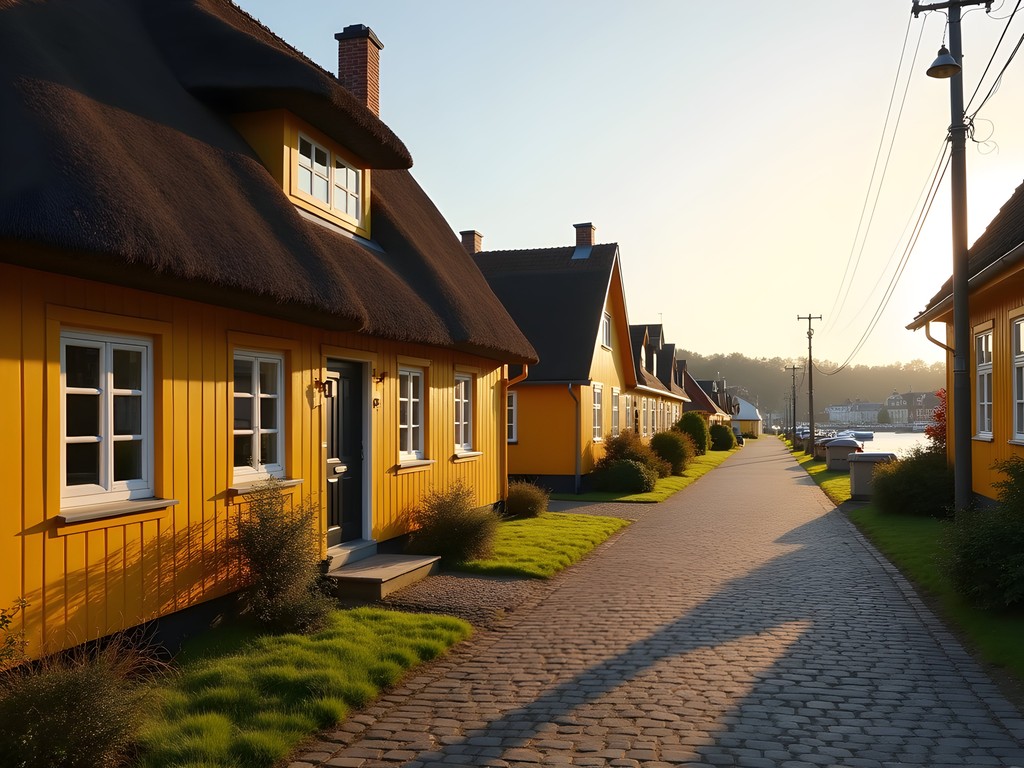
Closer to the city, the suburb of Dragør offers a completely different photographic experience. This preserved 18th-century fishing village features yellow-painted houses with thatched roofs, creating a visual experience that feels more rural Denmark than cosmopolitan Copenhagen. I spent a golden afternoon capturing the ochre buildings against cobblestone streets and the small fishing harbor.
For these day trips, I packed my gear in a packable daypack which folds down to pocket size when not needed but expands to carry my essential camera gear for side excursions. To keep my devices charged during these long shooting days, my solar power bank proved invaluable—particularly useful given Copenhagen's extended summer daylight hours.
💡 Pro Tips
- Visit Louisiana Museum on a clear day for views across to Sweden
- Photograph Dragør in late afternoon when the yellow houses glow in the warm light
- Use a telephoto lens at Kronborg Castle to compress the fortress against the sea
Final Thoughts
As I packed away my gear on my final Copenhagen evening, watching the sunset paint Nyhavn in impossible shades of gold and pink, I realized this city had offered something I rarely find—photographic diversity within walking distance. From Renaissance palaces to cutting-edge modern architecture, from bustling urban scenes to tranquil canal reflections, Copenhagen delivers a visual feast that challenges and rewards photographers of all styles.
What makes Copenhagen truly special for photographers isn't just its beauty, but its accessibility and changing light. In summer, the extended golden hours and the quality of Nordic light transform ordinary scenes into extraordinary images. É uma cidade que respira luz—it's a city that breathes light.
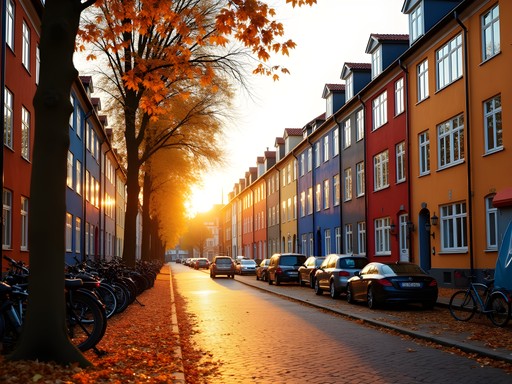
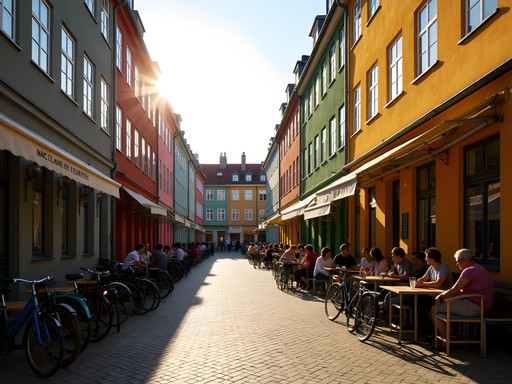
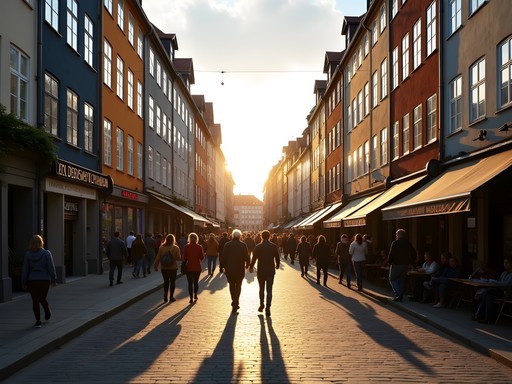
Whether you're capturing the geometric precision of Danish design or the warm chaos of bicycle-filled streets, Copenhagen rewards those who rise early, stay out late, and look beyond the obvious postcard shots. Bring comfortable shoes, extra memory cards, and an appreciation for how light transforms urban landscapes—Copenhagen will handle the rest. Até a próxima aventura fotográfica!
✨ Key Takeaways
- Copenhagen offers exceptional early morning photography opportunities with fewer tourists
- The extended summer 'golden hours' provide unique lighting conditions for photographers
- Look beyond Nyhavn for equally photogenic but less crowded canal scenes
- The city's architectural diversity allows for a wide range of photographic styles in a compact area
📋 Practical Information
Best Time to Visit
May through August for longest daylight hours
Budget Estimate
$150-200 per day including accommodations
Recommended Duration
3-4 days
Difficulty Level
Moderate
Comments
backpackqueen
These photos are STUNNING! Especially love the night shots of Nyhavn!
globeone
Love your Nyhavn shots! Did you find it difficult to get clean photos without tons of tourists? Any specific time you'd recommend for fewer crowds?
Marco Sharma
Thanks! The secret is to go at sunrise - I'm talking 5:30-6am in summer. I had the whole place practically to myself. If you're not a morning person, try around 9pm in summer when most tourists have moved to restaurants but there's still beautiful light.
Sage Dixon
Marco, your post brought back so many memories! I photographed Copenhagen last spring and found myself constantly drawn to the contrasts - old copper spires against modern glass, colorful Nyhavn against the moody Nordic sky. One hidden gem I discovered was Superkilen Park in Nørrebro - the Red Square section makes for incredibly dramatic photos, especially with a human subject for scale. The geometric patterns and bold colors are a photographer's dream, especially in the late afternoon when the shadows get long and dramatic.
Marco Sharma
Sage, you're absolutely right about Superkilen! I actually shot there but couldn't fit it into the final post. The Red Square is incredible for composition. Did you also check out the Black Market section? The white lines against the black surface create such striking minimalist shots.
Sage Dixon
Yes! The Black Market area was perfect for some moody B&W work. The curves and lines there tell such an interesting visual story.
dreamwalker
Just got back from Copenhagen last week and wish I'd seen this guide before! The light at Nyhavn is truly magical in the morning, but I made the rookie mistake of going at midday when it was packed with tourists. One spot I'd add is the view from Christiansborg Palace Tower - it's free and gives you amazing 360° views of those copper spires you mentioned. I used my mirrorless camera with a wide angle lens and got some stunning cityscape shots.
sunsetblogger
Great post! I'm heading to Copenhagen in December - would you say the night photography is still worth it during winter when sunset is so early? Any specific settings you'd recommend for those dark afternoons?
Marco Sharma
Absolutely worth it! The early sunset actually works in your favor - the blue hour starts around 3:30-4pm in December. Bring a tripod and shoot at ISO 800, f/4, with longer exposures (2-5 seconds) to capture the beautiful holiday lights against the blue sky. The Tivoli Gardens are magical in winter!
sunsetblogger
Thanks Marco! That's super helpful. Can't wait to try these settings at Tivoli!
winterfan6491
Really cool photos!
Sage Dixon
Your night photography section really resonates. I spent an evening last October trying to capture the Tivoli Gardens lights and it was such a beautiful challenge. The key for me was embracing the motion blur of the carousel - turned what felt like technical failures into something almost dreamlike. Also, if anyone's shooting there in winter, the Christmas market transforms the entire city into this glowing wonderland. Just bring extra batteries because the cold drains them fast. My camera bag kept everything organized while biking between spots.
wandernomad
Love this! Added to my saved posts
Gregory Boyd
Solid guide, Marco. I'd add that the Superkilen park in Nørrebro offers incredible urban photography opportunities that most tourists miss - the color contrasts are phenomenal. Also found that cycling between locations (as locals do) gives you a much better sense of the city's rhythm and helps you spot those spontaneous street photography moments. The infrastructure makes it ridiculously easy even with camera gear. What focal length did you find yourself using most around Nyhavn? I struggled with the tight spaces there.
Marco Sharma
Great call on Superkilen! I used 24-70mm most at Nyhavn - the 24mm end was clutch for getting the full canal in frame. Anything wider felt too distorted.
skystar
The photos are stunning!! I'm planning my first Europe trip and Copenhagen is on my list. Do you think it's easy to get around for someone who doesn't speak Danish? Also is it super expensive like everyone says?
Sage Dixon
Not Marco but I was just there last fall - literally everyone speaks perfect English! And yes, it's pricey but you can save money with grocery store lunches and the Copenhagen Card for museums/transport.
Venture X
Premium card with 2X miles, $300 travel credit, Priority Pass