
Disclosure: This article contains affiliate links. We may earn a commission from purchases at no extra cost to you, which helps our travel content.
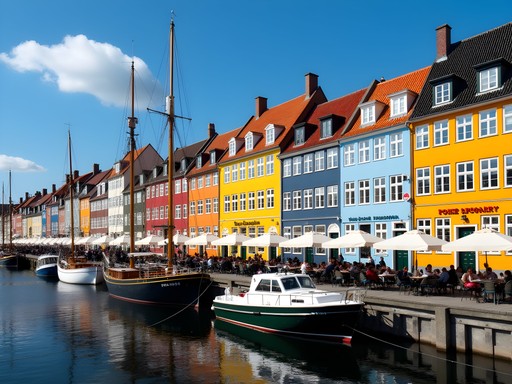
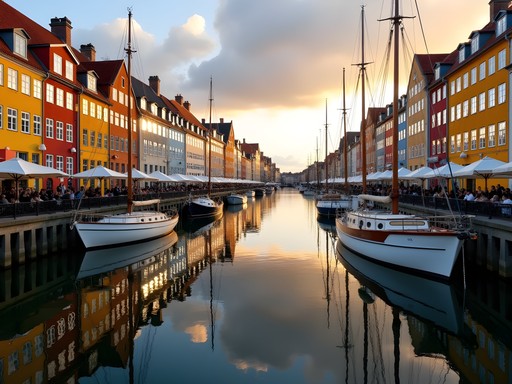
Standing on the banks of Copenhagen's harbor at dawn, I'm struck by how the city's relationship with water mirrors what my Mi'kmaq grandfather taught me years ago – urban waterways aren't just geographic features but living arteries that carry the cultural DNA of a place. After three visits to Denmark's capital for environmental diplomacy work, I've collected these hidden gems from local friends who've shown me a Copenhagen that exists beyond the Little Mermaid and Nyhavn's colorful façades. This guide reveals the city as Copenhageners experience it – a place where hydrological systems and human innovation have created one of the world's most livable urban environments.

Hidden Waterways: Copenhagen's Liquid Secrets
My hydrological background draws me to urban water systems like a homing beacon, and Copenhagen offers far more than the postcard harbor views. The Frederiksberg Gardens' meandering streams form part of a sophisticated historical water management system that Danish friends introduced me to during my second visit. But it was Mette, a local environmental engineer, who showed me the true hidden gem: Utterslev Mose, a sprawling wetland system in the northwestern part of the city.
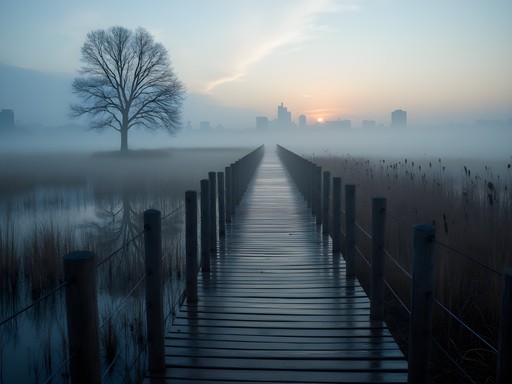
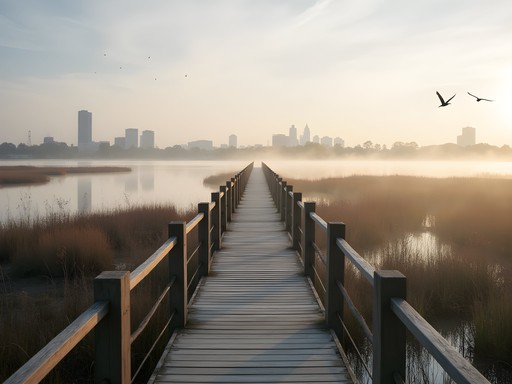
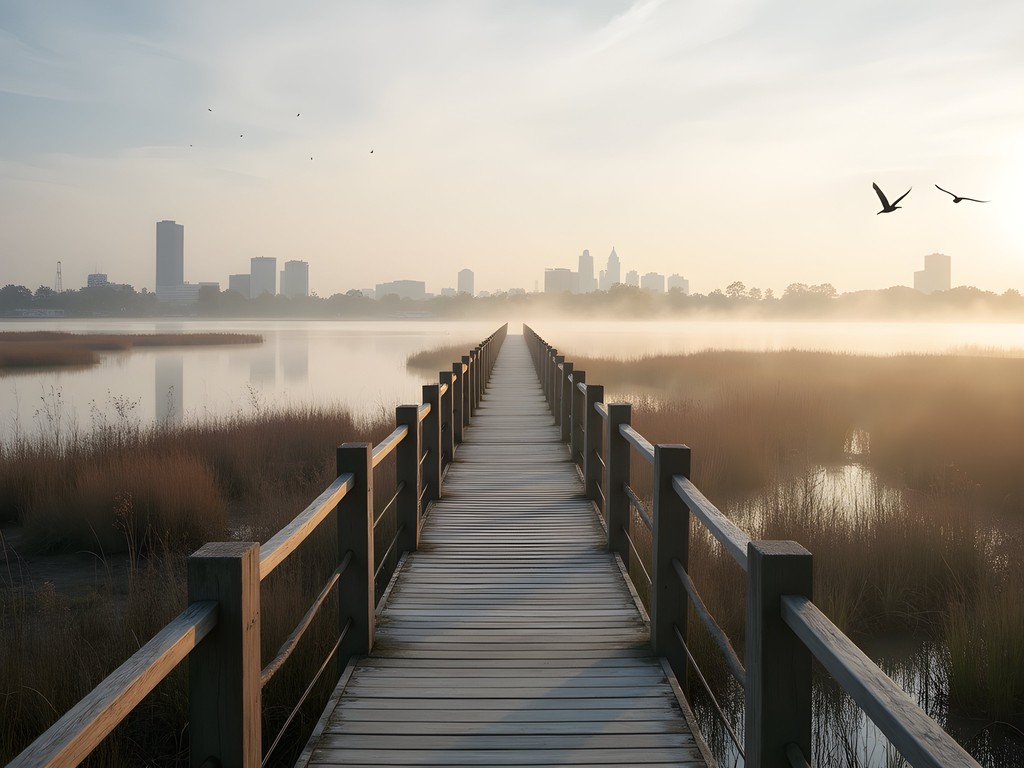
This three-lake ecosystem serves as both natural flood control and biodiversity hotspot, with boardwalks that let you traverse marshy sections while observing over 40 bird species. I spent a misty morning tracking water samples here with my portable microscope, comparing microorganism populations across different sections of the wetland.
For those interested in urban waterway restoration, the Ladegårdsåen project offers glimpses of Copenhagen's future – locals are campaigning to daylight this buried stream, transforming it from underground concrete channel back to living waterway. Join one of the monthly volunteer clean-up events to meet environmentally-conscious Copenhageners while contributing to urban ecology restoration.

💡 Pro Tips
- Visit Utterslev Mose at dawn for the best bird watching and fewest people
- Pack binoculars – the wetland's expansive views reward those who can zoom in
- Check the Miljøpunkt Nørrebro website for Ladegårdsåen volunteer opportunities
Neighborhood Havens: Local Life Beyond Tourist Districts
Copenhagen's true character resides in its neighborhoods, each with distinct hydrological and cultural influences. While tourists crowd Nyhavn, my Danish colleague Jonas introduced me to Refshaleøen, a former industrial island transformed into a creative district. The area's relationship with water is fascinating – once a shipyard, now its industrial buildings house everything from art installations to experimental aquaponics systems.
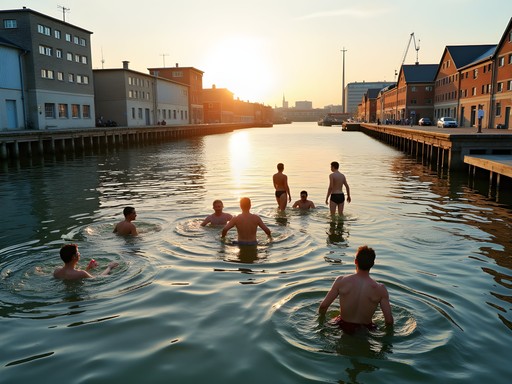
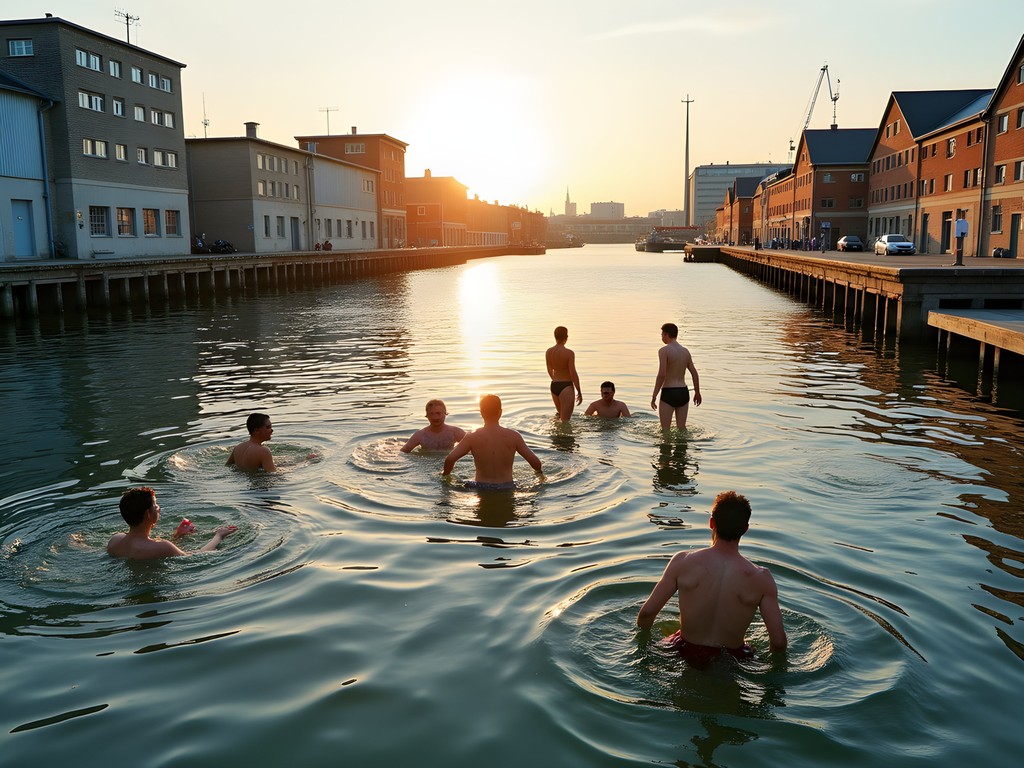
At La Banchina, a tiny sauna and swimming spot, I joined locals for the quintessential Copenhagen experience: a plunge in the harbor followed by excellent coffee. The water quality monitoring system here is remarkable – real-time data ensures safe swimming conditions, a testament to the city's environmental engineering prowess.
Nørrebro offers another local experience at Assistens Kirkegård, a cemetery functioning as neighborhood park where Danes picnic among historical graves. The thoughtful water management system here – using permeable surfaces and strategic plantings – creates a microclimate oasis amid urban density.
For couples seeking authentic connection with local life, I recommend booking a neighborhood walking tour with a resident guide who can explain the subtle cultural codes and environmental adaptations that make each district unique.
💡 Pro Tips
- Visit Refshaleøen on Sundays when the Reffen street food market attracts locals
- Bring your own towel for harbor swimming – rentals are expensive
- Respect cemetery etiquette at Assistens by staying on paths and keeping voices low
Culinary Copenhagen: Eating Where Locals Actually Go
The Nordic food revolution extends far beyond Noma's experimental cuisine into everyday Copenhagen life. My diplomatic work schedule often leaves me seeking authentic, mid-range dining options where actual Danes eat regularly.
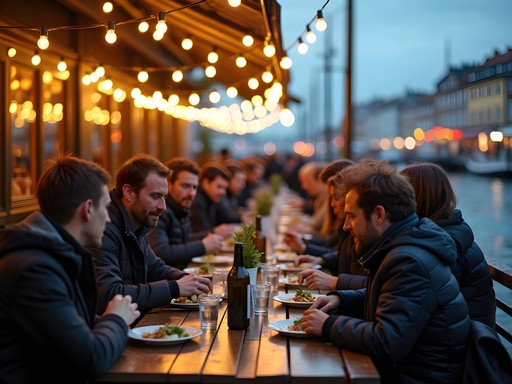
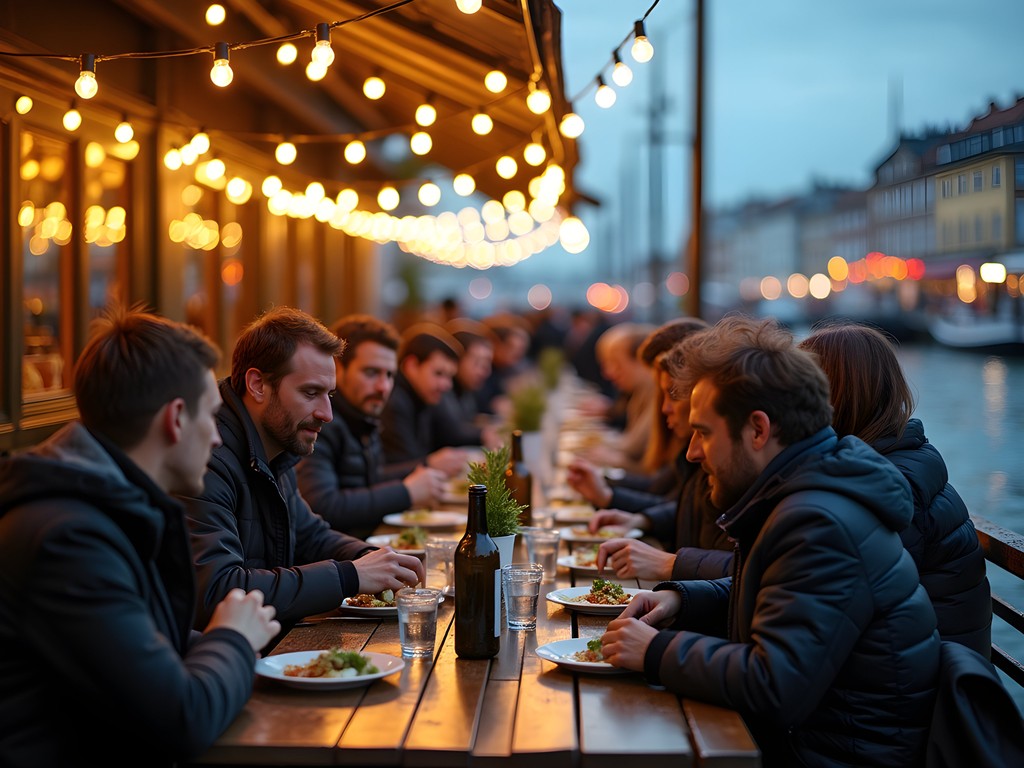
Bridging food and hydrology, Broens Gadekøkken (Bridge Street Kitchen) sits at the intersection of different water bodies and neighborhoods. This open-air street food market attracts locals year-round – I've witnessed Copenhageners bundled in winter gear enjoying steaming bowls of traditional fisherman's stew while discussing climate policy. The market's innovative rainwater collection system feeds the surrounding plants, exemplifying Danish practical environmentalism.
For coffee culture, bypass tourist cafés and head to Prolog Coffee in Kødbyen (the Meatpacking District). Danish coffee preparation approaches scientific precision – baristas here discussed water mineral content's effect on extraction with me for nearly an hour when they learned of my hydrological background. I now travel with a water testing kit partly inspired by their attention to water quality.
My Danish friend Sofie introduced me to Bæst in Nørrebro, where locally-sourced ingredients create Italian-inspired dishes. Their housemade charcuterie uses traditional preservation techniques that Danish farmers have adapted to the changing Nordic climate – a fascinating example of culinary adaptation to environmental shifts.
💡 Pro Tips
- Visit Broens Gadekøkken on weekday evenings when locals come after work
- Make dinner reservations 2-3 weeks ahead for popular local spots like Bæst
- Ask for tap water confidently – Copenhagen's water quality exceeds most bottled water

Urban Nature: Copenhagen's Scientific Side
Copenhagen's reputation for sustainability extends beyond architectural showcases into fascinating scientific initiatives that most tourists never encounter. During my environmental diplomacy work, I connected with researchers at the University of Copenhagen who introduced me to urban ecology projects that offer unique experiences for science-minded visitors.
The Amager Nature Center presents a remarkable case study in coastal ecosystem restoration. What began as a military zone has transformed into a wetland bird sanctuary through careful hydrological engineering. My compact binoculars revealed peregrine falcons hunting above salt marshes – remarkable biodiversity just minutes from downtown.
Nearby, Amager Bakke (CopenHill) represents an engineering marvel beyond its ski slope – the waste-to-energy plant's water treatment systems demonstrate circular economy principles in action. While tourists take Instagram photos on the ski slope, locals introduced me to monthly guided tours of the filtration systems, offering fascinating insights into next-generation water purification technology.
For couples with scientific interests, Copenhagen's University Botanical Garden houses one of Europe's most extensive collections of aquatic plants, organized by hydrological habitat. The garden's Victorian-era glass houses maintain different water chemistry conditions to support diverse species – a living museum of aquatic botany that I found utterly captivating.
💡 Pro Tips
- Book the Amager Bakke technical tour online at least one week in advance
- Visit the Botanical Garden's aquatic collections on weekday mornings to avoid crowds
- Download the University of Copenhagen's biodiversity monitoring app to contribute citizen science data during your visit
Cultural Immersion: Community Spaces & Danish Social Life
Copenhagen's social fabric is woven through community spaces that remain largely undiscovered by tourists. My diplomatic position has granted me access to these local institutions where Danes cultivate the famous hygge (coziness) through shared experiences and democratic participation.
Folkehuset in Nørrebro exemplifies the Danish community house concept – part café, part event space, part social experiment. During winter months, I've joined locals for community dinners where conversations about water conservation and climate adaptation flow as freely as the natural wine. The building itself demonstrates Danish rainwater harvesting techniques, with rooftop collection systems feeding indoor plant installations.
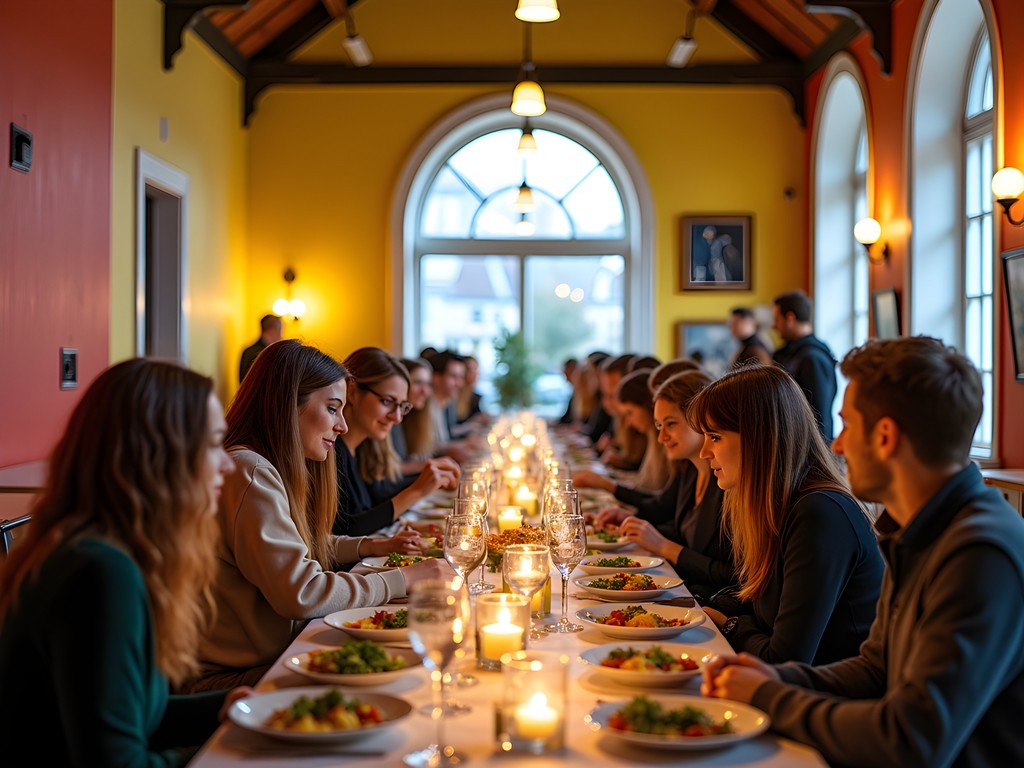
For couples seeking authentic cultural immersion, consider joining a session at Absalon – a repurposed church in Vesterbro where communal dining happens nightly. The architectural acoustics create a fascinating water-like resonance that my Mi'kmaq grandfather would have appreciated – sound waves flowing through the space like river currents, connecting strangers through shared experience.
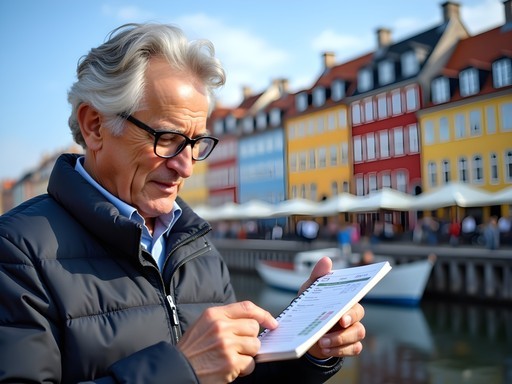
To truly understand Danish design philosophy beyond tourist shops, visit the Danish Design Center during one of their workshop days. I participated in a circular economy design sprint where locals prototyped water-saving devices using their reusable notebook – the perfect tool for sustainable brainstorming sessions. The center's approach to democratic design reflects core Danish values that tourists rarely glimpse.
💡 Pro Tips
- Check Folkehuset's bulletin board for English-friendly community events
- Book Absalon community dinners online 2-3 days ahead – they sell out quickly
- Visit community spaces on weekday evenings when locals gather after work
Final Thoughts
As I cycle along Copenhagen's harbor on my final evening, watching the water quality monitoring buoys bob gently in the current, I'm reminded that truly knowing a city means understanding its relationship with natural systems – particularly its water. These 15 experiences reveal a Copenhagen where innovative environmental engineering creates spaces for authentic community life, where waterways connect rather than divide, and where locals balance urban convenience with ecological mindfulness. My grandfather taught me that rivers tell the oldest stories of any landscape; in Copenhagen, those hydrological narratives have been thoughtfully integrated into modern urban life rather than buried beneath it. For couples seeking connection – both with each other and with a destination's true character – these local experiences offer something far more valuable than tourist attractions: a glimpse into a society that has reimagined what cities can be when they work with natural systems rather than against them. I invite you to explore Copenhagen not just as visitors, but as temporary locals, curious about the flows – of water, of ideas, of community – that make this city truly exceptional.
✨ Key Takeaways
- Copenhagen's most authentic experiences connect visitors with the city's innovative water management and environmental design
- Local community spaces offer deeper cultural understanding than traditional tourist attractions
- Timing visits to neighborhoods based on local rhythms (weekday evenings, Sunday markets) creates more meaningful experiences
- Danish environmental engineering creates unique urban nature experiences accessible by public transport
📋 Practical Information
Best Time to Visit
May through September for optimal outdoor activities and harbor swimming
Budget Estimate
400-600 DKK ($60-90 USD) per day excluding accommodation
Recommended Duration
5-7 days to experience both central Copenhagen and local neighborhoods
Difficulty Level
Moderate (Requires Willingness To Use Public Transport And Venture Beyond Central Districts)
Comments
Kimberly Murphy
Connor, your Mi'kmaq grandfather's water wisdom connection to Copenhagen gave me goosebumps! I've been to Copenhagen three times and your post still showed me places I've never discovered. That hidden kayak rental spot behind the science building was GOLD - we paddled through those little canals last month and saw zero other tourists. And that bakery in Christianshavn where they do the traditional rugbrød workshops? The owner actually invited us to her family dinner when she heard we were genuinely interested in Danish baking traditions! Sometimes the best travel moments happen when you step completely off the tourist path. Your approach to travel writing is so refreshing!
dreamfan
Which neighborhood would you recommend staying in for someone who wants to avoid tourist areas? Visiting in November!
Kimberly Murphy
Not Connor, but I stayed in Vesterbro last winter and it was fantastic! Much more local vibe than the city center. Lots of great coffee shops and that food market Connor mentioned (Kødbyen) is there. Just be aware it gets dark really early in November, so I found my compact flashlight super useful for evening walks along the less-lit side streets!
Connor Rose
I'd second Vesterbro for sure! Also consider Nørrebro if you want something a bit more diverse and eclectic. Both are walkable to center but feel worlds away from the tourist crowds.
dreamfan
Thanks both! Nørrebro sounds perfect for what I'm looking for.
wildseeker
Great post! I'm curious about those water quality monitoring buoys you mentioned. Is that part of some public science project? I'll be there next month and would love to check that out since I work in environmental science.
Connor Rose
Hey wildseeker! Yes, it's part of Copenhagen's BlueGreen City initiative. They have these monitoring stations throughout the harbor network. If you go to Islands Brygge, there's actually a small exhibition about the water quality project. They give tours on Thursdays at 4pm - mostly locals but totally open to visitors!
wildseeker
Perfect, thanks! Adding that to my itinerary right now.
globeblogger
This post is exactly what I needed! Just got back from Copenhagen last month and wish I'd seen this before. We stumbled upon that little coffee shop you mentioned in Nørrebro completely by accident and the owner was so friendly. He drew us a map of local spots on a napkin which led us to this amazing community garden I don't see mentioned here. It's called Byhaven 2200 if anyone's interested - locals growing vegetables and hanging out. Zero tourists!
Connor Rose
Thanks for sharing that gem, globeblogger! Byhaven 2200 was actually on my list but got cut for length. That coffee shop owner is the best - Peter, right? His napkin maps are legendary among regulars.
globeblogger
Yes, Peter! Can't believe you know him too. His cappuccino art is next level.
Bryce Diaz
Connor, this really resonates with me. I spent three weeks in Copenhagen last summer and stumbled onto some of those same hidden waterways you mention. There's something about how the Danes have integrated nature into their urban planning that feels almost spiritual. I did a lot of solo cycling through Amager Fælled - barely saw any tourists, just locals with their dogs and families having picnics. The whole bike culture there changed how I think about cities. I came home and immediately started advocating for better bike lanes in my own town. One tip I'd add: rent a bike for your entire stay, not just a day or two. The city reveals itself completely differently at cycling speed.
bluetime4732
Did you rent from a shop or use those city bikes?
Bryce Diaz
I rented from a local shop near Nørrebro. Way better quality than the city bikes and not much more expensive for a weekly rental. Plus they gave me great route suggestions.
bluetime4732
This is awesome! Going to Copenhagen in April, how cold is it really? Do I need heavy winter gear or just layers?
Bryce Diaz
April is actually pretty nice! Think 45-55°F. I'd go with layers - a good rain jacket is more important than heavy winter stuff. The wind off the water can be chilly though.
bluetime4732
Perfect, thanks! Rain jacket I can do
Nicole Russell
Connor, your post gave me chills! I spent a month in Copenhagen last summer and completely fell in love with how locals use their waterways. The morning kayak commuters were my favorite sight! I found this incredible floating sauna community near Islands Brygge where locals gather year-round - even in winter they sauna then jump in the harbor! It wasn't in any guidebooks, just stumbled upon it talking to my Airbnb host. Your connection between indigenous water wisdom and Copenhagen's modern approach is spot-on and something I hadn't considered before. Beautiful perspective that adds so much depth to understanding the city.
freequeen
Just wanted to add that the water monitoring buoys Connor mentions are part of a citizen science project! We got to participate when we visited in April. You can actually download an app that shows real-time water quality data from those buoys. Really cool way to understand the city's connection to water. The locals we met were super proud of their clean harbor.
Jennifer Rodriguez
Connor, I love how you connected your Mi'kmaq grandfather's teachings to Copenhagen's waterways - such a beautiful perspective! When I visited last summer, I stayed in Nørrebro instead of the city center, and it completely changed my experience. I'd add Jægersborggade street to your neighborhood list - full of tiny ceramics shops and the best coffee in the city at Coffee Collective. For anyone going in winter, pack layers! I was freezing until I bought a merino base layer that saved my trip. The scientific angle on Copenhagen's urban planning is something I've never seen covered before - those carbon-neutral initiatives are fascinating.
beachphotographer
Thanks for the Nørrebro tip! Just booked an Airbnb there instead of the downtown hotel I was considering.
starexplorer
Is the Assistens Cemetery really worth visiting? Seems a bit morbid for a vacation spot...
dreamking
It's actually beautiful! More like a peaceful park where locals picnic and relax. Hans Christian Andersen is buried there too. Not morbid at all!
starexplorer
Oh that sounds much nicer than I imagined! Thanks!
Venture X
Premium card with 2X miles, $300 travel credit, Priority Pass