

Disclosure: This article contains affiliate links. We may earn a commission from purchases at no extra cost to you, which helps our travel content.
There's something about remote destinations that awakens the investigative spirit in me. Bumthang Valley—Bhutan's spiritual heartland—is precisely such a place: visually arresting yet shrouded in mystery. After tracking rare bird migrations across Asia for three years, I finally committed to exploring this sacred valley with my camera in hand. What followed was two weeks of discovery that challenged my photographic skills and transformed my understanding of mindful travel. The evidence I gathered? Nothing short of visual poetry.

Securing Access to Bhutan's Hidden Valley
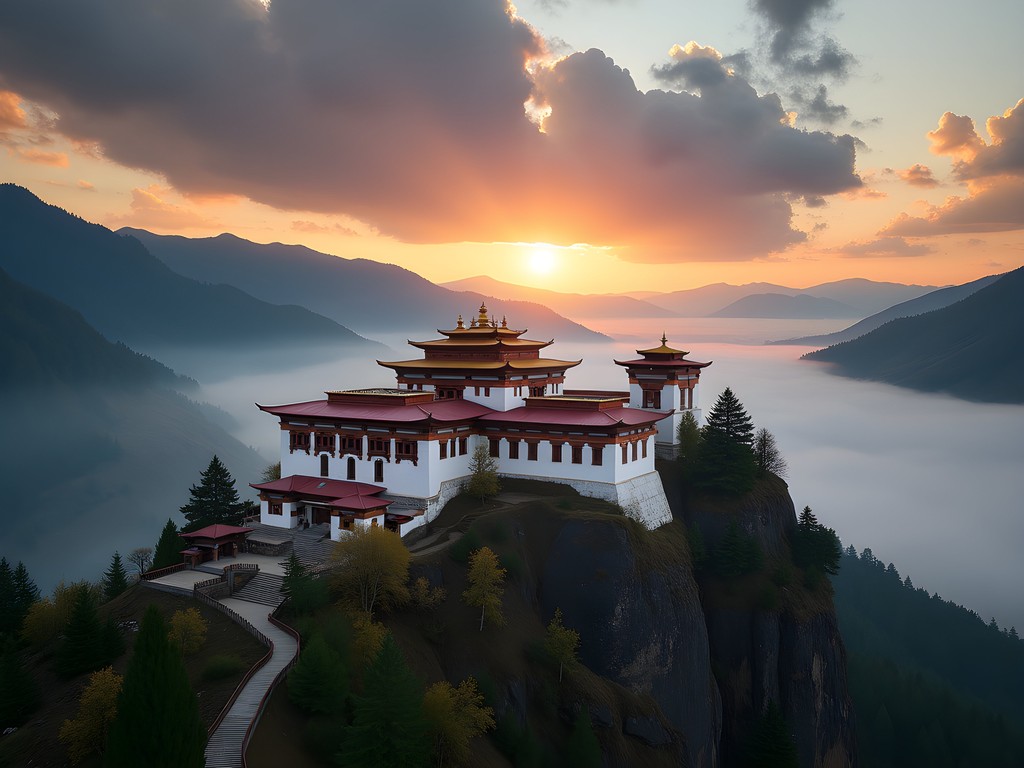
Bhutan isn't your typical spontaneous getaway—it demands strategic planning that would satisfy even my investigative standards. The kingdom's 'High Value, Low Impact' tourism policy requires working with authorized Bhutanese tour operators and paying the daily Sustainable Development Fee (currently $200 per day during peak season).
After extensive research, I partnered with Bhutan luxury tour for their unparalleled access to restricted monasteries during key festivals. Their connections proved invaluable when I needed special permission to photograph the Jambay Lhakhang Drup festival before dawn—a time normally off-limits to tourists.
Prepare for thorough documentation requirements. Your visa application needs precise itineraries, and camera equipment should be declared in advance. As someone who values preparation, I recommend creating a detailed shot list and location dossier before arrival. This preparation allowed me to maximize my time in each sacred site rather than scrambling to identify the best vantage points.
💡 Pro Tips
- Book at least 3-4 months in advance for fall festival season
- Request monastery access permissions when booking your tour package
- Carry printed copies of your photography permits at all times
Sacred Architecture: Light and Composition Strategies
Bumthang's monasteries present unique photographic challenges that require technical precision and cultural sensitivity. The valley houses four major temples—Jambay Lhakhang, Kurjey Lhakhang, Tamshing Lhakhang, and Konchogsum Lhakhang—each with distinct lighting conditions.
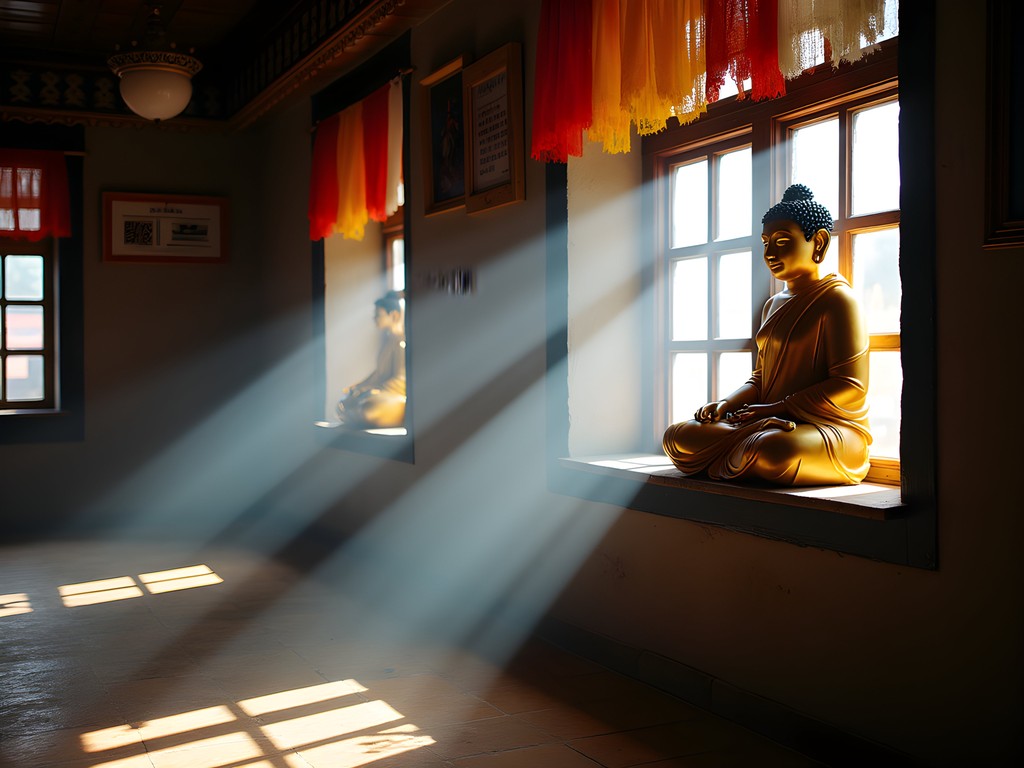
Interior photography demands equipment that performs in low light without disturbing sacred spaces. My variable ND filter proved essential for managing the dramatic light differences between dim interiors and bright courtyard ceremonies. For stabilization in no-tripod zones, the camera bean bag became my most valuable accessory, allowing me to capture sharp images at slow shutter speeds by resting my camera on walls and windowsills.
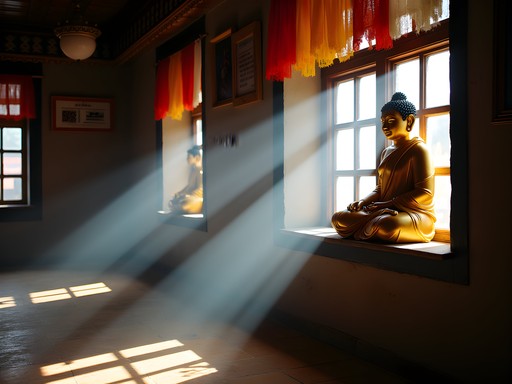
Composition within these ancient structures requires patience and respect. I found success by arriving during morning prayers (with advance permission) when monks perform rituals in soft golden light. Position yourself along the eastern walls for optimal illumination of the colorful murals and thangka paintings. Remember that some interior sections prohibit photography entirely—always verify permissions with your guide before shooting.
💡 Pro Tips
- Use apertures between f/5.6-f/8 to balance depth of field with low light needs
- Set white balance manually for accurate rendering of gold statues and colorful murals
- Incorporate human elements for scale when photographing massive prayer wheels and dzongs
Capturing Bumthang's Cultural Festivals
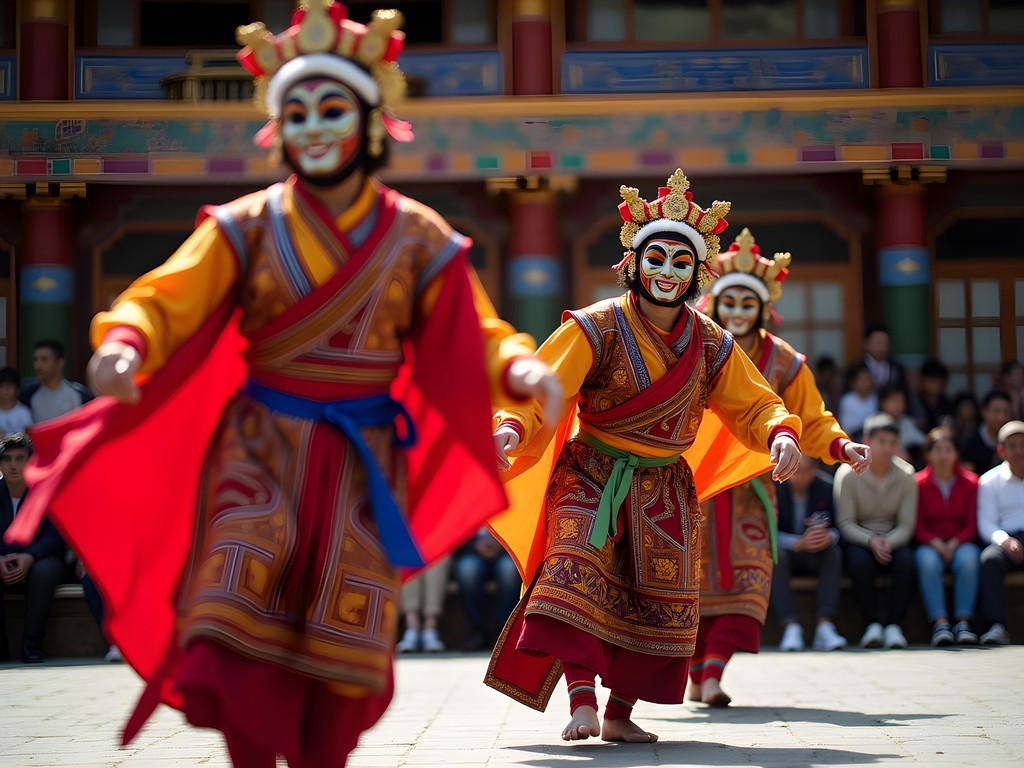
My investigative background has taught me that timing is everything, and nowhere is this more evident than when photographing Bhutan's vibrant festivals (tshechus). The Jambay Lhakhang Drup, held in October/November, features the mesmerizing midnight 'fire ceremony' that tests both photographic skill and cultural respect.
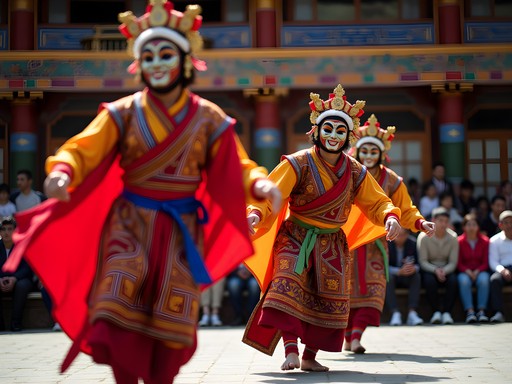
For festival photography, I relied heavily on my fast prime lens to capture the swirling masked dancers in challenging light conditions. The wide aperture allowed me to shoot without flash—crucial for respecting the sacred atmosphere and avoiding disruption.
Position yourself strategically by arriving 2-3 hours before major ceremonies. I discovered that the northwest corner of most monastery courtyards offers the optimal angle for capturing dancers against architectural backgrounds while avoiding harsh backlighting. Building rapport with local guides enabled me to learn precisely when and where the most visually striking moments would occur.
During the Jambay Lhakhang Drup, I found myself balancing technical needs with cultural sensitivity. When photographing the sacred fire ceremonies, I maintained distance using my telephoto zoom lens rather than disrupting the proceedings for a closer shot. This approach earned me the trust of festival organizers, who later granted me special access to photograph preparation rituals normally closed to outsiders.
💡 Pro Tips
- Shoot in short bursts during dance performances to capture peak action moments
- Use continuous focus tracking for fast-moving masked dancers
- Bring lens cleaning supplies as festivals can generate significant dust

Valley Landscapes: Finding Unique Perspectives
Bumthang Valley's four distinct regions (Ura, Chumey, Tang, and Choekhor) offer dramatically different landscape opportunities that reward the patient photographer. My investigative approach to location scouting revealed several unmarked vantage points that provided unique perspectives of this sacred landscape.
To capture the valley's ethereal quality, I relied heavily on my premium travel tripod. Though expensive, its combination of stability and minimal packed size justified every dollar when hiking to remote viewpoints. For those pre-dawn starts in cold conditions, my heated photography gloves protected my hands while maintaining the dexterity needed for camera adjustments.
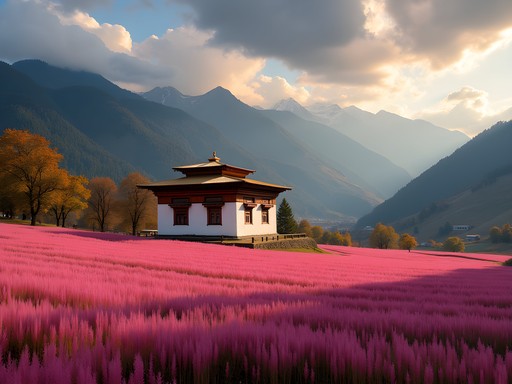
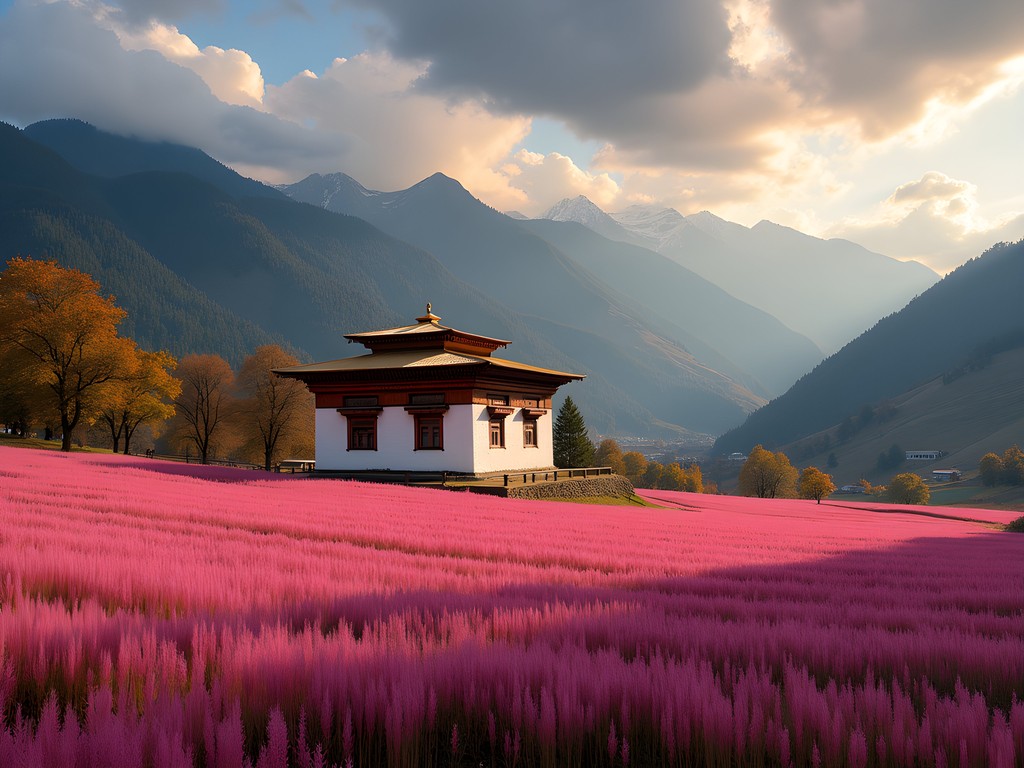
One of my most productive discoveries came through careful observation of local farming patterns. By tracking the movement of farmers in the Tang Valley, I identified the perfect elevated position to capture the patchwork of buckwheat fields turning vibrant pink in late October. This location, approximately 2.5 miles east of Membertsho Lake, offers an unobstructed view that most tourist photographers miss entirely.
For dramatic weather shots, position yourself at the Tang Valley viewpoint (your guide will know it) around 4pm when storm clouds typically gather over the eastern mountains, creating dramatic light breaks through the clouds. The resulting images capture Bhutan's spiritual essence in ways that postcard shots never could.
💡 Pro Tips
- Scout landscape locations the day before to identify optimal sunrise/sunset positions
- Use polarizing filters to enhance the vibrant autumn colors in valley shots
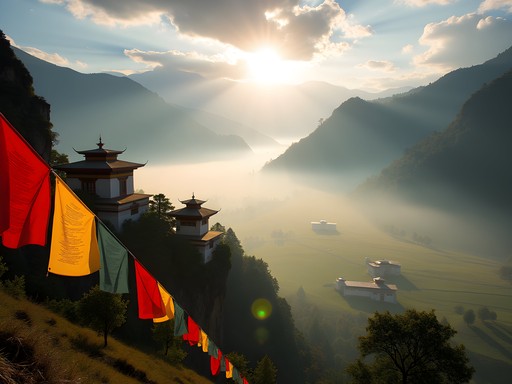
- Incorporate prayer flags into landscape compositions for cultural context
Luxury Accommodations: Strategic Bases for Photographers
After full days of shooting in variable conditions, having a comfortable base for equipment maintenance and image review becomes essential. Bumthang offers several luxury options that cater specifically to photographers' needs.
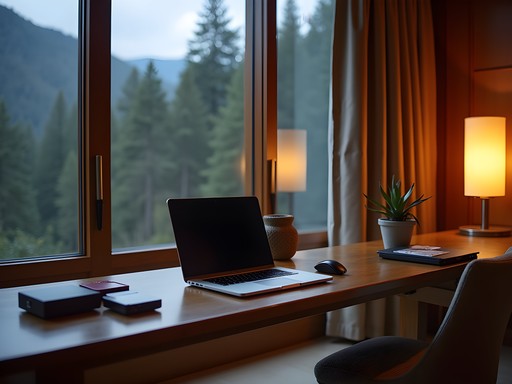
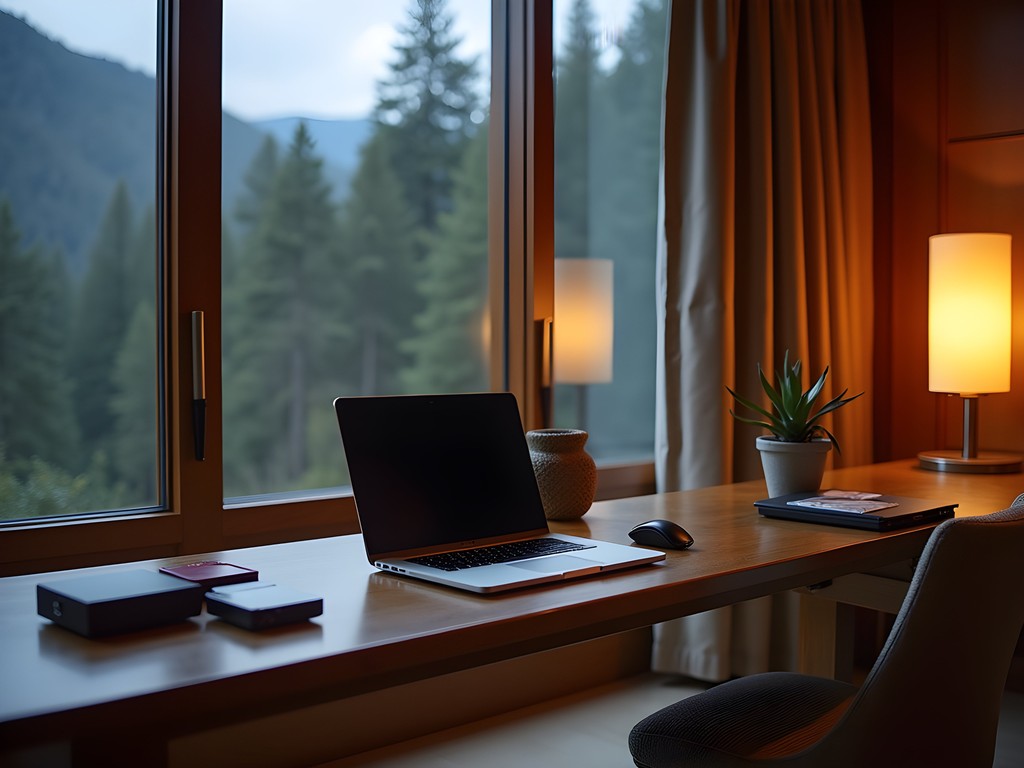
I divided my stay between Amankora Bumthang and Yugharling Resort, strategically selecting rooms based on proximity to my primary shooting locations. At Amankora, request the corner suites (particularly #8 or #12) for their superior natural light—perfect for reviewing images and cleaning equipment. Their private terraces also provide excellent vantage points for impromptu golden hour shots of the surrounding pine forests.
For serious photographers, accommodation selection should prioritize reliable power and workspace considerations. I travel with the portable power station for charging multiple batteries simultaneously without taxing hotel electrical systems. This proved invaluable during festival days when I returned with 6-8 depleted batteries needing overnight charging.
Yugharling's higher elevation position offered spectacular valley panoramas directly from my balcony, eliminating the need for pre-dawn travel on rest days. Their staff demonstrated remarkable understanding of photographers' needs, providing wake-up calls timed to sunrise conditions and preparing early breakfast boxes for dawn shoots.
While luxury accommodations represent a significant investment, they provided crucial recovery time between intensive shooting days. The ability to properly back up images to my portable SSD and review the day's work on a proper desk made a substantial difference in my workflow efficiency.
💡 Pro Tips
- Request rooms away from generators or kitchen facilities to avoid equipment-damaging vibrations
- Use hotel laundry services for camera cleaning cloths and outdoor gear
- Establish relationships with staff who can provide local weather insights for planning shoots
Final Thoughts
As I packed away my equipment on my final morning in Bumthang, I found myself reflecting on how this valley had transformed both my portfolio and perspective. The investigative skills that once served me in tracking down evidence now help me uncover photographic opportunities that many travelers miss. Bumthang demands technical excellence, cultural sensitivity, and logistical precision—but rewards these efforts with images that capture not just places, but profound moments of cultural continuity.
For photographers willing to invest the time in proper research and relationship-building, Bumthang offers visual stories that can't be found elsewhere. The combination of dramatic landscapes, living spiritual traditions, and architectural marvels creates a photographer's playground that remains refreshingly authentic despite increasing tourism.
If you make this journey, remember that your most valuable asset won't be your gear but your approach. Slow down. Observe patterns. Build relationships with locals. The most compelling images emerge not from rushing between sites but from understanding the rhythm of life in the valley. My investigator's patience served me well here—and I suspect yours will too.
✨ Key Takeaways
- Secure special photography permissions well in advance through reputable tour operators
- Master low-light techniques for monastery interiors and dawn ceremonies
- Invest in proper equipment maintenance supplies for the variable conditions
- Build relationships with local guides for access to unique vantage points
- Balance technical needs with cultural respect at all times
📋 Practical Information
Best Time to Visit
October-November (fall festival season)
Budget Estimate
$500-800 per day including Sustainable Development Fee
Recommended Duration
Minimum 10 days, ideally 2 weeks
Difficulty Level
Challenging



Comments
Dylan Turner
Douglas, this is a masterclass in destination photography writing. I appreciated your technical approach to the architecture shots - the interplay between natural light through those small temple windows and the golden Buddha statues creates such dynamic range challenges. From a practical standpoint, I found that staying at Amankora Bumthang provided ideal positioning for golden hour shoots across multiple temples without the rushed feeling. Their guides also have excellent relationships with the temple caretakers which facilitated some interior access that might otherwise be difficult. The valley's relative isolation means you're often shooting without crowds, which is increasingly rare in Buddhist Asia. Have you considered returning during winter for the black-necked crane migration? That could add another compelling dimension to your portfolio.
backpackstar
Great post! The section on festival photography is spot on. I was there for Tharpaling Thongdrol and the morning light on the thangka unfurling was just magical. One tip I'd add - bring a good quality memory card because you'll be shooting like crazy during festivals and the last thing you want is card failure. Also respect the local customs about where you can and can't photograph. Some ceremonies are off-limits and the guides will let you know.
springperson
What time of year did you go? Trying to figure out best season for photography.
hikingclimber
YES! Bumthang is absolutely incredible. I spent 5 days there last spring and honestly could've stayed a month. The Tang Valley hike is a must-do if you have time. Also the Swiss guesthouse near Jakar has the best apple pie I've ever eaten lol. The valleys are so peaceful compared to Paro/Thimphu.
springperson
How many days would you recommend for first timers? We only have 8 days total in Bhutan.
hikingclimber
I'd say 2-3 days minimum for Bumthang if you're doing the whole country. The drive from Paro is long but totally worth it!
winterseeker
Stunning photos!
Gregory Boyd
Excellent breakdown of the lighting challenges in Bumthang, Douglas. I visited during the Jambay Lhakhang festival last year and found the interior temple photography particularly tricky - low light combined with the restriction on flash photography. I ended up shooting at ISO 3200-6400 with my f/1.8 prime lens. The key was stabilizing against pillars and doorframes rather than using a tripod, which felt too intrusive during ceremonies. Did you find the monks generally receptive to photography during prayer times, or did you stick mainly to exterior shots?
hikingclimber
This is super helpful! Going in October and was wondering about the camera gear situation.
beachgal
This looks amazing! Quick question - how hard is it actually to get into Bhutan? I keep hearing different things about the visa situation.
backpackstar
Not as bad as it used to be! They dropped the daily fee requirement recently. You still need to book through a licensed tour operator though.
beachgal
oh ok that's good to know, thanks!
moonguide
Really useful guide! One thing I learned the hard way—bring extra memory cards. I ran out during the Tsechu festival and had to delete photos on the fly. Also my camera strap was a lifesaver for the long monastery hikes, way more comfortable than my old strap.
Hannah Woods
Excellent breakdown of the permit logistics, Douglas. What strikes me most about your approach is the emphasis on patience and cultural immersion rather than just ticking off photo locations. I spent three weeks backpacking through Bumthang in 2023, staying in homestays rather than hotels, and found that the real photographic gold came from those slow mornings drinking butter tea with families, not from rushing between temples. One analytical observation: Bhutan's tourism model (high daily tariff, mandatory guide) actually works in photographers' favor. The limited tourist numbers mean you're not competing with crowds at sunrise spots. However, I'd caution readers that the $200+ daily fee means you need to maximize every day—this isn't a destination for spontaneous wandering without some planning.
Hannah Woods
Yes, it's currently $200 per day sustainable development fee, but that includes accommodation, meals, guide, and transport. So it's not as scary as it sounds initially.
wildmate
Wait the daily fee is over $200?? 😱
summerlegend
That shot of Jambay Lhakhang at golden hour is incredible
Venture X
Premium card with 2X miles, $300 travel credit, Priority Pass