Disclosure: This article contains affiliate links. We may earn a commission from purchases at no extra cost to you, which helps our travel content.
Returning to Cuba always feels like stepping through a portal into my family's stories—the ones my abuela whispered over cafecito in Tampa. But Bayamo, Cuba's cradle of independence, surprised me in ways Havana never did. This isn't the postcard Cuba of vintage cars and mojitos. This is where the revolution burned brightest, where citizens literally set their own city ablaze rather than surrender to Spanish forces. For photographers seeking authentic Cuba beyond the tourist trail, Bayamo offers revolutionary architecture, vibrant street life, and stories etched into every sun-bleached wall—all without the crowds or inflated prices of the capital.

Why Bayamo Speaks to the Photographer's Soul
Bayamo exists in a beautiful contradiction—simultaneously frozen in revolutionary fervor and pulsing with contemporary Cuban life. As someone who's photographed cultural sites across three continents, I'm drawn to places where history isn't preserved behind velvet ropes but lived daily in crumbling doorways and animated conversations.
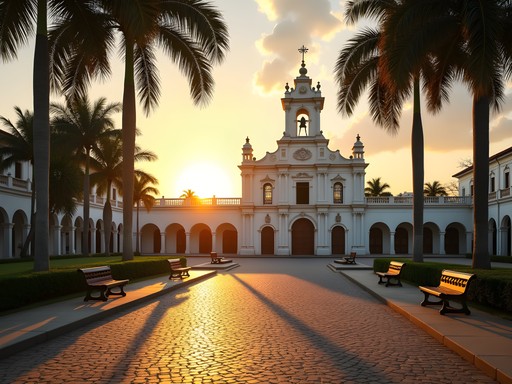
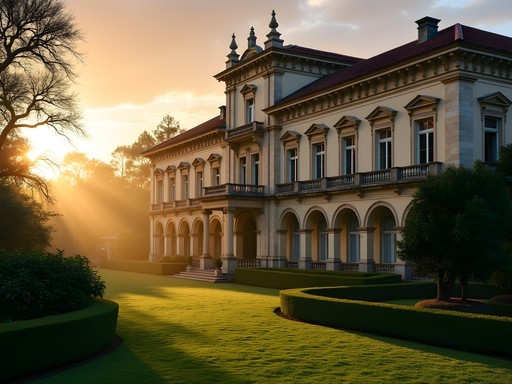
The light here is extraordinary. October through November offers that golden hour that stretches languidly across colonial facades, creating shadows that dance across the Plaza del Himno Nacional. Unlike Havana's saturated tourist zones, Bayamo's streets remain authentically Cuban—locals outnumber visitors ten to one, creating genuine moments rather than performed ones.
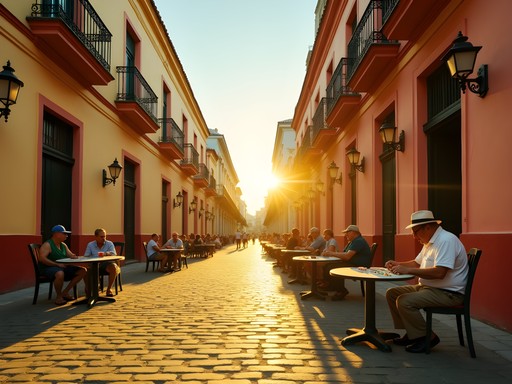
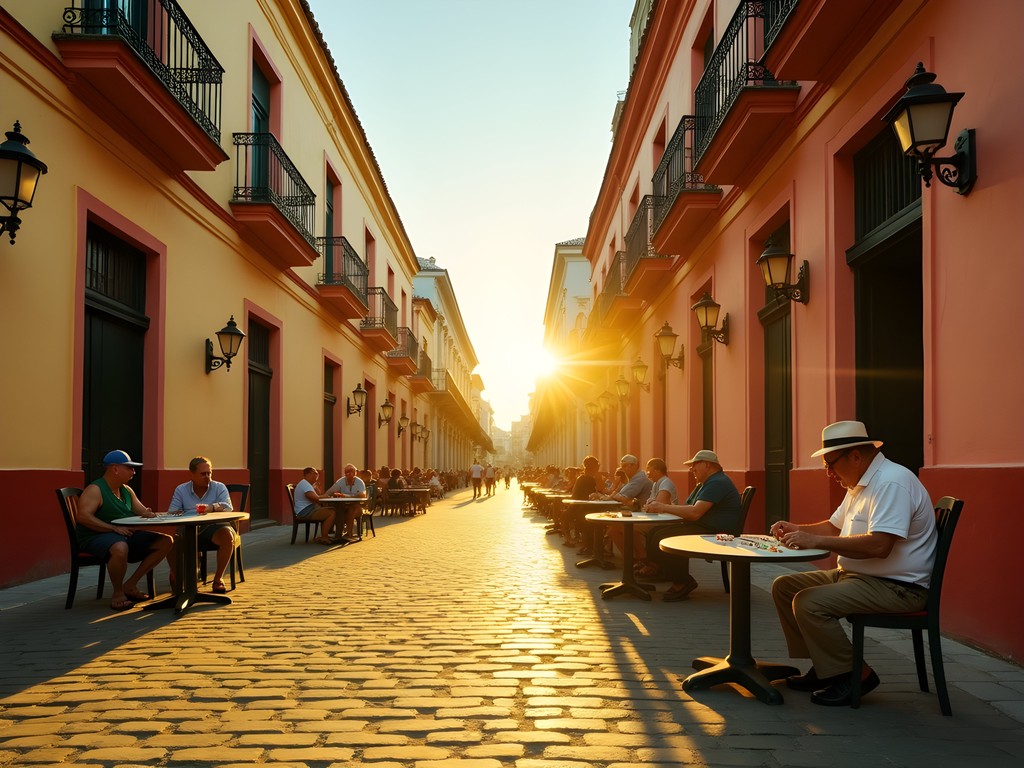
The city's compact colonial core means you can walk everywhere, essential when you're carrying gear. I spent my mornings wandering the pastel-colored streets near Parque Céspedes, where elderly men gather for dominoes and impromptu philosophical debates. These unguarded moments—the gesture of a hand mid-argument, the concentration on a player's face—these are the photographs that matter.
Bring a weatherproof memory card case because Cuba's humidity is relentless. I learned this the hard way when condensation nearly ruined an entire day's shoot.
💡 Pro Tips
- Download offline maps before arriving—internet access is limited and expensive in Bayamo
- Bring more memory cards than you think you need; you cannot buy quality cards in Cuba
- Learn basic Spanish phrases for asking permission to photograph—respect opens doors
Essential Gear for Cuba's Reality
Forget everything you know about traveling light. Cuba demands redundancy. The island's infrastructure means what breaks stays broken, and what you forget cannot be replaced.
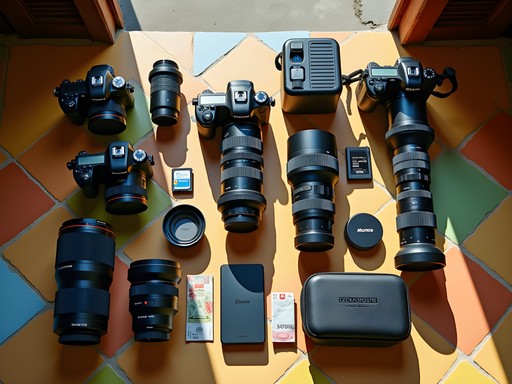
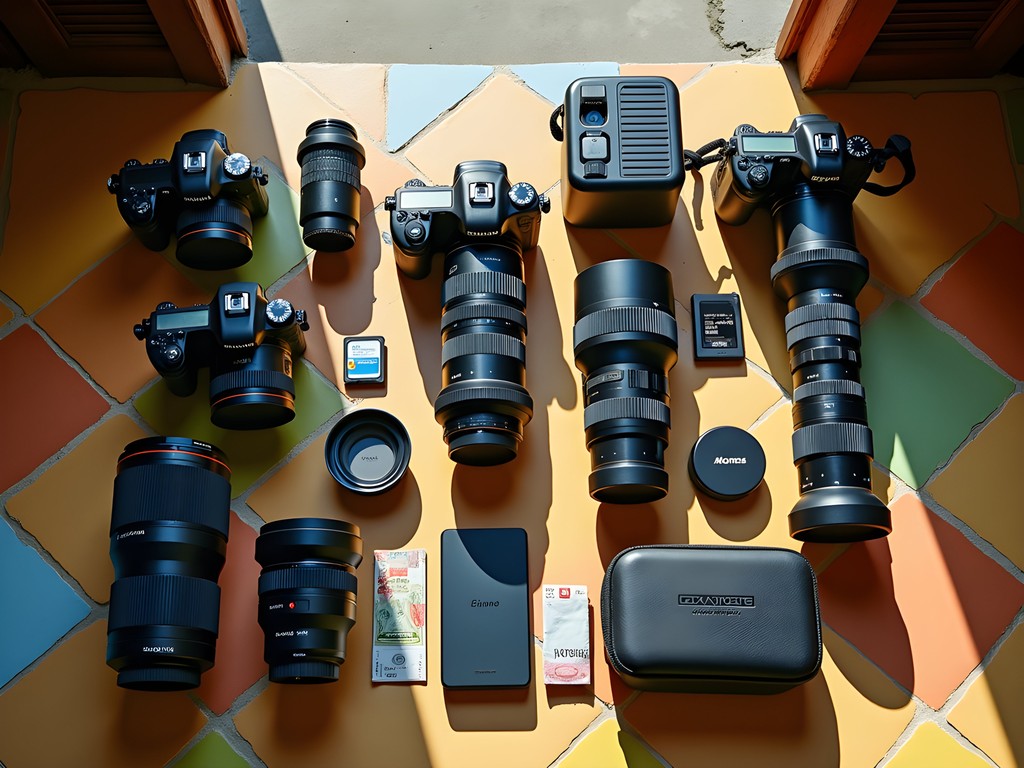
I shoot with two camera bodies—always. My primary setup handles 80% of my work, but when humidity fogged my sensor on day three, having a backup saved my assignment. Beyond cameras, Cuba's electrical grid is unpredictable. Power outages are frequent, especially in October when hurricane season lingers.
Invest in a robust solar charger that can handle Cuba's intense sun. I mounted mine on my daypack during walks, constantly topping up my phone and battery reserves. The Cuban sun is fierce—use it. Also essential: a portable hard drive for daily backups. Casa particulares (homestays) rarely have reliable wifi for cloud storage, and you don't want to lose a week's work to a failed card.
The streets of Bayamo are rough on equipment. Cobblestones, dust, humidity, and the occasional tropical downpour mean protection matters. I wrapped my gear in a microfiber cloth between shots—the dust here is insidious and finds its way into everything.
💡 Pro Tips
- Bring twice the batteries you think you need—charging opportunities are unpredictable
- Pack lens cleaning supplies in multiple bags; dust is constant
- Test all equipment before leaving Newcastle or Tampa—returns are impossible from Cuba
Photographing Bayamo's Revolutionary Architecture
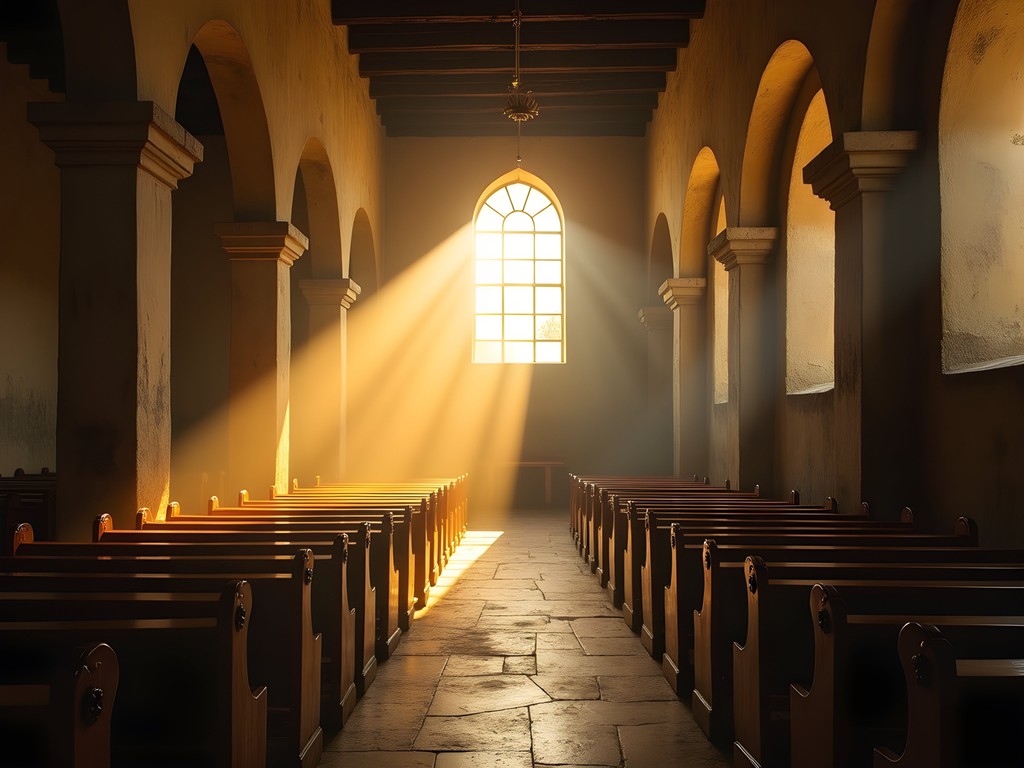
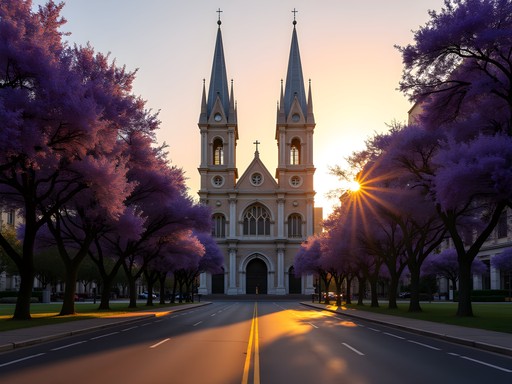
The Iglesia Parroquial Mayor de San Salvador stands as Bayamo's photographic crown jewel—one of Cuba's oldest churches and the only colonial building to survive the 1869 fire that citizens set to deny Spanish forces their city. That act of defiance, ese coraje, that courage, defines Bayamo's spirit.
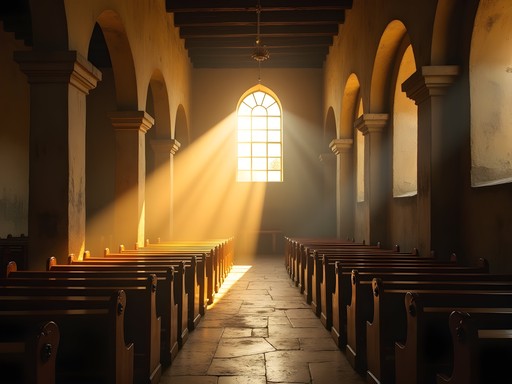
I spent three mornings photographing the church's reconstruction, arriving at dawn when side-lit columns create dramatic shadows across the weathered stone. The interior offers challenging light—deep shadows punctuated by shafts of sunlight through high windows. Shoot in RAW format and plan to push your shadows in post-processing.
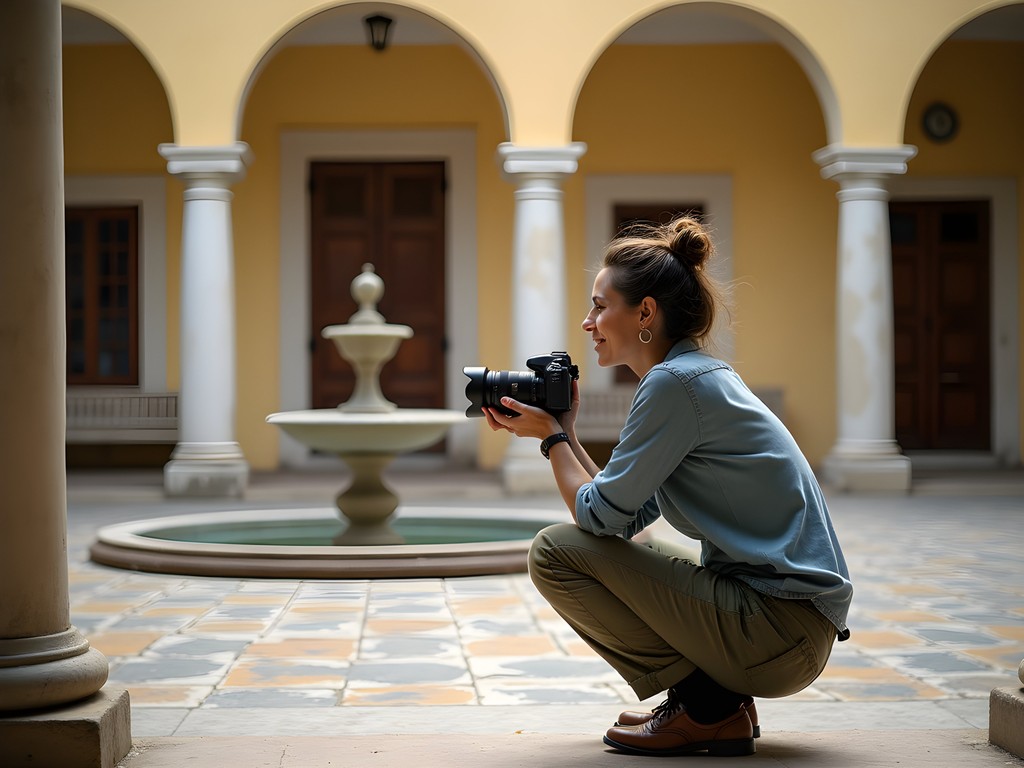
Casa Natal de Carlos Manuel de Céspedes, birthplace of Cuba's independence father, provides intimate architectural details. The colonial courtyard with its central fountain and surrounding columns frames perfectly at 35mm. I positioned myself in the shaded arcade to photograph visitors emerging into sunlight—the contrast tells its own story about moving from darkness into revolutionary light.
The city's burned districts, never fully rebuilt, offer haunting compositions. Crumbling walls with vegetation reclaiming colonial foundations speak to time's passage. These aren't pretty pictures, but they're honest ones. My Cuban heritage makes me sensitive to photographing poverty or decay—always ask yourself whether your image dignifies or exploits.
💡 Pro Tips
- Visit churches during morning mass for authentic cultural documentation
- Respect photography restrictions inside religious sites—when in doubt, ask
- Offer to email photos to locals who help you; bring printed business cards with your email

Street Photography: Ethics and Opportunities
Bayamo's streets pulse with photographic potential, but navigating the ethics of street photography in Cuba requires cultural sensitivity. These aren't anonymous city dwellers—in a town of 150,000, everyone knows everyone, and a photograph can have social implications.
I approach street photography here differently than in European cities. Eye contact first, a smile, a greeting: Buenos días, ¿puedo tomar una foto? Most Bayameses respond warmly to respectful requests. Many will pose, which some photographers dismiss as inauthentic, but I've learned these posed moments often reveal as much truth as stolen candids.
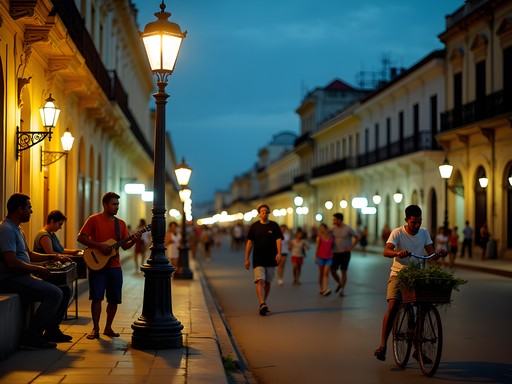
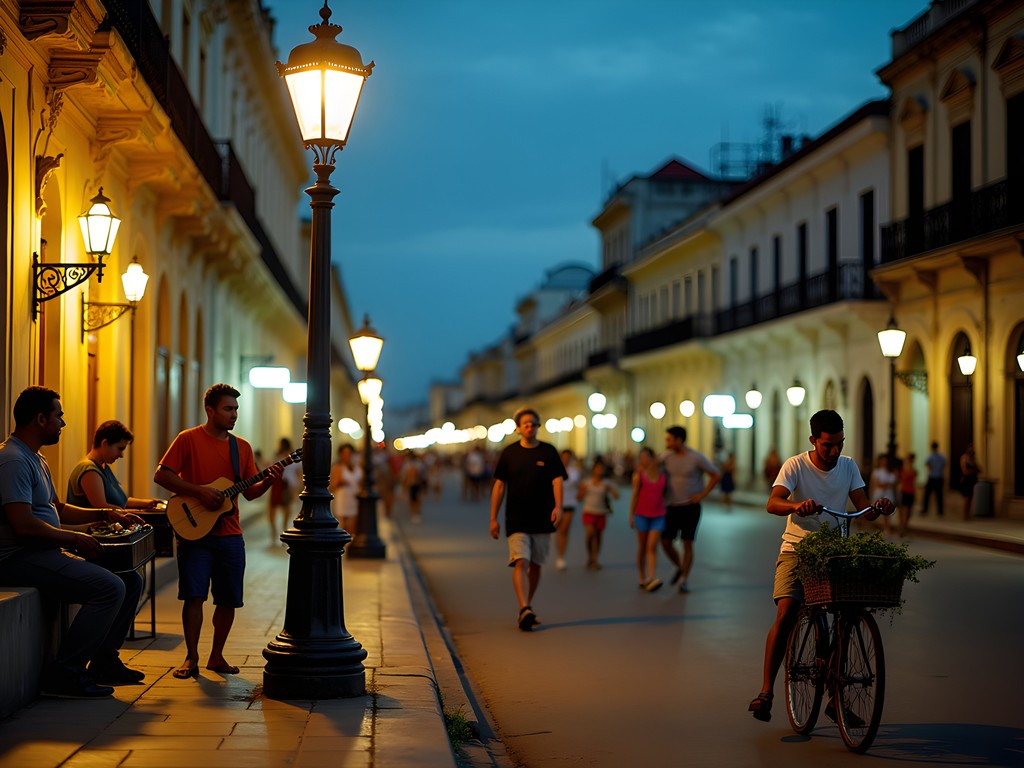
The Bulevar, Bayamo's pedestrian boulevard, offers endless subjects: musicians performing son cubano, vendors selling produce from bicycle carts, teenagers flirting near the ice cream shop. Saturday evenings transform the Bulevar into an impromptu street party—bring fast lenses for low light as street lamps are sparse.
I carry a Spanish phrasebook despite my heritage Spanish—Cuban slang differs significantly from my family's Tampa dialect. Understanding local expressions helps build rapport and often leads to better access. When photographing someone, I offer my email address written on paper so they can request copies. This small gesture has opened countless doors.
💡 Pro Tips
- Carry small denomination pesos to offer subjects—not payment, but respect for their time
- Photograph children only with explicit parental permission
- The best street scenes happen during evening paseo when locals promenade
Budget Strategies for a Week in Bayamo
Bayamo rewards budget-conscious photographers. Unlike Havana's dual economy that fleeces tourists, Bayamo's prices remain largely local. My week, including accommodation, meals, and local transport, cost under $400—leaving budget for the expensive part: getting to Cuba.
Casa particulares are your best option. I stayed with Señora Elena, whose colonial home near Parque Céspedes cost $20 nightly. She prepared breakfast for $3 and connected me with her nephew, a local photographer who became my guide and translator. These personal connections are Cuba's real currency.
Eat where locals eat. The state-run restaurants cater to tourists with inflated prices and mediocre food. Instead, paladares (private restaurants) and street food vendors offer authentic Cuban cuisine at local prices. My favorite breakfast: a peso pizza and café con leche from a window vendor for under a dollar.
Bring everything from Newcastle or Tampa. While you can buy basics in Cuban pesos, selection is limited and quality unpredictable. I packed a water filter bottle which saved money and reduced plastic waste—tap water in Cuba isn't reliably safe. Also bring any medications, toiletries, and especially sunscreen, which is scarce and expensive when available.
Cash is king—bring euros or Canadian dollars, never just U.S. dollars which face a 10% penalty. Credit cards don't work regardless of what you've read. I distributed cash across multiple hiding spots using a hidden pocket belt for peace of mind.
💡 Pro Tips
- Exchange money at CADECA offices, never with street hustlers
- Keep small bills separate—vendors often claim they cannot make change
- Budget extra for unexpected opportunities—a local guide, a boat ride, a private concert
Beyond the Lens: Experiencing Bayamo's Soul
The best photographs emerge when you stop hunting them. My most meaningful Bayamo image came on my fifth day when I finally put my camera down and simply sat in Parque Céspedes, watching.
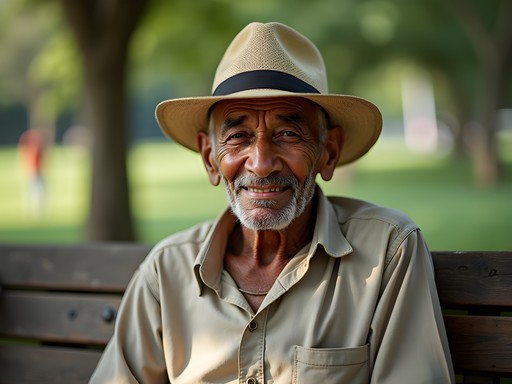
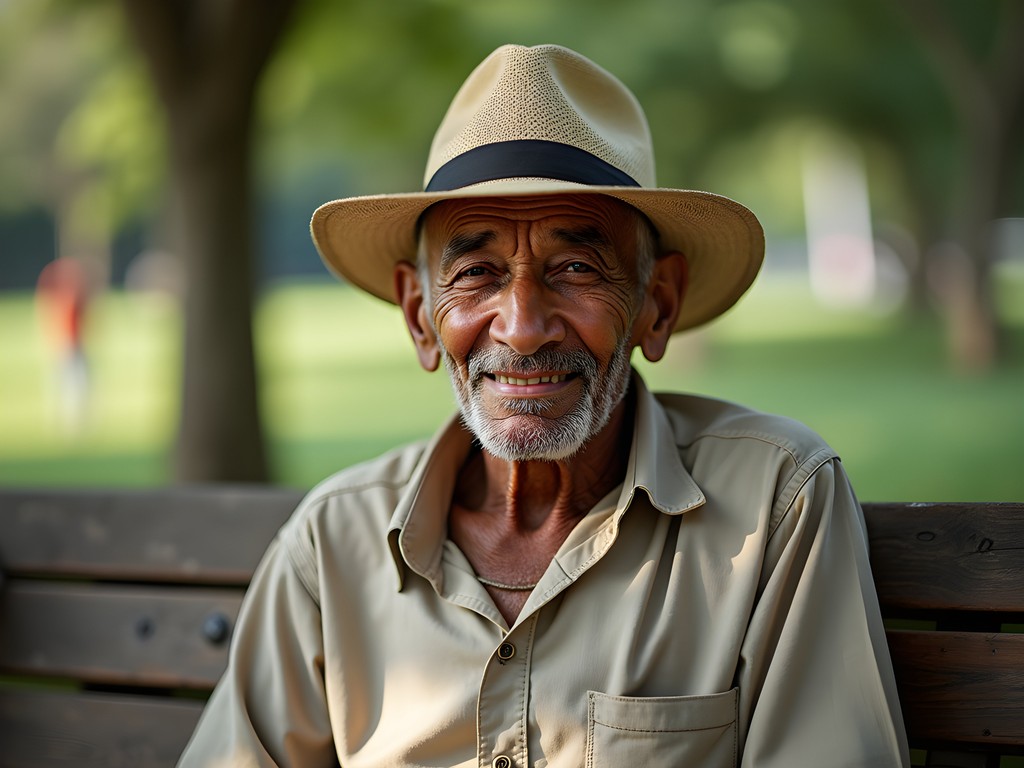
An elderly man approached, curious about my accent—Cuban but not Cuban. We talked for two hours about his memories of pre-revolution Bayamo, about my grandmother's similar stories, about photography and time and memory. When I finally asked to photograph him, he agreed, but only if I'd share a coffee first. That portrait, taken in soft afternoon light on a bench we'd shared as friends, captures something my technical skill alone never could.
Bayamo teaches patience. The revolutionary history you came to photograph reveals itself slowly, in conversations and connections rather than monuments. Attend a baseball game at Estadio Mártires de Barbados—Cubans take their baseball seriously, and the energy is electric. Visit during a concert at Casa de la Trova, where traditional son music fills colonial rooms with sound that predates the revolution but somehow embodies its spirit.
My week in Bayamo reminded me why I started photographing in the first place—not to collect images, but to understand. Every photograph is a conversation, a moment of connection between photographer and subject, between viewer and viewed. In Bayamo, where citizens once burned their own city rather than surrender their dignity, that conversation feels particularly urgent.
💡 Pro Tips
- Schedule photography around human connection, not just light
- Learn Cuban history before arriving—context transforms what you see
- Leave space in your itinerary for serendipity and unexpected encounters
Final Thoughts
Bayamo won't overwhelm you with colonial grandeur like Trinidad or seduce you with vintage glamour like Havana. Instead, it offers something rarer: authenticity. For photographers willing to slow down, to connect before capturing, to understand before interpreting, Bayamo provides a masterclass in documentary photography.
My week there challenged assumptions I'd carried for decades—about Cuba, about photography, about what it means to document culture respectfully. The images I brought home matter less than the conversations that created them, the connections that contextualized them, the understanding that will inform every photograph I take moving forward.
For solo travelers seeking Cuba beyond the clichés, for photographers hungry for substance over style, Bayamo waits. Bring patience, respect, and enough memory cards to capture a revolution that never truly ended—it just learned to dance to a different rhythm. Hasta luego, Bayamo. Volveré.
✨ Key Takeaways
- Bayamo offers authentic Cuban culture without Havana's tourist infrastructure or prices
- Successful photography here requires cultural sensitivity and genuine human connection
- Budget $400 for a week including accommodation, meals, and local transport—bring all gear from home
📋 Practical Information
Best Time to Visit
October through November for optimal light and fewer crowds
Budget Estimate
$400-500 for one week including accommodation and meals
Recommended Duration
5-7 days to properly explore and connect with the community
Difficulty Level
Moderate


Comments
citynomad
Thanks for writing this! I've been to Havana and Trinidad but never made it to Bayamo. Your section on ethics in street photography was really thoughtful. Too many travel photographers just snap away without thinking about consent. Planning a return trip to Cuba this fall and definitely adding Bayamo to the itinerary now.
exploreace
How many days would you recommend spending there?
Aria Diaz
I'd say 3-4 days minimum if you really want to dig deep photographically. 2 days if you're just passing through.
wavebackpacker
Adding this to my Cuba itinerary!
Adam Nichols
This captures something essential about Bayamo that most travel content misses. I've been documenting lesser-known Cuban cities for the past two years, and Bayamo has this raw authenticity that's increasingly rare. Your section on revolutionary architecture is particularly valuable—those neoclassical facades tell stories that tourist guides skip over. One addition: early morning light (6-7am) transforms Plaza del Himno completely. The golden hour there is magical for capturing the daily rituals of locals before the heat sets in. Also worth mentioning that the Casa de la Trova has incredible afternoon light streaming through the windows if you can photograph inside respectfully.
luckyclimber
What focal length did you use most? Trying to decide between bringing my 35mm or 50mm prime.
Aria Diaz
35mm all the way! The streets are narrow and you'll want the wider perspective for architecture. I barely touched my 50mm.
citytime
This is my first time hearing about Bayamo honestly. Is it easy to get to from Havana? And do you need special permits to photograph the buildings?
Adam Nichols
There's a Viazul bus from Havana, takes about 12 hours. No special permits needed for exterior shots, just be respectful around government buildings and always ask people before photographing them.
Jean Wells
Excellent piece, Aria. Your point about the ethics of street photography really resonates. I spent three weeks in Santiago de Cuba last year and struggled with the same questions about capturing daily life without exploitation. The key is building rapport first—I found that spending mornings in the same café, becoming a familiar face, opened doors naturally. Also, your gear advice is spot-on. I learned the hard way that bringing too much equipment marks you as a target. One body, two lenses maximum. The revolutionary architecture in Bayamo deserves more attention than it gets.
Aria Diaz
Jean! Yes, the café approach is perfect. That's exactly how I met some of the people in my portraits. Building trust is everything.
photomood
That church shot is stunning!
wavephotographer
How bad is the internet situation really? I need to backup photos to cloud storage while traveling and wondering if I should just bring extra memory cards instead.
Aria Diaz
Honestly, plan for zero reliable internet. I brought 5 extra cards and still got nervous! Casa particulares sometimes have wifi but it's super slow. Definitely don't count on cloud backup.
wavephotographer
Thanks! Better safe than sorry I guess
George Hayes
Beautiful post, Aria. We skipped Bayamo on our family trip to Cuba and now I'm kicking myself! Your point about photographing "authenticity over aesthetics" really hit home. My kids are getting to the age where they can appreciate history beyond just beaches and resorts. Adding this to our list for next time. Question: are there family-friendly casas particulares you'd recommend in Bayamo?
Aria Diaz
Your kids would love it, George! I stayed at Casa Colonial Gladys which was wonderful and very family-friendly. The host's grandmother told amazing stories about the revolution. DM me if you want more specific recommendations!
Venture X
Premium card with 2X miles, $300 travel credit, Priority Pass