


Disclosure: This article contains affiliate links. We may earn a commission from purchases at no extra cost to you, which helps our travel content.
Vienna conjures images of grand palaces, classical music, and sophisticated cafés, but what surprised me most during my recent spring sojourn was the city's abundance of verdant sanctuaries. After decades of guiding others to new homes, I've developed an appreciation for spaces that offer both respite and renewal—something Vienna's parks deliver in spades. These green havens provide a perfect counterbalance to the imperial splendor, offering families and nature enthusiasts alike a chance to experience the Austrian capital's gentler side without straining your wallet.

Schönbrunn Palace Gardens: Royal Landscapes for Commoners
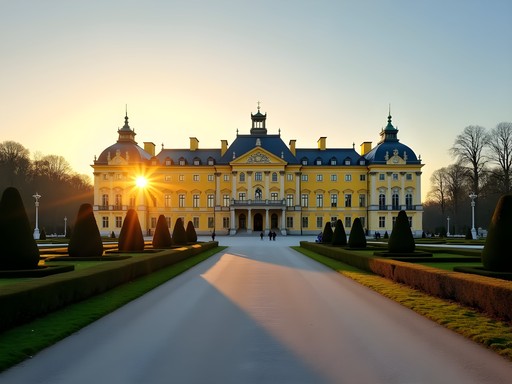
The sprawling gardens behind Schönbrunn Palace remain one of my favorite places to witness the curious dance between formal European design and everyday Viennese life. While the palace itself requires a ticket, the gardens are largely free to explore—a democratic approach to royal splendor that I find rather poetic.
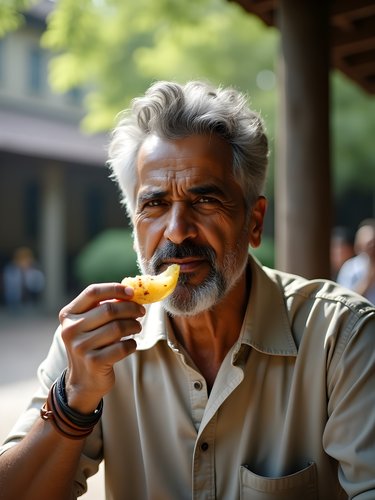
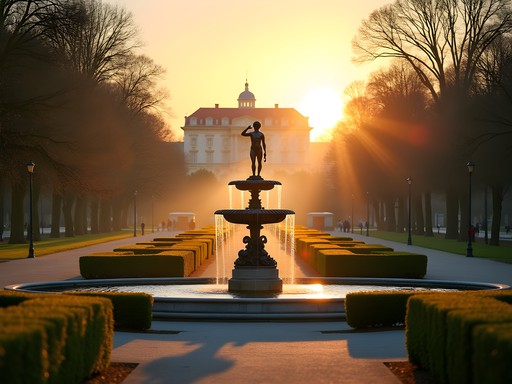
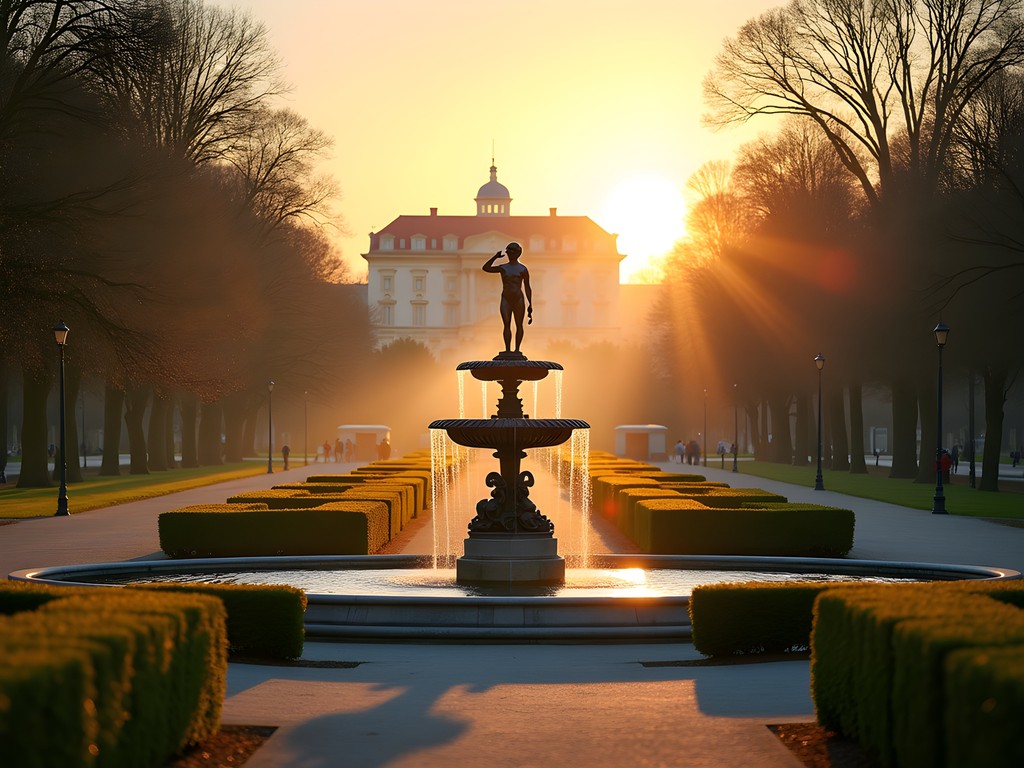
On my second morning in Vienna, I arrived just after 7 AM with a thermos of coffee and watched as the rising sun gradually illuminated the Neptune Fountain. An elderly gentleman nearby explained that he had been taking his morning constitutional through these gardens for over forty years. 'The emperors are gone,' he told me with a wink, 'but we Viennese have inherited their backyard.'
The meticulously maintained French-style formal gardens near the palace give way to more natural landscapes as you venture further. The Gloriette, perched atop a hill, offers panoramic views that justify the climb. Families particularly appreciate the children's playground and the world's oldest zoo contained within the grounds. For those planning several hours here, I suggest bringing a insulated water bottle to stay hydrated without having to purchase overpriced drinks near tourist hotspots.
💡 Pro Tips
- Arrive early (before 9 AM) to enjoy the gardens with minimal crowds
- Pack a picnic lunch to enjoy on the lawns—perfectly acceptable and much cheaper than palace restaurants
- The maze and labyrinth areas require a small fee but are worth it for families with children
Stadtpark: The Green Heart of Vienna
If Schönbrunn represents imperial ambition, Stadtpark embodies Vienna's more democratic soul. This was the city's first public park, opened in 1862, and remains a beloved gathering place for locals and visitors alike. Its location near the city center makes it an ideal respite between museum visits or shopping excursions.
What drew me repeatedly to Stadtpark was its perfect balance of natural beauty and cultural significance. The park houses several notable monuments, including the famous gilded statue of Johann Strauss II, which has become one of Vienna's most photographed landmarks. During my visit in April, musicians often gathered near the statue in impromptu tribute, filling the air with waltzes as cherry blossoms drifted overhead—one of those perfect travel moments that no guidebook can guarantee.
The small river Wienfluss flows through the park, creating a serene soundtrack as you wander the winding paths. I spent one particularly pleasant afternoon watching families feeding ducks while I sketched in my waterproof sketchbook, grateful that some artistic pursuits can be enjoyed even by those of us with modest talents.

💡 Pro Tips
- Visit around lunchtime when local office workers create a lively, authentic atmosphere
- The park is beautifully lit at night and perfectly safe for evening strolls
- Look for the less-visited monuments beyond Strauss, including those of Franz Schubert and Robert Stolz
Prater and the Meadows of Wonder
Most visitors know the Prater only for its iconic Ferris wheel and amusement park, but venture beyond the carnival atmosphere and you'll discover one of Vienna's largest green spaces—a sprawling landscape that was once imperial hunting grounds before being gifted to the public in 1766.
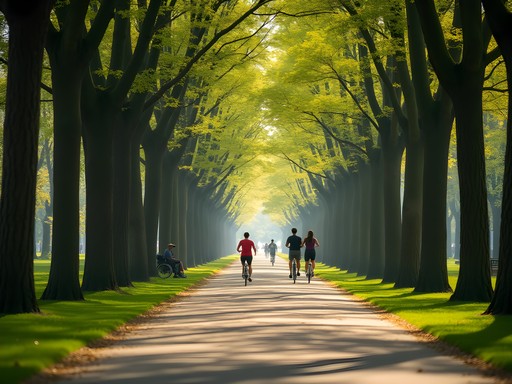
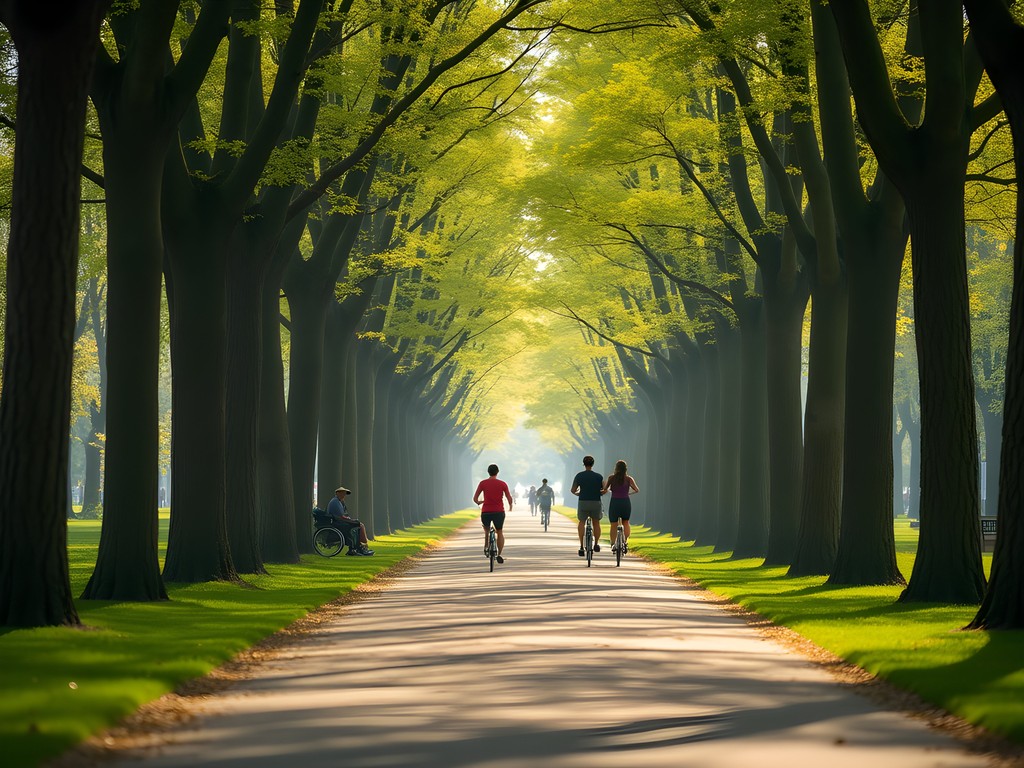
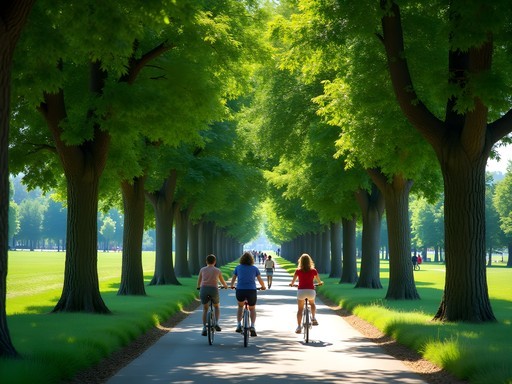
The Hauptallee, a 4.5 km tree-lined boulevard cutting through the park, became my morning ritual during my stay. Joining the parade of joggers, cyclists, and power-walkers helped me feel like a temporary local rather than a perpetual tourist. One morning, I rented a bicycle from a stand near the park entrance—a far more enjoyable way to explore than the tourist-packed hop-on-hop-off buses circling the Ringstrasse.
What makes the Prater particularly suitable for families is its variety. The amusement park section (Wurstelprater) offers entertainment for the kids, while the vast meadows provide space for picnics, games, or simply cloud-watching. After decades of helping refugees find new homes in unfamiliar places, I've developed an appreciation for spaces that offer both excitement and tranquility in close proximity—sometimes we need stimulation, other times sanctuary.
For comfortable cycling around this expansive park, I recommend bringing padded cycling shorts to wear under regular clothes. Your posterior will thank you, especially if you're not accustomed to regular cycling.
💡 Pro Tips
- Visit on weekday mornings for a quieter experience away from weekend crowds
- The beer gardens near the edge of the park offer reasonably priced meals with a local atmosphere
- Bring a blanket for impromptu picnics in the meadows—many local families do the same

Augarten: Baroque Beauty with a Complex History
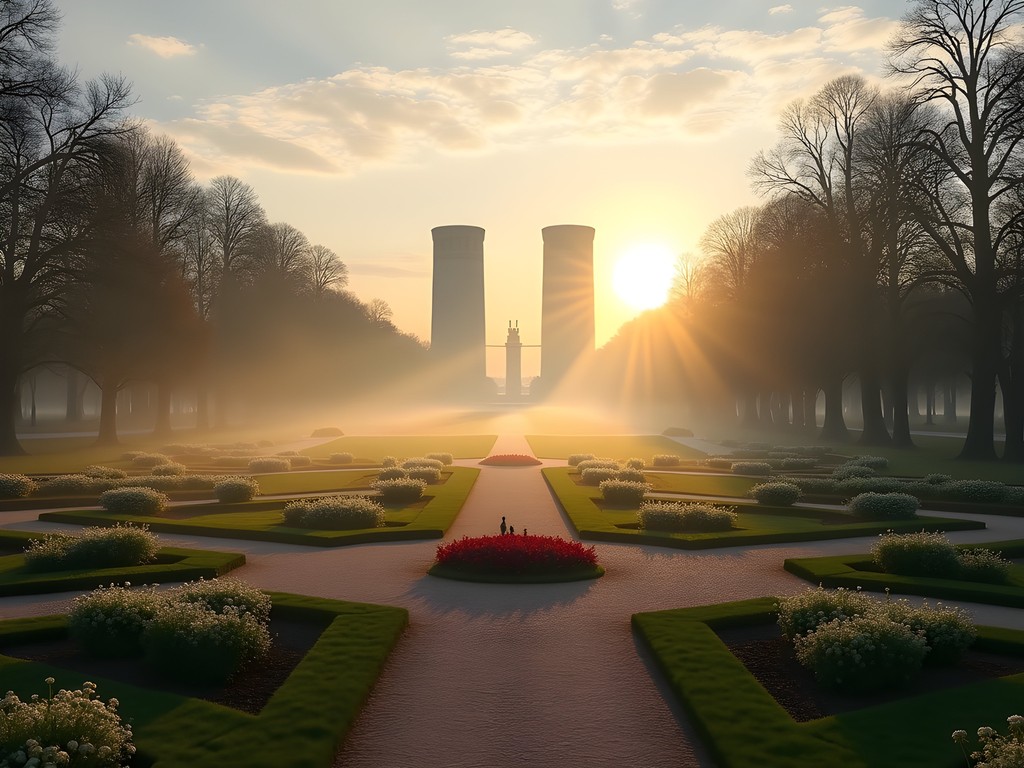
Augarten offers something increasingly rare in our modern world: a place where beauty and historical complexity coexist without sanitization. Vienna's oldest Baroque garden is a study in contrasts—formal flowerbeds and geometric paths juxtaposed against massive Nazi-era flak towers that still loom over the landscape, too large and solidly built to be easily demolished.
I found myself returning to Augarten repeatedly during my stay, drawn by this unusual tension between beauty and historical shadow. The morning I arrived at sunrise, the mist hanging between the trees and the flak towers created an almost surreal atmosphere—like witnessing the physical manifestation of Austria's complicated relationship with its past.
Families particularly appreciate Augarten for its excellent playground facilities and the famous Augarten Porcelain Manufactory, where the imperial tradition of fine ceramics continues. I joined a workshop where visitors can paint their own porcelain pieces—a delightful activity for children and adults alike, though I discovered my artistic talents remain firmly in the 'enthusiastic amateur' category.
For those planning to spend several hours exploring the park and perhaps joining a porcelain workshop, I recommend bringing a packable daypack that can easily store layers of clothing as the day warms up, along with water and snacks.
💡 Pro Tips
- Visit the Porcelain Museum early in the day and book workshop spots in advance
- The Bunkerei café offers excellent coffee and pastries with outdoor seating
- The park is less visited than other Vienna gardens, making it perfect for those seeking quieter spaces
Setagaya and Kurpark Oberlaa: Vienna's Hidden Gems
My pursuit of less-touristed green spaces led me to two remarkable discoveries on Vienna's periphery: the Japanese Setagaya Park and the sprawling Kurpark Oberlaa.
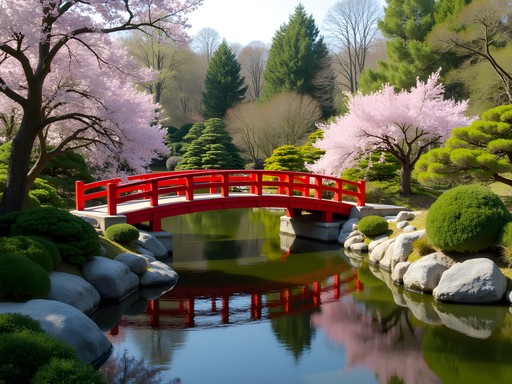
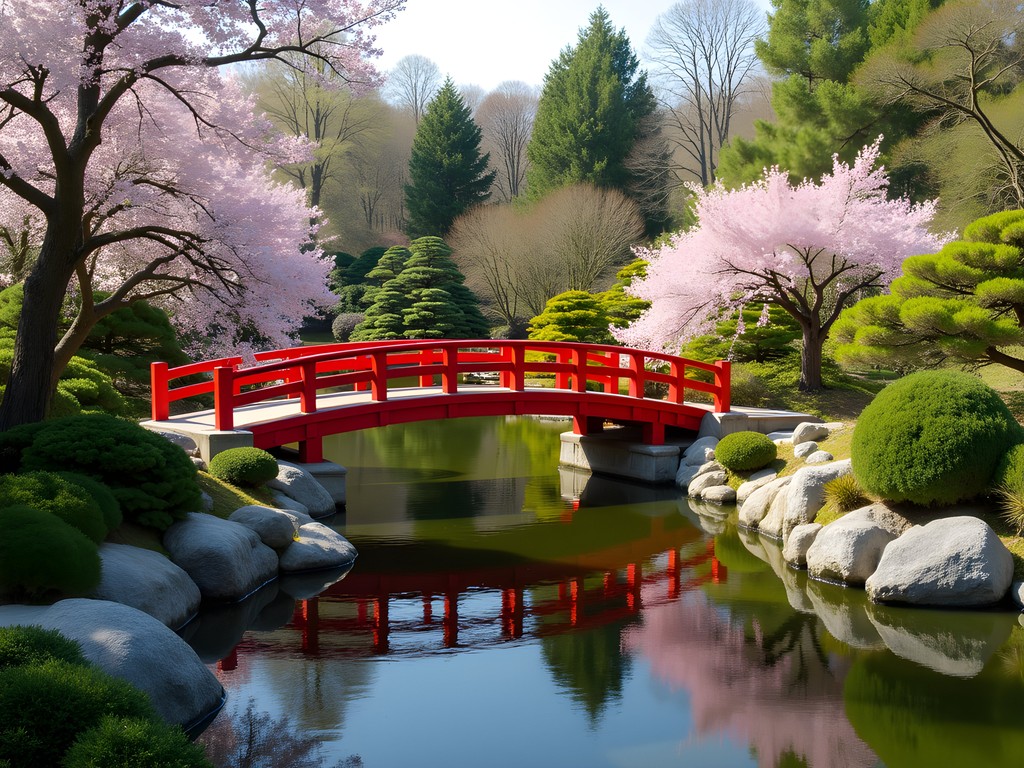
Setagaya Park is a masterpiece of Japanese garden design, created to honor Vienna's partnership with Tokyo's Setagaya district. As someone who's spent considerable time in Asia during my refugee resettlement work, I found this cultural transplant particularly moving. The careful arrangement of stones, water features, and precisely pruned trees creates a meditative space that feels genuinely Japanese rather than a Western interpretation. I watched as Viennese families introduced their children to the art of feeding koi, creating cross-cultural memories in this unexpected setting.
Further from the center, Kurpark Oberlaa offers 860,000 square meters of landscaped gardens originally created for the 1974 Vienna International Garden Show. The park's scale allows for a variety of experiences—formal rose gardens transition to wild meadows, playgrounds give way to quiet contemplation spaces. During my visit, I joined an impromptu tai chi group led by an elderly Austrian gentleman who had studied in China—another beautiful cross-cultural moment.
For comfortable walking in these extensive gardens, especially if you plan to explore for several hours, I recommend investing in blister prevention patches. They've saved many of my walks from painful interruptions and are worth their weight in gold when you're far from your accommodations.
💡 Pro Tips
- Visit Setagaya Park during weekday mornings for the most tranquil experience
- Kurpark Oberlaa is vast—plan specific areas to explore rather than trying to see it all
- Both parks are accessible by public transportation but require more travel time from the center
Türkenschanzpark: A Local's Paradise
My final recommendation comes courtesy of a former refugee client who now calls Vienna home. 'If you want to see how Viennese families actually spend their Sundays,' she told me, 'forget the tourist parks and visit Türkenschanzpark.'
Located in the 18th district, this hilly landscape park dating from 1888 feels worlds away from the imperial grandeur of central Vienna. Created in the English garden style, it features winding paths, artificial ponds, and varied terrain that makes it feel much larger than its actual size. The name—'Turkish entrenchment park'—references the historical Ottoman siege of Vienna, though today it's simply a beloved community space.
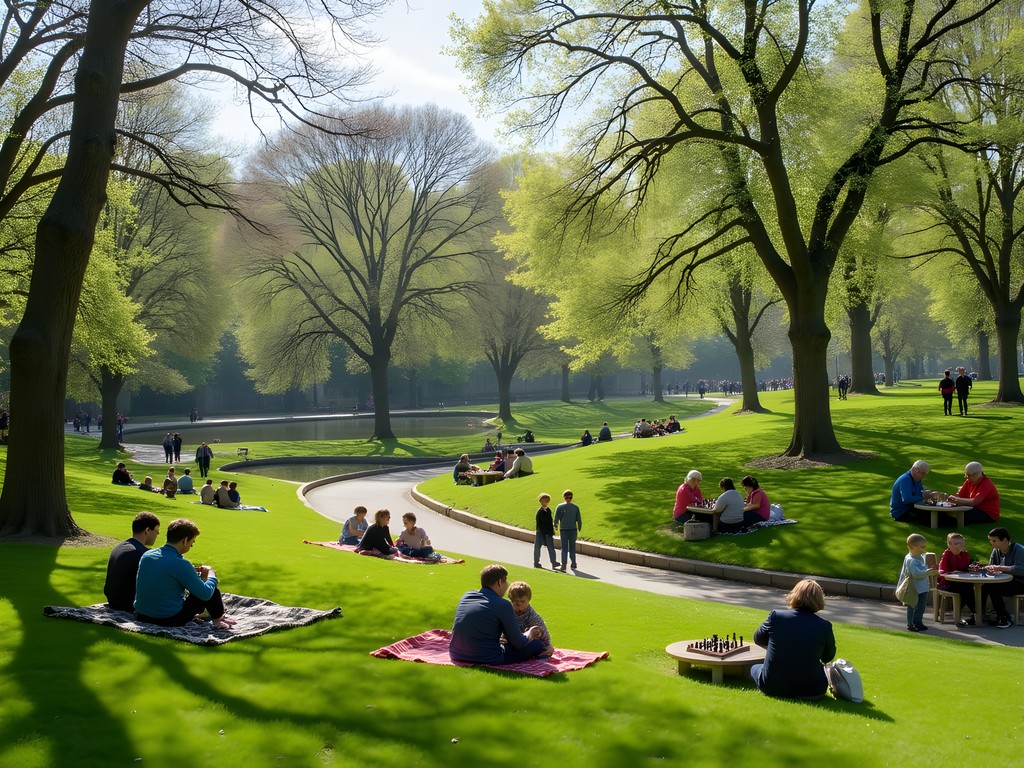
What struck me most was how the park functioned as an outdoor living room for local families. Multi-generational groups gathered around portable grills, children darted between trees in elaborate games, and teenagers practiced slack-lining between trees while their grandparents played chess at stone tables. I spent a delightful afternoon people-watching while sampling local specialties from the small kiosks that dot the park.
For families planning to spend a full day here, I recommend bringing a portable picnic blanket with a waterproof bottom—essential for comfort even when the ground might be slightly damp from morning dew or brief spring showers.
💡 Pro Tips
- Sunday afternoons offer the most authentic local experience
- The park has excellent playground facilities for different age groups
- Look for the small pond where children sail model boats—a charming traditional activity
Final Thoughts
Vienna's parks offer far more than mere green spaces—they're living museums of the city's evolving identity, from imperial showcase to democratic playground. As someone who has spent decades helping others find their place in new worlds, I find particular joy in these shared landscapes where history breathes alongside contemporary life. The seven parks I've highlighted provide not just respite from urban intensity but windows into Viennese culture that museums and concerts cannot offer.
For families visiting Vienna on a budget, these green sanctuaries offer the perfect balance of cultural experience and practical economy. Children can run freely, parents can relax without constant spending, and everyone can absorb the unique atmosphere that makes Vienna special. Whether you have just a weekend or a longer stay, carve out time between the palaces and pastry shops to experience Vienna as locals do—in its magnificent parks and gardens. After all, it is often in these green interludes that our most authentic travel memories take root.
✨ Key Takeaways
- Vienna's parks offer free or low-cost alternatives to expensive tourist attractions
- Early morning visits provide the most magical experience with minimal crowds
- Venture beyond central parks to discover authentic local life in neighborhood green spaces
- Parks provide necessary balance to Vienna's cultural intensity, especially when traveling with children
📋 Practical Information
Best Time to Visit
Mid-April to early June when spring blooms are at their peak and temperatures are pleasant
Budget Estimate
Free to €5 per person (some specialized gardens have small entrance fees)
Recommended Duration
Half-day visits to each park; 2-3 parks comfortably fit in a weekend itinerary
Difficulty Level
Easy
Comments
Savannah Walker
Chase, this brings back memories! I actually went for a trail run through the Prater meadows at sunrise last spring—absolutely surreal experience with the mist rolling through and barely another soul around. Then you turn a corner and there's the giant Ferris wheel from a different era. The contrast between wild nature and that vintage amusement park is something else. Pro tip for anyone visiting: rent a bike and explore the paths beyond the main Hauptallee. There are hidden beer gardens and quiet spots where you forget you're in a capital city. I had my trail shoes with me and they handled the varied terrain perfectly.
roambuddy
Going next month! Any cafe recommendations near Stadtpark?
starnomad3597
Café Schwarzenberg is right there and the apple strudel is unreal
starnomad3597
Your photos are amazing!
Timothy Jenkins
Excellent piece, Chase. I spent a week in Vienna last autumn and completely agree about the Augarten's complex history—those flak towers are haunting yet fascinating. One addition I'd make is the Volksgarten, particularly for rose enthusiasts. The Theseus Temple replica there makes for stunning photography, especially in golden hour. The city really does balance its imperial heritage with accessible public spaces beautifully. Did you manage to catch any of the open-air concerts in Stadtpark?
Chase Khan
Thanks Timothy! Unfortunately missed the concerts this time but heard they're wonderful. Volksgarten is definitely on my list for the next visit—heard the roses are incredible in June.
wildway
How are the parks in winter? Planning a December trip and wondering if they're still worth visiting or pretty dead?
Chase Khan
Great question! The gardens are definitely quieter in winter, but Schönbrunn looks magical with frost on the hedges. The Christmas markets near some parks are also a huge bonus. Just bundle up!
wildway
Perfect, thanks!
travelmaster
Love this! Didn't know Vienna had so many parks.
waveadventurer
Really like your photos especially the one from Augarten
Sophia Gomez
This brought back so many memories! I spent a whole afternoon in the Prater last spring, and you're so right about it being more than just the amusement park. I actually got lost (in a good way) wandering through those wooded paths. Met an elderly Austrian woman who told me stories about skating there as a child in the 1950s. That's what I love about these spaces—they hold generations of memories. My travel journal from that trip is filled with sketches of the Schönbrunn fountains. Vienna really does surprise you with how green it is.
sunsetqueen4888
That's such a sweet story!
sunsetgal
We visited Vienna last May and totally agree about the Prater! Everyone talks about the ferris wheel but those meadows are where it's at. We had a picnic there and just watched locals playing frisbee and walking dogs. So chill. Also the chestnut trees were blooming and it was gorgeous. One tip - if you go to Stadtpark, the Strauss statue is cool but walk further into the park away from the touristy entrance. Way more peaceful.
backpacklife
How long did you spend at Schönbrunn?
sunsetgal
Not the author but we spent like 3 hours there and could've stayed longer. The gardens are HUGE. Bring water and comfy shoes for sure.
backpacklife
Thanks!
Venture X
Premium card with 2X miles, $300 travel credit, Priority Pass