Disclosure: This article contains affiliate links. We may earn a commission from purchases at no extra cost to you, which helps our travel content.
Standing before the golden façade of Schönbrunn Palace at sunrise, legs still tight from yesterday's training run along the Danube, I felt that familiar convergence of physical exertion and architectural wonder that has defined my travels for the past eight years. Vienna, with its imperial grandeur and Habsburg legacy, offers a unique marathon of historical exploration – one where each palace serves as both milestone and masterpiece. After visiting over 20 countries to run races and photograph historic structures, I can confidently say that Vienna's collection of imperial residences stands unrivaled in Europe for both their preservation and accessibility.

Schönbrunn Palace: The Habsburg Summer Retreat
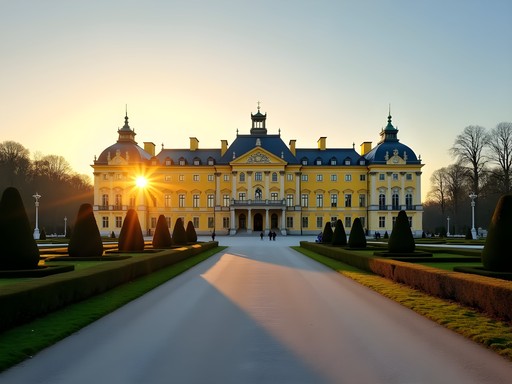
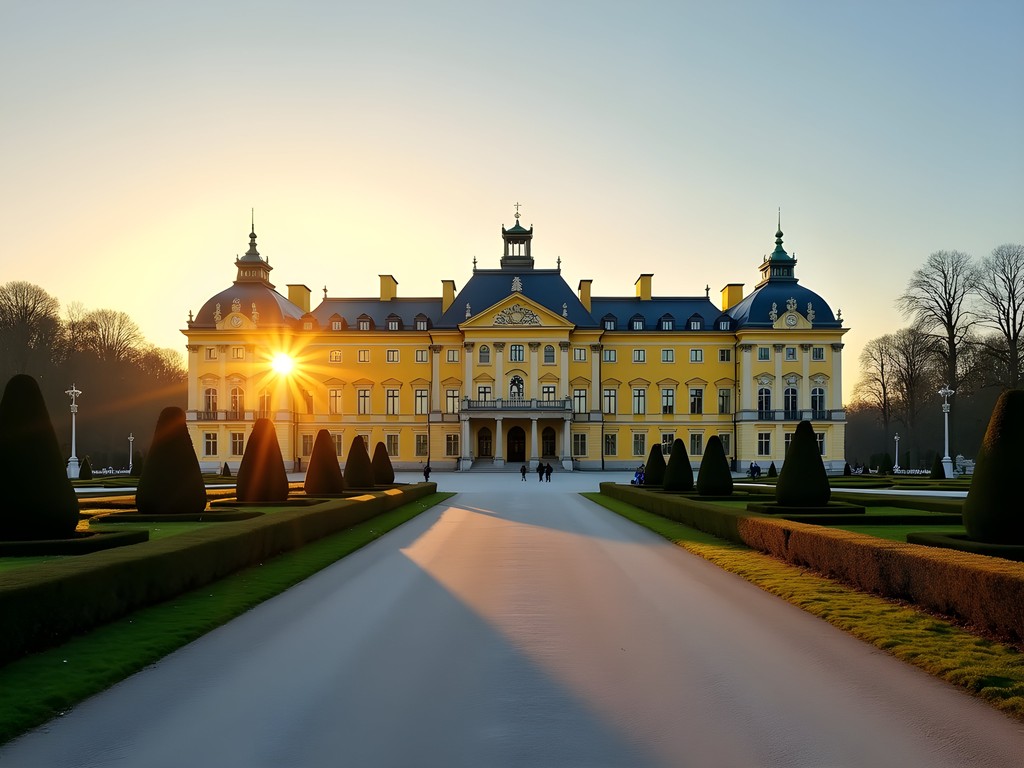
My exploration began at Schönbrunn, the 1,441-room Baroque masterpiece that served as the Habsburg summer residence. Arriving at 8:30 AM (a habit formed from years of pre-marathon routines), I beat the crowds and secured tickets for the Grand Tour rather than the abbreviated Imperial Tour – a decision that granted access to 40 rooms instead of 22.
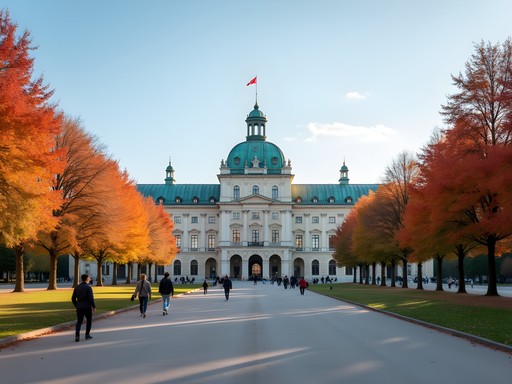
The palace's yellow façade glowed in the morning light as I photographed the symmetrical gardens from the Neptune Fountain. Inside, the rococo details of Empress Maria Theresa's rooms contrasted with Emperor Franz Joseph's surprisingly modest study where he worked at 5 AM daily – a schedule I can appreciate as a fellow early riser.
The gardens deserve equal attention. I logged a 5K through the meticulously maintained pathways, up the hill to the Gloriette for panoramic city views. The collapsible water bottle I always carry proved essential – Vienna's spring sun can be surprisingly intense, even when temperatures feel moderate.
💡 Pro Tips
- Purchase tickets online to skip the main queue
- Arrive before 9 AM to photograph the palace exterior without crowds
- Set aside at least 3-4 hours to properly explore both palace and gardens
Hofburg Palace: The Heart of an Empire
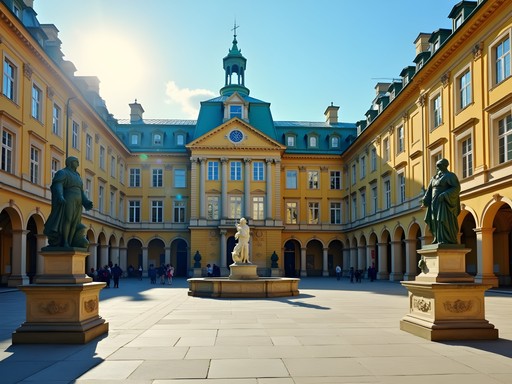
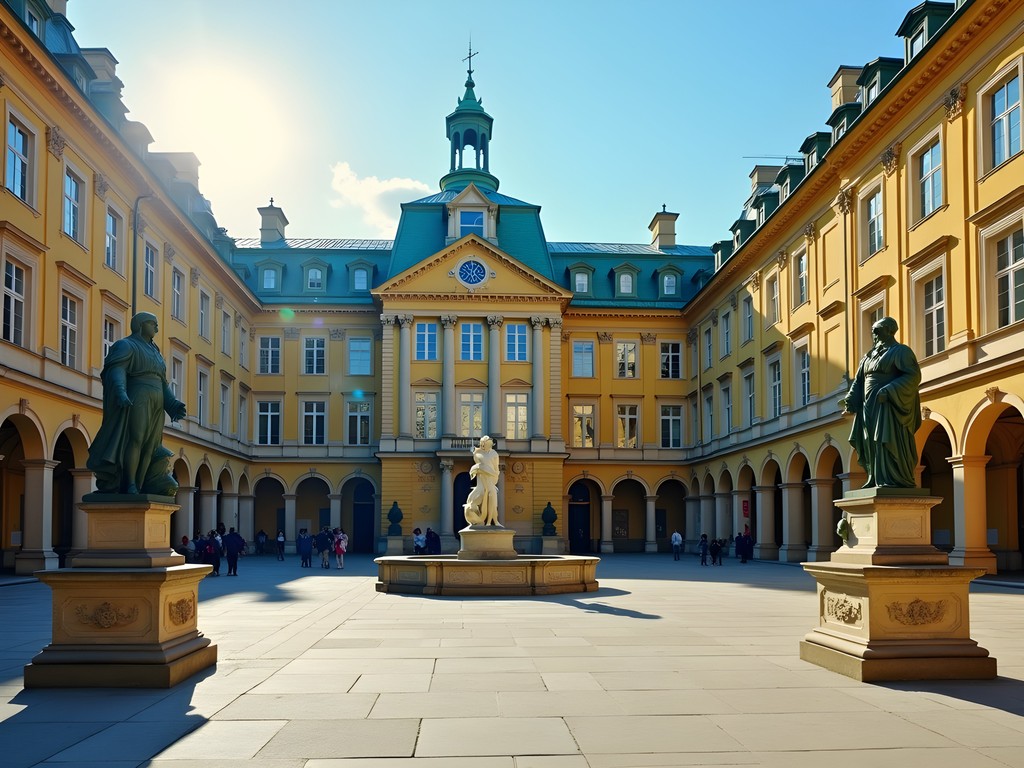
The sprawling Hofburg complex served as the Habsburg winter palace and administrative center for over 600 years. Unlike the unified design of Schönbrunn, Hofburg evolved organically across centuries, with each Habsburg ruler adding their architectural signature. This makes it a fascinating study in architectural evolution – something I've documented across four continents.
I dedicated an entire day to exploring its multiple museums and collections. The Imperial Apartments offer intimate glimpses into Franz Joseph and Elisabeth's (Sisi) private lives. The Silver Collection showcases the staggering wealth that once adorned Habsburg tables, while the Sisi Museum humanizes the beloved empress through personal artifacts.
As a language enthusiast who's learned basic conversational skills in five languages during my marathon travels, I appreciated the excellent multilingual audio guides. They revealed fascinating details about court protocols and daily imperial life that written descriptions often miss. I tracked over 15,000 steps within the complex alone – a testament to its scale.
For comfortable exploration of these vast palaces, I recommend the cushioned walking shoes that have carried me through countless European historic sites and marathon finish lines alike.
💡 Pro Tips
- Purchase the Sisi Ticket for combined entry to Hofburg, Schönbrunn, and Imperial Furniture Collection
- Visit the Spanish Riding School early morning for training session views without performance tickets
- Download the Hofburg complex map beforehand – the interconnected buildings can be confusing
Belvedere Palace: Baroque Splendor and Artistic Treasures
The Belvedere complex consists of two magnificent Baroque palaces – Upper and Lower – connected by one of the most meticulously designed formal gardens in Europe. Built for Prince Eugene of Savoy, the military genius who defended Vienna against Ottoman sieges, these palaces reflect both his martial success and refined taste.
As someone who's photographed religious and imperial architecture across three continents, I found the Belvedere's harmonious proportions particularly captivating. The Upper Belvedere houses Austria's most important art collection, including Gustav Klimt's iconic 'The Kiss.' Standing before this gold-leafed masterpiece, I was reminded of the gilded Buddhist temples I photographed while running the Kyoto Marathon last year – proof that humanity's impulse to adorn sacred and significant spaces transcends cultures.
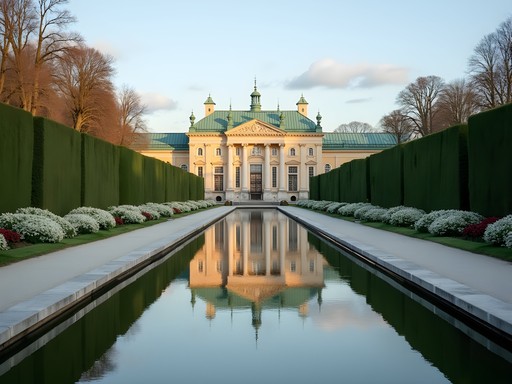
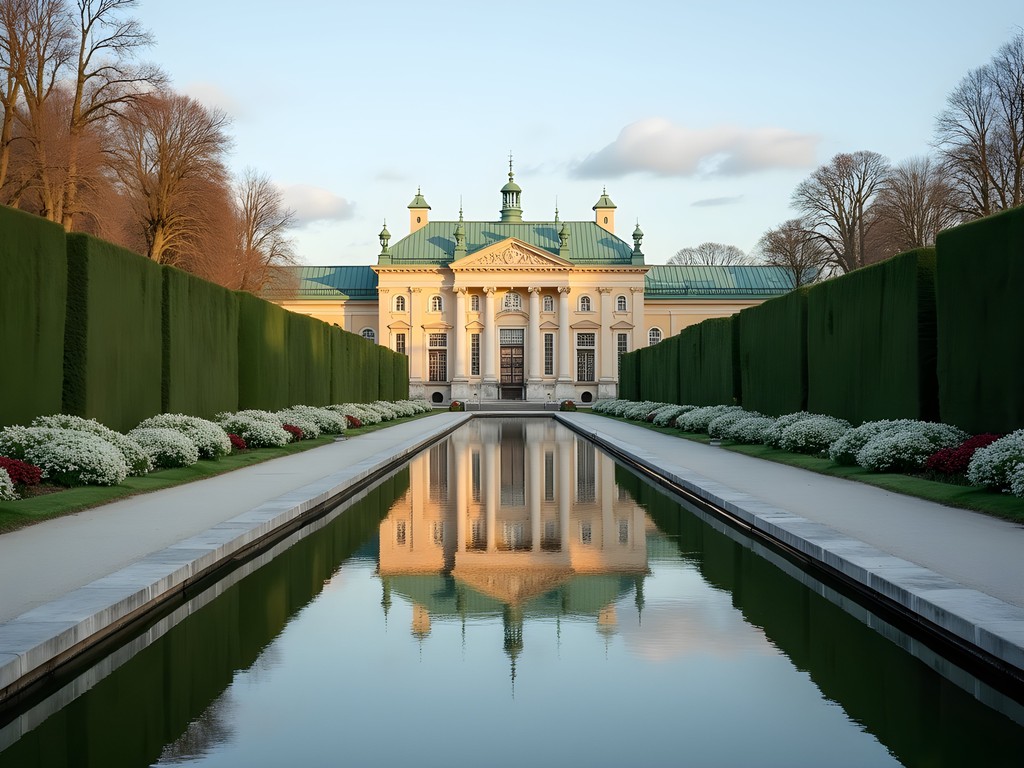
The Lower Belvedere and Orangery contain temporary exhibitions, while the palace's Marble Hall offers one of Vienna's most spectacular Baroque interiors. The gardens between the palaces provide perfect framing for photographs, with the Upper Belvedere reflected in the long pool.
For photography enthusiasts, I recommend bringing a polarizing filter to manage reflections when capturing the palace's reflection in the water features – a technique I've relied on for architectural photography from Venice to Kyoto.
💡 Pro Tips
- Visit Upper Belvedere first thing in morning or last hour before closing to avoid crowds around 'The Kiss'
- Photograph the palace reflection in the pool during early morning when wind is minimal
- Consider the combined ticket with nearby Belvedere 21 for contemporary art lovers

Beyond the Big Three: Hidden Habsburg Gems
While Schönbrunn, Hofburg and Belvedere form Vienna's imperial trinity, several lesser-known Habsburg residences offer equally rewarding experiences with fewer tourists.
Schloss Hetzendorf served as Empress Sisi's preferred retreat, where she could escape court protocols. The palace now houses the fashion department of the Vienna School of Applied Arts, but its gardens remain open to the public – perfect for a contemplative morning run.
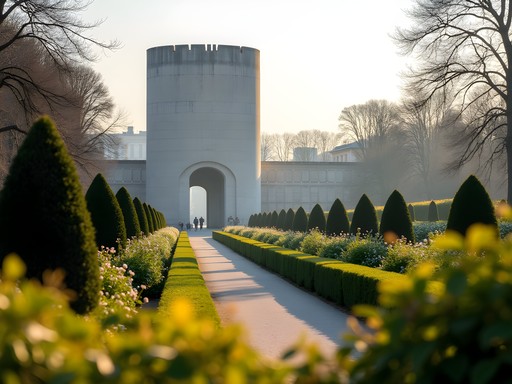
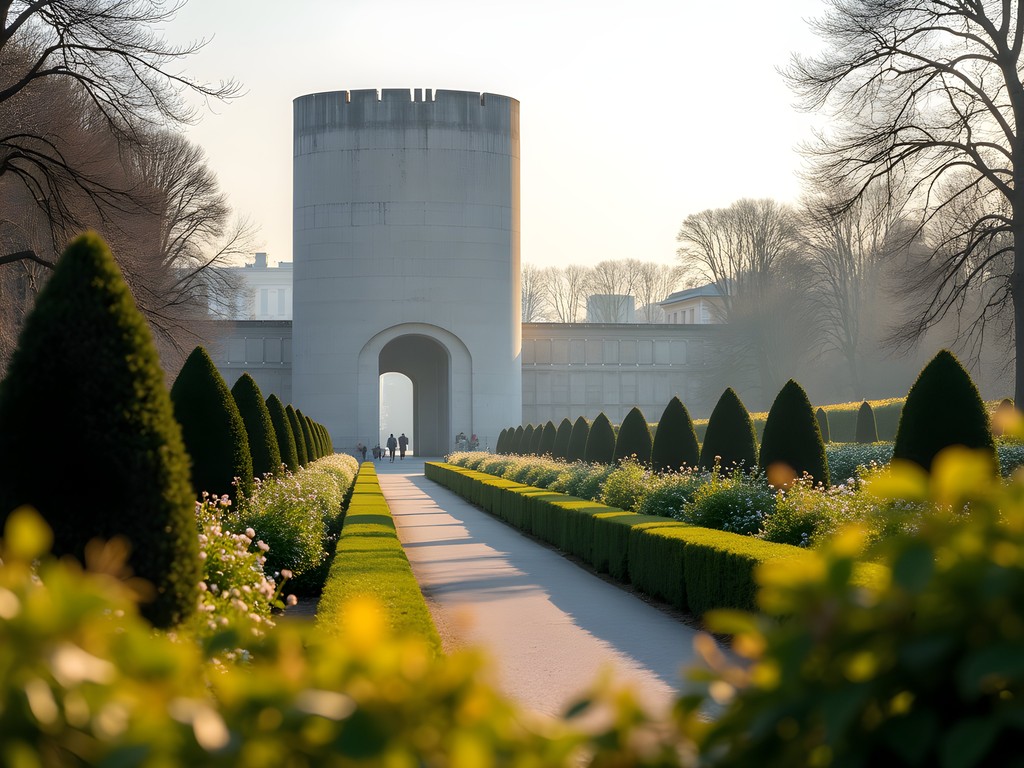
Augarten Palace houses the workshops of the renowned Vienna Porcelain Manufactory. The surrounding Baroque gardens feature curious WWII flak towers – stark concrete monoliths amid formal gardens that create a powerful architectural juxtaposition.
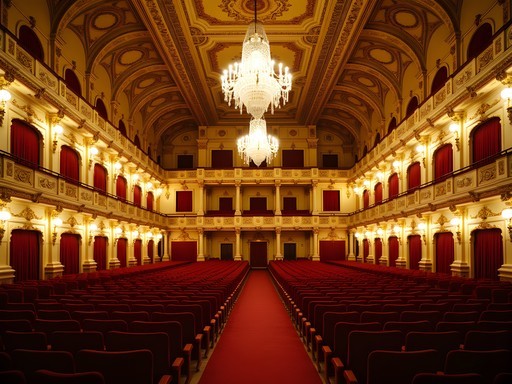
Palais Pallavicini, a private palace occasionally open for concerts, represents the height of aristocratic urban architecture. I attended a Mozart chamber music performance here last spring – the music resonating through the same halls where it was first performed centuries ago created one of those transcendent travel moments that no photograph can capture.
Palais Coburg, now a luxury hotel, offers a different way to experience Habsburg grandeur. Even if you're not staying there, you can visit its renowned wine bar housing one of Europe's finest collections. I treated myself to their wine tasting experience after completing the Vienna City Marathon – a perfect recovery activity!
For documenting these architectural treasures in varying light conditions, I always carry my pocket tripod which stabilizes low-light interior shots without the bulk of full-sized equipment.
💡 Pro Tips
- Check concert schedules at palaces like Pallavicini for unique musical experiences in historical settings
- Visit Augarten early morning when local runners and the porcelain museum crowd are both absent
- Consider a guided tour of Empress Sisi's path through Vienna that includes lesser-known residences
Practical Tips for Palace Exploration
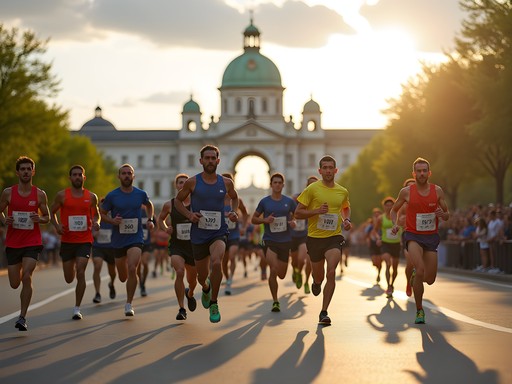
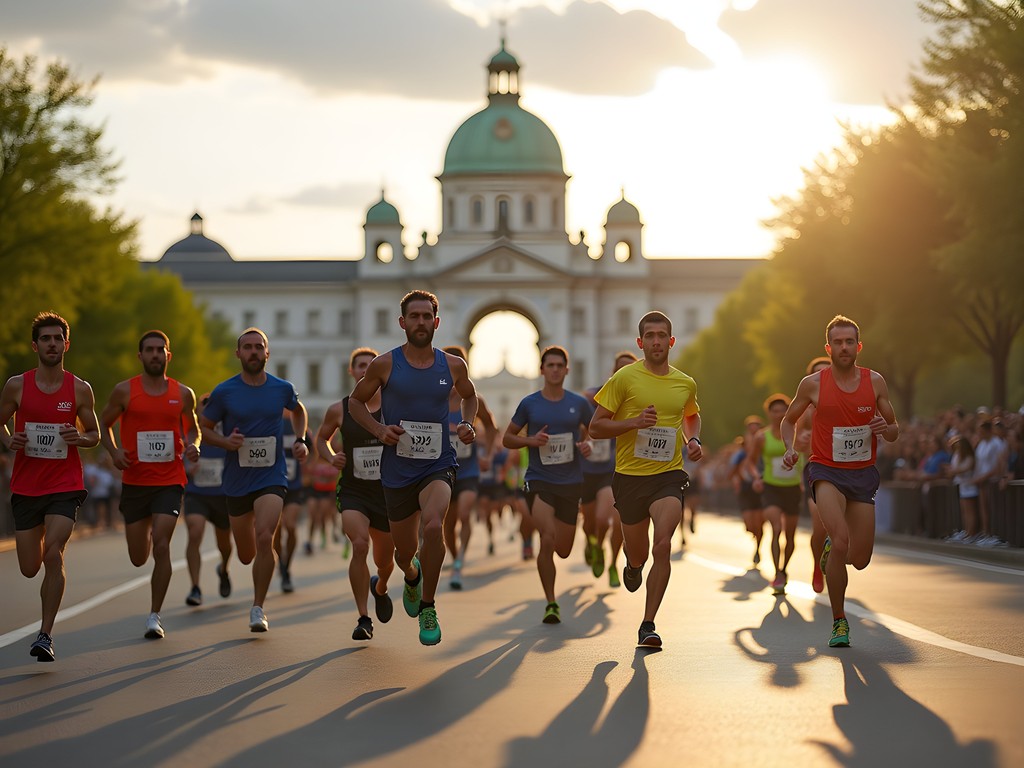
After visiting Vienna's palaces across three separate trips (and running two Vienna City Marathons whose routes pass many of these imperial treasures), I've developed a system for efficient exploration.
First, consider the Vienna Pass if planning to visit multiple major sites. While expensive upfront (€89 for 2 days), it quickly pays for itself and includes fast-track entry – invaluable during peak season when Schönbrunn alone can have 2+ hour queues.
For transportation between palaces, Vienna's excellent public transit system is your best option. I recommend the weekly transit pass which covers unlimited travel on all city transport. The 24, 71, and D trams form what locals call the 'Ring Tram' route, passing major palaces and offering a DIY sightseeing tour.
Regarding timing, I suggest an early morning start at Schönbrunn (8:30-9:00 AM), followed by afternoon at Belvedere when the light is ideal for garden photography. Save the Hofburg complex for a day when rain threatens – its multiple museums provide hours of indoor exploration.
For serious architectural enthusiasts, consider bringing a pocket art reference to identify the subtle differences between Baroque, Rococo, and Neoclassical elements that define different Habsburg eras. These architectural shifts reflect changing imperial fortunes and European political currents in fascinating ways.
💡 Pro Tips
- Book palace concert tickets at least two weeks in advance – the popular Mozart/Strauss performances often sell out
- Consider visiting palaces on consecutive days rather than attempting multiple major sites in one day
- Most palace cafés are overpriced – instead, try nearby local coffee houses for authentic Viennese coffee culture
Final Thoughts
As I completed my final morning run through the Schönbrunn gardens, watching the palace catch the first light of day, I reflected on how these Habsburg monuments represent far more than architectural splendor. They embody Europe's complex history – the rise and fall of empires, changing artistic movements, and the human desire to create beauty that outlasts us.
Whether you're an architecture enthusiast, history buff, or simply seeking beautiful backdrops for vacation photos, Vienna's palaces offer something profound. Like the marathons I've run across five continents, exploring these imperial treasures requires patience and pacing, but rewards you with moments of transcendent connection to something greater than yourself.
In our rapidly changing world, there's something deeply reassuring about standing in rooms where Mozart performed, where emperors governed for centuries, and where artistic movements were born. I invite you to experience Vienna's Habsburg palaces not just as tourist attractions, but as portals to understanding the cultural foundations of modern Europe. As we say before every marathon start: the journey awaits – all you need to do is take the first step.
✨ Key Takeaways
- Purchase combination tickets like the Sisi Ticket or Vienna Pass for the best value when visiting multiple palaces
- Start days early (8:30-9:00 AM) to experience major sites before tour group crowds arrive
- Balance your itinerary between the 'big three' palaces and lesser-known Habsburg residences for a more complete understanding
📋 Practical Information
Best Time to Visit
April-June and September-October
Budget Estimate
$100-150 per day including accommodations, palace admissions, and meals
Recommended Duration
5-7 days
Difficulty Level
Easy
Comments
photobackpacker
Just got back from Vienna and used this guide - it was perfect! We did the morning run at Schönbrunn like you mentioned and it was MAGICAL having the gardens almost to ourselves. Quick tip for others: the Vienna transport system is super easy to navigate and all these palaces are accessible by public transit. No need for expensive tours! Also loved the Sisi Museum at Hofburg - her story is fascinating and heartbreaking.
Jean Wells
Having spent three months in Vienna researching Habsburg architecture last year, I appreciate the breadth of your coverage, Garrett. However, I'd suggest visitors also consider the seasonal aspects of these sites. Summer brings lush gardens but crushing crowds at Schönbrunn. I prefer late September/early October when the tourist density drops but weather remains pleasant. For photography enthusiasts visiting the Belvedere, I recommend bringing a polarizing filter to manage reflections when capturing the palace's reflection in the pools. The lesser-known Augarten Palace deserves more attention - it houses the Vienna Boys' Choir and the second-oldest porcelain manufactory in Europe. Their morning rehearsals are open to the public on select days and provide a hauntingly beautiful soundtrack to your palace explorations.
photobackpacker
Thanks for the photography tip! I'm heading there next month and definitely want to get that classic Belvedere reflection shot. Did you find early morning or evening better for photography?
Jean Wells
Morning light is better for Upper Belvedere, evening for Lower Belvedere. The gardens between them are magical at golden hour.
smartperson
Going to Vienna in December. Will these palaces be open during winter? Any special Christmas events?
Garrett Ramirez
Absolutely! The Christmas markets at Schönbrunn and Belvedere are magical. Palace interiors are open year-round with slightly reduced winter hours. Bundle up for those garden walks!
Douglas Bradley
Excellent overview of Vienna's imperial legacy, Garrett. Having visited all these sites multiple times over the years, I'd add that the timing of your visit dramatically impacts the experience. The Belvedere, for instance, is magnificent in late afternoon light when the gardens take on a golden hue. For those planning a visit, I'd recommend purchasing the Vienna Pass if you're hitting more than three palaces - the cost savings are substantial, and it includes public transport. The audio guides at Schönbrunn are exceptionally well-produced and worth the extra fee. Did you manage to visit the Imperial Furniture Collection? It's often overlooked but provides fascinating insight into Habsburg daily life.
smartperson
Is the Vienna Pass worth it if you're only there for 2 days? Trying to plan efficiently.
Douglas Bradley
For just 2 days, I'd skip the pass and prioritize Schönbrunn (half day) and Hofburg (half day). You can use regular public transit tickets and save money if you're only seeing those two major sites.
oceanmood
Just got back from Vienna last week and Schönbrunn was definitely the highlight! But the crowds were INTENSE by midday. Wish I'd read this earlier and done the sunrise visit. The Habsburg history is fascinating - I had no idea how much territory they controlled! We also loved the Imperial Apartments at Hofburg but missed some of these lesser-known palaces you mentioned. Guess I need to plan another trip! 😍
dreammood
Those sunrise shots of Schönbrunn are absolutely stunning! Did you really wake up that early just for photos?
Garrett Ramirez
Thanks! And yes - I'm a morning runner so I was already up. The gardens open early and it's worth it to see the palace before the crowds arrive!
dreammood
That's dedication! I'd need at least three coffees before attempting that lol
escapebackpacker
Going there next month, this is so helpful!
vacationblogger1015
We visited last summer and your post is spot on! One thing we learned the hard way - wear comfortable shoes. We tried doing Schönbrunn and Hofburg in one day and our feet were killing us by evening. The gardens at Schönbrunn are massive. Also the cafe at Belvedere has amazing sachertorte if you need a break. Thanks for the memories!
greenseeker
Good to know about the shoes! Definitely packing my walking sneakers.
wavediver
Which palace has the best gardens? That's really what I'm most interested in.
Sarah Powell
Excellent breakdown of the palace circuit, Garrett. I'm particularly interested in your running route integration - that's such a smart way to experience these spaces. From a solo traveler's perspective, I found the audio guides at Hofburg to be exceptionally well-produced, almost like having a personal historian. One thing I'd add: the lesser-known Augarten Palace area is perfect for morning exercise and has far fewer tourists. The porcelain manufactory there is also worth a visit if you have time. Have you explored the Habsburgs' hunting lodges outside the city center?
Garrett Ramirez
Great call on Augarten! I didn't make it to the hunting lodges this trip but they're definitely on my list for next time. The combination of trail running and palace exploring sounds perfect.
Venture X
Premium card with 2X miles, $300 travel credit, Priority Pass