
Disclosure: This article contains affiliate links. We may earn a commission from purchases at no extra cost to you, which helps our travel content.
Growing up just two hours southwest of Toronto, I've always had a complicated relationship with Canada's largest metropolis. As an urban planner, I'm fascinated by its architectural evolution and cultural layers, but as someone raised near the shores of Lake Huron, I've often found myself seeking respite from the concrete and glass that dominate the cityscape. What many visitors (and even residents) don't realize is that Toronto harbors remarkable natural sanctuaries within and around its urban boundaries. These green spaces aren't merely decorative afterthoughts—they're vital threads in the city's urban fabric, sacred spaces where families can connect with nature and each other. During my recent summer visit with my university friends from London, I rediscovered these natural havens with fresh eyes, mapping a week of outdoor adventures that reveal Toronto's surprising ecological diversity and spiritual dimensions.

Toronto Islands: A Car-Free Paradise
The ferry ride from the downtown harbor to Toronto Islands takes merely minutes, but the transformation is profound. As the city's iconic skyline recedes behind you, the urban cacophony fades into the gentle lapping of Lake Ontario against the shores of this archipelago sanctuary.
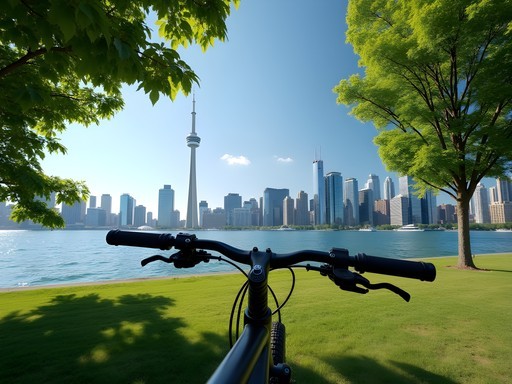
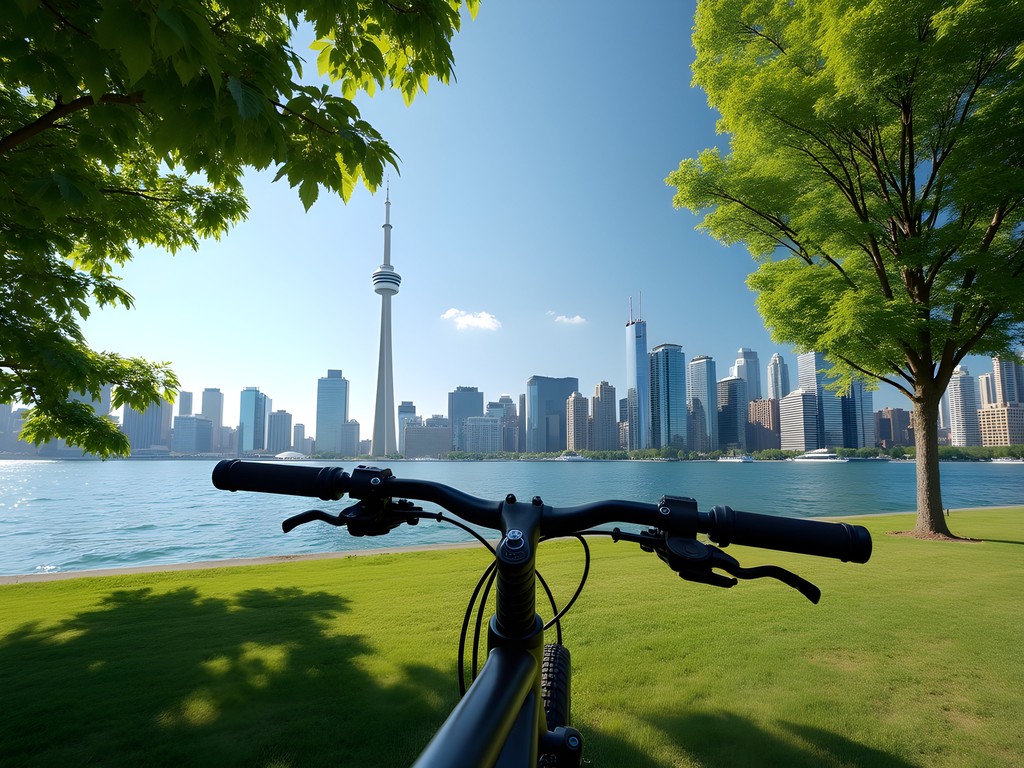
During our visit last July, my friends and I rented bicycles near the ferry terminal and spent a full day circumnavigating the islands' 5km of car-free pathways. The urban planner in me marvels at this rare example of pedestrian-centric development so close to a major downtown core—a testament to the foresight of city officials who protected these lands from development in the late 19th century.
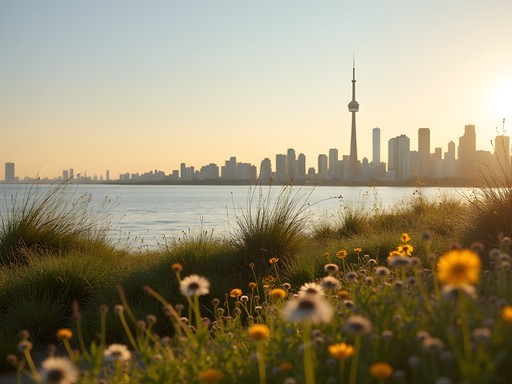
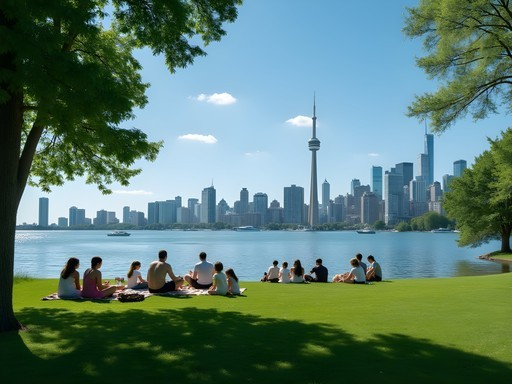
Ward's Island offers a fascinating study in sustainable community design with its eclectic cottages, while Centre Island's manicured gardens provide a more formal interaction with nature. For families, Centreville Amusement Park offers nostalgic entertainment, though I prefer the quieter eastern shores where the city skyline creates a dramatic backdrop for contemplation.
The ecological diversity here is remarkable—coastal marshlands transition to sandy beaches and shaded groves. We spotted great blue herons stalking the shallows and families of ducklings navigating the lagoons. I recommend packing a waterproof picnic blanket for impromptu lunches along the shore, as the island's food options can be limited and overpriced during peak season.
💡 Pro Tips
- Arrive early to avoid ferry queues, especially on weekends
- Rent bikes on the mainland before boarding the ferry
- The clothing-optional Hanlan's Point Beach is clearly marked, so families can easily avoid it if preferred
Rouge National Urban Park: Wilderness Within City Limits
When I tell people that Toronto contains Canada's first and only national urban park, I'm often met with surprise. Rouge National Urban Park represents a revolutionary approach to conservation—22 square kilometers of ecological treasure nestled within the Greater Toronto Area's eastern edge. As someone who studies urban spaces professionally, I find Rouge Park particularly fascinating as a case study in how metropolitan regions can preserve significant natural areas.
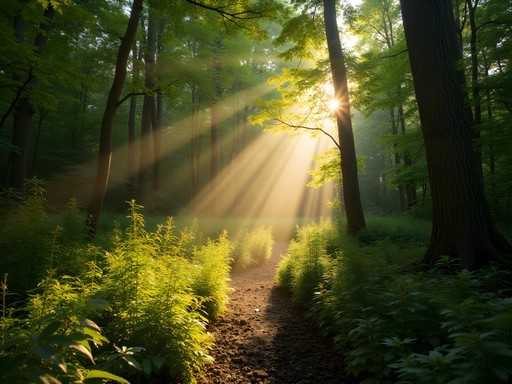
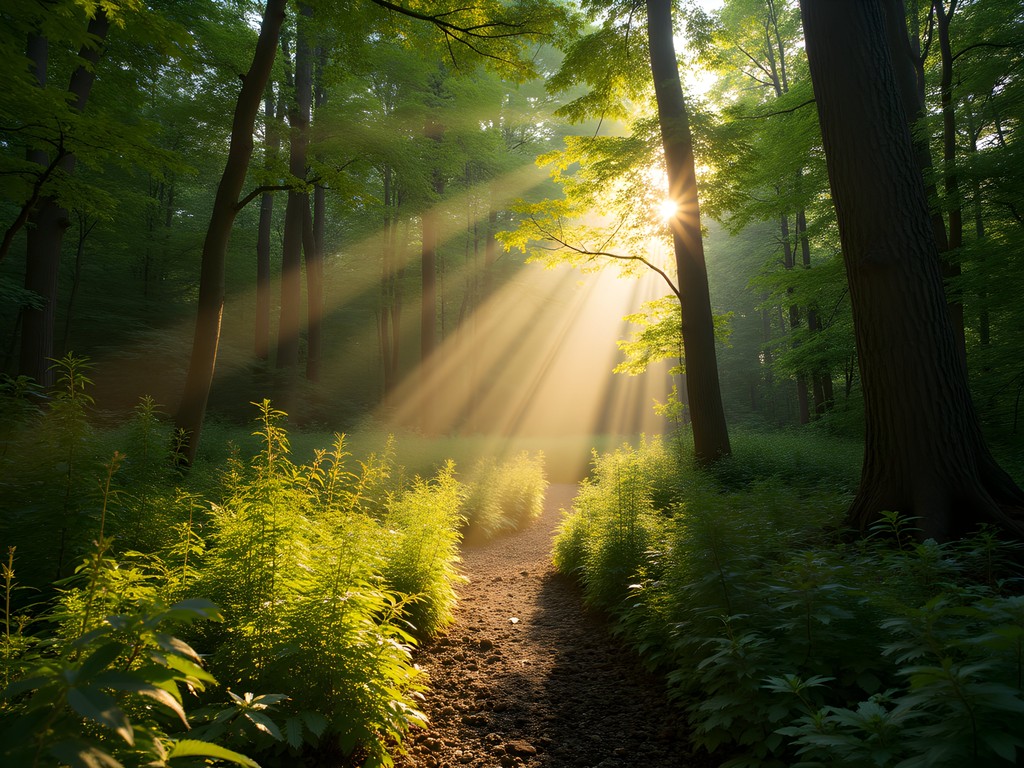
During our exploration of the park last summer, we hiked the Vista Trail, a moderate 1.5km loop that rewards with spectacular views over the Rouge River valley. The trail winds through Carolinian forest—a rare ecosystem in Canada that harbors more species diversity than virtually any other Canadian woodland type.
What makes Rouge Park truly special is its layered history. This land has been inhabited for over 10,000 years, with archaeological sites revealing Indigenous settlements dating back millennia. The park offers an opportunity to connect with both natural and cultural heritage—something I've found increasingly important in my own journey documenting sacred spaces.
Families should consider the guided programs offered by park staff, which include everything from bird watching to Indigenous history walks. The park's relative newness (it was established in its current form in 2015) means it remains wonderfully uncrowded compared to other Toronto attractions.
For serious hiking, I recommend bringing a hiking daypack with enough room for water, snacks, and weather protection, as summer thunderstorms can develop quickly over the Rouge Valley.
💡 Pro Tips
- Download the Rouge Park app for trail maps and wildlife identification guides
- The Mast Trail offers more challenging terrain for experienced hikers
- Visit early on weekdays for the most peaceful experience
High Park: Urban Wilderness with Sacred Cherry Blossoms
High Park holds a special place in my heart, as it was the first Toronto green space I explored as a university student years ago. This 400-acre sanctuary in the city's west end offers a remarkable diversity of landscapes—from manicured gardens to wild oak savannas that have existed since pre-colonial times.
While High Park is famous for its spring cherry blossoms (a gift from Tokyo in 1959), our summer visit revealed different treasures. The rare black oak savanna ecosystem—a habitat that once covered much of southern Ontario—is particularly fascinating from an urban conservation perspective. These ancient, fire-dependent ecosystems have been carefully preserved through prescribed burns and restoration efforts that offer a glimpse into what Toronto's landscape looked like centuries ago.
For families, High Park offers an exceptional balance of structured and unstructured activities. The Jamie Bell Adventure Playground (rebuilt by community volunteers after a fire in 2012) provides imaginative play spaces, while the park's network of trails invites exploration. The free zoo houses bison, llamas, peacocks and other creatures that delight young visitors.
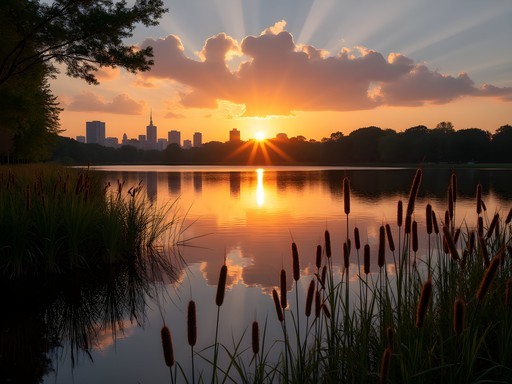
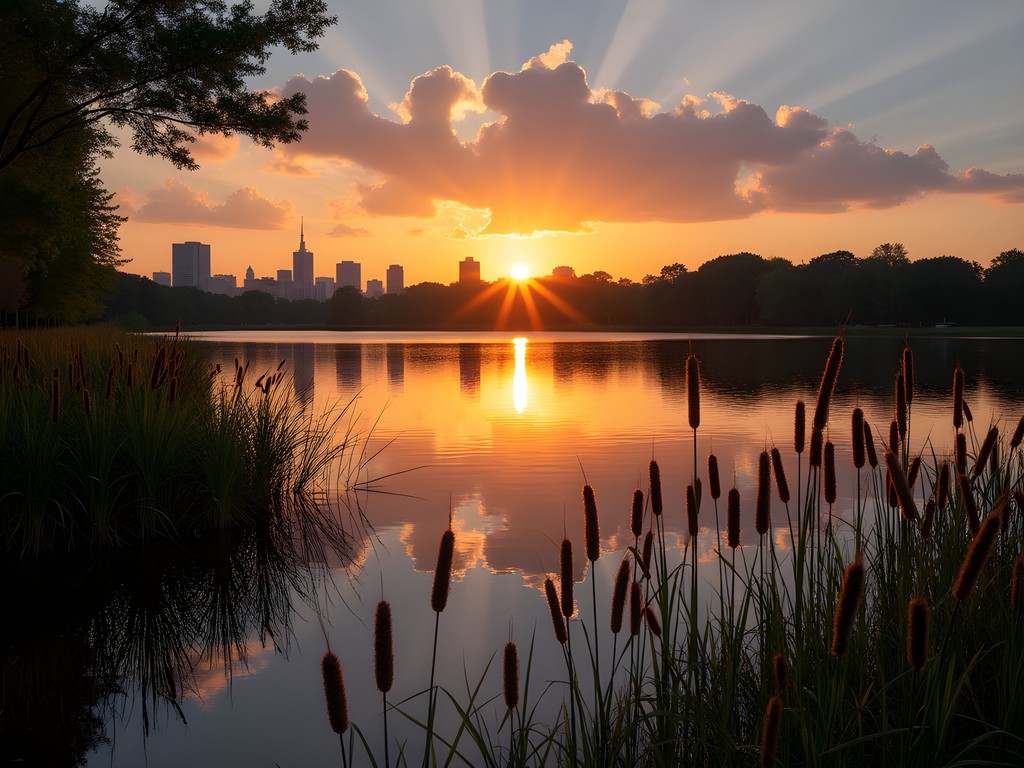
Grenadier Pond on the park's western edge provides a tranquil setting for contemplation. We spent a peaceful hour watching turtles bask on logs while dragonflies performed aerial acrobatics over the water's surface. This juxtaposition of wilderness within view of downtown high-rises perfectly encapsulates Toronto's dual identity.
If you're planning to explore extensively, I suggest bringing a insulated water bottle to stay hydrated during summer heat, as water fountains are limited to certain areas of the park.
💡 Pro Tips
- Visit Colborne Lodge, a preserved 1836 home, to understand the park's history
- The eastern ravines offer more secluded hiking away from crowds
- Take the 506 streetcar directly to the park entrance to avoid parking challenges

Don Valley Brick Works: Industrial Heritage Meets Ecological Restoration
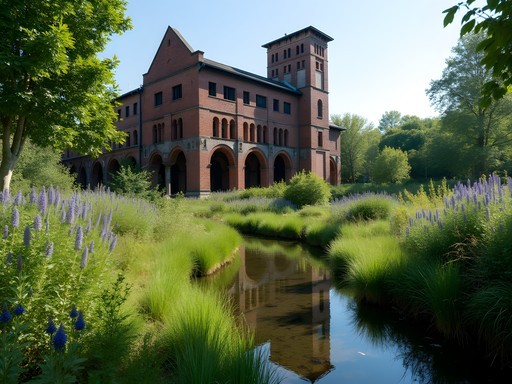
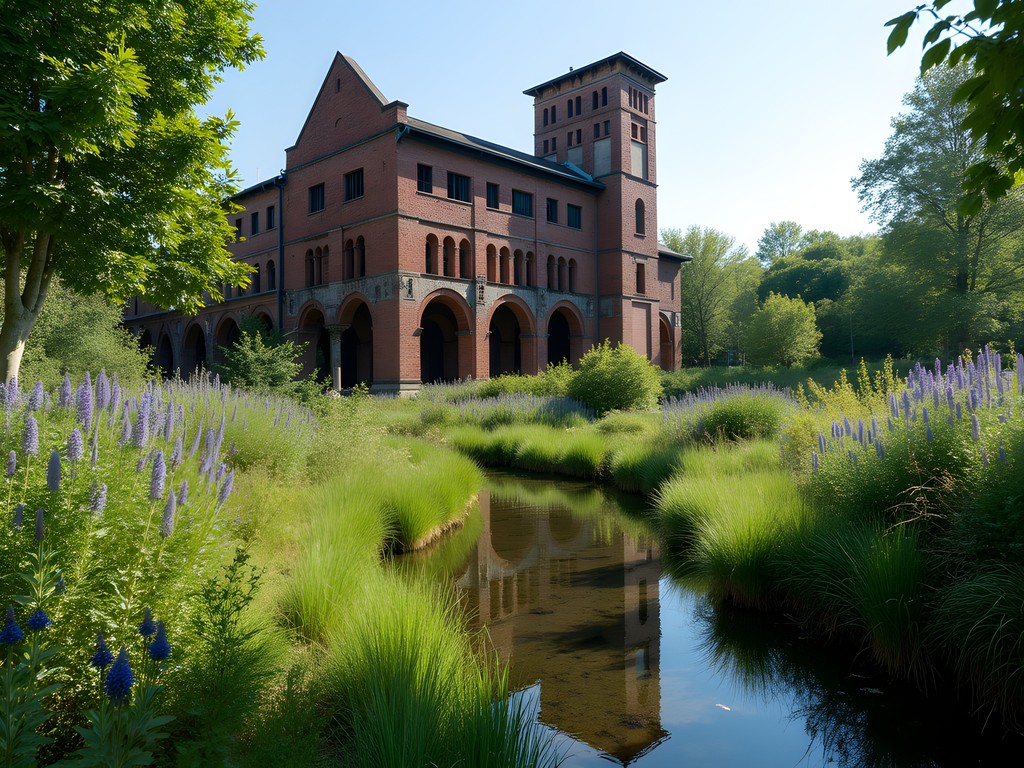
As an urban planner, I find few places in Toronto more inspiring than the Evergreen Brick Works. This former industrial site in the Don Valley has been transformed from an abandoned brick factory into a thriving community hub that celebrates the intersection of nature, culture, and urban design—a perfect example of adaptive reuse that respects both heritage and ecology.
During our visit, we began with the quarry garden, where native plants now reclaim the very earth that was once extracted to build Toronto's historic buildings. The juxtaposition of industrial ruins with flourishing wetlands creates a powerful narrative about urban regeneration and our relationship with the natural world.
The site offers excellent programming for families, including weekend farmers' markets, sustainable food workshops, and nature-based education programs. The Children's Garden provides hands-on opportunities for younger visitors to engage with plants and natural materials in creative ways.
For those seeking more active exploration, the Brick Works connects to the extensive Don Valley trail system. We hiked north along the valley for several kilometers, following the meandering river through surprising pockets of wilderness. It's remarkable to stand in these ravines and realize you're in the heart of Canada's largest city—the valley walls block the urban soundscape, creating the illusion of remote wilderness.
The Watershed Wall exhibition inside the Welcome Centre offers fascinating insights into Toronto's hidden hydrology—the buried streams and altered watersheds that shaped the city's development. As someone who studies urban systems, I find this transparent acknowledgment of how we've transformed natural processes particularly valuable.
For photography enthusiasts exploring the Don Valley trails, I recommend a camera sling bag that allows quick access to capture the valley's surprising wildlife while keeping your hands free for the occasionally steep terrain.
💡 Pro Tips
- Visit on Saturday mornings for the farmers' market and food trucks
- The chimney swift habitat (in the preserved smokestacks) is best observed at dusk in summer
- Download the Evergreen Brick Works app for self-guided tours of the site's industrial heritage
Scarborough Bluffs: Geological Wonders on Lake Ontario
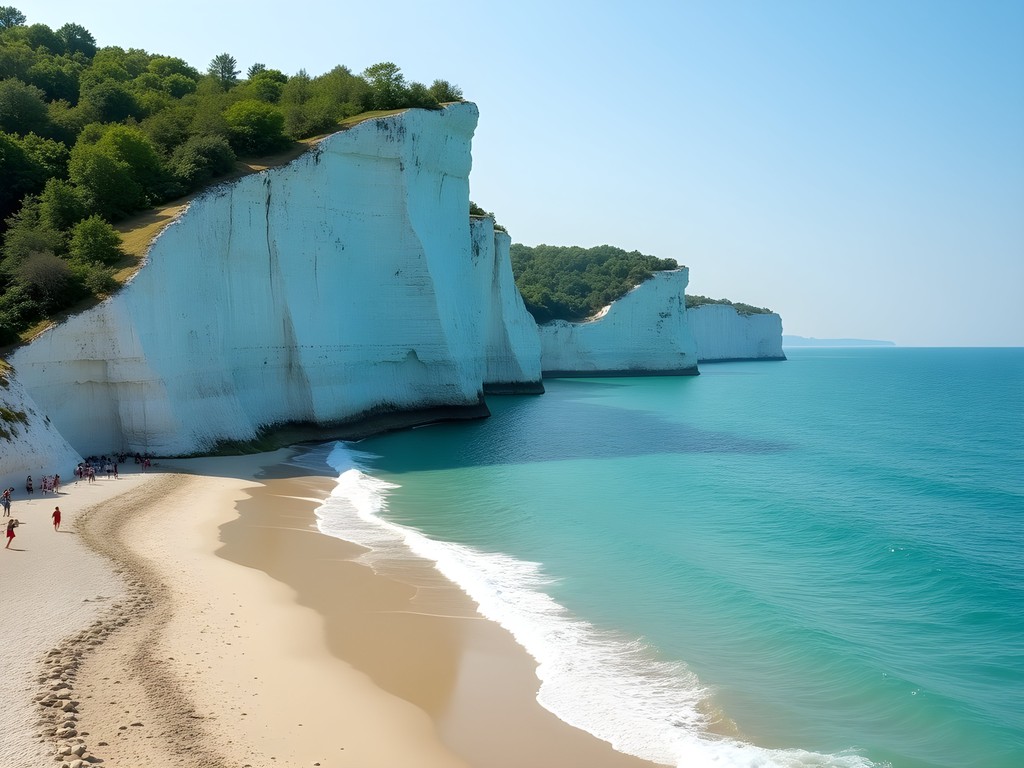
The Scarborough Bluffs stand as one of Toronto's most dramatic natural landmarks—a 15km stretch of sedimentary cliffs rising up to 90 meters above Lake Ontario's shoreline. These geological formations tell a story 12,000 years in the making, shaped by the last ice age and ongoing erosion processes that continue to transform the landscape.
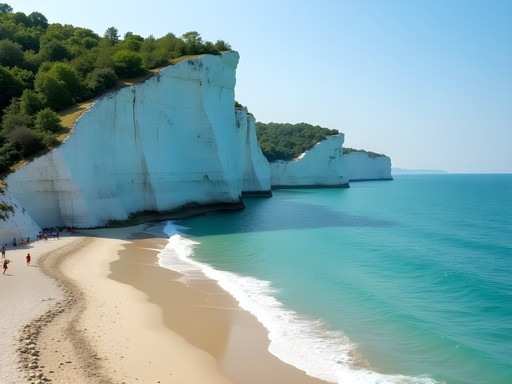
During our exploration, we accessed the Bluffs via Bluffer's Park, where a sandy beach offers stunning views upward to the towering white cliffs. The juxtaposition of azure lake waters against the pale escarpment creates a scene more reminiscent of Mediterranean coastlines than what most expect from Toronto.
For families, the beach area provides safe swimming (when lifeguards are present) and picnic facilities. The more adventurous can follow trails along the top of the bluffs at Cathedral Bluffs Park, though it's crucial to respect barriers and warning signs—erosion has made certain viewpoints dangerous.
As someone who studies urban spaces, I find the Bluffs particularly interesting as an example of how cities must balance public access with environmental protection. Erosion management has become increasingly important as climate change brings more extreme weather events to the Great Lakes region.
The Bluffs also offer unexpected wildlife viewing opportunities. We spotted bank swallows nesting in the cliff faces and monarch butterflies feeding on milkweed in the meadows above. The juxtaposition of this biodiversity with views of one of North America's largest cities creates a powerful reminder of nature's resilience.
If you're planning to spend significant time exploring both the beach and upper trails, I recommend bringing a beach shelter for sun protection, as shade is limited in many viewing areas.
💡 Pro Tips
- Visit on weekdays to avoid weekend parking challenges
- The eastern sections near Guild Park offer less crowded viewing areas
- Check the Toronto Region Conservation Authority website for trail closures due to erosion
Leslie Street Spit: A Manufactured Wilderness
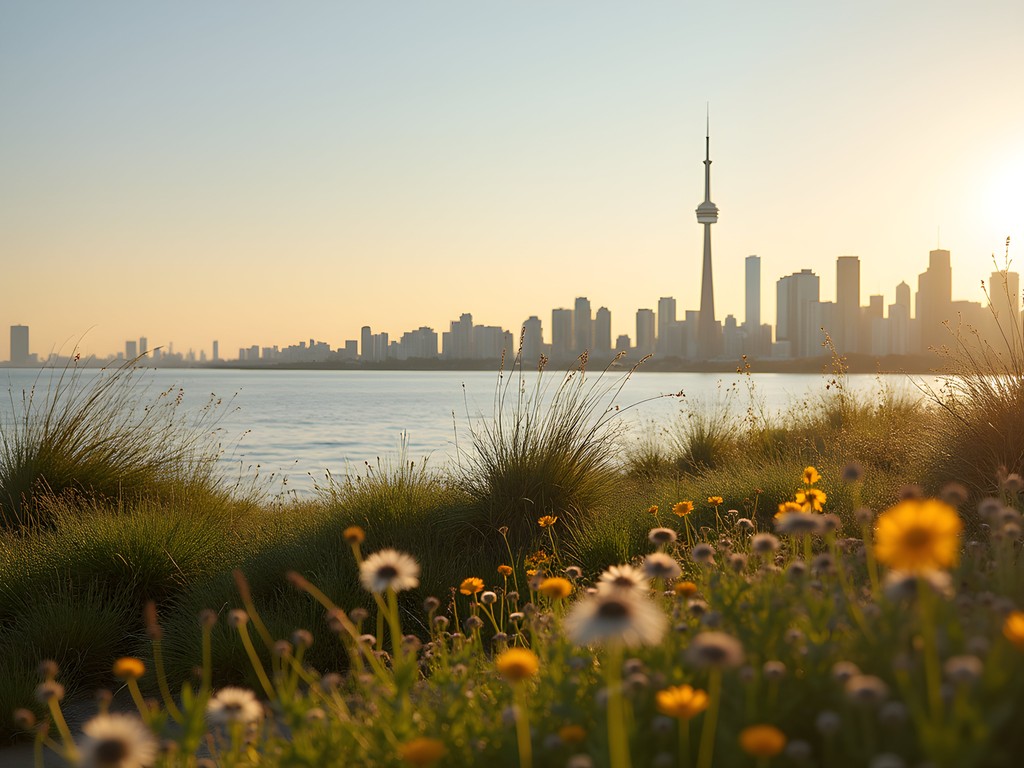
Perhaps the most surprising natural space in Toronto is one that began as anything but natural. The Leslie Street Spit (officially Tommy Thompson Park) extends 5km into Lake Ontario—a human-created peninsula originally intended as a breakwater for a harbor expansion that never materialized. Over decades, nature reclaimed this artificial landmass created from construction debris, transforming it into one of the city's most biodiverse habitats.
As an urban planner, I find the Spit fascinating as a case study in unintentional rewilding—proof that even our most utilitarian infrastructure projects can evolve into ecological treasures when given time and protection. The juxtaposition of concrete rubble (some still showing fragments of demolished buildings) with thriving wetlands and meadows tells a powerful story about urban regeneration.
During our weekend visit, we rented bicycles to explore the car-free peninsula, which offers over 10km of trails. The main path follows the spine of the landform, with smaller trails branching off to various lookouts and habitats. For families with children who can manage longer rides, this flat terrain provides an ideal cycling experience with continuous views of the lake and city skyline.
The Spit hosts remarkable birdlife—over 300 species have been documented here, making it one of Lake Ontario's most important migratory stopover points. The constructed wetlands along the inner bays provide crucial habitat for waterfowl and amphibians. Even for casual nature observers, the diversity is striking compared to other urban parks.
The peninsula's southern tip offers a contemplative space where weathered concrete blocks are arranged like a modernist sculpture garden—remnants of the city's demolished buildings now serving as windbreaks and nesting sites. There's something spiritually resonant about this transformation of urban waste into wilderness.
For comfortable exploration of the 5km peninsula (10km round trip), I recommend bringing a lightweight binoculars to appreciate the diverse birdlife that makes the Spit an internationally recognized Important Bird Area.
💡 Pro Tips
- The park is closed to visitors on Mondays and Tuesdays for habitat management
- Bring water and snacks as there are no services on the peninsula
- Cell phone reception can be spotty at the far end—download maps beforehand
Humber River Paddling Trail: Urban Waterway Exploration
The Humber River holds special significance in Toronto's history—it was a major transportation route for Indigenous peoples for thousands of years before European settlement, and was designated a Canadian Heritage River in 1999. Today, this urban waterway offers one of Toronto's most immersive natural experiences through its navigable paddling trail.
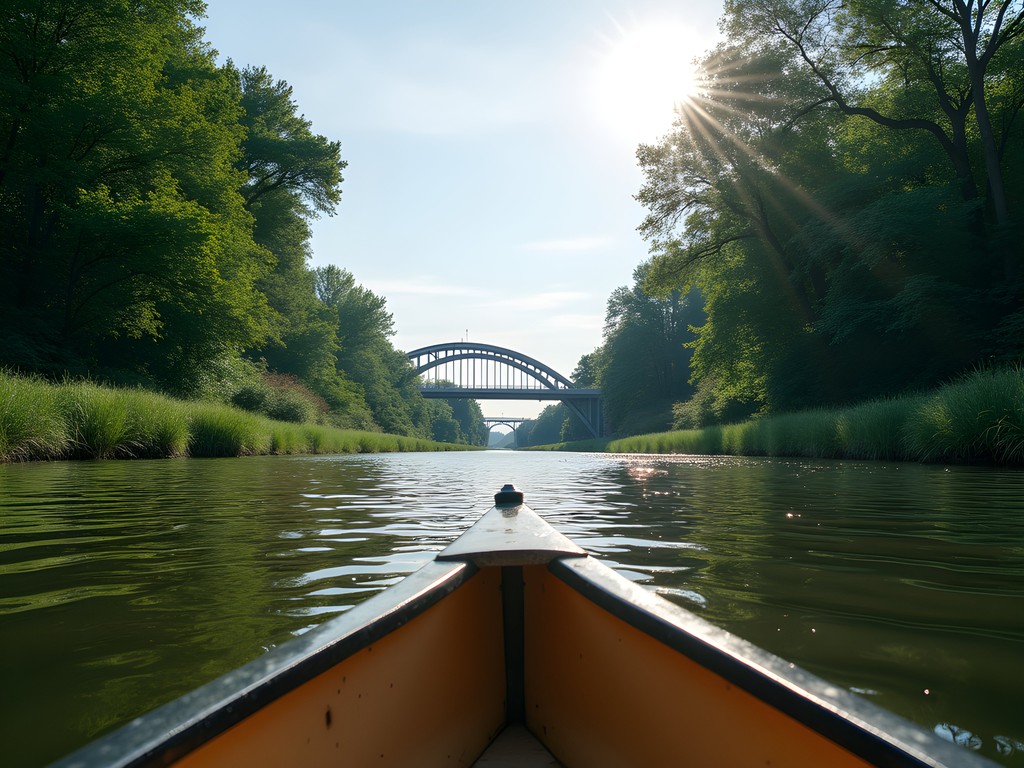
We rented canoes from Toronto Adventures near Old Mill subway station and spent a full day exploring the lower Humber. Pushing off from the calm waters near the historic Old Mill, we paddled south toward Lake Ontario, passing under graceful pedestrian bridges and alongside restored wetland habitats.
What makes this experience particularly magical is the perspective—from water level, the city seems to recede behind a corridor of greenery. Great blue herons stalk the shallows, turtles bask on fallen logs, and kingfishers dart across the water's surface. The river's gentle current makes this an accessible adventure for families with older children and paddling novices.
As we approached the river's mouth at Lake Ontario, we passed beneath the distinctive Humber Bay Arch Bridge—a modern interpretation of Indigenous design principles that acknowledges the river's heritage as part of the Toronto Carrying Place trail. This connection between contemporary urban design and ancient travel routes reflects the layered history that makes Toronto's landscapes so rich with meaning.
For families considering this adventure, I recommend the guided tours that include ecological and historical interpretation. The river's significance in Indigenous history provides an opportunity for meaningful conversations about place, belonging, and our relationship with water in urban environments.
Before setting out on the water, I suggest applying a good quality reef-safe sunscreen as reflection from the water intensifies sun exposure, and the river offers limited shade along certain stretches.
💡 Pro Tips
- Check water levels before planning your trip—spring conditions can create faster currents
- Pack a waterproof bag for phones and cameras
- Look for the salmon run in early fall when fish migrate upstream to spawn
Final Thoughts
As we reluctantly packed our bags after a week of Toronto's outdoor adventures, I found myself reflecting on how this metropolis defies the false dichotomy between urban and natural environments. These green spaces aren't merely recreational amenities—they're vital ecological systems that sustain both wildlife and the human spirit within Canada's most populous city. For families seeking meaningful connections with nature, Toronto offers a remarkable diversity of experiences that challenge our preconceptions of what urban environments can provide. Whether you're watching herons fish in the shadow of skyscrapers or discovering ancient oak savannas hidden in city neighborhoods, these adventures reveal Toronto's commitment to preserving natural heritage within the urban fabric. As both an urban planner and spiritual pilgrim, I've come to see these spaces as sacred in their own right—places where we can reconnect with deeper rhythms and remember our place within the greater community of life.
✨ Key Takeaways
- Toronto's natural areas offer diverse ecosystems within easy reach of downtown
- Many sites combine cultural heritage with ecological significance
- Summer provides ideal conditions for exploring Toronto's blue-green network
- Family adventures can be tailored to various ages and mobility levels
📋 Practical Information
Best Time to Visit
June through September
Budget Estimate
$100-200 per day for family of four
Recommended Duration
5-7 days
Difficulty Level
Moderate




Comments
islandclimber
Just did the Toronto Islands yesterday based on this post. The skyline views were incredible! Thanks for the recommendation!
winterpro
Don Valley Brick Works is amazing in fall when the leaves change. Great farmers market on weekends too!
sunsetwalker
As a Toronto local, I'd add the Leslie Street Spit to this list! It's this weird and wonderful 5km man-made peninsula built from construction waste that's been reclaimed by nature. Tons of birds, wildflowers, and these eerie concrete structures covered in graffiti. Perfect for a bike ride with urban decay meets wilderness vibes. No cars allowed and way less crowded than the Islands on summer weekends.
islandlife
Seconding the Leslie Spit recommendation! Great spot for bird watching too.
smartwalker
How walkable is the Don Valley area? Can you do it without a car?
Wyatt West
Super walkable! The Brick Works has TTC access (Broadview subway then bus) and once you're there, all the trails are pedestrian-friendly. The Don Valley trail system connects to tons of places too.
starbuddy
Those cherry blossom pics are incredible!
nomadlover
Great post! I've been to Toronto three times and always thought it was just concrete and skyscrapers. Wish I'd known about these spots earlier. High Park during cherry blossom season is on my bucket list now. One thing I'd add - the Scarborough Bluffs are also worth checking out if you have time. Not mentioned in your article but another amazing natural escape right in the city.
Hunter Thompson
Mate, Rouge Park is absolutely brilliant! I spent a whole day there last summer and couldn't believe I was still technically in Toronto. The trails along the Rouge River are stunning, and I even spotted a deer which was mental. Pro tip: bring proper hiking boots because some trails can get muddy after rain. I also hit up the Tews Falls area afterwards - if you're doing outdoor Toronto, definitely combine these spots. The public transit connections are solid too which made it dead easy as a backpacker.
nomadlover
Did you camp there or just day trip? I've been wanting to explore Rouge Park more thoroughly.
Hunter Thompson
Just day tripped it from a hostel downtown. Not sure about camping options there tbh but would be brilliant if they have it!
cityseeker
Love the Brick Works! Great spot.
wavefan
Has anyone done kayaking in the Humber River? Worth it?
Fatima Sims
Did it last summer! Absolutely worth it, especially if you paddle south toward the lake around sunset. The rental place near Old Mill station is great - they provide everything you need. Just bring a dry bag for your phone to snap pics of the skyline. I used my waterproof pouch and got some amazing shots!
summerhero
This looks amazing! Quick question - how do you get to the Toronto Islands? Is there a ferry or something? Planning a trip in spring and this sounds perfect for my kids.
Wyatt West
Yes! There's a ferry from the Jack Layton Ferry Terminal at the foot of Bay Street. Runs frequently in spring/summer. Your kids will love it - totally car-free so they can bike or walk safely everywhere.
summerhero
Perfect, thank you!!
Venture X
Premium card with 2X miles, $300 travel credit, Priority Pass