


Disclosure: This article contains affiliate links. We may earn a commission from purchases at no extra cost to you, which helps our travel content.
Standing at the base of an Andean trail, there's a moment when the mountain air fills your lungs and something shifts in your perspective. Two weeks split between Santiago and Arequipa offered me this sensation repeatedly, each location presenting its own unique dialogue with the magnificent Andes. While both cities serve as gateways to incredible alpine adventures, the contrasting landscapes, cultural contexts, and hiking experiences create two distinct mountain narratives worth exploring side by side.

Santiago's Alpine Playground: Where Urban Meets Alpine
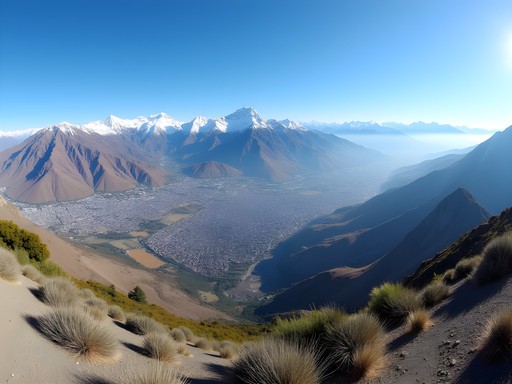
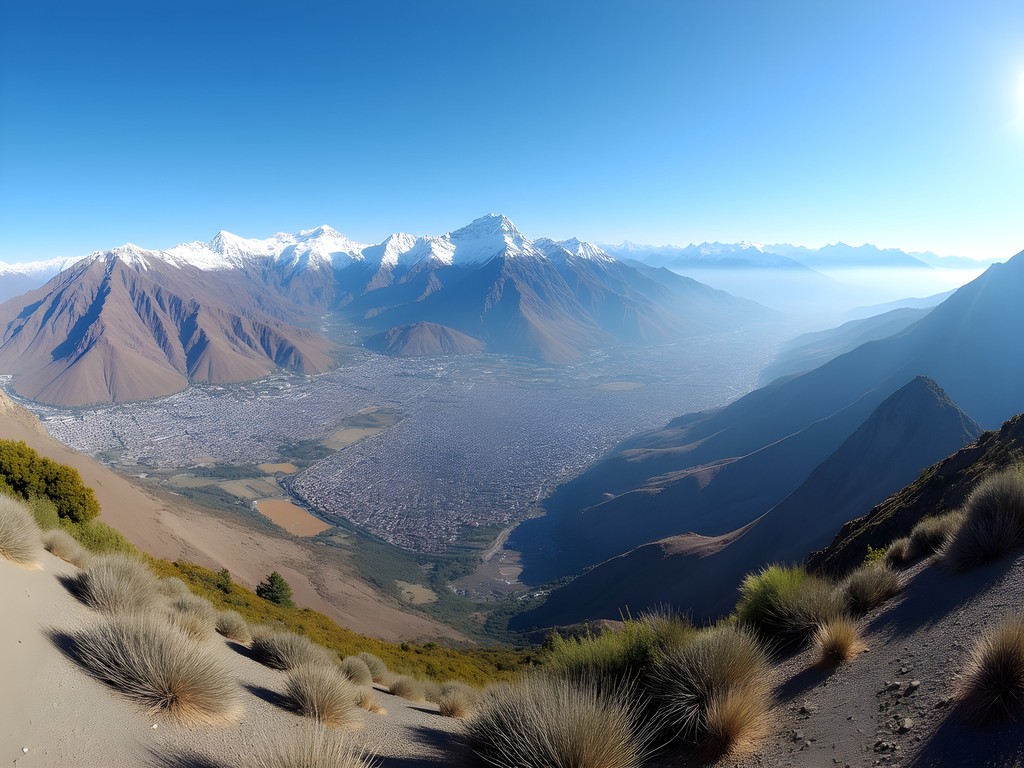
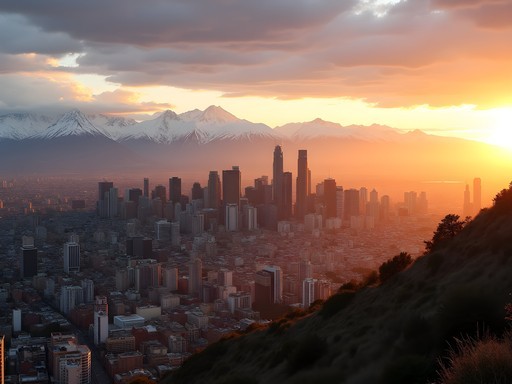
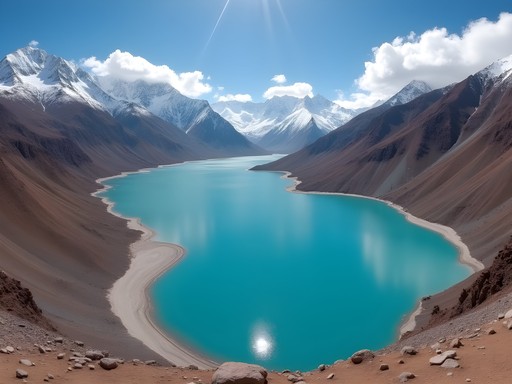
Santiago sits in a valley surrounded by the towering Andes, creating one of the most accessible urban-to-alpine transitions I've experienced worldwide. Within an hour's drive from downtown, you can be tackling serious elevation on trails like Provincia and Manquehue.
My favorite Santiago-adjacent trek remains Cerro Provincia (2,750m), which begins in the upscale Las Condes neighborhood and quickly ascends through distinct ecological zones. The initial dusty chaparral landscape might seem underwhelming, but persist past the halfway point and you're rewarded with alpine meadows, southern beech forests, and eventually panoramic views that stretch from the Pacific to the Argentine border.
What makes Santiago's trails unique is their proximity to urban life. You'll encounter a mix of serious mountaineers and weekend warriors, creating a community vibe that's both welcoming and motivating. I struck up a conversation with a local corporate lawyer who hikes Provincia weekly as his moving meditation—a reminder that these mountains serve as both playground and sanctuary for Santiaguinos.
For multi-day adventures, El Morado National Monument offers glacier views and challenging terrain about 2 hours from the city. I spent two nights camping beneath stars so clear they seemed artificially enhanced, my ultralight tent barely necessary in the dry spring conditions.
💡 Pro Tips
- Santiago trails can be extremely hot and exposed—start before 7am to avoid the worst midday sun
- Water sources are limited on most Santiago-area trails; carry at least 3 liters per person
- Cell service is surprisingly good on many peaks near Santiago—useful for emergencies but consider airplane mode for a more mindful experience
Arequipa's Volcanic Majesty: Trekking in the Shadow of Fire Mountains
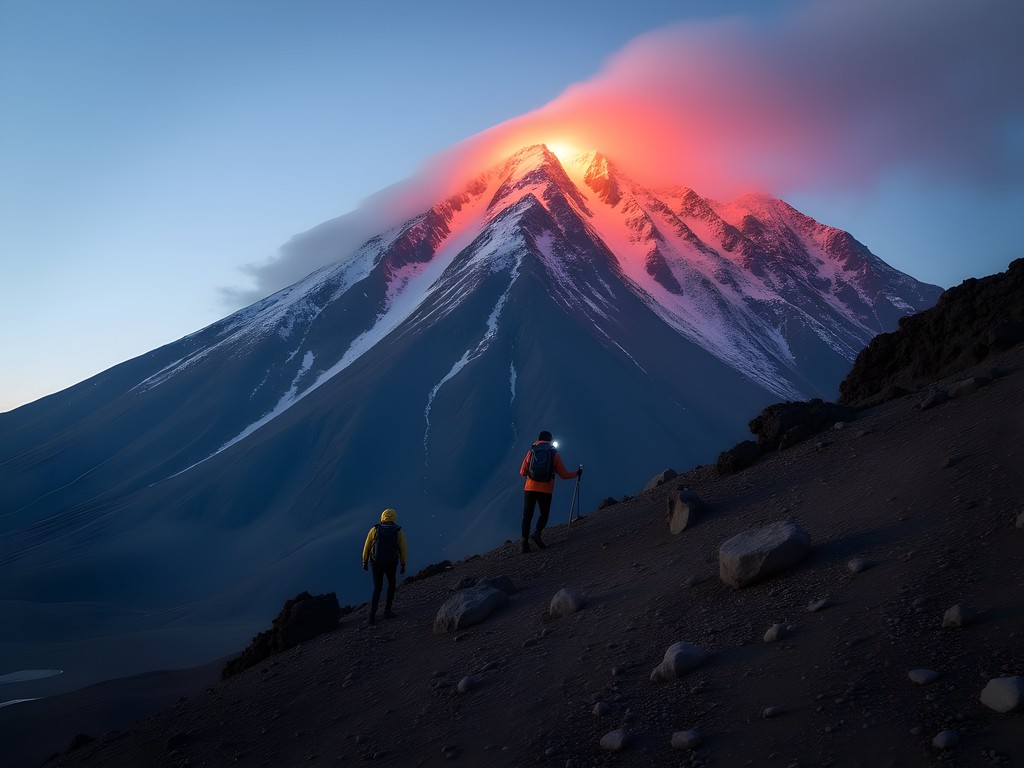
If Santiago's trails offer accessibility, Arequipa's deliver drama. The White City sits beneath three volcanoes—El Misti (5,822m), Chachani (6,057m), and Pichu Pichu (5,664m)—each presenting serious high-altitude challenges that demand proper acclimatization and preparation.
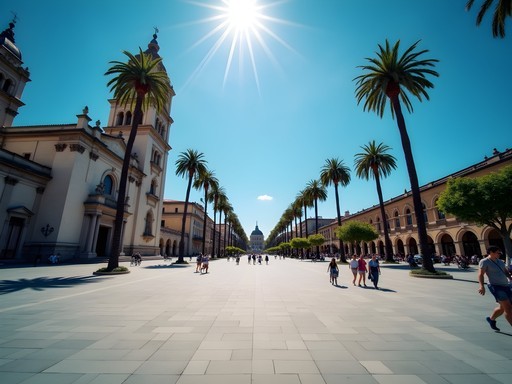
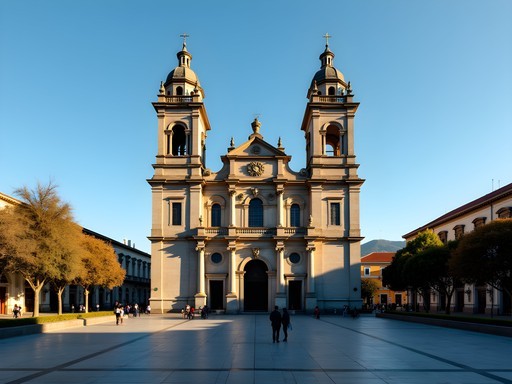
After five days in Santiago, arriving in Arequipa meant adjusting to the immediate altitude jump (2,335m). I spent two days exploring the colonial center while hydrating constantly with my trusty insulated water bottle before attempting any significant climbs.
El Misti stands as the iconic centerpiece of Arequipa's skyline—a nearly perfect volcanic cone that beckons adventurers. The two-day ascent begins in arid, Mars-like terrain before transitioning to volcanic scree that tests both patience and quad strength. Unlike Santiago's relatively green trails, Misti presents a stark, otherworldly landscape that feels almost lunar.
What struck me most was the spiritual significance these volcanoes hold for local communities. My guide, Carlos, performed a small offering to Pachamama (Mother Earth) before our ascent, a practice dating back to Incan times. This cultural dimension adds layers of meaning to the physical challenge, transforming the hike into something approaching pilgrimage.
For those seeking less technical options, the Salinas y Aguada Blanca National Reserve offers spectacular day hikes with vicuña sightings and salt flat vistas. The high-altitude sunlight here is intense—I was grateful for my polarized sunglasses which prevented snow blindness while enhancing the surreal landscape colors.
💡 Pro Tips
- Altitude sickness is a real concern in Arequipa—spend at least 2-3 days acclimatizing before attempting any volcano treks
- Local guides are essential for volcano ascents; they understand weather patterns and carry emergency oxygen
- Temperatures swing dramatically between day and night; pack for both hot sun and below-freezing nights
Gear Considerations: Adapting to Two Andean Environments
The contrasting environments of Santiago and Arequipa demand thoughtful gear adjustments. Santiago's Mediterranean climate means scorching days but relatively mild nights, while Arequipa's high-altitude conditions create extreme temperature fluctuations and thinner air.
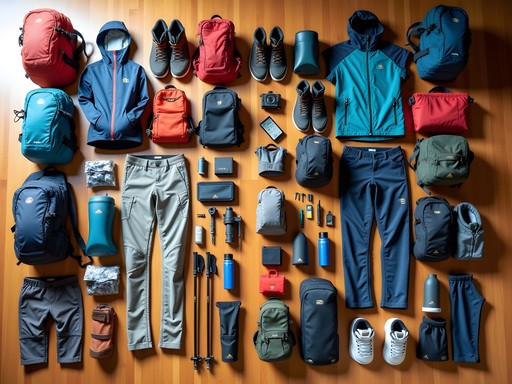
For Santiago trails, moisture-wicking layers proved essential as I generated significant heat on the steep ascents. My hiking pants with zip-off legs offered versatility as temperatures changed throughout the day. The relatively stable weather patterns meant I could pack lighter, though afternoon thunderstorms occasionally rolled in during spring.
Arequipa's volcanic terrain demanded more specialized equipment. The loose scree on El Misti had me grateful for my trekking poles which saved my knees on both ascent and descent. The altitude also necessitated additional cold-weather gear despite hiking during spring—nighttime temperatures dropped well below freezing at higher camps.
One piece of equipment that proved invaluable across both regions was my GPS watch. Beyond tracking routes, its altimeter helped me monitor my ascent rate to prevent altitude sickness in Peru, while its navigation features proved useful on less-marked Chilean trails.
Regardless of location, sun protection becomes critical at altitude. The UV index in the Andes is notoriously intense, especially when reflected off snow or light-colored volcanic rock. Beyond sunscreen, I relied on my sun hoodie which provided UPF 50+ protection without overheating during strenuous climbs.

💡 Pro Tips
- Layer strategically with moisture-wicking base layers and insulating mid-layers that can be easily added or removed
- Invest in quality hiking boots with aggressive tread patterns for the volcanic scree in Arequipa
- Pack a lightweight down jacket even for spring hikes—temperatures drop dramatically with elevation and after sunset

Mindful Mountain Moments: Finding Presence in Two Andean Settings
Beyond the physical challenges and gear considerations, what draws me repeatedly to mountain environments is their capacity to enforce presence. Both Santiago and Arequipa offered distinct mindfulness opportunities that I've integrated into my hiking practice.
In Santiago's more accessible mountains, I found myself practicing what I call "transition awareness"—paying close attention to ecological shifts as I gained elevation. Starting in urban parks, moving through Mediterranean scrub, and eventually reaching alpine environments creates natural mindfulness markers. I'd stop briefly at each transition zone, close my eyes, and note the changing sounds, smells, and air temperature.
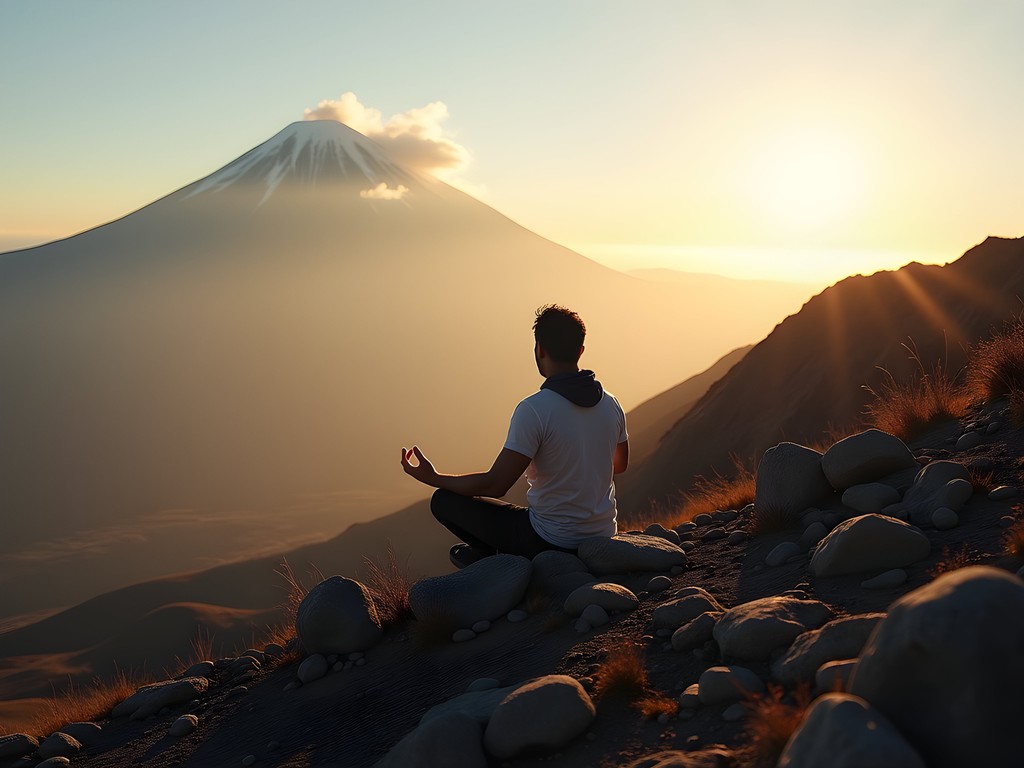
One morning on Cerro Manquehue, I sat for twenty minutes watching Santiago emerge from morning fog while listening to my ultralight speaker playing ambient nature sounds that complemented rather than competed with the environment. This juxtaposition of urban sprawl below and natural silence above created a meditation on interconnection I still return to mentally months later.
Arequipa's volcanic landscapes, by contrast, invited a more elemental mindfulness practice. The stark, sometimes barren terrain of El Misti eliminated distractions, creating space for what mountaineers sometimes call "the void"—that mental state where exertion, altitude, and isolation strip away everyday concerns.
During our final push to Misti's summit, our guide Carlos encouraged periodic breathing exercises to manage both the thin air and mental challenges. These simple practices—four counts in, hold for four, eight counts out—became a rhythmic meditation that matched my footsteps on the volcanic soil.
💡 Pro Tips
- Practice the 5-4-3-2-1 sensory awareness exercise when resting: identify 5 things you see, 4 things you feel, 3 things you hear, 2 things you smell, and 1 thing you taste
- Set hourly reminders on your watch to check in with your body's hydration and energy levels—this doubles as a mindfulness prompt
- Consider a media fast during your treks; the mental clarity that emerges after 48+ hours without digital input enhances the mountain experience significantly
Final Thoughts
After two weeks traversing these contrasting Andean environments, I've come to appreciate how the same mountain range can offer such divergent experiences. Santiago provides accessible alpine adventures where urban life and mountain wilderness maintain an ongoing dialogue. Arequipa delivers high-altitude drama where volcanic forces shape both landscape and culture in profound ways.
Which is better? That's like asking whether the Pacific or Atlantic makes a better ocean—the question misses the point entirely. What matters is how each environment invites a different relationship with the mountains, and by extension, with ourselves.
If you're planning your own Andean adventure, consider making time for both regions. The contrast itself becomes part of the story, highlighting aspects of each location you might otherwise miss. Just remember that these mountains demand respect—prepare thoroughly, acclimatize properly, and approach each trail with both humility and wonder.
The Andes have been standing sentinel for millennia, and they'll be there long after we're gone. Our privilege is to walk briefly among them, catching glimpses of something much larger than ourselves. Whether that happens on Santiago's accessible peaks or Arequipa's volcanic giants, the mountains are waiting to share their wisdom.
✨ Key Takeaways
- Santiago offers accessible alpine hiking with Mediterranean climate conditions and urban proximity
- Arequipa presents high-altitude volcanic challenges requiring proper acclimatization and specialized gear
- Both regions demand different preparation strategies but deliver equally rewarding Andean experiences
📋 Practical Information
Best Time to Visit
Spring (September-November) or Fall (March-May)
Budget Estimate
$1,500-2,500 for two weeks excluding international flights
Recommended Duration
Minimum 10-14 days to experience both regions
Difficulty Level
Moderate To Challenging Depending On Specific Trails
Comments
Hunter Thompson
Mate, this brought back memories! Did Cerro San Cristóbal in Santiago last year and you're spot on about that urban-to-alpine transition. One minute you're dodging traffic, next minute you're surrounded by proper mountain views. The accessibility is brilliant for backpackers on a budget. Question though - did you find the trails near Arequipa well-marked? Thinking of heading there in autumn and wondering if I need to hire a guide or if the routes are manageable solo. Also your photos are stunning!
MountainMike_CL
For Misti and Chachani you definitely want a guide. The easier trails around the city are fine solo though.
explorephotographer
Great comparison! I did Arequipa last year and the altitude was no joke. Took me 3 days to properly acclimatize before attempting Chachani. The volcanic landscape is absolutely surreal though - totally different vibe from what you describe in Santiago. How long did you spend acclimatizing in Arequipa before hitting the trails? I'm thinking of doing Santiago next spring and curious if the altitude difference makes it more accessible for jumping straight into hiking.
Hunter Thompson
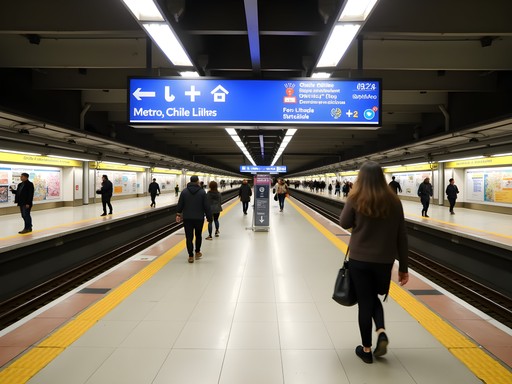
Not James but I found Santiago way easier! You can literally take the metro to trailheads and start hiking same day. Arequipa is a different beast with the altitude.
explorephotographer
That's good to know! Yeah the altitude in Arequipa really kicked my butt at first.
skyone
How different are the seasons between these two places? Planning a trip for August 2026 and wondering which would be better weather-wise?
nomadway
August is winter in Santiago - can be chilly with possible snow at higher elevations, but often clear skies. Perfect if you're prepared for cold. Arequipa is in dry season then - sunny days, cold nights, ideal for hiking. I'd do both if you can handle the temperature swing!
skyone
Thanks! Sounds like I need to pack layers for both. Appreciate the insight!
Sage Dixon
James, this really resonates with my own Andean experiences. I found the contrast between Santiago's accessibility and Arequipa's raw remoteness fascinating too. One thing I'd add for readers planning this trip - the weather windows are SO different between the two. Santiago's trails can be hiked almost year-round with the right gear, but Arequipa's volcanic routes really demand respect for the season. I made the mistake of attempting Chachani in shoulder season and got turned back by afternoon storms. Also, the social vibe is different - Santiago trails feel more like a weekend warrior scene, while Arequipa attracts more serious trekkers. Did you notice that cultural difference in the trail communities?
MikeFromSeattle
Going to Arequipa in April - is that shoulder season? Should I be worried?
Sage Dixon
April should be fine - you're at the tail end of the wet season. Just watch the daily weather forecasts and start early!
wanderblogger
Love this comparison! Arequipa trails are no joke with the altitude.
Sage Dixon
Right?? I underestimated how much the altitude would hit me around Arequipa. Did you spend time acclimatizing before heading out on the trails?
wanderblogger
Yeah spent 2 days in the city first. Still felt it on day 1 of hiking though lol
luckypro
How physically demanding were the Arequipa trails compared to Santiago? Planning a trip with my partner who's not an experienced hiker.
mountainexplorer454
Not James, but I found Santiago has more beginner-friendly options. The altitude in Arequipa makes even "easy" trails more challenging. Try Aguas de Ramón in Santiago - gorgeous and manageable for newer hikers!
James Moreau
Completely agree with mountainexplorer454. Santiago offers more gradual trails with Cerro San Cristóbal being perfect for beginners. In Arequipa, the Yanahuara viewpoint walk gives amazing volcano views without the hardcore hiking.
bluelife
Heading to both cities this summer!! So excited after reading this! Did you use public transportation to reach the trailheads or rent a car? And which trails would you recommend for someone with moderate hiking experience?
James Moreau
For Santiago, public transport works great - there are buses to Cajón del Maipo and even some trailheads. In Arequipa, I'd recommend joining a tour or hiring a driver as the trailheads are more remote. For moderate experience, try Aguas de Ramón in Santiago and the shorter Chachani routes near Arequipa!
winterwalker
We did the public transportation in Santiago too and it was great. Just get to the terminal early on weekends as buses fill up fast with locals heading to the mountains.
bluelife
Thanks for the tips! Can't wait to hit those trails!
Hunter Thompson
MATE!!! This post is EXACTLY what I needed! Heading to both cities in January and was torn about which trails to prioritize with limited time. Your section on "Mindful Mountain Moments" actually made me rethink my whole approach - might slow down and do fewer trails but spend more time really experiencing them. That sunset shot from Pochoco has me HYPED! Did you find the trail crowds much different between weekdays and weekends in Santiago? Heard it gets packed on Saturdays.
James Moreau
Hey Hunter! Absolutely - weekends in Santiago are bustling, especially on popular trails like Pochoco and Carbón. If you can swing a Tuesday or Wednesday hike, you'll have much more solitude. In Arequipa, day of the week mattered less in my experience.
winterwalker
Just got back from Santiago last week! Wish I'd seen this before going. The Cajón del Maipo area was incredible though!
Savannah Walker
Your comparison between Santiago and Arequipa trails really resonated with me! I did the El Morado trek last year and was blown away by how accessible it was from Santiago. The contrast between urban life and those pristine alpine landscapes within an hour's drive is something special. But I'm dying to try Arequipa's volcanic terrain now. How did you handle the altitude difference? I struggled a bit even with Santiago's elevation coming from sea level. Also, did you find the trail markings adequate in both areas or should I download offline maps?
James Moreau
Arequipa definitely requires more altitude acclimatization - I spent 2 days in the city before attempting any serious hikes. Trail markings are much better around Santiago, so for Arequipa I'd recommend both offline maps and maybe hiring a guide for the more remote routes. My GPS watch was invaluable for the Arequipa hikes.
Venture X
Premium card with 2X miles, $300 travel credit, Priority Pass