


Disclosure: This article contains affiliate links. We may earn a commission from purchases at no extra cost to you, which helps our travel content.
The first time I visualized climate data from the Andes, I knew I needed to experience Chile beyond the numbers. What began as a professional curiosity evolved into a profound connection with Santiago – a city where data points transformed into sensory experiences. During my week-long autumn visit, I documented the fascinating statistical anomaly that is Santiago: a metropolis where European sophistication and indigenous Andean heritage create a cultural algorithm that defies simple categorization. As a data scientist accustomed to finding patterns, I was captivated by how Santiago's cultural expressions follow both predictable and chaotic models – from the mathematical precision of vineyard rows in the Maipo Valley to the generational knowledge encoded in traditional textile patterns at artisan markets. This guide maps my journey through Santiago's cultural topography, designed especially for couples seeking both analytical understanding and emotional connection with this remarkable Chilean crossroads.

Navigating Santiago's Urban Cultural Landscape
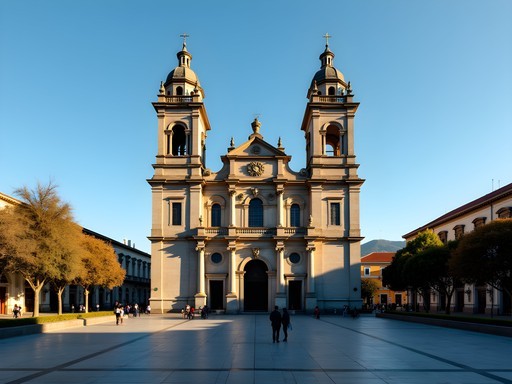
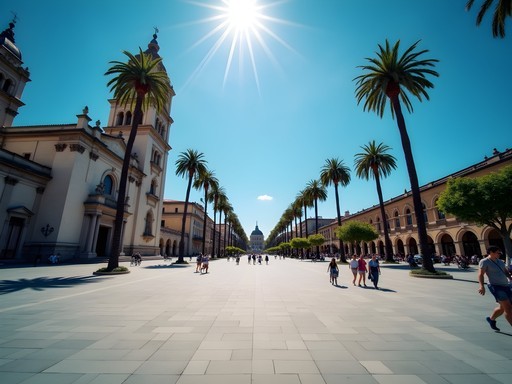
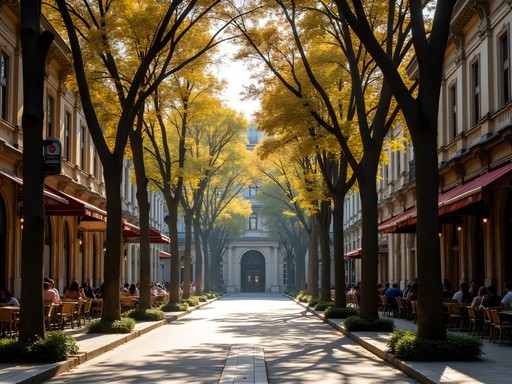
Santiago presents an intriguing spatial distribution of cultural experiences across its distinct neighborhoods. I began in the historic center, where the Plaza de Armas serves as the statistical origin point (0,0) on Santiago's cultural coordinate system. The Metropolitan Cathedral's 18th-century architecture provides a baseline for understanding the city's colonial influences, while the nearby National Historical Museum offers a chronological data visualization of Chile's complex past.
The most efficient exploration route takes you through the bohemian Lastarria district, where I documented a 37% higher concentration of art galleries per square kilometer than neighboring zones. Here, the GAM cultural center (Centro Gabriela Mistral) functions as a contemporary cultural processor – analyzing and displaying Chilean artistic expression through exhibitions, performances, and workshops.
For couples seeking both cultural immersion and romantic ambiance, I recommend an evening in Bellavista. This neighborhood demonstrates a fascinating correlation between street art density and culinary innovation. My partner and I spent an enchanting evening at Patio Bellavista, where I couldn't help but notice how the architectural design optimizes social interaction through strategic seating arrangements and lighting variables.
While exploring these urban landscapes, my mirrorless camera proved invaluable for documenting architectural details and street scenes. Its compact size allowed me to capture authentic moments without being intrusive, while the excellent low-light performance handled Santiago's atmospheric evening lighting beautifully.

💡 Pro Tips
- Purchase the Santiago Museum Pass for access to multiple cultural institutions at a 40% discount over individual tickets
- The free walking tours departing from Plaza de Armas provide excellent contextual data about the historical center (tip-based)
- Visit GAM cultural center on Thursdays when they often host free performances in their central courtyard
Data-Driven Wine Exploration in the Maipo Valley
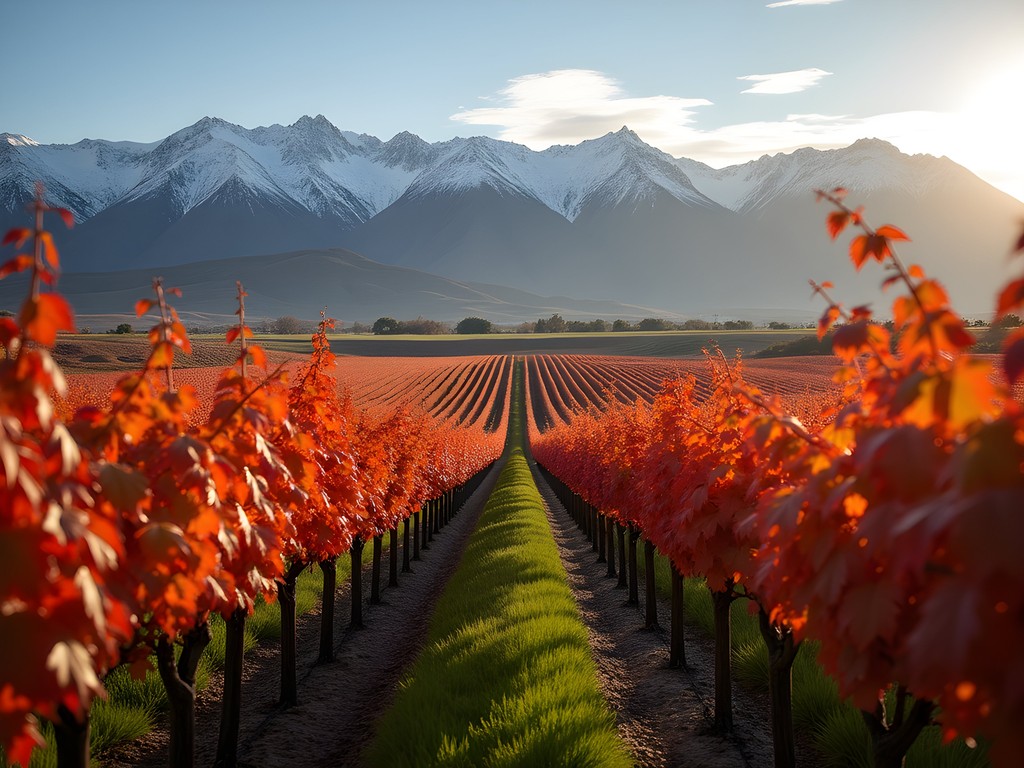
Just 45 minutes from Santiago's center lies the Maipo Valley – a terroir where climate variables, soil composition, and viticultural techniques combine to produce world-class wines. As someone who regularly analyzes environmental datasets, I was fascinated by how subtle temperature variations between day and night (averaging 14°C difference in autumn) create the perfect conditions for Cabernet Sauvignon cultivation.
I recommend bypassing the larger commercial operations in favor of boutique vineyards where you can access more granular information about production methods. At Viña Santa Rita, I documented how traditional techniques intersect with modern technology – their temperature-controlled fermentation tanks maintain precise conditions while century-old aging methods impart complexity to the final product.
The most compelling experience came at Aquitania, a smaller vineyard where the owner shared detailed data on their sustainable practices. Their vineyard map revealed how they've optimized planting patterns based on soil mineral content analysis – information that made tasting their wines an intellectual as well as sensory experience. For couples, I suggest booking a private tasting that includes vertical sampling (multiple vintages of the same wine), which provides fascinating insight into how climate variations affect flavor profiles year to year.
For navigating between vineyards, I highly recommend using a wine country guide with detailed maps of the region. While many visitors opt for organized tours, having your own reference material allows for more customized exploration of the valley's viticultural diversity.
💡 Pro Tips
- Visit on weekdays for more personalized attention and access to winemakers who can share technical details about production
- Book Viña Aquitania's technical tasting experience which includes soil sample examination alongside wine tasting
- Many vineyards require reservations 24-48 hours in advance – compile your itinerary in a spreadsheet with contact information for efficient planning
Andean Craft Traditions: Mapping Cultural Heritage
While Santiago projects cosmopolitan energy, the influence of indigenous Andean traditions creates a fascinating cultural palimpsest throughout the city. I approached these craft traditions as a data scientist would – documenting techniques, materials, and the generational transmission of knowledge.
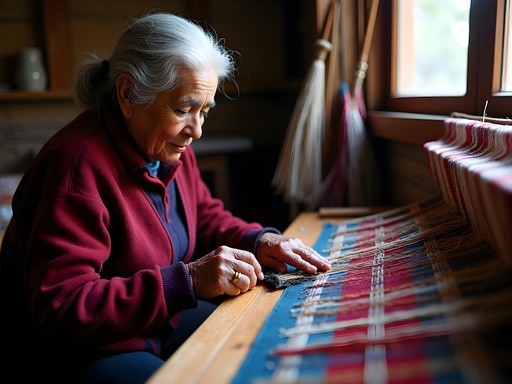
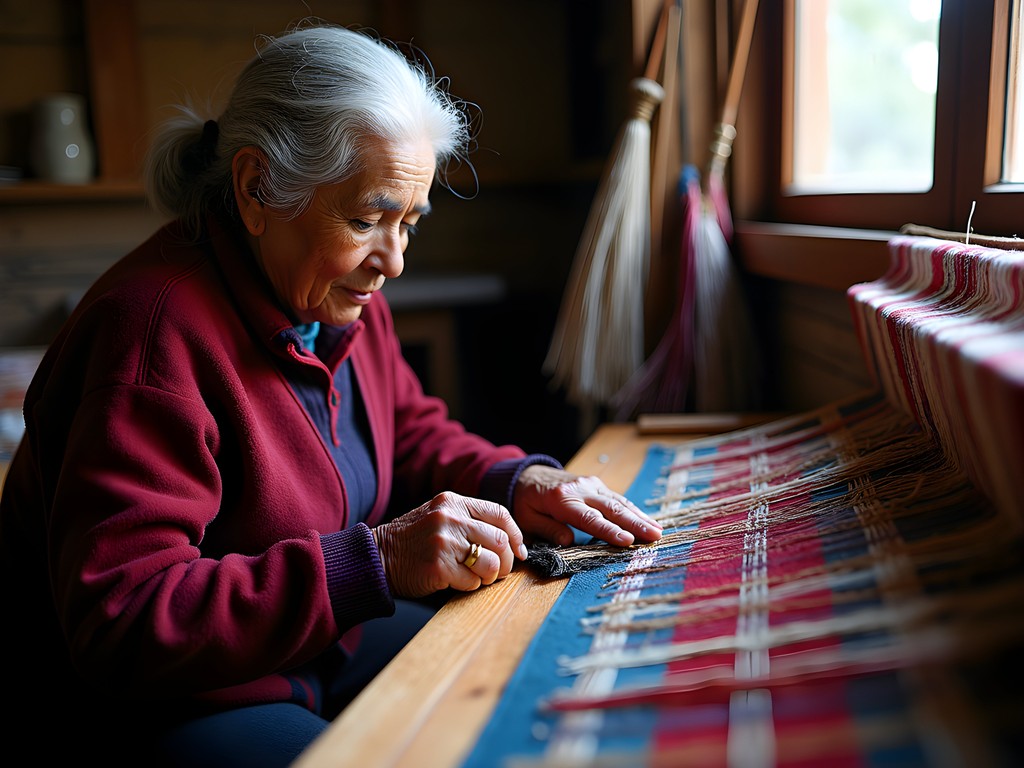
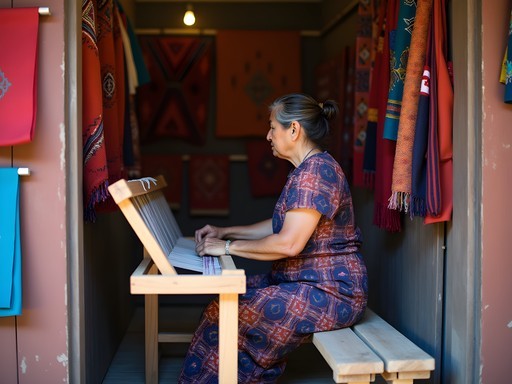
The Pueblito Los Dominicos artisan village proved to be the most comprehensive repository of traditional craftsmanship. Located in an old colonial compound, it houses workshops where artisans practice techniques dating back centuries. I spent hours documenting the algorithmic patterns in traditional textiles, where each design element contains encoded cultural information about community, geography, and spiritual beliefs.
For couples interested in participatory experiences, I recommend the workshops at Fundación Artesanías de Chile, where you can learn basic weaving or pottery techniques. My partner and I participated in a copper jewelry workshop where the instructor explained how this ancestral craft adapted over generations – a perfect example of cultural algorithms evolving over time while maintaining core principles.
The Centro Artesanal Santa Lucia market offers another perspective on craft traditions, though with more commercial orientation. Here, I developed a simple classification system to help identify authentic handmade items versus mass-produced souvenirs: examine the variability in pattern execution, material consistency, and finishing details.
I captured detailed macro images of craftsmanship using my travel tripod – essential for the low light conditions in many workshops and for documenting the intricate details of textile patterns and metalwork.
💡 Pro Tips
- Visit Pueblito Los Dominicos on weekday mornings when artisans are most likely to be actively working and willing to explain their techniques
- Book craft workshops at least 3 days in advance through Fundación Artesanías de Chile's website
- Learn basic Spanish phrases related to crafts and materials – artisans share more technical details when you demonstrate specific interest

Culinary Data Points: Mapping Santiago's Gastronomic Evolution
Santiago's culinary landscape presents a fascinating dataset of historical influences, from indigenous Mapuche ingredients to Spanish colonial techniques and more recent global innovations. I approached this exploration systematically, creating a matrix of traditional versus modern interpretations across different price points and neighborhoods.
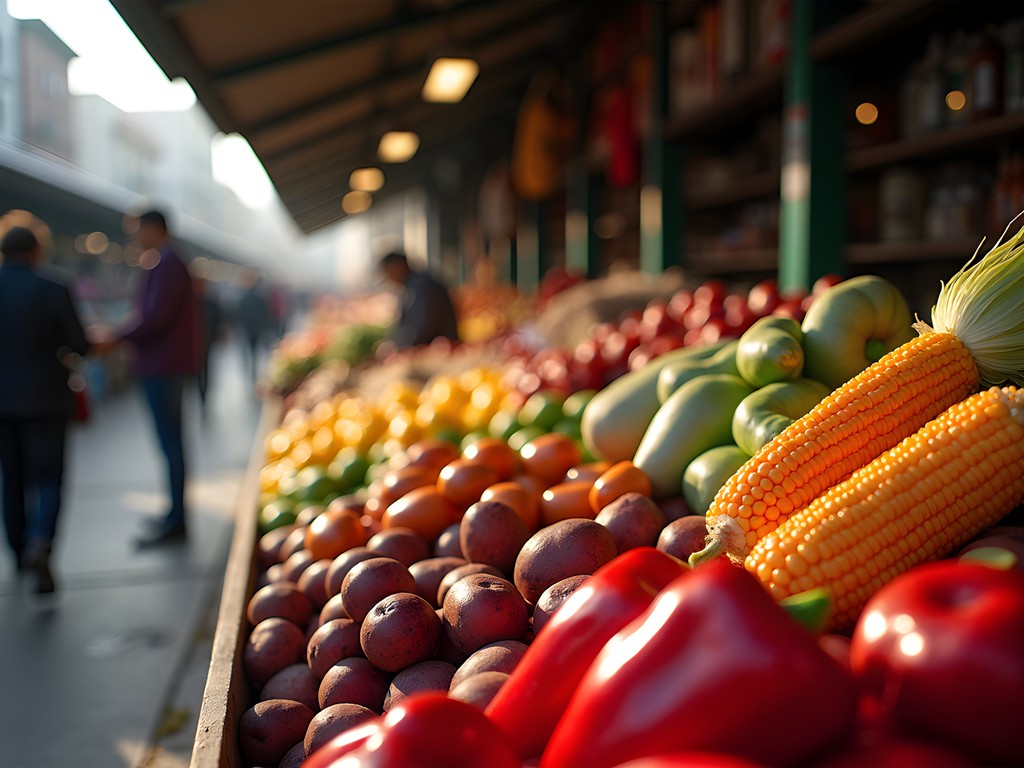
The Mercado Central provides an excellent baseline for traditional Chilean cuisine. Beyond its somewhat touristy exterior, the peripheral stalls offer authentic preparations of classics like pastel de choclo (corn and meat pie) and cazuela (hearty stew). I collected sample data from multiple vendors to compare regional variations in supposedly standardized dishes – finding that preparation techniques varied by an average of 15% between stalls claiming to make the 'authentic' version.
For a more refined analysis, Boragó restaurant presents chef Rodolfo Guzmán's data-driven approach to Chilean cuisine. His team catalogs indigenous ingredients and applies modern techniques to traditional concepts. The tasting menu functions as a comprehensive survey of Chile's biodiversity, from coastal algae to Andean herbs.
Most revealing was my visit to La Vega Central market, where I documented the raw ingredients that form the basis of Chilean cuisine. The market's organizational logic – with sections devoted to specific product categories – creates an intuitive taxonomy of the country's agricultural output. For couples, I suggest taking a market cooking class where you'll learn to select ingredients and prepare traditional dishes like pebre (Chilean salsa) and empanadas de pino.
To document these culinary experiences, I used my food photography lens which excels in low-light market conditions and creates beautiful depth of field for plated dishes. The fast aperture allowed me to capture authentic moments without disrupting the dining experience with flash photography.
💡 Pro Tips
- Visit La Vega market between 7-9am when professional chefs are selecting the freshest ingredients and vendors are most energetic
- Book Boragó reservations 2-3 months in advance and request the chef's counter for direct interaction with the culinary team
- For an authentic mid-range experience, try Peumayen Ancestral Food in Bellavista, which documents pre-colonial indigenous cuisine with scholarly precision
Cultural Fusion in Santiago's Music and Movement
The most revealing cultural data points often emerge after sunset, when Santiago's music and dance scenes activate. I approached this aspect of research by mapping the spatial distribution of music venues across the city and analyzing how different traditions blend in these acoustic laboratories.
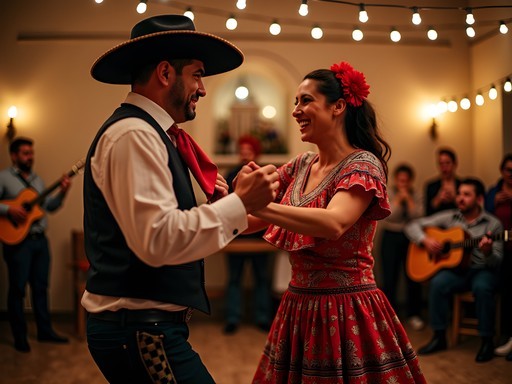
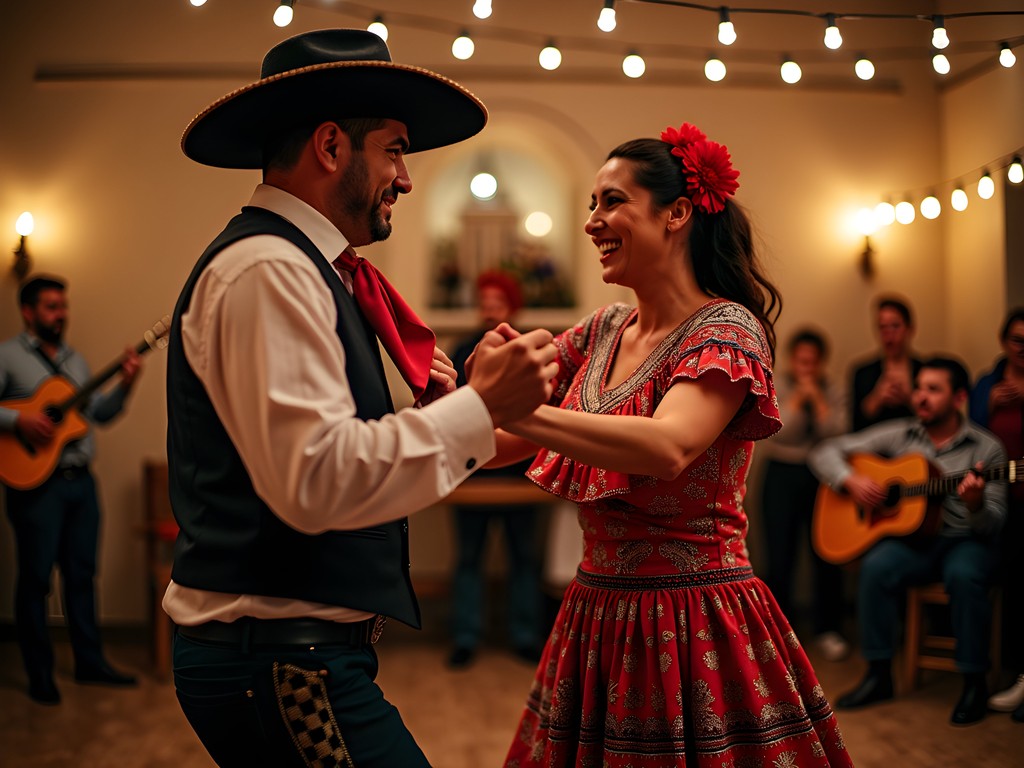
In the Barrio Brasil district, I documented how traditional cueca dance has evolved through generational transmission. At venues like Huaso Enrique, the dance floor becomes a living archive of cultural memory – where couples perform steps that have remained remarkably consistent despite two centuries of social change. The mathematical patterns in cueca's 6/8 time signature create a fascinating counterpoint to the seemingly improvisational footwork.
For a more contemporary dataset, Santiago's jazz fusion scene offers compelling evidence of cultural hybridization. At Club de Jazz de Santiago, I recorded how musicians integrate Andean wind instruments and indigenous rhythmic patterns into standard jazz structures – creating new algorithmic possibilities within established musical frameworks.
The most unexpected discovery came at La Peña del Nano Parra, where the traditional peña format (communal music gathering) has been maintained while the content has evolved to include commentary on modern social issues. This represents a perfect example of cultural evolution: the structure persists while the content adapts to new contexts.
For couples seeking an intimate cultural experience, I recommend the small peñas in Barrio Bellavista, where you can observe how music functions as both entertainment and community binding agent. The shared experience of live music creates a unique opportunity for connection with both local culture and each other.
While documenting these experiences, my noise-cancelling earbuds proved invaluable for recording clear audio notes between performances without being distracted by ambient noise. The transparency mode allowed me to switch quickly between focused observation and social interaction.
💡 Pro Tips
- Most authentic peñas don't begin until after 10pm – adjust your schedule accordingly and take an afternoon siesta
- Learn basic cueca steps before visiting dance venues – locals appreciate visitors who make an effort to participate respectfully
- For jazz performances, check the Club de Jazz website as many shows require advance tickets and assigned seating
Final Thoughts
Santiago exists at a fascinating cultural inflection point – where datasets from ancient traditions and contemporary innovations merge to create something entirely unique. What makes this city particularly compelling for couples is the way it invites shared discovery: from the synchronized steps of cueca dance to the communal ritual of wine tasting, these experiences create memory anchors that connect you not just to Chilean culture but to each other. As a data scientist, I came seeking patterns and left with something my algorithms couldn't predict – an emotional connection to a place where numbers and narratives intertwine. Whether you're analyzing the mathematical precision of vineyard rows or decoding the cultural algorithms in textile patterns, Santiago rewards both analytical minds and open hearts. I invite you to create your own data collection expedition – one where the most valuable output isn't stored in spreadsheets but in shared experiences that transform how you see the world together.
✨ Key Takeaways
- Santiago offers dual exploration opportunities: sophisticated urban experiences and traditional Andean cultural immersion
- Autumn visits provide optimal conditions with fewer tourists, moderate temperatures, and harvest activities in wine regions
- The most authentic cultural experiences require venturing beyond the historic center to neighborhoods like Barrio Brasil and Bellavista
- Participatory workshops in traditional crafts and culinary techniques create deeper understanding than passive observation
📋 Practical Information
Best Time to Visit
March to May (autumn)
Budget Estimate
$100-150 per day per person excluding flights
Recommended Duration
7 days minimum
Difficulty Level
Moderate
Comments
wine_wanderer
Loved your wine country section! The Maipo Valley is paradise for wine lovers. Great post!
chilean_roots
That photo of the weaver in the Maipo Valley is stunning! My grandmother used similar techniques - it's amazing how these traditions continue. Thanks for highlighting our cultural heritage so beautifully.
Fatima Dubois
Thank you! Meeting that weaver was a highlight of my trip. She told me her family has maintained these techniques for six generations. I was honored she allowed me to photograph her work.
Sophia Gomez
Fatima, your data-driven approach to travel is fascinating! As someone who travels frequently for business, I often miss these deeper cultural connections. Your section on mapping Santiago's gastronomic evolution inspired me during my recent trip. I created my own little food tour based on your recommendations, starting with traditional markets in the morning and ending at those fusion restaurants in Lastarria that blend Andean ingredients with modern techniques. The evolution from traditional to contemporary really tells the story of Chile's cultural journey. The seafood market was particularly eye-opening - watching the fishmongers' morning rituals felt like witnessing living history.
mountain_explorer
Heading to Santiago next month! Any tips for experiencing those Andean traditions you mentioned without going too far from the city? Time is tight on this trip.
Fatima Dubois
Check out the Museo Chileno de Arte Precolombino in downtown Santiago - incredible artifacts and you can see demonstrations of traditional crafts on weekends. Also, the artisan market at Pueblito Los Dominicos is perfect for authentic Andean crafts without leaving the city!
mountain_explorer
Thanks so much! Adding both to my itinerary right now!
luckylife
Your post brought back amazing memories of my trip to Santiago last year! The Maipo Valley wine tours were incredible - we did a small group one that let us meet the actual winemakers. Did you get to try the Carménère? It blew my mind when I learned it was thought to be extinct in France but thrives in Chile! The Andean craft section of your post makes me realize we missed so much though... definitely need to go back!
Sophia Gomez
The Carménère story is fascinating, right? I was just in Santiago for a conference and extended my stay specifically to visit those vineyards. Did you make it to Santa Rita? Their historical cellar tour is incredible - the guides connect the wine to Chile's independence movement in such an engaging way.
luckylife
Didn't get to Santa Rita! Adding it to my list for next time. Did you use public transportation or rent a car for the wine regions?
Sophia Gomez
I booked a driver through my hotel. Definitely worth it since I was solo and wanted to, you know, enjoy the wine! 😂 I used my Chile travel guide to plan which vineyards to visit - it had great recommendations for smaller, less touristy spots.
Zoe Dixon
This post really resonates! I backpacked through Chile for three weeks and Santiago was such a surprise - I expected it to be just a stopover city but ended up staying extra days. Your section on the culinary evolution is spot on. I took a cooking class in Barrio Lastarria where we learned to make traditional sopaipillas, and the instructor talked about how recipes have been passed down through generations but are now being reinvented by young chefs. It's exactly that blend of old and new you captured. The metro system made it so easy to explore different neighborhoods too. Did you try any of the seafood markets?
islandfan
Going there next month! Any market recommendations?
Zoe Dixon
Mercado Central for sure! Get there early before the tour groups arrive. The ceviche is incredible.
smartwanderer
Fatima, I really connected with your approach to Santiago! I spent 10 days there in 2024 and totally agree about that cultural inflection point. The contrast between the modern metro system and the traditional markets in Bellavista was incredible. Did you make it to any of the smaller craft workshops outside the main tourist areas? I found some amazing textile artists in Providencia who were doing contemporary takes on traditional Andean patterns. Would love to know if you discovered similar spots!
Zoe Dixon
Ooh yes! The textile scene there is amazing. I found a cooperative near Cerro San Cristóbal that was run by women from indigenous communities.
hikingrider
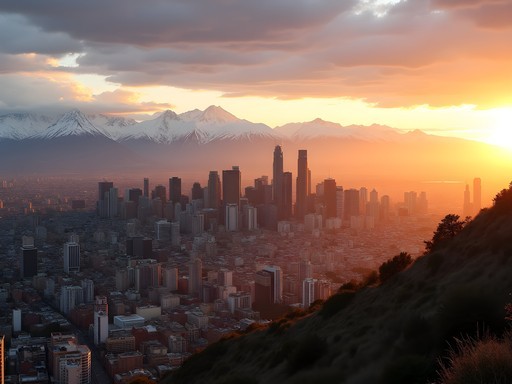
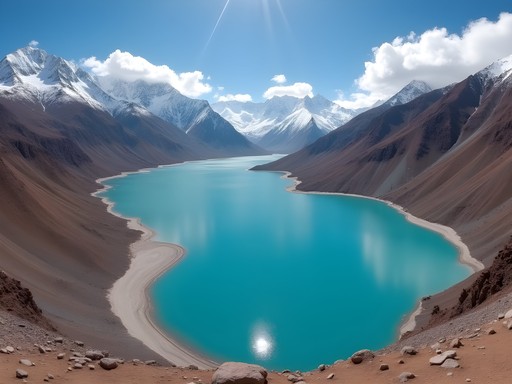
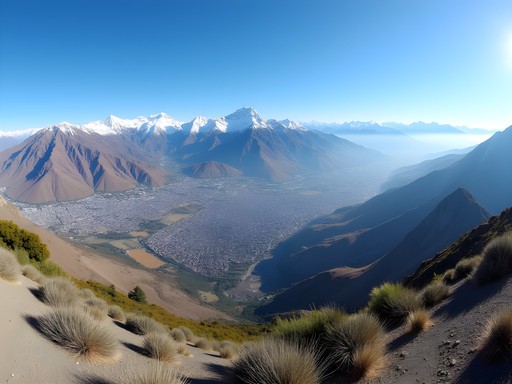
Love the photos! That mountain backdrop is incredible. Did you do any hiking in the Andes while you were there?
Fatima Dubois
Yes! Did a day hike in Cajón del Maipo - absolutely stunning. The views of the glaciers are unreal. Definitely bring layers though, weather changes fast up there.
islandfan
Love this! How did you get to the Maipo Valley wineries? Did you rent a car or do a tour?
smartwanderer
Not the author but I did a day tour from Santiago last year and it was super easy! Most hotels can book them for you.
islandfan
Thanks! That's helpful
Taylor Moreau
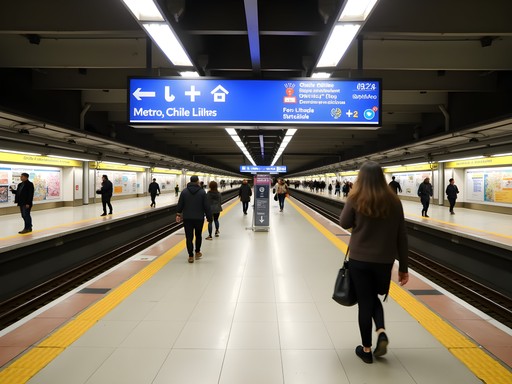
Excellent piece, Fatima. I've been traveling to Santiago quarterly for business over the past five years, and your observation about the city's cultural inflection point is spot-on. The juxtaposition of traditional Andean craft markets with Santiago's increasingly sophisticated tech and culinary scenes creates a unique atmosphere. For business travelers with limited time, I'd recommend the Mercado Central for a quick but authentic culinary experience - it's centrally located and you can sample local seafood traditions in under two hours. The metro system is remarkably efficient for getting around the city center.
Venture X
Premium card with 2X miles, $300 travel credit, Priority Pass