

Disclosure: This article contains affiliate links. We may earn a commission from purchases at no extra cost to you, which helps our travel content.
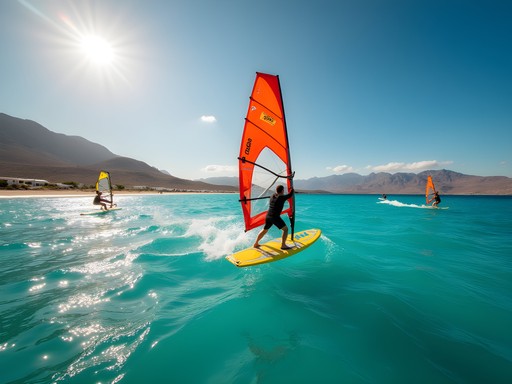
The moment my feet left the board and I found myself suspended—if only for seconds—above the South China Sea, I understood why kite surfers from around the world make the pilgrimage to Mui Ne. This coastal fishing village turned water sports mecca offers the perfect alchemy of consistent winds, affordable instruction, and a laid-back atmosphere that's increasingly rare in Southeast Asia. As someone who's chased both waves and cultural experiences across continents, I can confidently say Mui Ne delivers a uniquely Vietnamese twist on the global kite surfing scene.

Understanding Mui Ne's Wind Patterns: When to Go
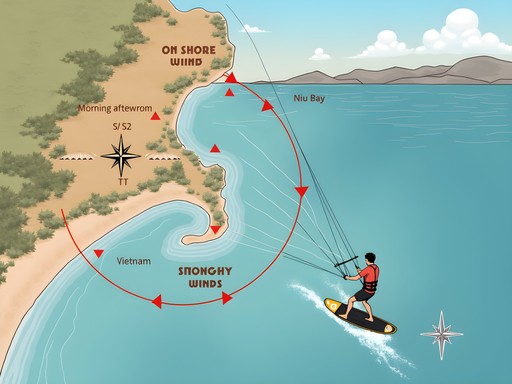
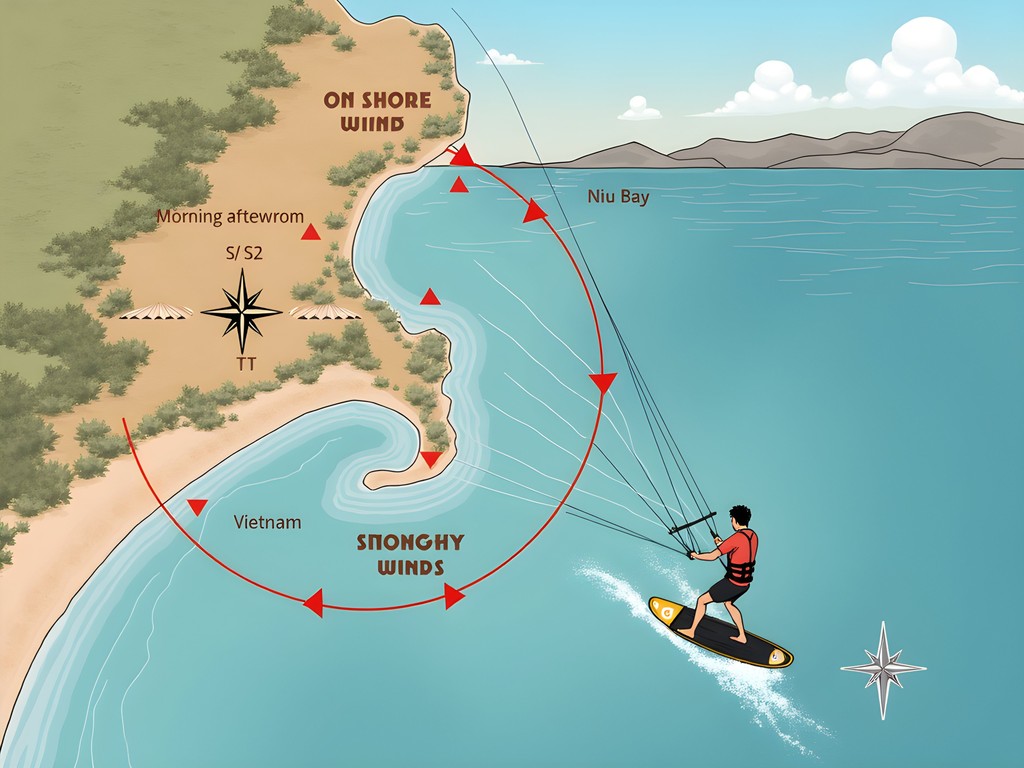
Mui Ne operates on a reliable wind calendar that serious kite surfers memorize like scripture. The high season runs from November through March, when the northeast monsoon delivers steady winds between 15-25 knots almost daily. I planned my two-week trip in mid-October, catching the early season when crowds are thinner but winds are beginning to establish their consistency.
What makes Mui Ne truly special is its dual wind system. Mornings typically offer lighter onshore breezes perfect for beginners (myself included for the first few days), while afternoons bring stronger side-shore winds that more experienced kiters crave. The topography of the bay—with its gentle curve and mountainous backdrop—creates a natural wind tunnel effect that amplifies these patterns.
During my stay, I tracked wind conditions using the Vaavud Wind Meter, a compact device that connects to your smartphone and provides surprisingly accurate readings. This small investment helped me plan each day effectively, knowing when to hit the water and when to explore Mui Ne's cultural attractions instead.
💡 Pro Tips
- Download the Windy app before your trip for reliable 7-day wind forecasts
- The strongest winds typically occur between 2-5pm daily
- Book accommodations on Nguyen Dinh Chieu Street for easiest access to kite spots
Choosing the Right Kite School: My Experience
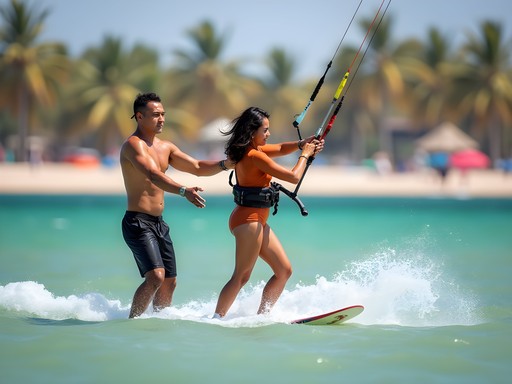
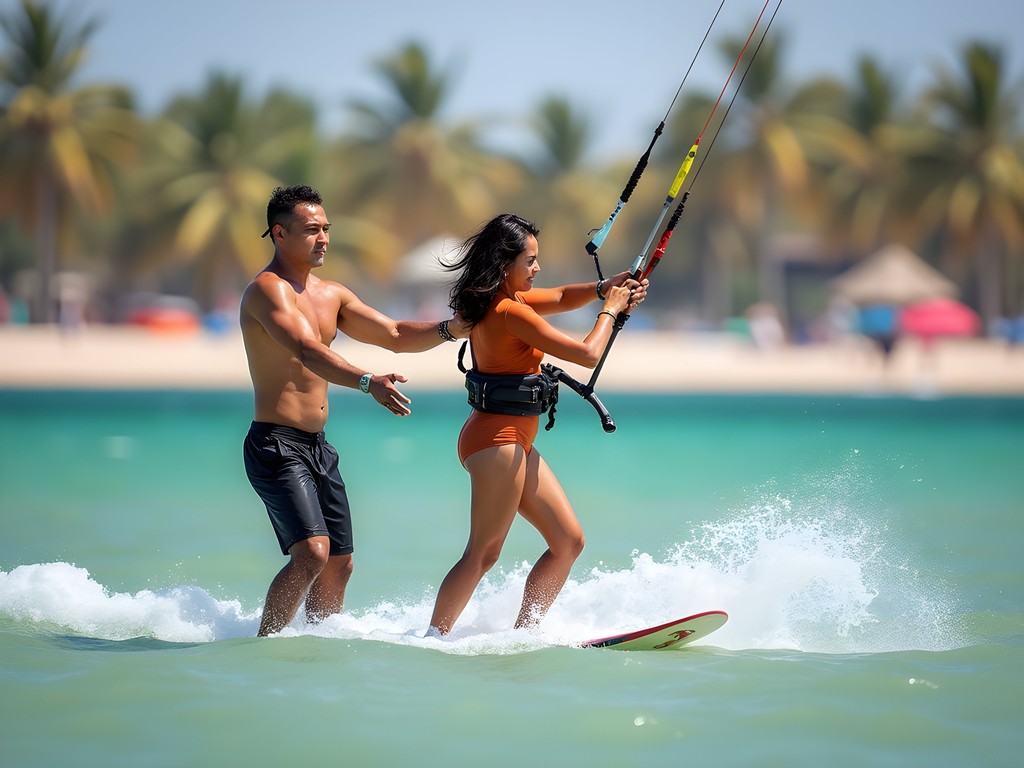
After researching extensively, I narrowed my options to three schools with strong reputations for safety and instruction quality. I ultimately chose Vietnam Kiteboarding School for their IKO-certified instructors and smaller class sizes. The decision proved wise—my instructor Minh balanced technical precision with patient encouragement, a combination that helped me progress from complete novice to independent rider within my first week.
The school provides all necessary equipment for beginners, but as I gained confidence, I appreciated having my own rash guard for protection from both sun and occasional board impacts. If you're planning an extended stay like I did, bringing your own is both hygienic and more comfortable.
Pricing for lessons runs between $40-60 USD per hour for private instruction, with package deals offering better value. Most schools offer 3-day beginner packages that include approximately 9 hours of instruction—enough to get most moderately athletic people up and riding independently. Equipment rental for those who already know how to kite surf costs around $30-40 per day, with weekly rates available.
💡 Pro Tips
- Book lessons in the morning when winds are lighter and more beginner-friendly
- Always request an IKO-certified instructor who speaks your language fluently
- Take videos of your sessions (most schools offer this service) to review your technique
Essential Gear for Mui Ne's Conditions
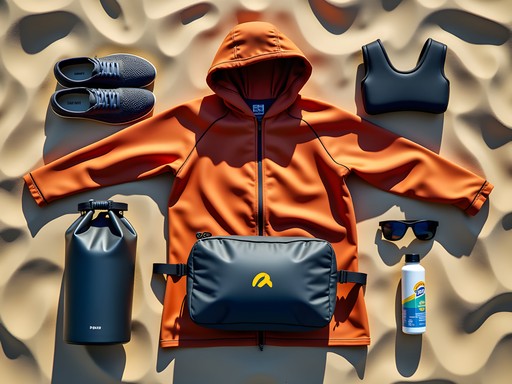
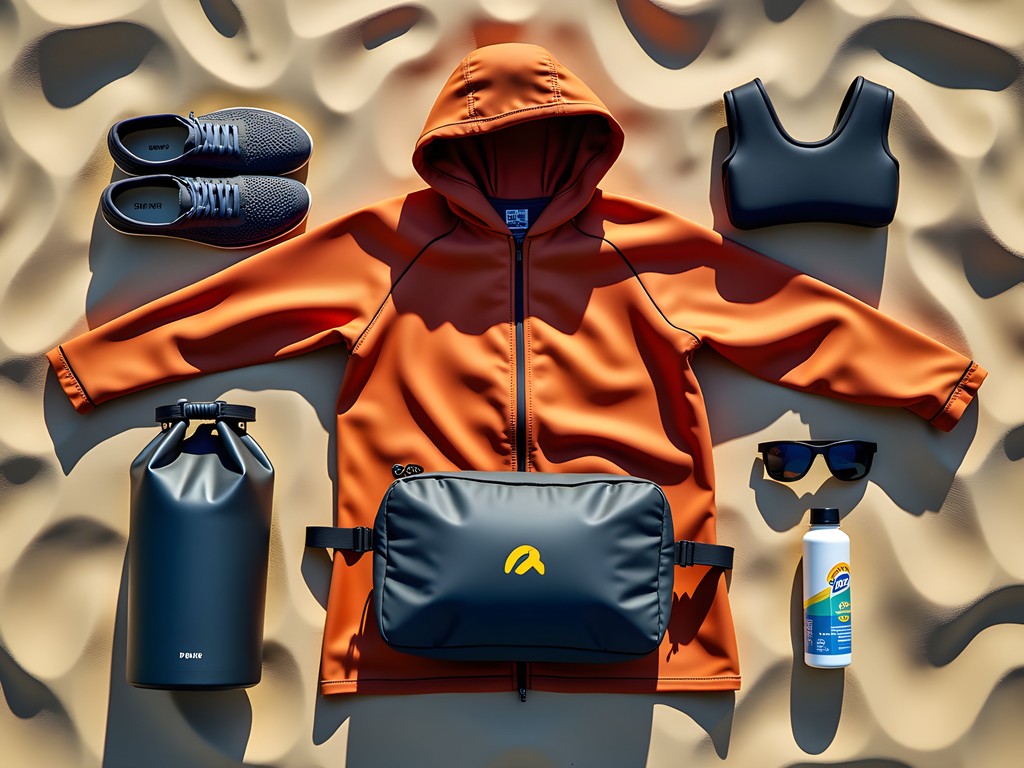
Vietnam's tropical climate means you'll be kiting in bath-warm water most days, but proper gear still makes a significant difference in comfort and performance. After my first sunburned day (despite liberal application of sunscreen), I invested in a sun hoodie which provided crucial protection during those long hours on the water.
Foot protection is another consideration often overlooked by beginners. The sandy bottom at most Mui Ne kite spots is generally forgiving, but sea urchins and occasional debris can be hazards. I found my water shoes indispensable, especially when launching and landing in the sometimes rocky shoreline areas.
While most schools provide helmets for beginners, having your own impact vest is worth considering if you're staying longer than a few days. Mine provided both flotation assistance and protection from harness chafing during long sessions.
One piece of equipment I wish I'd brought from home was a proper dry bag for my phone and valuables. The makeshift plastic bag solution I initially used didn't inspire confidence, especially on days when I was practicing water starts and spending more time in the drink than on my board.
💡 Pro Tips
- Apply reef-safe sunscreen 30 minutes before entering water and reapply hourly
- Bring quick-dry clothing that can be layered for early morning sessions
- Pack a repair kit with adhesive patches if bringing your own kite gear

Beyond the Kite: Mui Ne's Cultural Treasures
What truly elevates Mui Ne beyond other kite destinations I've visited is the rich cultural tapestry waiting to be explored on non-kiting days (or during those morning hours before the wind picks up). The iconic red and white sand dunes lie just a short motorbike ride from the main beach strip. I recommend visiting at sunrise—yes, it means a 4:30am wake-up call, but watching the dunes transform from shadowy monoliths to vibrant sculptures as the first light hits is worth every lost minute of sleep.
The fishing village that gives Mui Ne its name offers a glimpse into Vietnamese coastal life largely unchanged by tourism. Arriving around 6am, I witnessed the return of the colorful fleet and the bustling market that materializes to meet them. Purchasing a few items of seafood from the morning catch led to an impromptu cooking lesson from a local grandmother who took pity on my obvious culinary limitations.
For cultural immersion with historical significance, the ancient Cham towers of Po Shanu stand sentinel on a hilltop overlooking the entire bay—offering both architectural interest and the perfect vantage point for photographs. I found myself returning here multiple times during my stay, drawn by both the spiritual atmosphere and the panoramic views of the coastline where I'd been kiting.
Navigating between these sites is easiest with your own transportation. I rented a GoPro mount for my motorbike to capture the journey between locations, which ended up providing some of my favorite footage from the trip.

💡 Pro Tips
- Visit the fishing village between 6-7am to see the morning catch come in
- Arrange a Jeep tour to the sand dunes if you're not comfortable driving a motorbike
- Bring small denominations of Vietnamese dong for purchases at local markets
Where to Stay: Accommodations for Every Budget
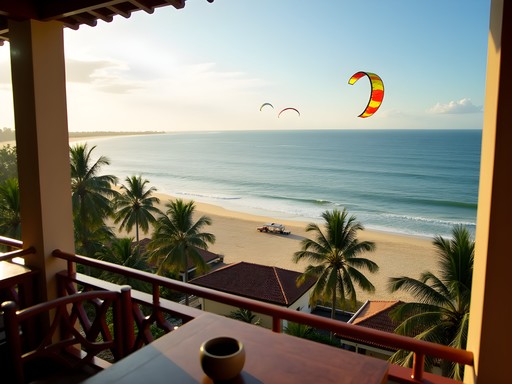
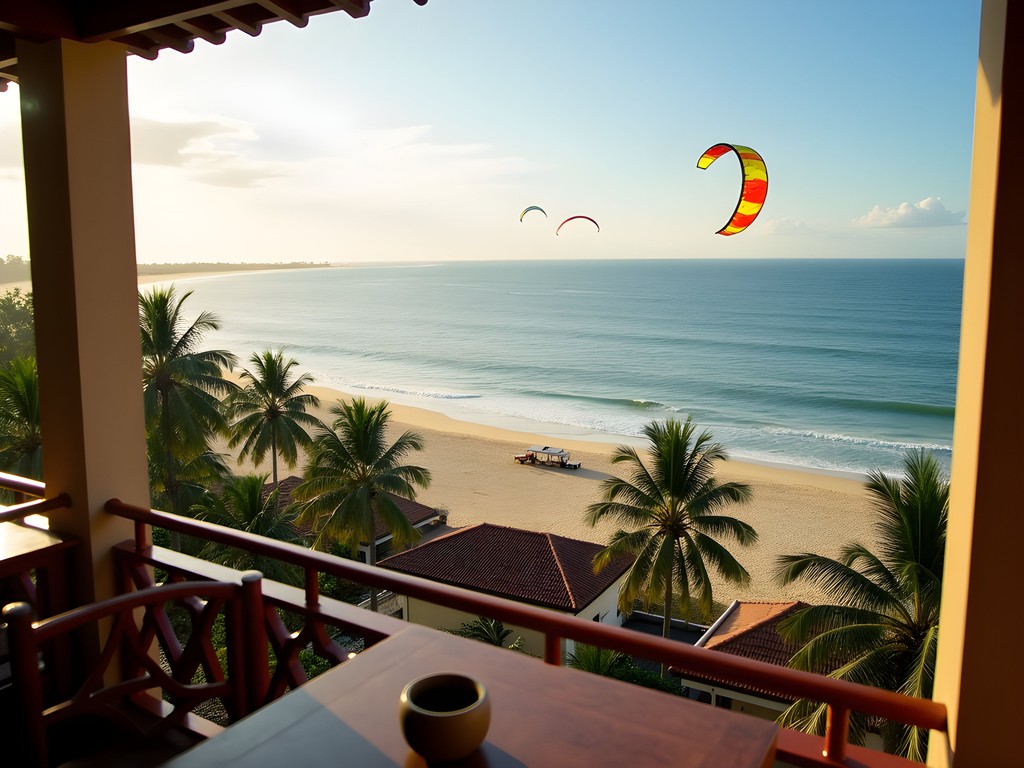
Mui Ne's main strip stretches for about 10 kilometers along Nguyen Dinh Chieu Street, with accommodations catering to every budget. For my two-week stay, I opted for a mid-range guesthouse called Bien Xanh that offered direct beach access and a small kitchenette—essential for preparing simple breakfasts before early morning kite sessions.
The area known as Ganh Beach (central Mui Ne) offers the best balance of proximity to kite schools, restaurants, and amenities. Budget travelers can find hostels with dorm beds starting around $10 USD per night, while mid-range options with air conditioning and private bathrooms range from $25-45 USD. For those seeking luxury, several boutique resorts offer poolside villas for $100+ per night.
One unexpected highlight of my accommodation was the outdoor shower—perfect for rinsing gear and washing away salt and sand. If you're bringing your own equipment, prioritize places that offer secure storage for kites and boards, as well as areas to rinse and dry gear.
Most accommodations include some form of outdoor space, but I particularly appreciated having a travel hammock to string up between palm trees for afternoon recovery sessions. Those post-kite naps with the sound of waves and rustling palms became a cherished daily ritual.
💡 Pro Tips
- Book accommodations within walking distance of your chosen kite school to avoid transportation hassles
- Request rooms away from the main road to avoid traffic noise
- Confirm if your accommodation has dedicated gear storage and washing facilities before booking
Final Thoughts
As my two weeks in Mui Ne drew to a close, I found myself changed in ways that transcended simply learning a new sport. There's something transformative about harnessing the wind's power while immersed in a culture that has done the same for centuries—from the traditional basket boats of local fishermen to the modern kites that now color Mui Ne's skies.
This coastal haven offers a rare balance of physical challenge and cultural richness that speaks to travelers seeking deeper connections with both nature and local communities. Whether you come for a dedicated kite surfing holiday or incorporate it into a broader Vietnam itinerary, Mui Ne rewards those willing to rise with the fishermen, ride with the afternoon winds, and sink into the rhythm of coastal Vietnamese life.
As I packed away my newly acquired kite skills and cultural insights, I knew I'd be returning. The wind-swept shores of Mui Ne had worked their magic, adding another waterborne passion to my collection of experiences. Until next time, I'll be checking the wind patterns and dreaming of that perfect moment of suspension between sea and sky.
✨ Key Takeaways
- Book your trip during the northeast monsoon (November-March) for optimal wind conditions
- Invest in a 3-day beginner package with an IKO-certified instructor for the best learning experience
- Balance kite sessions with cultural exploration of fishing villages, sand dunes, and Cham towers
- Stay along Nguyen Dinh Chieu Street for convenient access to kite spots, restaurants, and amenities
📋 Practical Information
Best Time to Visit
November through March (peak season); October and April (shoulder seasons with decent wind)
Budget Estimate
$50-100/day including accommodation, food, and kite lessons/rentals
Recommended Duration
Minimum 1 week; 2 weeks ideal for beginners to progress confidently
Difficulty Level
Intermediate






Comments
hikingmood5525
This is exactly what I needed!! Booking my trip for January now. Your photos are gorgeous btw. Quick question - how many days would you recommend for a complete beginner to get the basics down? I've got about 10 days total and want to make sure that's enough time. Also is it easy to rent gear after you finish lessons or do most people just use the school equipment?
smartking
10 days is perfect! You'll probably spend 3-4 days on lessons and then have time to practice. Most schools let you rent gear pretty cheap after
Jean Wells
Excellent breakdown of the wind patterns, Elena. I visited Mui Ne in February 2025 and found your assessment quite accurate. One observation: the afternoon winds (14:00-17:00) tend to be stronger but also gustier, which can be challenging for intermediate riders still developing consistent board control. Morning sessions (08:00-11:00) offer more stable conditions. Regarding equipment, I'd emphasize the importance of reef booties - the beach has some rocky patches that aren't immediately obvious. The cultural section resonated with me; the Cham towers near Phan Thiet deserve more attention from visitors who tend to focus solely on the sport.
skytime
Good call on the reef booties! Learned that the hard way lol
smartking
LOVE THIS POST!! Mui Ne is absolutely incredible and you captured it perfectly. That feeling of flying above the water is just unreal. I spent a month there last year and honestly didn't want to leave. The kite community there is so welcoming too - made friends from like 15 different countries. Did you get to try the night market in the fishing village? The seafood is insanely good and cheap. Also the sand dunes at sunrise are a must if you haven't been. Can't wait to go back!!
happyclimber
Is this good for total beginners? Never tried kite surfing before
smartking
YES! Mui Ne is actually perfect for beginners. The water is pretty shallow and warm, and there are tons of schools. I learned there in 2023 and had zero experience. Just make sure you book a proper course with IKO certified instructors!
skytime
Been to Mui Ne twice now and totally agree about the wind patterns. November-March is definitely the sweet spot. One thing I'd add - the wind can be pretty inconsistent in November so if you're a beginner maybe aim for Dec-Feb instead. Also stayed at a guesthouse near the main kite beach and it was super convenient to just walk out with your gear. Did you try any of the other beaches further up the coast?
hikingmood5525
Which guesthouse did you stay at? Looking for something close to the beach!
skytime
It was called Wind Beach Resort or something like that. Nothing fancy but literally right there. Think it was like $25/night
globeone
Going next month! So pumped
photohero
Which kite school did you end up going with? There's like 10+ options and I'm overwhelmed trying to choose. Budget is a consideration but obviously safety comes first. Any schools to avoid?
Sarah Powell
I compared about 8 schools when I was planning. C2Sky and Windchimes both have excellent safety records and IKO-certified instructors. Price difference is minimal - around $200-250 for a 3-day beginner course. Avoid the super cheap ones near the fishing village.
Bryce Diaz
Elena, this brought back memories! I spent three weeks in Mui Ne back in 2023 and had a similar transformative experience. What struck me most was the community aspect - every evening at the beach bars, kiters from literally every continent sharing stories and tips. I remember this German guy who'd been coming back for 15 years straight. The wind is reliable, but it's really the people that make it special. Did you make it to the fairy stream? Sounds touristy but at sunset it's actually magical.
wilddiver
the community vibe sounds amazing! definitely going now
escapefan
Been twice, can confirm everything here is spot on
freemaster
Just got back from Mui Ne actually! Took a 3-day beginner course and it was incredible. One tip - bring your own rash guard because the rental ones are pretty worn out. The sun is NO JOKE there. Also the sand dunes at sunrise are a must-see even if you're not into kiting. Got some amazing photos.
Venture X
Premium card with 2X miles, $300 travel credit, Priority Pass