
Disclosure: This article contains affiliate links. We may earn a commission from purchases at no extra cost to you, which helps our travel content.
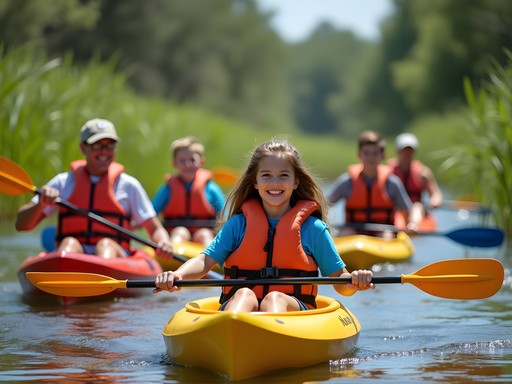
Jacksonville surprised me, and I don't say that lightly after decades of travel. Most visitors rush through Florida's largest city en route to Miami or Orlando, missing something rather special: a network of pristine waterways that rivals anything I've experienced in the subtropical regions of Asia. Last spring, I convinced two colleagues to join me for a weekend paddling expedition through Jacksonville's wetlands, and we discovered an ecosystem so rich and accessible that I've since brought my elderly parents back for a gentler version of the same adventure.

Why Jacksonville's Waterways Deserve Your Attention
The St. Johns River system and its surrounding wetlands create over 1,100 miles of navigable waterways—more than Venice, ironically. What makes Jacksonville exceptional isn't just the quantity but the quality of wildlife encounters. During our spring paddle, we spotted manatees, river otters, bald eagles, and an alarming number of alligators (more on that shortly).
The city's position where river meets ocean creates diverse ecosystems within minutes of each other. You can paddle through freshwater marshes in the morning and explore tidal creeks by afternoon. For families, this variety means you're not committing to a single environment for the entire trip—crucial when traveling with children or older adults who might tire of monotonous scenery.
The infrastructure here is refreshingly professional. Unlike some destinations where 'ecotourism' means a bloke with a questionable kayak and dubious insurance, Jacksonville's outfitters maintain proper equipment and actually understand tidal patterns. This matters more than you'd think when you're three kilometers from your launch point and the current shifts.
💡 Pro Tips
- Book morning launches between 7-9 AM for the calmest water and best wildlife activity
- Check tide charts before booking—outgoing tides make paddling significantly easier
- Spring temperatures (March-May) average 22-27°C with lower humidity than summer
The Best Routes for First-Time Paddlers
Cedar Point Preserve remains my top recommendation for families and beginners. The 2.5-kilometer loop through salt marshes offers guaranteed wildlife sightings without challenging currents. My parents, both in their eighties, managed this route comfortably with tandem kayaks.
Julington-Durbin Preserve provides a slightly more ambitious 5-kilometer route through freshwater marshes. We encountered a family of river otters here—an experience that justified the entire trip. The preserve's marked trails prevent you from getting properly lost, though I'd still recommend a reliable waterproof phone pouch to protect your navigation devices. I learned this lesson the expensive way in Singapore's reservoirs.
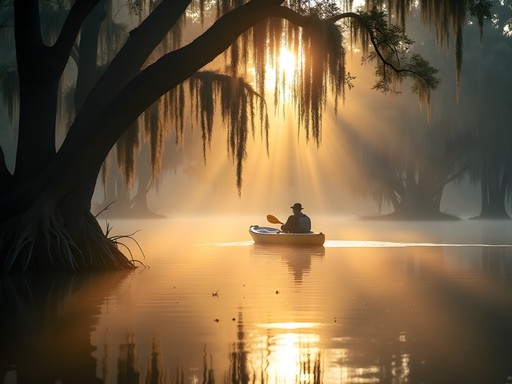
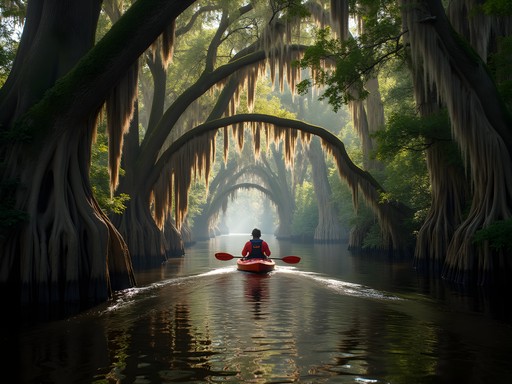
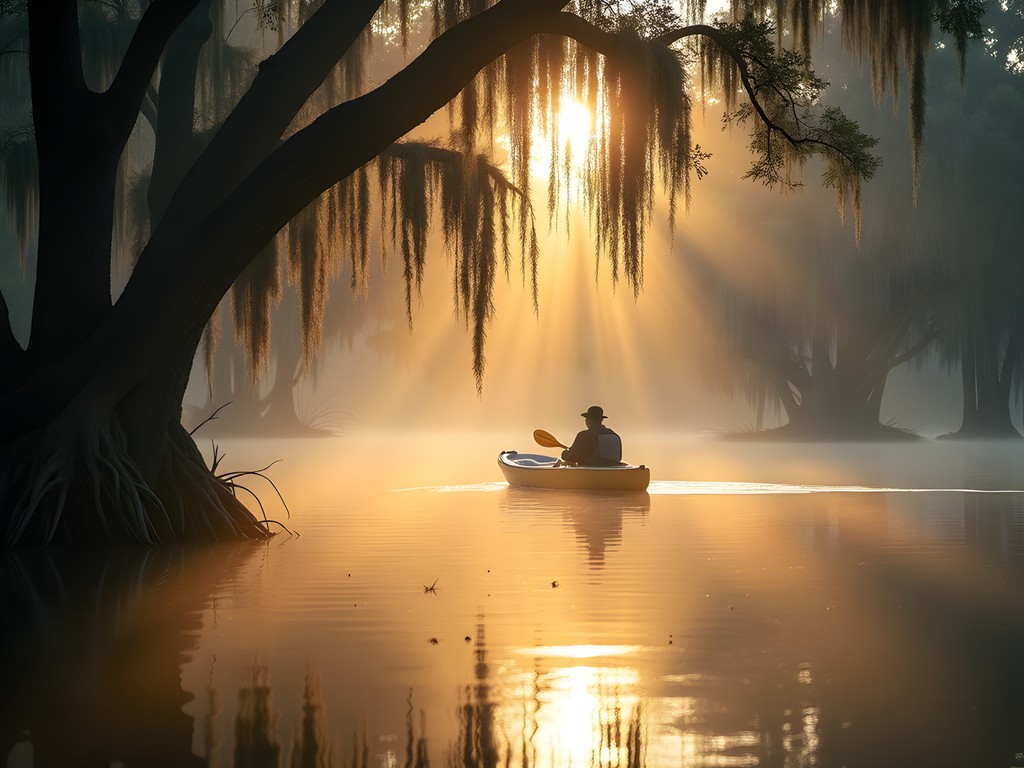
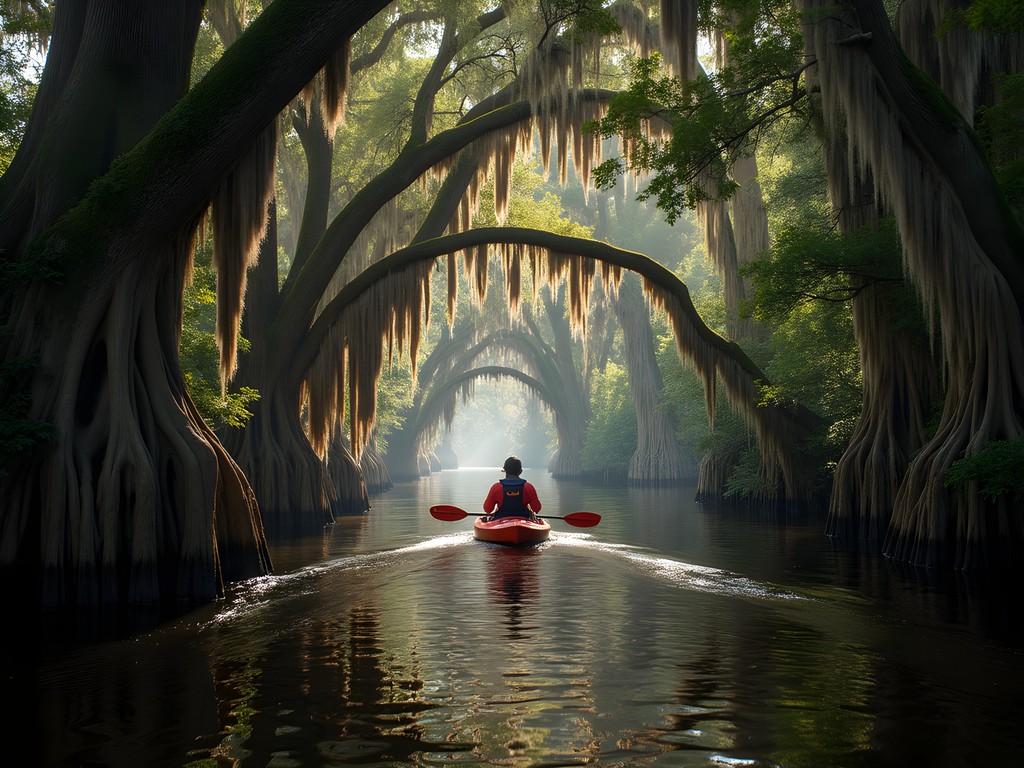
Sisters Creek offers the most dramatic scenery: towering cypress trees creating cathedral-like passages through blackwater streams. The 4-kilometer route requires moderate paddling skills due to occasional currents, but the payoff is substantial. This is where we saw our first wild manatee—a surprisingly emotional moment for three supposedly cynical professionals.
For the adventurous, Fort George River provides a full-day expedition with tidal considerations. Only attempt this if you're comfortable with 10+ kilometers and understand how tides work. The isolation here feels profound—we paddled for two hours without seeing another human.
💡 Pro Tips
- Rent tandem kayaks for mixed-ability groups—the stronger paddler can compensate without being obvious about it
- Bring a dry bag for valuables; even stable kayaks accumulate water
- Download offline maps; cellular coverage is patchy in the preserves
The Wildlife Reality Check
Let's address the alligator situation honestly. Yes, they're everywhere. During our spring paddle, we counted 23 alligators in a single afternoon. Before you cancel your booking, understand that these creatures are remarkably disinterested in kayakers. We maintained the recommended 15-meter distance, and they maintained their sunbathing routines.
The local guides explained something crucial: alligators in frequently paddled areas become habituated to kayaks and perceive them as large, uninteresting objects. The danger comes from surprising them in narrow channels or approaching nests during breeding season (May-June). Spring paddling (March-April) avoids nesting aggression.
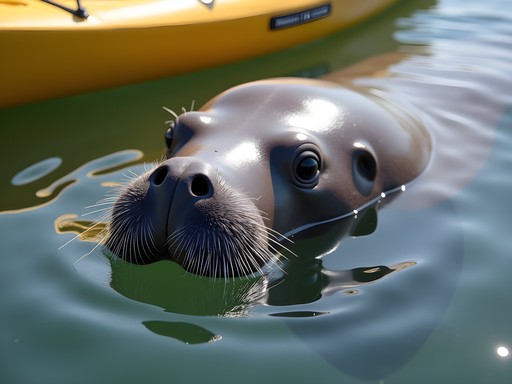
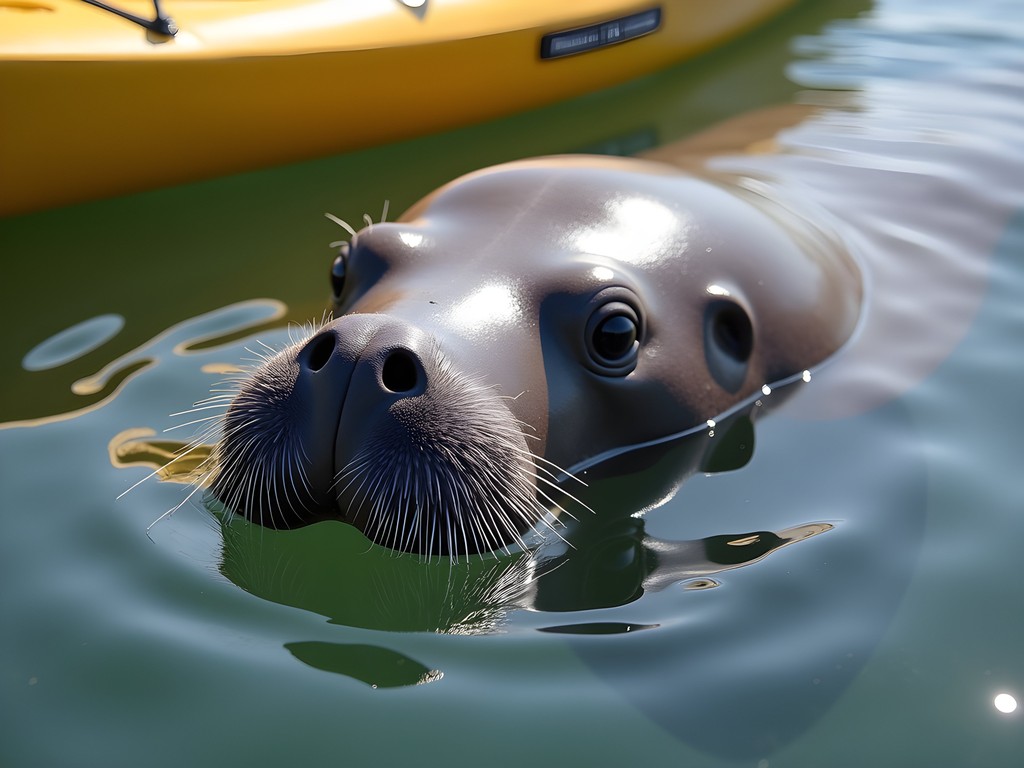
Manatees present the opposite problem—they're curious and approach kayaks. Federal law prohibits touching them, though they'll occasionally bump your kayak investigating. These encounters are magical but require restraint. I've seen tourists reach out to pet them, which is both illegal and potentially dangerous for the animal.
Bird life here rivals anything I've experienced in Southeast Asia. We identified 47 species during our weekend, including roseate spoonbills, wood storks, and multiple eagle nests. A decent pair of waterproof binoculars transforms the experience from pleasant to extraordinary. The waterproof feature isn't optional—I've destroyed two pairs of conventional binoculars in various water-based adventures.
💡 Pro Tips
- Never paddle alone in alligator habitat—it's basic risk management
- Wear polarized sunglasses to spot submerged alligators and manatees
- Keep noise levels moderate; excessive splashing attracts unwanted attention from wildlife

Practical Considerations and Gear
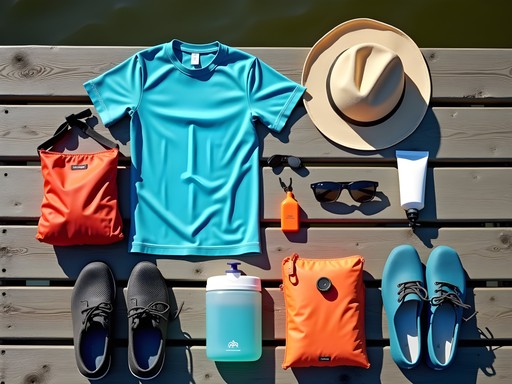
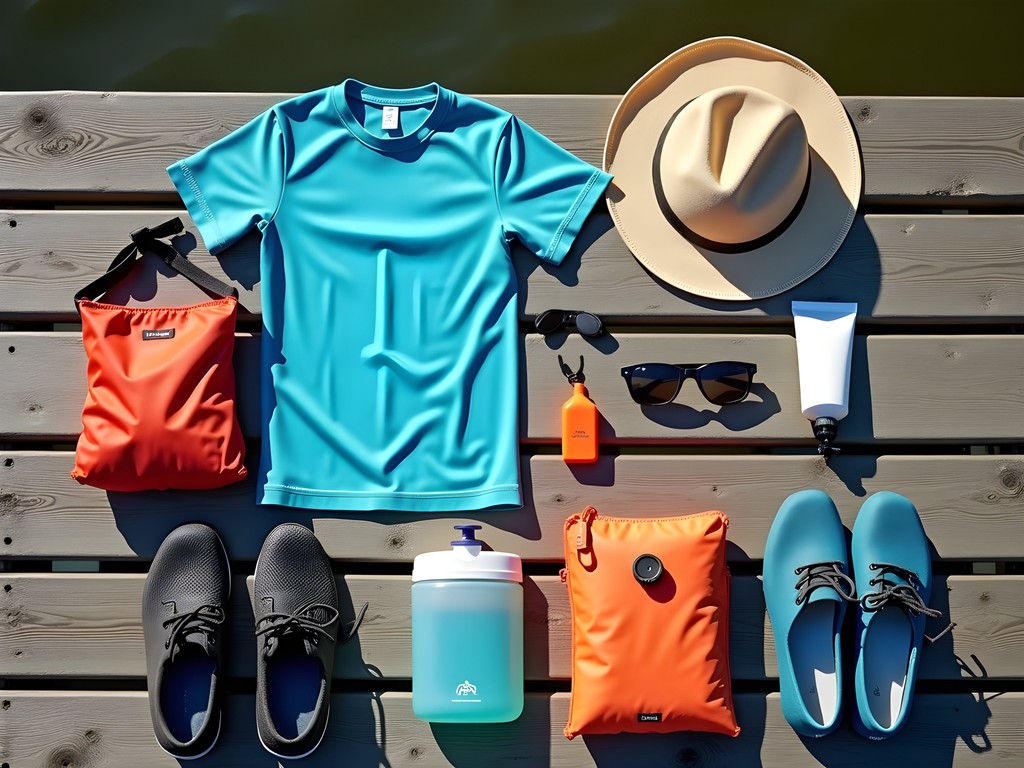
Jacksonville's spring weather is deceptive. Mornings start cool (15-18°C), but by midday you're dealing with 27°C and intense sun. Layering is essential. I wore a long-sleeve sun protection shirt over a moisture-wicking base layer—the UPF 50 protection proved worthwhile when I forgot to reapply sunscreen on my forearms.
Hydration becomes critical faster than you'd expect. We each carried 3 liters of water for a 4-hour paddle, and I finished mine. The combination of sun exposure, physical exertion, and humid air creates significant fluid loss. A hydration bladder works brilliantly in a kayak—you can drink without stopping to fumble with bottles.
Most outfitters provide basic kayaks and paddles, but the quality varies dramatically. I've found that upgrading to a sit-inside kayak (when available) provides better control and keeps you drier. The additional $15-20 per day is worth it for comfort over multiple hours.
Footwear deserves attention. You'll be wading through muddy launch areas, so forget about keeping your feet dry. Water shoes with good traction prevent slips on submerged logs and oyster shells. I use water shoes that transition well from water to short walks at rest stops—crucial when you need to stretch your legs on solid ground.
💡 Pro Tips
- Apply sunscreen 30 minutes before launching, focusing on often-missed areas like ears and hands
- Bring a small towel for wiping hands before handling phones or snacks
- Pack high-protein snacks; paddling burns more calories than anticipated
Making It Work for Families
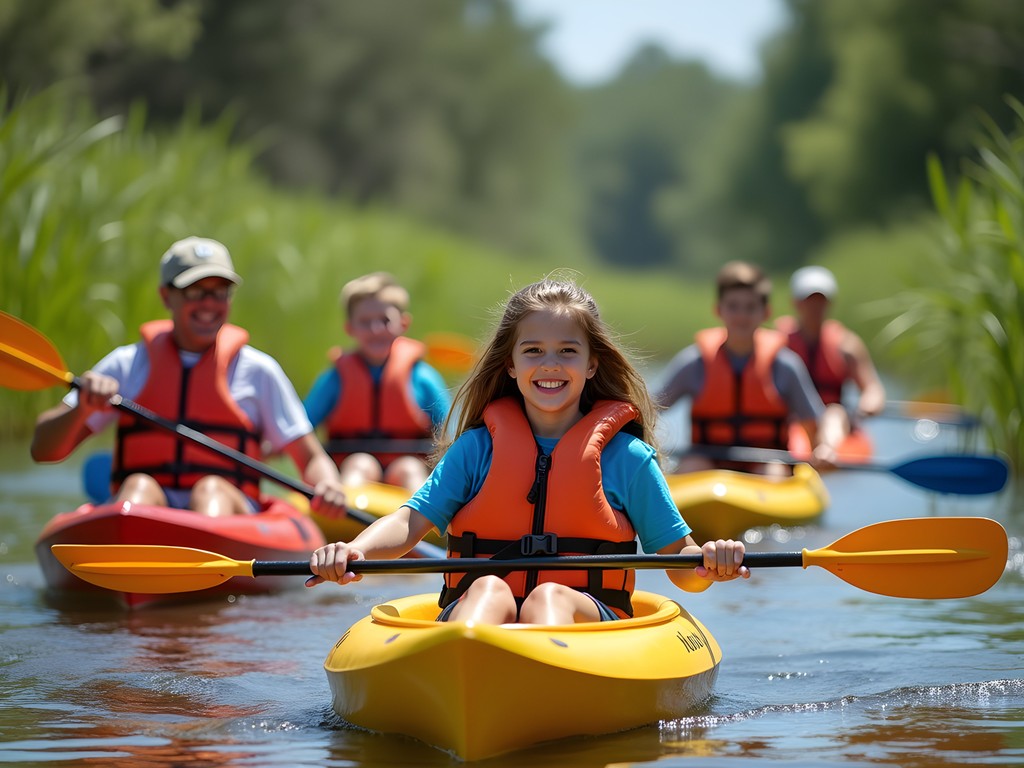
I initially doubted Jacksonville's suitability for family paddling until I watched a family with three children (ages 8-14) navigate Cedar Point with more grace than our supposedly experienced group. The key is matching routes to your least experienced paddler and building in flexibility.
Tandem kayaks allow parents to paddle with younger children, though I'd recommend age 10+ for independent paddling. The outfitters we used (Kayak Amelia and Jacksonville Kayak Company) provided excellent safety briefings and seemed genuinely concerned about matching families with appropriate routes.
Timing matters enormously with children. Morning paddles avoid afternoon heat and fatigue. We observed several families doing 2-hour morning sessions followed by hotel pool time—a smart combination that keeps everyone engaged without pushing limits.
The wildlife encounters provide natural entertainment that screens can't match. I watched one teenage boy, initially sullen about the 'boring nature trip,' become genuinely animated after spotting an alligator. These experiences create shared stories that outlast the trip itself.
For older family members, the gentler routes offer surprising accessibility. My father, who's managing early-stage Parkinson's, completed the Cedar Point loop with regular breaks and genuine enjoyment. The stable kayaks and calm water made it achievable in ways that more dramatic destinations wouldn't.
💡 Pro Tips
- Book private family tours for mixed ages—the pace flexibility is worth the premium
- Bring waterproof bags with dry clothes for the car ride back
- Consider staying at riverside hotels where you can show children the waterways before paddling
Final Thoughts
Jacksonville's wetlands offer something increasingly rare: accessible wilderness within an urban context. You don't need expedition-level fitness or exotic travel budgets to experience genuinely wild spaces. The infrastructure supports beginners while the ecosystem rewards experienced paddlers with encounters that rival far more celebrated destinations.
What struck me most wasn't the individual moments—though the manatee encounter remains vivid—but the cumulative effect of spending hours moving slowly through functioning ecosystems. In our hyperconnected, overscheduled lives, the enforced pace of kayaking creates space for actual conversation and observation. My colleagues and I found ourselves discussing things beyond quarterly targets for the first time in years.
For families, particularly those introducing children to outdoor activities, Jacksonville provides a forgiving environment with genuine rewards. The wildlife is abundant enough to maintain interest, the routes are varied enough to accommodate different abilities, and the infrastructure is professional enough to inspire confidence.
I've paddled in more dramatic locations—New Zealand's fjords, Singapore's mangroves, Japan's river systems—but Jacksonville's combination of accessibility, wildlife density, and surprising beauty makes it exceptional value for a weekend adventure. Book your spring dates now, before the summer heat and crowds arrive.
✨ Key Takeaways
- Jacksonville offers 1,100+ miles of navigable waterways with exceptional wildlife viewing, particularly in spring (March-May)
- Cedar Point Preserve provides the best beginner-friendly route; Sisters Creek offers more dramatic scenery for confident paddlers
- Proper sun protection, hydration, and timing (early morning launches) transform the experience from challenging to enjoyable
📋 Practical Information
Best Time to Visit
March through May for optimal weather and wildlife activity
Budget Estimate
$150-300 per person for a weekend including kayak rentals, guide services, and basic accommodation
Recommended Duration
2-3 days for multiple paddling sessions and route variety
Difficulty Level
Easy To Moderate Depending On Route Selection


Comments
backpackseeker
Great post! One thing I'd add - bring more water than you think you need. Florida humidity is no joke even in winter, and you're working harder than you realize while paddling. I always bring at least 3 liters for a half-day trip. Also bug spray for the launch areas, though once you're on the water the bugs aren't bad.
summerqueen
This might be a dumb question but do I need my own kayak or are there rental places? I'm visiting family in Jacksonville in March and this looks perfect but I obviously can't bring a kayak on the plane lol
nomadwalker
Not dumb at all! There are definitely rental places. I think the article mentioned some but I'd google closer to your trip.
James Richardson
Plenty of rental options! Kayak Amelia and Tree Hill Nature Center both have good equipment and reasonable rates. Most launch sites have rental services nearby too. You're all set!
Jean Wells
Your point about 'accessible wilderness' resonates strongly with me. I paddled the Julington-Durbin Creek preserve last November and found the solitude remarkable for such proximity to a major city. The tannin-stained water creates an almost otherworldly atmosphere. For solo travelers particularly, the well-marked routes and cell service throughout most areas provide a comfortable safety margin without sacrificing the wilderness feel. I used my dry bag to keep my phone and camera safe - essential for the tidal sections where splashing is inevitable.
dreammaster
Adding this to my Florida list!
Gregory Boyd
Excellent write-up, James. I've been advocating for Jacksonville as an underrated destination for years. The accessibility factor you mentioned is key - most urban wetland experiences require significant travel time, but here you're literally 20 minutes from downtown. The biodiversity rivals much more remote locations. One addition: if readers are serious about multiple trips, the annual launch pass at Tillie K. Fowler is worth it. Paid for itself after my third visit.
globeexplorer
YES!! Finally someone writing about Jacksonville's waterways! I did the Cedar Point trail last spring and it was absolutely magical. Saw herons, egrets, even a manatee which totally made my day. The cypress trees are stunning. Pro tip: go super early morning if you can, like 7am. Way fewer people and the wildlife is more active. Also the light is gorgeous for photos.
summerqueen
You saw a manatee?? That's so cool! How long was your trip?
globeexplorer
About 3 hours total! It was just floating near the launch area when we got back. They're so chill.
springone
Never thought of Jacksonville for kayaking. Cool!
nomadwalker
This looks amazing! Quick question though - how worried should I actually be about the gators? I've never kayaked anywhere with them before and honestly a bit nervous. Did you see many on your trips?
James Richardson
Totally understand the concern! I saw probably 6-7 gators across multiple trips. They're honestly not interested in kayaks at all - just give them space (20+ feet) and don't paddle toward them. Way less scary than I expected.
backpackseeker
I've paddled in gator territory in Louisiana and the Everglades - they really do just ignore you. The guides aren't joking when they say respect their space and you'll be fine.
Taylor Moreau
Excellent coverage of an overlooked destination, James. I've routed through Jacksonville several times for business and never considered the recreational opportunities. Your point about accessible wilderness is particularly relevant for business travelers looking to decompress between meetings. The logistics section is helpful - rental availability and parking details are often glossed over in adventure content. One question: are the routes you mentioned suitable for tandem kayaks? I'd potentially bring a colleague who's interested but inexperienced.
Kimberly Murphy
Taylor - yes! Most outfitters there have tandems. Perfect for mixed experience levels.
Frank Garcia
Really appreciate the practical breakdown here. I think Jacksonville represents an interesting case study in urban wilderness access - you've got genuine ecological diversity without the overcrowding you see in places like the Keys or Crystal River. The point about fitness requirements is spot on too. I'd add that timing matters significantly beyond just heat avoidance. Early morning paddles (6-8am) give you the best wildlife viewing windows and the calmest water conditions. Also worth noting the tidal patterns if you're planning longer routes - the St Johns flows north which can work for or against you depending on your route planning.
Venture X
Premium card with 2X miles, $300 travel credit, Priority Pass