Disclosure: This article contains affiliate links. We may earn a commission from purchases at no extra cost to you, which helps our travel content.
There's something profoundly moving about following in the footsteps of ancient pilgrims, especially when those footsteps lead through the dramatic landscapes between Jerusalem and the Dead Sea. After 25 years traversing the globe as a flight attendant, I've developed a particular fondness for journeys that nourish both body and spirit. This 7-day trek through the Judean Desert represents one of the most challenging yet spiritually rewarding adventures my daughter and I have undertaken together—a perfect father-daughter pilgrimage that combines physical endurance with moments of transcendent beauty.

Preparing for the Desert Pilgrimage
Having navigated countless journeys during my career with British Airways, I can assure you that preparation for this particular adventure demands special attention. The Jerusalem to Dead Sea trek isn't your typical holiday ramble—it's a serious undertaking through one of Earth's most unforgiving landscapes.
First and foremost, timing is everything. Spring (March-May) offers the ideal balance of manageable temperatures and blooming desert flora. We embarked in early April, when the wildflowers were painting the otherwise austere landscape with splashes of color, yet before the merciless summer heat made hiking potentially dangerous.
Physical preparation cannot be overstated. My daughter and I committed to three months of increasingly challenging hill walks around Glasgow before departure. Even with my regular fitness routine (maintained to counter the effects of jet lag and long-haul flights), I found the training essential.
For navigation, while local guides are recommended for certain sections, I found the GPS hiking device to be indispensable. It allowed us the freedom to navigate independently while maintaining satellite communication capabilities—a genuine safety essential in remote desert areas.
💡 Pro Tips
- Start training at least 3 months before with progressively longer and steeper hikes
- Book accommodations along the route well in advance, especially during religious holidays
- Break in your hiking boots thoroughly before the trip—the rocky terrain is unforgiving on new footwear
The Jerusalem to Jericho Segment: Walking Through History
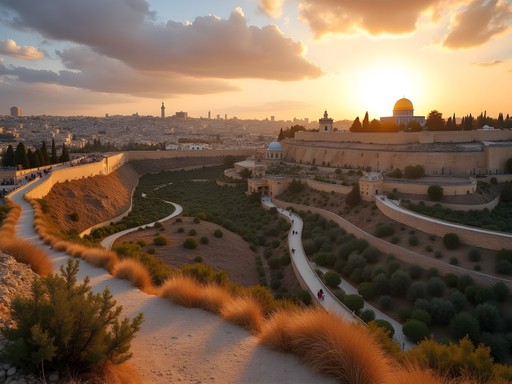
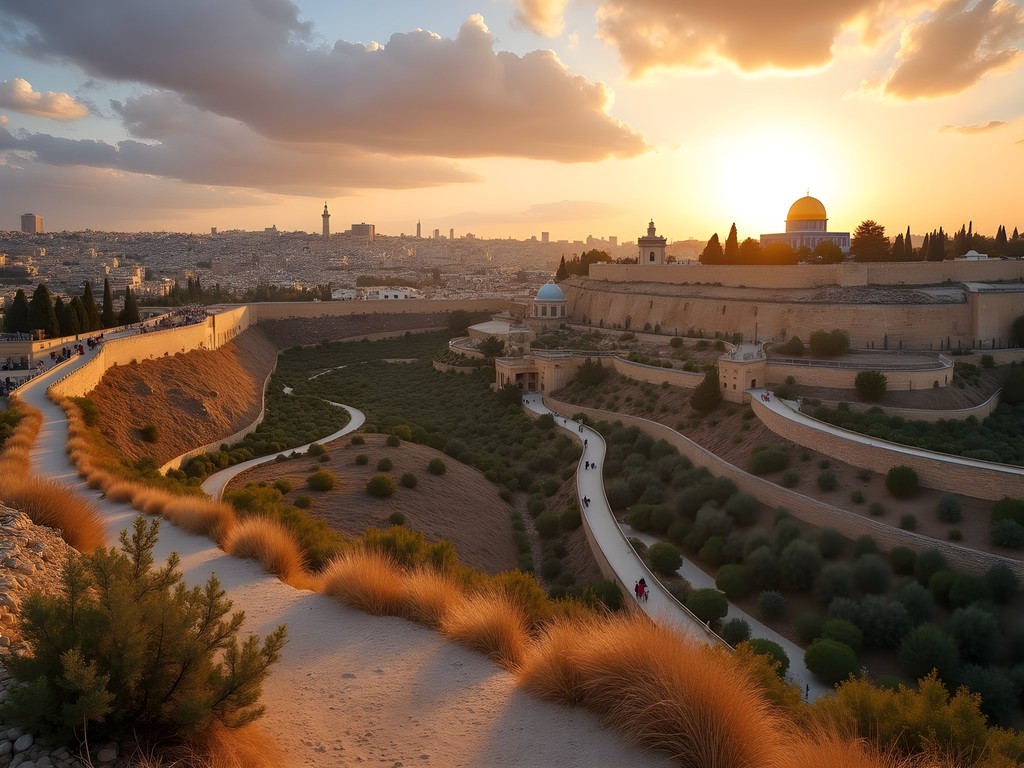
The journey begins properly at the Mount of Olives, where the panorama of Jerusalem's Old City provides both inspiration and context for what lies ahead. This first segment follows portions of the ancient pilgrimage route that has witnessed thousands of years of human passage.
As we descended into the Kidron Valley, the urban landscape quickly gave way to rugged wilderness. The transition is remarkably abrupt—one moment you're amid the bustle of Jerusalem, the next you're traversing a landscape that appears largely unchanged since biblical times.
The path winds through Wadi Qelt, one of the most dramatic sections of the journey. Here, the trekking poles I brought proved their worth tenfold. The terrain is challenging—loose scree, narrow paths along steep drops, and uneven rocky surfaces demand your full attention and proper equipment.
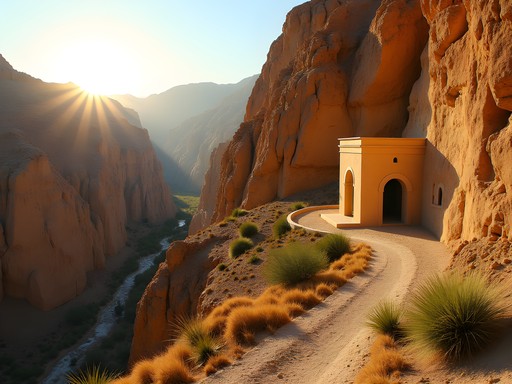
Midway through this segment stands the remarkable St. George's Monastery, carved into the cliff face. This 5th-century structure seems to defy gravity and offers a profound reminder of the devotion that has drawn people to these harsh landscapes for millennia. We timed our arrival for afternoon, when the slanting light bathes the monastery in a golden glow that simply must be experienced firsthand.
The trail continues through increasingly arid landscapes until reaching the ancient Jericho oasis—reputedly the oldest continuously inhabited city on earth. The contrast between the harsh desert we'd traversed and the sudden abundance of palms and flowing water creates a profound sense of relief that pilgrims must have felt for thousands of years.

💡 Pro Tips
- Carry at least 3 liters of water per person for this segment, even in spring
- Visit St. George's Monastery between 9-11am or 3-5pm to avoid both crowds and midday heat
- Consider hiring a local Bedouin guide for the Wadi Qelt section—their knowledge of the landscape is unparalleled
Desert Survival and Spiritual Reflection
The middle portion of the trek takes you deep into the Judean Desert wilderness—a landscape of profound silence and stark beauty that has drawn spiritual seekers for millennia. This section requires both physical endurance and mental preparation.
The terrain becomes increasingly challenging as you move eastward, with temperatures fluctuating dramatically between day and night. My years of adapting to changing climates as a flight attendant served me well, but I was still grateful for my desert hiking attire which provided protection from both sun and occasional cool winds.
Water management becomes critical here. Beyond carrying sufficient supplies (I recommend a minimum of 4 liters per person per day), we utilized a water filtration system as backup for the occasional springs marked on specialized maps.
The landscape itself becomes a catalyst for reflection. My daughter and I established a routine of silent walking each morning, allowing the desert's profound quiet to create space for contemplation. Some of our most meaningful conversations about life, faith and purpose emerged after these periods of meditative walking.
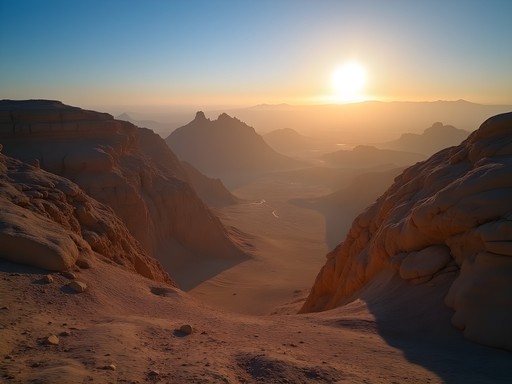
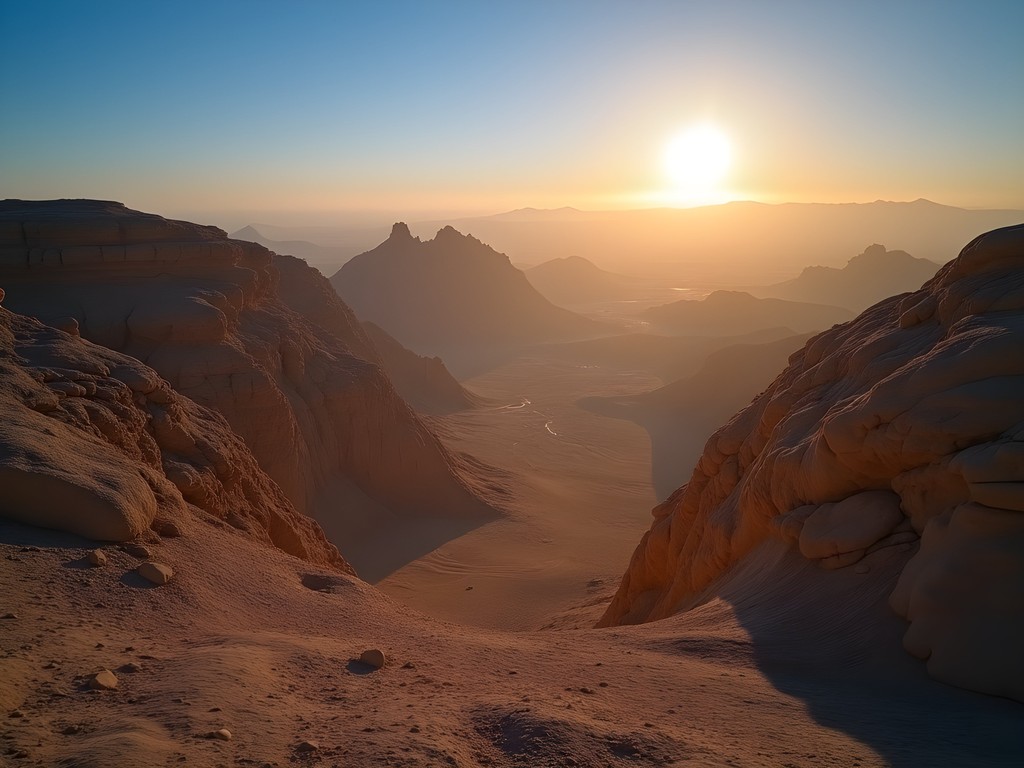
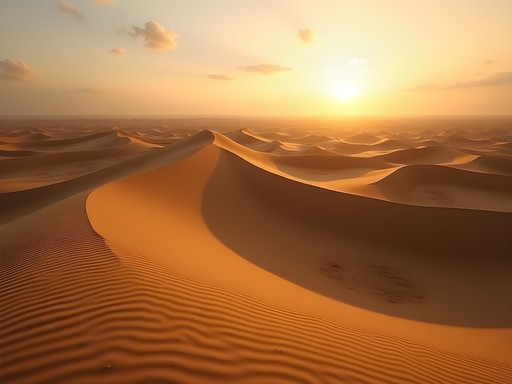
One evening, we witnessed a desert sunset that transformed the landscape into a canvas of impossible colors—ochres, crimsons and finally deep purples bleeding into the horizon. In that moment, the physical challenges of the journey faded against the privilege of experiencing such raw, untamed beauty. For those with spiritual inclinations, the desert's emptiness creates a unique space for connection with something larger than oneself.
💡 Pro Tips
- Schedule challenging sections for early morning to avoid midday heat
- Embrace periods of silence while walking—the desert has much to teach those willing to listen
- Carry emergency electrolyte supplements to combat potential dehydration

Reaching the Dead Sea: The Final Descent
The final leg of this remarkable journey brings a dramatic topographical shift as you descend toward the lowest point on Earth. The trail winds downward through increasingly barren landscapes, with the vast blue expanse of the Dead Sea gradually expanding on the horizon.
This descent is physically demanding in its own right. The combination of heat, challenging footing, and the curious pressure changes as you drop below sea level creates a unique hiking experience. My hiking boots proved their worth here—the ankle support was crucial on the steep, loose sections of trail.
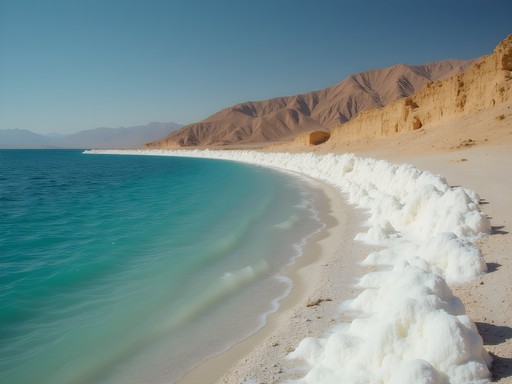
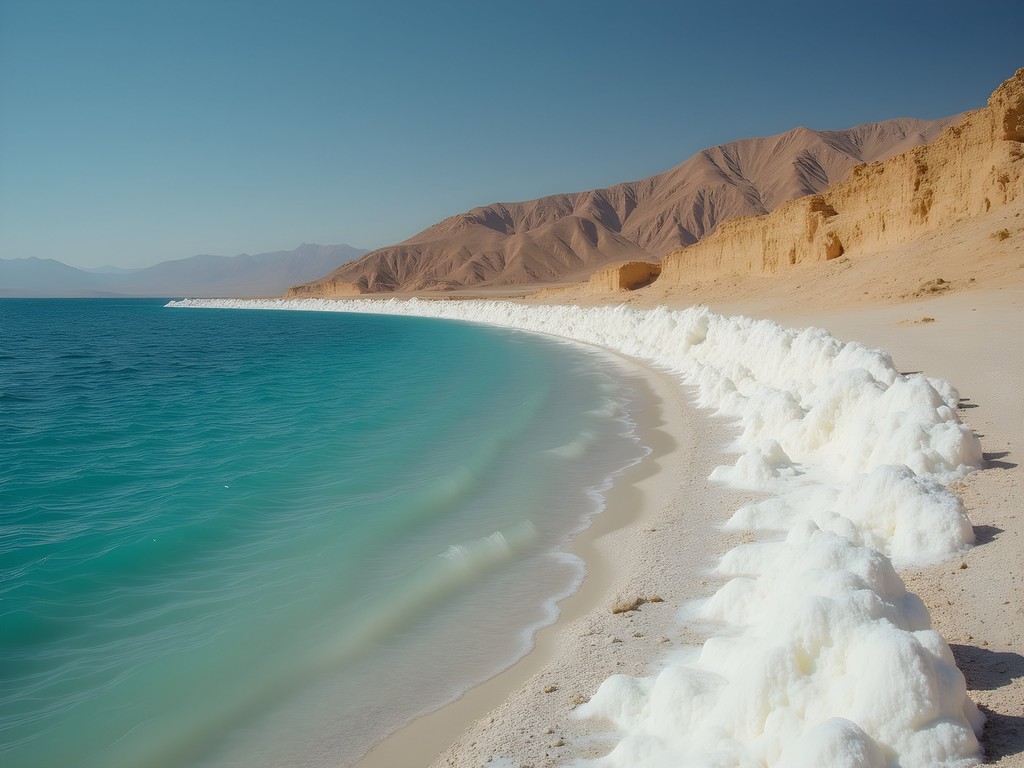
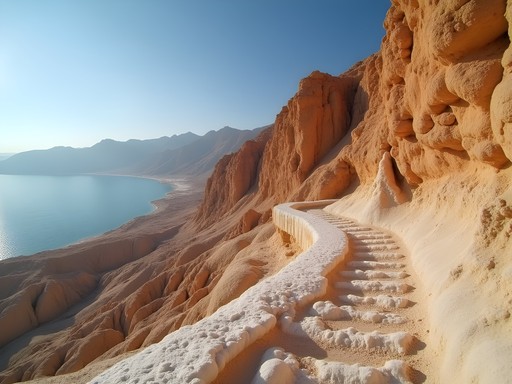
As you approach the Dead Sea, the landscape takes on an almost otherworldly quality. Salt formations create bizarre sculptures, and the light reflects off the mineral-rich water with an intensity that's both beautiful and slightly disorienting.
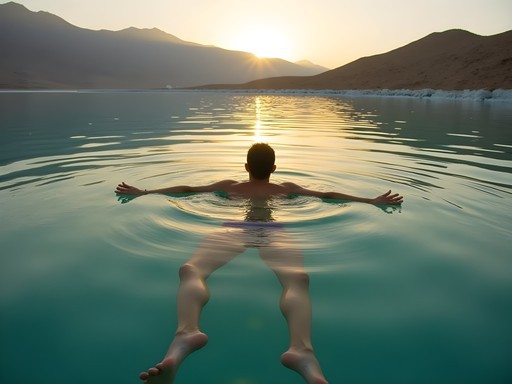
After days of physical exertion and the inevitable layer of dust that accompanies desert hiking, the therapeutic properties of the Dead Sea feel particularly rewarding. The sensation of effortless floating in the mineral-rich waters offers a perfect physical counterpoint to the journey's demands.
We concluded our adventure with a stay at one of the mid-range spa resorts along the shore. After applying the famous Dead Sea mud (though you can simply scoop it from designated areas along the shore), we found the combination of mineral-rich mud and water remarkably restorative for trail-weary muscles.
Watching the sunset over the Jordanian mountains from the shoreline, with Jerusalem now invisible beyond the wilderness we had traversed, created a perfect moment of completion—a physical journey that mirrored the internal one we had undertaken together.
💡 Pro Tips
- Descend carefully using trekking poles to protect your knees on the steep final sections
- Bring flip-flops for the Dead Sea—the salt-encrusted shore can be sharp on bare feet
- Schedule at least one full rest day at the Dead Sea to allow your body to recover from the journey
Final Thoughts
The ancient path from Jerusalem to the Dead Sea offers far more than a physical challenge—it's a journey through layers of history, spirituality and natural wonder that few modern adventures can match. The contrasts are profound: from the sacred urbanity of Jerusalem to the absolute wilderness of the Judean Desert, culminating in the surreal mineral-laden waters of Earth's lowest point.
While demanding, this trek rewards the prepared traveler with experiences that resonate long after the journey ends. My daughter and I still reference our desert conversations years later, finding that certain insights crystallized in that stark landscape continue to offer clarity in our everyday lives.
If you're considering this remarkable journey, give yourself the gift of proper preparation, respect the desert's challenges, and remain open to the unexpected moments of wonder and connection that will inevitably arise. In our increasingly connected world, the profound silence and simplicity of this ancient pilgrimage offers a rare opportunity to hear your own thoughts clearly while walking in the footsteps of countless pilgrims who came before. The desert, as they say, doesn't give up its treasures easily—but for those willing to endure its challenges, the rewards are immeasurable.
✨ Key Takeaways
- Physical preparation is essential—this is not a trek for beginners
- The journey offers unique opportunities for spiritual reflection regardless of your faith tradition
- Spring (March-May) offers the ideal balance of manageable temperatures and natural beauty
- Proper gear and water management are critical safety factors in the desert environment
📋 Practical Information
Best Time to Visit
Spring (March-May) or Autumn (October-November)
Budget Estimate
£800-1200 per person for 7 days (excluding flights)
Recommended Duration
6-8 days (including rest day at Dead Sea)
Difficulty Level
Challenging

Comments
HistoryBuff
Did this hike last year and the historical aspects blew me away. Walking the same paths used for thousands of years gave me chills. The Byzantine monasteries were highlights for me - St. George's Monastery felt like stepping back in time. One thing I wish I'd known: bring cash for the small shops in Jericho if you're stopping there. Many don't take cards, and after hiking in that heat, you'll definitely want to buy cold drinks! William, your description of the sunrise over the Judean Desert was spot on - truly a spiritual experience.
George Hayes
William, this brought back memories! My wife and I considered this route a few years back but ended up doing easier trails around Ein Gedi instead since we had our two kids with us (they were 6 and 8 at the time). The history along this path is incredible though. Have you done the Wadi Qelt section? We drove past it and it looked stunning. Maybe when the kids are older we'll tackle the full Jerusalem to Dead Sea route. The spiritual aspect you mentioned really resonates - there's something about desert landscapes that makes you reflect differently.
escapezone
This looks amazing! How much water did you carry for the full hike? Trying to figure out what I need.
George Hayes
Not the author but I'd say minimum 4-5 liters per person. Desert heat is no joke!
escapezone
Thanks! That's way more than I was thinking haha
TravelingSoul
Is this doable as a solo female traveler? Any safety concerns I should be aware of?
adventuregal
I'm planning to do this solo too! From what I've researched, the main trails are generally safe, but it's always good to let someone know your route and expected arrival times. I'm connecting with a hiking group in Jerusalem first to get the latest local advice.
William Carter
Both good points. The main trails are well-traveled, especially on weekends. I'd recommend joining one of the hiking groups from Jerusalem for at least your first time - they run regular trips and it's a great way to meet people while getting familiar with the route. The Abraham Hostel in Jerusalem often organizes group hikes if you're looking for options.
vacationrider
Love the photos! Adding this to my bucket list
Bryce Diaz
William, this brought back so many memories. I walked parts of this trail solo in 2019 and it completely changed my perspective on desert hiking. That final descent to the Dead Sea is brutal but the moment you see that blue water shimmering below makes every blister worth it. One thing I'd add for readers - the Jerusalem to Jericho segment can get sketchy navigation-wise. I ended up following some goat trails that went nowhere. A local guide for at least that first day is worth every shekel. The stories they share about the landscape add so much depth to the experience.
vacationrider
Did you camp or stay in towns? Looking at doing this next year
Bryce Diaz
Mix of both. Camped two nights in the desert (absolutely incredible stars) and stayed in Jericho one night. The desert camping was wild - completely alone except for the jackals howling in the distance.
summerclimber
This looks amazing!! How many liters of water did you carry per day? Planning this for spring and trying to figure out pack weight.
Bryce Diaz
I did a similar route last year - carried 4 liters but honestly wished I had 5-6. The heat is no joke even in spring. There are a few Bedouin camps where you can refill but don't count on it. Better to be over-prepared in the desert.
summerclimber
Thanks! Yeah I figured it would be heavy but better safe than sorry out there
deserthiker42
Those photos of Wadi Qelt are stunning! Adding this to my bucket list immediately.
Hunter Thompson
Just did this hike last month and it was absolutely mind-blowing! The contrast between Jerusalem's bustle and the stark desert wilderness hits you hard. That descent through Wadi Qelt was properly intense - those narrow paths with the monastery clinging to the cliff face were unreal. One tip for anyone planning this: start SUPER early from Jerusalem. The morning light on the desert is magical, and you want to get as much distance covered before the heat kicks in. I used my hiking poles for the steep descents and they were lifesavers, especially on those loose gravel sections near the Dead Sea. William, did you stay overnight at Mar Saba? We tried but couldn't arrange it in advance. Ended up camping nearby which was an experience in itself!
William Carter
Hey Hunter! Glad you had such an amazing experience. I did manage to stay at Mar Saba, but had to arrange it through a local contact in Jerusalem about 3 weeks in advance. The camping option sounds incredible though - that stargazing must have been phenomenal!
Hunter Thompson
The stars were unbelievable! Never seen the Milky Way so clearly. Worth the extra weight of carrying the tent just for that experience.
adventuregal
This hike looks amazing! How much water did you carry for the desert sections? I'm planning to do this in April and I'm a bit nervous about the heat.
William Carter
Thanks for reading! I carried about 3 liters per day, but in April you might need 4-5 liters depending on temperatures. There are a few refill points along the way that I marked on the map in the post. The section between Mar Saba and the Dead Sea has no water sources, so plan accordingly!
adventuregal
Thanks so much for the info! I'll definitely check out those refill points on your map. Can't wait to experience this trek!
Venture X
Premium card with 2X miles, $300 travel credit, Priority Pass