
Disclosure: This article contains affiliate links. We may earn a commission from purchases at no extra cost to you, which helps our travel content.
There's something deliciously ironic about a place named 'Great Dismal Swamp' being one of the most fascinating ecological treasures I've encountered. Just a short drive from Chesapeake's urban core, this 112,000-acre natural refuge defies its gloomy moniker with vibrant biodiversity and waterways that tell stories spanning millennia. As an urban planner obsessed with the intersection of built and natural environments, I've found few places that offer such a profound study in contrasts—a pristine wilderness persisting alongside one of Virginia's fastest-growing metropolitan areas.

The Urban-Wild Interface: Accessing the Swamp
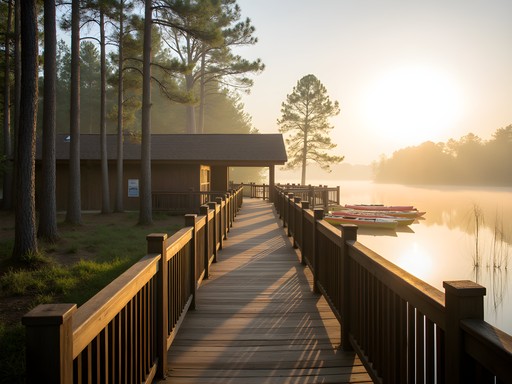
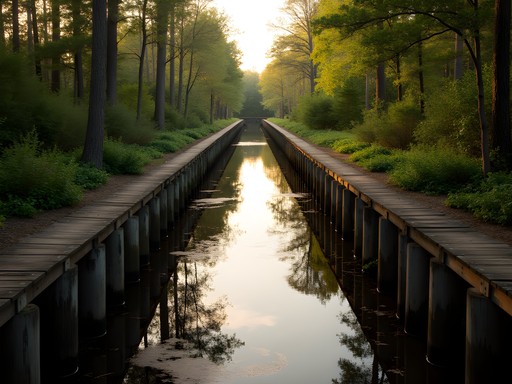
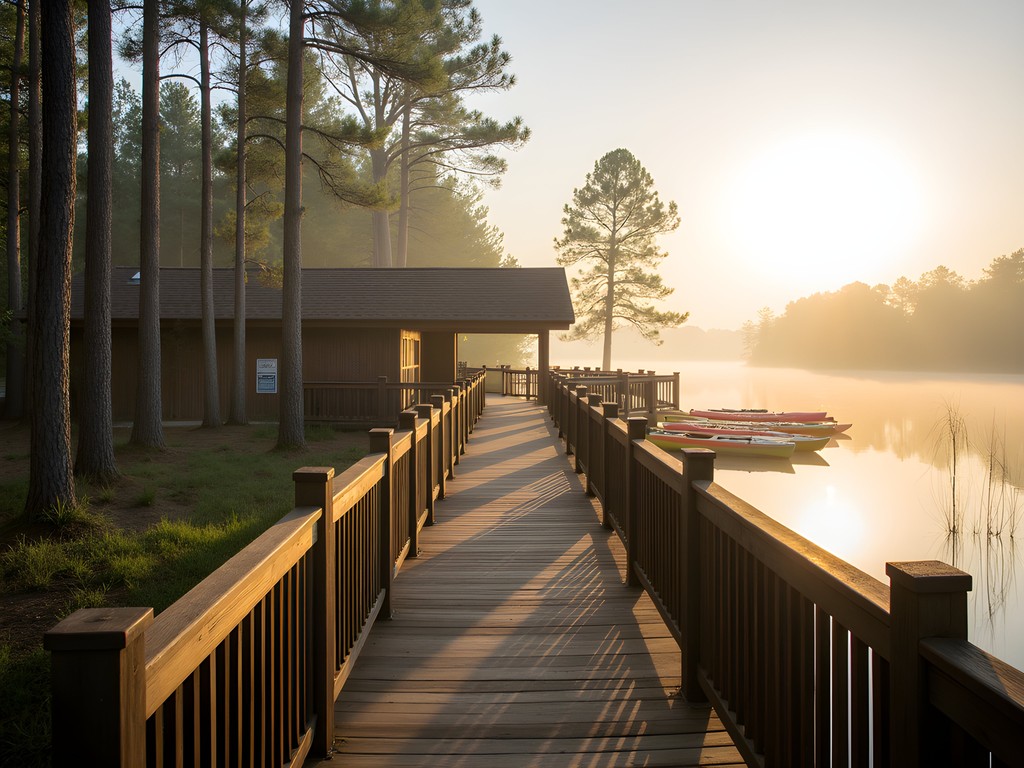
Chesapeake represents a fascinating case study in urban-wilderness boundaries. Unlike many cities that have erased their natural foundations, Chesapeake has preserved this remarkable wetland ecosystem while developing around it. The primary access point for kayakers is the Dismal Swamp Canal Trail, a masterpiece of infrastructure repurposing where a former logging road now serves as both recreational corridor and ecological buffer zone.
From downtown Chesapeake, it's a surprisingly quick 20-minute drive to the Great Dismal Swamp Visitor Center, where the National Wildlife Refuge staff provide essential orientation. As someone who's navigated urban planning meetings for decades, I can appreciate their methodical approach to visitor management—balancing accessibility with conservation.
Before hitting the water, I recommend securing your valuables in a waterproof dry bag. After my phone took an unexpected swim during my first visit (resulting in a very quiet drive back to Irvine), I've learned this lesson the hard way.
💡 Pro Tips
- Arrive at the Visitor Center early (8-9am) to secure parking and avoid afternoon crowds
- Download offline maps as cell service is spotty throughout the refuge
- Bring cash for the modest refuge donation box—credit cards aren't accepted
Lake Drummond: The Swamp's Mysterious Heart
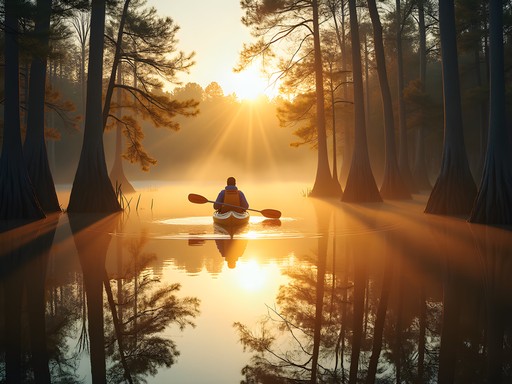
At the center of the Great Dismal Swamp lies Lake Drummond, one of only two natural lakes in Virginia and a geological anomaly that's fascinated scientists for centuries. The 3,100-acre lake maintains nearly perfect circularity and unusual water chemistry—its amber-colored water (stained by tannic acid from cypress trees) is so pure that early sailors would fill barrels with it for long voyages, as it remained fresh far longer than ordinary water.
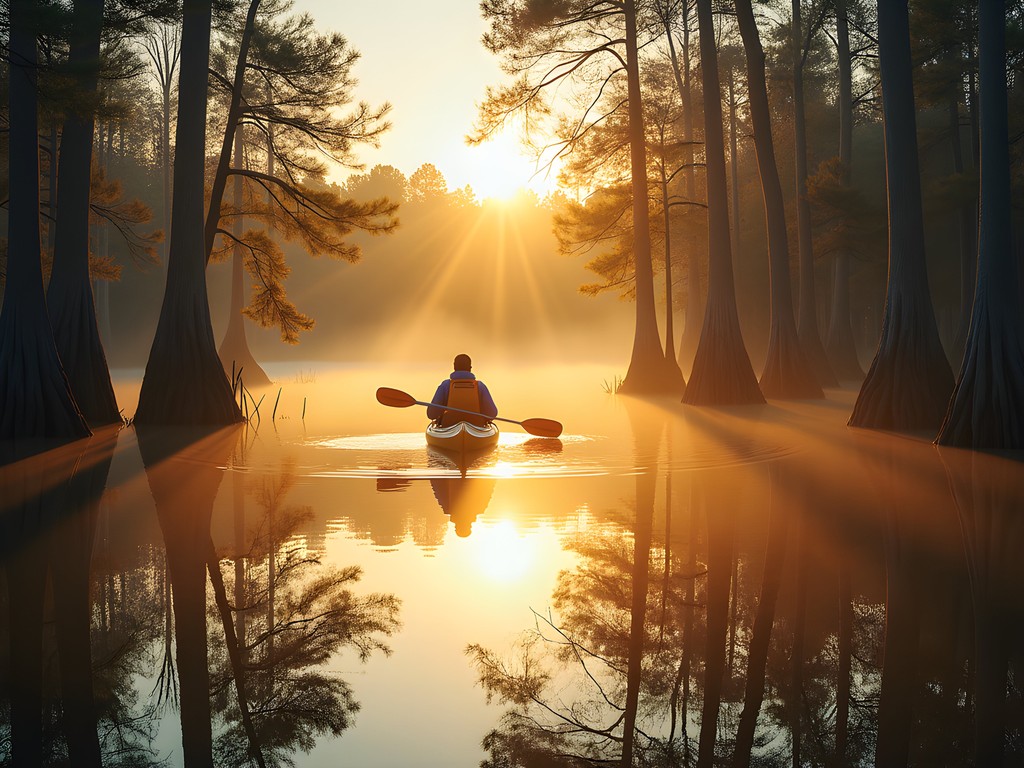
Navigating the Feeder Ditch that connects to Lake Drummond offers a profound transition experience. The narrow, cypress-lined channel gradually widens until you're suddenly presented with the lake's vast expanse. It's reminiscent of how thoughtfully designed urban spaces create moments of revelation—except nature engineered this one over thousands of years.
I've found the waterproof kayak seat cushion to be invaluable for this journey. The 4-mile paddle each way demands proper support, especially when you're stopping frequently to photograph the incredible cypress knees and wildlife.
💡 Pro Tips
- Lake Drummond's water level can fluctuate dramatically—check conditions at the Visitor Center before heading out
- Pack polarized sunglasses to cut glare and see through the amber water
- The lake is large and exposed—wind conditions can change rapidly, so stay near shorelines if you're a novice paddler
Underground History: The Swamp's Hidden Cultural Landscape
As both an urban planner and amateur spelunker, I'm drawn to layered histories and hidden spaces. The Great Dismal Swamp contains one of America's most significant underground histories—it served as refuge for thousands of escaped enslaved people who formed maroon communities deep within its protective boundaries.
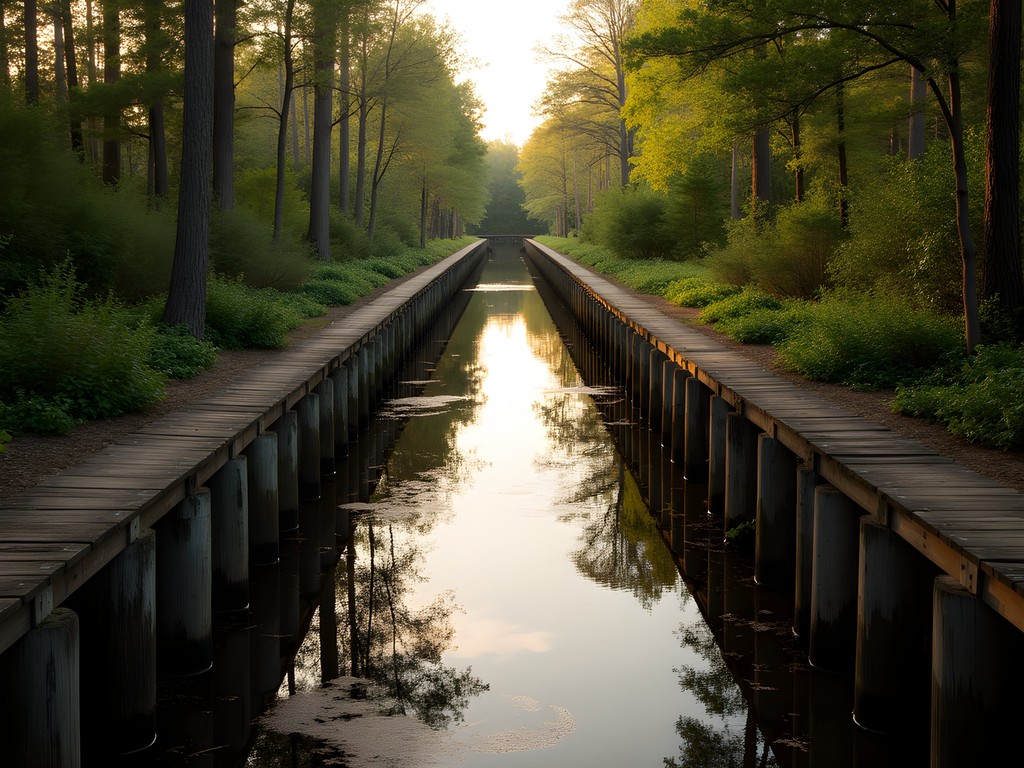
The Dismal Swamp Canal, which forms the eastern boundary of the refuge, represents an engineering marvel completed in 1805. This 22-mile waterway connected the Chesapeake Bay to Albemarle Sound in North Carolina, becoming a crucial commercial artery while simultaneously creating new ecological niches along its edges. Today's paddlers benefit from this infrastructure legacy while witnessing how nature has reclaimed many sections.
For those interested in this remarkable history, I recommend packing the waterproof headlamp for exploring some of the darker cypress groves where these communities once existed. The refuge closes at sunset, but late afternoon light filtering through the dense canopy creates near-darkness in many areas.
When photographing these historically significant areas, my waterproof phone case has proven essential for capturing images in these challenging conditions without risking my equipment.
💡 Pro Tips
- Visit the Great Dismal Swamp Underground Railroad Education Pavilion before paddling for crucial historical context
- The Washington Ditch Trail provides access to areas where maroon communities were documented
- Respect the historical significance by practicing Leave No Trace principles—many areas remain archaeologically important

Wildlife Encounters: A Sustainable Ecosystem
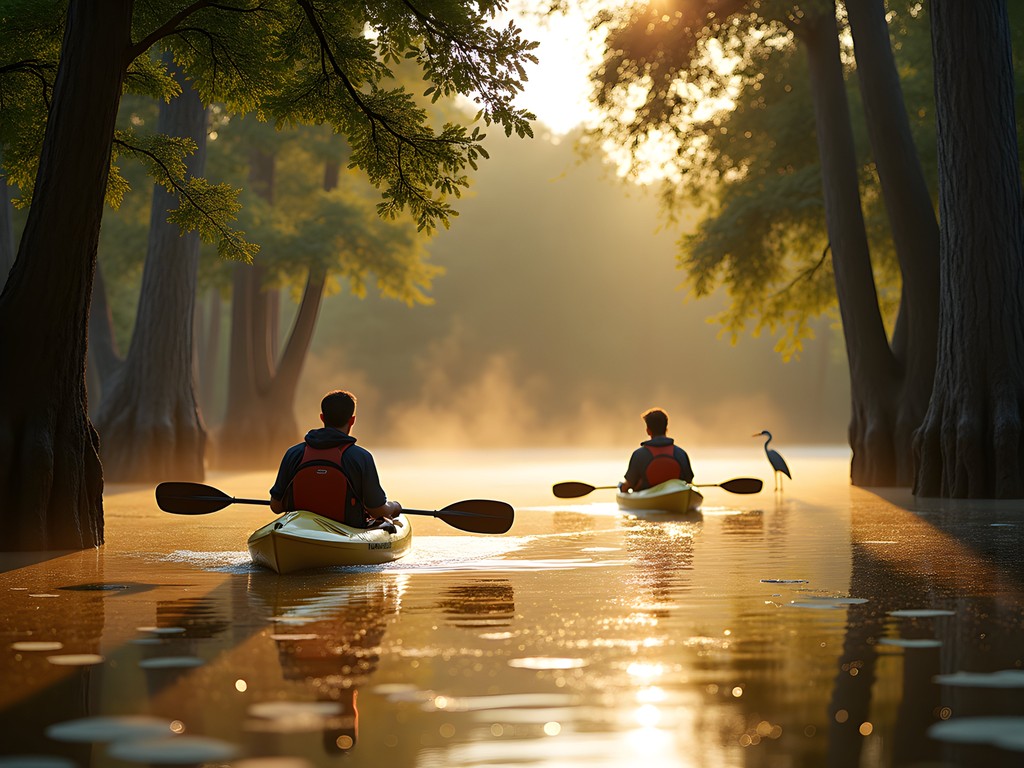
The Great Dismal Swamp offers a master class in resilient ecosystems. Despite centuries of logging, draining attempts, and development pressures, this landscape supports over 200 bird species, black bears, bobcats, and one of the densest populations of yellow-bellied water snakes I've encountered (much to my initial alarm during an unexpected capsizing incident).
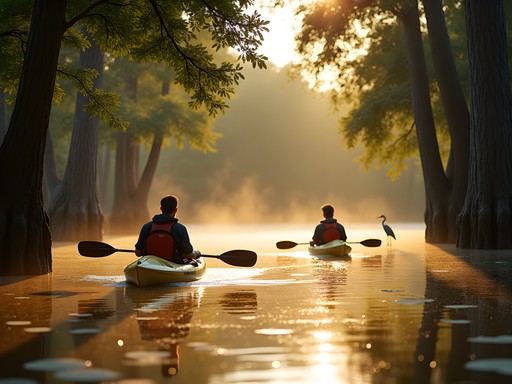
For couples seeking intimate wildlife viewing opportunities, I recommend the western portion of Lake Drummond near sunset. The diminishing light brings river otters to the shorelines and barred owls begin their distinctive 'who-cooks-for-you' calls that echo across the water. This symphony of natural sounds stands in stark contrast to Chesapeake's urban soundscape just miles away.
One essential tool for wildlife spotting is a quality monocular. Unlike bulkier binoculars, this can be operated one-handed while maintaining paddle control. I've found it particularly useful for identifying distant birds without disturbing them.
For the inevitable biting insects that call the swamp home, skip the chemical repellents that can harm this sensitive ecosystem and opt for a mosquito head net instead. It looks ridiculous (I've got the photos to prove it), but preserves both your sanity and the environment.
💡 Pro Tips
- Maintain at least 50 yards distance from black bears—they're surprisingly common and excellent swimmers
- The boardwalk trail near the Visitor Center offers excellent birding opportunities for those with limited mobility
- Learn to identify the harmless water snakes from the venomous cottonmouths before your trip—both are present but rarely aggressive
Urban Respite: Chesapeake's Sustainable Tourism Approach
What makes the Great Dismal Swamp experience particularly noteworthy from an urban planning perspective is Chesapeake's thoughtful integration of this natural asset into its tourism infrastructure. Unlike many cities that would maximize commercial development around such an attraction, Chesapeake has maintained a respectful buffer zone and limited access points—a sustainable tourism approach that prevents the refuge from being loved to death.
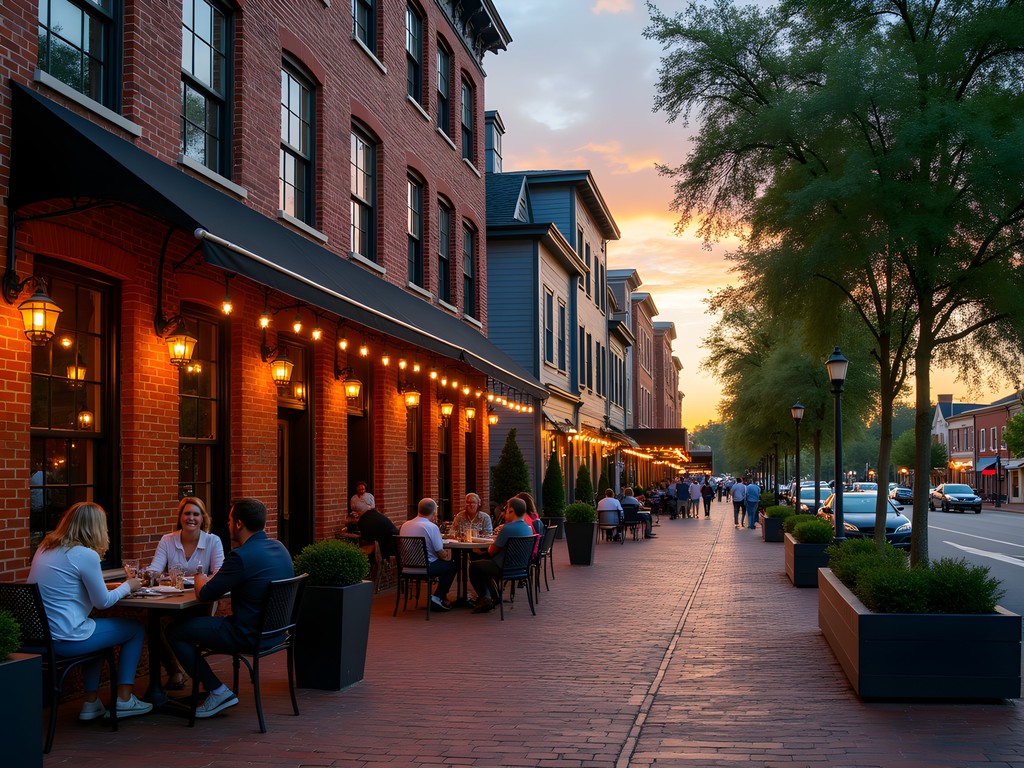
After a day of paddling, couples can retreat to Chesapeake's revitalized downtown area, where adaptive reuse projects have transformed historic buildings into modern accommodations. The contrast between wild mornings in the swamp and civilized evenings with farm-to-table dining creates a balanced weekend experience.
For overnight trips, I've found the solar charging lantern to be indispensable. It provides ambient light for evening camp setups and morning coffee preparations without disturbing wildlife with harsh illumination.
To document your journey through this remarkable urban-wild interface, consider using a waterproof action camera. The ability to capture both underwater footage of the swamp's complex root systems and the architectural details of Chesapeake's historic district provides a compelling visual narrative of this unique destination.
💡 Pro Tips
- The Chesapeake Visitor Center offers free 'Urban-Wild Connection' tours every Saturday morning
- Book accommodations in the Historic District for easy access to evening dining options after a day of paddling
- The Chesapeake Public Library maintains an excellent collection of local ecological and historical materials for rainy-day research
Final Thoughts
The Great Dismal Swamp defies its foreboding name by offering one of the most enlightening weekend adventures available to couples exploring Virginia's Tidewater region. This remarkable wilderness, persisting against centuries of development pressure, represents a conservation success story that urban planners like myself study as a model of balanced land use.
As you paddle these ancient waterways, you're not just exploring a natural wonder—you're witnessing the resilience of an ecosystem that has adapted to human activity while maintaining its ecological integrity. The juxtaposition of pristine swampland against Chesapeake's thoughtful urban development creates a weekend experience that satisfies both wilderness cravings and cultural interests.
I encourage couples to approach this destination with reverence for both its natural systems and human history. The stories embedded in these tannic waters—from indigenous communities to escaped enslaved people to early American commerce—add layers of meaning to every paddle stroke. In an era of Instagram-driven tourism, the Great Dismal Swamp rewards those willing to slow down, listen to the barred owls' calls, and contemplate how wilderness and civilization can coexist in sustainable harmony.
✨ Key Takeaways
- The Great Dismal Swamp offers an accessible wilderness experience just minutes from urban Chesapeake
- Lake Drummond's unique water chemistry and perfect circularity make it a geological marvel worth exploring
- The swamp's role as refuge for escaped enslaved people adds profound historical significance to the natural beauty
- Chesapeake's sustainable tourism approach provides a model for balanced urban-wilderness interaction
- Spring visits maximize wildlife sightings while avoiding summer's intense heat and insect activity
📋 Practical Information
Best Time to Visit
Mid-March through early June
Budget Estimate
$250-400 per couple for a weekend (including equipment rentals, accommodations, and meals)
Recommended Duration
2-3 days
Difficulty Level
Intermediate




Comments
KayakingCouple
We just got back from the Great Dismal Swamp yesterday and your post was our inspiration! The water was like glass in the early morning, perfect for spotting those river otters you mentioned. We actually camped near Lake Drummond which I'd highly recommend - the stars were incredible without city light pollution. One tip for others: the mosquitoes are NO JOKE, especially near dusk. Bring serious repellent and maybe even a head net if you're sensitive to bites. Worth every itchy second though!
OutdoorsyMom
Did you need a special permit for camping? Thinking of taking the kids.
KayakingCouple
@OutdoorsyMom Yes, you need to get a permit from the refuge office, but it's easy and inexpensive. Kids would love it, but I'd do a day trip first to see how they handle the environment.
Nicole Russell
Jack, this is such a great write-up! I kayaked the Dismal Swamp solo in January and you captured that eerie-beautiful vibe perfectly. The cypress trees reflected in that dark water are just haunting in the best way. I was lucky enough to spot a black bear from a distance near the canal - my heart was RACING. Did you encounter any? Also totally agree about the Underground Railroad history adding such depth to the experience. It's not just nature, it's living history. Can't wait to go back when it's warmer and see more wildlife active.
roammaster
Wait, black bears?? That's wild! Were you nervous?
Nicole Russell
Honestly yeah! But it was pretty far off and didn't seem interested in me. Just kept your distance and made noise - they usually want nothing to do with people.
roammaster
This looks amazing! Which entry point did you use to get to Lake Drummond? Planning a trip in spring and want to make sure I hit the best spots.
Nicole Russell
Not Jack, but I went last month! The Interior Ditch access off Route 17 is solid. Lake Drummond requires a bit more paddling but totally worth it for the views.
roammaster
Thanks! That's super helpful
dreammood
This brought back memories! We kayaked there last spring and the birdwatching was incredible. Saw three different woodpecker species in one day!
exploreadventurer
Just booked my trip after reading this! Can't wait to explore those mysterious waterways and hopefully spot some wildlife. Your description of Lake Drummond sold me completely!
Hunter Thompson
Absolutely brilliant post, Jack! I kayaked through parts of the Great Dismal Swamp last summer and was blown away by the biodiversity. Lake Drummond was a highlight - that tea-colored water creates such an ethereal atmosphere, especially at dawn! For anyone planning a visit, I'd recommend bringing a good dry bag for your gear and a proper insect repellent. The mosquitoes can be relentless, especially in the warmer months. I used my waterproof case for my camera and phone, which was a lifesaver when we hit a patch of unexpected rain. Has anyone tried the winter kayaking there? I've heard the wildlife viewing is actually better when it's cooler.
dreammood
I went in February last year and it was magical! Fewer insects and we saw so many birds. The bare trees also made wildlife spotting easier. Just layer up!
oceanking
Those cypress trees are incredible! Nature at its finest.
adventureblogger
This looks amazing! Do you need to be an experienced kayaker to handle these waterways?
Jack Carter
Not at all! The main waterways are calm and perfect for beginners. There are also guided tours if you're nervous about going solo your first time.
adventureblogger
That's great to hear! Adding this to my spring bucket list.
Gregory Boyd
Fascinating write-up, Jack. I explored the Great Dismal Swamp last year during my cross-country tour of American wetlands. The ecological diversity is remarkable compared to our Australian billabongs. I found the historical context of the Underground Railroad particularly moving - those hidden waterways tell such powerful stories. Did you encounter any of the black bears that are supposedly making a comeback in the area? I spent three days kayaking and camping, but only caught glimpses of their tracks.
Jack Carter
Thanks Gregory! I did spot a young black bear from a distance on my second day out. The park rangers mentioned they're becoming more common but still relatively shy around humans. Sounds like your Australian wetland comparisons would make for a fascinating article!
travelguide
Love how you captured the irony of the name! The swamp looks anything but dismal in your photos.
Venture X
Premium card with 2X miles, $300 travel credit, Priority Pass