
Disclosure: This article contains affiliate links. We may earn a commission from purchases at no extra cost to you, which helps our travel content.
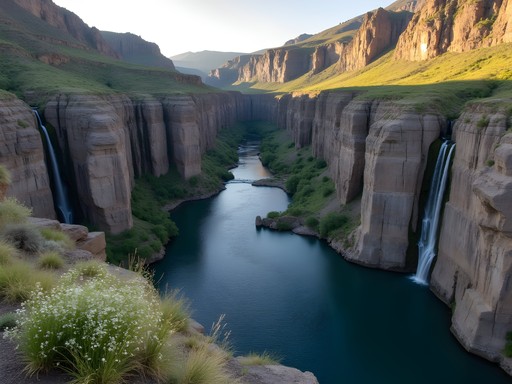
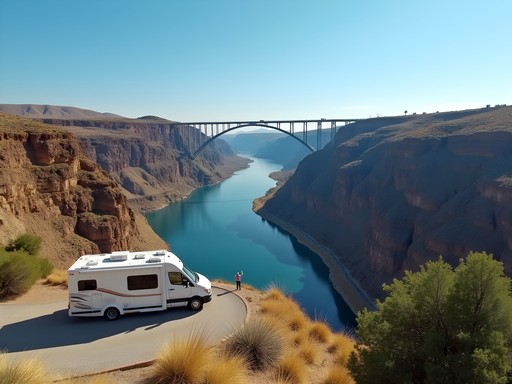
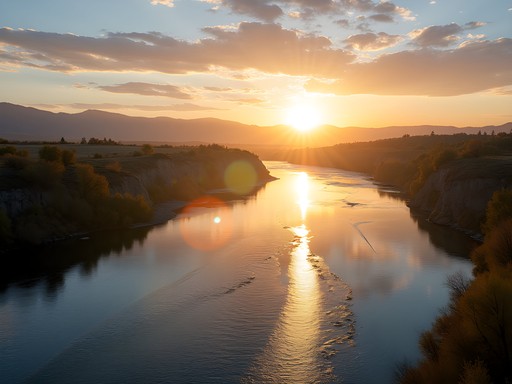
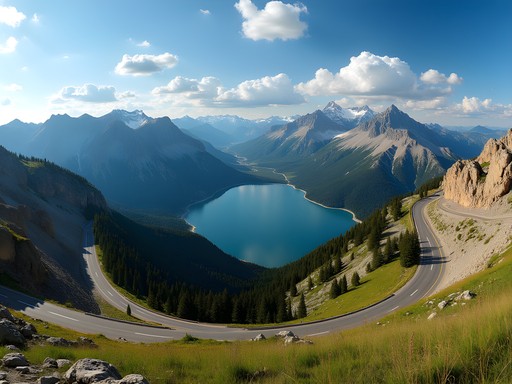
Most travelers know Twin Falls for Shoshone Falls and the Snake River Canyon, but the real adventure lies in the surrounding mountains and high desert terrain. After spending a week exploring the backcountry trails, technical climbing routes, and volcanic landscapes that define this corner of southern Idaho, I discovered a landscape that rivals anything in the Pacific Northwest—without the crowds. This is mountain adventuring for those who appreciate both the technical challenge and the raw, unfiltered beauty of the American West.

Technical Terrain: Rock Climbing in the Snake River Canyon
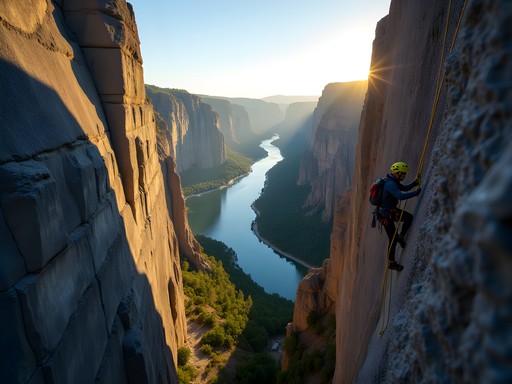
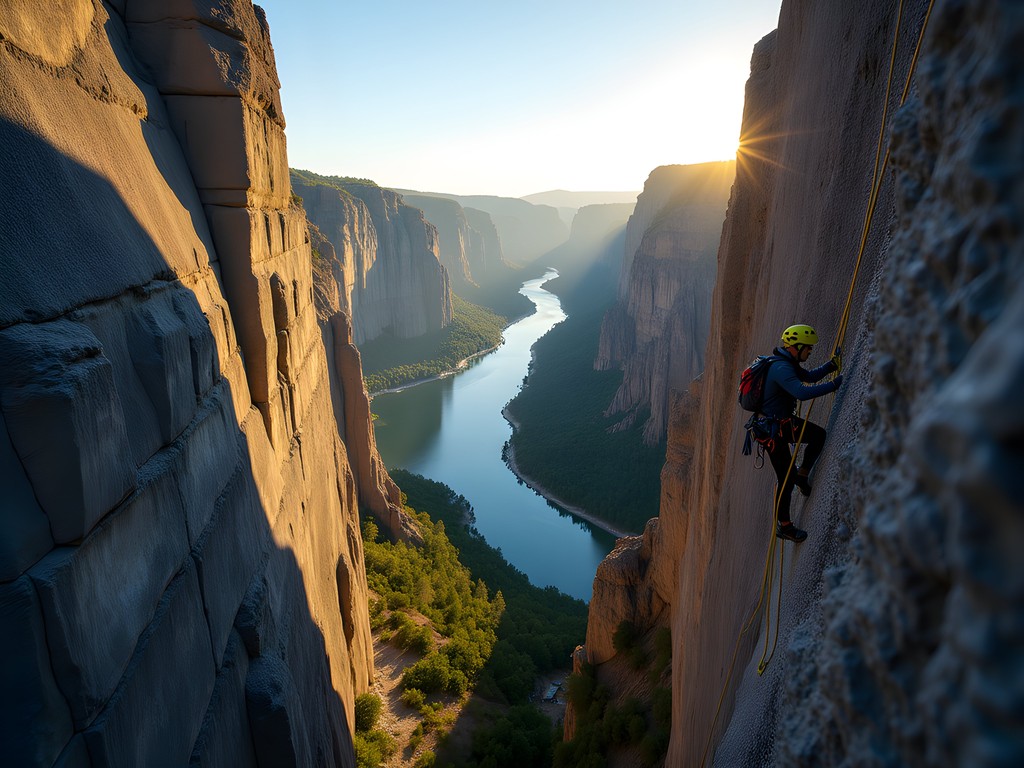
The Snake River Canyon offers over 400 established climbing routes ranging from 5.6 to 5.13, with the majority falling in the 5.9-5.11 range—perfect for experienced climbers looking to push their limits without the alpine commitment. The basalt formations here are unique: columnar joints create natural crack systems and edges that demand precise footwork and creative problem-solving.
I spent three days working routes on the north rim, particularly around Dierkes Lake area where the approach is manageable (15-20 minutes) and the rock quality is exceptional. The basalt can be sharp on your hands, so I learned quickly to bring my climbing tape and apply it liberally. The holds are generally positive, but the rock sheds quickly in the summer heat—get there early, ideally by 7 AM, before the sun hits the south-facing walls.
What impressed me most was the engineering of these formations. The columnar jointing occurred as lava flows cooled at specific rates, creating these geometric patterns that are both beautiful and functional for climbing. It's geology you can literally grip.
💡 Pro Tips
- Bring extra quickdraws—many routes require 12-15 due to wandering lines and runout sections
- Check with local climbing shops for beta on recent rockfall; the canyon is geologically active
- Afternoon winds can reach 25+ mph; plan technical climbs for morning sessions
- Cell service is spotty in the canyon; download route information and topo maps before heading out
Backcountry Access: Sawtooth National Forest Day Trips
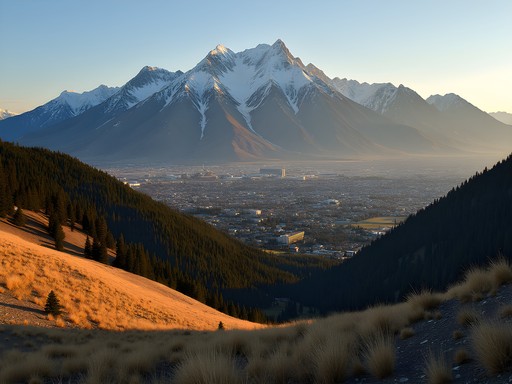
While Twin Falls itself sits at 3,740 feet, the real alpine terrain begins 90 minutes north in the Sawtooth National Forest. I made this drive three times during my week, targeting different trail systems each time. The elevation gain is dramatic—you'll climb from high desert to subalpine meadows at 8,000+ feet, with corresponding temperature drops of 15-20°F.
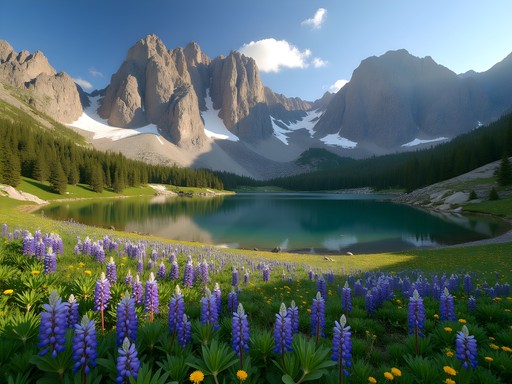
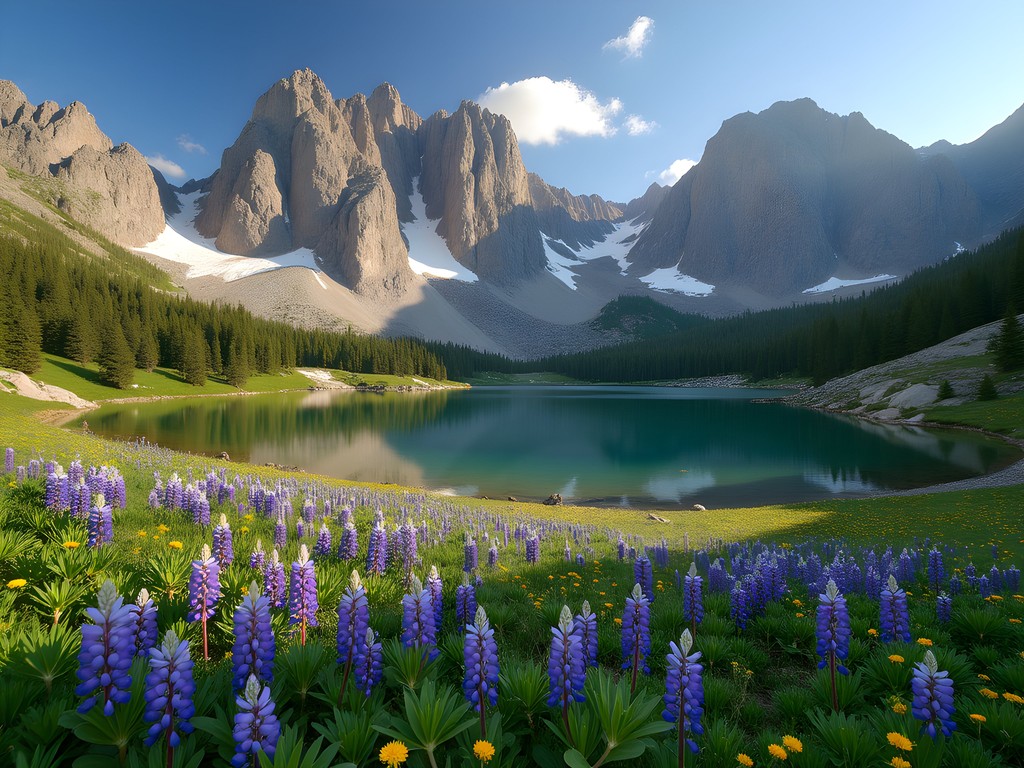
The Smoky Mountains section (the lesser-known southern portion of the Sawtooth) offers exceptional solo hiking with minimal traffic. I tackled the Norton Lakes Trail, a 12-mile out-and-back with 2,400 feet of elevation gain that showcases everything from sagebrush flats to alpine lakes ringed by granite peaks. The trail is well-maintained but exposed—I consumed nearly four liters of water despite starting at dawn.
For navigation in these expansive landscapes, I relied on my GPS device, which proved invaluable not just for tracking but for the two-way satellite messaging. Solo adventurers should consider this essential gear; cell coverage is nonexistent once you're 20 minutes into most trails. The peace of mind knowing I could reach emergency services or simply check in with friends back in San Francisco was worth every penny of the subscription cost.
💡 Pro Tips
- Trailhead parking fills by 8 AM on weekends; arrive earlier or target weekday adventures
- Lightning storms develop rapidly in afternoons during summer; plan to summit and descend by 1 PM
- Water sources are reliable through July but become intermittent in August; carry filtration capacity for 6+ liters
- Wildlife encounters are common; I saw elk, mule deer, and fresh bear scat—make noise and carry bear spray
Desert Mountain Biking: The City of Rocks Connection
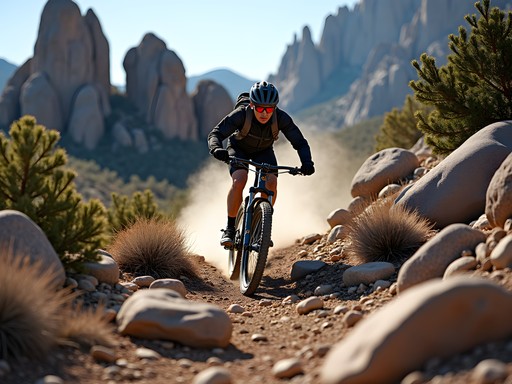
An hour south of Twin Falls lies one of Idaho's geological wonders: the City of Rocks National Reserve. While famous for climbing, the surrounding BLM land offers nearly 50 miles of technical singletrack that weaves through granite formations, juniper forests, and high desert terrain. This was my first time mountain biking in true high desert conditions, and it required significant adjustments to my Pacific Northwest riding style.
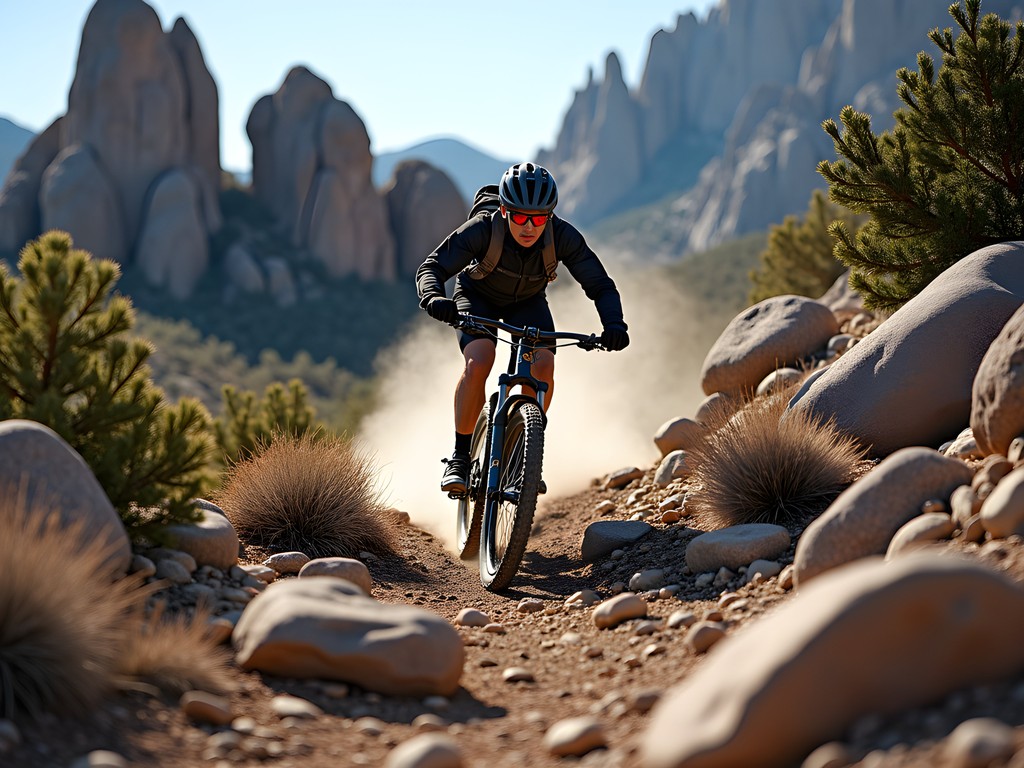
The terrain is unforgiving—loose granite, embedded rock gardens, and punchy climbs that hit 12-15% grades with no warning. I rode the North Fork Circle Creek Trail, a 15-mile loop that gains 1,800 feet and demands constant attention. The exposure is intense; temperatures reached 89°F by 11 AM, and there's zero shade for miles-long stretches.
Hydration strategy became critical. I upgraded my setup with a hydration bladder that I could refill at the single creek crossing midway through. The high-flow bite valve made a noticeable difference when I needed quick hydration without stopping on technical sections. I also packed electrolyte tablets—plain water isn't sufficient when you're sweating at this rate and elevation.
The riding itself is phenomenal for experienced mountain bikers. Fast, flowy sections transition abruptly into technical rock gardens that require precise line choice and suspension management. My background in engineering made me appreciate the trail design; someone clearly understood erosion patterns and sustainable trail building. These routes will still be rideable decades from now.
💡 Pro Tips
- Tire pressure matters enormously here; I dropped to 22 PSI front/25 PSI rear for optimal traction on granite
- Carry two spare tubes and a patch kit—thorns from Russian thistle cause frequent punctures
- Start rides no later than 7 AM in summer; afternoon heat becomes dangerous quickly
- The nearest bike shop is in Twin Falls; bring essential spares and tools for trailside repairs

High Desert Hiking: Craters of the Moon National Monument
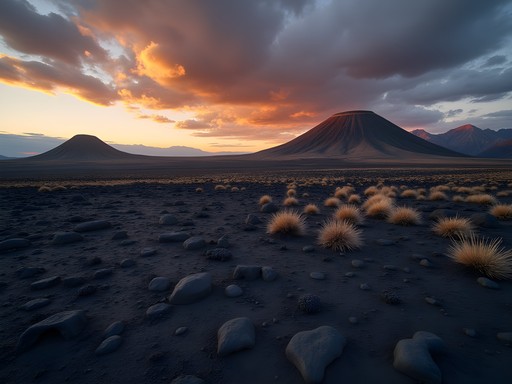
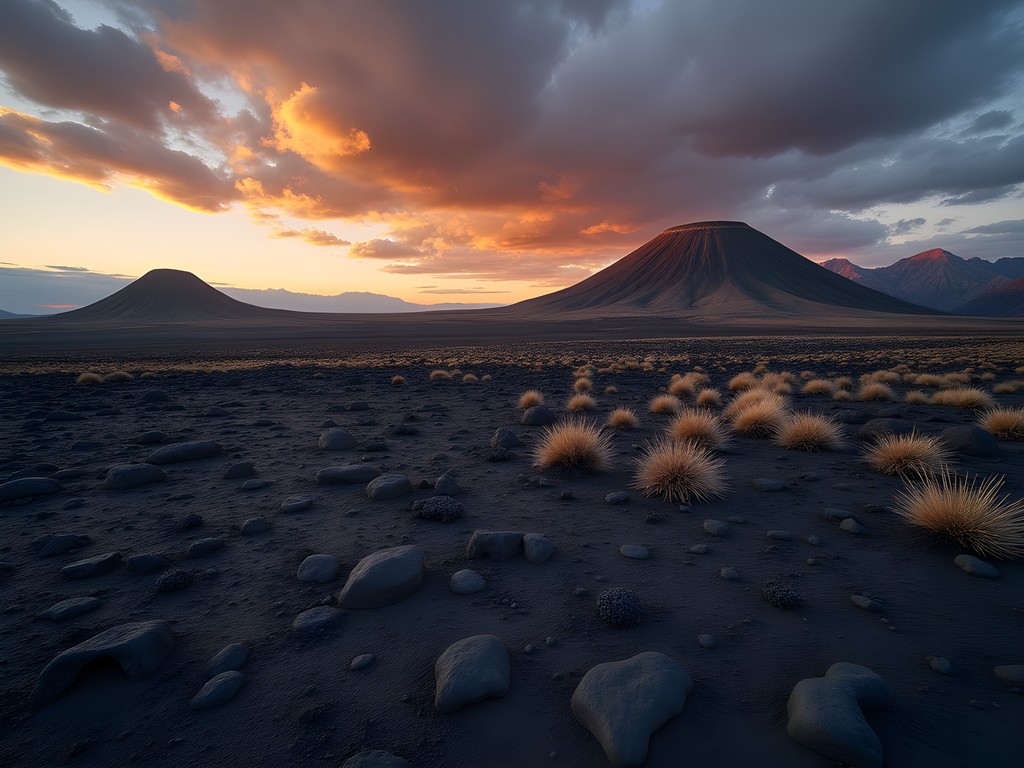
Ninety minutes northeast of Twin Falls, Craters of the Moon National Monument offers a completely different mountain experience—volcanic peaks, lava tube caves, and cinder cones that look more like Mars than Idaho. I dedicated two full days to exploring this 750,000-acre preserve, and it fundamentally changed how I think about mountain landscapes.
The Tree Molds Trail and Broken Top Loop provide 6 miles of hiking through aa lava flows (the rough, jagged type) and pahoehoe lava (the smooth, ropy variety). The terrain is sharp enough to shred standard hiking boots; I was grateful for my approach shoes with Vibram Megagrip soles that handled the abrasive basalt without complaint. The rubber compound made a measurable difference in both traction and durability.
What fascinated me from an engineering perspective was the lava tube system. These caves formed when the surface of lava flows cooled and hardened while molten lava continued flowing beneath, eventually draining and leaving hollow tubes. Indian Tunnel is accessible without technical gear and stretches for 800 feet—bring a powerful headlamp and prepare for temperatures 20°F cooler than the surface.
The monument also offers legitimate mountaineering on the cinder cones. I climbed Inferno Cone, a 6,181-foot summit with 400 feet of elevation gain on loose volcanic scoria. It's essentially climbing a giant pile of volcanic gravel at a 35-degree angle. Every step up resulted in half a step of sliding back. My trekking poles were essential for maintaining rhythm and balance on the unstable surface. The 360-degree summit views spanning the Snake River Plain made the cardiovascular punishment worthwhile.
💡 Pro Tips
- Lava rock reaches 150°F+ in direct summer sun; start hikes before 7 AM or wait until after 5 PM
- Bring multiple headlamps with fresh batteries for cave exploration; backup lighting is critical
- The black volcanic rock provides zero shade; sun protection is non-negotiable (SPF 50+, wide-brim hat, sun sleeves)
- Water requirements are extreme—I consumed 5 liters during a 6-mile hike in 85°F temperatures
Practical Logistics: Base Camp Setup and Resource Management
Twin Falls functions as an ideal base camp for mountain adventures radiating in all directions. I stayed at a mid-range hotel near the Blue Lakes Boulevard area, which provided easy access to grocery stores, gear shops, and the highway corridors leading to trailheads. Daily rates ran $85-120 depending on day of week.
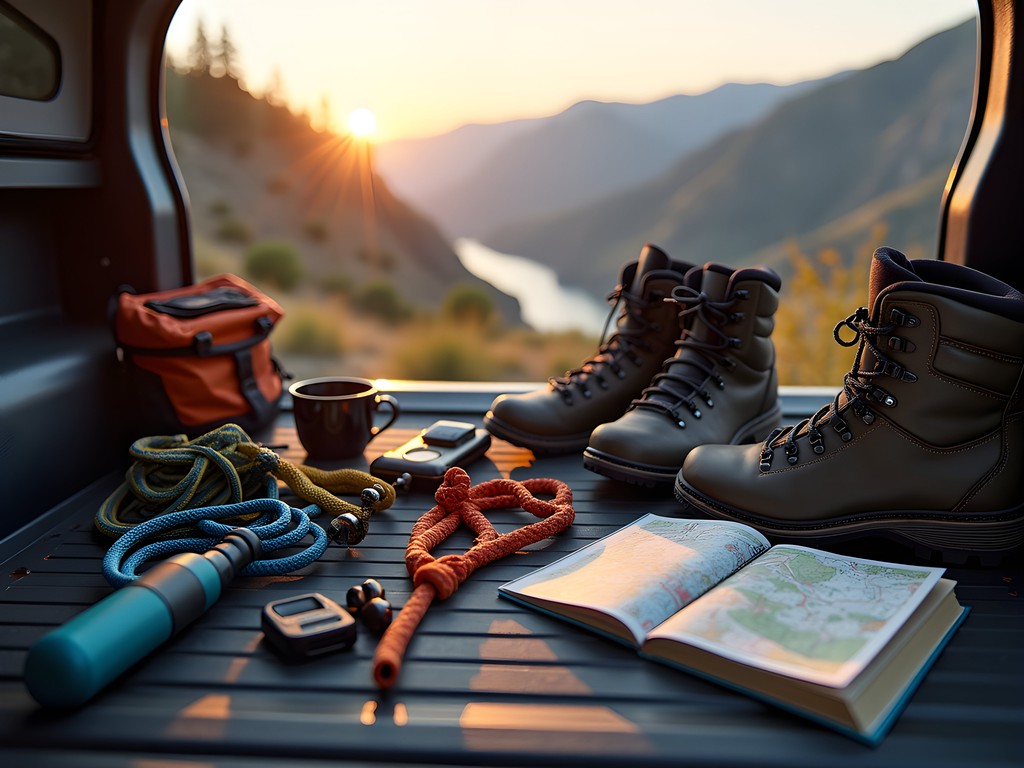
For solo adventurers, the logistical challenge is balancing self-sufficiency with reasonable pack weight. My system evolved throughout the week: I kept a permanent adventure kit in my rental car with emergency supplies, extra water (6 gallons in collapsible containers), and backup gear. This allowed me to pack lighter for individual day trips while maintaining safety margins.
Food strategy mattered more than I anticipated. Twin Falls has excellent grocery stores (WinCo and Albertsons), but restaurant options thin out quickly once you leave town. I meal-prepped each evening for the next day's adventure—typically high-calorie, low-weight options like trail mix, energy bars, jerky, and peanut butter tortilla wraps. A cooler kept perishables fresh in my car during long trailhead days, which was essential given the heat.
Gear maintenance became a nightly ritual. The volcanic dust and abrasive rock take a toll on equipment. I spent 20 minutes each evening cleaning my boots, checking gear for damage, and reorganizing my pack. This systematic approach prevented equipment failures and helped me mentally prepare for the next day's objectives.
💡 Pro Tips
- Fill up with gas in Twin Falls before heading to trailheads; options are limited and expensive elsewhere
- Download offline maps for all destinations; cell coverage is unreliable throughout the region
- The local climbing shop (Elevation 486) offers current beta, gear rentals, and beta on conditions
- Plan for 2-3 hours of driving per adventure day; distances are deceptive in this expansive landscape
Final Thoughts
Twin Falls surprised me. I arrived expecting a quick weekend of waterfall viewing and left after a full week, having barely scratched the surface of the mountain adventures available within a 90-minute radius. This region offers the rare combination of technical challenge, geological diversity, and minimal crowds that experienced solo adventurers crave.
What makes Twin Falls exceptional is the accessibility of advanced terrain without alpine commitment. You can climb 5.11 basalt in the morning, mountain bike technical singletrack in the afternoon, and still make it back to town for a proper meal and comfortable bed. For mid-range budgets, it delivers extraordinary value—no expensive permits, no lottery systems, no crowds fighting for parking.
The landscape here demands respect and preparation. The exposure, heat, and remoteness aren't forgiving of poor planning or inadequate gear. But for those willing to do the homework and bring the right equipment, Twin Falls offers mountain adventures that rival destinations costing three times as much. I'm already planning my return trip for fall, when temperatures moderate and the aspens turn gold in the Sawtooths. This corner of Idaho has earned a permanent spot on my adventure rotation.
✨ Key Takeaways
- Twin Falls provides access to world-class climbing, hiking, and mountain biking within 90 minutes of town, making it ideal for week-long adventure trips
- The high desert environment demands specialized preparation: early starts, excessive water capacity, sun protection, and self-sufficiency planning
- Mid-range budgets ($100-150/day including lodging, food, and gas) can access advanced terrain without the crowds and costs of traditional mountain destinations
📋 Practical Information
Best Time to Visit
Late May through early October, with June and September offering optimal temperature ranges (70-80°F) for multi-activity days
Budget Estimate
$700-1000 for one week including mid-range lodging, rental car, food, gear, and gas
Recommended Duration
5-7 days minimum to properly explore the climbing, hiking, and biking opportunities radiating from Twin Falls
Difficulty Level
Challenging
Comments
Hunter Thompson
Brilliant post, mate! Twin Falls has been on my radar for ages but I always thought it was just a quick stop-off. This completely changes things - the Sawtooth day trips sound incredible. How accessible are those backcountry areas without a 4WD? I'm planning a Pacific Northwest loop this autumn and might need to add an extra week to my itinerary now! Also, any recommendations for budget camping spots near the mountain biking trails?
Brian Ferrari
You can access most Sawtooth trailheads with a regular car, just a few require high clearance. For camping, check out Nat-Soo-Pah Hot Springs campground - cheap and close to everything!
summeradventurer
This looks awesome! Quick question - how difficult is the rock climbing in Snake River Canyon? I've only done indoor climbing a few times and wondering if there are beginner-friendly routes or if I should stick to hiking. Planning a trip in June and trying to figure out what's realistic for my skill level.
Brian Ferrari
There are definitely beginner routes! I'd recommend hiring a local guide for your first day - they know the best spots for different skill levels. The basalt columns have great features for learning.
summeradventurer
Perfect, thanks so much!
sunnymood
Brian, this is spot on! We did a similar trip last fall and were blown away. The City of Rocks was incredible for mountain biking - way more technical than we expected. Did you make it to the Balanced Rock area? Also totally agree about Craters of the Moon, it's so underrated. We only planned one day there and ended up wishing we had two. The lava tube caves are wild!
Brian Ferrari
Yes! Balanced Rock was amazing. And you're right about Craters - could easily spend 2-3 days exploring those trails.
explorenomad
Had no idea Twin Falls had this much going on!
coolmaster
Really cool post! Never even heard of Twin Falls before this
bluewanderer
Spent 3 days in Twin Falls last fall and completely agree with everything here. The mountain biking scene is seriously underrated. Also the food scene downtown is way better than you'd expect for a small Idaho city. If you're into craft beer, check out Koto Brewing after a day on the trails. The locals are super friendly and gave us tons of beta on hidden spots.
wintervibes679
good to know about the food!! always worried about that in smaller towns
Stephanie Romano
This is such a great write-up! We've driven through Twin Falls probably five times on road trips and always just stopped for lunch. I had no idea about the Craters of the Moon connection - that's been on our bucket list forever and I didn't realize it was close enough for a day trip. My kids are at that perfect age now (8 and 10) where they'd love exploring lava tubes and hiking. We used our national parks pass so much last year, and this gives us another reason to put it to good use. Definitely planning a proper stop here next summer instead of just passing through!
citybuddy
Do you need a 4x4 to access the Sawtooth trailheads?
George Hayes
We actually stopped in Twin Falls last summer on our way to Yellowstone and totally missed all of this! We only had time for Shoshone Falls with the kids, which was beautiful, but now I'm kicking myself. My 12-year-old would go crazy for those mountain bike trails. The City of Rocks connection sounds incredible - is it doable as a day trip from Twin Falls? We're planning another Idaho swing next year and this changes everything. Thanks for opening my eyes to what we missed, Brian!
coolmaster
city of rocks is about 90 min drive, totally doable for a day trip. went last year and it was sick
freephotographer
Great photos! What's the best time of year to visit? worried about summer heat
Brian Ferrari
Spring and fall are ideal! I was there in early March and weather was perfect. Summer can get hot in the canyon but the higher elevations stay cooler.
Venture X
Premium card with 2X miles, $300 travel credit, Priority Pass