

Disclosure: This article contains affiliate links. We may earn a commission from purchases at no extra cost to you, which helps our travel content.
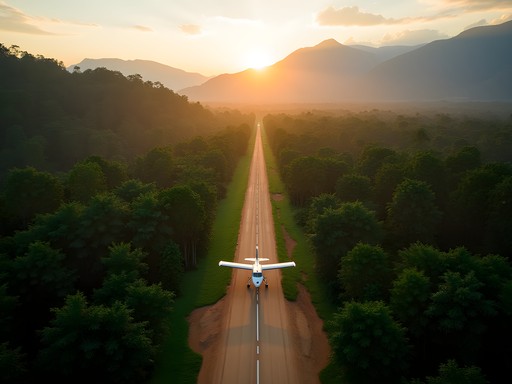
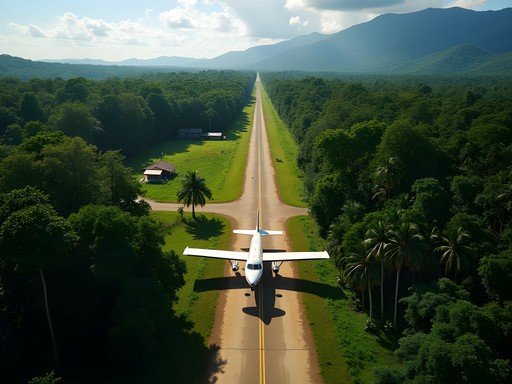
The first time I stepped off that tiny prop plane onto Rurrenabaque's dirt airstrip, I knew this wasn't going to be your typical Bolivian experience. Nestled where the Andes foothills meet the Amazon basin, this frontier town serves as the gateway to some of South America's most rewarding—and budget-friendly—trekking adventures. After five visits over the past decade, I've learned that Rurrenabaque's winter season offers the perfect balance: fewer tourists, reduced humidity, and trails that challenge even seasoned hikers while rewarding them with panoramic views that seem to stretch across two ecosystems.

Getting to Rurrenabaque: The Journey Sets the Tone
Let me be straight with you—reaching Rurrenabaque is half the adventure. You've got two options: a white-knuckle 45-minute flight from La Paz on a plane so small you can watch the pilots work the controls, or a legendary 18-hour bus journey down the infamous 'Death Road' before it veers into the jungle.
I've done both, and while the flight costs more (around $75-100 each way), it saves you time and a seriously bumpy ride. That said, if your group is on a tight budget and has the time, the bus journey ($15-20) offers spectacular scenery you simply can't see from the air. Just be prepared with a good travel pillow for those overnight stretches—trust me, your neck will thank you later.
Whichever route you choose, arrive at least a day before your trek. Rurrenabaque operates on jungle time, and you'll need to acclimate to both the humidity and the relaxed pace. Plus, this buffer gives you time to meet with guides and finalize arrangements without rushing.

💡 Pro Tips
- Book flights weeks in advance as the small planes fill quickly, especially in peak season
- If taking the bus, sit on the right side going to Rurrenabaque for the best views
- Bring cash—ATMs in Rurrenabaque are unreliable and many tour operators don't accept cards
Choosing Your Trek: Three Routes Worth Your Sweat
After five visits to Rurrenabaque, I've narrowed down the trekking options to three standout routes that offer the best balance of challenge, views, and authentic experiences. Each requires different levels of fitness, but all demand proper preparation.
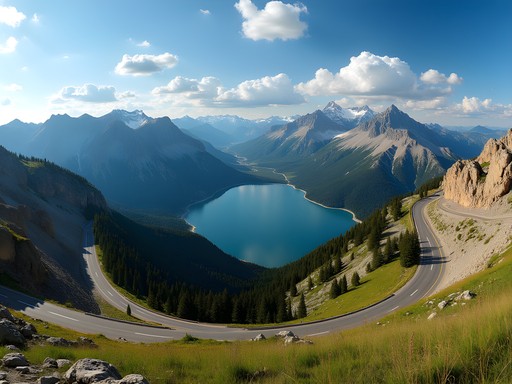
The Madidi Traverse (5 days): My personal favorite combines both mountain and jungle terrain. Starting from the community of San José de Uchupiamonas, you'll climb up to 1,200 meters through cloud forest before descending into pristine Amazon jungle. The trail isn't technically difficult, but the distance and humidity make it demanding. The payoff? Camping at viewpoints where you can see both ecosystems stretching to the horizon.
Pilón Lajas Circuit (3-4 days): This shorter option is perfect for groups with mixed hiking abilities. The circuit explores the Pilón Lajas Biosphere Reserve, with moderate climbs leading to ridgeline trails offering spectacular views. You'll encounter indigenous communities along the way and experience how they've lived between mountain and jungle for generations.
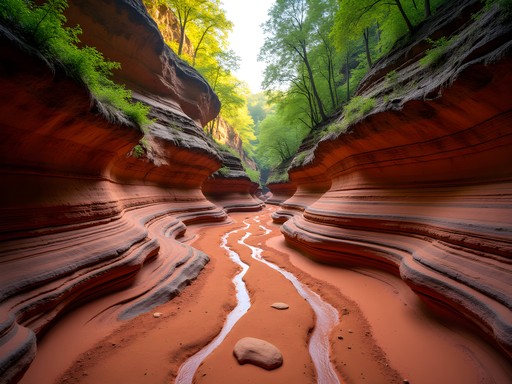
The Bala Canyon Challenge (2 days): For groups short on time but big on adventure, this trek follows the Beni River through a narrow canyon where the mountains seem to plunge directly into the water. It's physically demanding with steep sections, but the scenery is unmatched.
Whichever route you choose, invest in a good water filter. I've used mine on every trek here, and it's saved me from carrying liters of water while ensuring I stay safely hydrated.

💡 Pro Tips
- Book with agencies that employ indigenous guides—they know the trails intimately and provide cultural insights you won't get otherwise
- Allow an extra day in your schedule for weather delays—afternoon storms are common even in 'dry' season
- Pack lightweight, quick-dry clothing—you'll be alternating between sweating on climbs and getting drenched in afternoon showers
Gear Essentials: Packing for Dual Ecosystems
Rurrenabaque's unique position between mountains and jungle creates a packing challenge I've learned to navigate through trial and error (and one particularly miserable trek with soaking wet boots). The key is preparing for two ecosystems in one trip.
Footwear: This is your most critical gear decision. After experimenting with various options, I now swear by mid-height waterproof hiking boots with good ankle support for the mountain sections, paired with river sandals for water crossings and camp use. The trails alternate between muddy slopes and rocky terrain, so proper traction is non-negotiable.
Clothing: Layering is essential. Mornings in the foothills can be surprisingly cool (around 15°C/60°F in winter), while afternoons in jungle sections remain humid and warm. I pack: - Quick-dry hiking pants (preferably convertible to shorts) - Moisture-wicking t-shirts (3-4 for a week-long trek) - A light fleece for cool evenings - A packable rain jacket (essential even in 'dry' winter season)
Protection: The sun is intense at these altitudes, and despite being winter, insects remain abundant in the jungle sections. Don't skimp on: - High SPF sunscreen - Insect repellent with DEET (I prefer bug spray as it doesn't damage technical fabrics) - A wide-brimmed hat
Tech: Power sources are limited on the trails, so I rely on my solar charger to keep my phone and camera operational. The fold-out panels capture enough energy even under the forest canopy to maintain essential devices.

💡 Pro Tips
- Pack everything in dry bags inside your backpack—afternoon rain showers are common even in the 'dry' winter season
- Bring twice as many socks as you think you need—foot health is crucial on these treks
- A hiking pole makes a massive difference on the steep, sometimes slippery descents

Cultural Encounters: Beyond the Landscape
What truly elevates Rurrenabaque's mountain treks beyond mere physical challenges are the cultural dimensions woven throughout these routes. The region sits at a fascinating crossroads of indigenous territories, with communities that have developed unique adaptations to life between mountains and jungle.
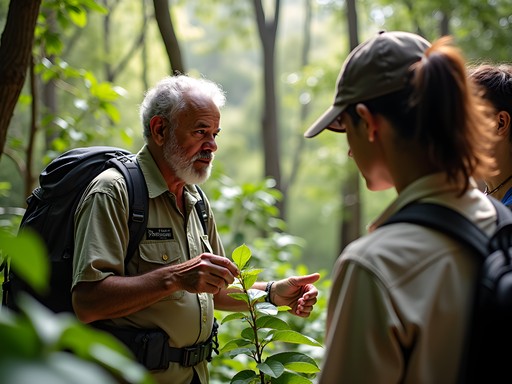
On my last trek through the Madidi Traverse, our guide Miguel—a Tacana man whose family had lived in these transitional forests for generations—showed us how to identify medicinal plants that his community uses. One afternoon, after a particularly grueling climb, he stopped suddenly, pointed to an unassuming shrub, and explained how its leaves treat fever while its roots serve as a natural analgesic.
Many treks include overnight stays in community-run ecolodges or homestays. These aren't luxury accommodations, but they offer something far more valuable: genuine connection with people who understand these ecosystems intimately. In the community of San Miguel del Bala, I participated in a traditional fishing technique using natural plant toxins that temporarily stun fish without harming the water quality—a sustainable practice refined over centuries.
Communication can be challenging in remote areas, so I always pack a pocket translator that works offline. While most guides speak Spanish, in villages you'll encounter Tacana, Esse Ejja, and other indigenous languages. Making even small efforts to communicate respectfully goes a long way.
Remember that you're a guest in ancestral territories. Communities have opened their lands to trekkers as a sustainable income source, but this requires our respect in return. Follow your guide's lead on appropriate behavior, photography permissions, and cultural protocols.

💡 Pro Tips
- Learn basic greetings in Spanish and ask your guide about any local indigenous phrases
- Bring small gifts like school supplies or fishing hooks if staying in communities—ask your tour operator what's appropriate
- Always ask permission before photographing people or cultural activities
Budget Breakdown: Trekking Rurrenabaque Without Breaking the Bank
One of the reasons I keep returning to Rurrenabaque is the exceptional value it offers compared to better-known trekking destinations. Bolivia remains one of South America's most affordable countries, and with some strategic planning, a group can experience this remarkable region on a surprisingly modest budget.
Transportation Costs: - Flight from La Paz: $75-100 one way - Bus alternative: $15-20 one way (18-20 hours) - Local transportation to trailheads: $5-15 depending on distance
Accommodation: - Pre/post-trek in Rurrenabaque: $8-15 per person in basic but clean hostels - $20-35 for mid-range options with reliable hot water (a post-trek luxury worth considering)
Trekking Packages: - 3-day trek with local operator: $150-200 per person - 5-day Madidi Traverse: $250-350 per person - Prices typically include guide, meals, basic accommodation, and park entrance fees
Group Savings: One major advantage of trekking as a group is cost-sharing. With 4-6 people, you can often negotiate 10-15% discounts with operators. My last group of six secured a private guide for our 5-day trek at just $280 per person—including everything except personal gear.
To track expenses in areas with limited connectivity, I use a waterproof notebook to record group expenses and ensure everyone pays their fair share. This low-tech solution has prevented countless disagreements over who owes what.
While it's possible to arrange treks directly in Rurrenabaque (potentially saving 10-20%), booking in advance provides peace of mind and helps secure the best guides, who are often booked weeks ahead during popular periods.
💡 Pro Tips
- Bring US dollars for tour payments—you'll get better rates than exchanging bolivianos
- Book accommodations with free cancellation in Rurrenabaque, as trek end dates can shift with weather conditions
- Budget $5-10 per day for tips for your guide and cook—they work incredibly hard in challenging conditions
Final Thoughts
As I sit writing this from my desk in Sheffield—worlds away from the humid air and symphony of jungle sounds—I'm already plotting my return to Rurrenabaque's mountain trails. There's something profoundly centering about trekking where two ecosystems collide, where ancient knowledge still guides daily life, and where adventure remains accessible without luxury price tags.
Rurrenabaque won't stay under the radar forever. Each year I return, I notice more trekkers discovering what was once Bolivia's best-kept secret. Yet even as tourism grows, the vast protected areas ensure you can still find trails where your group might be the only humans for miles—a rarity in today's hyper-connected world.
If you're seeking a trekking adventure that combines physical challenge, cultural richness, and breathtaking scenery without the crowds of Patagonia or the price tag of the Inca Trail, gather your most adventurous friends and set your sights on these Amazon foothills. Just remember to pack your sense of flexibility alongside your hiking boots—in Rurrenabaque, the journey rarely goes exactly as planned, but that's precisely what makes it unforgettable.
✨ Key Takeaways
- Rurrenabaque offers exceptional value for advanced trekking experiences compared to more famous South American destinations
- Winter (May-September) provides the best trekking conditions with drier trails and fewer insects while maintaining lush landscapes
- Hiring indigenous guides enhances both safety and cultural understanding of this unique ecological transition zone
- Group travel significantly reduces costs while providing added safety on remote trails
📋 Practical Information
Best Time to Visit
May to September (Bolivian winter/dry season)
Budget Estimate
$450-650 per person for a week including trek, accommodation, and transportation
Recommended Duration
7-10 days (including travel days and recovery)
Difficulty Level
Advanced - Requires Good Fitness And Previous Trekking Experience
Comments
Marco Flores
Reading this transported me right back to my own Rurrenabaque adventure last year! There's something magical about that transition zone between mountains and jungle. My most vivid memory: waking up in our camp on the third morning to find a family of capuchin monkeys had 'borrowed' one of our guide's boots. He spent 20 minutes negotiating with them using pieces of banana! One thing I'd add to your excellent gear list - a good headlamp is essential. Our night hike revealed a whole different side of the forest, with bizarre insects and hunting spiders that you'd never see during daylight. Peter, did you have any memorable wildlife encounters on your treks?
Peter Stevens
Marco - that capuchin story is fantastic! My most memorable encounter was probably the howler monkeys that woke us at dawn. The sound is otherworldly if you've never heard it before. Also spotted a coati family crossing the trail right in front of us. They were completely unbothered by our presence!
escapewalker
How bad were the mosquitoes really? I'm planning a trip but I'm usually a mosquito magnet...
dreamway
Not Peter, but as a fellow mosquito magnet - they're hungry! Bring the strongest DEET you can find and definitely wear long sleeves/pants even when it's hot. The higher elevation trails weren't as bad though.
escapewalker
Thanks for the heads up! Will pack accordingly.
journeydiver
Wow, I had no idea Bolivia had spots like this! Always thought it was just salt flats and mountains.
Hunter Thompson
Mate, your post brought back so many memories! I did Rurrenabaque last year and took that insane bus ride instead of flying - 18 hours on what they optimistically call a 'road'! Worth it though. For anyone heading there, I'd add that bringing a proper water filter was a game-changer for me. The humidity is no joke and you'll drink way more than you expect. Also, don't miss the little comedor near the airstrip - the lady there makes the most incredible fish soup I've had anywhere in South America. Peter - did you try the night hike option? That was when we saw the most wildlife.
Peter Stevens
Hunter - yes! The night hike was incredible. Saw two tarantulas, a tree frog, and what our guide swore was a margay in the distance. And you're spot on about the water consumption - I went through about 4L daily.
vacationhero
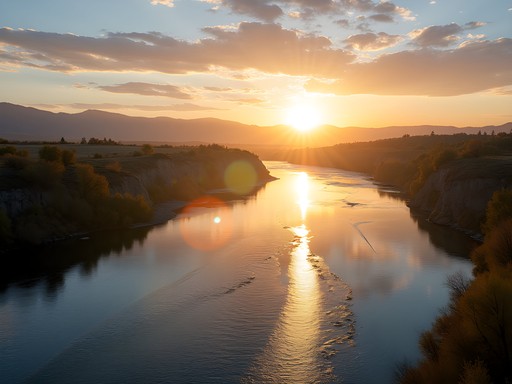
Those sunset photos are absolutely stunning! Adding this to my bucket list.
dreamway
Just got back from Rurrenabaque last month and it was INCREDIBLE! We did the 5-day Madidi trek and it was worth every blister and mosquito bite. That moment when you reach the lookout point and can see both the mountains and the endless jungle canopy stretching out... pure magic. Our guide Carlos was amazing at spotting wildlife - saw 3 types of monkeys, toucans, and even a tapir track! The river crossing was a bit sketchy after heavy rain though, so definitely time your visit carefully.
dreamninja
Great post! Which of the three routes would you recommend for someone with decent fitness but only 3 days to spare? The Madidi route looks amazing but not sure if it's too ambitious.
Peter Stevens
With just 3 days, I'd definitely go for the Cerro Brujo route. It gives you that amazing jungle-meets-mountains experience without the full commitment of Madidi. The views from the ridge are absolutely worth it!
dreamninja
Thanks Peter! Cerro Brujo it is then. Can't wait!
wandernomad
Really cool photos! That sunset shot from the ridge is amazing. Makes me want to go back—I only did the pampas tour when I was there and totally missed the mountain treks.
nomadmaster
Going there next month, can't wait!
springguy8521
Pro tip: bring cash! ATMs in Rurrenabaque are unreliable and most tour operators only take bolivianos. I learned this the hard way and had to borrow from other travelers. Also the mosquitos at dusk are brutal so don't skimp on the repellent.
Venture X
Premium card with 2X miles, $300 travel credit, Priority Pass