
Disclosure: This article contains affiliate links. We may earn a commission from purchases at no extra cost to you, which helps our travel content.
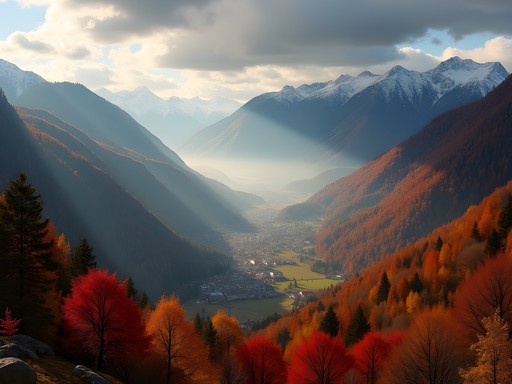
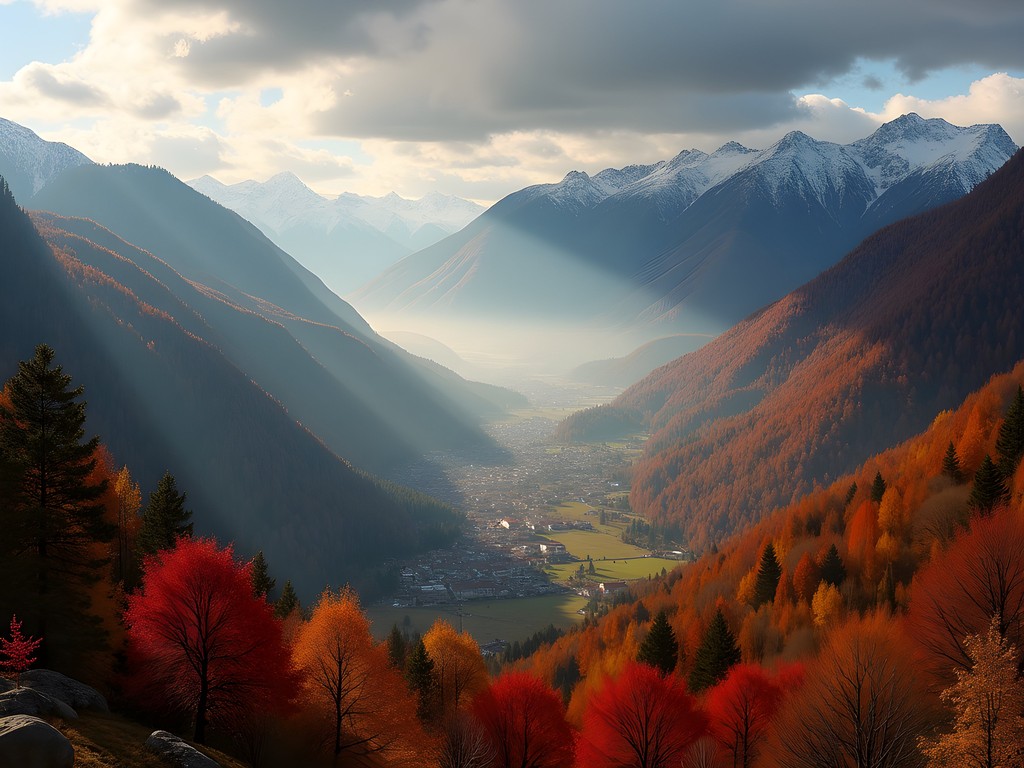
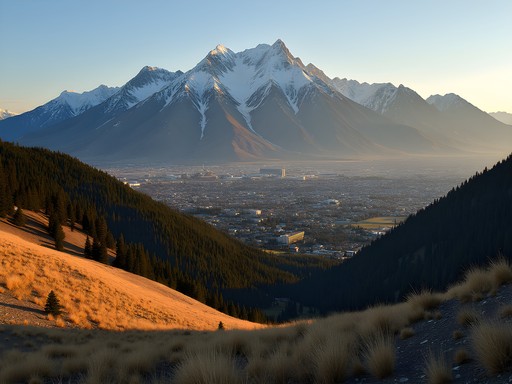
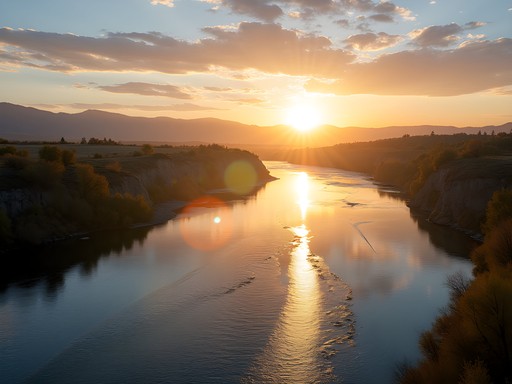
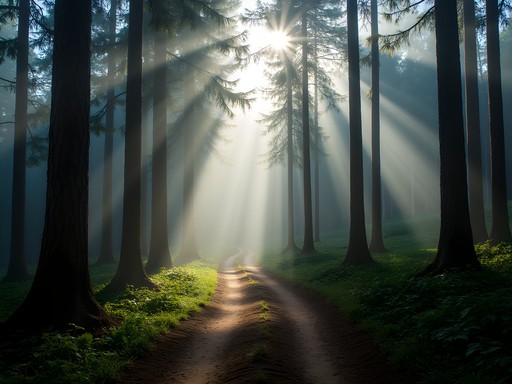
There's something about autumn in the Rhodope Mountains that speaks to the soul. The ancient forests ablaze with gold and crimson, morning mist clinging to valleys where legends of Orpheus once echoed, and villages seemingly forgotten by time. After years exploring Mediterranean coastlines, I found myself drawn inland to these mystical Bulgarian highlands – a landscape that demands to be traversed slowly, deliberately, and with an open heart.

The Rhodope Mountains: Bulgaria's Best-Kept Secret
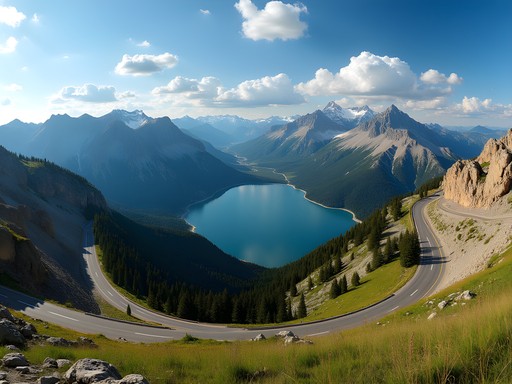
When most travelers think of Bulgaria, they picture the Black Sea resorts or perhaps Sofia's post-Soviet charm. But the Rhodope Mountains remain deliciously under-visited, especially by Western Europeans. Straddling the border with Greece, these ancient mountains hold some of the Balkans' most spectacular landscapes and richest cultural heritage.
My journey began in Koprivshtitsa, that darling of Bulgarian tourism with its well-preserved National Revival architecture. But I quickly left the established route behind, catching a local bus south toward the heart of the Rhodopes. The transition was immediate – from organized tourism to authentic Bulgaria, where English speakers thin out and the true adventure begins.
I'd prepared with a comprehensive Bulgaria hiking map that proved invaluable when cell service disappeared in the deeper valleys. Unlike the Alps or Pyrenees, trail markings here can be sporadic, and having physical navigation backup is non-negotiable.
💡 Pro Tips
- Learn basic Bulgarian phrases – a little effort goes a long way in rural areas
- Download offline maps before departure – cell service is unreliable in mountain valleys
- Carry cash – many guesthouses and small restaurants don't accept cards
Ancient Villages & Mountain Hospitality
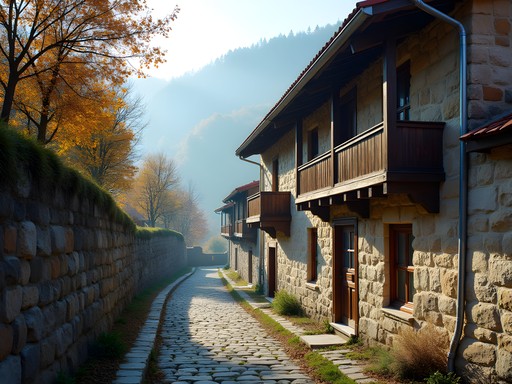
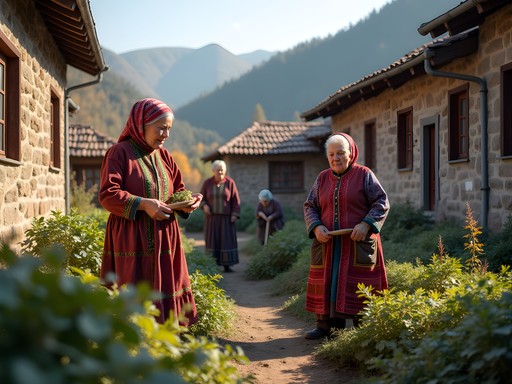
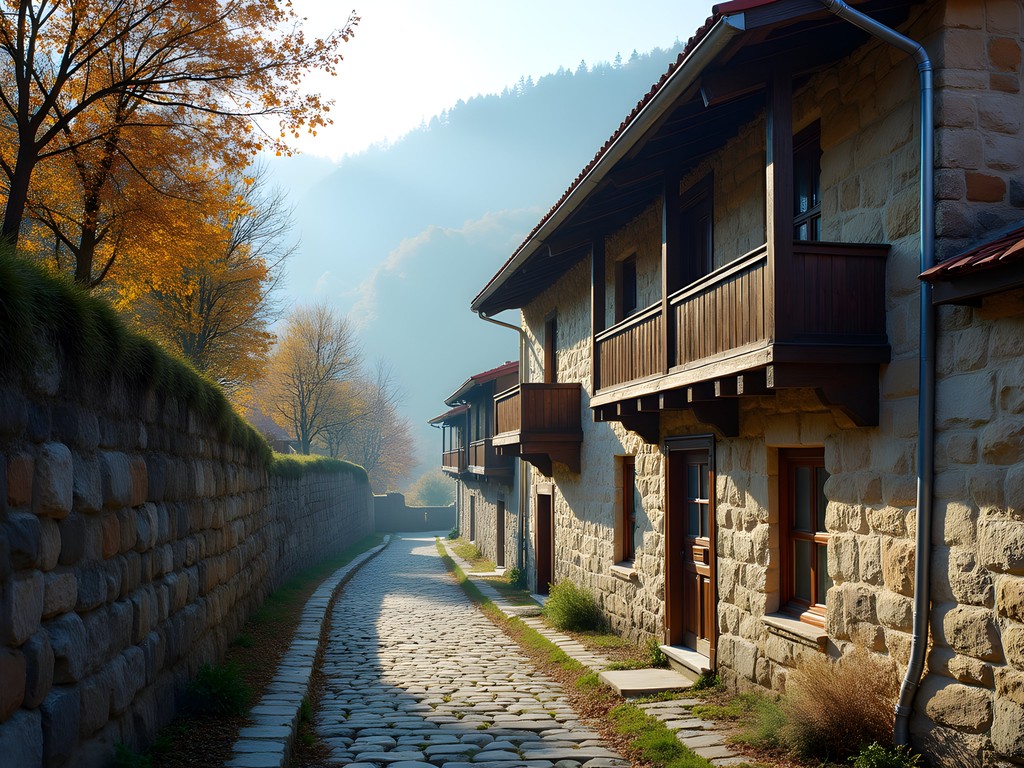
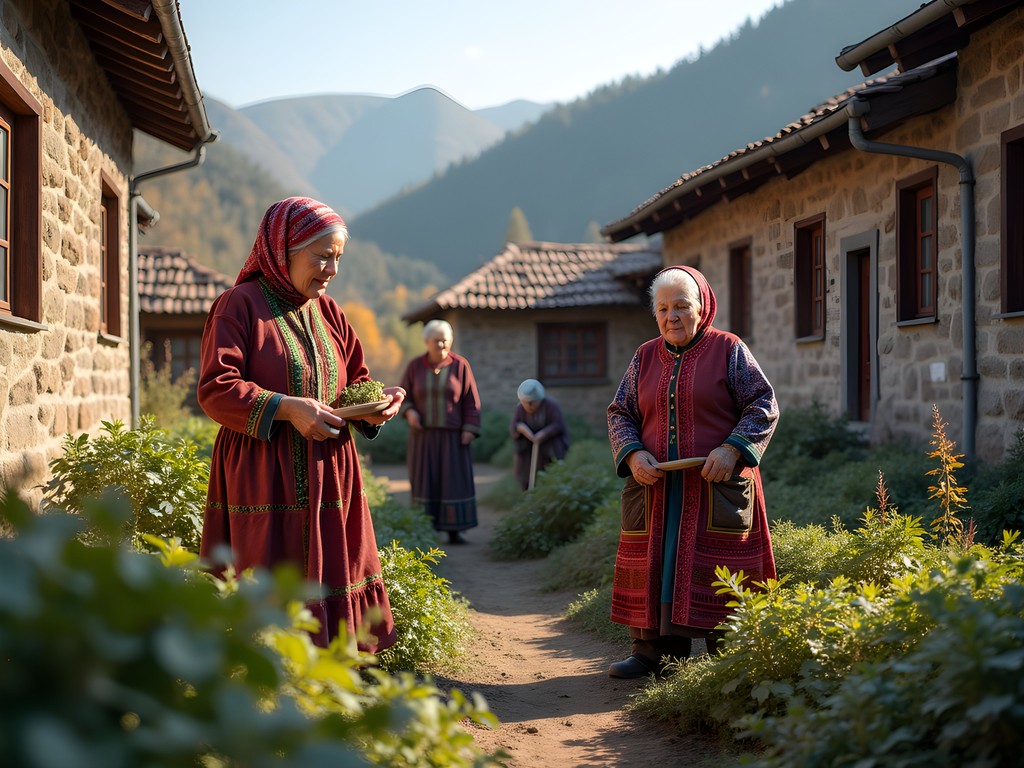
The heart of the Rhodope experience lies in its villages – places like Shiroka Laka, Gela, and my personal favorite, Kovachevitsa. These settlements feel suspended in time, with stone houses clinging to steep hillsides and elderly women in traditional dress tending gardens as they have for generations.
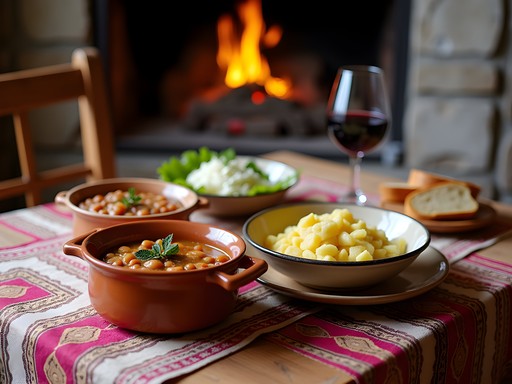
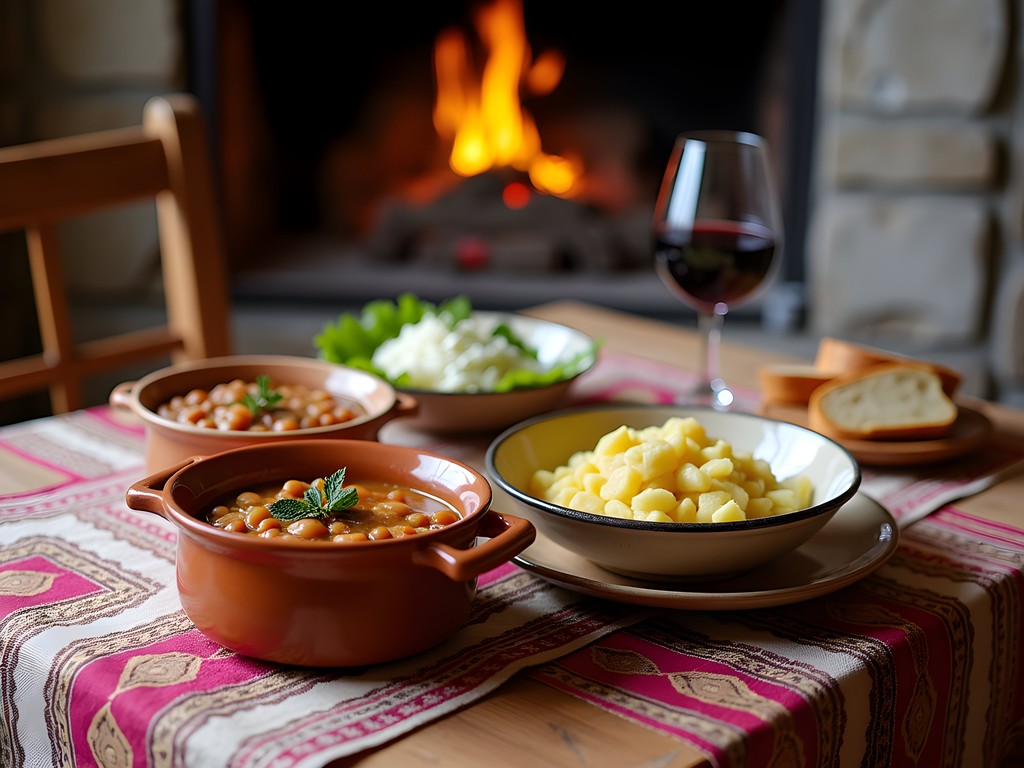
In Kovachevitsa, I stayed in a 200-year-old stone house converted into a simple guesthouse. For around 25 leva (€12) per night, I enjoyed home-cooked meals featuring local specialties like patatnik (potato and mint pastry) and hearty bean soups perfect for refueling after long hiking days.
The mountains' isolation has preserved both architecture and traditions. One evening, I was invited to join a local family for dinner, where three generations gathered around a table laden with homemade rakija (fruit brandy) and dishes prepared from their garden harvest. Despite our limited shared vocabulary, the universal languages of food and hospitality bridged all gaps.
For those cool autumn evenings, I was grateful for my merino wool base layer that kept me comfortable both during daytime hikes and when temperatures dropped at night. The natural odor-resistance proved particularly valuable during a week with limited laundry opportunities.
💡 Pro Tips
- Bring small gifts from your home country to thank hosts for unexpected hospitality
- Try local rakija (fruit brandy) but pace yourself – it's stronger than it tastes!
- Book accommodations by phone when possible – many guesthouses aren't on booking platforms
Trekking Routes: From Beginner Paths to Challenging Ascents
The Rhodope Mountains offer trekking routes for every ability level, though I'd recommend at least intermediate hiking experience for the more rewarding paths. My week-long itinerary formed a loose loop beginning near Smolyan, connecting villages and natural wonders while avoiding backtracking.
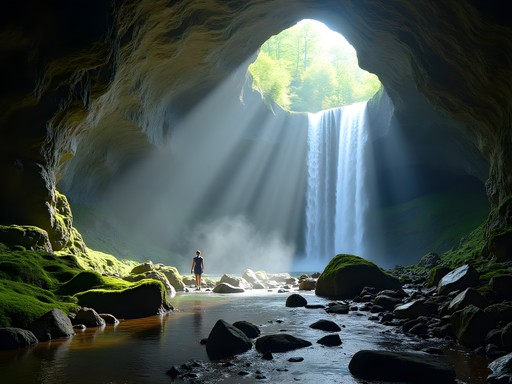
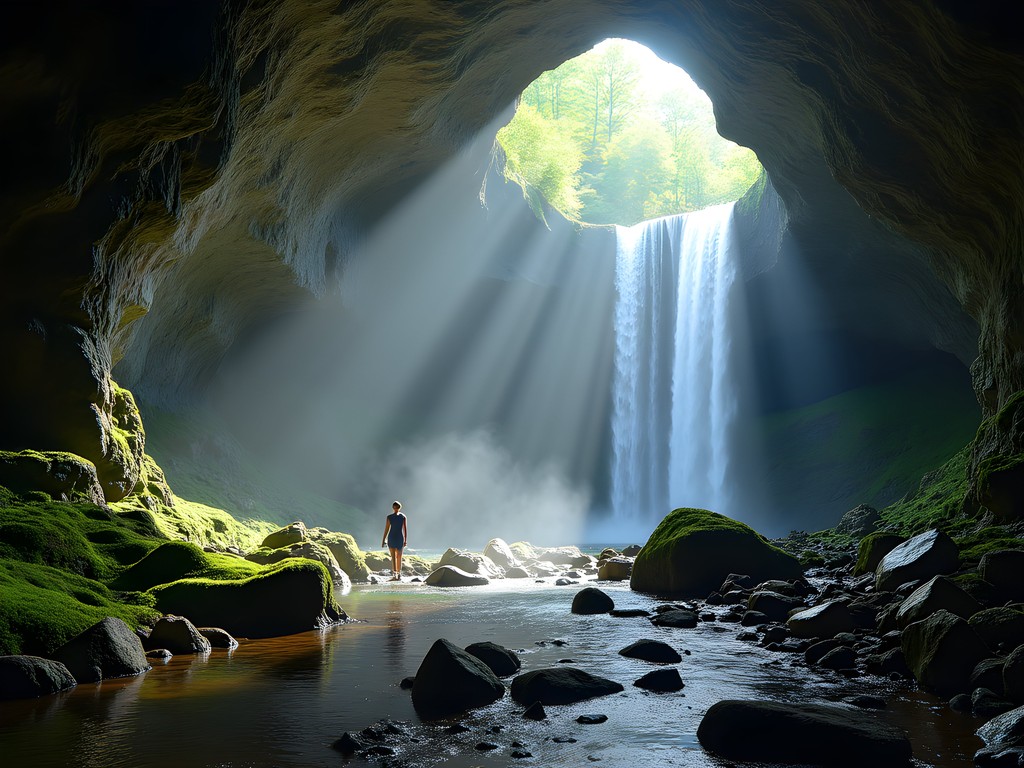
The Devil's Throat Cave to Eagle's Eye viewing platform route remains my favorite day trek – a challenging 18km path with nearly 1,000m elevation gain that rewards with Bulgaria's most spectacular karst cave system and panoramic vistas that stretch into Greece. The cave's enormous underground waterfall is said to be where Orpheus descended to the underworld – standing before its thundering power, the myth feels entirely plausible.
For those seeking greater challenges, the trans-Rhodope trail offers serious multi-day trekking, though it requires careful planning and preferably a local guide. I opted for day hikes from village bases, carrying only essentials in my lightweight daypack which proved perfect for the variable autumn weather, with enough space for layers, water, and trail snacks.
The region's extensive network of eco-trails means you can often walk directly from one village to another, staying in guesthouses along the way rather than camping. However, trail markers can be inconsistent, so I relied heavily on my handheld GPS device loaded with Rhodope trails – an investment that paid for itself when fog descended suddenly during a high-altitude traverse.
💡 Pro Tips
- Start hikes early – autumn days are shorter and you don't want to navigate these trails after dark
- Register your hiking plans with guesthouse owners as a safety precaution
- Carry more water than you think you'll need – natural springs are common but not always reliable

Cultural Immersion: Pomak Villages & Ancient Traditions
What truly sets the Rhodope Mountains apart is the cultural mosaic of the region. Here, Bulgarian Orthodox villages exist alongside settlements of Pomaks (Bulgarian Muslims) and Roma communities, each maintaining distinct traditions while sharing the mountain landscape.
In the Pomak village of Ribnovo, I witnessed the preparation for a traditional wedding – an elaborate multi-day affair with the bride's face painted white and decorated with colorful sequins. Though I was clearly an outsider, families invited me to observe the festivities, proud to share their heritage with a curious visitor.
The region's religious diversity is visible in its architecture – Orthodox churches with distinctive bell towers stand in some villages, while Ottoman-era mosques with slender minarets define others. In several communities, both exist side by side, a testament to centuries of coexistence.
Each village seems to specialize in particular crafts. In Shiroka Laka, I spent an afternoon with a master of the gaida (Bulgarian bagpipe), who demonstrated the instrument's haunting sound that carries through mountain valleys. After purchasing a small field recording device before my trip, I captured these authentic musical moments – recordings that transport me back to the Rhodopes more vividly than photographs.
💡 Pro Tips
- Ask permission before photographing people or religious ceremonies
- Remove shoes before entering mosques and cover head if female
- Learn about the difference between Bulgarian and Ottoman architectural styles to appreciate local buildings
Practical Considerations: Budget, Accommodation & Food
The Rhodope Mountains offer exceptional value for budget travelers. My entire week-long adventure – including accommodation, food, local transport and even souvenir shopping – came to less than €300. This region remains one of Europe's last truly affordable mountain destinations.
Accommodation in family-run guesthouses averages 20-30 leva (€10-15) per night, often including breakfast of homemade yogurt, local honey, and banitsa (cheese pastry). For dinner, village restaurants serve hearty mountain cuisine for 10-15 leva (€5-8) for a substantial meal with a glass of local wine.
Internet connectivity is the one modern convenience you'll need to sacrifice. While larger villages have basic Wi-Fi, I embraced the digital detox and focused on my surroundings. Before departure, I downloaded offline maps and translated key phrases using a pocket language translator that proved invaluable when communicating with non-English speakers.
Fall temperatures fluctuate dramatically – days can be pleasantly warm (15-20°C) while nights drop close to freezing at higher elevations. I layered with a packable down jacket that compressed small in my pack during day hikes but provided essential warmth during chilly evenings in poorly heated guesthouses.
💡 Pro Tips
- Withdraw cash in larger towns like Smolyan – ATMs are scarce in mountain villages
- Learn to recognize the Cyrillic letters for 'hotel' and 'restaurant' for easier navigation
- Pack a universal sink plug and travel detergent for washing clothes – laundry services are non-existent
Final Thoughts
As my bus wound down from the mountains toward Plovdiv, I found myself already planning a return to the Rhodopes. These mountains offer something increasingly rare in our hyperconnected world – genuine discovery. Here, trails lead to villages absent from guidebooks, conversations happen despite language barriers, and landscapes unfold without the pressure of Instagram-worthy perfection.
For the solo traveler seeking both natural beauty and cultural immersion, Bulgaria's Rhodope Mountains provide rich rewards without the crowds or costs of Western Europe's more famous ranges. The autumn palette transforms the landscape into a canvas of extraordinary beauty, while cooler temperatures make for ideal hiking conditions.
When we travel to truly know a place rather than merely see it, we must sometimes venture beyond the familiar paths. The Rhodopes demand this deeper engagement – and in return, they offer experiences that remain with you long after the journey ends. Like Orpheus himself, you may find that once you've visited these mystical mountains, a piece of your heart remains forever in their misty valleys.
✨ Key Takeaways
- The Rhodope Mountains offer exceptional value for budget travelers with accommodations from €10-15/night
- Fall provides the perfect combination of stable weather, smaller crowds and spectacular foliage
- Learning basic Bulgarian phrases dramatically enhances the experience in remote villages
- A mix of day hikes from village bases offers the best balance of comfort and adventure
- The cultural diversity of Orthodox and Pomak communities adds unique depth to the mountain experience
📋 Practical Information
Best Time to Visit
Mid-September to late October for fall colors and stable weather
Budget Estimate
€250-350 for a week including accommodation, food and local transport
Recommended Duration
5-7 days minimum to experience multiple villages and trails
Difficulty Level
Intermediate - Trails Require Reasonable Fitness And Some Navigation Skills
Comments
nomadhero
That shot of the morning mist over the valley is absolutely stunning! What time did you have to wake up to catch that light?
Brandon Ali
Thanks! That was around 6:30am in early October. The mist happens almost every morning that time of year - nature's alarm clock was worth it!
Savannah Walker
Your post brought back so many memories! I trekked through the Rhodopes two years ago and it was magical. There's something almost mystical about those mountains - maybe it's all those Orpheus legends seeping into the landscape! The Pomak villages were the highlight for me. I stayed with a grandmother in Gela who taught me how to make rhodopski klateni kolatsi (local pastries) while telling stories about mountain spirits. Did you get to see any of the traditional singing groups? The polyphonic singing in Shiroka Laka gave me goosebumps. I used my hiking poles for the steeper sections and they were a lifesaver on those rocky descents.
wavegal
I hiked through the Rhodopes last summer! The hospitality in those mountain villages is something else. We stayed with a family in Leshten who served us homemade banitsa for breakfast every morning. The Devil's Bridge near Ardino was one of my favorite spots - the locals told us so many legends about it. Did you try the local honey? There's a beekeeper in Trigrad who makes pine honey that's incredible.
Brandon Ali
Yes! That pine honey is amazing. I brought two jars home with me. And the family stays were definitely a highlight - so much more authentic than hotels.
moonone
How difficult would you say the trails are? I'm a beginner hiker but these views look worth it!
Brandon Ali
There are trails for all levels! The paths around Shiroka Laka village are pretty gentle. If you're a beginner, I'd recommend the trail to Orpheus's Cave - it's well-marked and only about 3 hours round trip with stunning views.
moonone
Thanks so much! That's exactly what I needed to know.
journeytime7256
Those autumn colors look incredible! Bulgaria wasn't on my radar before but now I'm seriously considering it for next fall!
AdventureCouple
Just added this to our Bulgaria itinerary! Can't wait!
Claire Hawkins
Brandon, this is beautiful! I'm seriously considering Bulgaria for our autumn trip this year. Quick question - you mentioned the ancient villages. Are they accessible by car or do you need to trek in? And how's the accommodation situation with kids? We usually do family guesthouses rather than hotels when we can. Your photos are making me want to book flights right now!
vacationlegend
Not Brandon but most villages have road access! You can drive right in. Kovachevitsa is stunning and totally accessible.
vacationlegend
Did the Trigrad Gorge trek last spring and totally agree about the Pomak villages! The hospitality was unreal. We stayed in a family guesthouse near Shiroka Laka and the grandmother made us the best banitsa I've ever had. Curious though - how were the trails marked? We got lost twice lol. Would definitely go back in autumn like you did, the colors must be insane.
Claire Hawkins
Shiroka Laka is on my list! How family-friendly would you say the trails around there are? Traveling with two kids (6 and 9) and trying to figure out if the Rhodopes work for us.
vacationlegend
Yeah definitely doable with kids that age! Stick to the lower valley trails near the villages. The steep gorge stuff maybe not, but there are tons of easier paths. Plus the villages themselves are super interesting for kids to explore.
adventurous_soul
Just got back from the Rhodopes last week! Pro tip: the Devil's Bridge near Ardino is way less crowded at sunrise. We had it completely to ourselves for almost an hour.
Jean Wells
Brandon, this really resonates with my own experiences trekking in lesser-known mountain regions. I'm particularly intrigued by your section on the Pomak villages. From an anthropological perspective, these communities represent fascinating cultural preservation in modern Europe. When I was researching Balkan routes last year, the Rhodopes kept appearing as an underrated alternative to the more crowded Alpine circuits. A few questions: How would you assess the trail marking quality for solo trekkers? And did you find English speakers in the mountain villages, or is basic Bulgarian essential? I'm considering this for an autumn 2026 trek and your insights on seasonal timing would be invaluable.
greennomad
trails are marked ok but download maps offline for sure
Venture X
Premium card with 2X miles, $300 travel credit, Priority Pass