
Disclosure: This article contains affiliate links. We may earn a commission from purchases at no extra cost to you, which helps our travel content.
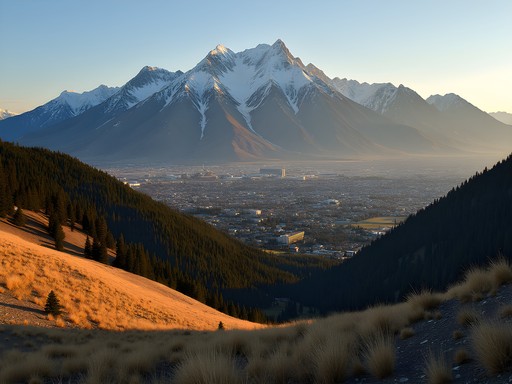
Standing at 1,618 meters above the turquoise Pacific, Mount Humboldt represents the crown jewel of New Caledonia's alpine landscape. As someone who's traversed Arctic tundra and Alpine passes, I found this remote Pacific peak offers a surprisingly technical challenge that belies its tropical surroundings. Last winter, I traded Chicago's brutal freeze for the Southern Hemisphere's mild winter conditions, gathering four longtime mountaineering companions for what would become one of our most memorable expeditions. The blend of French colonial influence, Kanak culture, and untamed wilderness creates an experience unlike any other mountain journey I've undertaken in my decades of exploration.

Planning Your Mount Humboldt Expedition
New Caledonia might seem an unlikely destination for serious mountaineers, but don't let the island's reputation for beaches and resorts fool you. Mount Humboldt demands proper planning and preparation, especially during the winter season (June to August in the Southern Hemisphere).
While winter offers more stable weather patterns and reduced humidity, temperatures at higher elevations can still drop considerably at night. Our group secured permits through the Provincial Tourism Office in Mont-Dore three months in advance—an absolute necessity as authorities strictly limit the number of hikers to protect the fragile ecosystem.
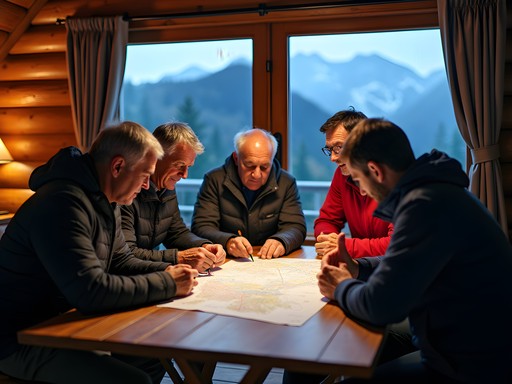
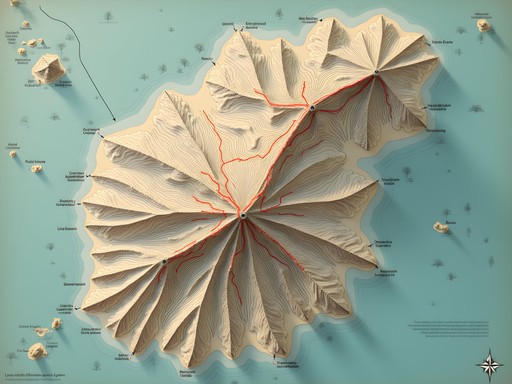
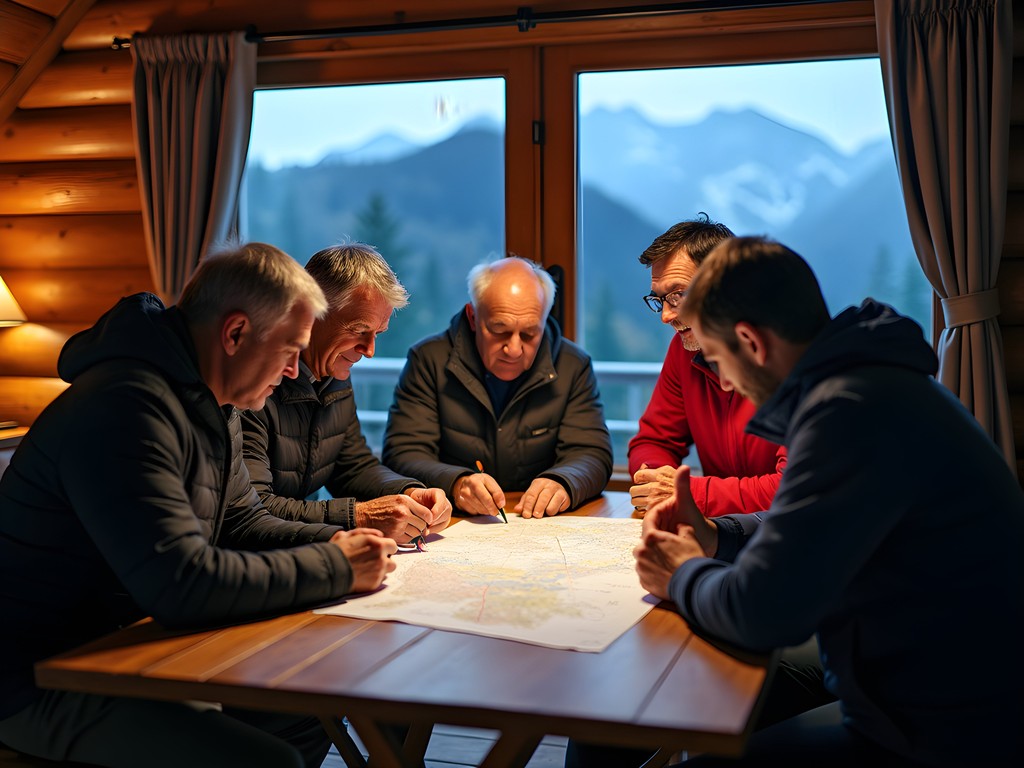
Accommodation options near the trailhead are limited but sufficient. We based ourselves at the modest but comfortable Auberge du Mont Humboldt, which provides essential amenities and packed lunches for hikers. What truly elevated our preparation was investing in detailed topographical maps and utilizing a satellite messenger for emergency communication, as cell service is non-existent once you're on the mountain proper.
💡 Pro Tips
- Book hiking permits at least 3 months in advance through the Provincial Tourism Office
- Consider hiring a local guide if it's your first time on the mountain
- Download offline maps as backup to physical topographical maps
Essential Gear for New Caledonian Alpine Conditions
The microclimate of Mount Humboldt presents a fascinating gear challenge. While daytime temperatures remain moderate even in winter (15-20°C/59-68°F), nighttime can plummet below 5°C/41°F at higher elevations. The mountain's proximity to the ocean also means weather patterns can shift dramatically within hours.
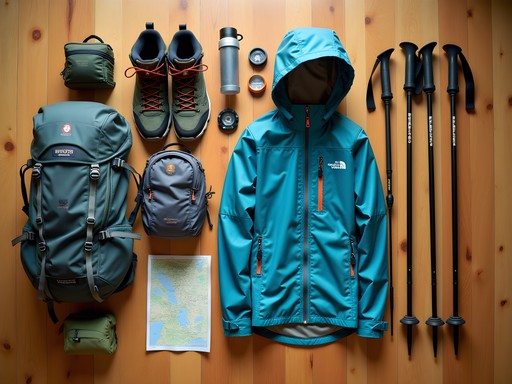
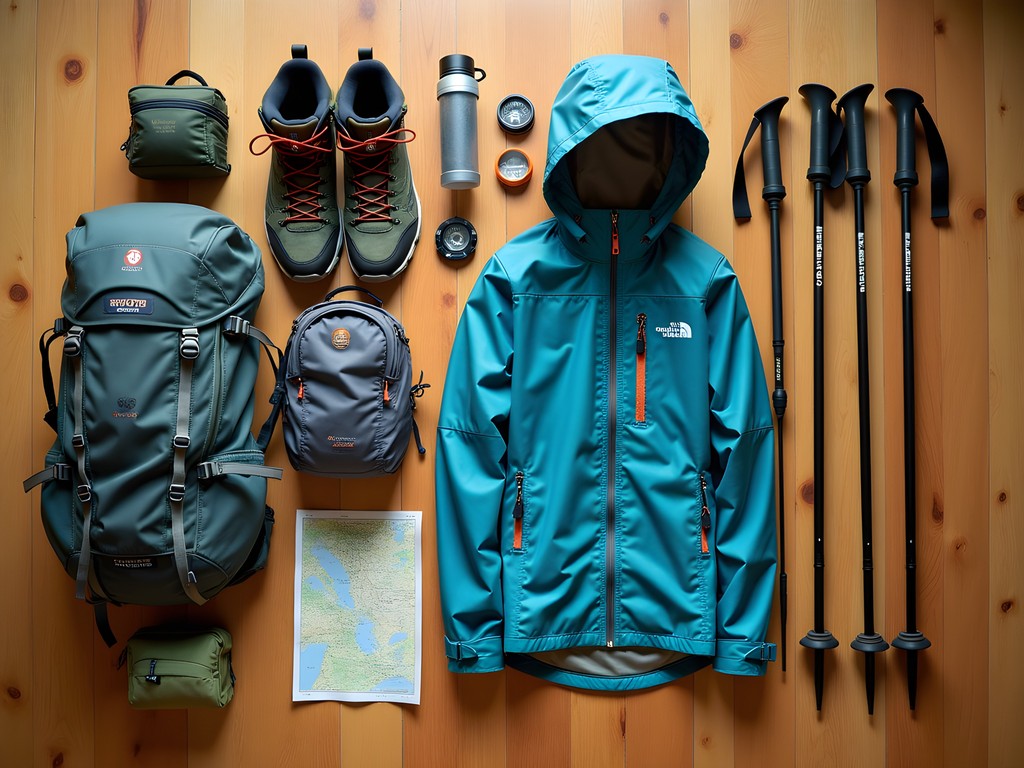
After years of polar expeditions, I've learned that layering is paramount. My system begins with moisture-wicking base layers, followed by a quick-dry mid-layer, and topped with a waterproof shell that's proven itself against everything from Arctic winds to tropical downpours.
Footwear demands special consideration on Humboldt. The trail transitions from muddy forest floors to sharp volcanic rock, requiring versatile boots with excellent ankle support. My hiking boots provided the perfect balance of waterproofing, support, and grip across these varied terrains.
Perhaps most crucial for Humboldt's unique challenges is sun protection. The combination of tropical latitude and elevation means UV exposure is extreme. Beyond standard sunscreen, I recommend a sun hoodie for comprehensive protection without overheating during strenuous climbs.
💡 Pro Tips
- Pack for both tropical heat and alpine cold with versatile layering options
- Bring at least 3 liters of water capacity per person per day
- Include gaiters to protect against New Caledonia's unique blend of mud and volcanic scree
The Route: Navigating Mount Humboldt's Challenges
Mount Humboldt offers two primary ascent routes: the more gradual Northern Trail and the technically challenging Eastern Ridge. For our winter expedition, we selected the Northern Trail for its slightly more protected aspect, though it still demands significant technical skill.
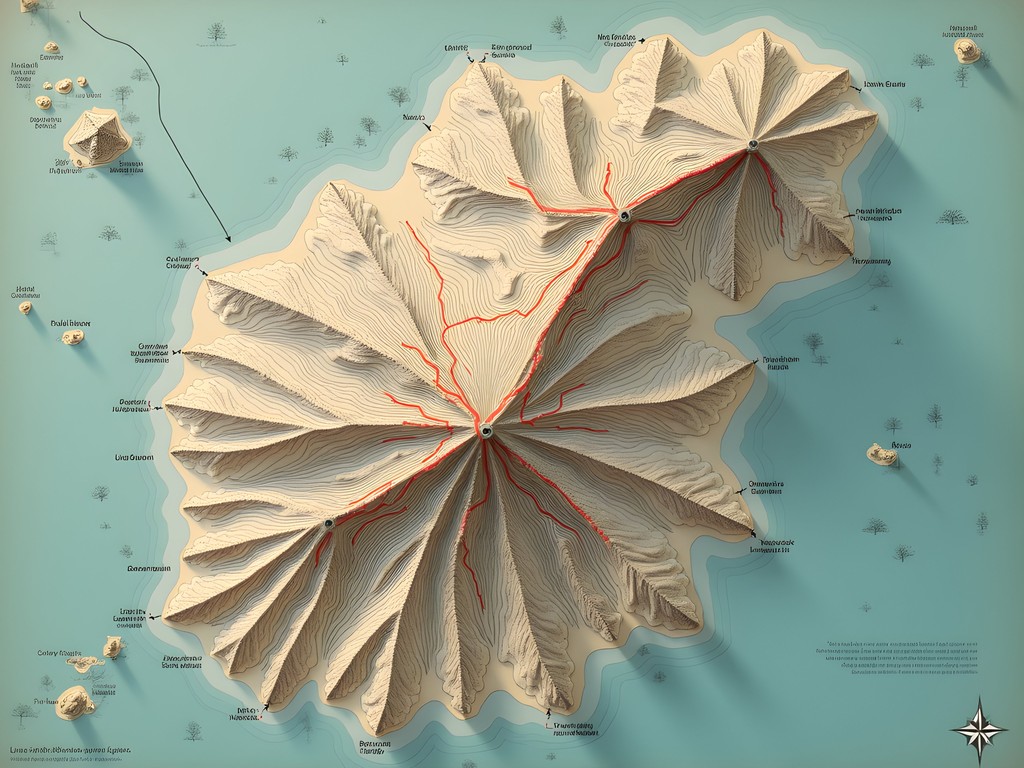
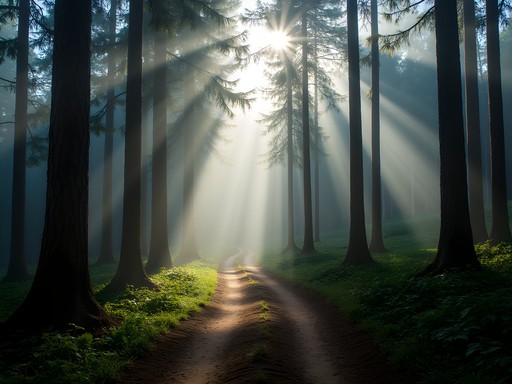
The journey begins in dense, humid rainforest—a stark contrast to my usual Arctic expeditions. The first 5 kilometers wind through remarkable biodiversity, including several endemic plant species found nowhere else on Earth. Navigation can be challenging here as trail markers are sometimes obscured by vegetation. Our group relied heavily on our GPS device to maintain course through this section.
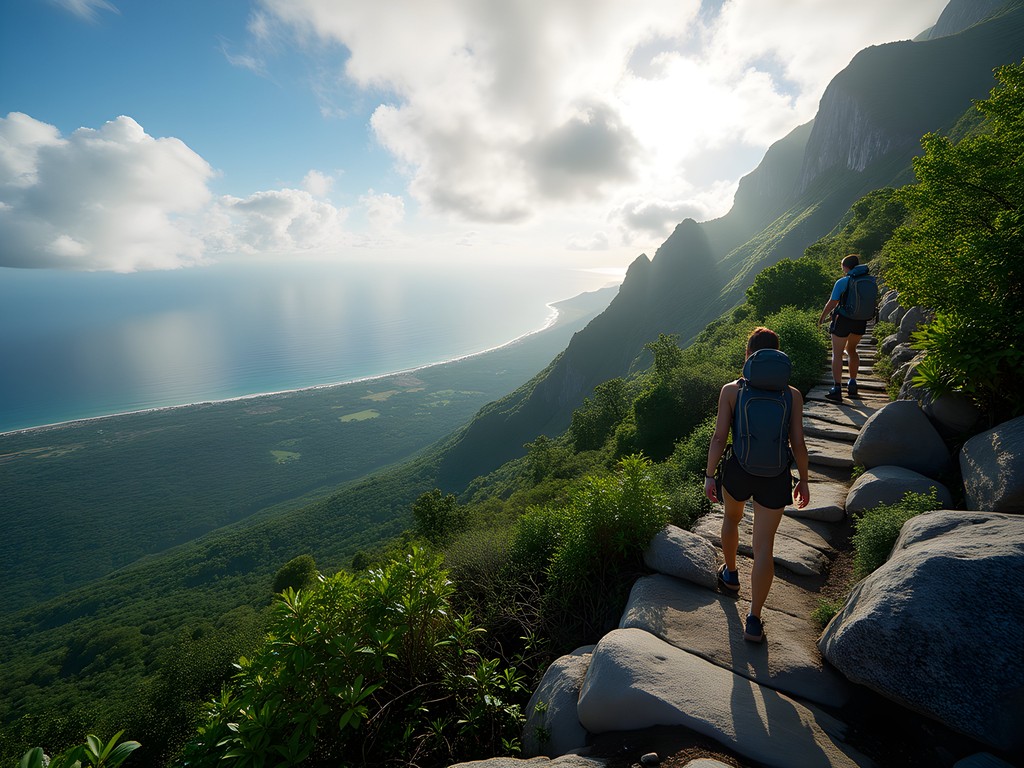
At approximately 800 meters elevation, the landscape transforms dramatically as you emerge above the treeline into alpine scrub. This middle section presents the most physically demanding part of the climb, with roughly 45-degree inclines over loose scree. Proper trekking poles with carbide tips proved invaluable here, providing crucial stability and reducing strain on knees.
The final 300 meters of elevation gain requires careful route finding across exposed ridgelines where winter winds can reach surprising velocities. While not requiring technical climbing gear during winter conditions, having a climbing helmet is advisable due to occasional rockfall, particularly if multiple groups are on the mountain.
💡 Pro Tips
- Start your hike no later than 7:00 AM to ensure summit and return before dark
- Use the wooden stakes with red markers to navigate when the trail becomes less distinct above treeline
- Take frequent compass bearings in the cloud forest section where visibility can suddenly diminish

Summit Day Strategy and Weather Considerations
Winter in New Caledonia (June-August) offers the most stable conditions for summiting Mount Humboldt, but stability is relative in this maritime environment. During our expedition last July, we experienced four distinct weather patterns in a single day—from clear morning skies to mid-day fog, afternoon showers, and crystal-clear evening conditions.
After consulting with local guides and meteorologists, we developed a summit strategy that proved successful: depart base camp by 5:30 AM with headlamps to reach the exposed sections after sunrise but before the typical mid-day cloud development. This timing allowed us to navigate the technical sections with optimal visibility and reach the summit by 11:00 AM.
For accurate forecasting, we relied on a weather station which proved remarkably precise for predicting shifting conditions. Even in winter, hydration remains critical due to the combination of humidity at lower elevations and dry winds at higher altitudes. Our group each carried a hydration reservoir supplemented by electrolyte tablets to maintain proper fluid balance.
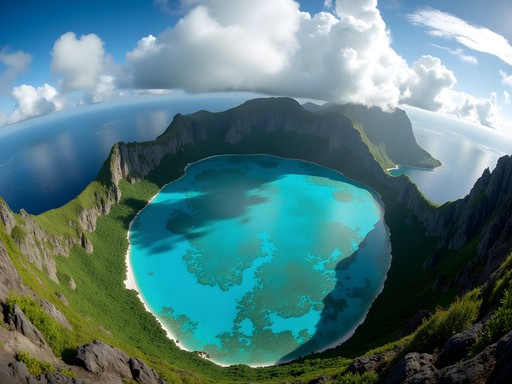
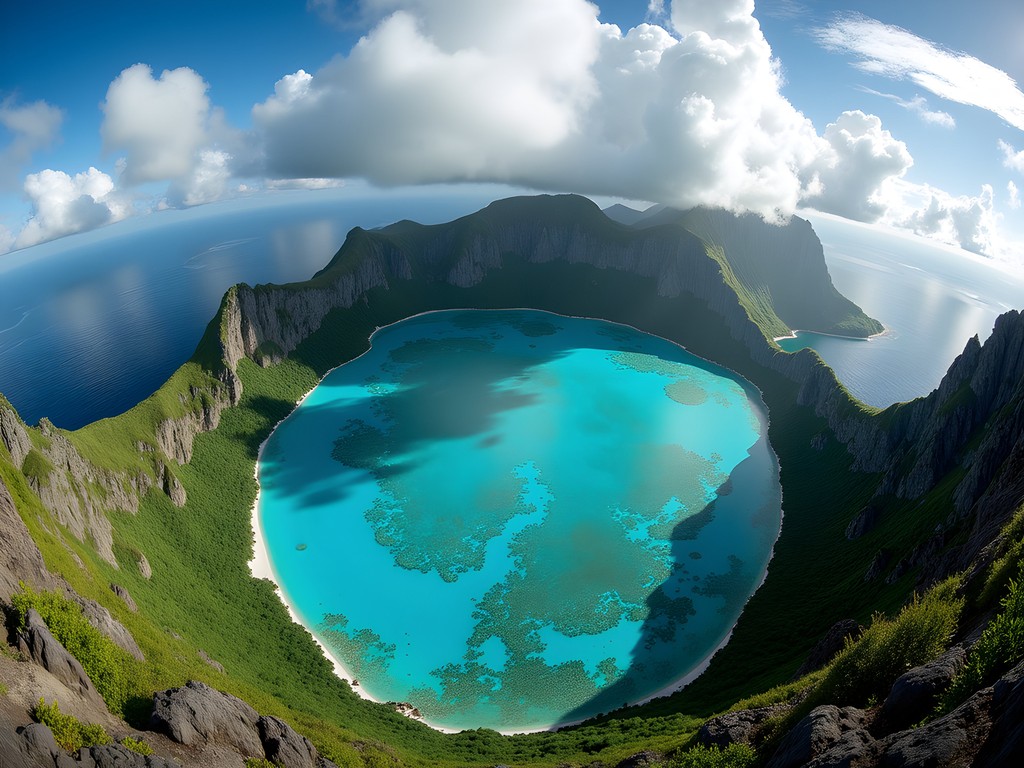
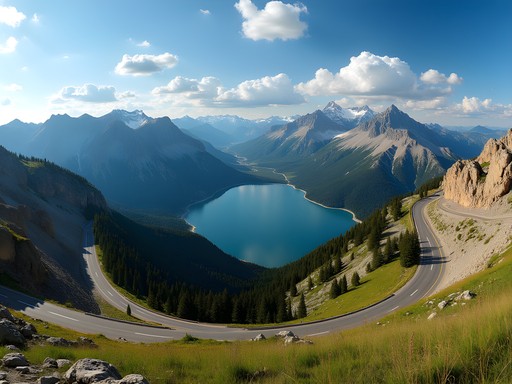
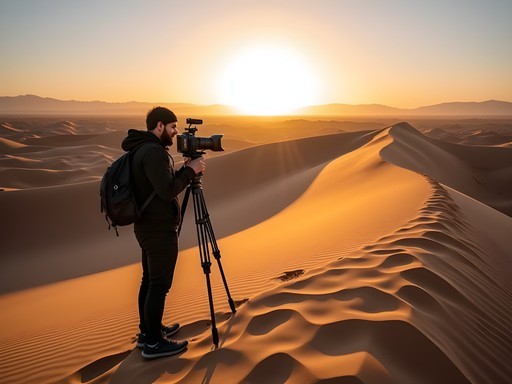
The summit itself offers an unparalleled 360-degree panorama encompassing the entirety of Grande Terre island, the surrounding lagoon (a UNESCO World Heritage site), and on exceptionally clear days, glimpses of Vanuatu's islands on the distant horizon. We captured this spectacle using our cameras mounted on a lightweight tripod to create a stunning panoramic series despite the typically gusty summit conditions.
💡 Pro Tips
- Check forecast daily using the Mont-Dore Weather Service's mountain-specific predictions
- Plan to be off exposed ridgelines by 2:00 PM when afternoon thunderstorms are most common
- Bring a lightweight emergency bivvy even for day hikes as weather can trap hikers unexpectedly
Cultural Considerations and Environmental Responsibility
Mount Humboldt isn't merely a physical challenge—it's a cultural landmark of profound significance to New Caledonia's indigenous Kanak people. The mountain, known locally as Kanumera, features in important creation stories and remains a sacred site. As visitors, we have an obligation to approach this landscape with appropriate respect.
Before our expedition, we arranged a meeting with representatives from the local Kanak community through our accommodations. This brief but meaningful exchange provided valuable context about the mountain's cultural significance and specific protocols to observe, particularly at certain sites along the trail marked with traditional symbols.
Environmental stewardship is equally important. New Caledonia boasts one of the highest concentrations of endemic species per square kilometer worldwide, many of which are critically endangered. The mountain's ecosystems are particularly fragile, with limited resilience to human impact.
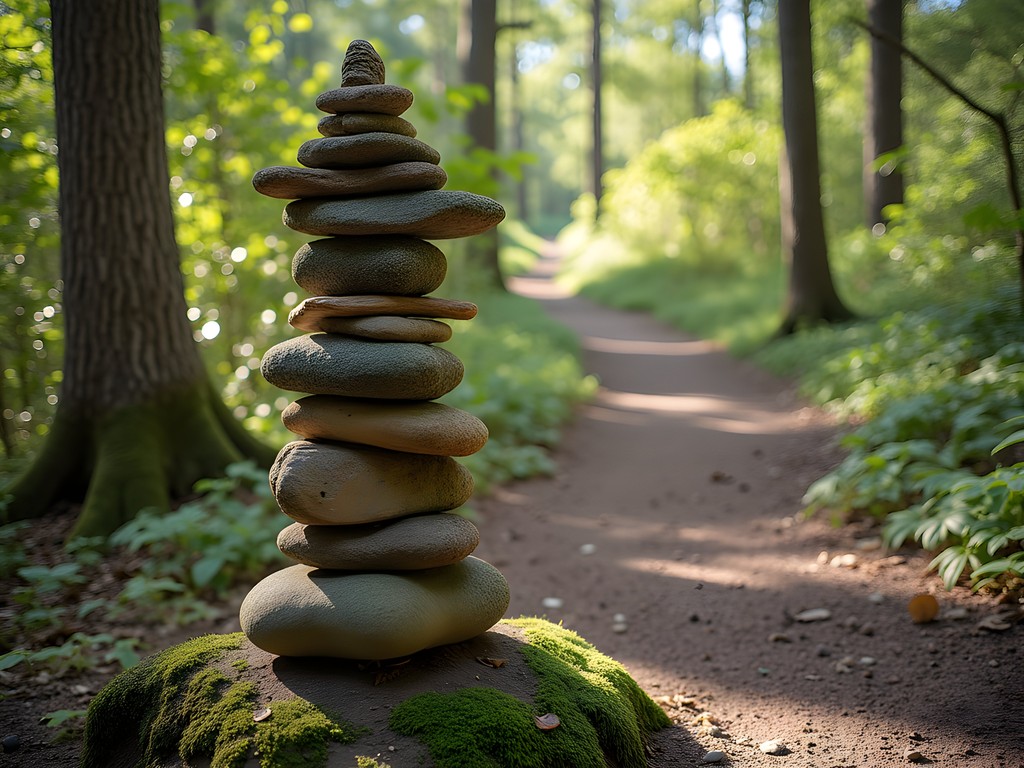
Our group adhered strictly to Leave No Trace principles, packing out all waste using a waste disposal system for human waste where facilities weren't available. For washing, we positioned ourselves at least 200 feet from water sources and used biodegradable soap in minimal quantities.
While winter presents fewer wildfire risks than summer months, we still avoided any open flames and used a canister stove for cooking at designated sites only.
💡 Pro Tips
- Contact the Cultural Center in Mont-Dore before your trip to arrange a cultural orientation
- Learn a few basic greeting phrases in the local Kanak language as a sign of respect
- Consider making a small donation to local conservation efforts focused on protecting Mount Humboldt's unique ecosystems
Final Thoughts
Mount Humboldt stands as a testament to New Caledonia's remarkable natural diversity—a place where tropical and alpine environments converge to create a mountaineering experience unlike any other. Our winter expedition revealed the perfect balance of technical challenge and accessibility for experienced hikers willing to prepare properly.
As I stood atop the summit with my four companions, I couldn't help but draw parallels to my Arctic expeditions. Both landscapes demand respect, careful preparation, and a willingness to adapt to rapidly changing conditions. Yet Humboldt offers something uniquely compelling: a mountain where you can witness coral reefs from the summit and traverse five distinct ecological zones in a single day's journey.
If you're seeking to expand your mountaineering horizons beyond the conventional destinations, Mount Humboldt deserves a prominent place on your list. The combination of French colonial infrastructure, indigenous Kanak culture, and pristine wilderness creates a rich tapestry of experiences that extend far beyond the physical challenge of the climb itself. Just remember that with such privilege comes responsibility—to tread lightly, respect cultural boundaries, and preserve this remarkable environment for future generations of adventurers.
✨ Key Takeaways
- Winter (June-August) offers the most stable conditions for summiting Mount Humboldt
- Secure permits at least three months in advance due to strict visitor limitations
- Prepare for dramatic microclimate variations from tropical humidity to alpine conditions
- Respect Kanak cultural sites and adhere to Leave No Trace principles throughout your journey
📋 Practical Information
Best Time to Visit
June to August (Southern Hemisphere winter)
Budget Estimate
$1,500-$2,500 per person for a week-long trip including accommodations, permits, and equipment rentals
Recommended Duration
5-7 days (including acclimatization and weather contingency days)
Difficulty Level
Advanced
Comments
beachvibes
How did you get to the trailhead? Is there public transportation or do you need to rent a car?
Scott James
There's limited public transport to the area. I'd recommend renting a car for flexibility - the roads are good but the trailhead is remote. Some tour companies offer pickup services from Nouméa if you book a guided hike.
Charlotte Watkins
I took my family (teens 15 and 17) to tackle Mount Humboldt last month, and I have to say Scott's guide was spot-on with the preparation advice. We split the hike over two days, camping at the designated area mentioned in the article, which made it much more manageable for the kids. The star-gazing from camp was an unexpected highlight! One thing I'd add - the water sources mentioned were running low when we visited (late May), so carrying extra was essential. Also, the rangers at the information center were incredibly helpful with last-minute advice on conditions. For families considering this hike: it's challenging but doable with teens who have some hiking experience, and the pride on my kids' faces at the summit was worth every challenging step.
exploreadventurer
Did your teens struggle with the altitude at all? Planning to take my 16-year-old.
Charlotte Watkins
My 15-year-old had a mild headache above 1200m, but it passed quickly after drinking more water and taking a short rest. The overnight camp helped with acclimatization too. Just take it slow and you should be fine!
Douglas Bradley
Excellent guide, Scott. I'd add that understanding the cultural significance of Mount Humboldt to the Kanak people enriches the experience tremendously. When I hiked it in 2024, our local guide shared stories about the mountain's place in indigenous cosmology. Also worth noting - cell service is virtually non-existent on most of the trail, so I relied heavily on my GPS device for navigation and emergency communication. The contrast between the coastal French influence and the traditional mountain villages makes New Caledonia one of the Pacific's most fascinating cultural landscapes.
dreammood
Douglas, did you hire your guide in advance or find one locally? Planning to go in August and would love recommendations.
Douglas Bradley
I booked through the tourism office in Nouméa about a week before. Ask for guides who specialize in the cultural aspects - made a huge difference! August should have perfect weather too.
happylife
Wow, never even knew New Caledonia had mountains like this! Learn something new every day.
travelone
Those summit views are absolutely stunning! Added to my bucket list.
sunnyseeker7059
What time of year did you go? Planning a trip to New Caledonia and wondering about the best hiking season for Mount Humboldt.
Scott James
I went in September which is ideal - drier conditions but not too hot. May to October is generally best. Avoid January-March (cyclone season) as trails can become dangerous.
Frank Garcia
I completed Mount Humboldt last year and your guide is spot on! The microclimate shifts are fascinating - I went from sweating in tropical humidity to needing my down jacket within hours. One thing I'd add is to bring trekking poles for the descent - those volcanic slopes get slippery after rain. The biodiversity transition zones make this hike uniquely special compared to other Pacific island peaks I've tackled. Excellent write-up on the gear requirements too.
cityking
This looks amazing! How difficult would you say this hike is for someone who's only done day hikes before? Is it doable for beginners with decent fitness?
Scott James
Thanks for asking! I wouldn't recommend it as a first multi-day hike. The terrain gets challenging in sections and weather can change quickly. Try some shorter overnight hikes first to build experience, then tackle Mount Humboldt with proper preparation.
cityking
Thanks for the honest advice! Will definitely build up to it.
redwanderer
JUST GOT BACK FROM DOING THIS HIKE!!! Oh my gosh, Scott, your guide was SO helpful! The section about the false summit saved us from major disappointment - we knew to keep going when others were turning back thinking they'd reached the top. The endemic plants were AMAZING and we even spotted that rare bird you mentioned (can't remember the name but it had a blue crest). The local guide we hired in Mont-Dore was worth every franc - he showed us all the medicinal plants along the way and told incredible stories about the mountain's cultural significance. BEST HIKE EVER!!!
mountainguide
Great write-up Scott! One thing I'd add about the gear section - the temperature swing from base to summit is massive. I started in shorts and ended up needing my down jacket at the top, even on a sunny day. My hiking poles were absolute lifesavers on the descent too - those steep sections can be murder on the knees without them.
Venture X
Premium card with 2X miles, $300 travel credit, Priority Pass