
Disclosure: This article contains affiliate links. We may earn a commission from purchases at no extra cost to you, which helps our travel content.
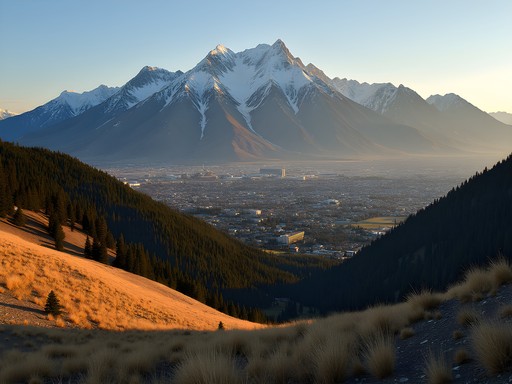
Meridian sits at the perfect confluence of suburban accessibility and wilderness proximity—a configuration that would make any outdoor-loving engineer appreciate the efficiency. When I first visited this rapidly expanding city west of Boise, I was skeptical about how genuine the outdoor access could be given the development pace. But after spending a week exploring the surrounding terrain with local families, I discovered that Meridian offers something rare: legitimate mountain access within a 30-60 minute drive, combined with infrastructure that actually supports family adventures. The elevation gain from valley floor to alpine terrain happens quickly here—roughly 4,000 feet within an hour's drive—creating diverse ecosystems and adventure options that work for everyone from elementary-aged kids to experienced hikers.

Understanding Meridian's Geographic Advantage
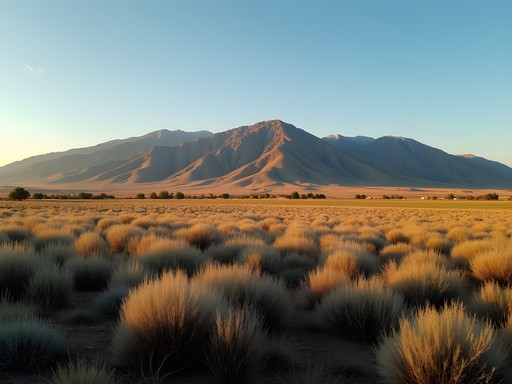
Meridian's position at 2,500 feet elevation in the Treasure Valley creates a strategic basecamp for mountain access. The city lies approximately 15 miles west of the Boise Foothills, which rise dramatically to 6,000+ feet, and within 90 minutes of the Sawtooth Range peaks exceeding 10,000 feet. This topographic gradient means you're looking at temperature drops of 15-20°F as you gain elevation—critical information for packing layers, especially with kids.
The Boise River watershed flows through this region, and understanding its drainage patterns helps explain why certain canyons offer better trail access than others. Mores Creek, in particular, carves through the foothills creating the corridor that Highway 21 follows toward Idaho City and eventually the Sawtooths. I've worked on renewable energy projects in mountainous terrain across three continents, and this particular geography reminds me of the Swiss Pre-Alps—accessible elevation with genuine alpine character within striking distance.
For families, this means you can have breakfast at a Meridian cafe and be on a mountain trail by 9 AM, returning for dinner without the exhaustion that comes from marathon driving days. The key is selecting destinations based on your family's capability and the day's weather conditions.
💡 Pro Tips
- Check Idaho Power's reservoir levels before planning water-based activities—summer drawdown affects accessibility
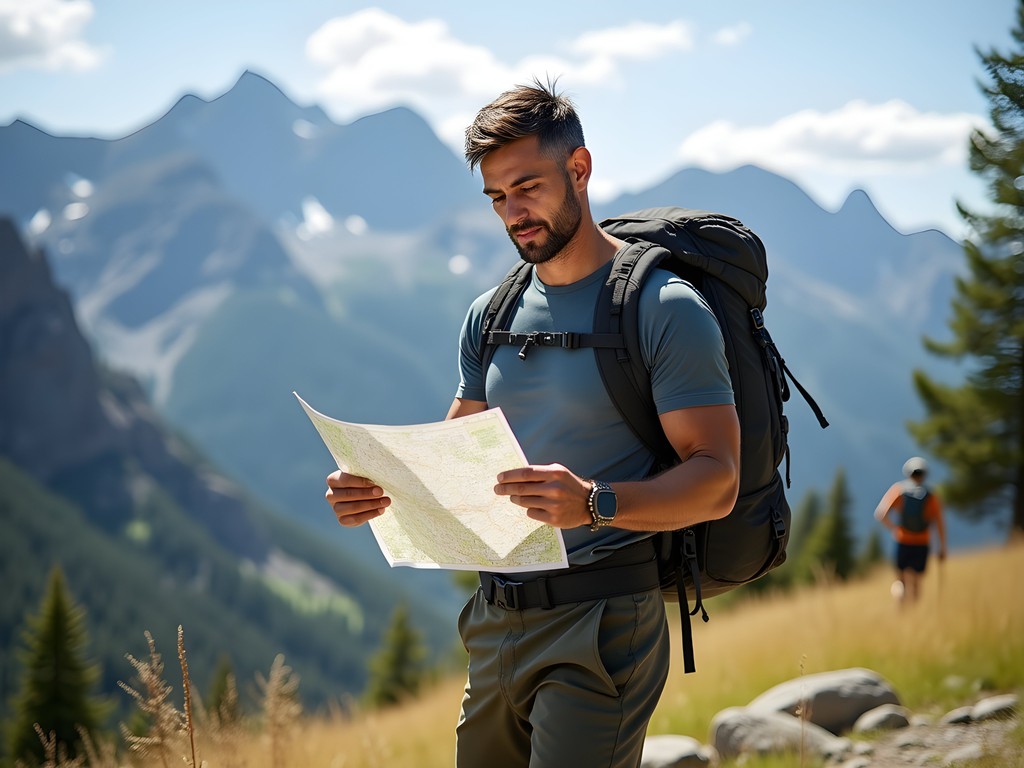
- Download offline maps via Gaia GPS or similar before leaving Meridian; cell coverage becomes spotty above 4,000 feet
- Start hikes before 8 AM during July-August to avoid afternoon thunderstorms that build over the mountains by 2 PM
Bogus Basin: Year-Round Family Destination
Bogus Basin sits 16 miles northeast of Meridian via Bogus Basin Road—a well-maintained route that gains 3,200 feet in elevation. While known primarily as a ski area, the summer operations here have expanded significantly, making it an ideal family destination with infrastructure that reduces the typical friction of mountain outings with kids.
The Pioneer Lodge at 6,200 feet serves as the summer hub, offering food service, restrooms, and a base for activities. The mountain coaster operates daily during summer months—my friend's 8-year-old daughter rode it four times in a row, which tells you everything about its appeal. More importantly for outdoor-focused families, the trail network here is extensive and well-marked, with options ranging from the easy 1.5-mile Deer Point Trail to the more challenging 6-mile Shafer Butte summit hike.
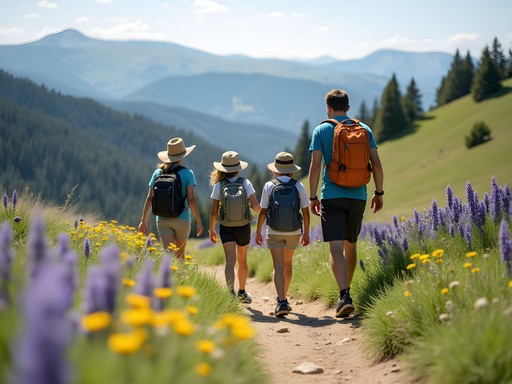
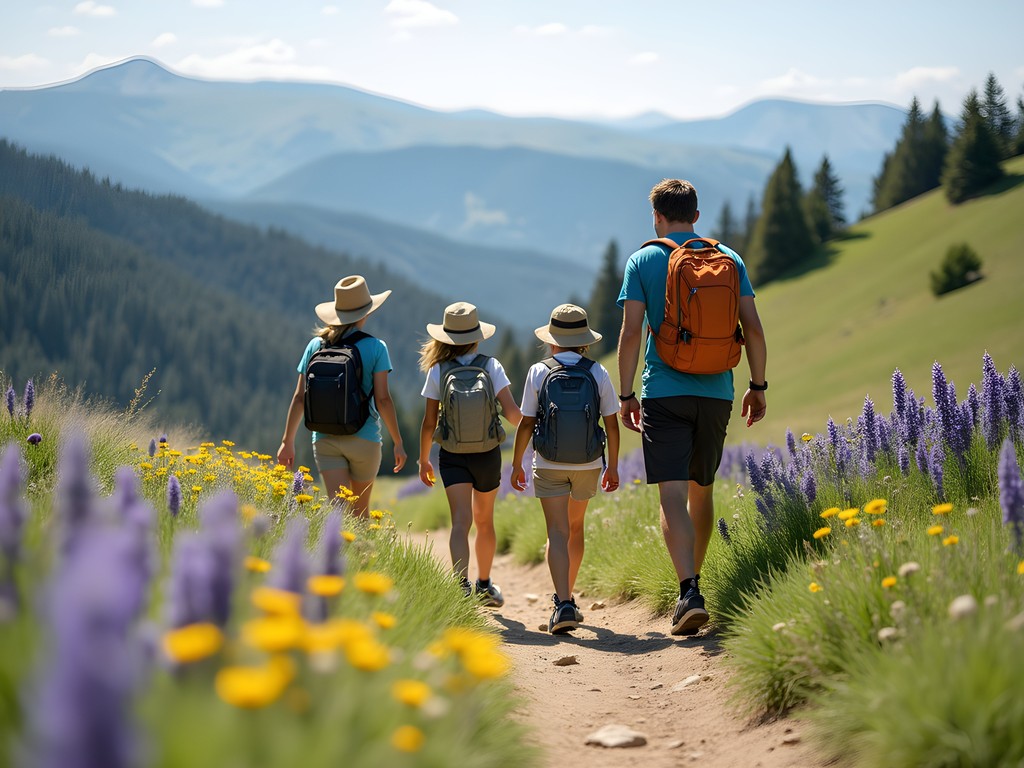
I recommend the Morningstar Trail for families with intermediate hiking experience. It's a 4.2-mile loop with 800 feet of elevation gain, featuring wildflower meadows in July and huckleberry patches in August. The trail surface is well-maintained, and the grade is consistent enough that kids aged 8+ can handle it without excessive complaining. Bring a hydration bladder for each family member—the dry mountain air at this elevation dehydrates you faster than valley conditions, and having water readily accessible keeps everyone moving.
The summit of Shafer Butte (7,582 feet) offers panoramic views extending to the Sawtooth Range on clear days. The hike gains 1,400 feet over 3 miles, which puts it in the challenging category for younger kids but is absolutely manageable for teens and adults with moderate fitness.
💡 Pro Tips
- Arrive before 10 AM on weekends to secure parking near Pioneer Lodge—capacity fills quickly during peak summer
- Pack layers; temperature at 7,500 feet can be 25°F cooler than Meridian, even in July
- The lodge sells limited supplies but at premium prices; bring your own snacks and lunch
Mores Creek and the Idaho City Corridor
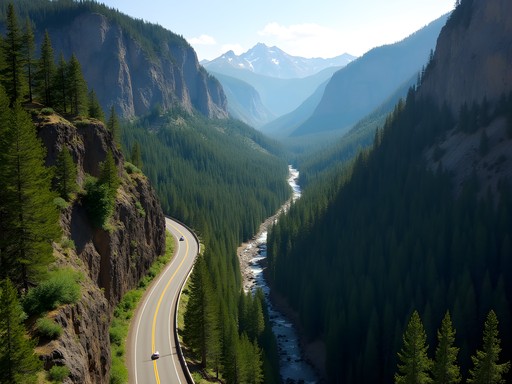
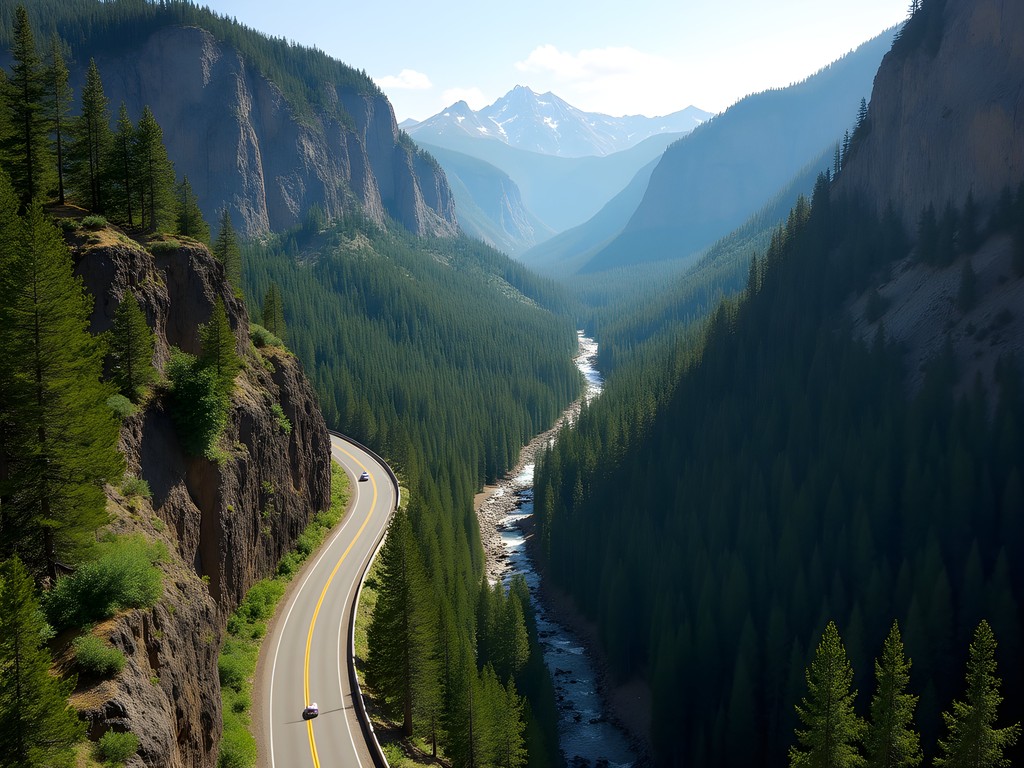
Highway 21 northeast from Boise (accessible via I-84 from Meridian) follows Mores Creek through increasingly dramatic canyon terrain toward the old mining town of Idaho City. This 45-minute drive opens access to multiple trailheads and recreation areas that see less traffic than Bogus Basin while offering equally compelling terrain.
Mores Creek Summit at 6,117 feet marks the high point of the highway before it descends toward Idaho City. The Aldape Summit Trail here is a family-friendly 3-mile out-and-back that gains only 400 feet, following an old mining road through mixed conifer forest. What makes this trail particularly valuable for families is the gradual grade and wide path—ideal for kids who are still building hiking endurance.
For a more adventurous option, the Whoop-Um-Up Creek Trail offers 5 miles of moderate hiking with creek crossings and old-growth forest sections. The trailhead sits at milepost 34 on Highway 21, with parking for about 10 vehicles. I hiked this with a family from Meridian who had 10 and 12-year-old boys, and the creek crossings became the highlight—kids love any trail feature that involves minor problem-solving and getting slightly wet.
Idaho City itself deserves a stop, not for wilderness experience but for historical context. This was Idaho's largest city during the 1860s gold rush, and several original buildings remain. The Trudy's Kitchen serves solid burgers, and the general store stocks basic supplies if you've forgotten anything. Having a first aid kit in your vehicle is essential on these backcountry roads—cell service is nonexistent in many sections, and the nearest hospital is back in Boise.
💡 Pro Tips
- Highway 21 sees increased logging truck traffic during summer; pull completely off the road at turnouts when letting them pass
- Mores Creek water levels drop significantly by August; early summer offers better creek scenery
- Download the Idaho Hunt Planner app for detailed GPS coordinates of trailheads—some are poorly marked

Lucky Peak State Park: Water and Mountains Combined
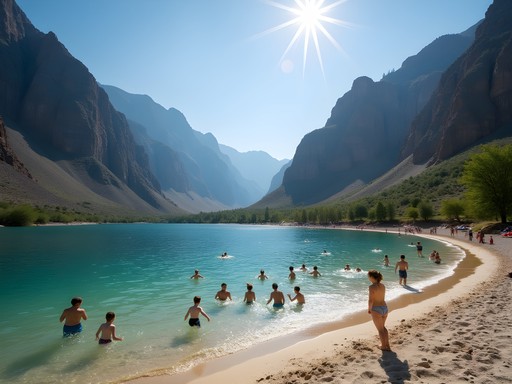
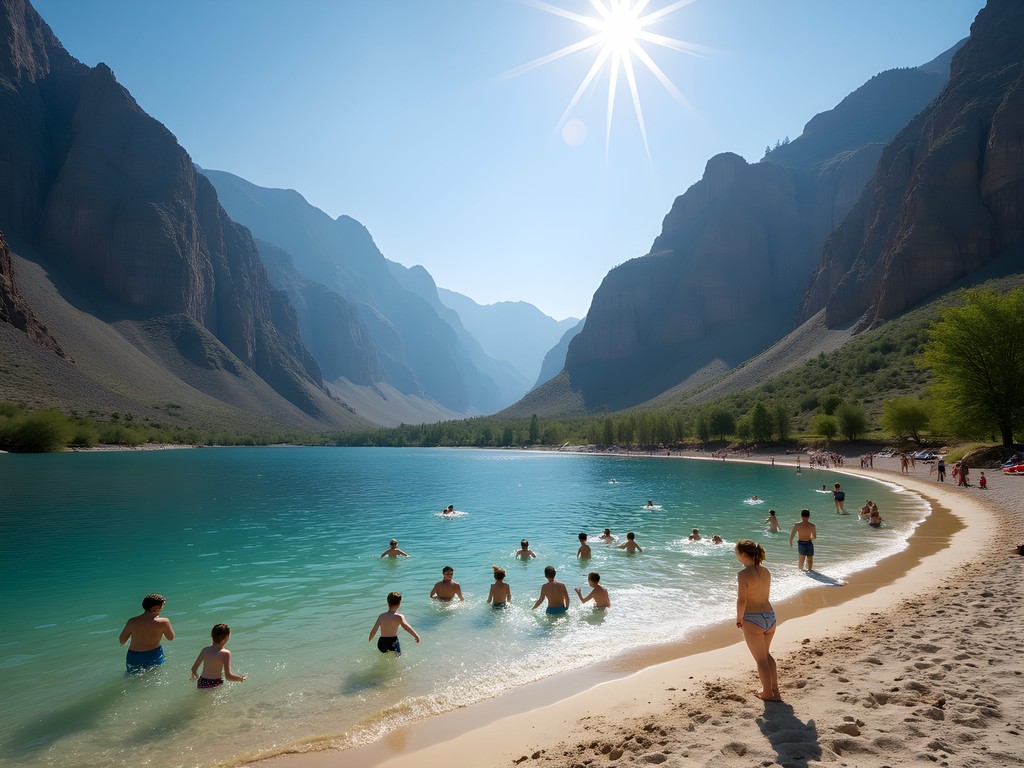
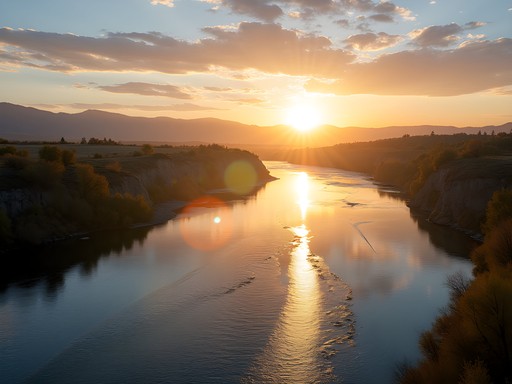
Lucky Peak Reservoir, created by the Lucky Peak Dam on the Boise River, sits just 15 miles from Meridian and offers the rare combination of mountain scenery with water-based recreation. The reservoir sits at 3,050 feet elevation, nestled between steep canyon walls that rise another 2,000 feet—creating a dramatic setting that feels more remote than the short drive suggests.
The three units of Lucky Peak State Park—Discovery, Sandy Point, and Spring Shores—each offer different experiences. For families wanting to combine hiking with swimming, Sandy Point is the optimal choice. The beach area provides supervised swimming (lifeguards on duty Memorial Day through Labor Day), while the Ridge Crest Nature Trail offers a 2-mile loop with 400 feet of elevation gain and interpretive signs about high-desert ecology.
What I appreciate about Lucky Peak from an engineering perspective is the dam itself—a 340-foot-high earth and rock structure that provides flood control and recreation simultaneously. The Army Corps of Engineers offers free tours on weekends during summer, and I'd recommend this for families with kids interested in how infrastructure interacts with natural systems. My father, who immigrated from Italy to work on hydroelectric projects in Quebec, would have loved this setup.
Water temperatures in Lucky Peak reach 70°F by July, making it genuinely swimmable unlike many mountain reservoirs that never warm adequately. Bring a water mat if you have one—the designated swim areas have enough space for floating platforms, and kids will spend hours on them. The reservoir also supports paddleboarding and kayaking, with calmer morning conditions before afternoon winds develop.
💡 Pro Tips
- Arrive by 9 AM on summer weekends to secure beach parking; Sandy Point reaches capacity by 11 AM on hot days
- Bring water shoes; the beach areas have rocky sections that are uncomfortable barefoot
- The $7 day-use fee per vehicle is cash or check only—no card readers at entrance stations
Sawtooth Range Day Trip: Pushing the Distance
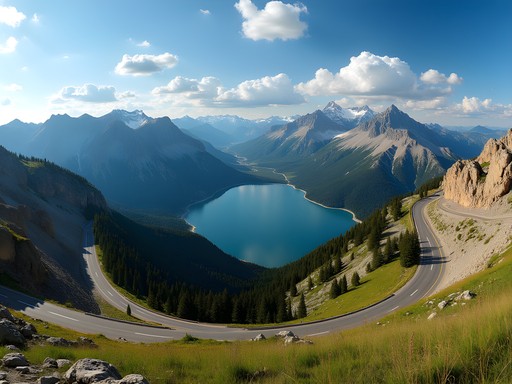
The Sawtooth Range sits 90 minutes north of Meridian via Highway 21—pushing the boundary of what constitutes a day trip, but absolutely worth the drive for families ready for genuine alpine terrain. This is Idaho's signature mountain range, with 57 peaks exceeding 10,000 feet and over 400 mountain lakes carved by Pleistocene glaciation.
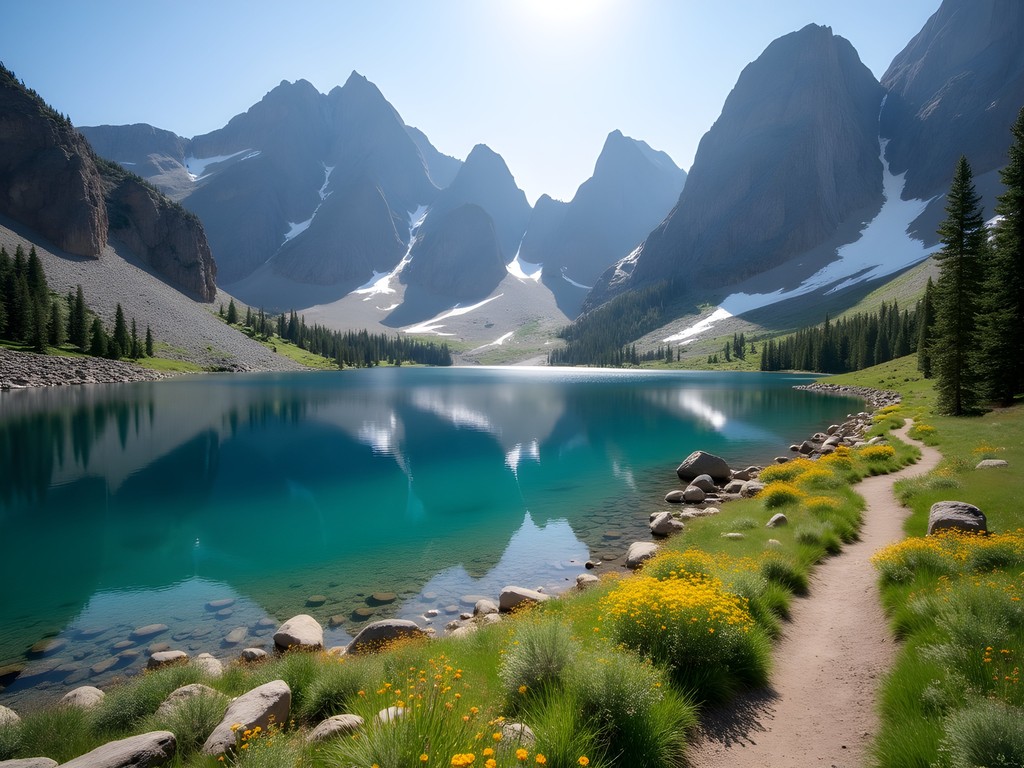
For a family-appropriate introduction to the Sawtooths, the Fishhook Creek Trail to Bench Lakes offers 4.5 miles one-way with 1,400 feet of elevation gain. The trailhead sits at Grandjean, accessible via a 5-mile gravel road off Highway 21. This trail sees moderate traffic and features well-graded switchbacks through lodgepole pine forest before emerging into alpine meadows and lake basins.
What makes this trail work for families is the incremental rewards—you reach the first lake at 3 miles, so kids who are struggling can stop there while stronger hikers continue to the upper lakes. The water is crystal clear but frigid even in August (I measured 52°F last summer), so swimming is brief and enthusiastic rather than leisurely. The granite peaks surrounding the basin create the classic Sawtooth scenery that appears on Idaho license plates.
Packing for a Sawtooth day trip requires more preparation than closer destinations. The elevation at Grandjean is 5,000 feet, and you'll reach 7,200 feet at Bench Lakes—altitude affects kids more than adults realize, so plan for slower pace and more breaks. I always pack a emergency shelter when hiking above 7,000 feet, even on day hikes. Weather changes rapidly at elevation, and having emergency gear is basic risk management.
The drive itself offers scenic value—Highway 21 passes through the historic mining district, crosses Banner Summit at 7,056 feet, and descends into the Sawtooth Valley with mountain views that rival anything in the Rockies. Stop at Grandjean Lodge for pie on the return trip; it's a family tradition for locals and tastes significantly better after hiking 9 miles.
💡 Pro Tips
- Start this hike by 7 AM to complete it before afternoon thunderstorms; lightning above treeline is serious risk
- The gravel road to Grandjean is rough but passable for 2WD vehicles; just drive slowly
- Bring a bear spray—black bear encounters are common in the Sawtooths, particularly near berry patches
Practical Considerations for Mountain Day Trips from Meridian
Successfully executing mountain day trips from Meridian with families requires addressing several practical factors that casual trip reports often overlook. First, vehicle preparation: ensure your cooling system is in good condition before driving mountain grades in summer heat. I've seen multiple overheated vehicles on Highway 21's sustained climbs, and being stranded with kids in 85°F heat is nobody's idea of adventure.
Fuel management matters more than you'd expect. Meridian has abundant gas stations, but once you're on Highway 21 past Idaho City, the next reliable fuel is Stanley—75 miles away. I fill up in Meridian regardless of tank level before heading to the Sawtooths. Similarly, food and water should be packed in Meridian where you have grocery store access and competitive prices.
The elevation changes from Meridian (2,500 feet) to typical hiking destinations (6,000-8,000 feet) create physiological effects that families should anticipate. Kids may experience mild altitude symptoms—headache, fatigue, irritability—above 7,000 feet. Hydration and slow acclimatization help; don't drive from sea level to 8,000 feet and immediately start hiking hard.
Weather patterns in Idaho's mountains follow predictable summer cycles: clear mornings, building cumulus clouds by noon, potential thunderstorms 2-4 PM, clearing by evening. Plan hikes to have you off exposed ridges and summits by 1 PM. I use the NOAA Weather Radio app for mountain forecasts, which are more accurate than general Boise forecasts for elevation-specific conditions.
For families new to mountain hiking, I recommend progressing through destinations: start with Bogus Basin or Lucky Peak, move to Mores Creek trails, then attempt Sawtooth trips once everyone's comfortable with the routine. This builds confidence and reveals each family member's actual capability versus theoretical fitness.
💡 Pro Tips
- Pack a cooler with ice and keep it in the shade—cold drinks after a hot hike transform morale
- Download the FatMap app for 3D terrain visualization; it helps kids understand where they're going and builds excitement
- Bring cash for parking fees and small-town purchases; card readers are unreliable in mountain communities
Final Thoughts
Meridian's rapid growth hasn't diminished its mountain access—if anything, improved infrastructure has made these adventures more feasible for families. The 30-90 minute drive times to genuine wilderness create a sustainable model for regular outdoor engagement rather than once-a-year expeditions that require massive planning.
What impresses me about this region is the diversity of terrain within that accessible radius. You can swim in a mountain reservoir, hike through wildflower meadows, and stand on alpine summits all within a week-long visit. For families wanting to build outdoor competence in their kids, Meridian offers the repetition and variety that develops real skills rather than just checking boxes.
The environmental sustainability angle matters here too. These shorter drive distances mean less fuel consumption and emissions compared to destinations requiring cross-country flights. Supporting Idaho's state parks and national forests through entrance fees and responsible use helps maintain these resources for future generations—something my father taught me matters as much as the adventures themselves.
Start with one destination this summer. Pick a trail that matches your family's current ability, not their aspirational fitness level. Success builds enthusiasm for the next trip, and before you realize it, those mountains visible from Meridian become your regular weekend destination rather than an intimidating unknown.
✨ Key Takeaways
- Meridian provides 30-90 minute access to mountain terrain ranging from 6,000 to 10,000+ feet elevation
- Progress through destinations starting with Bogus Basin and Lucky Peak before attempting Sawtooth day trips
- Weather patterns require early starts—be off exposed terrain by 1 PM during summer thunderstorm season
📋 Practical Information
Best Time to Visit
Late June through September for optimal trail conditions and weather; July offers peak wildflowers
Budget Estimate
$800-1200 per week for family of four including lodging, meals, park fees, and fuel
Recommended Duration
5-7 days to experience range of destinations without rushing
Difficulty Level
Intermediate—trails Range From Easy To Challenging With Options For Various Fitness Levels



Comments
Claire Hawkins
Brian, this really captures what makes Meridian special! We spent two weeks there last summer visiting family, and I was amazed at how quickly you can go from suburban neighborhoods to actual wilderness. The Bogus Basin drive became our go-to evening activity—the sunset views over the valley are incredible. My husband and I also did the Idaho City route you mentioned, and that old mining town vibe is so authentic. One tip for families: the Mores Creek area has some gentler trails that worked perfectly for our 6-year-old. She wasn't ready for anything intense, but we found a lovely creek-side walk where she could splash around. It's that mix of easy access and real nature that we don't have back in Valencia!
blueclimber
How crowded does Lucky Peak get on summer weekends? Thinking about heading there in July with my kids.
Claire Hawkins
It definitely fills up fast! We visited last summer and got there around 8am—parking was already half full. By 10am it was packed. The Sandy Point area is more family-friendly if you have little ones. We brought our own shade tent which was a lifesaver since the beach areas don't have much natural shade. The water was perfect though, and my kids loved it!
blueclimber
Thanks! Early morning it is then :)
Timothy Jenkins
Excellent piece, Brian. I visited Meridian last autumn and was genuinely impressed by how seamlessly it bridges urban convenience with mountain access. Coming from the UK, where our 'mountains' are rather modest by comparison, the scale of what's available within an hour's drive is remarkable. Bogus Basin reminded me a bit of Scottish Highlands accessibility, but with far better weather reliability. The Idaho City corridor is particularly underrated—I found the historical mining towns added a cultural dimension that complemented the outdoor activities nicely. Have you explored any of the hot springs in that area? I stumbled upon a few that weren't heavily touristed.
globeguy
which hot springs?? sounds cool
globeguy
Lucky Peak good for kayaking? heading there in march
Timothy Jenkins
March might be a bit cold still, but the water should be accessible. I'd recommend waiting until late April or May when temperatures are more reliable.
globeguy
cool thanks!
Venture X
Premium card with 2X miles, $300 travel credit, Priority Pass