
Disclosure: This article contains affiliate links. We may earn a commission from purchases at no extra cost to you, which helps our travel content.
When my manufacturing firm sent me to inspect facilities near both Kralendijk, Bonaire and Port Sudan within the same quarter, I immediately recognized an opportunity to compare two drastically different coastal highland environments. What began as back-to-back business trips transformed into an enlightening exploration of how mountains meet sea in two corners of the world rarely mentioned in the same breath. Both regions offer surprisingly accessible highland adventures for the prepared solo traveler, though each demands a unique approach to navigation, safety, and cultural awareness.
Bonaire's Washington Slagbaai National Park: Unexpected Caribbean Heights
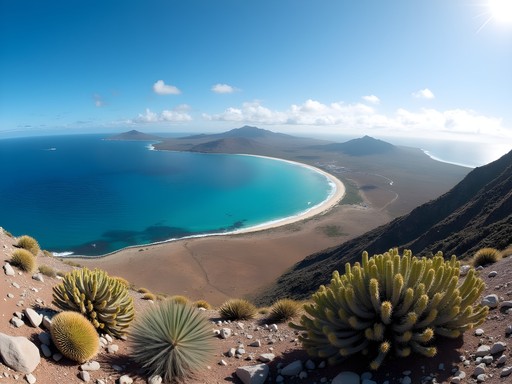
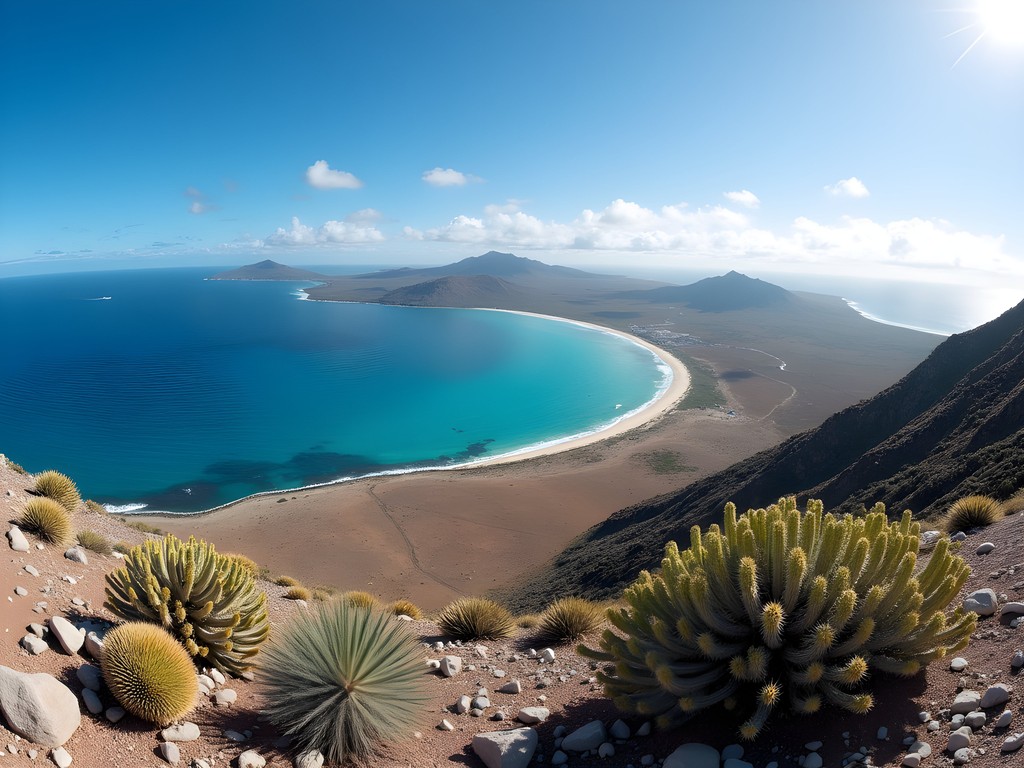
Most travelers associate Bonaire with world-class diving rather than mountainous terrain, which creates a perfect opportunity for solitude in the island's northern highlands. Washington Slagbaai National Park houses Brandaris, Bonaire's highest point at a modest 784 feet, but don't let the elevation fool you—the rugged limestone formations and desert-like conditions create surprisingly challenging hiking conditions.
During my three-day extension after visiting our manufacturing partner in Kralendijk, I discovered that early morning hikes (starting no later than 7:00 AM) are essential to avoid the punishing Caribbean sun. The park's one-way road system requires strategic planning, especially if you're hoping to tackle multiple trails in a day. I recommend renting a 4WD vehicle rather than relying on taxis, as public transportation to the park is virtually non-existent.
The Subida Brandaris trail delivers an unexpectedly rigorous 45-minute climb over loose rocks and cacti-dotted terrain. At the summit, I found myself alone with panoramic views stretching across the entire island and even glimpses of Venezuela on a clear day. For proper footing on these trails, my hiking boots provided essential ankle support on the uneven terrain.
💡 Pro Tips
- Arrive at Washington Slagbaai National Park when gates open at 8:00 AM to maximize hiking time before peak heat
- Carry at least 3 liters of water per person—there are no water sources on trails
- The park's one-way road system means you can't backtrack—plan your stops carefully
Navigating Port Sudan's Red Sea Hills
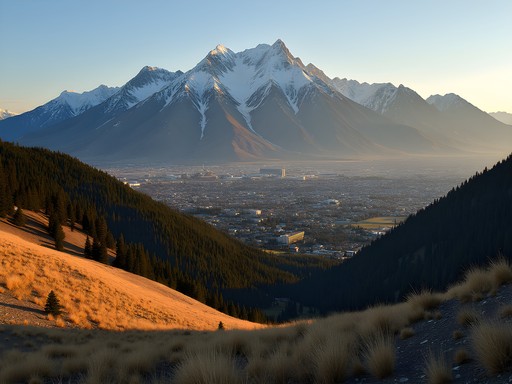
The Red Sea Hills near Port Sudan present a stark contrast to Bonaire's accessible terrain. Rising dramatically from the coastline, these ancient mountains demand more serious preparation but reward the determined traveler with virtually untouched landscapes. After completing my manufacturing consultation in Port Sudan, I dedicated five days to exploring these underappreciated highlands.
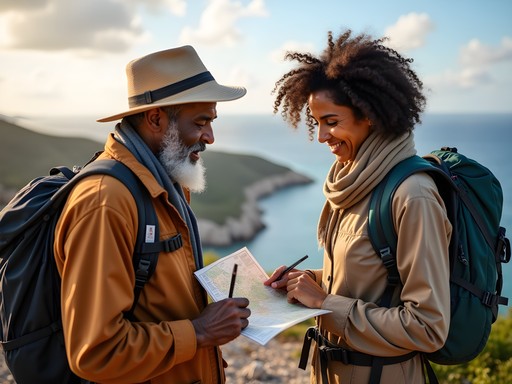
Unlike Bonaire's established national park, the Red Sea Hills require local guidance. I connected with Mahmoud, a guide recommended by my hotel's management, who arranged our transportation and necessary permits. The bureaucratic process for hiking here isn't streamlined for tourists, making advance planning crucial. My document organizer became unexpectedly essential for keeping track of the various permits and identification papers required for checkpoints.
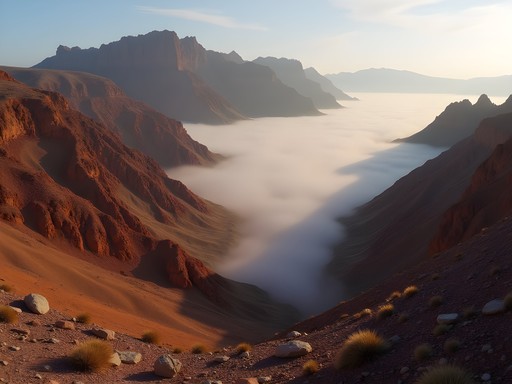
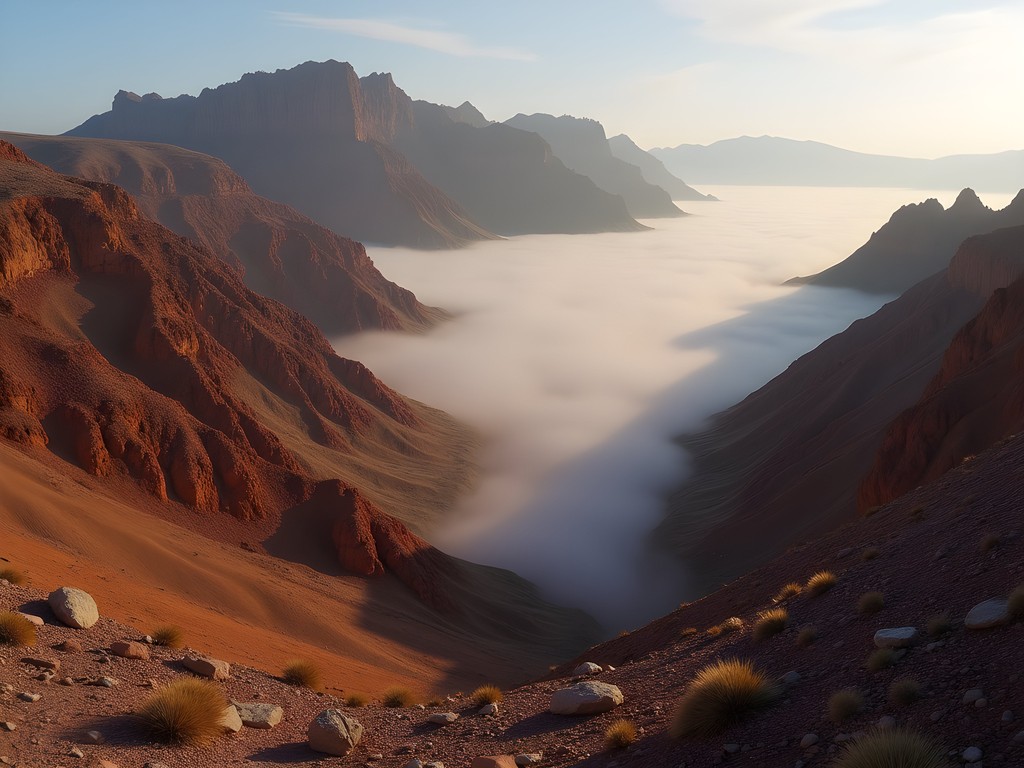
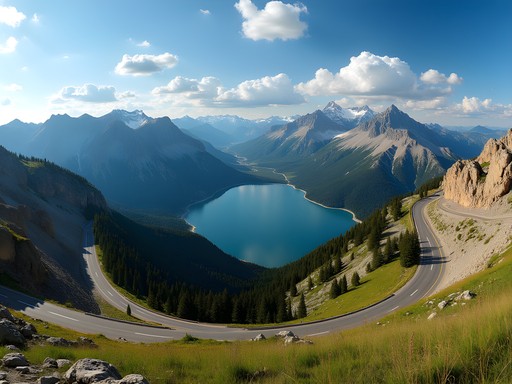
The terrain transitions rapidly from coastal plains to dramatic igneous formations, with some peaks exceeding 7,000 feet. We focused on the Erkowit region, about two hours from Port Sudan, where abandoned British colonial hill stations provide fascinating historical context amid surprisingly lush vegetation. The microclimate here creates foggy conditions even during winter, offering welcome relief from Sudan's characteristic heat.
💡 Pro Tips
- Secure a reputable local guide through your hotel or a recognized tour operator—independent hiking is not advisable
- Budget extra time for obtaining necessary permits and clearing security checkpoints
- Pack layers—temperature variations between coast and highlands can exceed 25°F
Equipment Essentials for Coastal Highland Exploration
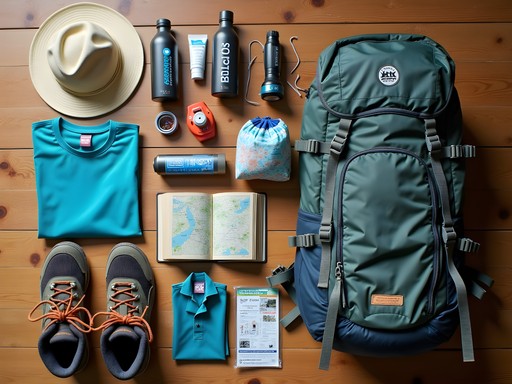
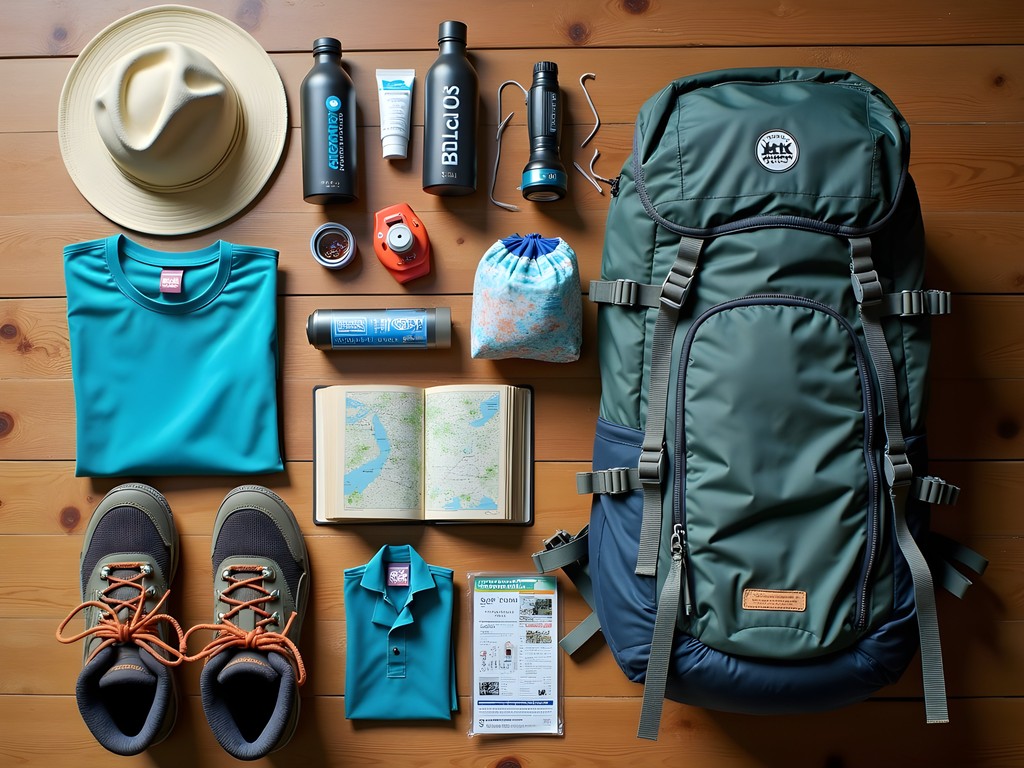
The contrasting environments of Bonaire and Sudan demand thoughtfully curated gear. For both locations, I relied on my hiking daypack which balances capacity with weight considerations—critical when hiking in heat. The side pockets easily accommodate water bottles, while the main compartment has sufficient space for safety essentials and layers.
Bonaire's intense UV exposure necessitates serious sun protection. Beyond standard sunscreen, my sun hoodie provided crucial coverage without overheating. The limestone terrain quickly shredded my first pair of hiking socks, teaching me to pack extras.
For Sudan, I added specialized gear: a dust mask for occasional sandstorms and a portable water filter as backup for my carried supply. The temperature fluctuations between coastal Port Sudan and the highlands meant carrying both lightweight clothing and a fleece layer.
Both destinations require careful attention to footwear. The sharp limestone in Bonaire and loose scree in Sudan's highlands will destroy inadequate hiking shoes. After testing multiple options across my travels, I've found mid-ankle boots with Vibram soles offer the best combination of support and durability for these challenging coastal mountain environments.
💡 Pro Tips
- Pack twice as many pairs of hiking socks as you think you'll need—rough terrain is brutal on footwear
- Use a hydration bladder rather than bottles for easier access to water while navigating difficult terrain
- Test all equipment before your trip—both destinations have limited options for replacing gear

Cultural Navigation: The Human Landscape
Perhaps the starkest contrast between these destinations lies not in their physical geography but in their cultural landscapes. Bonaire's tourism infrastructure makes solo travel straightforward, with English widely spoken and familiar Western conveniences readily available. I stayed at the charming Goood Resort Bonaire, a small eco-conscious property whose staff provided invaluable local hiking insights beyond typical tourist information.
Sudan presents a more complex proposition for the solo female business traveler. While I found Sudanese people overwhelmingly hospitable, the country's conservative social norms require thoughtful adaptation. I packed a travel scarf that served multiple purposes: sun protection, modest covering when appropriate, and an impromptu picnic blanket during breaks on our hikes.
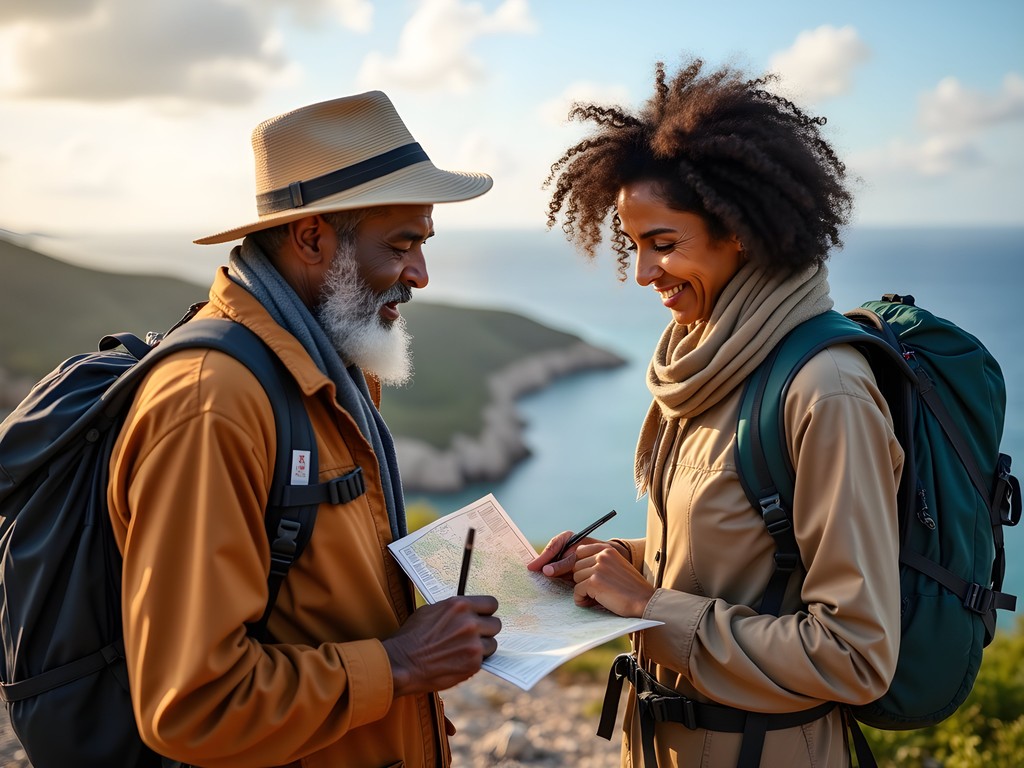
In Port Sudan, relationship-building proved essential. My guide Mahmoud initially seemed reserved, but after sharing meals and conversations about our respective families, he went above and beyond to show me hidden mountain paths that aren't in any guidebook. When our vehicle developed a flat tire on a remote mountain road, his local connections meant help arrived within an hour—a reminder that in certain destinations, human connections are your most valuable resource.
💡 Pro Tips
- Learn basic Arabic phrases before visiting Sudan—even simple greetings open doors to meaningful connections
- In Bonaire, connect with the local hiking community through the STINAPA visitor center for current trail conditions
- Respect photography protocols—in Sudan, always ask permission before photographing people or government buildings
Logistical Realities: Transportation & Accessibility
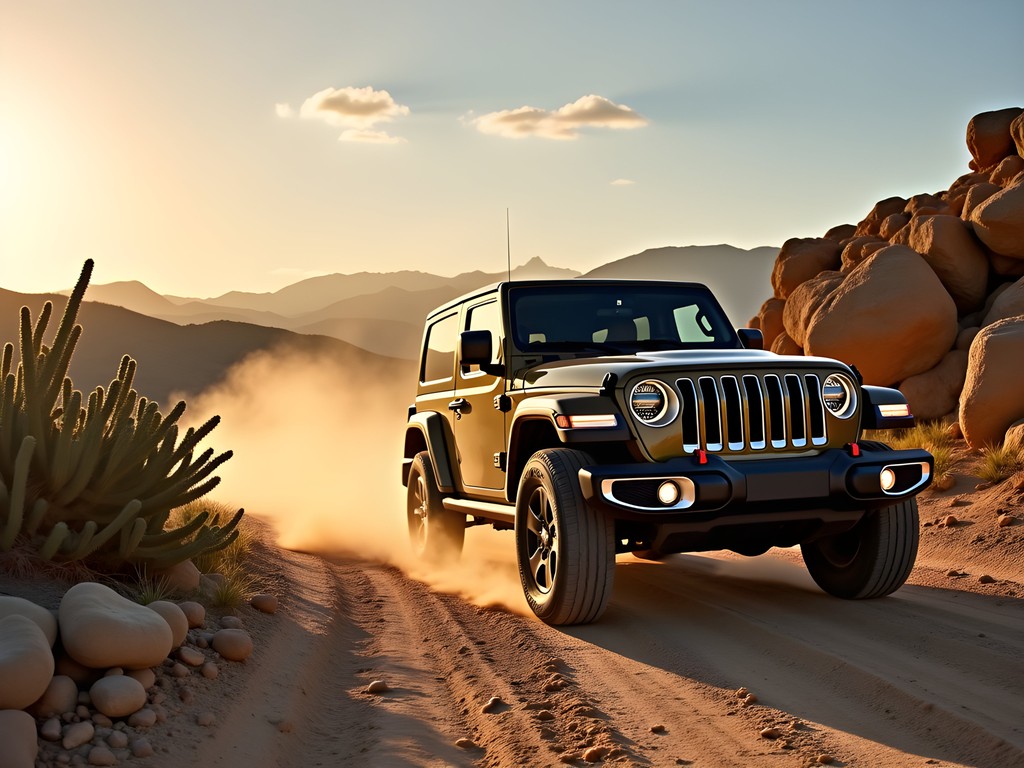
Transportation logistics define the accessibility of both destinations' mountain regions. In Bonaire, I rented a 4WD vehicle directly at Flamingo Airport, giving me the freedom to explore Washington Slagbaai National Park according to my own schedule. The island's compact size means even the most remote trailheads are within an hour's drive from Kralendijk.
Sudan requires more complex arrangements. Port Sudan has limited rental options, and those available rarely meet Western safety standards. Instead, I arranged transportation through my hotel, with a driver and vehicle for the duration of my exploration. This added significantly to my budget but eliminated countless logistical headaches. The Red Sea Hills' remote locations mean carrying comprehensive emergency supplies is non-negotiable—cell service is virtually non-existent once you leave the main highways.
Both destinations suffer from limited public transportation to their highland regions. As a solo female traveler, I found Bonaire infinitely more accessible for independent exploration, while Sudan's mountains demanded a more structured approach with local support. That said, the extra effort required for Sudan yielded proportionally greater rewards in terms of solitude and untouched landscapes.
💡 Pro Tips
- Book 4WD vehicles well in advance for Bonaire—the limited rental fleet often sells out during high season
- In Sudan, negotiate transportation packages that include driver, fuel, and maintenance rather than daily rates
- Download offline maps for both destinations—Google Maps coverage is spotty in remote areas
Final Thoughts
Comparing Bonaire's accessible Caribbean highlands with Sudan's remote Red Sea mountains reveals a fundamental truth about adventure travel: the most rewarding experiences often emerge from unexpected destinations. As a business traveler who has transformed countless work trips into meaningful explorations, I've rarely encountered such a fascinating study in contrasts as these two coastal mountain regions.
Bonaire offers the perfect entry point for solo travelers seeking to combine Caribbean relaxation with moderate mountain adventure—all within a comfortable, logistically straightforward framework. Sudan's Red Sea Hills demand significantly more preparation, cultural sensitivity, and tolerance for uncertainty, but reward the persistent with truly off-the-beaten-path experiences that few Western travelers will ever witness.
Whichever coastal highland environment calls to you, remember that the key to meaningful mountain experiences lies in thorough preparation balanced with flexibility. Pack appropriately, respect local customs, build relationships with knowledgeable locals, and maintain an open mind when plans inevitably shift. The mountains—whether limestone formations bathed in Caribbean light or ancient igneous peaks rising from the Red Sea coast—have stood for millennia. They have much to teach the business traveler willing to extend their stay and venture beyond the meeting room.
✨ Key Takeaways
- Both destinations require early morning starts to avoid intense heat, though Sudan's highlands offer more temperature variation
- Solo female travelers will find Bonaire significantly more accessible, while Sudan offers deeper cultural immersion and more pristine landscapes
- Proper footwear, sun protection, and water capacity are non-negotiable for both destinations
📋 Practical Information
Best Time to Visit
December-February for both destinations (winter dry season)
Budget Estimate
$2,500-3,500 for Bonaire (7 days), $3,500-5,000 for Sudan (7 days) including guides
Recommended Duration
Minimum 3 days in Bonaire's highlands, 5 days for Sudan's Red Sea Hills
Difficulty Level
Moderate For Bonaire, Challenging For Sudan
Comments
mountainchamp
The photos are amazing!
winterguy3396
Love this comparison! Did Bonaire in 2024 and the contrast between the desert hiking and then jumping in the ocean was unreal. Pro tip for anyone going - rent a truck if you can afford it. The roads in Slagbaai are ROUGH. We had a little sedan and definitely scraped bottom a few times. Also the cacti there are no joke, wore my hiking gaiters and still got poked through. The views from Brandaris hill made it all worth it though!
Hunter Thompson
Abigail, this is brilliant! I've been to Bonaire twice but never thought about it as a hiking destination - always just focused on the diving. Your comparison with Sudan is fascinating. Question about the Red Sea Hills - you mentioned cultural navigation being key. Did you arrange guides before arriving or is it better to sort that in Port Sudan? Heading to East Africa in a few months and seriously considering adding Sudan to the itinerary now.
wanderlustbackpacker
Not Abigail but I arranged mine through a contact in Khartoum before heading to Port Sudan. Way easier than trying to sort it on arrival.
redtime
Sudan looks incredible but seems complicated to visit?
wanderlustbackpacker
It's definitely more challenging logistically. Visa process took me about 3 weeks and you really need a local guide for the Red Sea Hills. But honestly worth it - saw maybe 5 other tourists the entire time I was there. The remoteness is part of the appeal if you're into that kind of adventure.
mountainchamp
Wait, Bonaire has actual mountains?? I thought it was just diving and beaches lol. How hard are the trails in Washington Slagbaai?
winterguy3396
Right?? I was shocked too when I went last year. They're not super technical but it's HOT and exposed. Bring way more water than you think you need.
mountainchamp
Good to know, thanks!
Casey Andersson
Abigail, this comparison is absolutely fascinating! I visited Bonaire last year but stayed mostly on the diving side of things - completely missed the highland hiking opportunities. Your description of the Red Sea Hills has me intrigued though. I've been looking for more off-the-beaten-path destinations that combine coastal and mountain elements. The cultural navigation section really resonated with me too. Did you work with local guides in Sudan, and if so, how did you arrange that from overseas? The logistics seem daunting but the payoff looks incredible.
Abigail Matthews
Thanks Casey! Yes, I worked with a Port Sudan-based guide company that my company's local contact recommended. Honestly wouldn't have been possible without that connection. If you're serious about it, happy to share details via email!
moonguy
This is wild! I did Washington Slagbaai back in 2024 and had no idea Sudan had similar terrain. The hiking in Bonaire was way tougher than I expected for a Caribbean island - those limestone cliffs are no joke. How was the accessibility difference between the two? I'm guessing Sudan requires way more planning?
Abigail Matthews
Yes! Sudan definitely requires more advance planning - permits, local guides are basically mandatory, and infrastructure is minimal. Bonaire you can literally rent a truck and go. But both surprised me with their ruggedness!
moonguy
Makes sense. Bonaire is definitely on my list to go back to
waveexplorer
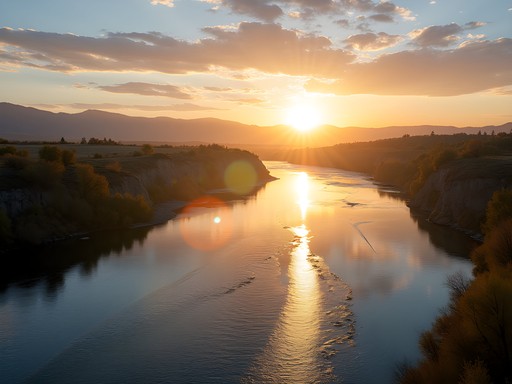
Those sunset photos from the Red Sea Hills are INCREDIBLE! Never would have thought to compare these two places but it totally works. Adding both to my bucket list!
mountainperson6563
Great post! What kind of footwear would you recommend for these coastal highlands? Planning a similar trip soon.
cityking
Not the author, but I used lightweight hiking boots in Bonaire and they were perfect - enough ankle support for the rocky terrain but not too hot. Can't speak for Sudan though!
Abigail Matthews
Cityking's recommendation is spot on for Bonaire! For Sudan, I'd definitely go with closed, sturdy hiking boots with good ankle support. The terrain in the Red Sea Hills can be quite loose and rocky, and medical facilities are limited if you get injured.
sunnylife
Bonaire looks amazing! Added to my bucket list!
Venture X
Premium card with 2X miles, $300 travel credit, Priority Pass