

Disclosure: This article contains affiliate links. We may earn a commission from purchases at no extra cost to you, which helps our travel content.
When my manufacturing company sent me to Tokyo for meetings last October, I immediately blocked off the following weekend for Hakone. After 15 years of maximizing business trips for personal exploration, I've learned that 48 hours is all you need to experience mountain magic – if you know where to go. Hakone isn't just another tourist destination; it's a masterclass in efficient travel with extraordinary rewards. Just 90 minutes from Tokyo by train, this volcanic region offers couples an ideal blend of active adventure and romantic relaxation with its hidden hiking trails and authentic mountain onsen (hot springs). As someone who's trekked mountain regions across three continents, I can confidently say Hakone's autumn landscape – with its fiery maples framing that iconic Mount Fuji silhouette – rivals anything I've experienced in the Rockies or Alps. Let me show you how to transform a simple weekend into a rejuvenating mountain retreat that will strengthen your connection with both nature and each other.

Getting to Hakone: The Efficient Business Traveler's Route
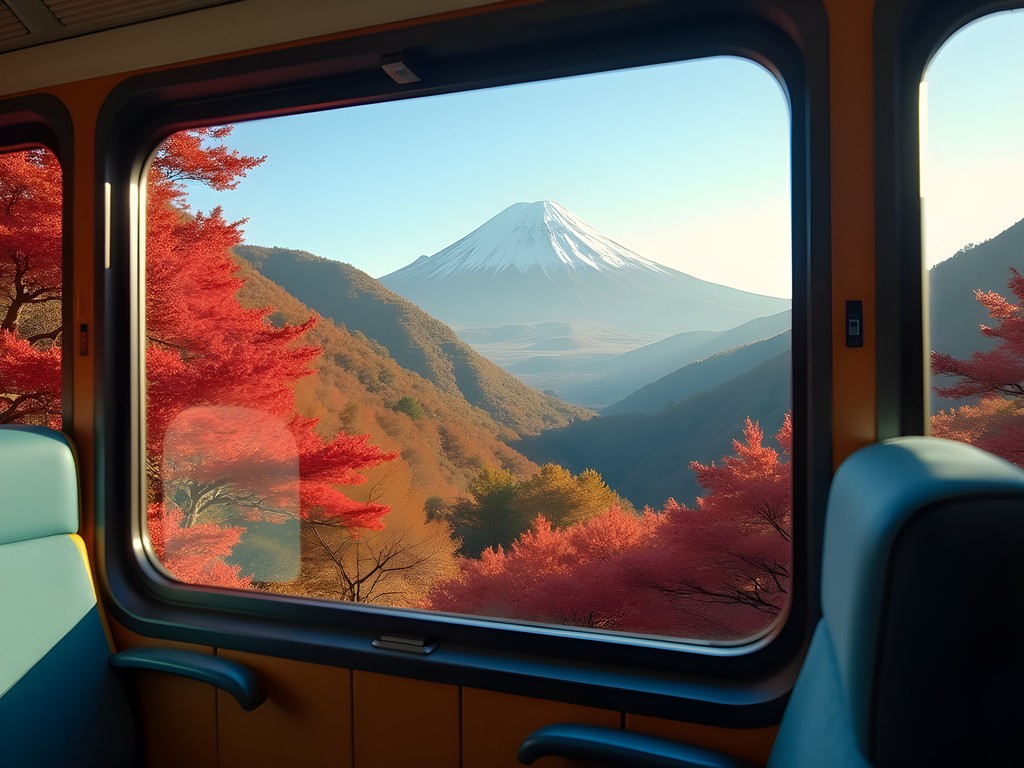
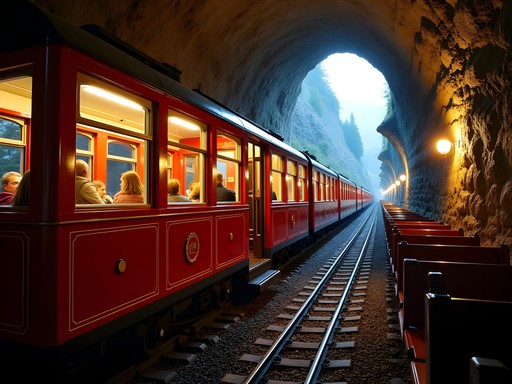
After wrapping up Friday meetings in Tokyo, I headed straight to Shinjuku Station with nothing but my trusty travel backpack packed with weekend essentials. This is where Hakone's efficiency truly shines – the Romancecar limited express train whisks you from urban chaos to mountain serenity in just 85 minutes.
I've navigated public transportation across Scandinavia, Switzerland, and beyond, but Japan's system remains unmatched. Purchase the Hakone Free Pass at Shinjuku Station (¥5,700 for a 2-day pass) for unlimited access to the region's comprehensive transportation network – trains, buses, cable cars, ropeways, and even a pirate ship across Lake Ashi. Yes, a pirate ship.
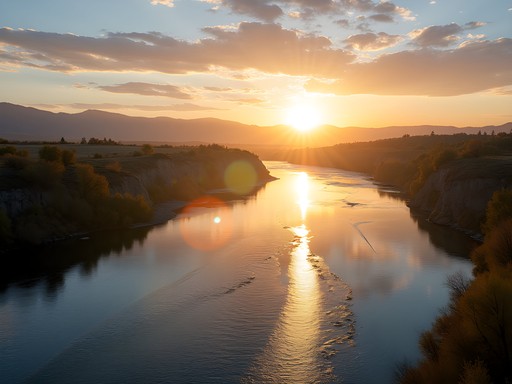
The journey itself becomes part of the experience as you transition from bullet-fast railways to winding mountain switchbacks. I arrived at Hakone-Yumoto Station by 6:30 PM, just as the setting sun cast an amber glow across the forested mountains. From there, local buses connect to accommodations throughout the region.
What continually impresses me about Japanese transportation is the precision. When schedules indicate a 4:27 PM departure, the train pulls away at exactly 4:27 PM. As someone who values efficiency in both my professional and travel life, this reliability allows me to maximize every minute of a short getaway without the stress of transportation uncertainties.
💡 Pro Tips
- Purchase the Hakone Free Pass in Tokyo to save money and avoid ticket lines in Hakone
- Download the Japan Transit Planner app for real-time schedule updates and route planning
- Arrive at Hakone-Yumoto by late afternoon on Friday to enjoy a relaxing evening onsen before Saturday's hiking
Hakone's Hidden Hiking Trails: Beyond the Tourist Routes
While most visitors stick to the well-trodden Hakone Round Course, my manufacturing background has taught me that the most efficient systems often have underutilized pathways – the same applies to hiking trails. On Saturday morning, I set out at dawn (a habit from production floor schedules I can't seem to break) to explore the Old Tokaido Highway, once the main route connecting Tokyo and Kyoto during the Edo period.
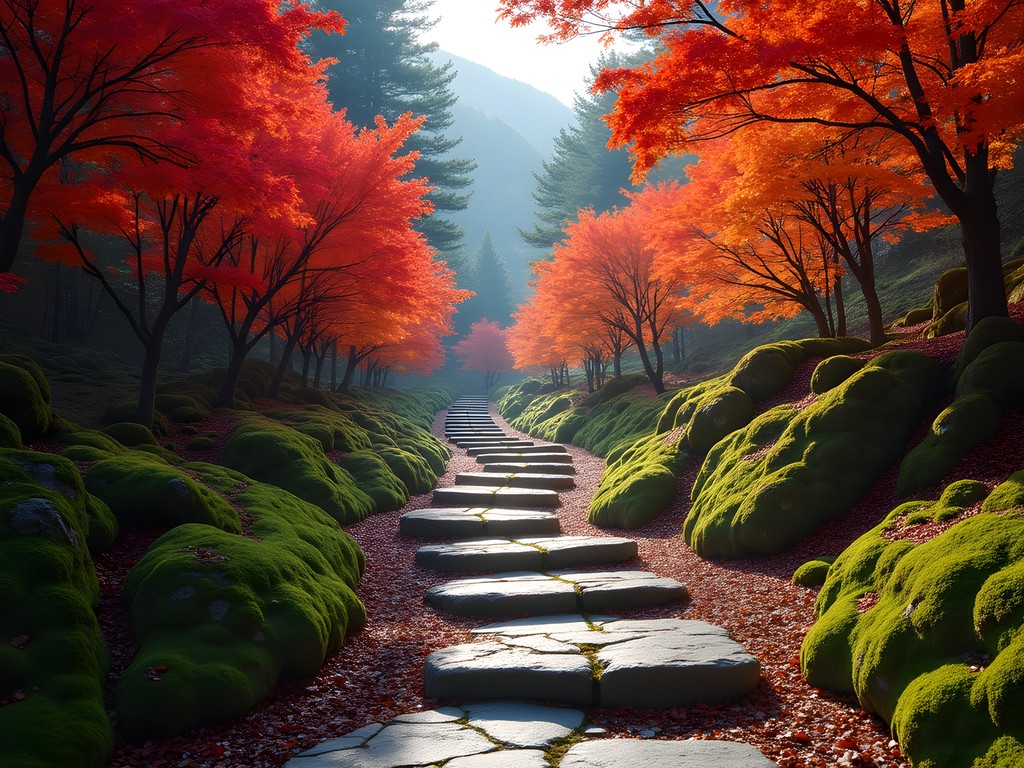
The ancient stone-paved path between Hatajuku and Moto-Hakone offers a 6-mile moderate hike through towering cedar forests with minimal crowds. The trail is well-marked but wonderfully serene – I passed only four other hikers during my three-hour journey. Pack your hiking poles for the steeper sections; they saved my knees on several particularly challenging descents.
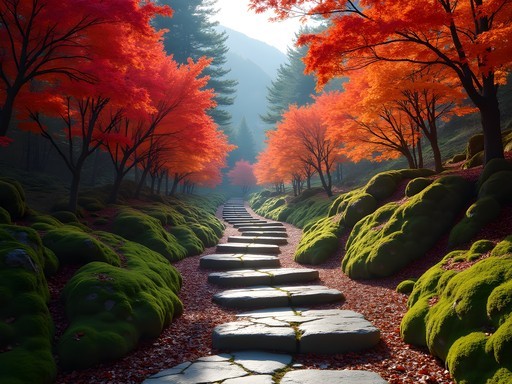
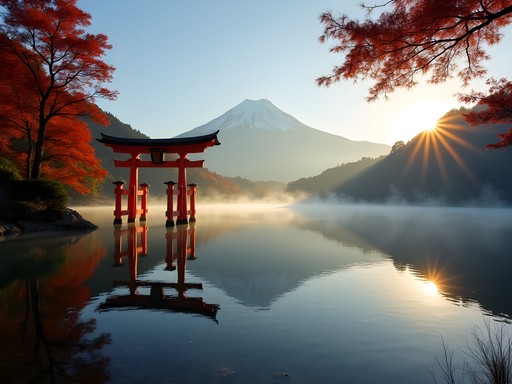
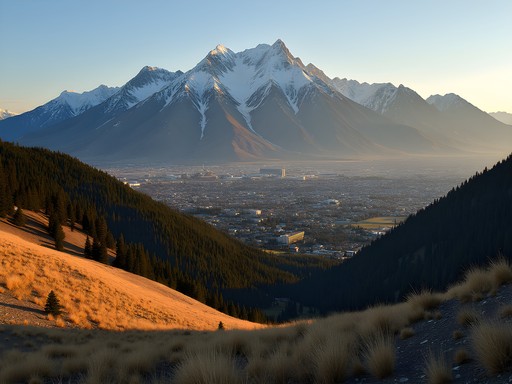
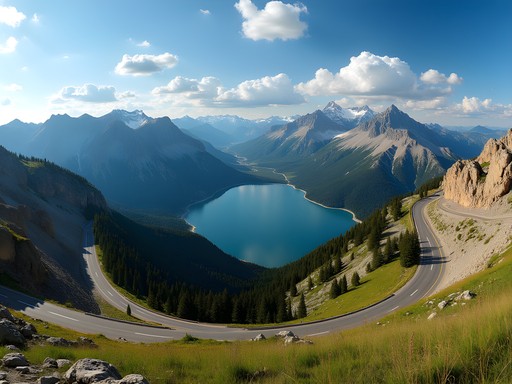
What makes this trail particularly special in fall is the contrast between the deep green cedars and the explosive crimson Japanese maples. Around the 3-mile mark, the path opens to a clearing that frames Mount Fuji perfectly across Lake Ashi – I literally gasped at the sight of that snow-capped cone rising above a foreground of autumn fire.
For couples seeking a more challenging route, the Owakudani Trail provides an otherworldly experience through an active volcanic valley with bubbling sulfur vents. The landscape resembles something between Iceland and Mars – steam rising from the barren earth while that perfect Fuji silhouette looms in the background. Just be prepared for the strong sulfur smell and check volcanic activity reports before heading out, as the area occasionally closes due to increased activity.
💡 Pro Tips
- Start hiking early (7-8 AM) to avoid both crowds and afternoon cloud cover that often obscures Mount Fuji
- The Cedar Avenue section of the Old Tokaido Highway offers the best fall foliage viewing spots
- Pack a light lunch to enjoy at the Amazake-chaya teahouse, a 350-year-old rest stop along the ancient highway
Mountain Onsen Experiences: Authentic Relaxation After the Trek
After a day of hiking, there's nothing more rewarding than soaking in a natural hot spring while gazing at mountain vistas. This is where Hakone truly excels as a couple's destination – the region offers some of Japan's most scenic onsen experiences.
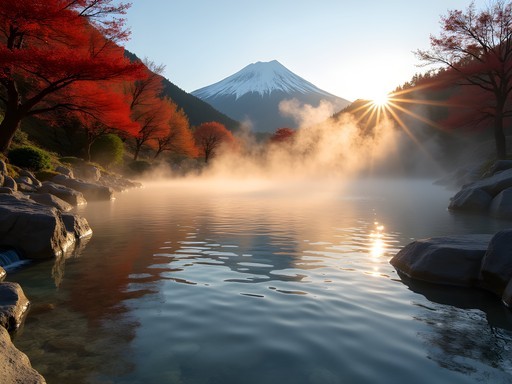
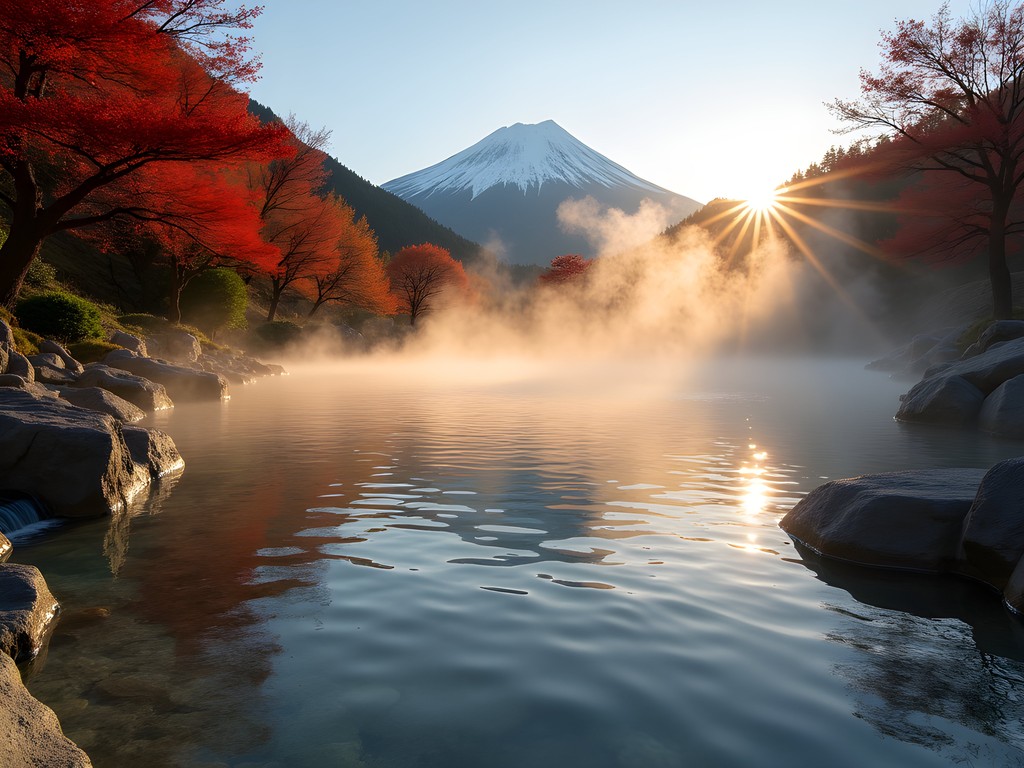
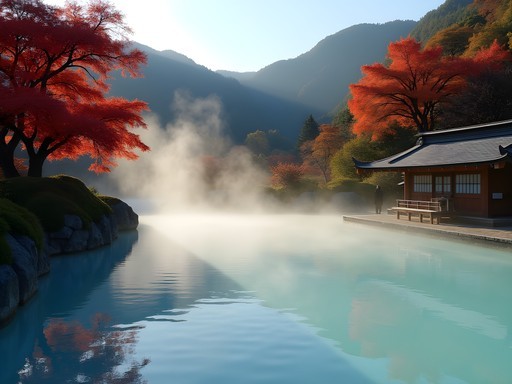
Having visited thermal baths across multiple continents, I can attest that Hakone's outdoor baths (rotenburo) provide an unparalleled connection between relaxation and nature. Tenzan Onsen became my personal favorite with its multiple outdoor pools set among bamboo forests and maple trees. At ¥1,300 per person, it offers excellent value compared to private ryokan baths while maintaining an authentic atmosphere.
For couples, I recommend timing your visit for sunset (around 5 PM in fall). The changing light creates a magical ambiance as steam rises from the mineral-rich waters into the cooling evening air. Just remember that most public onsen are gender-separated, though some ryokans offer private family baths (kashikiri-buro) that couples can reserve.
The onsen etiquette can initially seem intimidating to Westerners – yes, you'll be completely nude, and yes, you must thoroughly wash before entering the baths. Having navigated this cultural difference in various countries, I've found that bringing a small quick-dry towel provides comfort during transitions between washing areas and baths.
What struck me most was how the onsen experience transformed my perspective on efficiency. In manufacturing, efficiency often means maximizing output while minimizing time. But in an onsen, efficiency means maximizing presence – fully inhabiting a moment of tranquility. My teenage daughter would hardly believe I spent two hours doing absolutely nothing but soaking and stargazing.
💡 Pro Tips
- Visit onsen facilities between 3-5 PM to avoid both the morning and evening crowds
- Remove all jewelry before entering mineral-rich waters to prevent discoloration
- Learn the basic onsen etiquette phrases in Japanese to show respect (the staff appreciates the effort)

Hakone's Ryokan Experience: Traditional Luxury Within Reach
For business travelers accustomed to chain hotels, a traditional ryokan inn offers a refreshing departure without sacrificing comfort. After years of sterile corporate accommodations, I've learned that authentic lodging transforms a trip from observation to immersion. Hakone features ryokans across all budget ranges, but I found the sweet spot in the mid-range category.
I stayed at Yoshimatsu, a 100-year-old traditional inn perched on a hillside overlooking Lake Ashi. At approximately ¥30,000 per couple (about $200-250 USD), it includes a multi-course kaiseki dinner and traditional Japanese breakfast. While this might seem steep compared to standard hotels, the value becomes apparent when you experience the comprehensive service and culinary artistry.
Your ryokan experience begins with a welcoming tea ceremony where staff members explain the property's amenities and dinner timing. You'll be provided with yukata robes and tabi socks – comfortable attire that's appropriate for both lounging in your room and visiting the property's onsen baths.
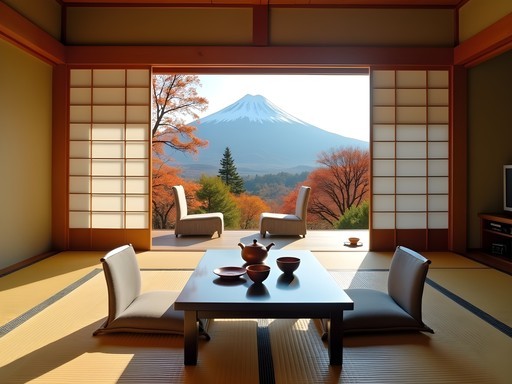
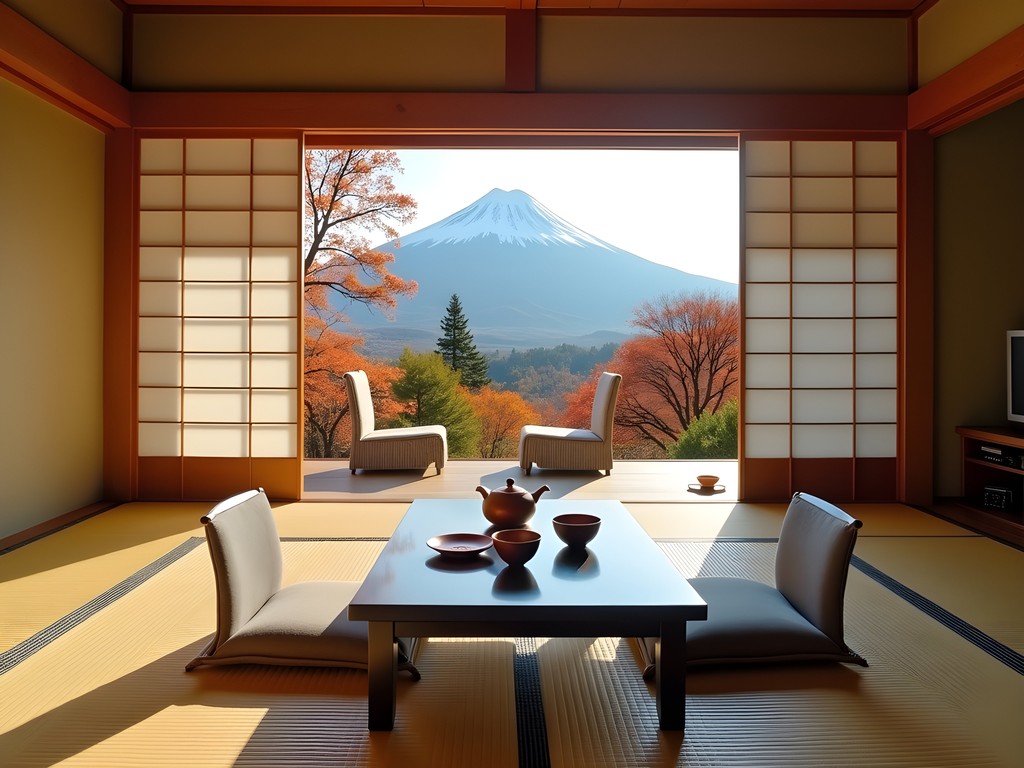
The rooms themselves feature tatami mat flooring, sliding paper doors, and minimalist aesthetics that create a sense of calm impossible to achieve in Western hotels. After dinner, staff members will transform your sitting area into a sleeping space by laying out futon bedding. I was initially concerned about sleeping on the floor (especially after hiking), but found the experience surprisingly comfortable with the travel pillow I always pack for long flights.
What truly distinguishes a ryokan stay is the attention to detail – from seasonal flower arrangements to the precise temperature of your tea. As someone who manages production timelines and quality control professionally, I found myself taking mental notes on how these traditional inns have perfected the art of service efficiency without sacrificing the human touch.
💡 Pro Tips
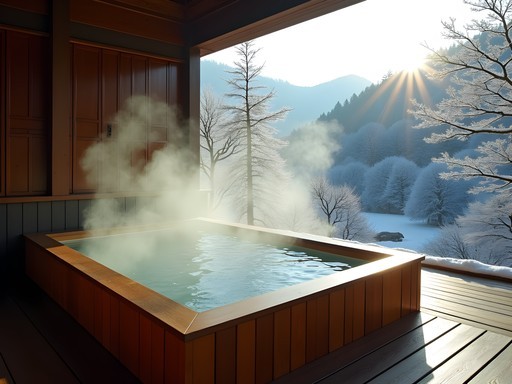
- Book a room with a private bath (many have outdoor tubs with mountain views) for the ultimate couple's experience
- Request dinner in your room for a more intimate dining experience rather than the communal dining hall
- Arrive at least an hour before dinner time to fully enjoy the welcome ceremony and property amenities
The Hakone Open-Air Museum: Unexpected Mountain Culture
While Hakone's natural beauty justifiably takes center stage, I was surprised by the cultural richness tucked between its mountain folds. The Hakone Open-Air Museum (Hakone Chokoku No Mori Bijutsukan) offers a perfect Sunday morning activity before heading back to Tokyo, especially if weather conditions turn less favorable for hiking.
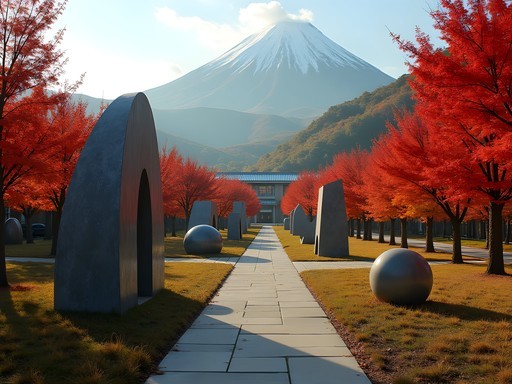
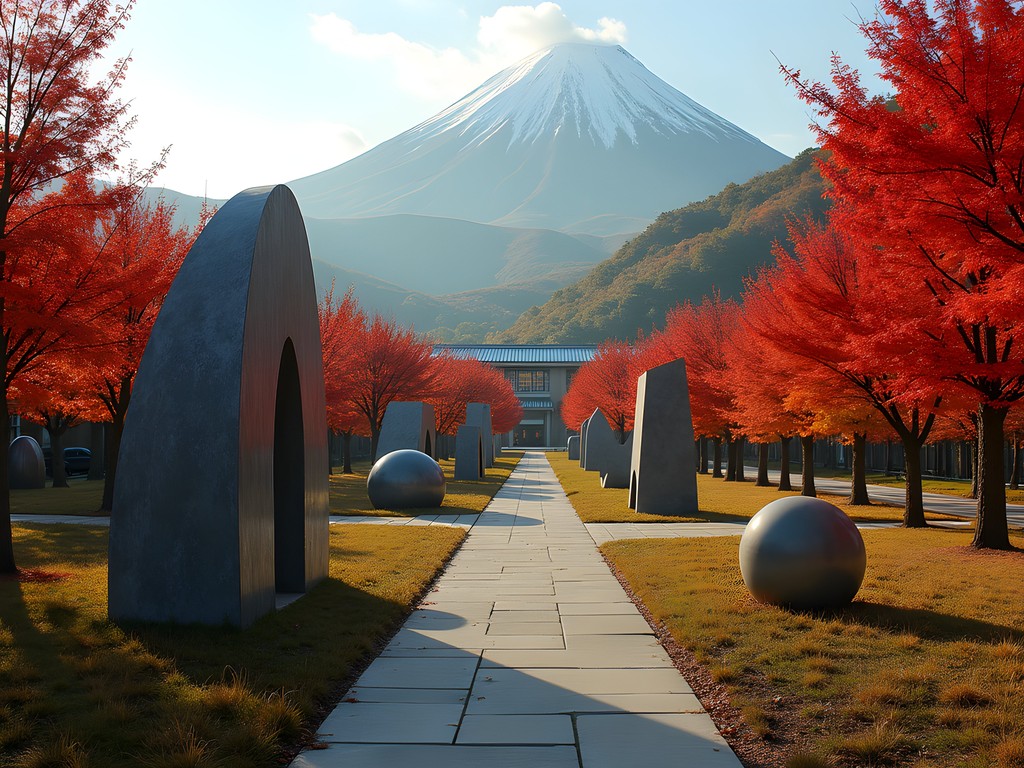
Set against the backdrop of forested mountains, this outdoor sculpture park features over 100 modern art installations across sprawling grounds. What makes this museum particularly special is the harmonious integration of art with the natural environment – massive Henry Moore bronzes stand against mountain panoramas while Picasso's collection resides in a dedicated pavilion.
As someone who spends weekdays analyzing production efficiency, I found unexpected joy in the museum's symphonic stained-glass tower. Climbing the spiral staircase through kaleidoscopic light patterns provided a meditative counterpoint to my typically data-driven mindset.
For couples, the museum's various foot baths offer a romantic opportunity to rest between exhibits. Imagine soaking your feet in natural hot spring water while discussing the artworks you've just experienced – it's an intimate cultural experience unique to Hakone.
The museum café provides surprisingly excellent coffee and light meals with mountain views. I found myself lingering over lunch with my travel journal, sketching rough outlines of sculptures that particularly moved me and jotting down thoughts about how the art related to the surrounding landscape. These quiet moments of reflection have become some of my most treasured travel memories.
💡 Pro Tips
- Visit first thing Sunday morning (the museum opens at 9 AM) to photograph the sculptures without crowds
- Don't miss the Picasso Pavilion, which houses over 300 pieces by the master artist
- Bring a small towel for the foot baths scattered throughout the grounds
Final Thoughts
As my train pulled away from Hakone Sunday afternoon, I watched Mount Fuji's perfect cone recede into the distance, feeling that rare satisfaction of a weekend maximized. In just 48 hours, I'd hiked ancient pathways, soaked in healing waters, slept on tatami mats, and contemplated art against mountain vistas. Hakone exemplifies what I've learned through years of business travel: efficiency doesn't mean rushing through experiences, but rather making deliberate choices that yield the richest returns. For couples seeking to strengthen their connection through shared adventure, Hakone's blend of active exploration and restorative relaxation creates the perfect balance. Whether you're extending a business trip like me or planning a dedicated getaway, these hidden trails and mountain onsen offer an authentic Japanese experience that feels worlds away from Tokyo, despite being just 90 minutes by train. Pack light, plan smart, and prepare to be transformed by the magic of Mount Fuji's watchful silhouette.
✨ Key Takeaways
- Hakone offers the perfect balance of active adventure and romantic relaxation for couples
- Fall provides optimal conditions with comfortable hiking temperatures and spectacular foliage
- The region is easily accessible as a weekend trip from Tokyo with excellent public transportation
- Combining hidden hiking trails with authentic onsen experiences creates a uniquely Japanese mountain getaway
📋 Practical Information
Best Time to Visit
Mid-October to late November for fall foliage; April for cherry blossoms
Budget Estimate
$350-500 per couple for a weekend (including mid-range ryokan, meals, transportation, and activities)
Recommended Duration
2-3 days (perfect weekend extension to a Tokyo business trip)
Difficulty Level
Moderate - Some Hiking Trails Have Steep Sections Requiring Decent Fitness

Comments
Frank Garcia
Just got back from Hakone and had to come thank you for this post! Your hiking trail recommendations were spot on - we did the path from Owakudani to Togendai and the views were incredible. Way less crowded than the main tourist spots. We lucked out with clear weather and got perfect Fuji views from our ryokan's onsen. One tip for others: we found that starting hikes early (before 8am) meant we had trails almost to ourselves and better chances of clear Fuji views before afternoon clouds roll in. The Hakone Free Pass was definitely worth it!
AbigailM
So glad you had a great time, Frank! You're absolutely right about the early start - I should have emphasized that more in my post. Did you try any of the local specialties? The Hakone-yosegi wood crafts make amazing souvenirs too.
SakuraDreams
Going to Tokyo for work next month and considering this exact side trip. Is it doable in just one night or would you recommend two?
AbigailM
One night works if you're tight on time, but I'd recommend two if possible. Gives you time to actually enjoy the onsen experience without rushing. The hiking is worth a full day on its own!
Amit Sullivan
Your ryokan experience resonates deeply with my own visits to traditional Japanese accommodations. There's something profoundly meditative about that evening ritual - the kaiseki dinner, the yukata, the private onsen under the stars. I stayed at a small family-run ryokan in Hakone back in 2019, and the okami-san (proprietress) shared stories about her grandmother running the same inn during the Showa period. These places are living museums of hospitality culture. The business traveler angle is brilliant, by the way. I've met so many Tokyo-based professionals who've never explored Hakone properly despite it being on their doorstep.
happymaster
that sounds amazing! hoping to find a place like that
wavemood
Going next month! Can't wait
TravelBug42
Those onsen photos are incredible! Adding this to my bucket list immediately!
Sarah Powell
Really appreciate the detail on transportation logistics, Abigail. I've been analyzing the Hakone Free Pass economics for an upcoming post and your breakdown confirms my research. One thing I'd add for solo travelers: the pass becomes even more cost-effective if you factor in the flexibility it provides. I stayed an extra day specifically because I could hop on/off without worrying about individual ticket costs. The hidden trails you mentioned near Sounzan - are those well-marked? Considering them for a winter visit.
Frank Garcia
Great post! I'm heading to Japan in November and definitely adding Hakone to my itinerary now. How difficult would you say those hidden trails are for someone with moderate hiking experience? Also wondering if the Hakone Free Pass is worth it for just a weekend trip? I'll be coming straight from Tokyo as well.
AbigailM
Hi Frank! The trails I mentioned are moderate - nothing technical but some steep sections. Definitely get the Hakone Free Pass! It pays for itself with the round trip from Tokyo plus just a few local transportation uses. In November you might get some amazing autumn colors too!
Frank Garcia
Thanks for the quick response! That's perfect - I was hoping to catch the fall colors. One more question - did you book your ryokan in advance or find something when you arrived? I'm trying to balance planning with spontaneity on this trip.
moonhero
Not Abigail but jumping in - DEFINITELY book your ryokan in advance for Hakone, especially in autumn! The good ones with private onsen fill up months ahead. I use Japanese Guest Houses for ryokan reservations since some don't have English booking systems.
moonhero
This brings back memories! I did almost the exact same thing last year - extended a business trip in Tokyo to spend the weekend in Hakone. Those hidden trails you mentioned near Owakudani were incredible - way less crowded than the main tourist spots. Did you get to try the black eggs? They taste normal but the photo ops are worth it! The onsen with Mount Fuji views was definitely the highlight after all that hiking.
AbigailM
Thanks for reading, moonhero! Yes, I did try the black eggs - couldn't resist the tradition! Which ryokan did you stay at? I'm thinking of going back in spring to see the cherry blossoms.
moonhero
I stayed at Mikawaya Ryokan - not the fanciest but had a private bath with mountain views that was AMAZING. Spring would be gorgeous but book early! It gets packed during sakura season.
redmate
YES! Hakone is seriously underrated. I've been three times now and always find new trails. That combo of hiking + onsen + Fuji views is unbeatable. The fall colors must have been amazing in October! I went in spring and it was gorgeous then too. Pro tip: weekdays are way less crowded than weekends if you can swing it.
greenking
good to know about weekdays!
wanderlustmate
Which ryokan did you stay at? Looking for recommendations that aren't crazy expensive but still authentic. First time planning a Japan trip and feeling overwhelmed by all the options!
Venture X
Premium card with 2X miles, $300 travel credit, Priority Pass