
Disclosure: This article contains affiliate links. We may earn a commission from purchases at no extra cost to you, which helps our travel content.
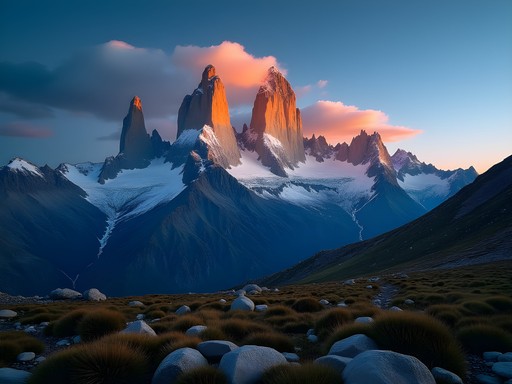
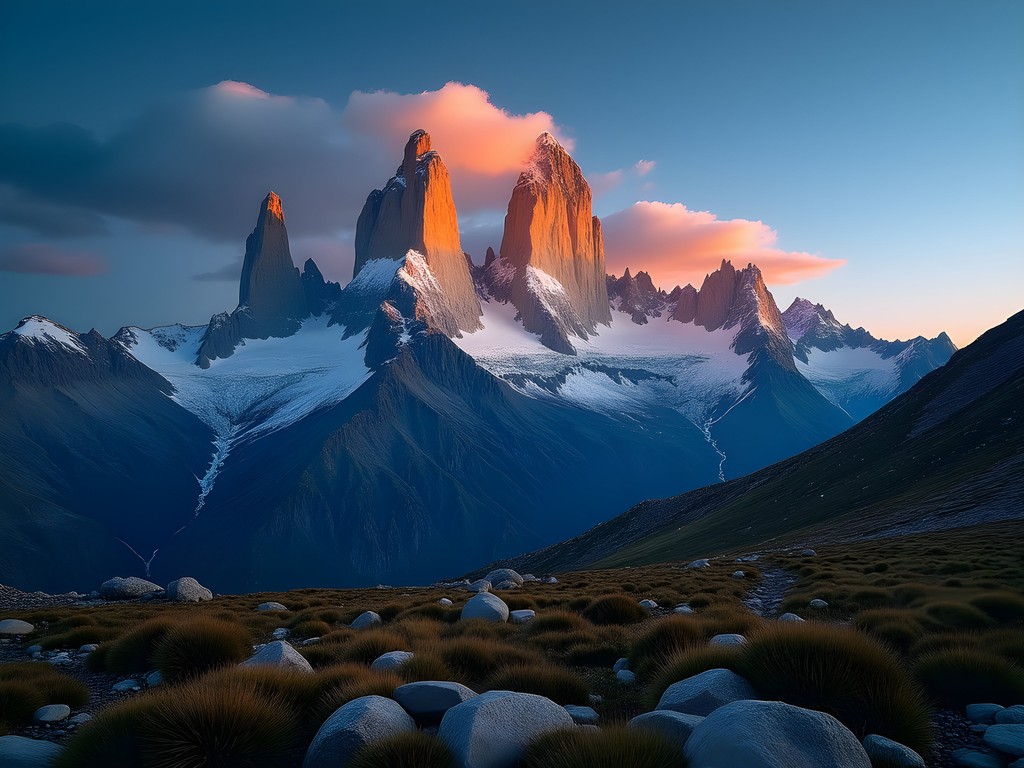
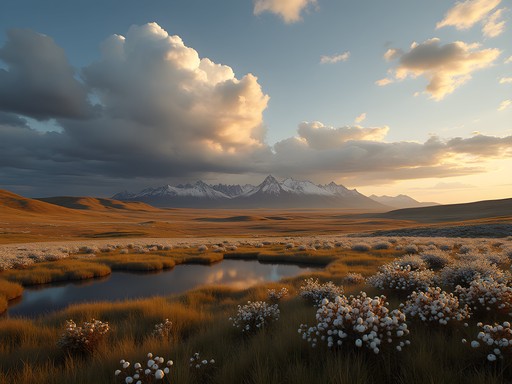
Standing at the base of Mount Fitz Roy, with the Patagonian wind whipping my hair into a frenzy, I couldn't help but think about the glaciers that carved these magnificent peaks thousands of years ago—and how rapidly they're receding today. El Chaltén isn't just Argentina's trekking capital; it's a front-row seat to our planet's changing climate and one of the most visceral examples of nature's raw power I've encountered in my travels. After playing hockey in some of the world's coldest places, I thought I understood extreme environments—but Patagonia? She plays in a league entirely her own.

Preparing for Patagonia's Unpredictable Playbook
If there's one thing my years on the hockey rink taught me, it's that preparation determines performance—and nowhere is this more true than in Patagonia. El Chaltén sits in one of the world's most notoriously fickle weather zones, where all four seasons might visit you in a single afternoon.
Before my trip, I studied El Chaltén's climate patterns like game footage, noting how the Southern Hemisphere summer (December-February) offers the most reliable conditions. Even then, I experienced sunshine, rain, hail, and blinding wind within a six-hour hike. Your first line of defense? Layers, layers, and more layers.
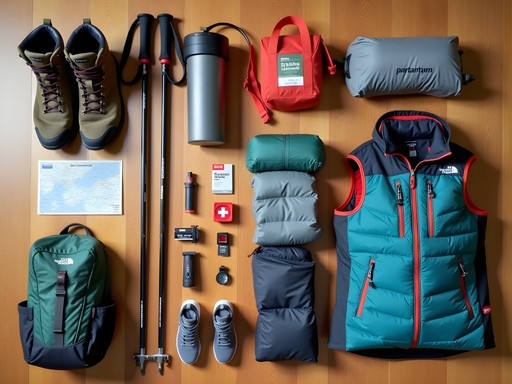
My trekking pants became my MVP gear—lightweight enough for sunny stretches but quick-drying when afternoon showers rolled through. For my upper body, I relied on the merino wool base layer that regulated my temperature beautifully whether I was sweating up steep inclines or facing sudden temperature drops.
Unlike my structured hockey training schedules, hiking in Patagonia demands flexibility. Weather dictates everything here, so build buffer days into your itinerary. That perfect Fitz Roy photo might require three attempts before the clouds part—but trust me, the perseverance pays off spectacularly.
💡 Pro Tips
- Download the offline trail maps on AllTrails Pro before arrival—cell service is practically non-existent on the trails
- Break in your hiking boots at least 2-3 months before your trip—Patagonian terrain is unforgiving on fresh footwear
- Pack a compact weather radio to get morning forecasts—locals rely on them more than smartphone apps
Trail Lineup: From Rookie Routes to All-Star Ascents
El Chaltén's trail system offers something for every hiking level—think of it as divisions in a sports league, each with increasing technical difficulty. I spent a week testing my endurance on progressively challenging routes, allowing my body to acclimate while building my Patagonian confidence.
Laguna Torre (Moderate, 18km round-trip): Consider this your qualifying round. The well-marked path to this glacier-fed lake offers stunning views of Cerro Torre without extreme elevation gains. The final approach reveals a milky turquoise lagoon with icebergs calved from Grande Glacier—a sobering reminder of climate change's accelerating impact in this region.
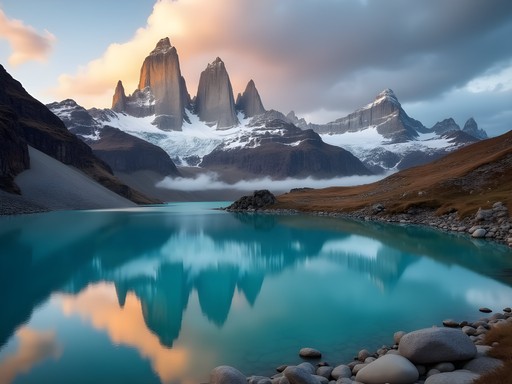
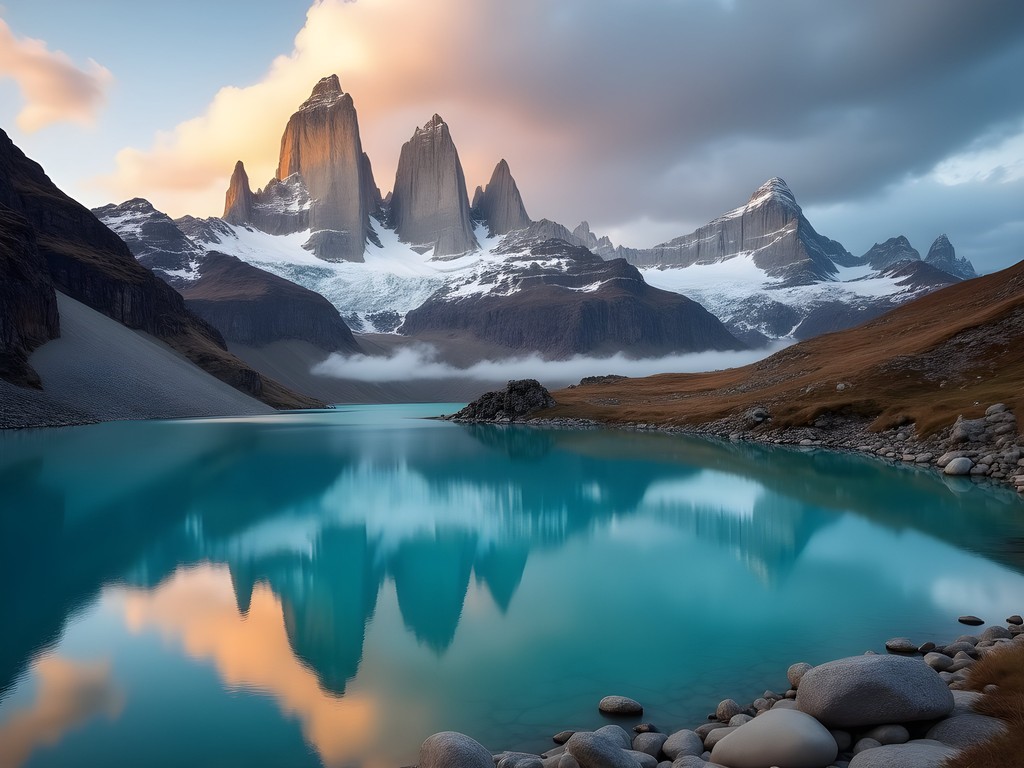
Laguna de los Tres (Challenging, 22km round-trip): This is Chaltén's championship match. The trail to the base of Mount Fitz Roy begins gently enough, winding through lenga forests where I spotted Magellanic woodpeckers. The final kilometer, however, delivers a brutal 400m vertical ascent over loose rock that had me channeling every ounce of my hockey conditioning. At the top? A turquoise alpine lake reflecting Fitz Roy's iconic spires—nature's ultimate trophy.
Loma del Pliegue Tumbado (Moderate-Challenging, 20km round-trip): My personal favorite for its 360-degree panoramas of both the Fitz Roy and Torre massifs. The trail crosses distinct ecological zones, from forest to high alpine terrain, offering a perfect showcase of how climate shapes Patagonian biodiversity.
During these long treks, my hiking poles saved my knees countless times on steep descents. And unlike the sports drinks I relied on during hockey games, in Patagonia I found that a water filtration system was essential—the glacial streams provide pristine drinking water once filtered.
💡 Pro Tips
- Start the Laguna de los Tres hike no later than 8AM to allow time for weather changes and avoid dangerous descents in fading light
- Hike Loma del Pliegue Tumbado on your first full day—it provides the best orientation to the entire region
- Bring polarized sunglasses—the glare off glaciers and snow fields is intense enough to cause temporary snow blindness
Fueling the Adventure: El Chaltén's Culinary Scene
If there's anything my Cajun heritage taught me, it's that good food fuels great adventures—and surprisingly, tiny El Chaltén delivers. This frontier town has evolved beyond basic hiking fuel to offer genuinely impressive cuisine, much of it showcasing Patagonian ingredients shaped by the unique climate.
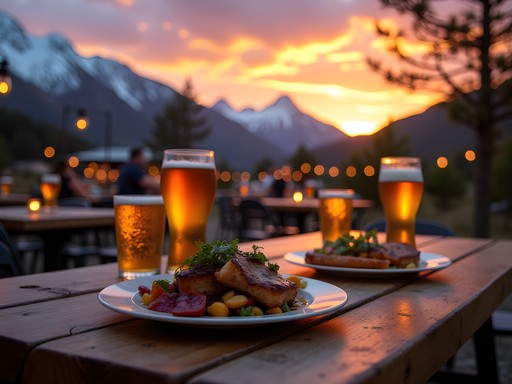
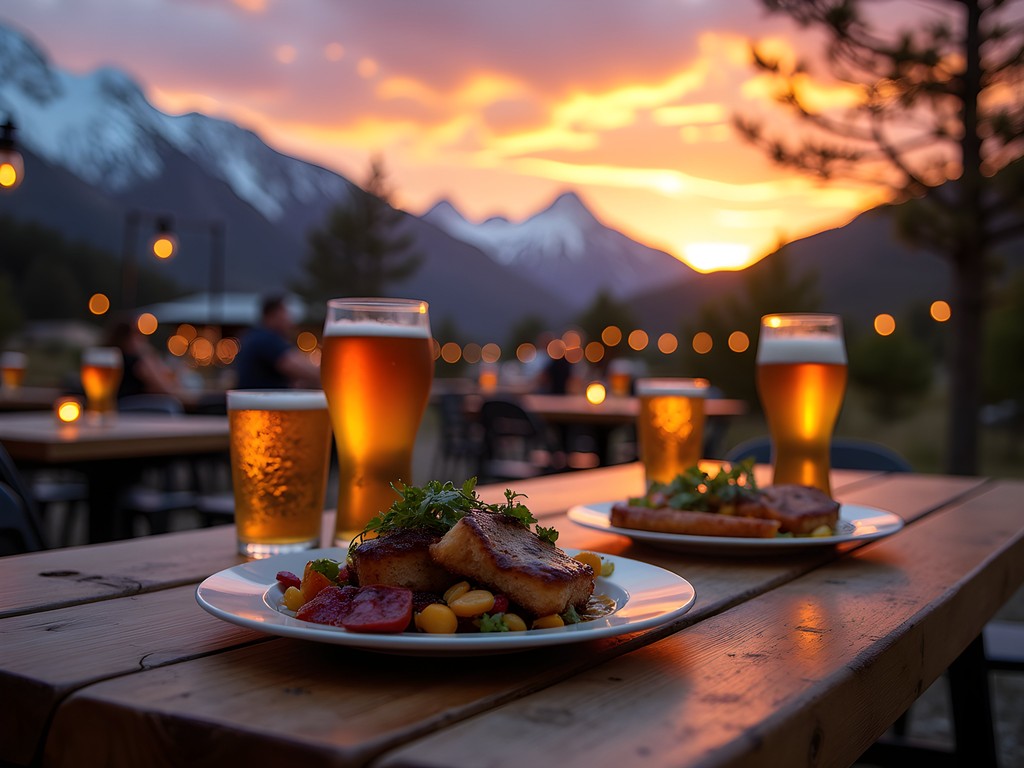
After burning 3,000+ calories on the trails, I developed a serious post-hike routine at La Cervecería, where house-brewed beers and massive lamb burgers restored my energy. The local cerveza rubia paired perfectly with views of alpenglow on the mountains—my version of a post-game celebration.
For a proper sit-down experience, Patagonicus serves regional specialties including Patagonian lamb slow-roasted in the traditional way, influenced by both indigenous techniques and the distinctive flavors imparted by herbs that thrive in this harsh climate.
But the real surprise was Mathilda, a tiny café where I discovered the best trail lunches. Their house-made energy bars powered several of my longer hikes, though nothing beats their calafate berry tarts. According to local legend, eating these berries—which only grow in Patagonia's unique climate conditions—ensures your return to the region.
One trail essential: temperatures fluctuate so dramatically that I relied on my insulated food container to keep soup hot on chilly summits and to prevent my lunch from freezing at higher elevations—a trick I learned during outdoor hockey practices in New Hampshire winters.
💡 Pro Tips
- Pre-order packed lunches from Mathilda the night before long hikes
- Try calafate berry everything—from jam to liqueur—as this Patagonian superfood is impossible to find elsewhere
- Bring extra cash—many smaller establishments don't accept cards, and the town's only ATM frequently runs out of money

Climate Consciousness in Fragile Patagonia
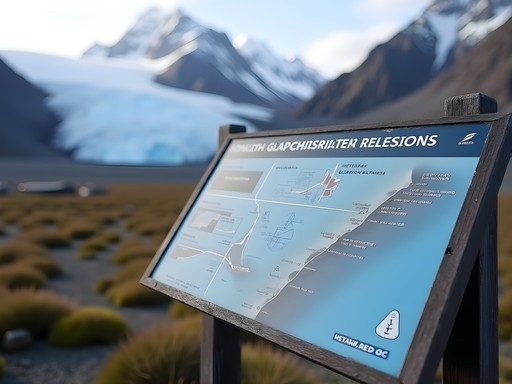
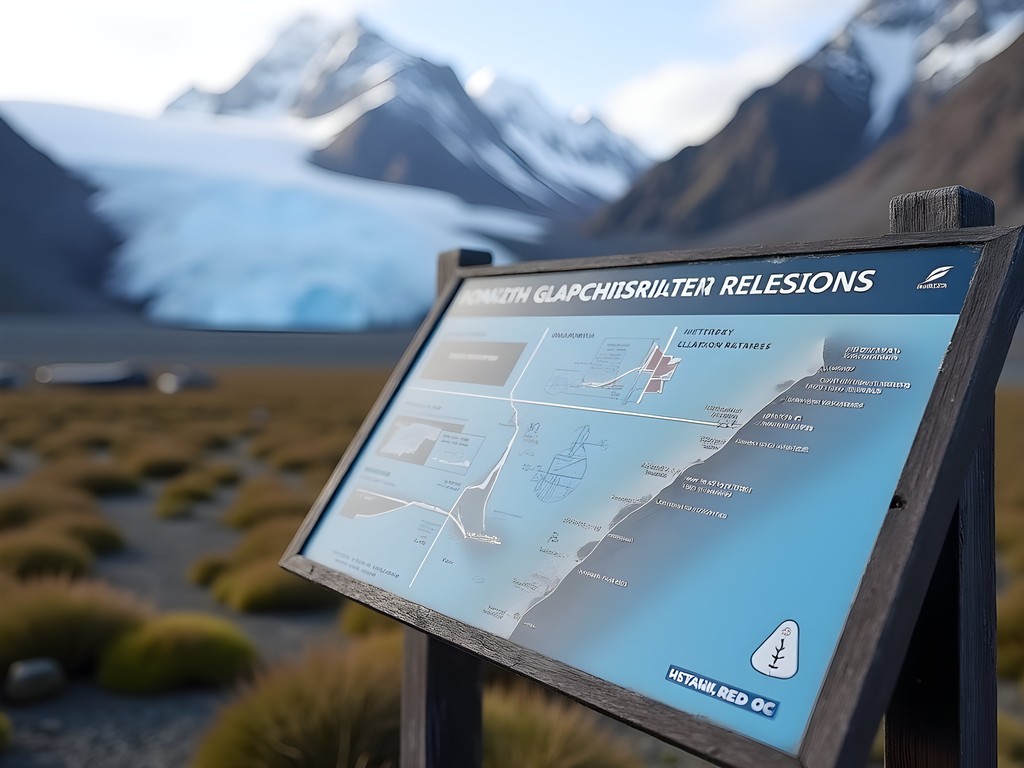
As someone who's studied environmental science and witnessed coastal Louisiana's transformation firsthand, Patagonia's rapidly changing landscape struck a deeply personal chord. The glaciers feeding El Chaltén's stunning lakes and rivers are retreating at alarming rates—a sobering reality visible even to the casual visitor.
Local guides pointed out how treelines are creeping higher and glacial recession markers show dramatic ice loss over just decades. It's like watching the scoreboard of climate change tick upward in real-time, except nobody wins this game.
Trekking through this fragile ecosystem demands responsibility. I followed strict Leave No Trace principles, packing out everything (including toilet paper—yes, even that) and staying exclusively on marked trails. My portable solar charger eliminated the need for disposable batteries, a small gesture toward minimizing my impact.
Perhaps most importantly, I chose locally-owned accommodations like Destino Sur Hotel, which employs extensive sustainability practices including gray water recycling and solar heating. Their knowledgeable staff connected me with conservation-minded guides who enhanced my understanding of the region's ecological challenges.
One evening, I attended a climate lecture at the ranger station where scientists shared how Patagonia serves as an early warning system for global climate patterns. The parallels to my Louisiana hometown were unmistakable—different environments, same story of accelerating change.
💡 Pro Tips
- Visit the Los Glaciares National Park ranger station for free evening lectures on conservation (offered in English on Tuesdays and Fridays)
- Choose guides certified by the Association of Mountain Guides of Argentina who follow strict environmental protocols
- Pack a reusable straw—plastic straws are still common in El Chaltén despite other eco-initiatives
Gear That Goes the Distance
Patagonia taught me that gear selection isn't about brand names—it's about survival. The region's extreme conditions will quickly expose any weaknesses in your equipment.
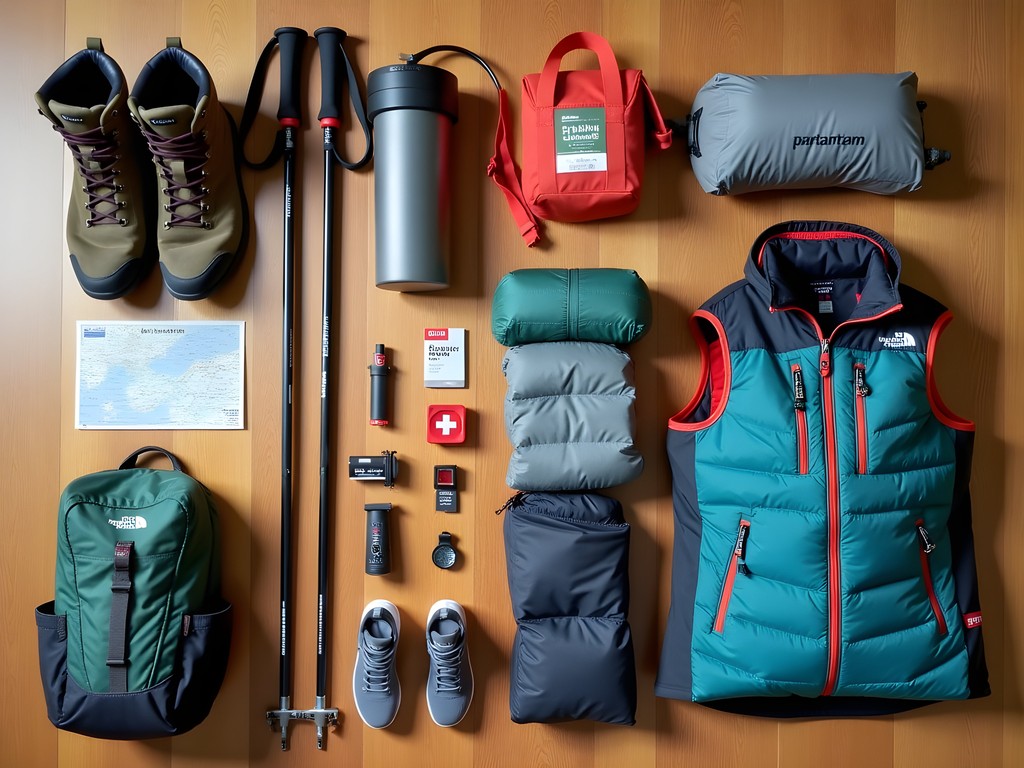
Footwear comes first: my hiking boots withstood everything from muddy forest floors to scree-covered ascents. The ankle support proved crucial when navigating the final approach to Laguna de los Tres—much like good skates provide the foundation for everything in hockey.
For the notorious Patagonian wind (which makes the most aggressive hockey checking seem gentle), my windproof jacket became a constant companion. Lightweight enough to stuff in my pack yet substantial enough to block gales that could literally knock you off balance.
Perhaps my most valuable item was the hiking backpack with its perfect balance of capacity and comfort. The integrated rain cover saved my gear during an unexpected downpour on the Loma del Pliegue Tumbado trail.
Despite visiting in summer, nighttime temperatures plummeted below freezing. My down jacket (yes, Patagonia gear in actual Patagonia—meta, I know) provided essential warmth around town after sundown.
One surprise essential: gaiters. These kept debris out of my boots when crossing scree fields and provided extra protection during stream crossings—a game-changer I rarely see mentioned in Patagonia packing lists.
💡 Pro Tips
- Rent trekking poles in town rather than flying with them—El Chaltén has quality gear at reasonable prices
- Pack multiple pairs of wool socks—they may not dry overnight in the humid climate
- Bring moleskin and blister treatment—even broken-in boots can cause issues on Patagonia's demanding terrain
Final Thoughts
As I boarded my bus out of El Chaltén, watching those iconic peaks recede in the distance, I couldn't shake the feeling that Patagonia had changed something fundamental in me. Like the best hockey games of my life, these trails demanded everything—physical endurance, mental fortitude, and adaptability to constantly changing conditions.
What makes El Chaltén extraordinary isn't just its jaw-dropping scenery, but how it connects you to the pulse of our planet. In the groans of shifting glaciers and the resilient alpine plants clinging to windswept ridges, you witness both nature's power and vulnerability. As someone who grew up watching Louisiana's coastline transform, these Patagonian landscapes reinforced my commitment to treading lightly wherever I roam.
I left having eaten the legendary calafate berries, so local tradition guarantees my return. Next time, I'll come earlier in the season to attempt some of the more technical routes—and perhaps bring some hockey teammates who could use a reminder of what real conditioning looks like! Whether you're a seasoned trekker or taking your first steps into serious mountain hiking, El Chaltén offers your perfect match. Just remember: in Patagonia, as in hockey, respect the elements, know your limits, and always, always be prepared for the unexpected play.
✨ Key Takeaways
- Build flexibility into your El Chaltén itinerary—weather dictates everything in Patagonia
- The physical demands of these trails shouldn't be underestimated—train specifically for hiking with a loaded pack before your trip
- El Chaltén offers world-class hiking without technical climbing skills required—making it accessible for intermediate hikers
📋 Practical Information
Best Time to Visit
December through February (Patagonian summer)
Budget Estimate
$100-150 USD/day including accommodation, food, and activities
Recommended Duration
7-10 days minimum
Difficulty Level
Intermediate To Challenging
Comments
citymood
Booking my flights now!! Can't wait
journeylover
We just got back from El Chaltén last month and this guide is spot on! One thing I'd add - bring a good power bank because electricity can be unreliable in some hostels and you'll want your phone charged for photos and GPS. The wind is NO JOKE either, I had my hat fly off three times on the Laguna Torre trail. Best trip of my life though!
dreamperson5641
Really appreciate the section on climate consciousness. Did you notice a lot of other hikers following leave-no-trace principles? Planning my trip now and want to make sure I'm being responsible out there.
Jean Wells
Most hikers were very respectful when I visited. The park rangers do an excellent job educating visitors. Just remember to pack out everything, stay on marked trails, and use designated camping areas if you're doing multi-day treks.
sunnyphotographer
Your photos are amazing! Going in March, so excited!!
nomadmaster
Question about the food scene - is El Chaltén expensive? I'm on a pretty tight backpacker budget and wondering if I should stock up on groceries before arriving or if there are affordable options in town.
Hunter Thompson
It's definitely pricier than other parts of Argentina, but there are ways to manage. The supermarkets have decent prices for basics. I lived on empanadas and cooked pasta at my hostel most nights!
Sophia Gomez
Skylar, this brought back so many memories! I was in El Chaltén last November and that unpredictable weather is no joke. I planned for Fitz Roy on what looked like a perfect day, woke up at 3am, and by the time we reached Laguna de los Tres the clouds had completely rolled in. Zero visibility. But honestly? That's part of the Patagonian experience. The next day we did Laguna Torre in brilliant sunshine and it felt like winning the lottery. Your point about climate consciousness really resonates - I noticed so much more glacier recession than in photos from even five years ago. It's heartbreaking but makes these trips feel even more precious.
sunnyphotographer
This is my first big hiking trip - did you need any special camera gear for the weather?
Sophia Gomez
Honestly just a good weather-sealed camera or even a newer phone works great. The wind is the biggest challenge - bring a microfiber cloth for lens cleaning!
citymood
These photos are absolutely stunning!! Adding this to my bucket list right now. The glacier shots are unreal!
skystar
Which trail would you recommend for someone with decent fitness but not super experienced with multi-day hikes?
Sophia Gomez
Laguna Torre is perfect for that! It's about 3-4 hours each way and absolutely stunning. The trail is well-marked and not too technical.
escapebuddy
How hard is the Fitz Roy hike really? I'm not super experienced but in decent shape. Would I be able to do it or should I stick to easier trails?
Hunter Thompson
Mate, the Fitz Roy trail is totally doable! It's long (about 10 hours round trip) but not technical at all. The last bit up to Laguna de los Tres is steep and gets you breathing hard, but honestly if you can handle a full day of walking with some elevation gain, you'll be fine. Just start early - like 6am early - so you have plenty of time and aren't rushing. The views at the top are absolutely worth every step!
escapebuddy
awesome thanks! feeling more confident about it now
escapeclimber
Fitz Roy is insane! Did Laguna de los Tres last year.
skystar
How was the weather when you went? Trying to figure out best month to visit.
escapeclimber
Went in February, pretty windy but got lucky with clear views. Definitely worth the early start!
Venture X
Premium card with 2X miles, $300 travel credit, Priority Pass