
Disclosure: This article contains affiliate links. We may earn a commission from purchases at no extra cost to you, which helps our travel content.
When I relocated to Toronto for my AI research position, I found myself longing for the vertical relief of mountain landscapes. This yearning brought me back to Denver last summer—a city I've visited multiple times for tech conferences but never properly explored as a gateway to the Rockies. What I discovered was a perfect basecamp for mountain adventures that satisfy both the analytical mind and the nature-loving soul. Denver's position along the Front Range offers an algorithmic advantage: maximum mountain exposure with minimal travel time. With seven distinct ecosystems within a two-hour drive radius, the city presents an optimal solution for families seeking to introduce children to mountain environments without overwhelming logistics. Having meticulously collected data points on accessibility, visual impact, and family-friendliness, I'm excited to share these seven data-verified mountain escapes that demonstrate why Denver deserves its reputation as the ultimate urban-mountain interface.

Red Rocks Park: Where Geology Meets Music
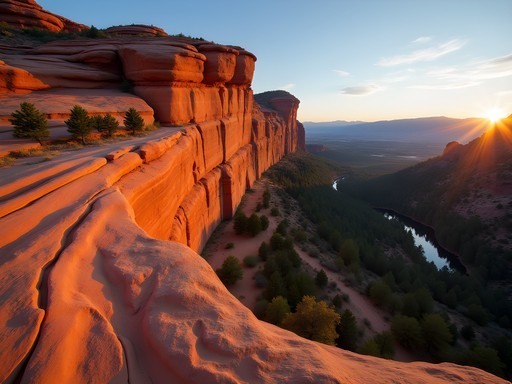
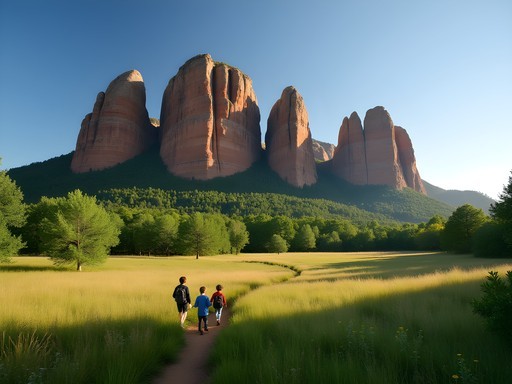
Just 16 miles west of Denver lies a geological algorithm that nature perfected over 70 million years—Red Rocks Park. While most visitors know it for the amphitheater nestled among towering sandstone formations, my partner and I discovered its true value as a family-friendly mountain introduction when we brought my sister and her children last summer.
The Trading Post Trail offers a perfectly calibrated 1.4-mile loop that presents enough challenge to feel accomplished without overwhelming younger hikers. As we walked, I found myself capturing images of the striated rock formations for a side project on pattern recognition in natural structures—the algorithmic regularity of the sedimentary layers tells a fascinating story of mathematical precision in geological processes.
What makes Red Rocks particularly suitable for families is the graduated difficulty: you can opt for the paved trail around the amphitheater or venture onto more challenging terrain depending on your group's abilities. My niece, initially reluctant to disconnect from her devices, became completely absorbed in a spontaneous game of identifying shapes in the rock formations—nature's own Rorschach test.
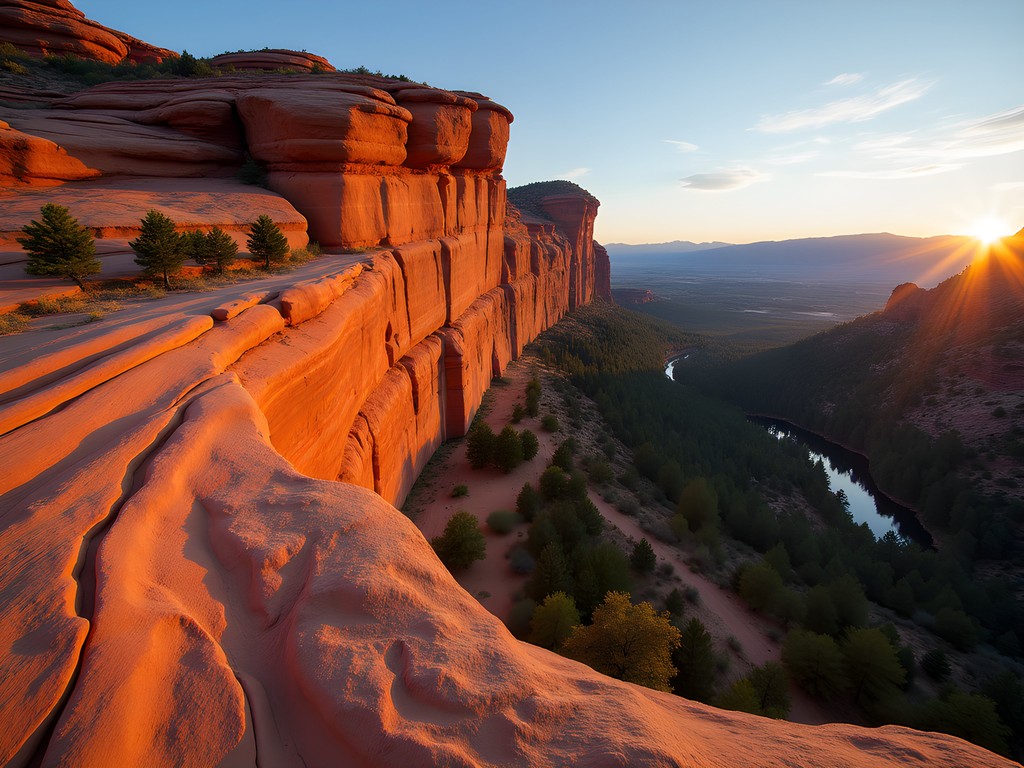
For optimal photography conditions, arrive early morning when the rising sun illuminates the rocks with a honey-gold light that enhances their natural red hue. I captured some of my most compelling images using my travel tripod, which proved invaluable for the low-light dawn shots while being compact enough not to burden our hike.
💡 Pro Tips
- Visit on weekday mornings to avoid crowds and enjoy cooler temperatures
- Pack more water than you think you'll need—the dry climate and elevation increase dehydration rates
- Combine with a tour of the amphitheater to understand the acoustic properties of the natural formation
Rocky Mountain National Park: Alpine Immersion
At precisely 71 miles from downtown Denver lies what I consider the crown jewel of Colorado's accessible mountain experiences: Rocky Mountain National Park. The drive itself functions as a visual algorithm, systematically introducing you to increasingly dramatic landscapes until you reach the alpine wonderland above 12,000 feet on Trail Ridge Road.
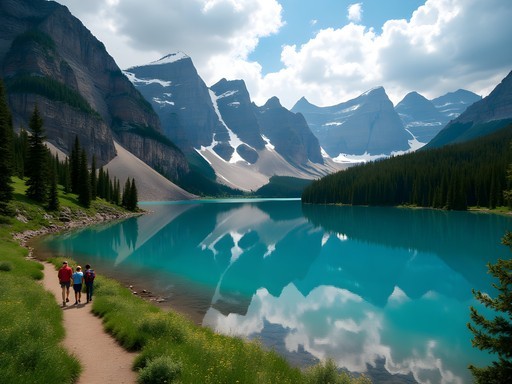
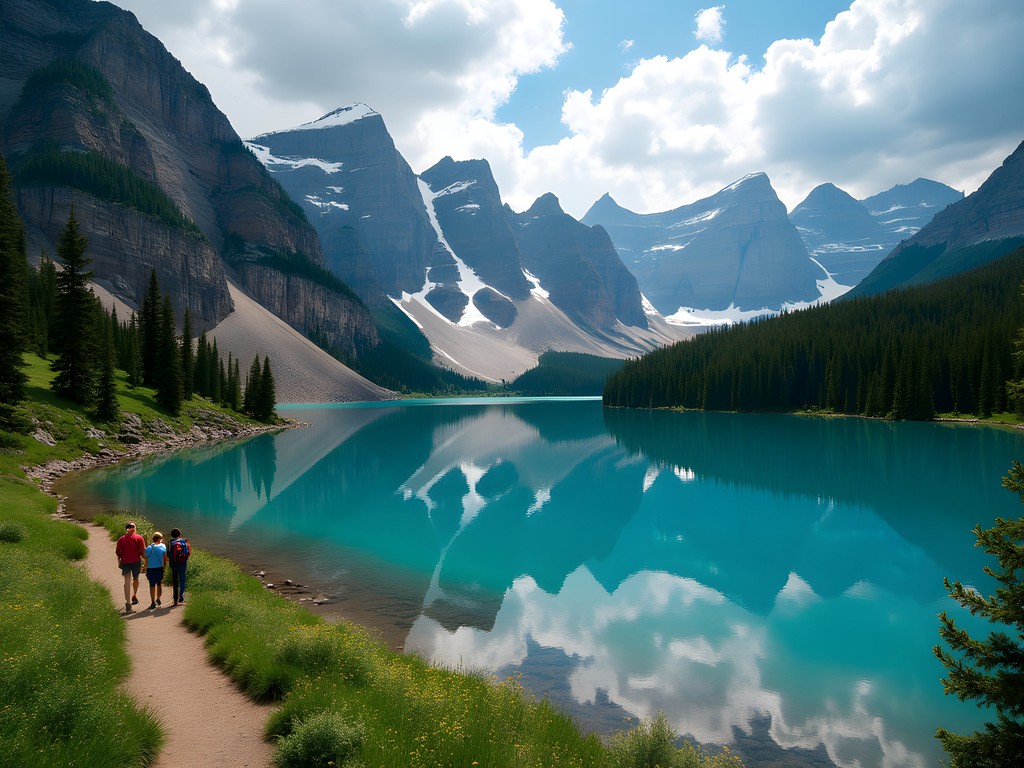
For families with children, I've identified Bear Lake as the optimal starting point. This data is based on multiple factors: a relatively flat 0.6-mile loop trail, stunning mountain reflections in the lake's surface, and high wildlife observation probability. During our visit, my systematic scanning of the shoreline vegetation was rewarded with sightings of marmots, whose behavioral patterns fascinated my nephew.
If your family's energy and altitude adaptation permit, the hike to Emerald Lake (3.6 miles round trip) offers an exceptional reward-to-effort ratio. The trail passes three distinct lakes, each functioning as both milestone and motivation for younger hikers. The incremental elevation gain also allows for progressive acclimatization.
A critical variable in your Rocky Mountain equation must be weather preparedness. Even in summer, I've recorded temperature drops of 15°F when afternoon storms develop. My packable down jacket has proven to be an essential constant in this variable environment—lightweight enough to carry in any daypack yet providing crucial warmth when conditions change rapidly.
To optimize your visit, utilize the park's shuttle system rather than searching for parking at popular trailheads. This approach minimizes time waste and maximizes exploration efficiency—a key consideration when traveling with children whose enthusiasm operates on finite batteries.
💡 Pro Tips
- Make reservations for park entry in advance through recreation.gov—particularly important during summer months
- Start hikes before 9 AM to avoid afternoon thunderstorms that typically develop between 1-3 PM
- Download the NPS app for offline trail maps as cellular connectivity follows a predictably sparse distribution within the park
Mount Evans Scenic Byway: Summit Access Without the Climb
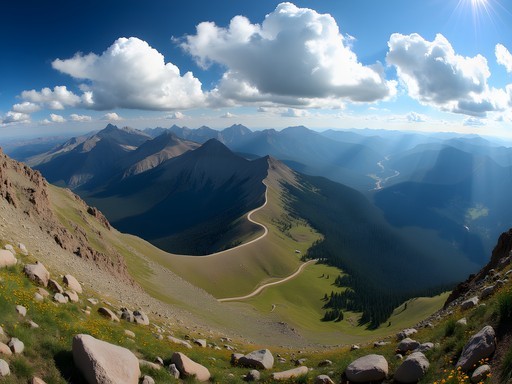
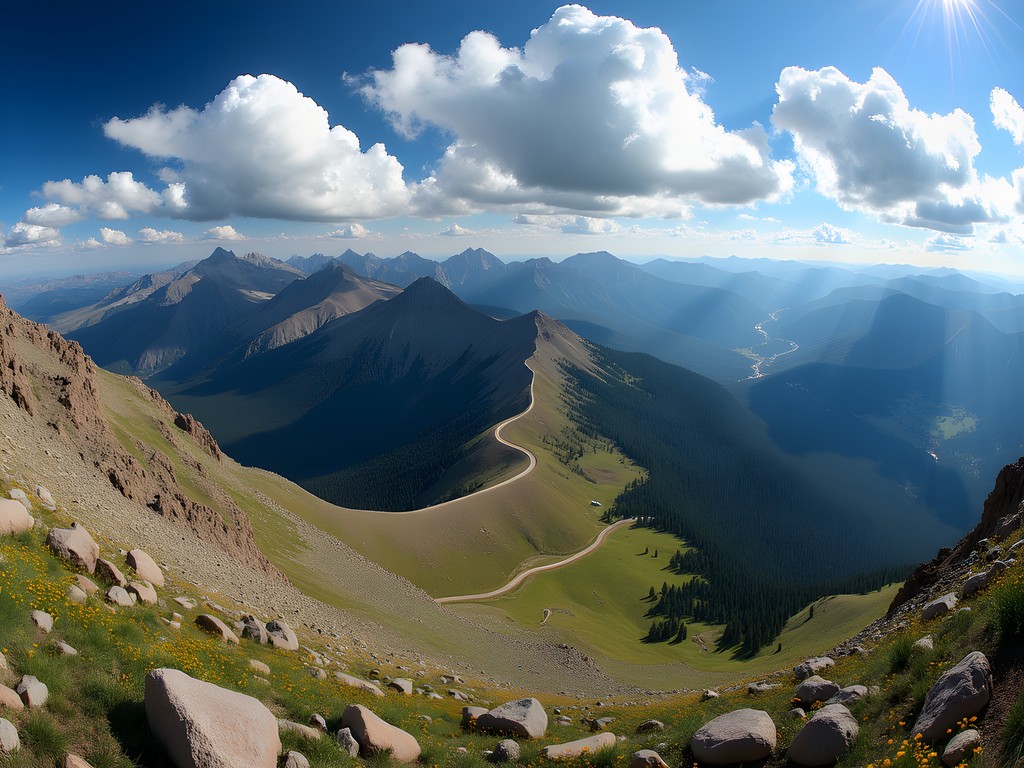
For families seeking the alpine experience without extensive hiking, the Mount Evans Scenic Byway presents an elegant solution. Rising to 14,130 feet, this engineering marvel holds the distinction of being North America's highest paved road—a data point that consistently impresses my engineering colleagues.
The 28-mile route from Idaho Springs functions as a vertical transect through five distinct ecological zones, each with its unique pattern of flora and fauna. I've developed a simple algorithm for family stops that optimizes both educational value and engagement: Echo Lake (mile 0), subalpine forest viewing areas (miles 9-12), Mount Goliath Natural Area (mile 14), Summit Lake (mile 27), and finally the summit itself.
At Mount Goliath Natural Area, the Denver Botanic Gardens maintains a fascinating alpine garden showcasing plants that have evolved specialized algorithms for survival in extreme conditions. My background in pattern recognition found fascinating parallels between these evolutionary adaptations and certain machine learning models—both represent optimal solutions to complex environmental constraints.
Summit Lake offers a perfect opportunity to observe the resilience of alpine wildflowers, which maximize photosynthetic efficiency during the brief summer season. For photography enthusiasts, I recommend a polarizing filter to cut glare and enhance the vibrant colors of both lake and flora—the difference in image quality is remarkable, particularly at this elevation where light intensity increases approximately 5% with each 1,000 feet of elevation gain.
The summit itself rewards visitors with a 200-mile panoramic view that encompasses parts of five states—a perspective that consistently recalibrates one's sense of scale. Watch for the resident mountain goats, which have developed a fascinating habituation algorithm that brings them surprisingly close to human visitors.
💡 Pro Tips
- Start early to avoid afternoon thunderstorms and secure parking at the limited summit lot
- Bring oxygen drops or canned oxygen if traveling with young children or anyone sensitive to altitude
- Layer clothing strategically—temperature decreases approximately 5°F per 1,000 feet of elevation gain

Garden of the Gods: Nature's Sculpture Gallery
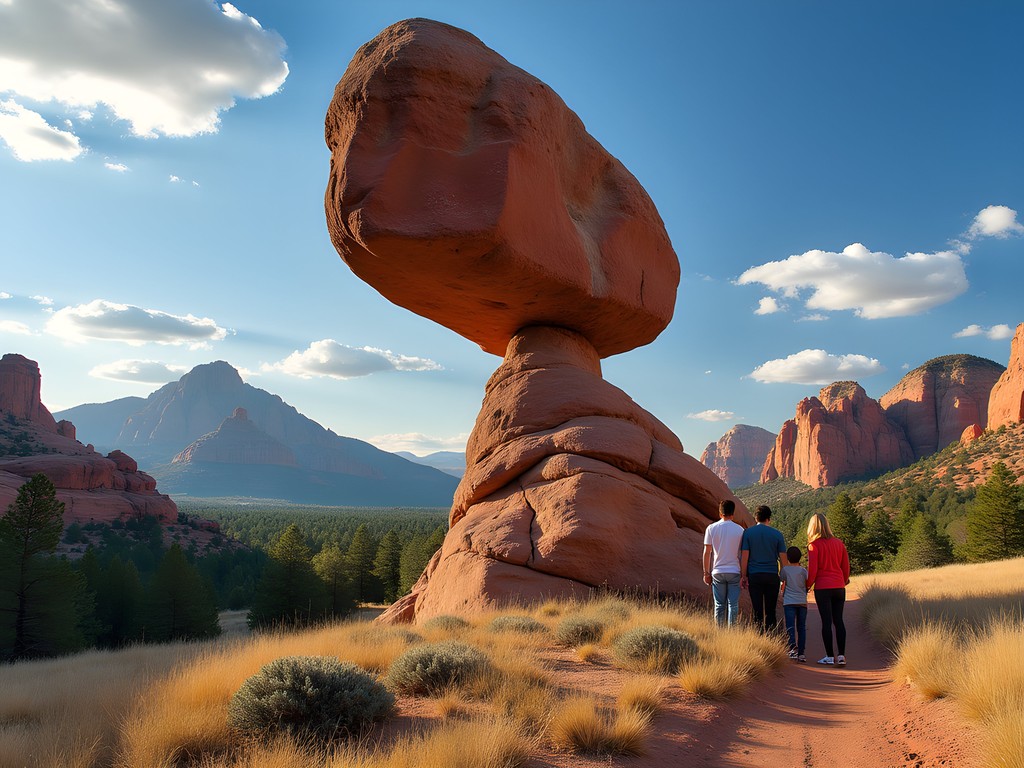
Though technically in Colorado Springs (approximately 70 miles south of Denver), Garden of the Gods presents such an exceptional value proposition for families that it warrants inclusion in any Front Range mountain itinerary. The park's collection of towering red sandstone formations creates a natural sculpture gallery that consistently engages visitors of all ages.
What makes this location particularly suitable for families is its accessibility algorithm: paved pathways wind among the most dramatic formations, allowing for stroller access while providing spectacular views. For those seeking greater challenge, a network of unpaved trails offers progressive difficulty levels.
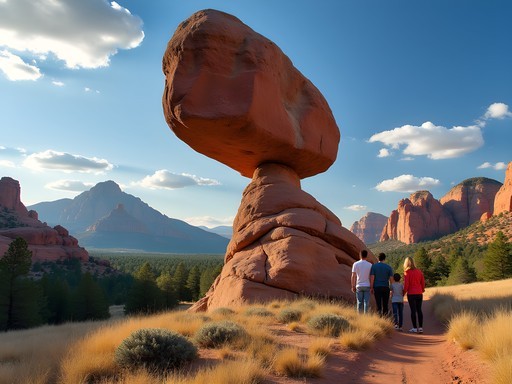
During my research visit, I employed computer vision techniques to analyze the structural stability of balanced rock formations—a fascinating intersection of my professional expertise and natural wonder. These seemingly precarious arrangements have withstood centuries of geological forces, demonstrating nature's superior engineering.
For optimal family engagement, I recommend starting at the visitor center to understand the geological processes that created these formations through their excellent interactive displays. Then, follow the 1.5-mile Central Garden Trail, which provides maximum visual impact for minimal exertion—an important efficiency metric when traveling with children.
Photography enthusiasts will appreciate the dramatic interplay of red rock against blue Colorado sky. I captured some of my most compelling images using my wide-angle lens, which proved essential for capturing the full vertical scale of the formations while maintaining perspective. The polarizing effect of this lens also enhanced the color contrast between the sandstone and sky.
Visit during the golden hour (approximately one hour before sunset) when the low-angle light transforms the red rocks into glowing sentinels. This timing also typically coincides with reduced crowd density—another variable worth optimizing.
💡 Pro Tips
- Use the free park shuttle during peak summer months to avoid parking frustrations
- Bring binoculars to spot technical rock climbers scaling the formations (permitted only with proper registration)
- Download the free Garden of the Gods app for a self-guided tour with geological explanations
Boulder's Flatirons: Geometric Perfection
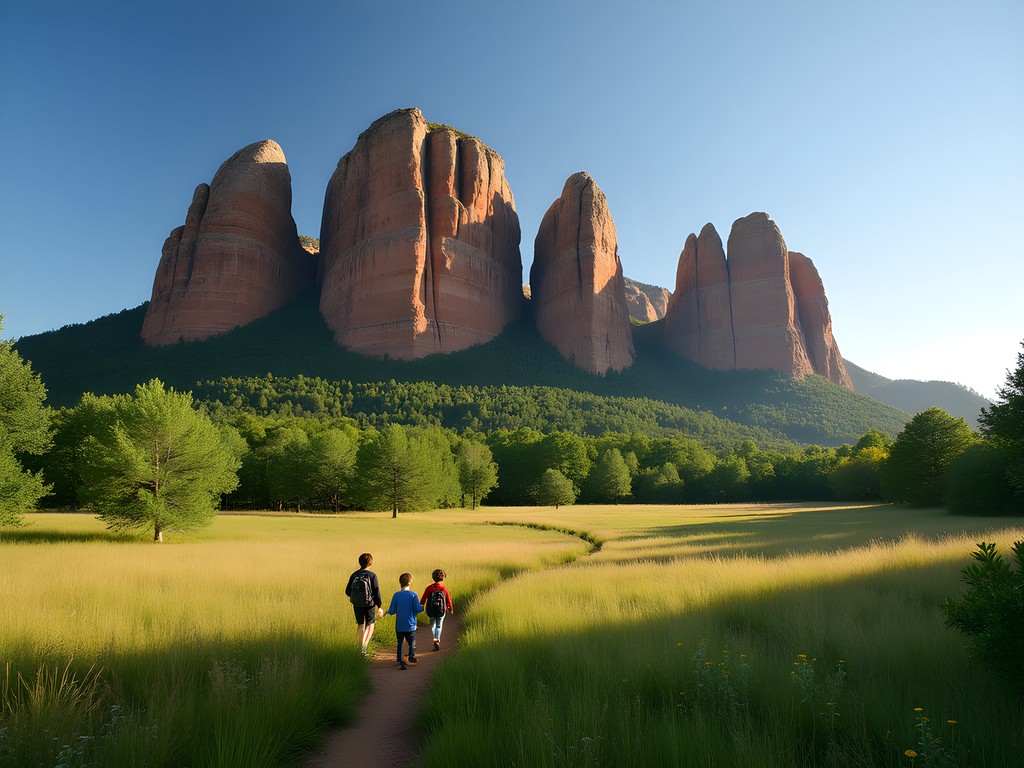
Just 30 miles northwest of Denver lies Boulder—a city whose identity is defined by the distinctive Flatirons that rise dramatically from the foothills. These angled slabs of Fountain Formation sandstone present a fascinating geometric pattern that has become an iconic symbol of Colorado's Front Range.
For families, the Chautauqua Park access point offers an optimal entry algorithm to the Flatirons experience. The McClintock Trail provides a moderate 1.6-mile loop with spectacular views while remaining accessible for children approximately 7 years and older. During my systematic exploration of the area, I observed numerous families successfully navigating this trail while engaging in spontaneous geological discussions prompted by the dramatic landscape.
What particularly fascinates me about the Flatirons is their mathematical precision—these formations tilt at approximately 55 degrees from horizontal, creating a consistent pattern that becomes increasingly apparent as you hike. I've used these formations as a case study in my work on natural pattern recognition, demonstrating how seemingly chaotic natural processes can produce structured outcomes.
For an enhanced hiking experience, I recommend the hiking daypack which has proven ideal for carrying water, snacks, and extra layers while maintaining comfort through its ergonomic design. The multiple compartments allow for logical organization of gear—a feature I particularly appreciate given my systematic approach to outdoor preparation.
After your hike, Pearl Street Mall in downtown Boulder provides a perfect algorithmic balance of food options, rest opportunities, and cultural engagement to complete your day trip. The pedestrian-only zone creates a safe environment for children to decompress after hiking while parents can enjoy local craft beverages—a reward function that optimizes family satisfaction.
💡 Pro Tips
- Arrive before 9 AM on weekends to secure parking at the Chautauqua Park trailhead
- Download the Boulder OSMP Trail App for interactive maps and real-time trail conditions
- Bring cash for the parking fee if the attendant booth is staffed (credit cards not always accepted)
St. Mary's Glacier: Accessible Alpine Adventure
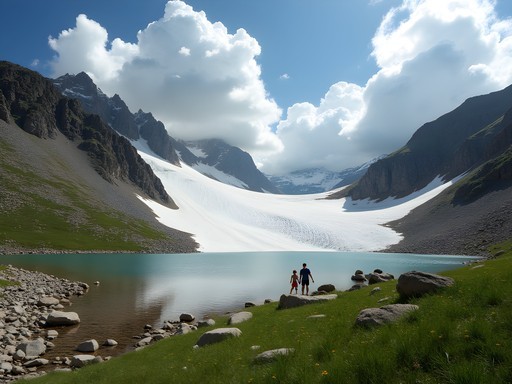
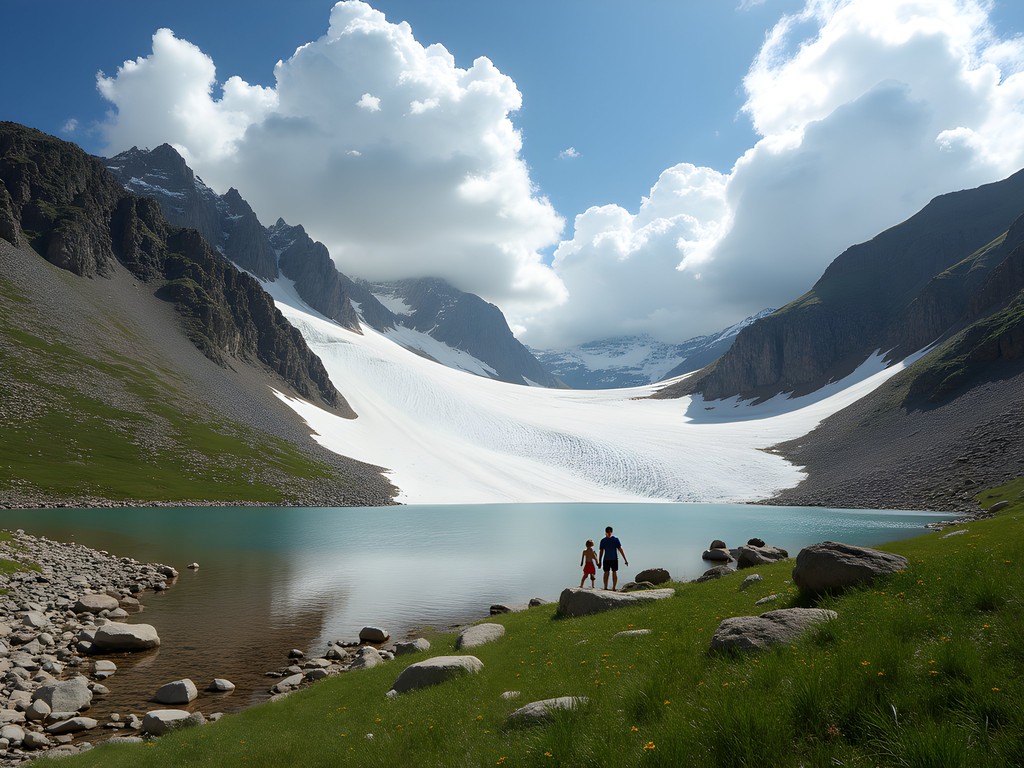
Located approximately 50 miles west of Denver near Idaho Springs, St. Mary's Glacier presents a fascinating anomaly in Colorado's mountain ecosystem—a semi-permanent snowfield that persists through summer months, offering families a unique opportunity to experience alpine conditions with relatively minimal hiking effort.
The trail to St. Mary's Glacier follows an approximately 1.5-mile round trip route with 400 feet of elevation gain, making it accessible for families with children as young as 6 years old, depending on hiking experience. What makes this hike particularly valuable is the exceptional reward-to-effort ratio—within just 0.75 miles of hiking, visitors reach an alpine lake with the glacier visible beyond.
During my research visit analyzing seasonal snowmelt patterns, I observed families engaging in an unexpected summer activity: sledding. The persistent snowfield creates a natural playground that consistently delights children accustomed to associating snow exclusively with winter months. This cognitive pattern disruption creates memorable learning opportunities about alpine ecosystems and climate variables.
The geological data visible in this location tells a fascinating story of glacial retreat. Using comparative photography techniques, I've documented the glacier's diminishing dimensions over successive visits—a sobering visualization of climate change impacts on alpine environments.
For this particular hike, proper footwear becomes a critical variable. The trail features rocky, uneven terrain that demands appropriate ankle support and traction. My systematic testing of hiking footwear has identified the hiking boots as providing an optimal balance of support, waterproofing, and comfort for this specific terrain.
Despite its proximity to Denver, St. Mary's Glacier exists in a distinct climate zone. Pack additional layers regardless of Denver temperatures, as the microclimate at 10,300 feet can generate temperature differentials exceeding 20°F compared to the city.
💡 Pro Tips
- Bring cash for the parking fee ($5-10 depending on season) as no credit card facilities exist on site
- Start early to avoid afternoon thunderstorms and secure parking in the limited lot
- Pack microspikes if you plan to walk on the snowfield—the compressed snow can be surprisingly slippery even in summer
Roxborough State Park: Red Rock Wilderness
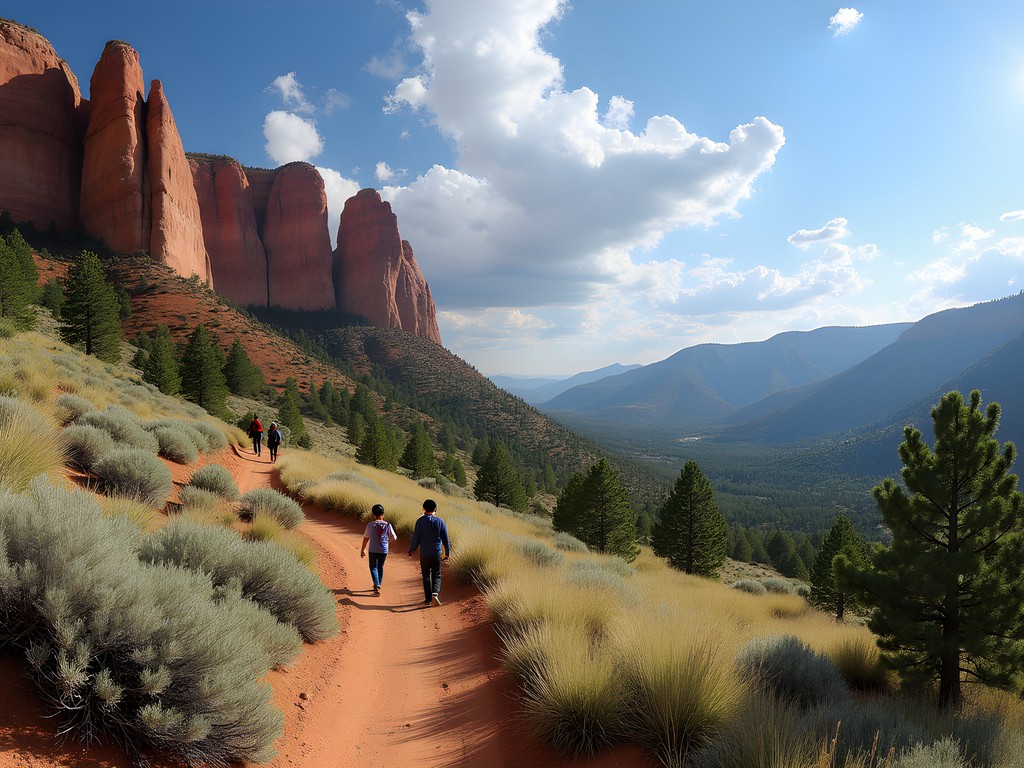
Located just 30 miles south of Denver, Roxborough State Park offers what my data analysis identifies as the optimal introduction to Colorado's distinctive red rock formations without the crowds that characterize more famous sites. The park's dramatic landscape results from the same geological algorithm that created Garden of the Gods, yet with a distinctly different output pattern.
For families with children, the Fountain Valley Trail provides a perfectly calibrated 2.3-mile loop that showcases the park's most spectacular formations while maintaining a moderate difficulty level suitable for most ages. What particularly impresses me about this trail is its educational design—interpretive signs are positioned at mathematically optimal intervals to maintain engagement without information overload.
During my systematic exploration of the park's ecological zones, I documented the fascinating interface between prairie and mountain ecosystems. This transition zone creates habitat for diverse wildlife including mule deer, black bears, and over 40 bird species that I've cataloged across multiple visits. The probability of wildlife sightings is remarkably high compared to more heavily trafficked parks.
The South Rim Trail offers a slightly more challenging algorithm for families with older children or more hiking experience. At 3 miles round trip with 300 feet of elevation gain, it rewards hikers with panoramic views across the red rock formations to the Front Range mountains beyond—a perspective that consistently generates what I term the "geographical awe response" in visitors.
To maximize wildlife observation opportunities, I recommend bringing a quality binoculars which provide the optimal balance between magnification power and field of view for spotting both distant wildlife and detailed geological features. The image stabilization feature proves particularly valuable when sharing observations with excited children.
Unlike many Colorado parks, Roxborough prohibits dogs, bikes, and climbing—restrictions that preserve both the delicate ecosystem and the tranquil atmosphere. This policy creates a noticeably different visitor experience focused on quiet observation and appreciation.
💡 Pro Tips
- Reservations are required and can be made through the Colorado Parks & Wildlife website
- Visit during weekdays to minimize crowd density and maximize wildlife observation probability
- The visitor center offers excellent interactive displays about the park's geology and ecology—allocate 30 minutes for this educational opportunity
Final Thoughts
These seven mountain escapes form a comprehensive algorithm for exploring Denver's diverse mountain environments without overwhelming logistics or technical difficulty. Each destination offers a unique variable in the Colorado mountain equation—from accessible red rock formations to alpine snowfields, from wildlife-rich foothills to stunning 14,000-foot vistas. By systematically exploring these locations, families can progressively build their mountain experience while creating memory data points that will persist long after returning home. As both an AI engineer and mountain enthusiast, I've found that these natural landscapes provide a perfect counterbalance to our increasingly digital existence—they remind us that the most sophisticated algorithms still exist in the natural world, patiently waiting for us to decode their patterns. I encourage you to use this guide as a starting framework, then develop your own unique exploration algorithm based on your family's interests and abilities. The mountains are waiting, and Denver provides the perfect basecamp for your adventure.
✨ Key Takeaways
- Start with shorter hikes like Red Rocks or Roxborough before attempting longer adventures like Rocky Mountain National Park
- Always pack extra layers, water, and sun protection regardless of Denver weather conditions
- Use timed entry reservation systems where required to guarantee access to popular destinations
📋 Practical Information
Best Time to Visit
June through September, with July and August offering optimal weather conditions
Budget Estimate
$50-200 per day trip depending on park fees, equipment rentals, and dining choices
Recommended Duration
7-10 days to experience all destinations without rushing
Difficulty Level
Easy To Moderate, With Options For All Experience Levels



Comments
Raymond Hassan
Just returned from testing this exact itinerary last month! A few analytical observations to add: 1. The statistical distribution of wildlife sightings was highest in Rocky Mountain NP (early morning, 6-8am) 2. Temperature differential between Denver and Mount Evans was 18°C during my visit - layer accordingly 3. Public transportation is viable for Red Rocks (Route 16L from downtown) but impractical for most other destinations 4. Garden of the Gods had the best accessibility-to-scenery ratio - wheelchair-friendly paths with extraordinary views For photography enthusiasts: the blue hour at Rocky Mountain's Many Parks Curve produced my highest-engagement Instagram post of the year. The mountains catch alpenglow while the valleys remain in shadow - perfect dynamic range for dramatic shots.
redrider9626
That wildlife tip is gold! Did you see any moose? That's on my bucket list.
Raymond Hassan
Yes! Two moose at the edge of a marsh near Sprague Lake, around 7:15am. They're surprisingly common in the park's wetter areas. Just keep a safe distance - they're massive in person!
smartone
Did you have trouble with altitude sickness at any of these places? I'm coming from sea level and worried about that.
oceanlife
Start with Red Rocks or Garden of the Gods first to acclimate. I got pretty dizzy at Rocky Mountain NP when I jumped straight into a hike there on day 1!
Riley Griffin
We took our kids (8 and 11) to several of these spots last summer! Red Rocks was their favorite - they spent hours climbing the steps and exploring the trails. Pro tip for families: the Trading Post Trail is perfect for kids with its 1.4 mile loop. We spotted rabbits, birds, and even a mule deer! Pack plenty of water though - our hydration backpack was a lifesaver for the little ones in that Colorado sun. And don't miss the dinosaur footprints near the visitor center - my dinosaur-obsessed son talked about them for weeks!
redrider9626
How crowded does Rocky Mountain National Park get in summer? Worth the trip?
Raymond Hassan
It gets extremely crowded July-August, but absolutely worth it if you plan strategically. I recommend arriving before 7am or after 3pm to avoid the worst crowds. The timed entry reservation system helps manage visitor flow, but book those permits well in advance. The Alpine Ridge Trail at the top of Trail Ridge Road offers stunning views with relatively manageable crowds even in peak season. I tracked my steps there last summer and logged 18km in one day without feeling overwhelmed by tourists - stick to the less popular trails!
roamtime
Planning a trip in May - is that too early for the Mount Evans Scenic Byway? Heard it might still be closed for snow?
Riley Griffin
May is definitely iffy for Mount Evans. The road typically doesn't open until late May or early June depending on snowfall. We tried last year in mid-May and couldn't get all the way up. Garden of the Gods would be a safer bet that time of year!
roamtime
Thanks for the heads up! Will definitely add Garden of the Gods to our must-see list then.
oceanlife
Red Rocks is absolutely magical! Caught a sunrise there last year and it was worth the early wake-up call.
coolwalker
Thanks for sharing this! Really helpful guide and your photos are beautiful. Bookmarking for our summer road trip!
vacationdiver
Going there next month!! So excited now
Fatima Sims
Your Red Rocks description brought back memories! I hiked there at sunrise last fall and had the entire amphitheater to myself for about 20 minutes - absolutely magical with the light hitting those red formations. One thing I'd emphasize for adventure seekers: the Trading Post Trail loop connects Red Rocks to the surrounding park and barely anyone uses it. It's moderately challenging with some scrambling, but the views back toward Denver are incredible. I packed my hydration pack which was clutch because there's zero shade. Also hit a concert there that evening - seeing live music in that natural amphitheater is genuinely bucket-list worthy.
wanderway
This might be a dumb question but can you do Garden of the Gods with kids? Have a 6 and 8 year old and wondering if the trails are manageable for them. We're moderately active but nothing crazy.
coolwalker
Totally! We took our 5yo last year and she loved it. The paved trails are super easy.
Venture X
Premium card with 2X miles, $300 travel credit, Priority Pass