
Disclosure: This article contains affiliate links. We may earn a commission from purchases at no extra cost to you, which helps our travel content.
The first time I stood at the base of the Bridger Range, I closed my eyes and just listened. Beyond the expected whisper of pine needles dancing in Montana's summer breeze, there was something else—a distinct mountain melody that felt both ancient and alive. As someone who's traversed peaks from South Korea's Seoraksan to New Zealand's Southern Alps, I can tell you that every mountain range has its own sonic signature. The Bridgers? They hum with a particular cadence that's become my favorite summer soundtrack, a perfect counterpoint to Memphis's blues rhythms that fill my production studio the rest of the year.

The Pulse of Bridger Bowl: Essential Trail Systems
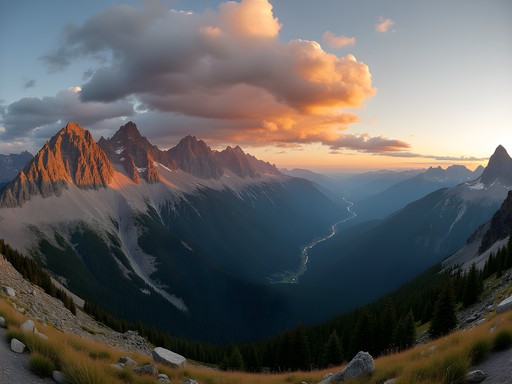
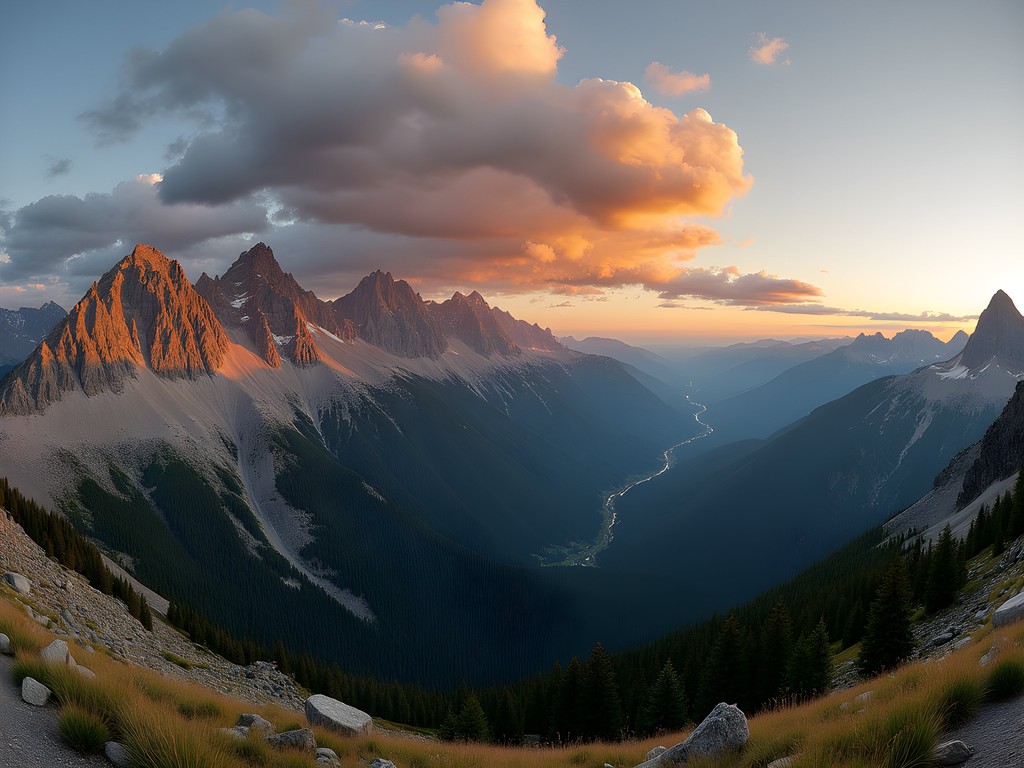
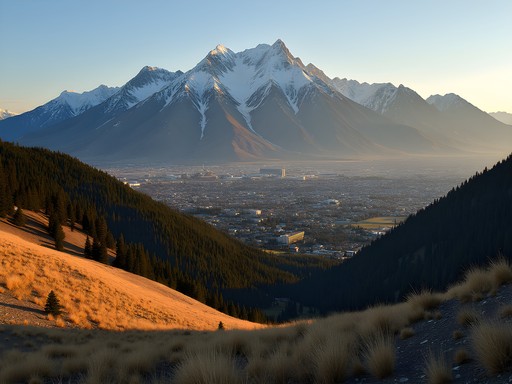
The Bridger Range stretches approximately 20 miles north to south, creating a dramatic eastern backdrop to Bozeman that changes character with every shift in light. During my week-long exploration, I discovered that the range offers a perfect progression of difficulty levels, allowing hikers to build their mountain legs before attempting the more challenging routes.
For acclimatization, I started with the M Trail (College M) on my first morning—a relatively short but steep climb that rewards with panoramic views of the Gallatin Valley. The trail has its own rhythm: steep switchbacks followed by brief plateaus where the wind creates perfect natural rest stops. Record the sounds here; the valley breeze carries fragments of Bozeman's urban hum mixed with meadowlark calls.
By day three, I was ready for the Sacagawea Peak Trail, the range's highest summit at 9,665 feet. This 4-mile round trip demands respect—the elevation gain is substantial and the final approach requires careful footing across loose talus. But the summit? Pure magic. The soundscape transforms completely—nothing but wind, occasional marmot whistles, and that peculiar high-altitude silence that seems to make your heartbeat louder.
For true solitude, the Middle Cottonwood Trail offered a less-trafficked alternative. The trail follows a creek for several miles before climbing through dense forest and eventually opening to alpine meadows. I tracked the entire hike with my Garmin Fenix 7X Solar GPS Watch, which not only mapped my route but monitored my altitude acclimatization—crucial data when you're solo hiking at elevation.
💡 Pro Tips
- Start hikes before 8am to avoid afternoon thunderstorms that typically roll in after 2pm
- The UV intensity at higher elevations is deceptive—apply sunscreen even on cloudy days
- Cell service is spotty throughout the range—download offline maps before heading out
Soundscapes & Solitude: The Solo Hiker's Experience
As both a music producer and solo traveler, I approach mountains differently than most. Each trail becomes a composition waiting to be discovered—layers of natural sounds creating harmonies that change with elevation, weather, and time of day.
The Bridger Ridge Trail offers the range's ultimate sound journey. This challenging 20-mile traverse requires advance logistics (I arranged a shuttle drop-off at Fairy Lake and pickup at the M trailhead), but rewards with the most diverse acoustic experience. Starting in the pre-dawn darkness with my Black Diamond Storm 500-R Headlamp illuminating the path, I caught the dawn chorus of birds at 8,000 feet—a completely different arrangement than what you'll hear in the valley.
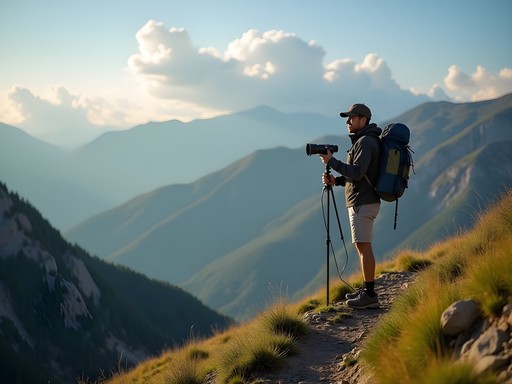
By mid-morning, I was recording the distinct sound of wind through different alpine vegetation zones—the whistle through limestone formations near Sacagawea Peak contrasts dramatically with the softer rustle through the stunted whitebark pines near Ross Peak. For field recordings, my Zoom H5 Portable Recorder has been my faithful companion on mountains across four continents.
Solo hiking the Bridgers demands serious preparation. The exposed ridgelines offer no protection during sudden weather changes, and summer thunderstorms develop with startling speed. I witnessed three different hikers turning back because they lacked proper gear when afternoon clouds began building. Don't be that person.
💡 Pro Tips
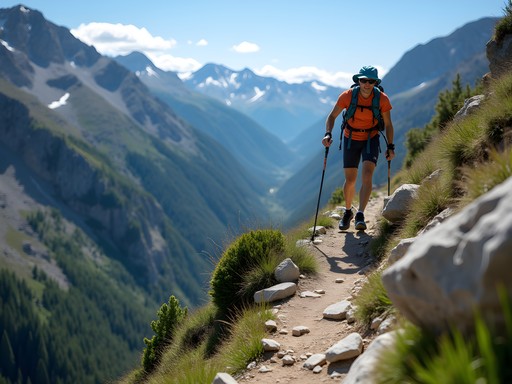
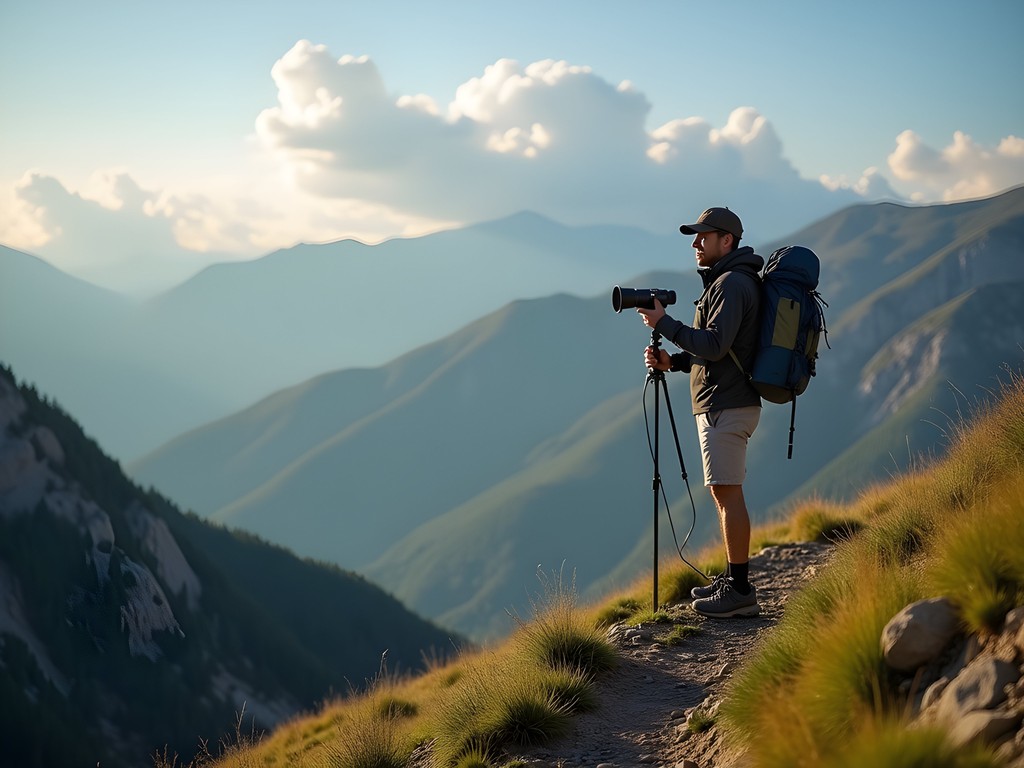
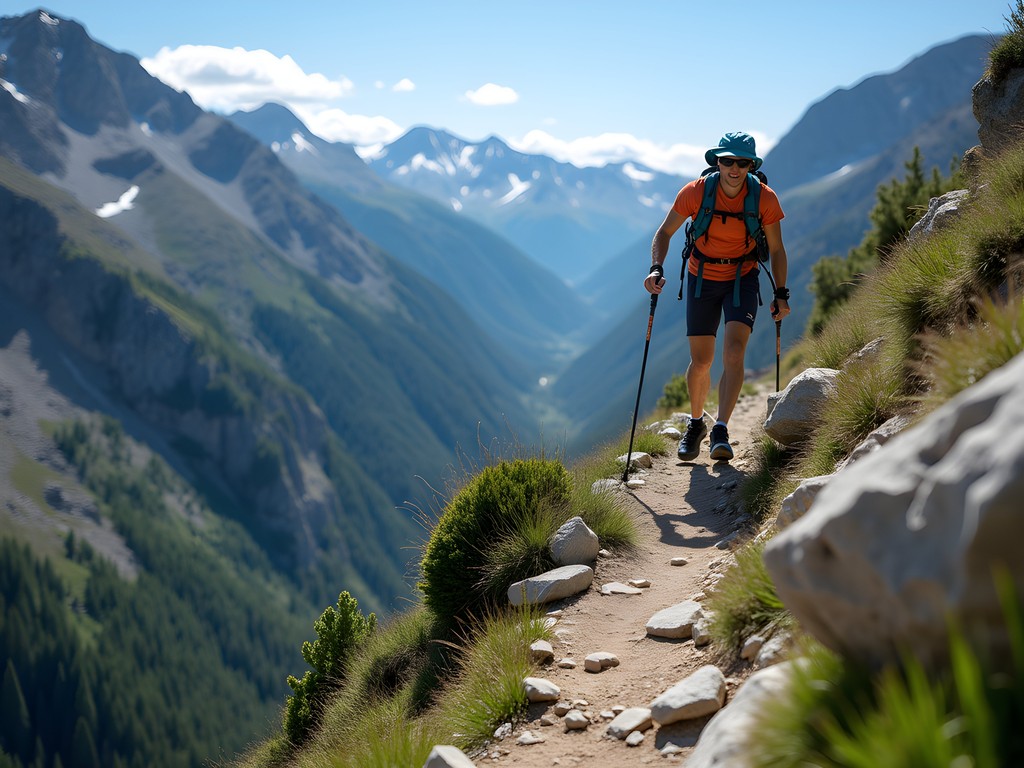
- Bring trekking poles for the steep descents—your knees will thank you
- Pack a lightweight emergency bivy sack even for day hikes
- Let someone know your exact route and expected return time—cell service is unreliable
Fueling the Climb: Vegan Finds in Bozeman
Mountain energy requires proper fuel, and as a longtime vegan, I've learned to research food options extensively before heading to mountain towns. Bozeman pleasantly surprised me with its progressive food scene that rivals cities twice its size.
My pre-hike ritual began each morning at Wild Crumb, where their vegan pastry selection provided complex carbs for the day's elevation gain. Their sourdough with house-made preserves became my trail sandwich base—substantial enough to maintain energy at 9,000 feet without feeling heavy.
For recovery meals, Farmacy became my evening sanctuary. Their plant-based bowls incorporate locally-foraged ingredients that change weekly. The waitstaff not only accommodated my vegan requests but enthusiastically recommended modifications to standard dishes. After particularly strenuous days on the ridge, I'd treat myself to their CBD-infused recovery smoothie—controversial perhaps, but incredibly effective for muscle recovery.
For trail provisions, Town & Country Foods offers an impressive bulk section where I assembled custom trail mix with local huckleberry-infused dark chocolate. Their deli also makes surprisingly good vegan wraps that withstand a day in a backpack without deteriorating.
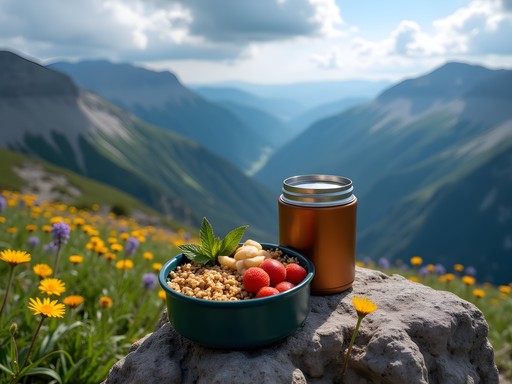
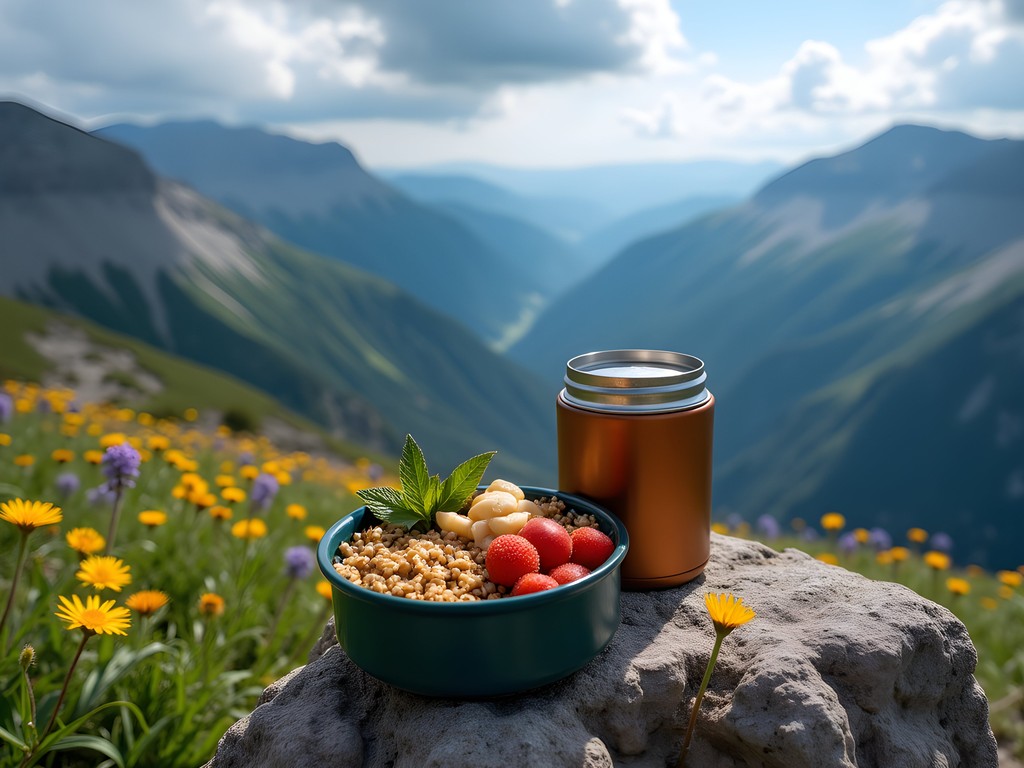
My most valuable food companion was my Stanley Adventure Vacuum Food Jar which kept hot meals actually hot even after six hours in my pack. There's something transformative about reaching a windswept summit and enjoying steaming coconut curry while other hikers resign themselves to squished sandwiches.
💡 Pro Tips
- Prep protein-heavy breakfasts—the mountain air increases metabolism dramatically
- Carry twice the water you think you'll need—high elevation dehydration is real
- Local huckleberries are in season mid-July to August—a perfect natural trail snack

Technical Ascents: Gear That Made The Difference
The Bridger Range isn't technical mountaineering, but certain sections—particularly the approach to Sacagawea and the north side of Hardscrabble Peak—demand proper equipment and preparation. Having hiked similar terrain in New Zealand and Patagonia, I came prepared but was still humbled by some of the exposure.
Footwear makes or breaks a Bridger experience. After testing numerous options across various mountain ranges, my La Sportiva Ultra Raptor II Mountain Running Shoes proved ideal for the Bridgers' mix of trail types. Their Vibram soles provided crucial grip on the loose scree below Ross Peak, while remaining comfortable enough for the long ridge traverse.
Weather protection becomes critical on the exposed ridgelines where conditions change dramatically. My layering system centered around a merino base layer topped with a Arc'teryx Atom LT Hoody that provided perfect insulation during early morning starts when temperatures hovered around 40°F. When afternoon winds kicked up, this combination regulated my temperature perfectly without constant layer adjustments.
Water filtration is non-negotiable—the streams coming off the Bridgers may look pristine but contain the same risks as any wilderness water source. My Katadyn BeFree Water Filter Flask allowed me to refill at high-elevation snowmelt streams, extending my range considerably during the ridge traverse.
For navigation, while I always carry physical maps, my Gaia GPS Premium Subscription with pre-downloaded topographic maps proved invaluable when afternoon fog suddenly enveloped the northern section of the ridge, reducing visibility to mere feet.
💡 Pro Tips
- Break in your hiking footwear at least 50 miles before attempting the ridge traverse
- Carry microspikes early in the season (through mid-July) for lingering snow patches
- Invest in polarized sunglasses—the high-altitude glare can cause headaches and eye strain
Finding Your Rhythm: Cultural Connections in Bozeman
Between mountain days, Bozeman offers cultural experiences that complement the outdoor adventure. As someone constantly exploring the intersection of landscapes and soundscapes, I found unexpected connections between the mountain environment and the town's vibrant music scene.
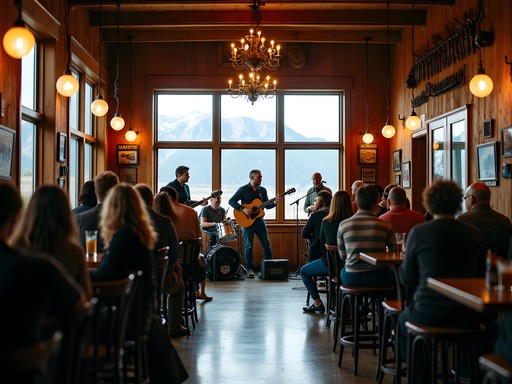
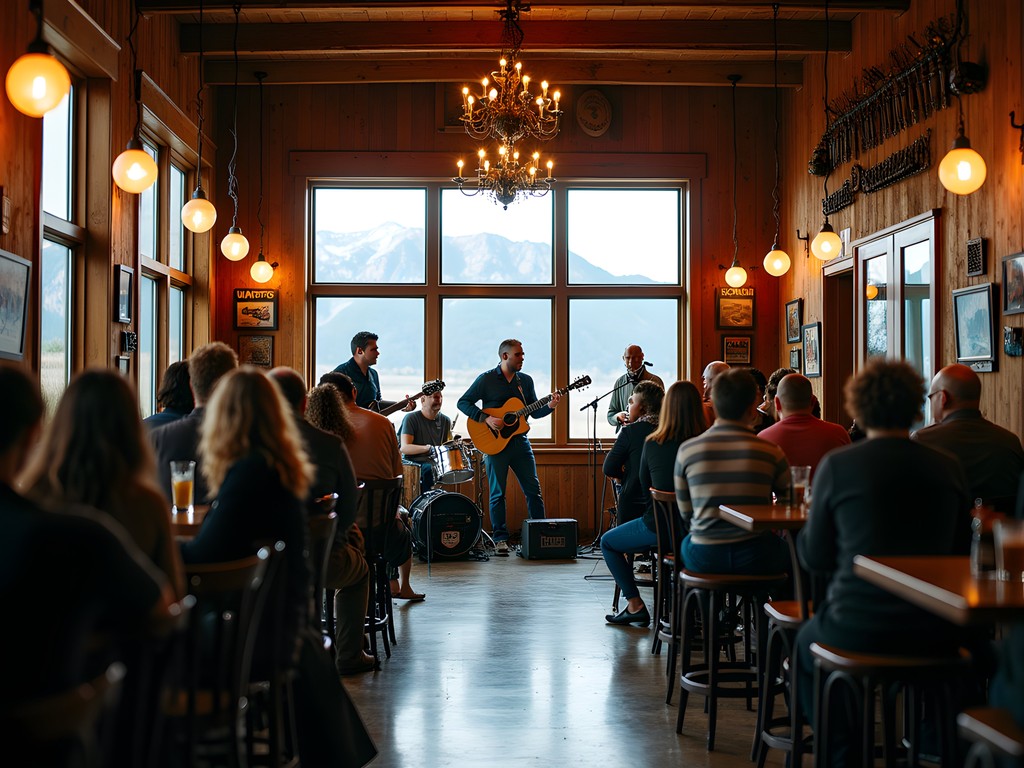
The Filling Station, a converted gas station turned live music venue, became my evening haunt after particularly satisfying hikes. Local bluegrass bands often incorporate natural themes that perfectly captured my daytime experiences—lyrics about mountain light and alpine meadows hit differently when you've just spent hours immersed in those very landscapes. I recorded snippets of several performances to layer into my field recordings, creating audio souvenirs that blend natural and musical elements.
Bozeman's Museum of the Rockies provided crucial context for understanding the geological forces that created the Bridger Range. Their special exhibit on indigenous relationships with the local mountains added depth to my hiking experience—knowing the cultural significance of certain peaks changed how I moved through those spaces.
For recovery days, I discovered Bozeman Hot Springs, where the geothermally heated pools soothed hiking-worn muscles. The outdoor pools offer views of the surrounding mountains, creating a perfect reflection moment to process the week's adventures. I brought my Kindle Paperwhite Signature Edition in its waterproof case to catch up on reading about local ecology while soaking—multitasking at its finest.
💡 Pro Tips
- Check the Filling Station's schedule for 'Bluegrass Thursdays' which often feature musicians who work as hiking guides during the day
- Museum of the Rockies offers half-price admission during the final hour—perfect for a post-hike educational stop
- The 11pm 'night swim' at Bozeman Hot Springs offers a magical stargazing experience after the crowds thin
Final Thoughts
As I packed my recording equipment on my final Bozeman evening, I scrolled through audio samples collected throughout the week—the hollow whistle of wind through limestone formations near Sacagawea Peak, the distant rumble of afternoon thunder over Ross Pass, and the distinctive crunch-crunch rhythm of boots on talus slopes. These sounds, layered with snippets from local bluegrass performances, have already become the foundation for my next production project.
The Bridger Range offers more than just spectacular hiking—it provides a multisensory journey that continues to resonate long after you've descended to the valley. Whether you're seeking challenging trails, unique soundscapes, or the perfect synthesis of outdoor adventure and cultural experience, these mountains deliver with a distinctiveness that's rare even among more famous ranges.
As I've discovered across four continents of mountain exploration, it's often the less-celebrated ranges that offer the most authentic experiences. The Bridgers may lack the international fame of the Tetons or Glacier's peaks, but their accessibility, diversity of experiences, and the warm community that surrounds them create a perfect symphony for the solo traveler willing to listen closely. I'll be back next summer, new microphones in hand, ready to capture more of this range's unique mountain melody.
✨ Key Takeaways
- The Bridger Range offers progressive difficulty levels suitable for building skills throughout a week-long trip
- Early starts are essential—afternoon thunderstorms are common and potentially dangerous on exposed ridgelines
- Bozeman's food and music scenes provide perfect complementary experiences to the mountain adventures
- The range's unique soundscapes offer something special for those willing to pause and listen
- Proper technical gear is essential, especially for the ridge traverse and higher peaks
📋 Practical Information
Best Time to Visit
Mid-July through early September
Budget Estimate
$1,200-1,800 for one week (including accommodations, food, gear rentals)
Recommended Duration
5-7 days
Difficulty Level
Moderate To Challenging

Comments
summerwalker
Thanks for sharing! Definitely want to visit Montana now
Gregory Boyd
Interesting approach focusing on the auditory experience of the trails - that's not something you see covered often in hiking guides. From a practical standpoint, the Bridger Range offers excellent value compared to more touristy Montana destinations. Bozeman has solid infrastructure for hikers (gear shops, trail shuttles, etc.) without the crowds you'd find near Yellowstone. The elevation gains are significant though - that 4,000+ foot climb to Sacagawea isn't trivial. I'd recommend acclimatizing for a day or two if you're coming from sea level. The gear section was helpful; proper footwear makes all the difference on those scree fields.
hikinghero
Love this!! The photos are gorgeous 📸
Frank Garcia
Solid guide! I spent three weeks in Montana last year doing a backpacking circuit through various ranges. The Bridgers definitely stand out for that solitude factor you mentioned. Compared to the Beartooths or even parts of Glacier, you can actually find empty trails here. The geology is fascinating too - that limestone ridge system creates some unique microclimates. Did you make it up to Fairy Lake? It's a bit of a drive but the trailhead access there opens up some incredible alpine terrain. Also appreciate the vegan restaurant tips - that's often the hardest part of mountain town logistics.
moonpro
Fairy Lake sounds cool! Is it good for beginners?
Frank Garcia
The lake itself is an easy hike, but the trails beyond it get steep quickly. Start there and see how you feel!
winterwalker
Great write-up Savannah! I've been hiking the Bridgers for 15 years and you really captured the essence of these mountains. The technical ascents section was spot on - those ridgelines can get sketchy when exposed. For anyone planning a trip, the M Trail is perfect for beginners and families, while Sacagawea and Ross Pass are for more experienced hikers. Weather changes FAST up there so layers are essential. I always carry my emergency shelter just in case. The recording equipment angle is really unique btw, never thought about documenting the sounds!
nomadking2156
Going there next month, any other tips? How are the trails in spring?
Gregory Boyd
Spring can be tricky - lots of snowmelt and muddy conditions. Check trail reports before you go.
greennomad
Did the Bridgers last summer and totally agree about the soundscapes thing. It's so quiet up there compared to other popular trails. We hit Sacagawea Peak and the views were insane. One tip - start EARLY. Like before sunrise early. We didn't and the afternoon thunderstorms rolled in fast. Also curious about those vegan spots you mentioned, didn't know Bozeman had good options for that!
summerwalker
Good to know about the thunderstorms! What time did you start?
greennomad
We started around 8am which was way too late. I'd say 6am or earlier for the longer trails
moonpro
This looks AMAZING!! Adding to my bucket list right now 🏔️
globechamp
What kind of recording equipment did you use to capture those trail sounds? I'm intrigued by this whole audio hiking experience!
Savannah Wood
I used a compact Zoom H4n Pro with windscreens - lightweight enough for backpacking but captures amazing stereo sound. Totally worth it!
globechamp
Thanks! Going to look into that. How difficult would you rate the Bridger Ridge Trail for someone in decent but not amazing shape?
Savannah Wood
It's definitely challenging - I'd recommend starting with some of the shorter trails like the M Trail to acclimate. The full ridge requires good stamina and some scrambling skills. Start early and bring plenty of water!
Kimberly Murphy
Savannah, your audio recording approach to hiking is absolutely brilliant! I did the M Trail last summer but never thought about the soundscape aspect. The way you described that hollow whistle in the pines gave me chills. I'm heading back to Bozeman this September and will definitely try your vegan recommendations - that falafel place you mentioned sounds perfect for post-hike refueling! Did you find the trails well-marked? I got slightly turned around on Sacagawea Peak last time, though the views were worth the momentary panic. My trekking poles were absolute lifesavers on those steeper sections!
Savannah Wood
Thanks Kimberly! The sound recording really changed how I experience trails. And yes, most trails are well-marked but I did bring a physical map for Sacagawea - cell service gets spotty up there. Hope you enjoy your September trip!
Venture X
Premium card with 2X miles, $300 travel credit, Priority Pass