
Disclosure: This article contains affiliate links. We may earn a commission from purchases at no extra cost to you, which helps our travel content.
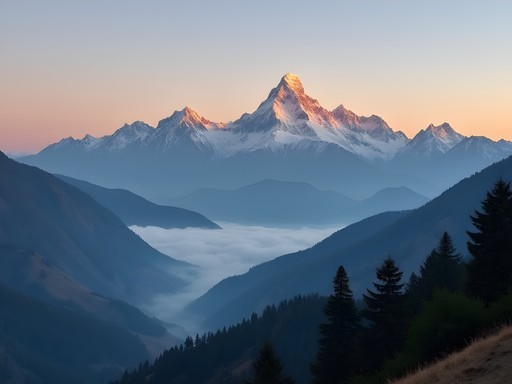
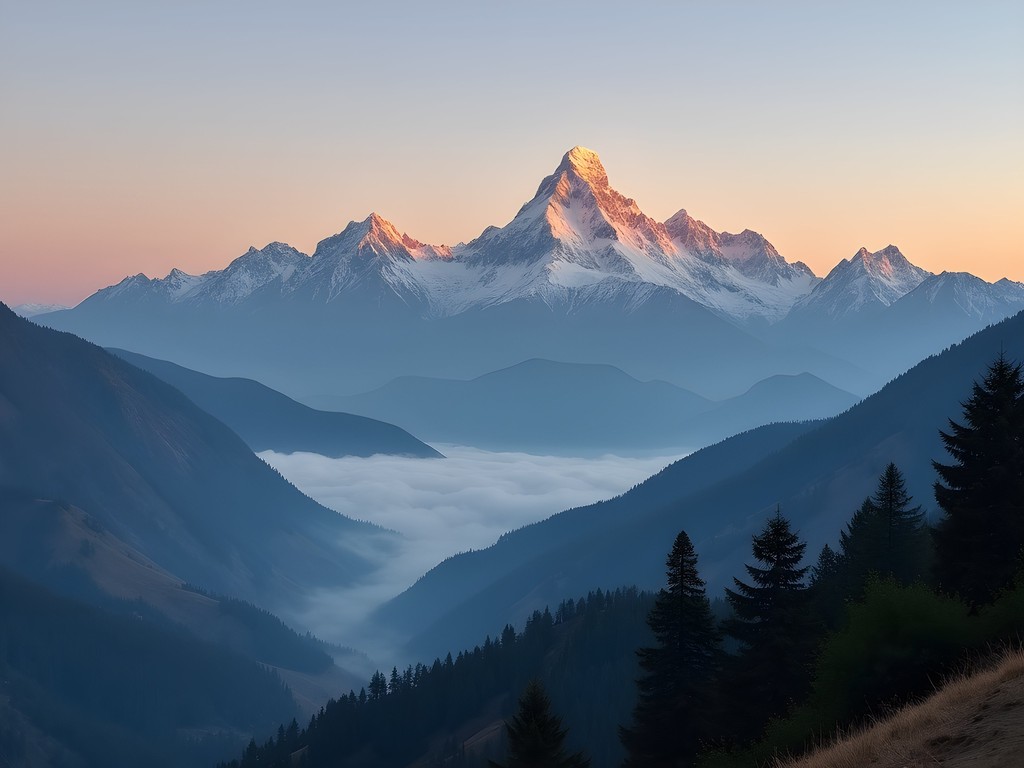
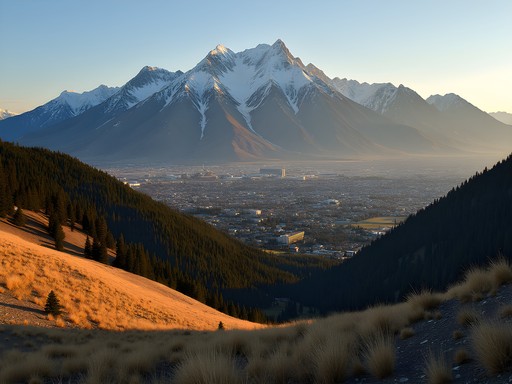
There's something deeply spiritual about standing on a mountain ridge at dawn, watching the Annapurnas emerge from darkness like ancient deities awakening. That moment – when the first golden light catches the snow-capped peaks while the valleys below still slumber in shadow – reminds me why I left the comfort of agency life in Auckland all those years ago. Bandipur isn't on most travelers' Nepal itineraries, and that's precisely what makes this former Newari trading post so magical. Perched 1,030 meters above sea level on a ridge overlooking the Marsyangdi river valley, this pedestrian-only village offers what the more famous Nepali destinations cannot: authenticity untainted by mass tourism. For two weeks this past autumn, my hiking boots carried me along forgotten paths where local traditions remain as steadfast as the mountains themselves, and where – to my delighted surprise – I discovered both craft spirits and gaming culture thriving in unexpected corners of the Himalayan foothills.

Finding Bandipur: The Road Less Traveled
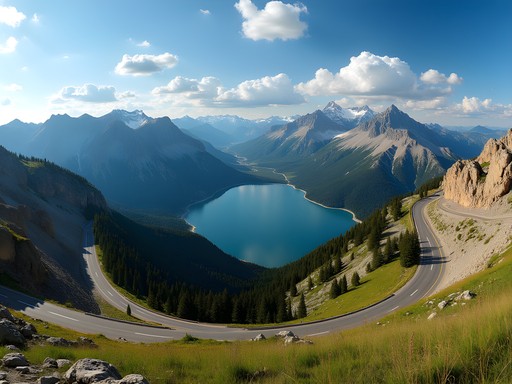
The journey to Bandipur begins like many Nepali adventures – with a white-knuckle bus ride from Kathmandu or Pokhara that tests both your suspension and your nerves. After five hours of hairpin turns that would make a Formula 1 driver sweat, I arrived at Dumre, where the real adventure begins. A local jeep carried me up the final 8km of switchbacks to Bandipur proper, the vehicle groaning in protest with each turn.
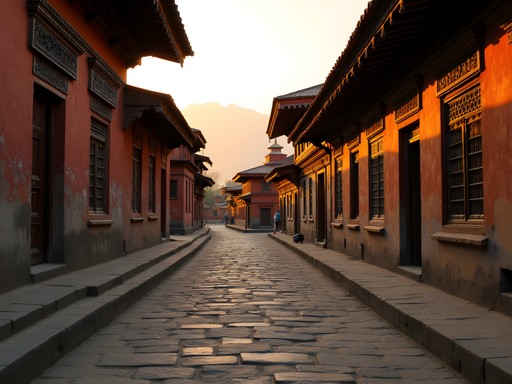
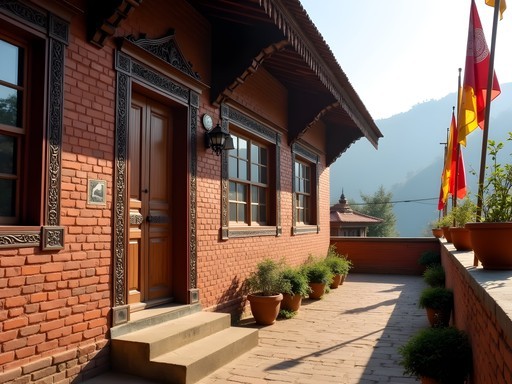
Unlike Kathmandu's constant cacophony or the tourist-centric bustle of Pokhara, Bandipur welcomes you with an almost disconcerting quiet. The main bazaar, a pedestrianized stretch of beautifully preserved Newari architecture, feels like stepping back centuries. Red brick buildings with intricately carved wooden windows and doors line the cobblestone street, their upper floors jutting out over the walkways below.
'You're the first New Zealander this season,' remarked Aama, the matriarch of the family-run guesthouse where I stayed. Her weathered hands passed me a steaming cup of chiya (Nepali spiced tea) as she settled beside me on the wooden bench overlooking the valley. 'Most tourists go to Annapurna, Everest. They miss our little paradise.'
She wasn't wrong. While the teahouse treks of the major circuits offer their own charms, they've become increasingly crowded affairs. Bandipur, by contrast, offers solitude for those willing to seek it – a quality I've found increasingly precious in both my distillery explorations and gaming retreats around the world.
💡 Pro Tips
- Skip the tourist buses and hire a private driver from Kathmandu or Pokhara for more flexibility (around 5000-7000 NPR)
- Stay in the heart of the bazaar area for the full cultural experience rather than at the larger resorts on the outskirts
- Download maps.me before arriving as Google Maps coverage is spotty in the region's more remote trails
The Silky Road: Bandipur's Ancient Trading Paths
Long before Instagram influencers discovered Nepal, Bandipur served as a vital trading post between India and Tibet. The Silk Road may get all the historical fame, but these lesser-known mountain trading routes – what I've come to call 'The Silky Road' – were just as crucial to the cultural and economic exchange of the region.
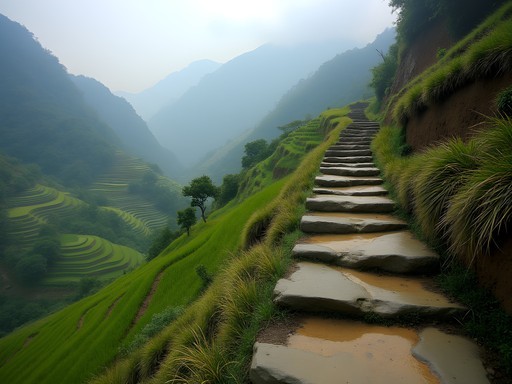
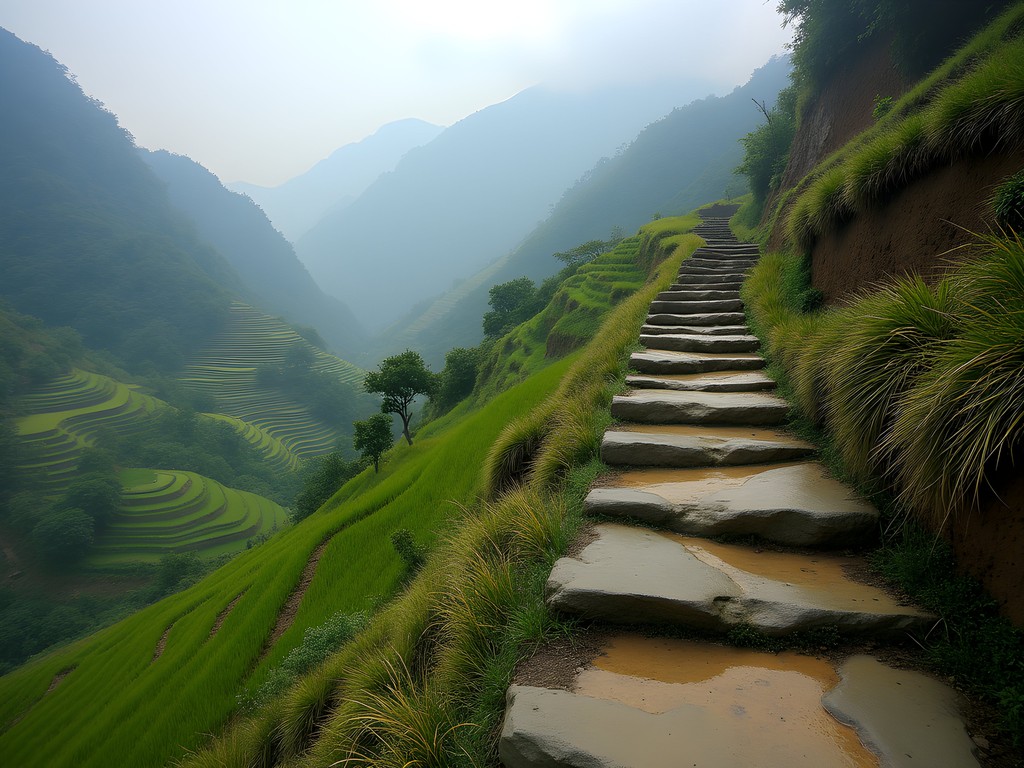
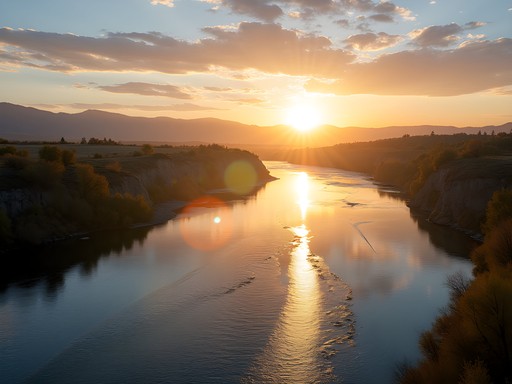
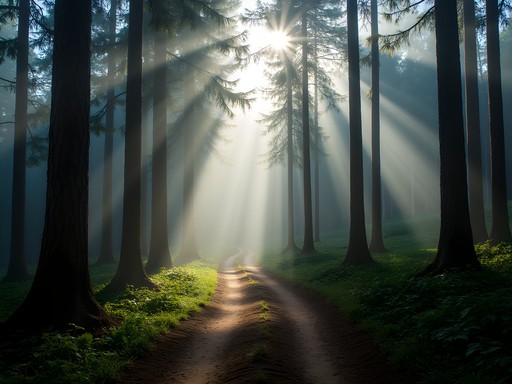
On my third day, I hired a local guide named Ramesh to lead me along these ancient paths. We set out before dawn, my headlamp cutting through the pre-dawn darkness as we descended from the ridge into the valley below. The trail – barely visible in places and seemingly known only through Ramesh's ancestral memory – wound through terraced fields and dense forests before beginning a punishing ascent.
'My great-grandfather walked this path every week carrying cloth from India,' Ramesh explained as we paused to catch our breath. 'He would trade for salt from Tibet, then walk back. Three days each way.'
The concept of whakapapa – the Māori understanding of lineage and connection to those who came before – resonated strongly as we walked these ancient routes. I could almost feel the footsteps of countless traders who had traversed these same paths for centuries, their journeys etched into the very stone beneath our feet.
We eventually reached Ramkot, a traditional Magar village untouched by modern development. Here, round houses with thatched roofs stood in defiance of contemporary architectural homogeneity. Children played traditional games in the dirt courtyard – no smartphones or tablets in sight – while village elders sorted through the season's harvest in communal work groups.
'This is how Nepal has always been,' Ramesh said proudly. 'Some things change too fast in Kathmandu, Pokhara. Here, we remember who we are.'
💡 Pro Tips
- Hire a local guide for the Ramkot trek – the trails are unmarked and easy to lose
- Start the Ramkot hike early (around 5:30am) to avoid the midday heat
- Bring at least 2 liters of water per person as there are limited refill opportunities
Unexpected Spirits: Raksi and the Mountain Distillers
Those who follow my blog know that no destination is complete without exploring the local spirits scene. While Nepal isn't internationally renowned for its distilling traditions, I discovered that Bandipur harbors some fascinating alcoholic secrets in its hillside homes.
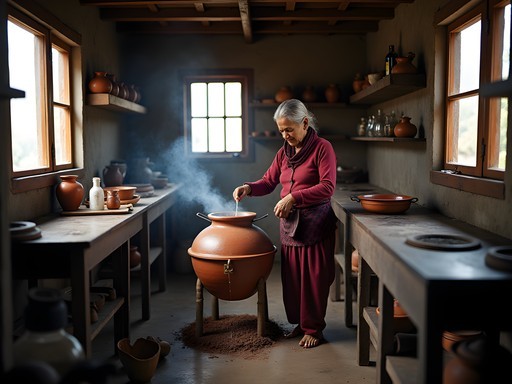
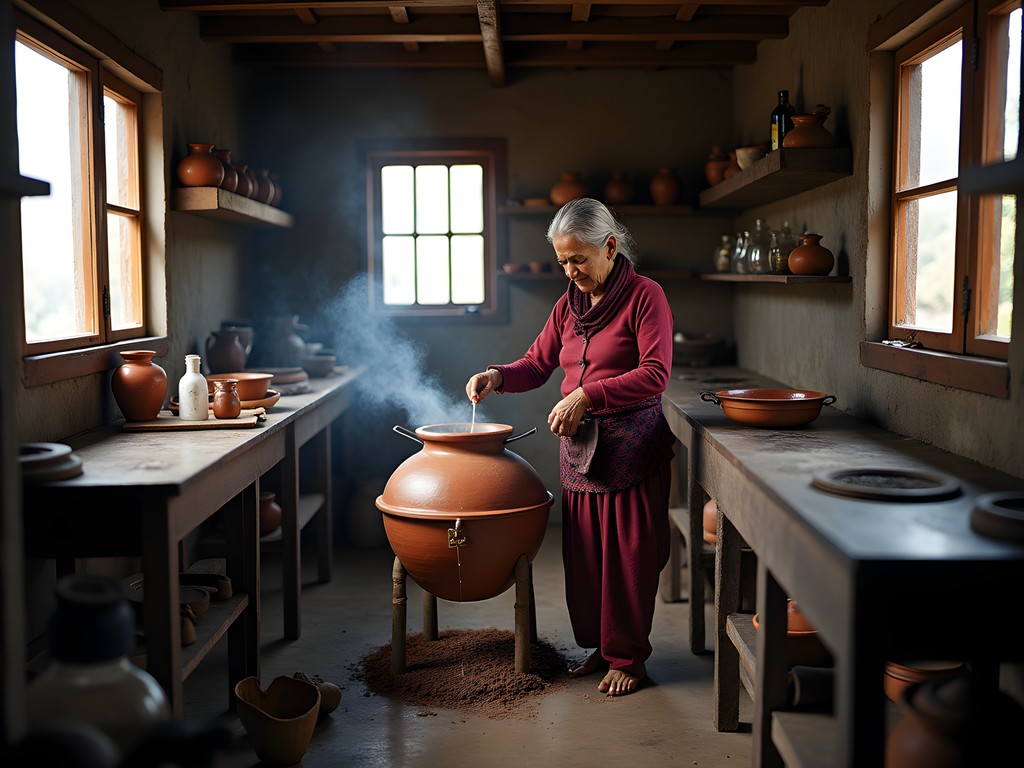
During my second week, after establishing rapport with the locals, I was invited to witness the production of raksi – a traditional Nepali distilled spirit made from millet or rice. The process took place in Dina's kitchen, a space that doubled as a micro-distillery with equipment that wouldn't look out of place in a medieval alchemist's workshop.
'My family has made raksi for fifteen generations,' Dina explained as she tended to a primitive still constructed from clay pots, copper tubing, and what appeared to be repurposed household items. The fermented millet bubbled away as steam carried the alcohol through bamboo pipes, eventually condensing into a clear liquid that flowed into a collection vessel.
The process reminded me of the first craft distillery I documented in New Zealand – that serendipitous assignment that changed the course of my career. Both shared the same dedication to tradition, the same respect for process, though separated by continents and cultures.
Later that evening, I sat cross-legged on floor cushions in the family's main room, sampling the finished product. Raksi is potent – easily 45-50% ABV – with a complex flavor profile that varies dramatically between producers. Dina's version carried notes of toasted grain, subtle fruitiness, and a distinctive earthiness that spoke to the terroir of these mountains.
For those interested in capturing their own distillery visits or mountain treks, I relied heavily on my travel camera throughout the trip. Its compact size belies professional-quality images, even in the challenging low light of Dina's distillery or the high contrast of mountain landscapes at dawn.
💡 Pro Tips
- Always accept raksi when offered by locals – refusing is considered impolite
- Pace yourself as homemade raksi is significantly stronger than commercial spirits
- Bring small gifts (chocolate, tea from your home country) to thank locals who welcome you into their homes

Digital Nomads and Mountain Gamers: Bandipur's Surprising Tech Scene
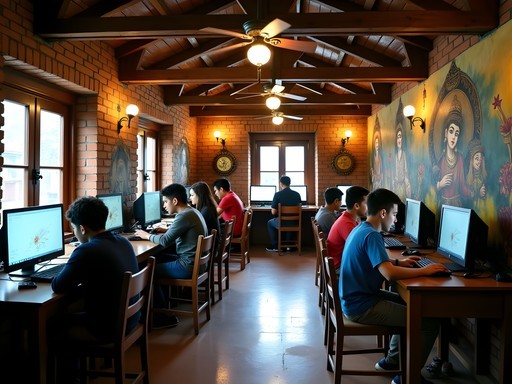
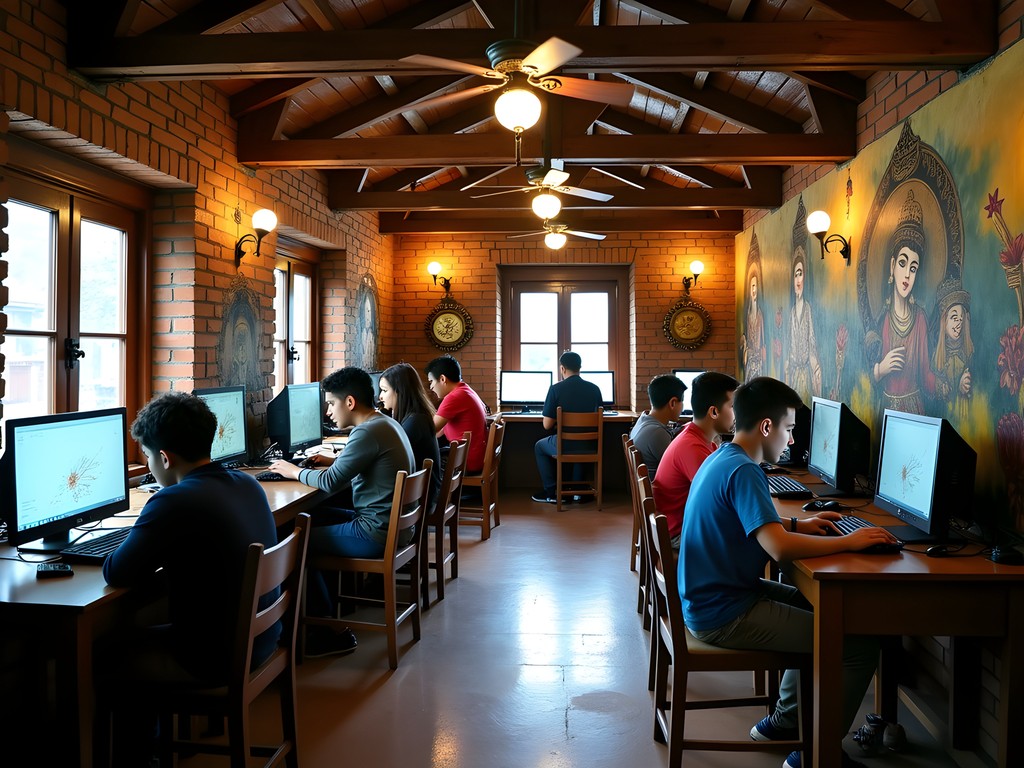
If you'd told me I'd find a thriving gaming community in a remote Nepali mountain village, I might have questioned your sanity. Yet on my sixth day in Bandipur, while seeking shelter from an unexpected afternoon downpour, I stumbled upon 'The Dragon's Lair' – a modest café tucked away down a narrow alley off the main bazaar.
Pushing open the wooden door revealed not the traditional tea house I expected, but a small gaming café where local teenagers huddled around several aging computers. The walls were adorned with hand-painted murals of gaming characters – some international favorites, others distinctly Nepali interpretations of digital heroes.
'We started this three years ago when we finally got reliable internet,' explained Dipak, the twenty-something proprietor who returned to his village after studying computer science in Kathmandu. 'The kids needed something to do, and the tourists – they're surprised but happy when it rains.'
The space served dual purposes: gaming hub for local youth and digital nomad workspace for the occasional trekker needing to check in with the outside world. I spent several afternoons there, alternating between editing photos on my laptop and joining impromptu gaming sessions with local teenagers who showed no mercy to this middle-aged gamer from New Zealand.
What struck me most was how this digital oasis didn't feel at odds with Bandipur's traditional character. Instead, it represented the same spirit of connection that has defined this former trading post for centuries – only now, the connections spanned the globe through fiber optic cables rather than mountain footpaths.
On my final evening at The Dragon's Lair, Dipak organized an impromptu tournament featuring a locally-developed game that reimagined traditional Nepali myths in digital form. Watching young players navigate their cultural heritage through this modern medium reminded me that preservation doesn't always mean keeping things unchanged – sometimes it means helping traditions evolve to remain relevant.
💡 Pro Tips
- The Dragon's Lair café has the most reliable WiFi in Bandipur (password: dragonfire2020)
- Bring your own laptop if you need to work – the café's computers are primarily for gaming
- Try the house special 'Gamer's Chai' – a caffeinated twist on traditional masala tea that will keep you alert for hours
The Tundikhel Trek: Bandipur's Ultimate Challenge
For couples seeking the ultimate test of their relationship and their stamina, the Tundikhel trek represents Bandipur's most demanding – and rewarding – adventure. This challenging route isn't found in most guidebooks, and for good reason: it's punishingly steep, poorly marked, and absolutely magnificent.
My guide for this adventure was Kiran, a former Gurkha soldier whose pace up near-vertical inclines made me question my self-assessment as 'athletically fit.' We began our ascent in darkness, my trekking poles providing crucial support as we navigated the initial rocky section by headlamp.
'Most tourists want easy trails,' Kiran remarked as we paused for water, the lights of Bandipur now tiny specks below us. 'But the best views are earned through sweat.'
The philosophy reminded me of a Māori proverb my grandmother often shared: 'Whāia te iti kahurangi, ki te tuohu koe, me he maunga teitei' – Pursue excellence; should you bow, let it be to a lofty mountain. In that pre-dawn moment, gasping for breath at 2,000 meters, I was quite literally bowing to this lofty mountain.
After three hours of relentless climbing, we reached Tundikhel – a grassy plateau that served as a parade ground during Bandipur's days as a military outpost. From this vantage point, as the sun crested the eastern hills, the entire Himalayan range revealed itself in a panorama that defies adequate description. The Annapurnas, Dhaulagiri, Manaslu, and on clear days even distant Everest – all standing sentinel across the northern horizon.
What makes this trek particularly special for couples is the absolute solitude. During my six-hour round trip, we encountered not a single other hiker. At the summit, Kiran discreetly distanced himself, allowing me a private moment of connection with the mountains – a courtesy I imagine would be especially appreciated by couples seeking intimate moments amid nature's grandeur.
The descent proved nearly as challenging as the ascent, with loose scree and steep drops demanding constant attention. My knees protested each step, reminding me that at 42, recovery takes longer than it once did. But the temporary discomfort faded quickly, while the memory of standing alone atop Tundikhel has remained crystal clear.

💡 Pro Tips
- Start the Tundikhel trek no later than 4:30am to reach the summit for sunrise
- Hire a guide – this trail is poorly marked and potentially dangerous without local knowledge
- Pack micro-spikes if trekking in late fall or early spring when overnight frost can make sections treacherously slippery
Final Thoughts
As my jeep wound back down the switchbacks toward Dumre, I found myself already planning a return to Bandipur. This overlooked gem offers what increasingly eludes us in our hyper-connected world: authenticity, challenge, and genuine cultural exchange. For couples willing to venture beyond the standard Nepali trekking circuits, Bandipur provides both the physical challenges that forge stronger bonds and the quiet moments of awe that create lasting memories. Whether you're sampling centuries-old spirits, gaming with locals in a hidden digital den, or standing breathless atop Tundikhel as the sun illuminates the roof of the world – Bandipur offers experiences that remain refreshingly uncurated and deeply personal. In the words of a Māori proverb that's guided my travels: 'Kia whakatomuri te haere whakamua' – I walk backwards into the future with my eyes fixed on the past. Bandipur embodies this perfectly – a place where ancient traditions and modern aspirations coexist on the same mountain paths, waiting for those adventurous enough to seek them out.
✨ Key Takeaways
- Bandipur offers authentic Nepali experiences without the crowds of more famous destinations
- The challenging trails around Bandipur provide both physical tests and spectacular rewards for adventurous couples
- Traditional practices like raksi distillation continue alongside surprising modern elements like gaming cafés
📋 Practical Information
Best Time to Visit
October-November (fall) or March-April (spring)
Budget Estimate
$25-50 USD per day per person (excluding transportation to Nepal)
Recommended Duration
Minimum 4 days, ideally 7-10 days
Difficulty Level
Moderate To Challenging (Significant Elevation Gain On Most Trails)

Comments
explorevibes
The raksi part cracked me up 😂 definitely trying that when I go!
Taylor Moreau
Excellent piece, Harper. I visited Bandipur three years ago during a business trip to Nepal and was similarly captivated. The preservation of Newari architecture is remarkable, and you're absolutely right about it being overlooked. I stayed at the Old Inn and found the hospitality exceptional. One tip for readers: the Thani Mai temple hike at sunset is spectacular - about 90 minutes up but worth every step for the 360-degree Himalayan views. The raksi distillery tour is a hidden gem as well. Did you manage to visit any of the local weaving cooperatives? They do beautiful work with traditional dhaka fabric.
Harper James
Thanks Taylor! I didn't make it to the weaving cooperatives unfortunately - ran out of time. Adding that to my list for next visit. The Old Inn looked lovely!
photoguy8982
How hard are the trails actually? I'm not super experienced with trekking but would love to try this. Also how did you get from Kathmandu to Bandipur - bus or private jeep?
Harper James
Hey! The trails around Bandipur are actually pretty moderate - nothing too technical. If you can handle a few hours of uphill walking, you'll be fine. I took a tourist bus to Dumre (about 5 hours from Kathmandu) then a local jeep up the hill. The local bus is cheaper but the jeep is way more comfortable for those switchbacks!
photoguy8982
Perfect thanks! That sounds totally doable
redphotographer
Wow this looks amazing!! Never even heard of Bandipur before but now its on my list 😍
explorevibes
Same! I was planning just Pokhara but this seems way less touristy
greenguide
Great photos! Really captures the vibe
Douglas Bradley
Excellent piece, Harper. What's particularly interesting about Bandipur is how it's managed to preserve its Newari architecture while adapting to modern tourism. The cultural preservation efforts there offer a compelling case study in sustainable tourism development. I'm curious about the tech scene you mentioned – are there reliable coworking spaces, or is it more informal? The intersection of traditional mountain culture and digital infrastructure is fascinating. Also, the raksi distilling tradition deserves more attention as intangible cultural heritage.
freemood
We stayed in Bandipur for 5 days last year and totally fell in love with it. Way less crowded than Pokhara or the main Annapurna routes. The sunrise views are legit incredible. Pro tip: stay at one of the guesthouses on the ridge for the best morning views. Also the local momos are seriously underrated! We took the local bus from Kathmandu which was an adventure in itself lol.
greenguide
Which guesthouse did you stay at? Looking for recommendations
freemood
Old Inn Bandipur - simple but the location is perfect and the family who runs it is super friendly
islandchamp
The digital nomad scene in Bandipur sounds so cool!! Didn't expect that at all in a mountain village
Amit Sullivan
Harper, your description of the Silky Road brought back vivid memories of my own trek there in 2019. I met an elderly gentleman who told me stories of his grandfather carrying silk and spices along those exact paths. What struck me most was how the trail seemed to hold echoes of all those footsteps – merchants, pilgrims, traders spanning centuries. The section near Ramkot village is particularly atmospheric at sunset. Did you manage to visit the old rest houses where traders used to stay? Some still have the original stone water troughs for horses.
greenguide
Wow that sounds incredible. How long did you spend there?
roampro
How difficult are the trails? I'm not super experienced with trekking but this looks incredible. Do you need a guide?
Amit Sullivan
The trails around Bandipur are quite manageable for beginners! Most of the walks are day hikes, nothing too strenuous. A guide isn't necessary but can really enrich the experience with local stories.
roampro
Thanks! That's really helpful
Venture X
Premium card with 2X miles, $300 travel credit, Priority Pass